Florida’s manatees are a big tourist draw in the Sunshine State, with their ability to delight both locals and visitors. Yet the iconic marine mammals began dying in record numbers in 2021, following the loss of their main food source in the Indian River Lagoon: seagrass.
The situation has been brewing for years, with pollutants and nutrients entering the waterways that lead to massive algal blooms. The blooms block sunlight and prevent seagrass from growing.
State and federal wildlife officials began a first-ever experimental feeding program during the winter of 2021-2022, to save more manatees from starving. Meanwhile, scientists are working to restore seagrass, but it is a process they say could take decades.
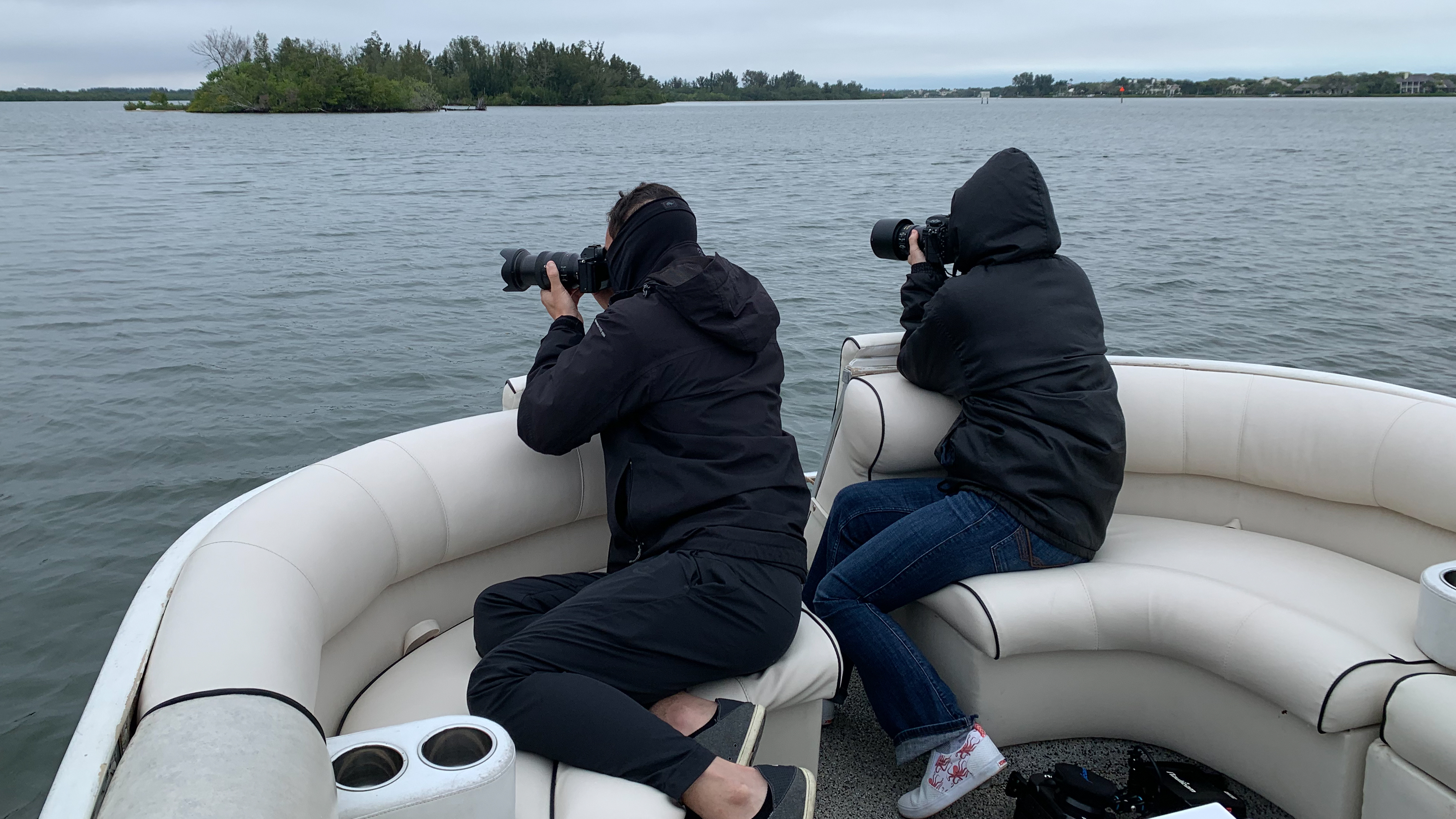
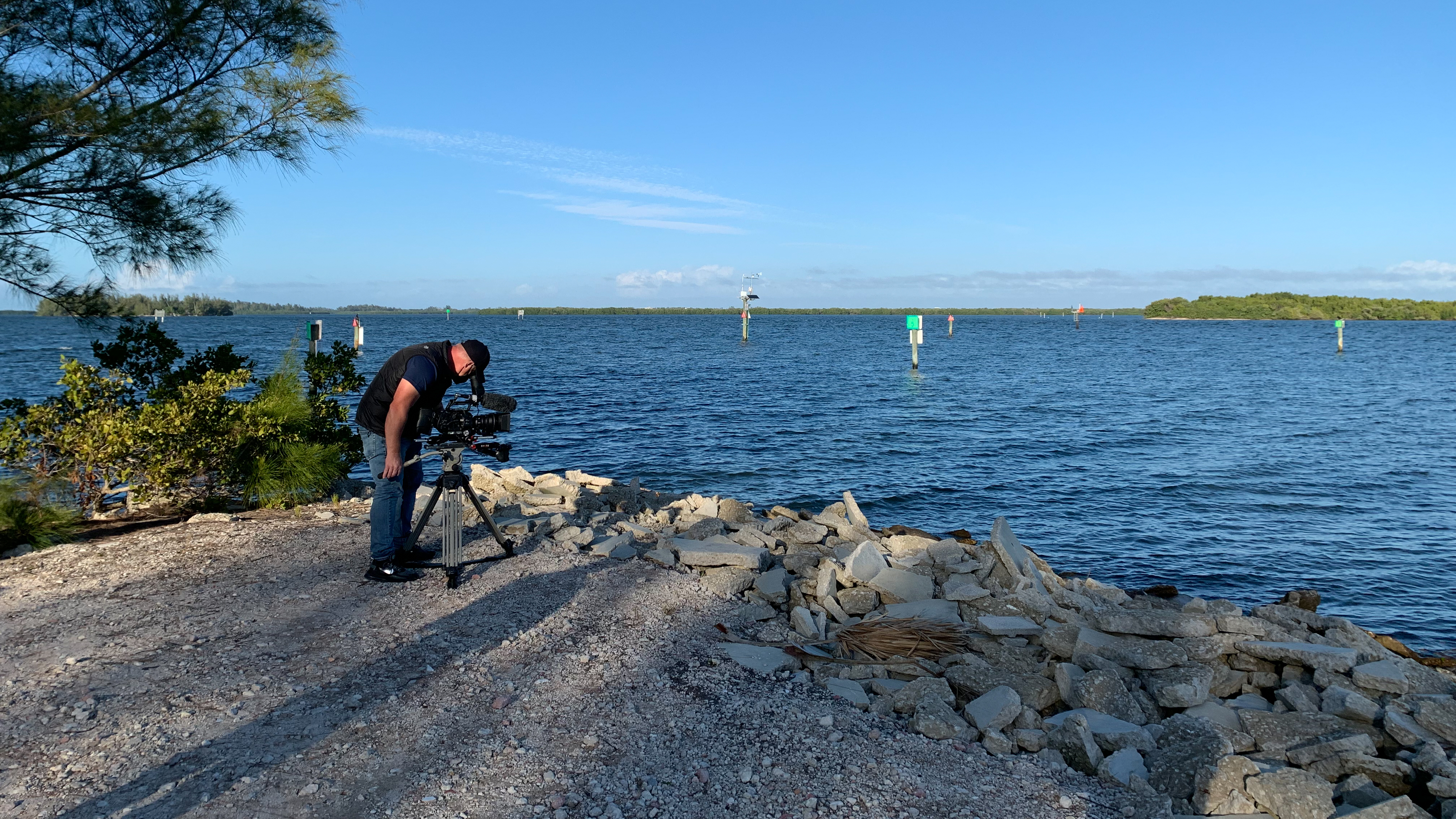
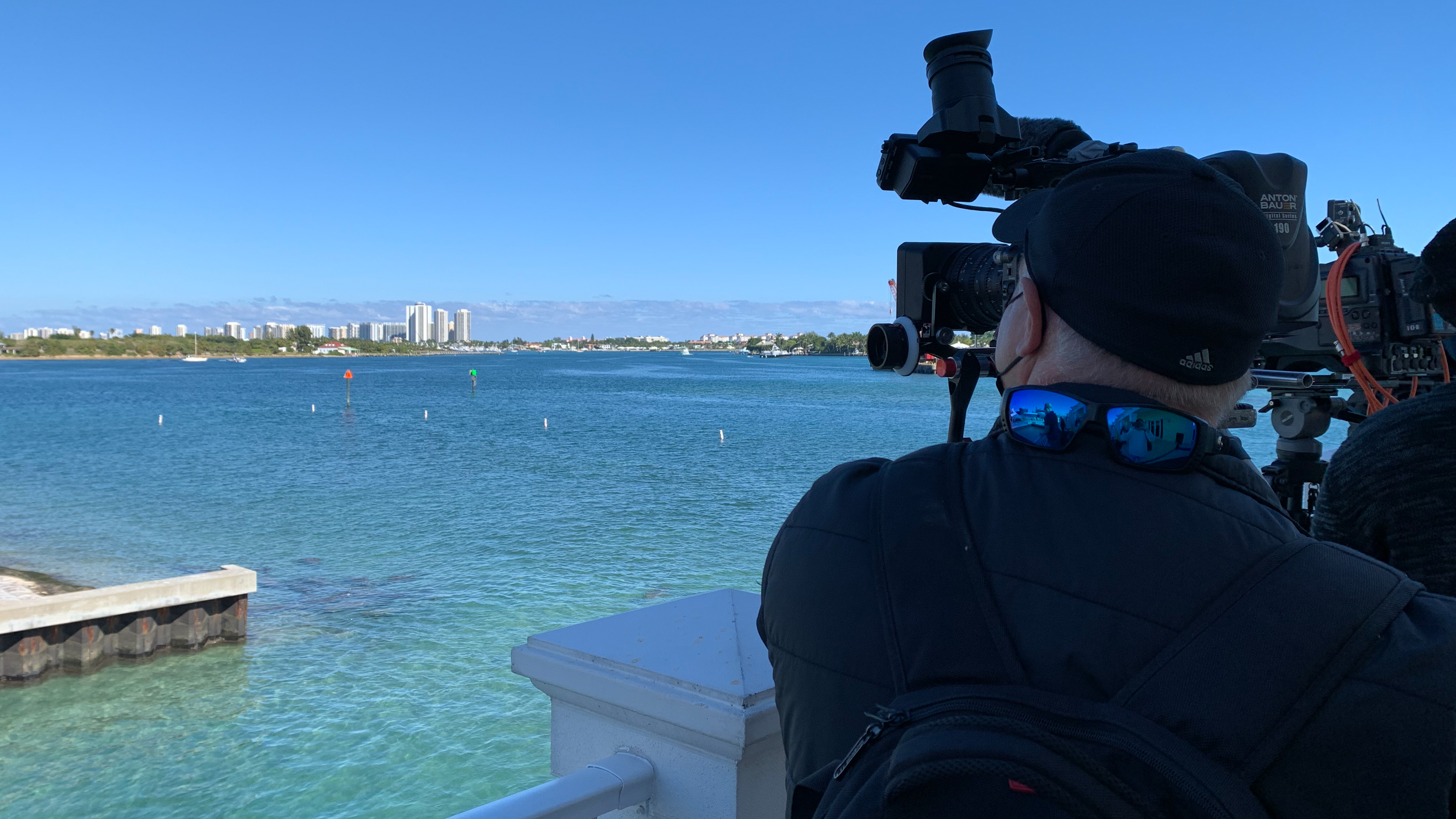
Changing Seas Videographer David Diez and Series Producer Alexa Elliott filming along Florida’s Indian River Lagoon, where a record-breaking number of manatees have died due to the loss of seagrass.
Changing Seas
2 / 28
Share This Gallery
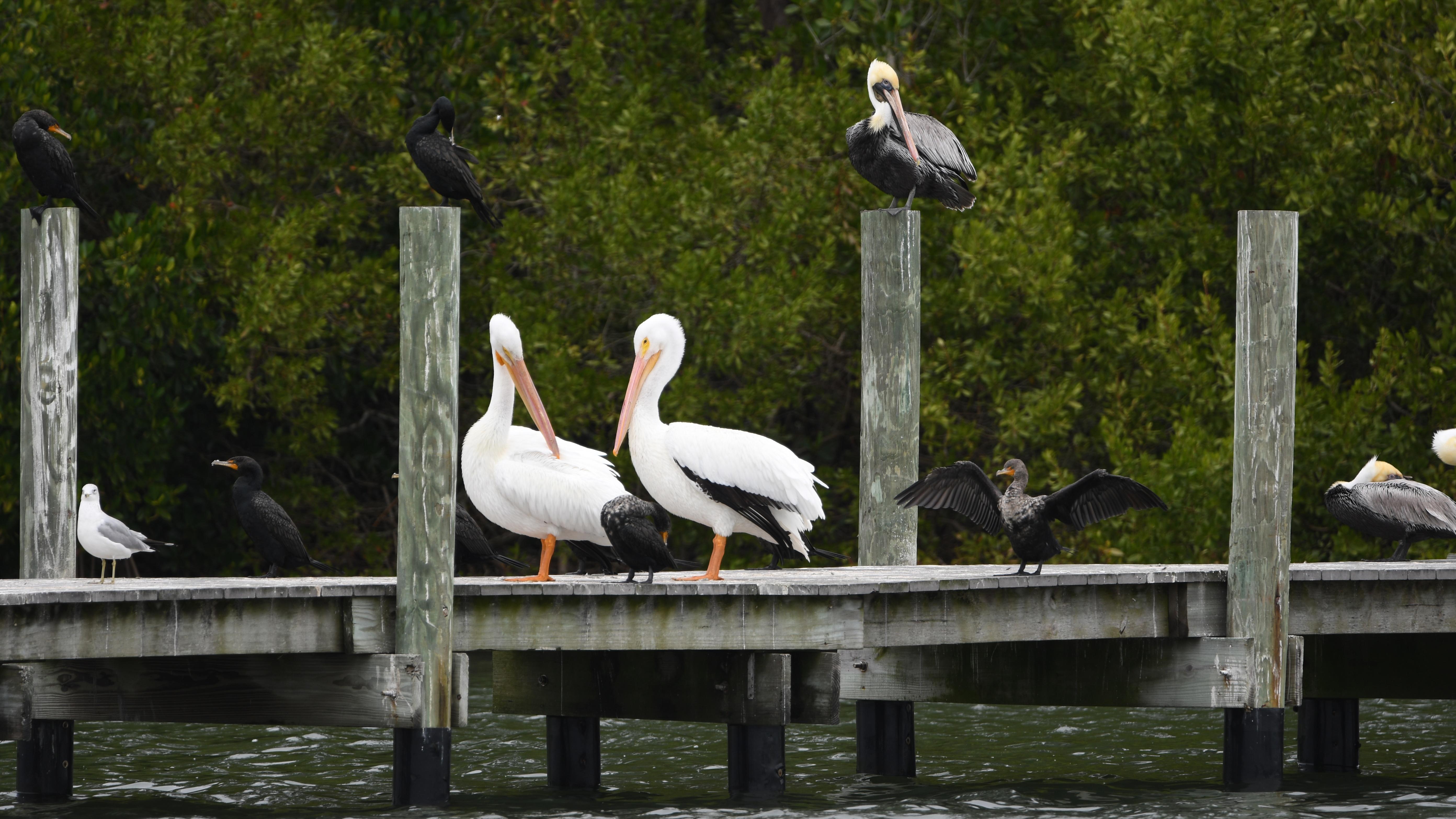
Pelicans gather on a dock along Florida’s Indian River Lagoon in Indian River County.
Changing Seas
3 / 28
Share This Gallery
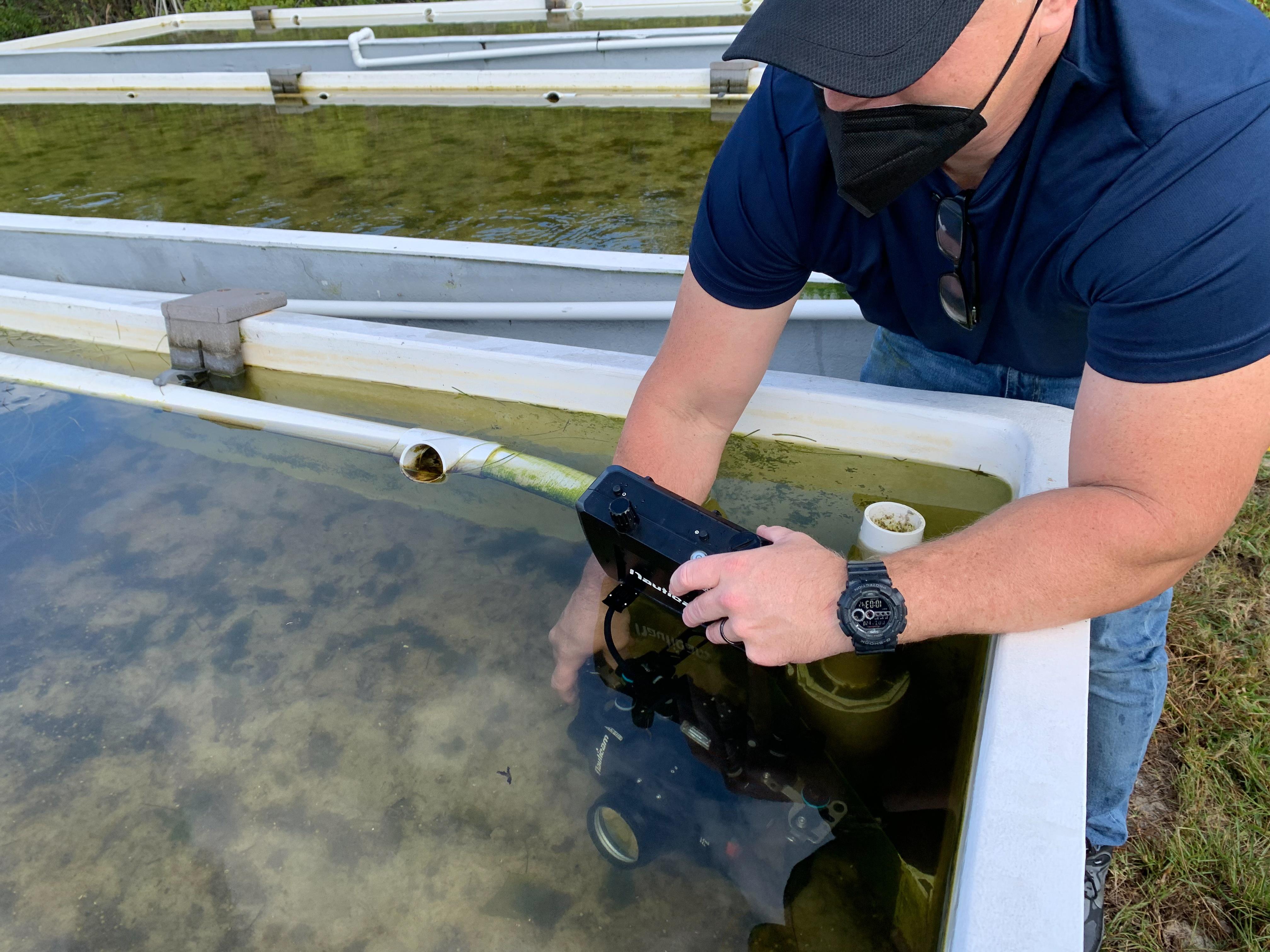
Director of Photography Sean Hickey captures seagrass growing inside a tank at Harbor Branch Oceanographic Institute in Fort Pierce, Florida.
Changing Seas
4 / 28
Share This Gallery
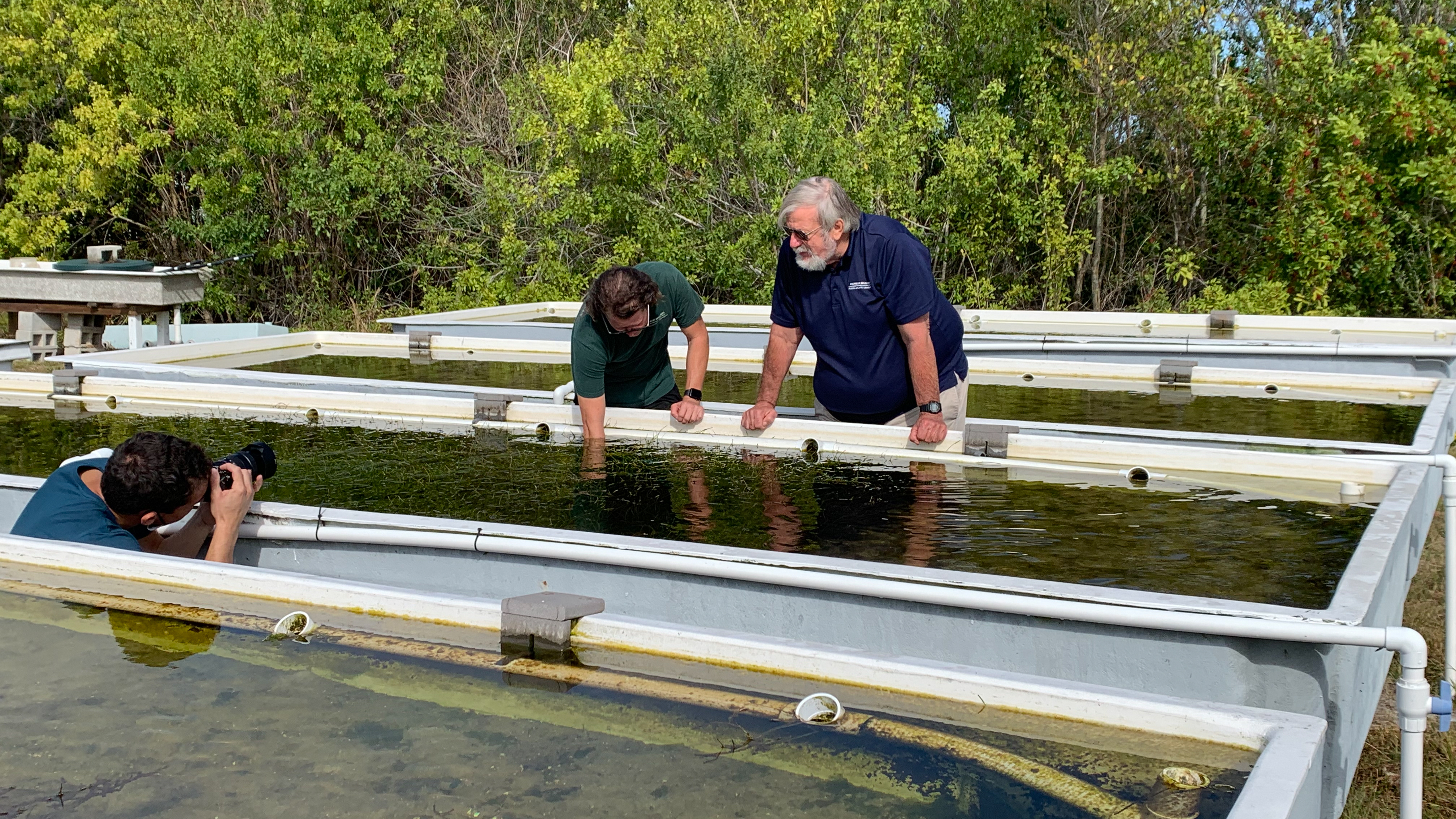
F.A.U. Harbor Branch’s Dennis Hanisak, Ph.D. and Biological Scientist Richard Mulroy observe seagrass growth inside one of the nursery tanks.
Changing Seas
5 / 28
Share This Gallery
F.A.U. Harbor Branch’s Dennis Hanisak, Ph.D. prepares to restore some seagrass he reared in a tank back to the Indian River Lagoon.
Changing Seas
6 / 28
Share This Gallery
Director of Photography Sean Hickey filming the Indian River Lagoon from F.A.U. Harbor Branch Oceanographic Institute in Fort Pierce, Florida.
Changing Seas
7 / 28
Share This Gallery
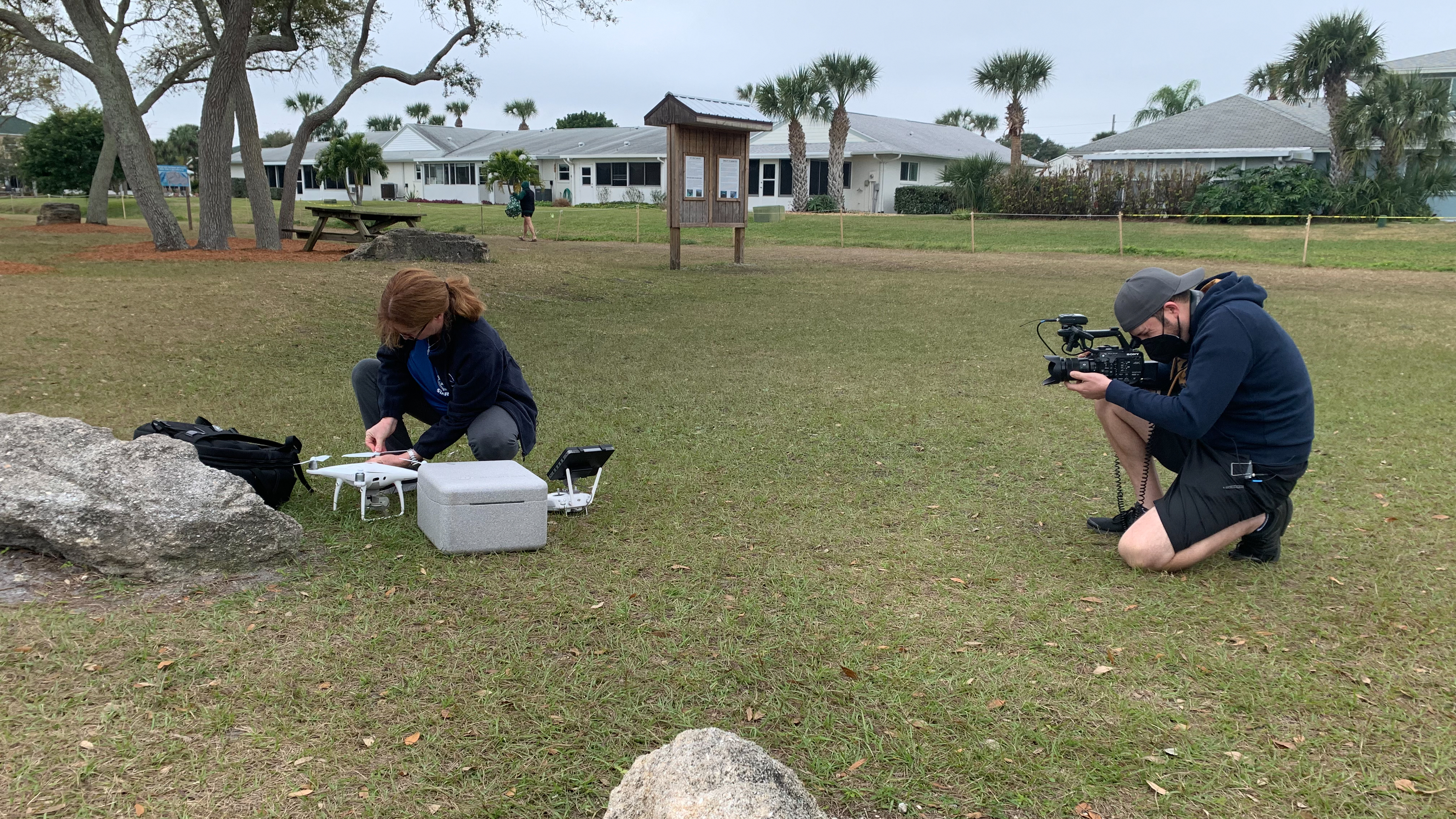
Mote Marine Laboratory and Aquarium’s Beth Brady, Ph.D. prepares to launch a drone to look for sick or emaciated manatees as they gather for warmth in DeSoto Park, located in Satellite Beach, Florida.
Changing Seas
8 / 28
Share This Gallery
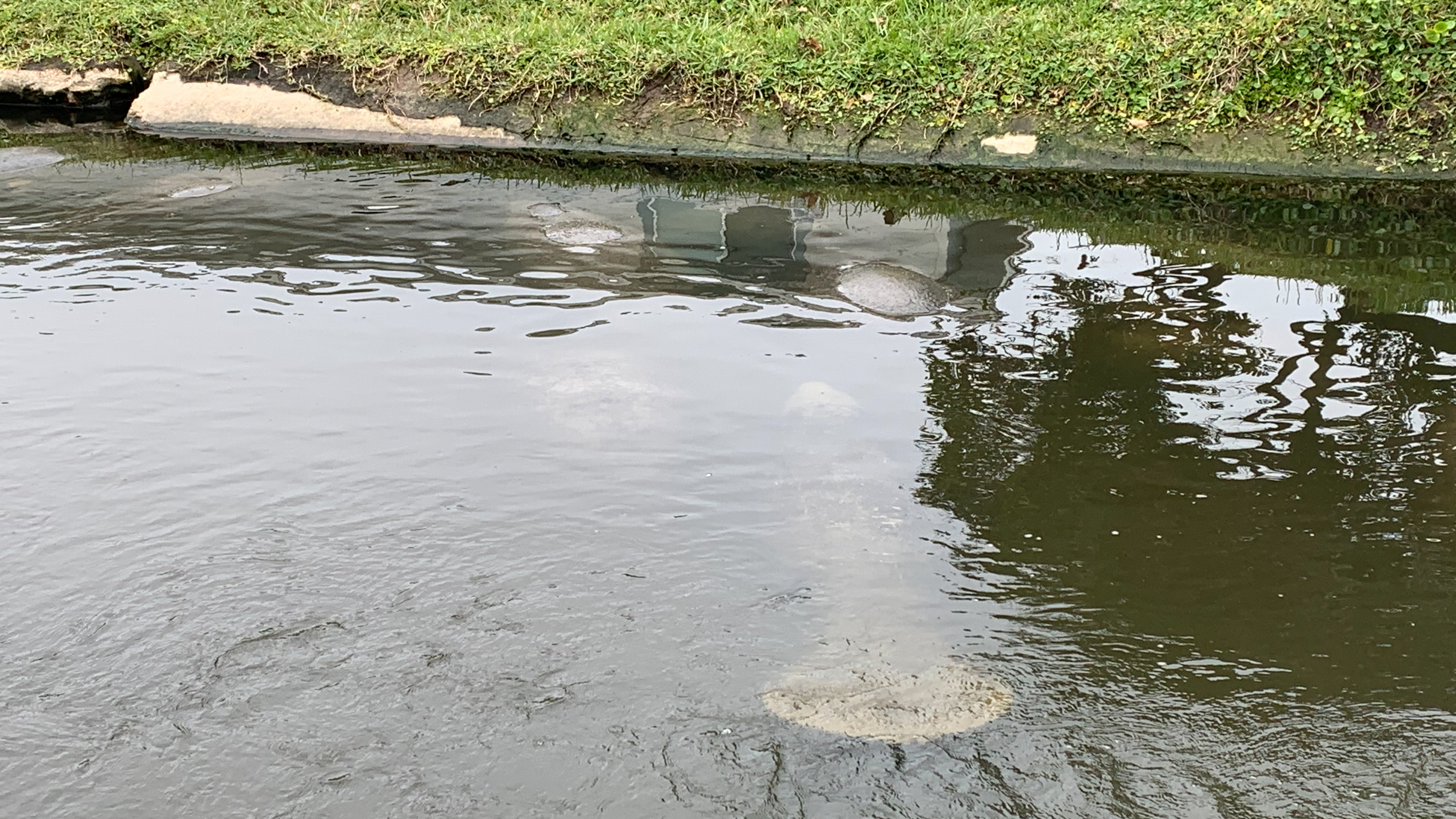
Manatees can’t tolerate water temperatures below 68 degrees for long periods of time, so they migrate to warmer waters and gather to avoid cold stress, which is comparable to hypothermia in humans.
Sarah Barrett with the Florida Fish & Wildlife Conservation Commission opens a cooler filled with lettuce on Feb. 4, 2022, to be fed to manatees at the experimental feeding site located near FPL’s Cape Canaveral Clean Energy Center.
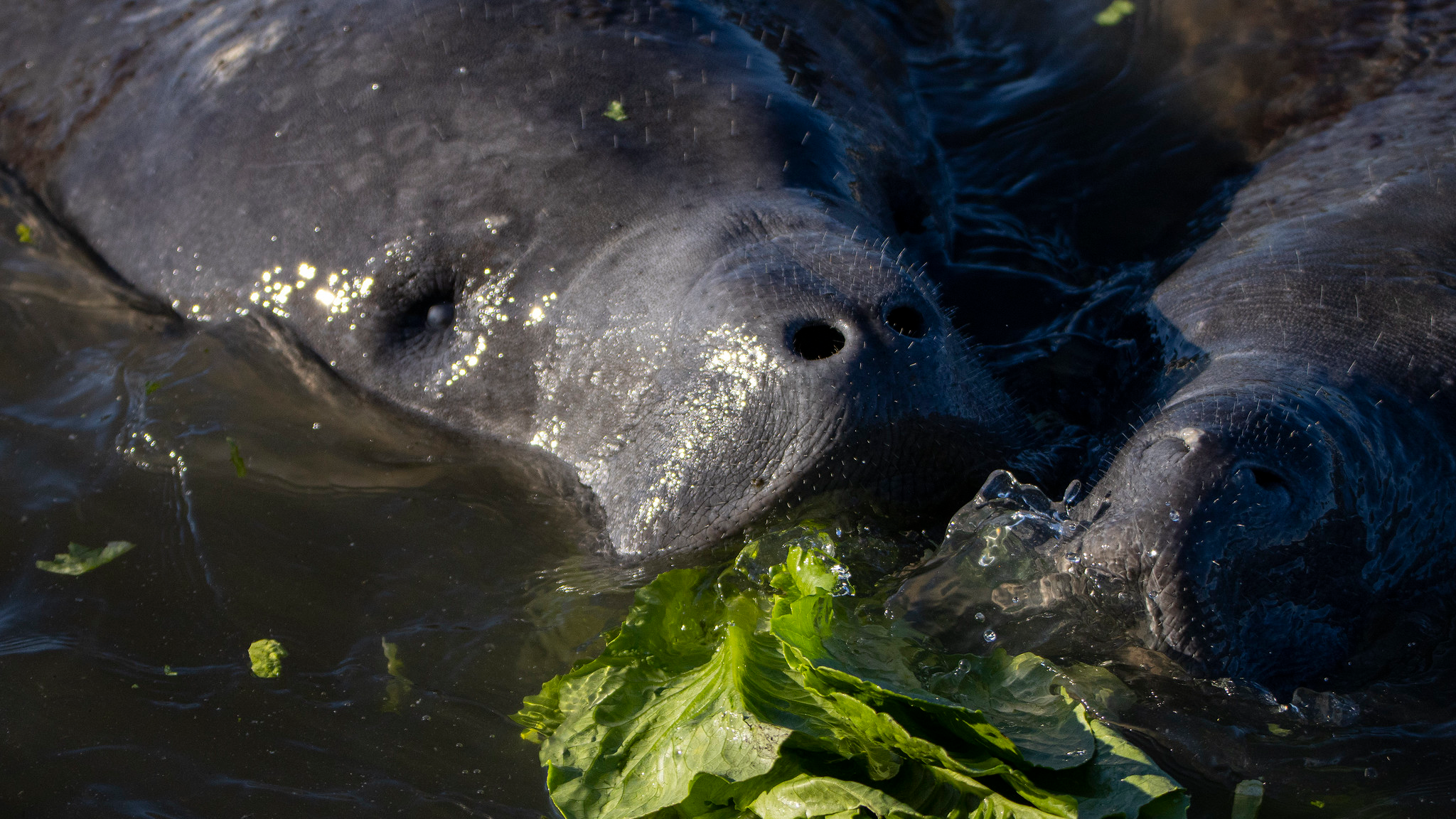
Manatees eating lettuce (provided by staff) at the Temporary Field Response Station near Cape Canaveral, as part of an experimental feeding trial to help prevent starvation during the winter.
Changing Seas
11 / 28
Share This Gallery
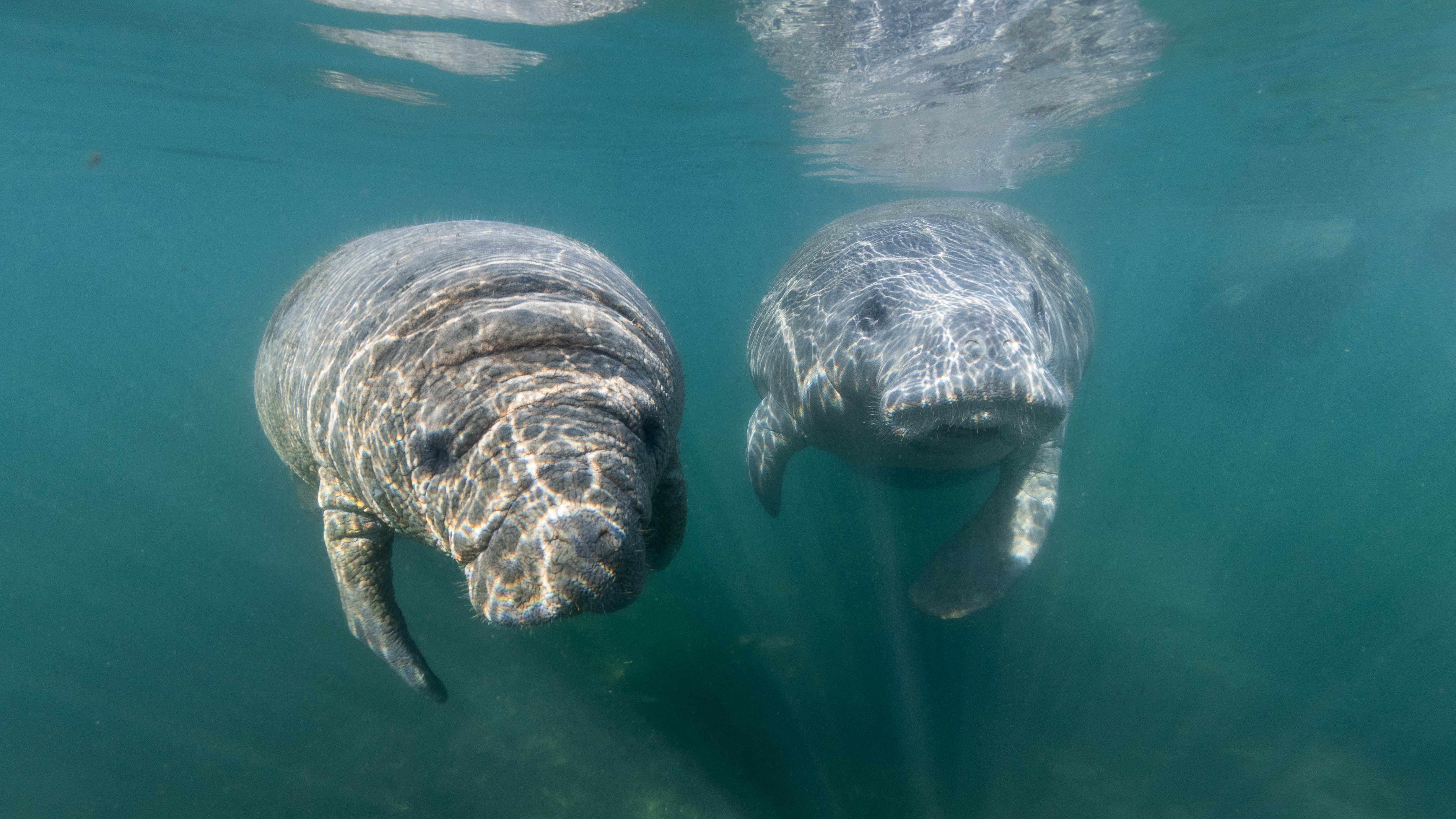
Wildlife officials say 1,101 manatees died in 2021, Florida’s worst year on record. Repeated algae blooms, fed by pollution, have killed off seagrasses, leaving manatees without their main food source in the Indian River Lagoon.
Changing Seas
12 / 28
Share This Gallery
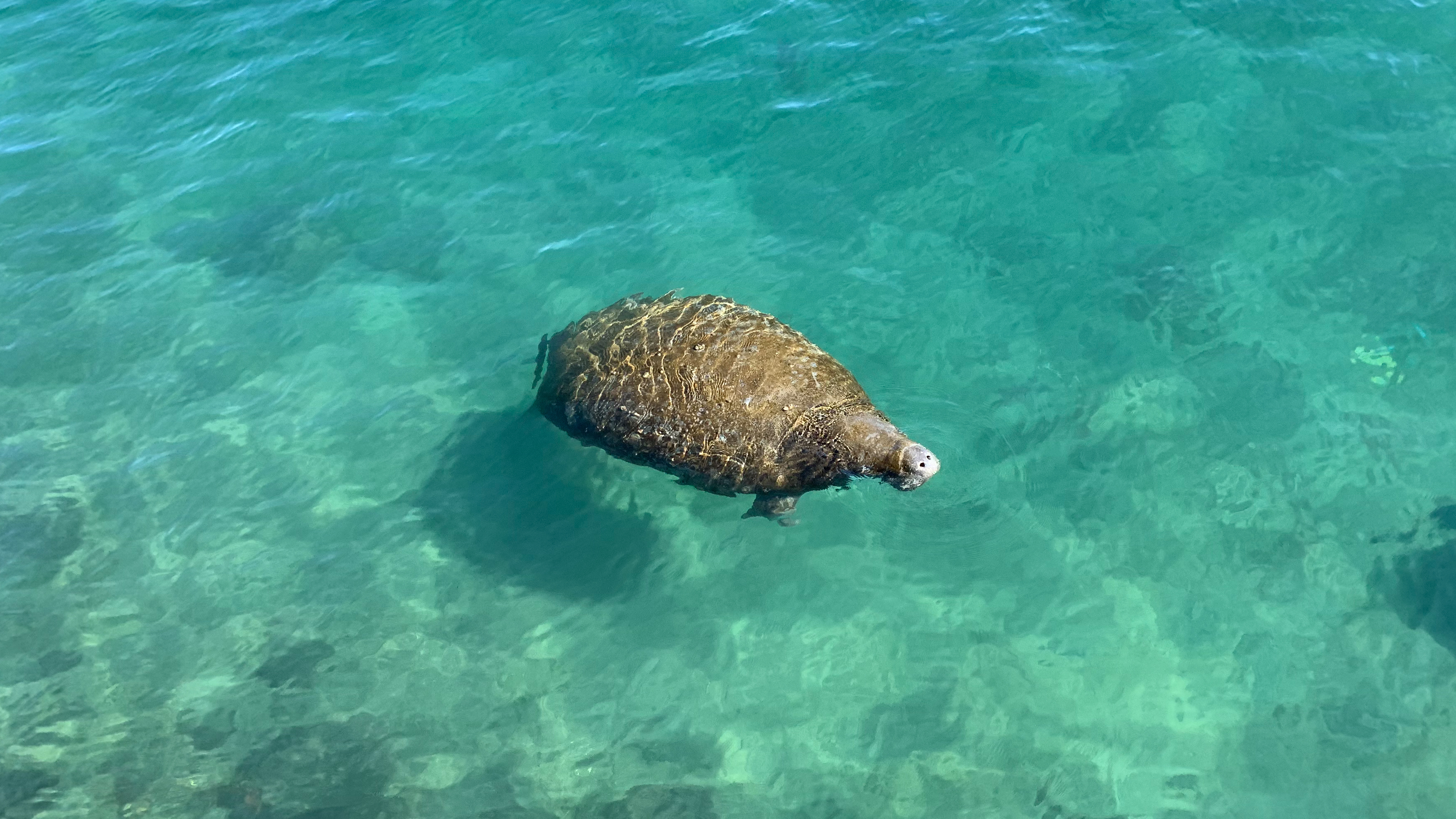
A manatee comes up for air at Manatee Lagoon in West Palm Beach, Florida. Manatees can hold their breath underwater for up to 20 minutes, but they generally surface every 5 to 10 minutes for fresh air.
Changing Seas
13 / 28
Share This Gallery
Director of Photography Sean Hickey films manatees gathering near the warm water discharges from FPL’s Riviera Beach Clean Energy Center during a chilly South Florida day in February 2022.
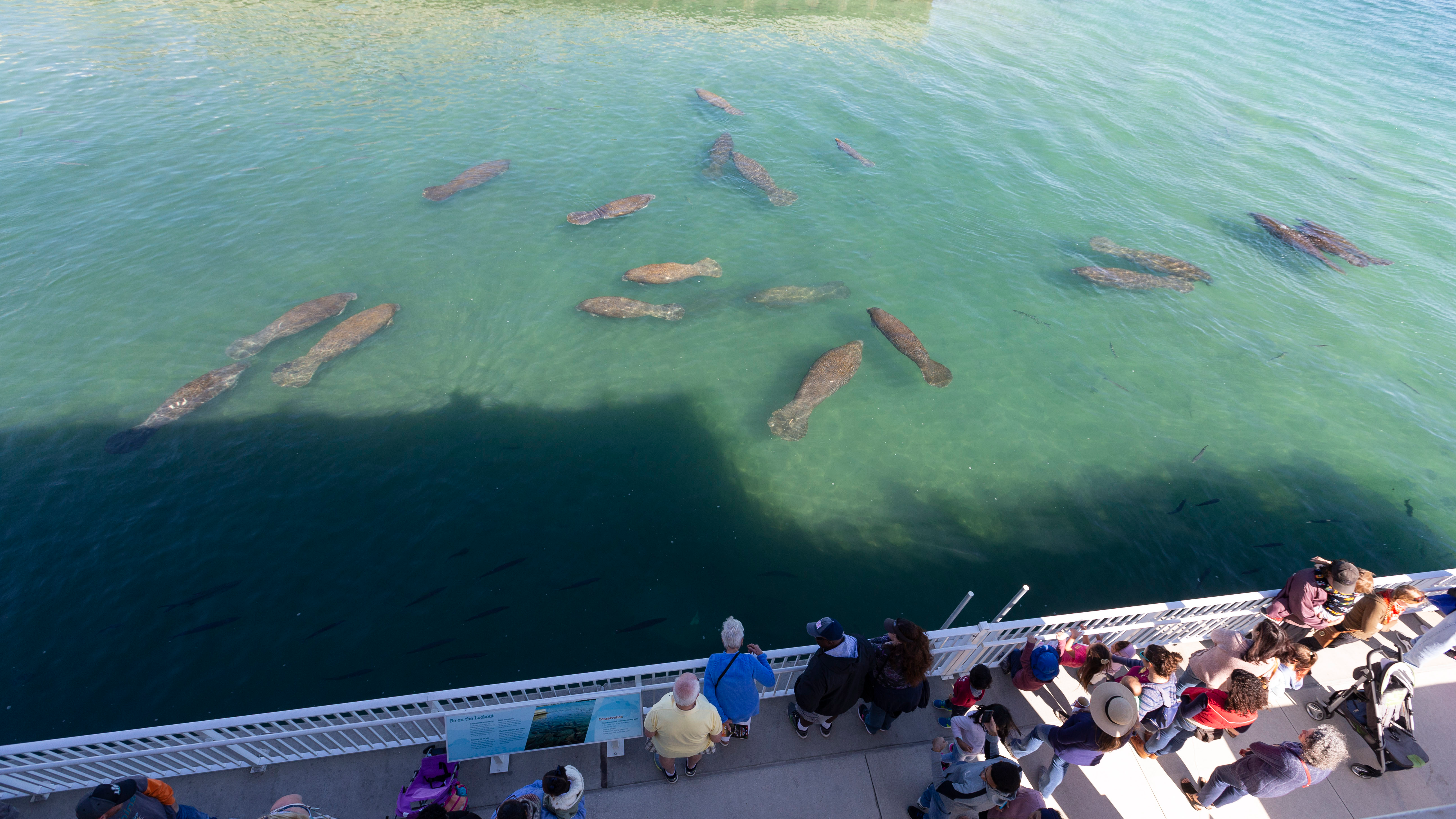
During Florida’s winter months, manatees attract a crowd as the sea cows rest in waters warmed by the power plant discharges at Manatee Lagoon in Palm Beach County.
Changing Seas
15 / 28
Share This Gallery
A pair of dolphins swimming in Florida’s biodiverse 156-mile Indian River Lagoon, which supports hundreds of wildlife species.
Changing Seas
16 / 28
Share This Gallery
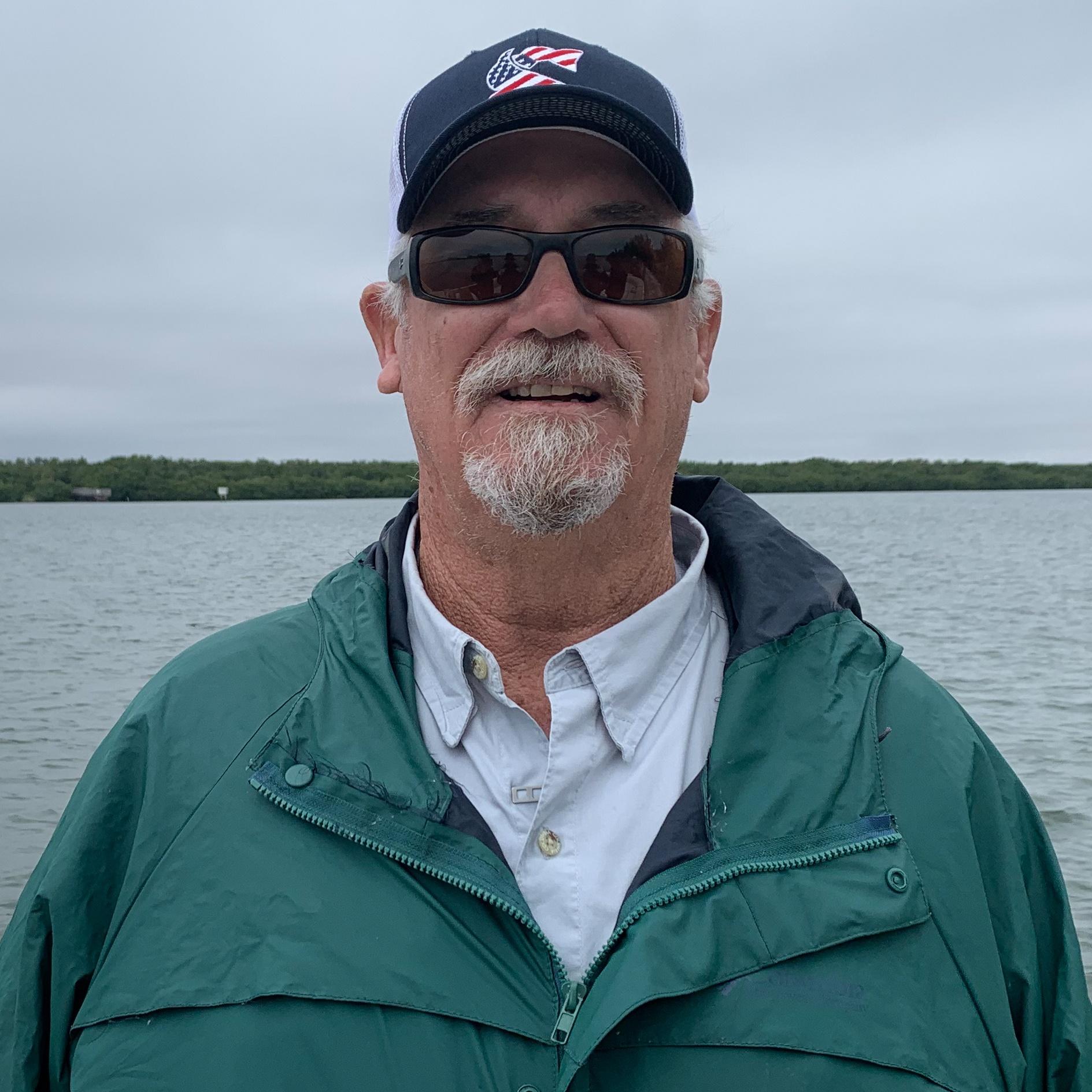
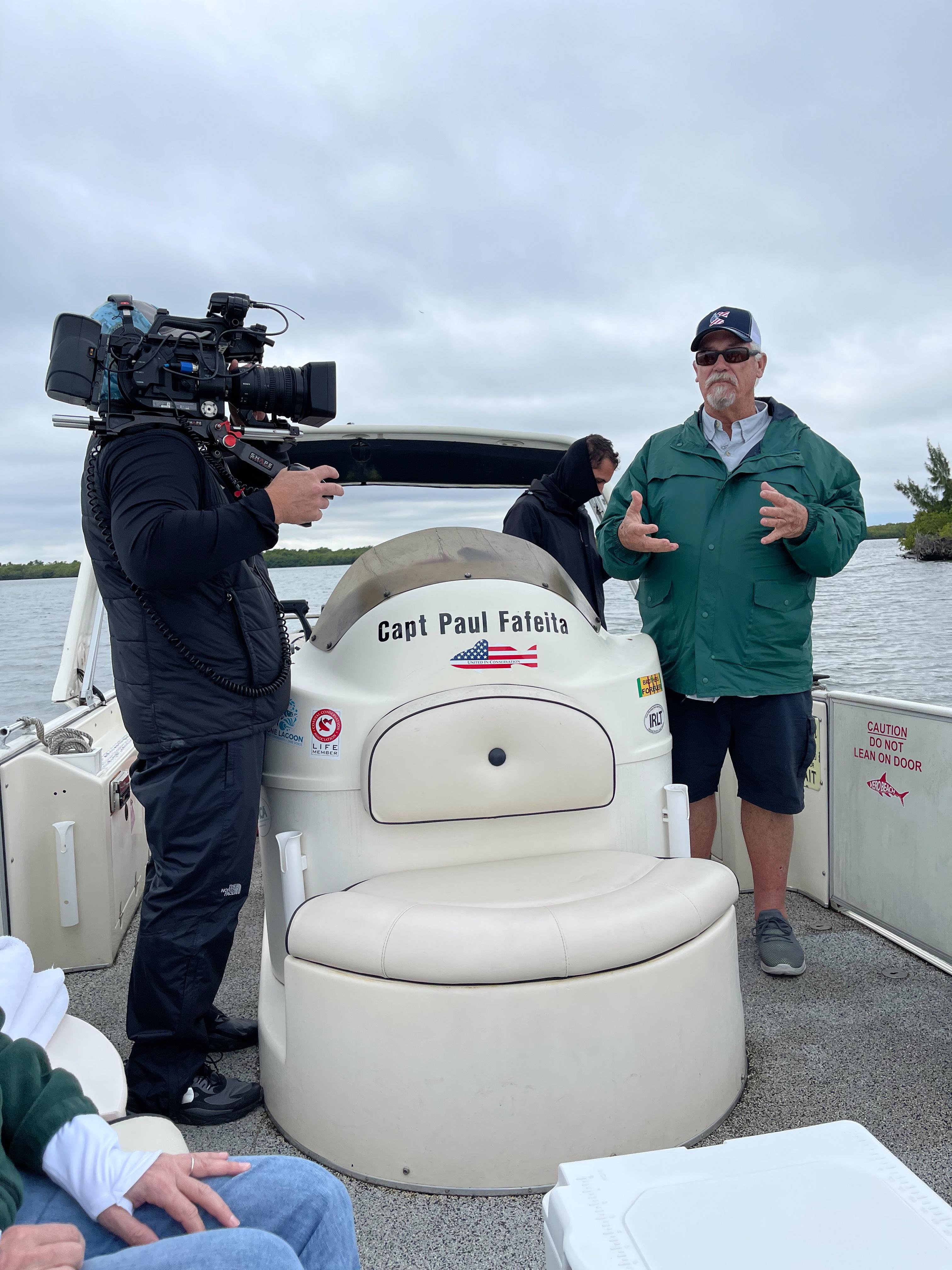
Captain Paul Fafeita of “Just Bumminit” River Tours shares his perspective on the loss of seagrass in the Indian River Lagoon near Vero Beach, Florida, over time.
Changing Seas
17 / 28
Share This Gallery
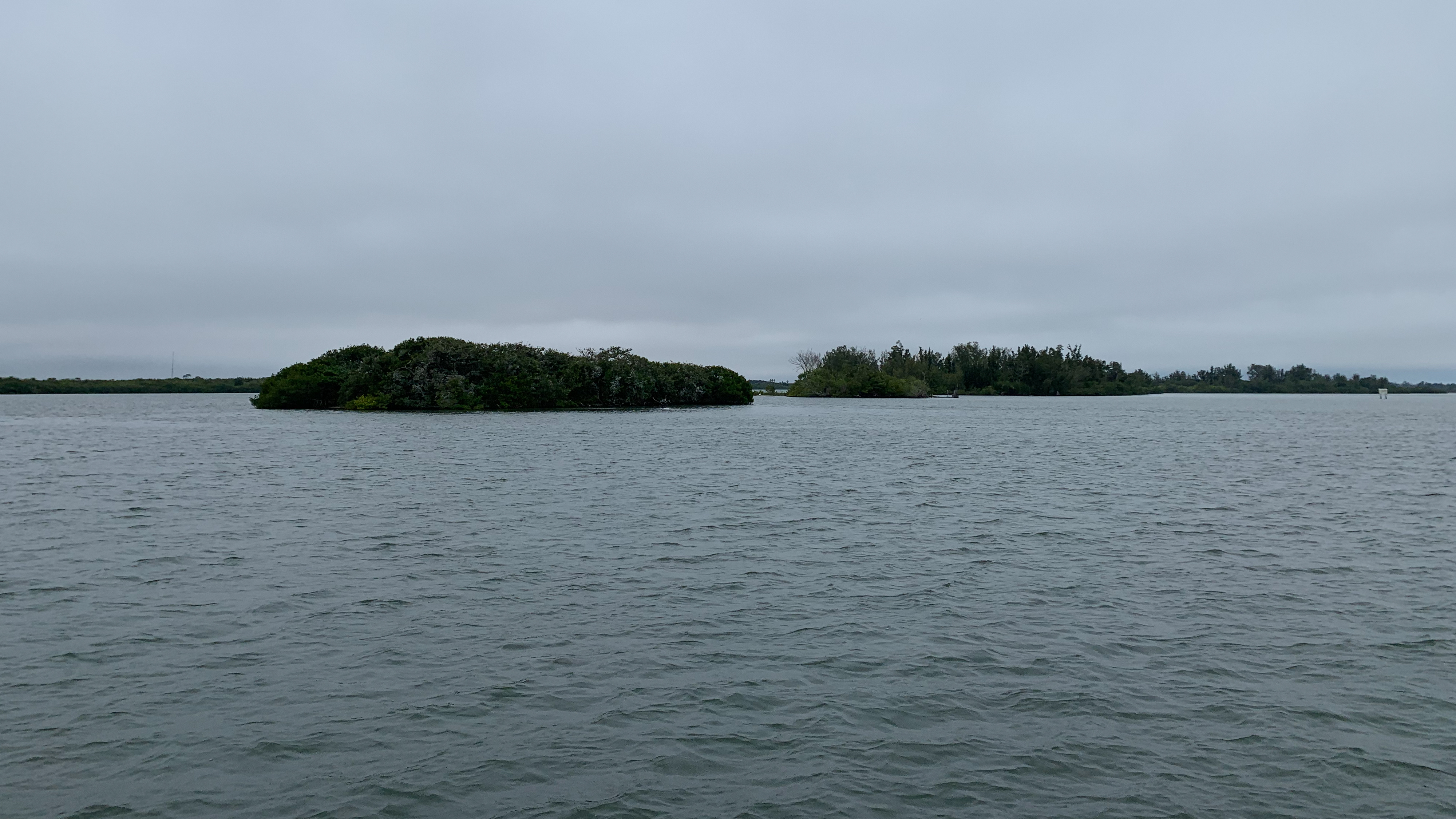
The Indian River lagoon is an estuary where saltwater from the Atlantic Ocean mixes with freshwater from the land and tributaries. The average depth is only 4 feet.
Changing Seas
18 / 28
Share This Gallery
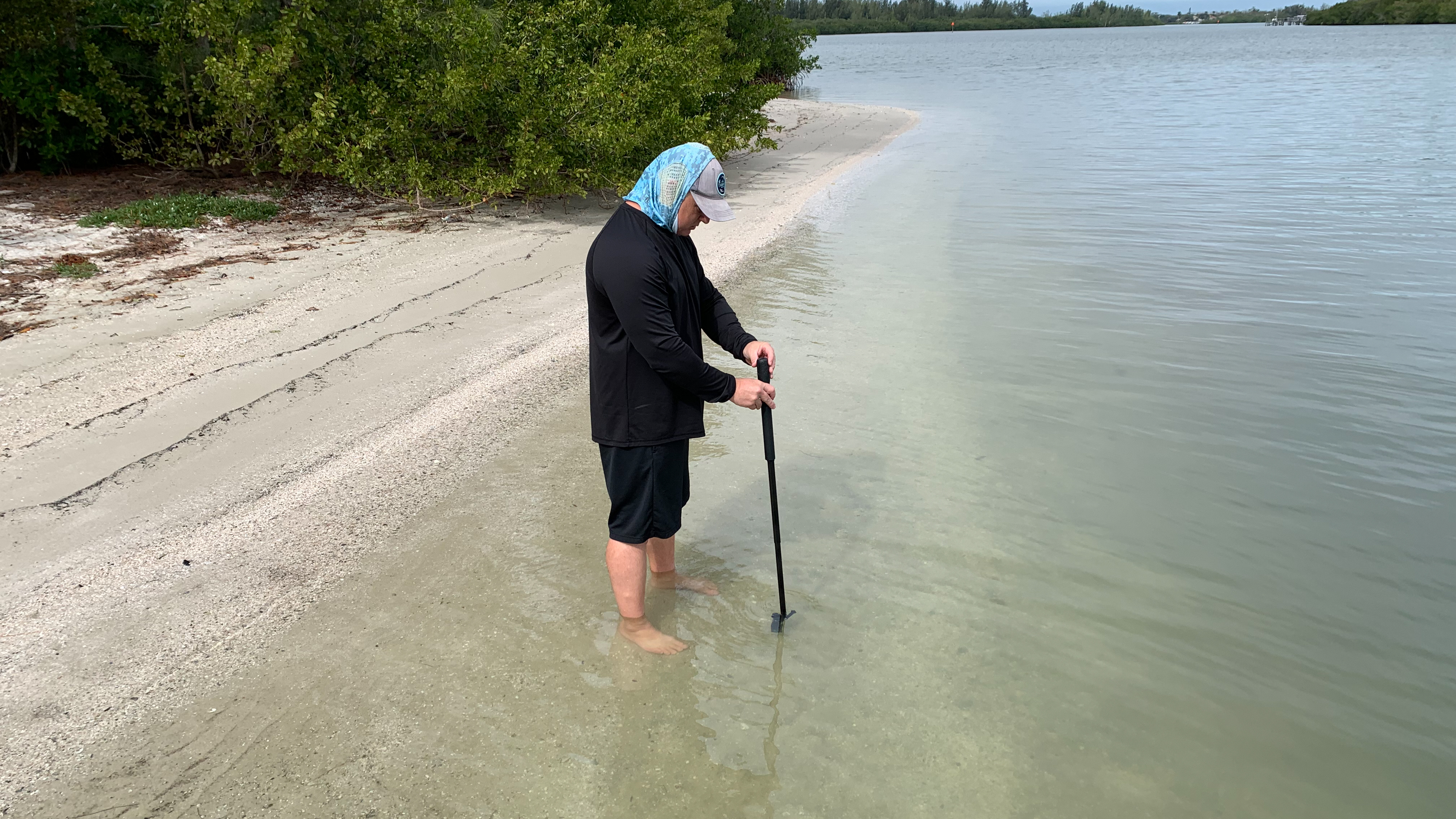
Director of Photography Sean Hickey filming in the Indian River Lagoon, where seagrass was once plentiful. This loss of forage for manatees led to starvation and contributed to a mass die-off beginning in 2021.
Changing Seas
19 / 28
Share This Gallery
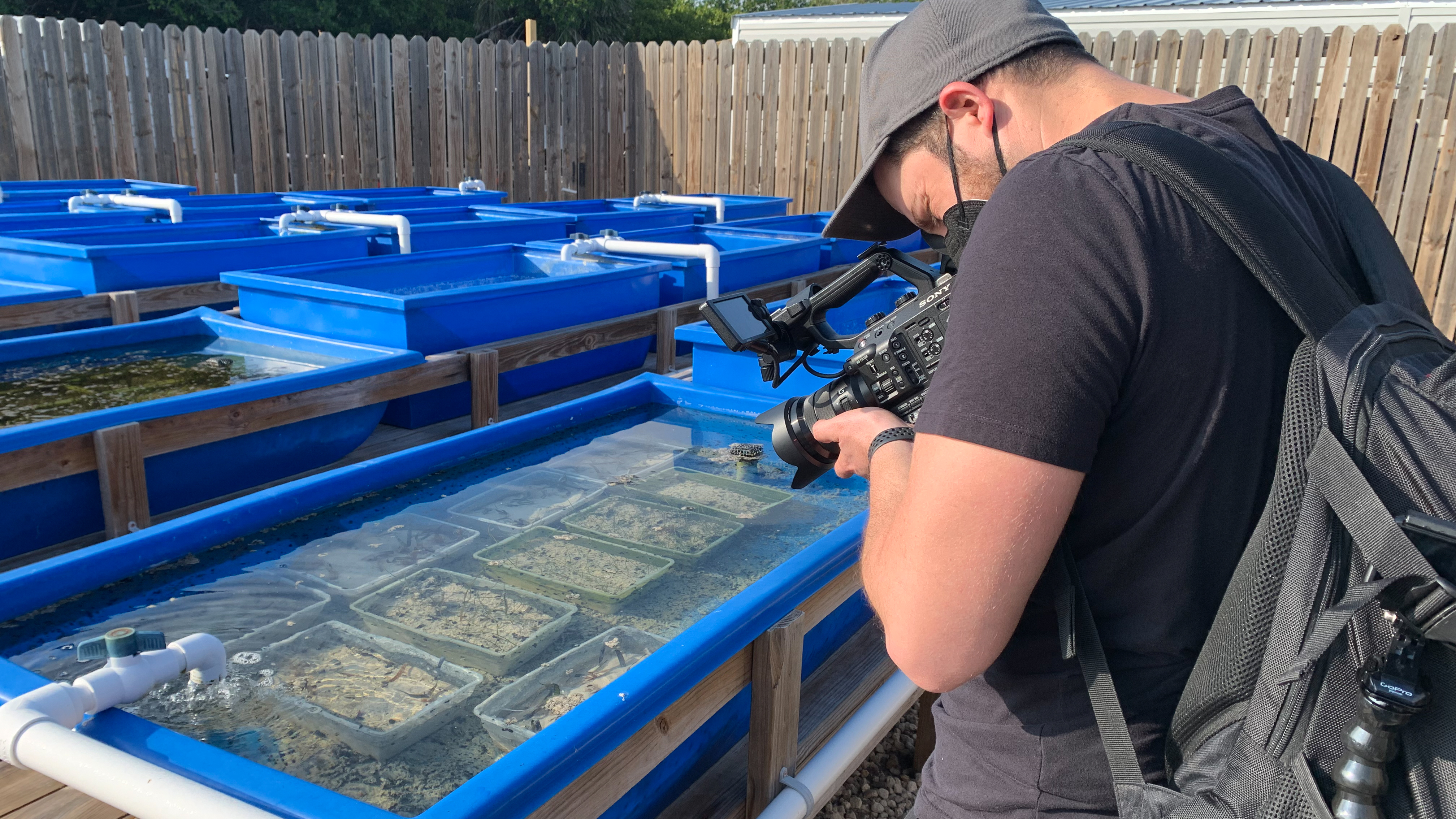
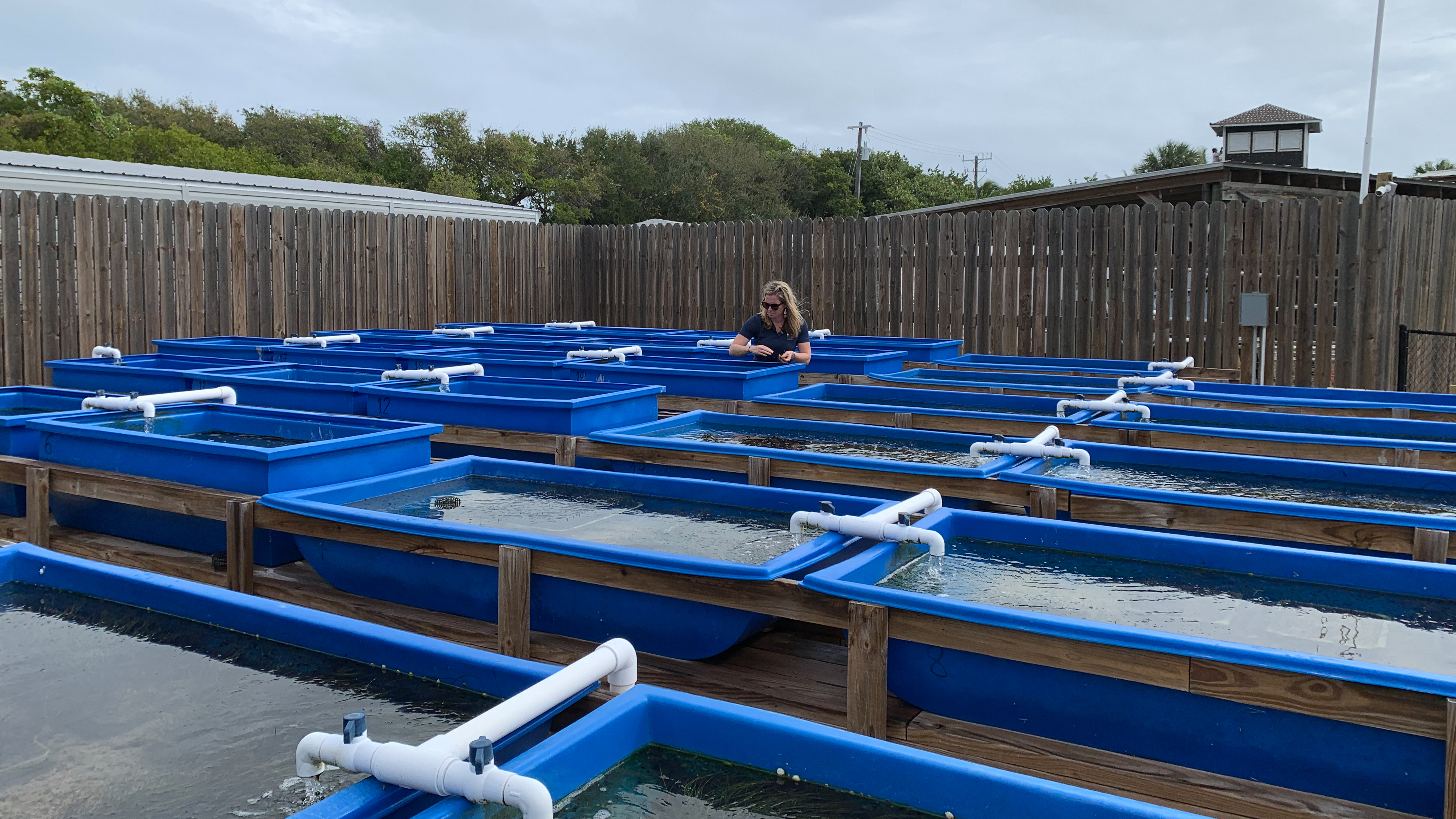
Volunteers contribute seagrass fragments which are placed inside one of the 34 nursery tanks at Florida Oceanographic Society in Stuart, Florida.
Changing Seas
20 / 28
Share This Gallery
Florida Oceanographic Society’s Loraé Simpson, Ph.D. checking on progress in the seagrass nursery. Once the seagrass outgrows the tanks, the next step is to replant it into the nearby wet nursery so the pieces can spread out and grow better.
Changing Seas
21 / 28
Share This Gallery
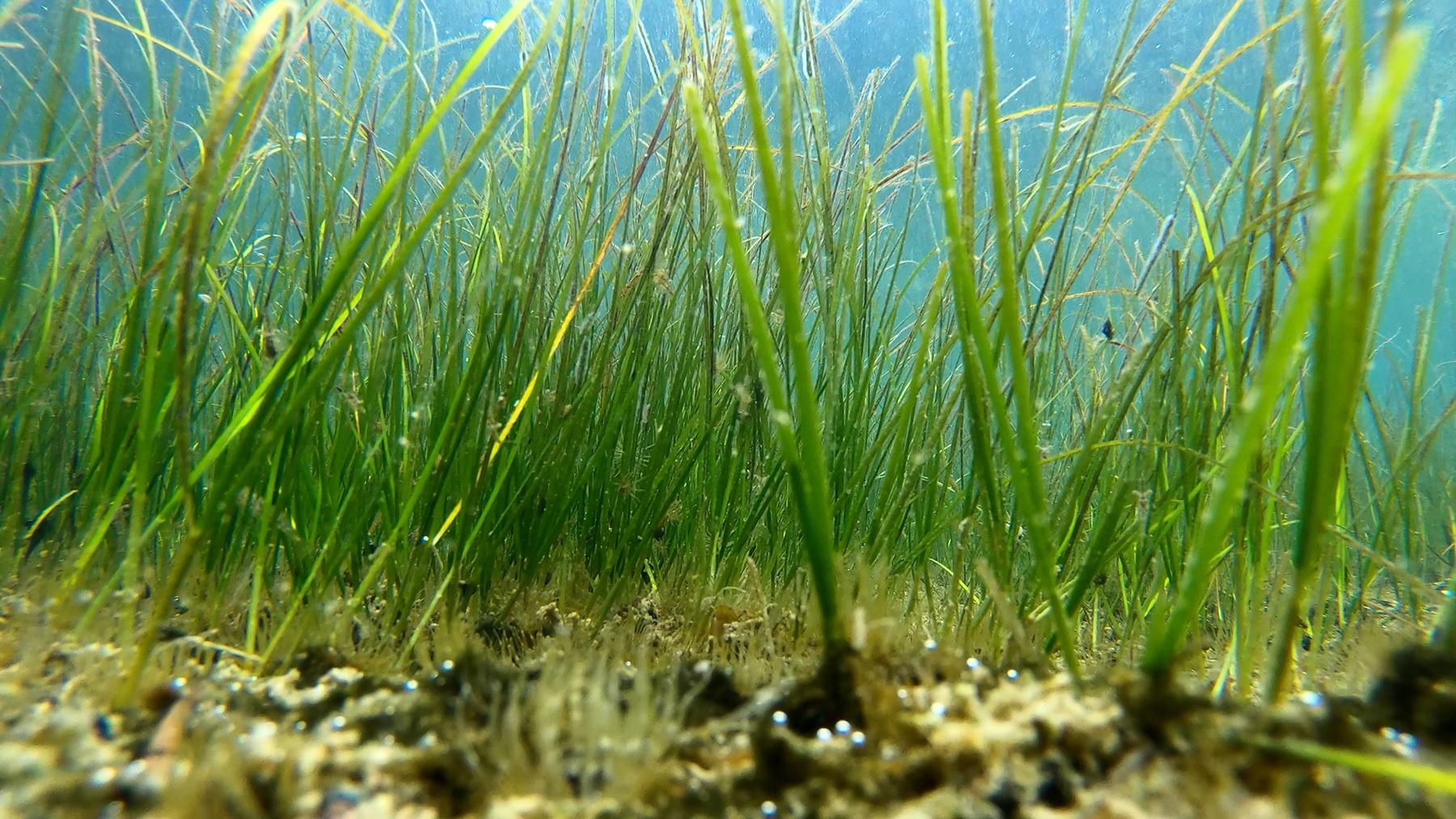
An underwater view of the seagrass growing inside Florida Oceanographic Society's wet nursery. When the time is right, the seagrass is replanted into the Indian River Lagoon.
Changing Seas
22 / 28
Share This Gallery
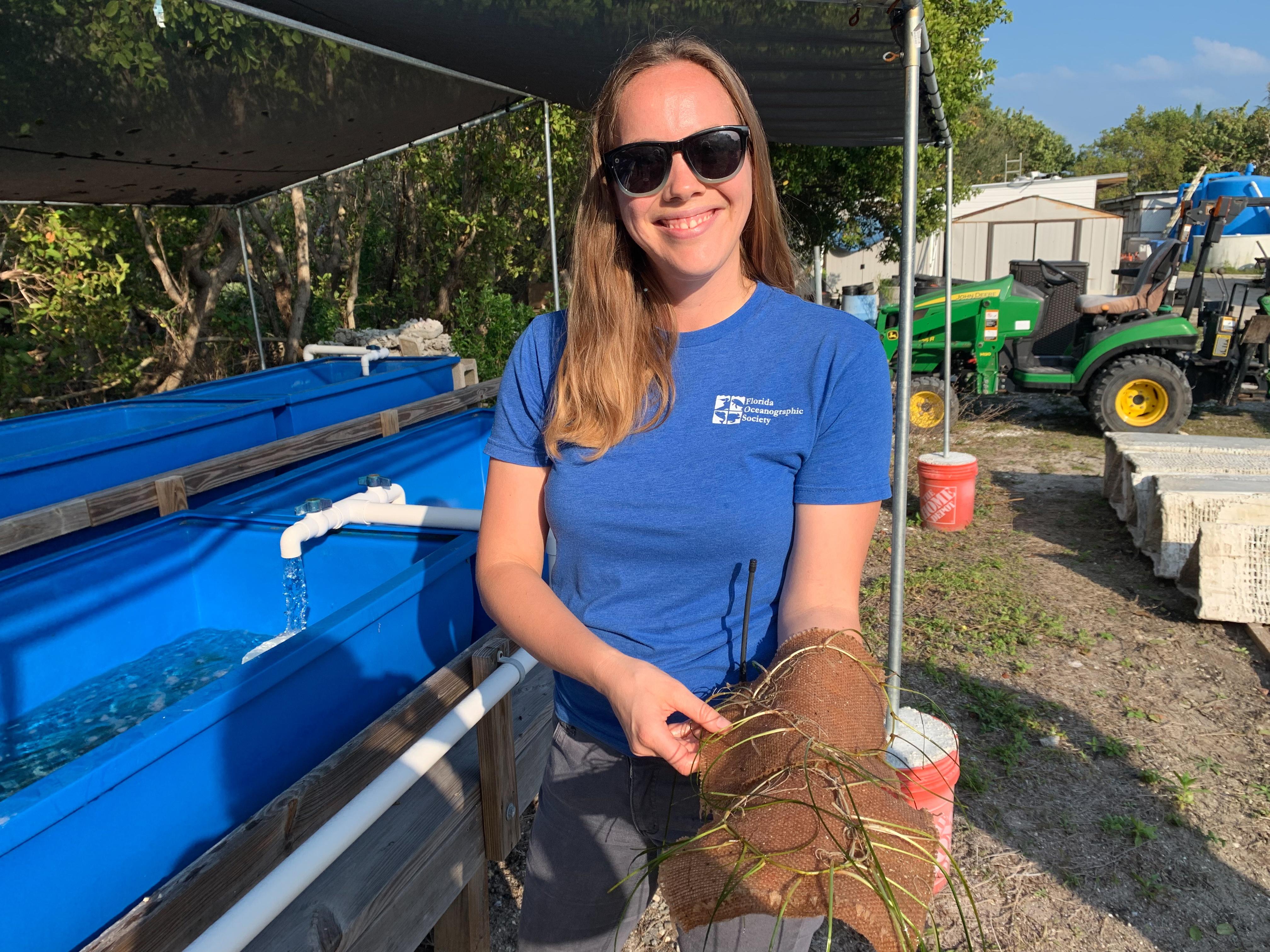
Florida Oceanographic Society’s Research Associate Vivienne Main holds a biodegradable mat filled with healthy seagrass fragments that will be replanted in the Indian River Lagoon to restore the seagrass meadows.
Changing Seas
23 / 28
Share This Gallery
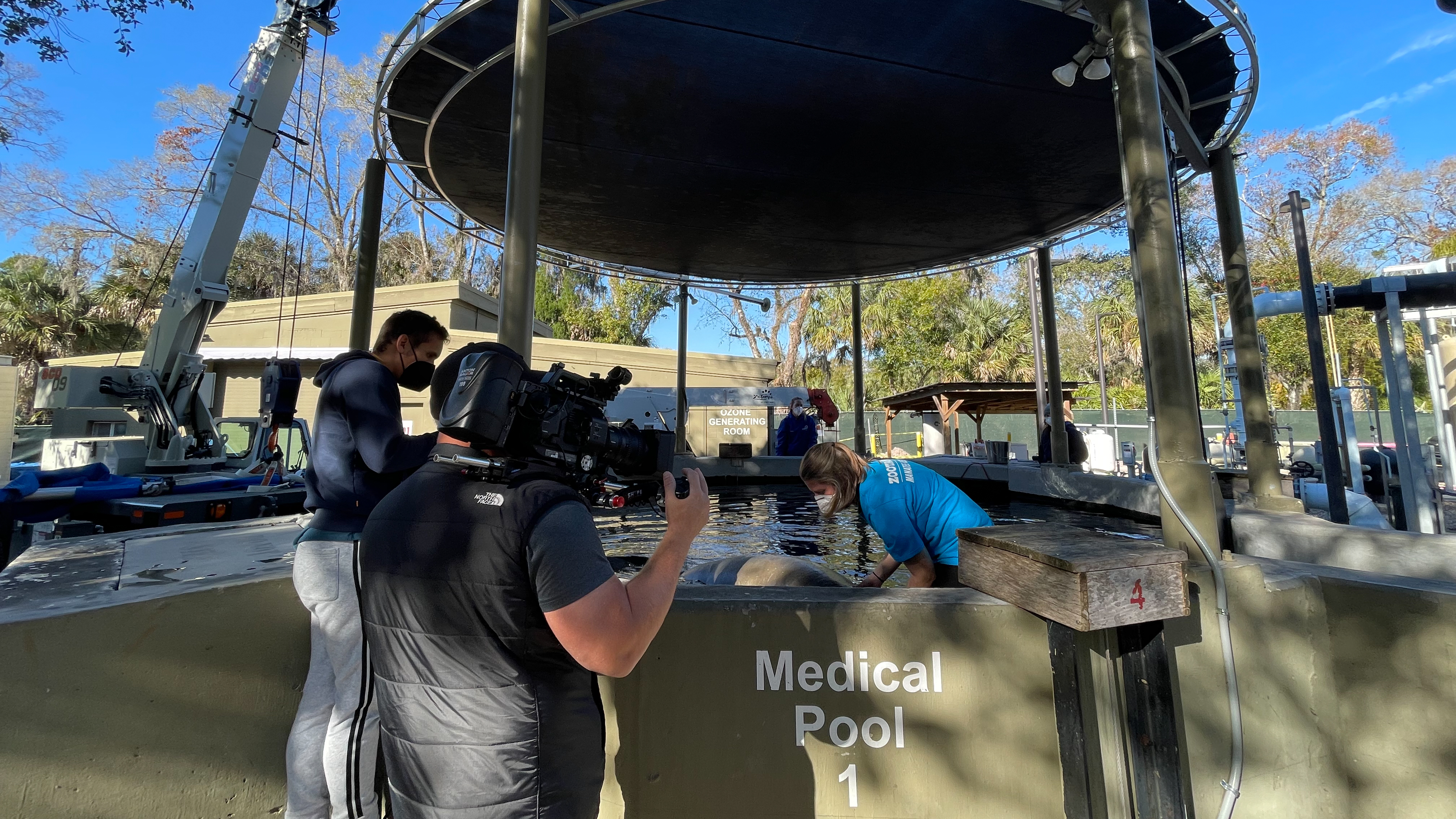
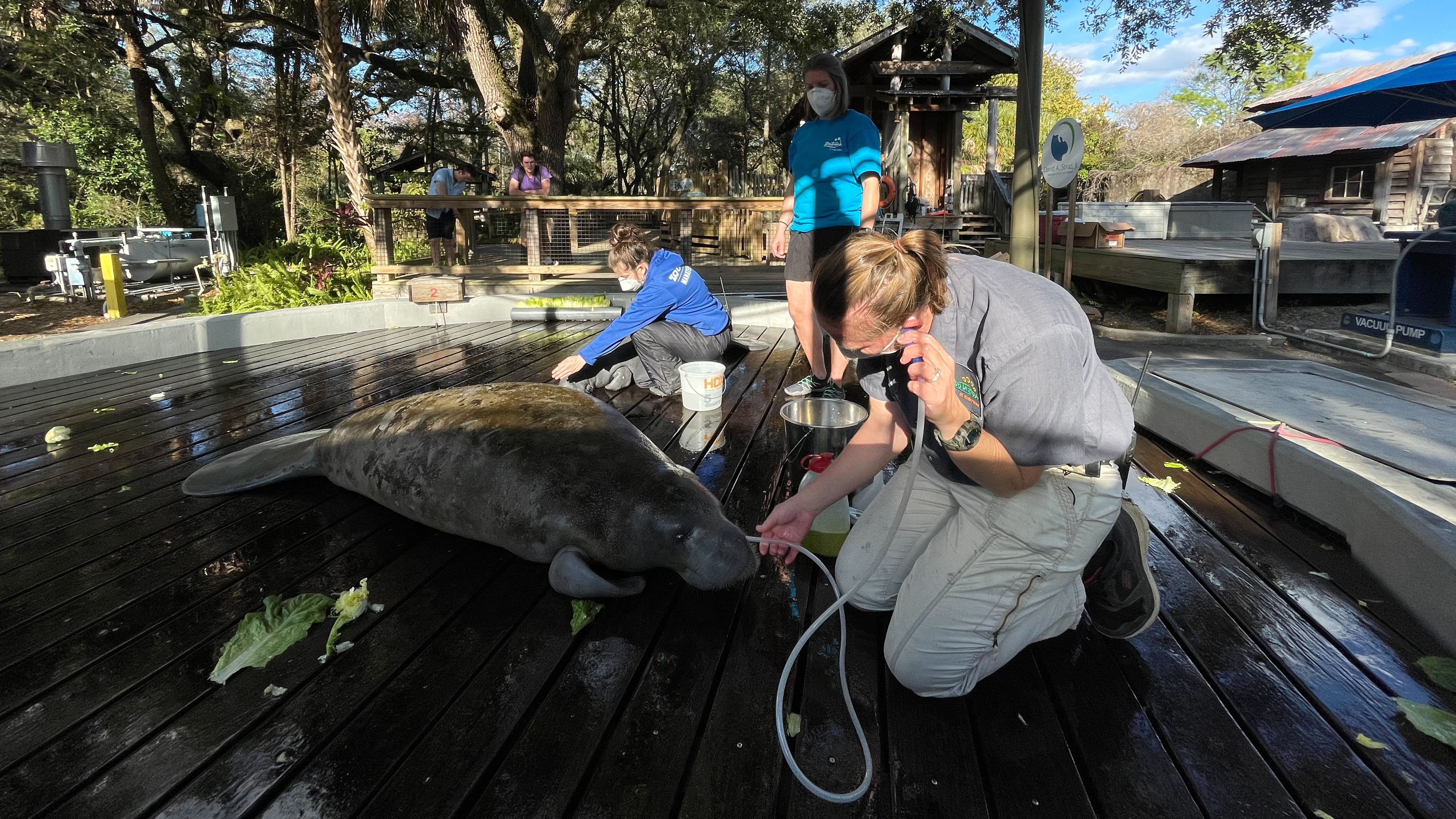
The medical pools inside ZooTampa at Lowry Park is where manatees get individualized care by staff.
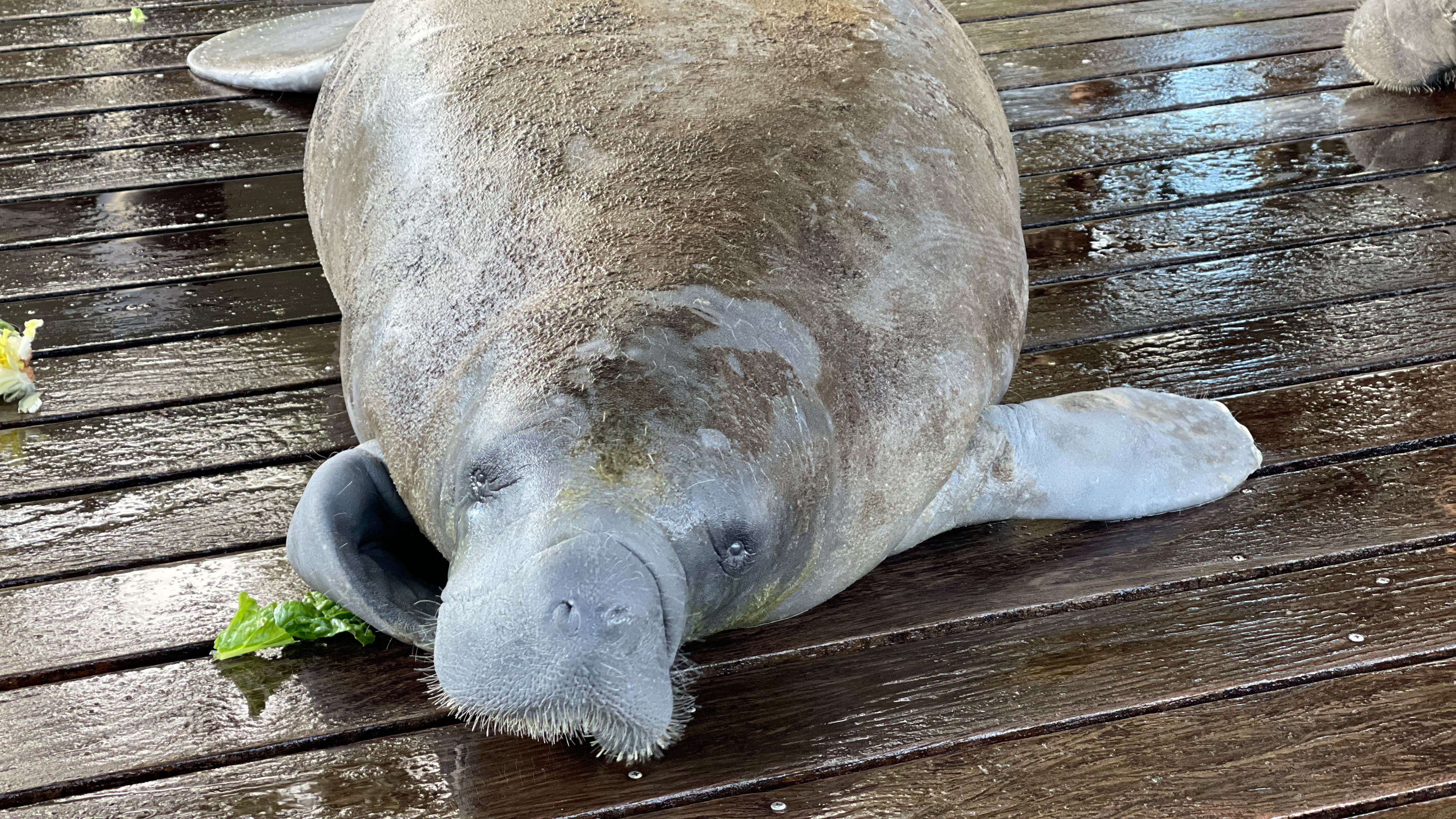
Flapjack, an emaciated young manatee, is getting tube fed a smoothie to help him gain weight, less than a month after being rescued.
Changing Seas
25 / 28
Share This Gallery
ZooTampa at Lowry Park Animal Care Supervisor Jaime Vaccaro is inserting a nasogastric tube through the manatee’s nare. She is listening for the correct placement of the tube into the stomach to make sure the tube does not enter the manatee’s lungs.
Changing Seas
26 / 28
Share This Gallery
Flapjack’s animal care team says he is making good progress on gaining weight and they are optimistic he will eventually be released back into the wild.
Changing Seas
27 / 28
Share This Gallery
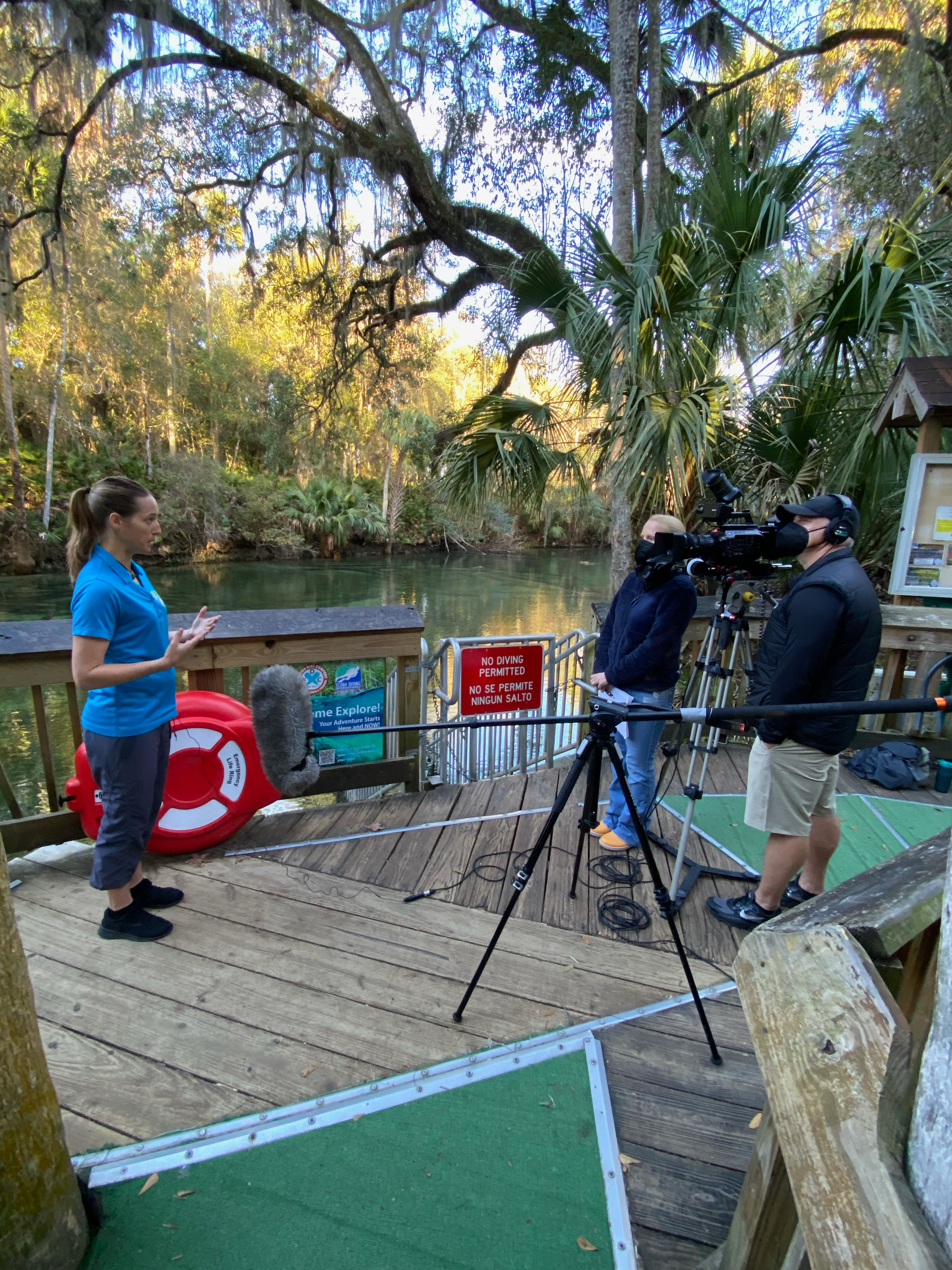
The Changing Seas crew interviews Save the Manatee Club’s Cora Berchem at Blue Spring State Park.
Changing Seas
28 / 28
Share This Gallery
A record-breaking 740 manatees were counted in a single day at Florida’s Blue Spring State Park in early February 2022. The spring provides a place for the manatees to rest during winter months where the water temperature remains a comfortable 72 degrees.
Image Credits
Changing Seas would like to thank the following individuals and institutions who kindly allowed their footage, images and other media to be used in this production: