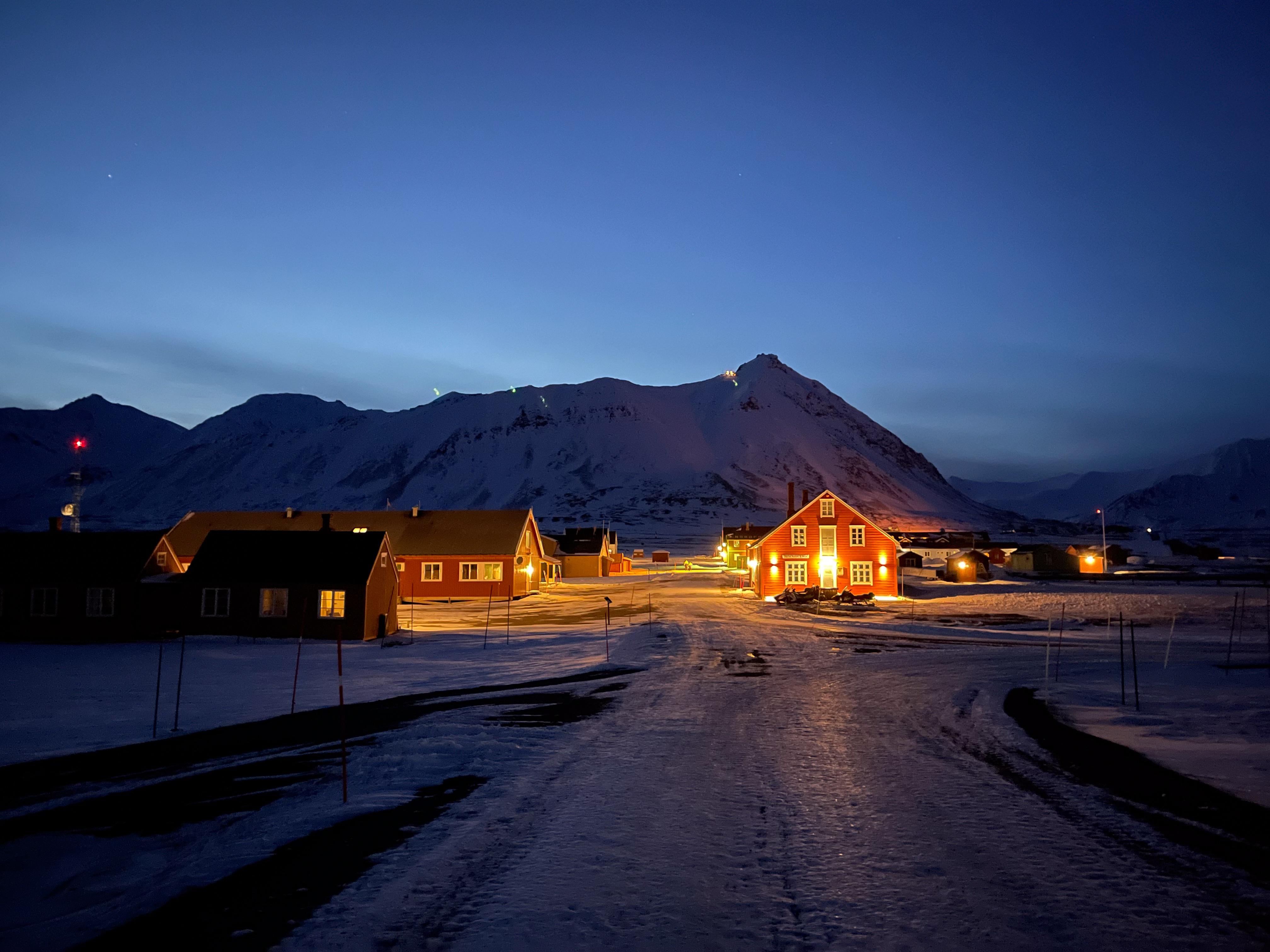
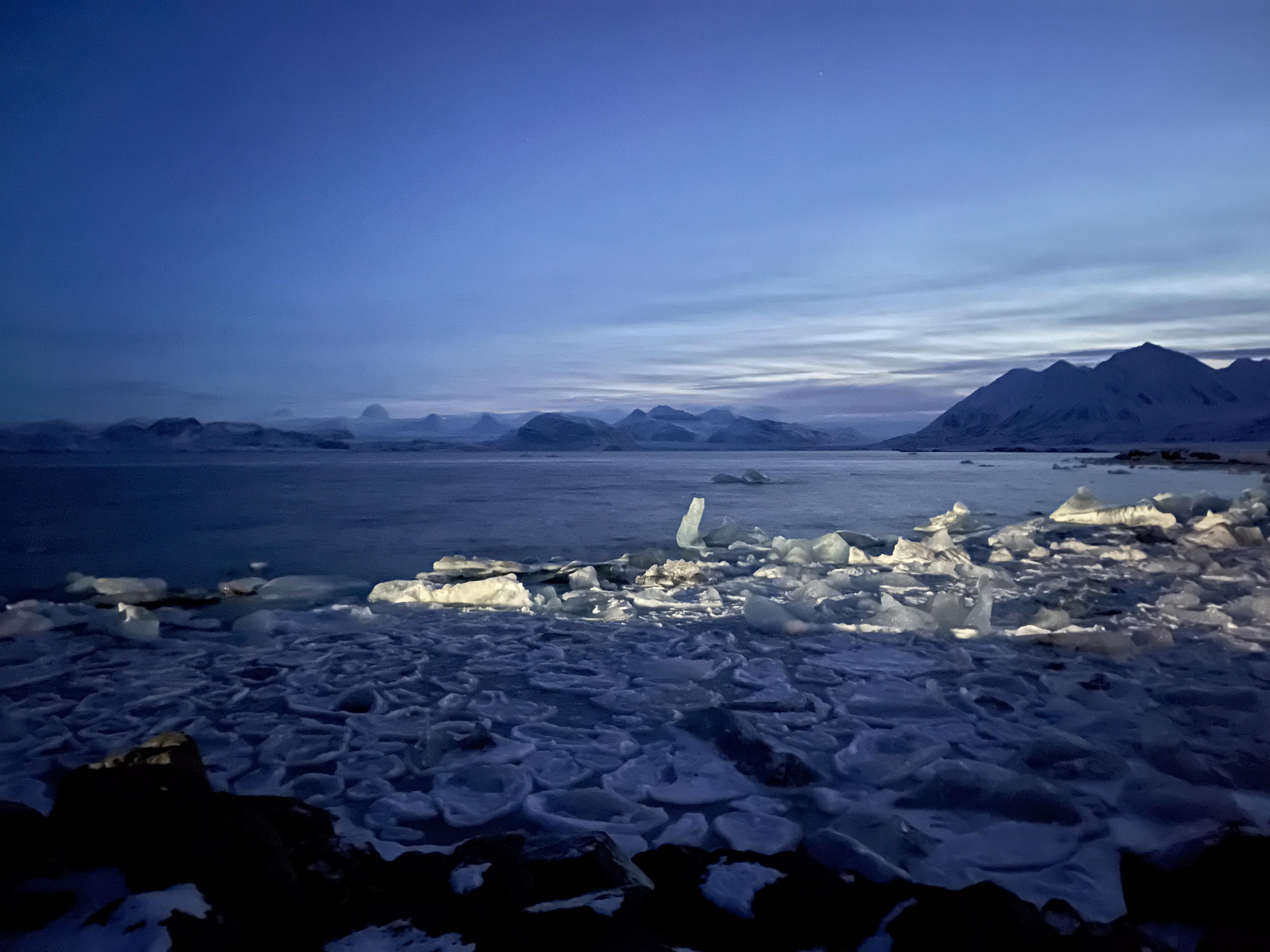
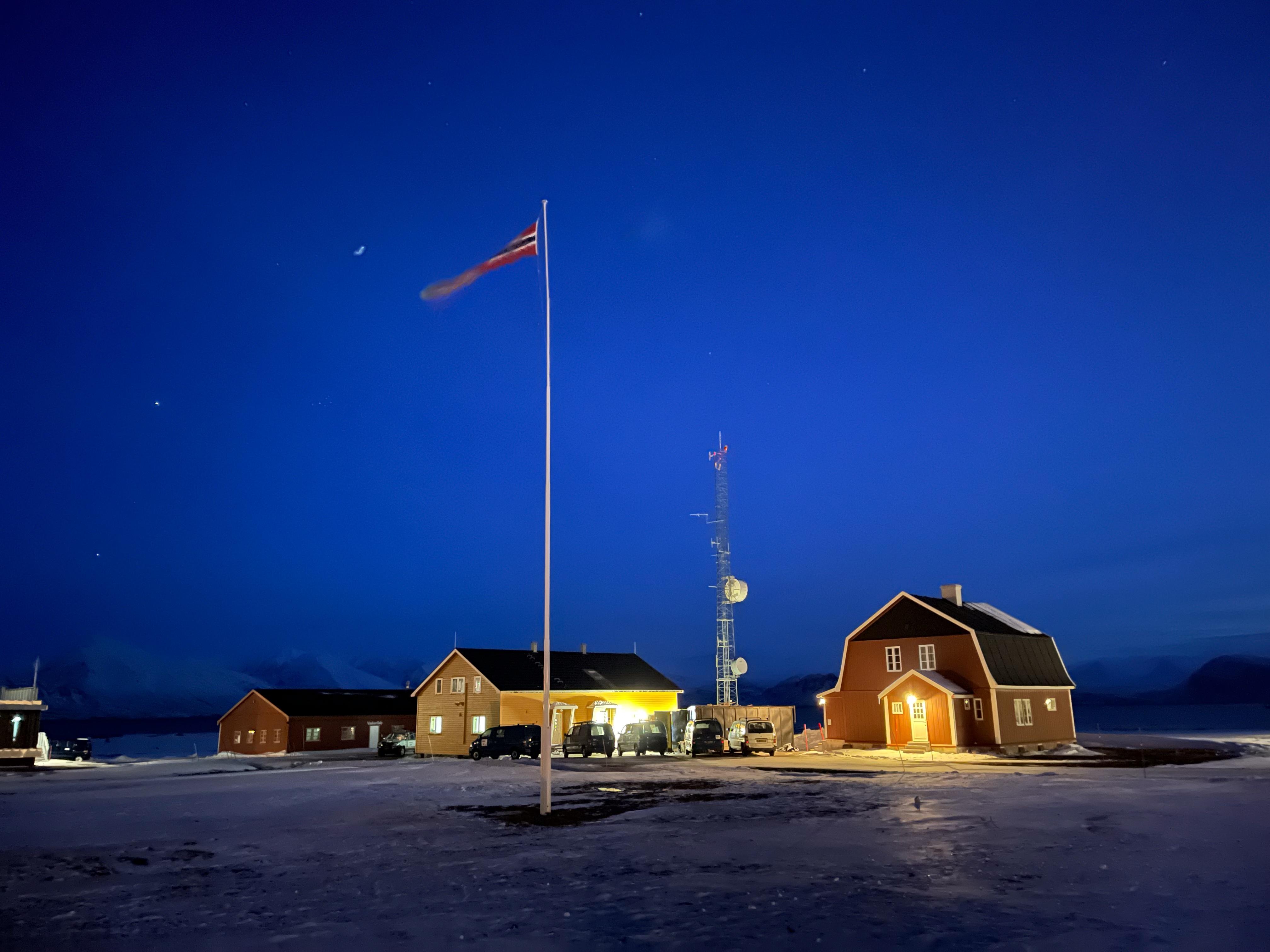
The small Norwegian community of Ny-Ålesund is home to the world’s northernmost year-round research station. Located in the Svalbard archipelago, Ny-Ålesund is less than 800 miles south of the North Pole.
At this latitude, darkness reigns for four months of the year. It was long believed that little to no activity took place in the ocean during the polar night, since phytoplankton, the base of the marine food chain, can’t grow without sunlight. Targeted research into polar night ecology didn’t begin until 2009, after an accidental discovery made scientists realize this wasn’t a dormant period in the ocean after all.
A team of scientists from the Woods Hole Oceanographic Institution has joined this growing field of research by studying some of the tiniest animals that are active during the polar night. They want to know if the larvae of invertebrates that live on the seafloor rely on an alternative food source during the dark months of the year. The researchers are also curious if these larvae, known as meroplankton, are able to undergo the energetically costly metamorphosis required to become adults and settle on the seafloor during this time.
Through lab experiments and a unique autonomous camera system, the scientists are making exciting discoveries that will help explain some of the basic biology taking place during the polar night. Understanding these seasonal patterns is key in a changing climate, as temperatures in the polar regions are changing faster than elsewhere on the planet.
Located in the Svalbard archipelago, the small Norwegian community of Ny-Ålesund is home to the world’s northernmost year-round research station. The North Pole is only about 760 miles away.
2 / 28
Share This Gallery
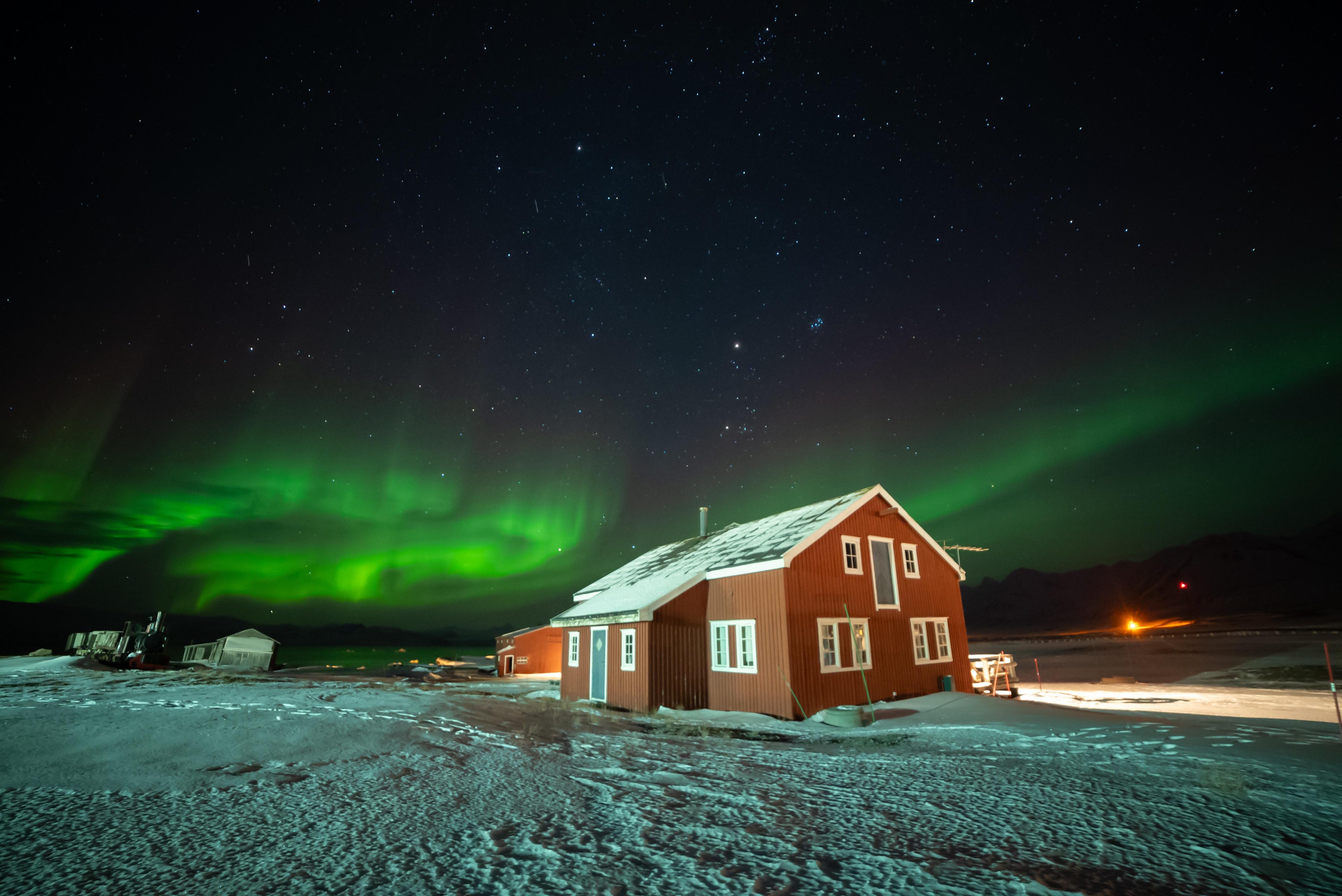
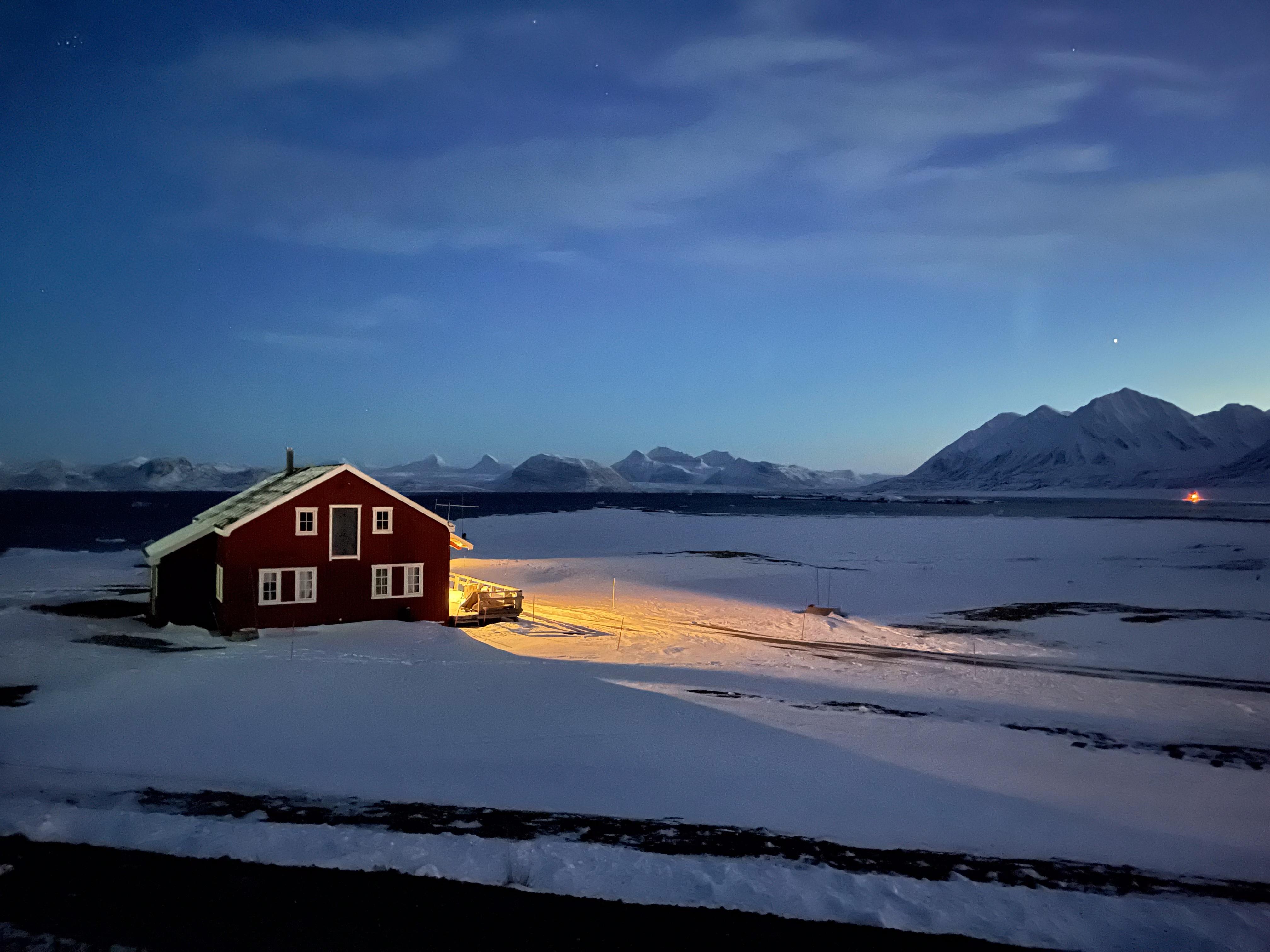
The polar night is a time when the sun never rises above the horizon, making it possible to see the aurora borealis at any time of day. At this latitude, the polar night lasts approximately four months.
3 / 28
Share This Gallery
Until rather recently, it was believed that little to no activity took place in the ocean during the polar night, since phytoplankton, the base of the marine food chain, can’t grow without sunlight.
4 / 28
Share This Gallery
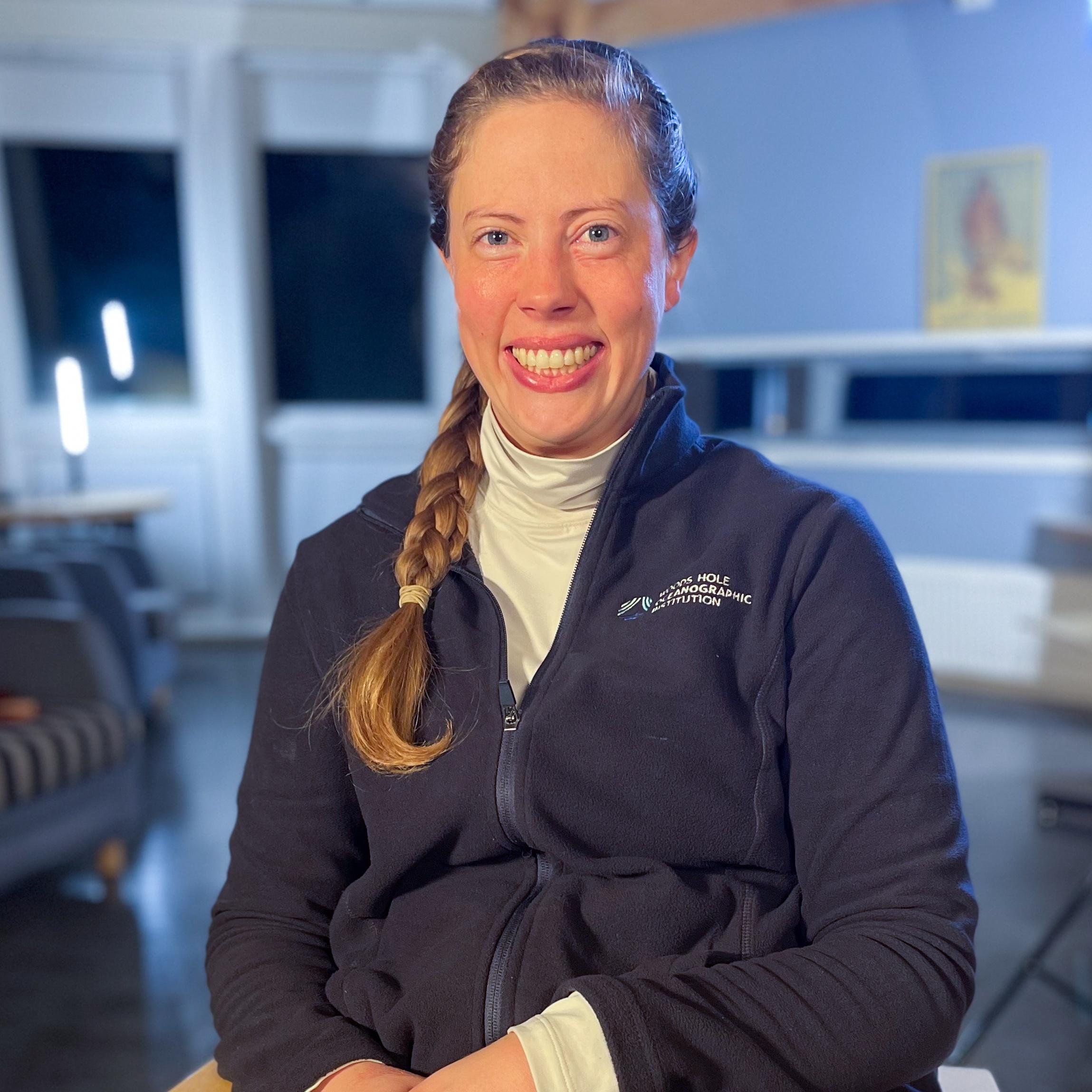
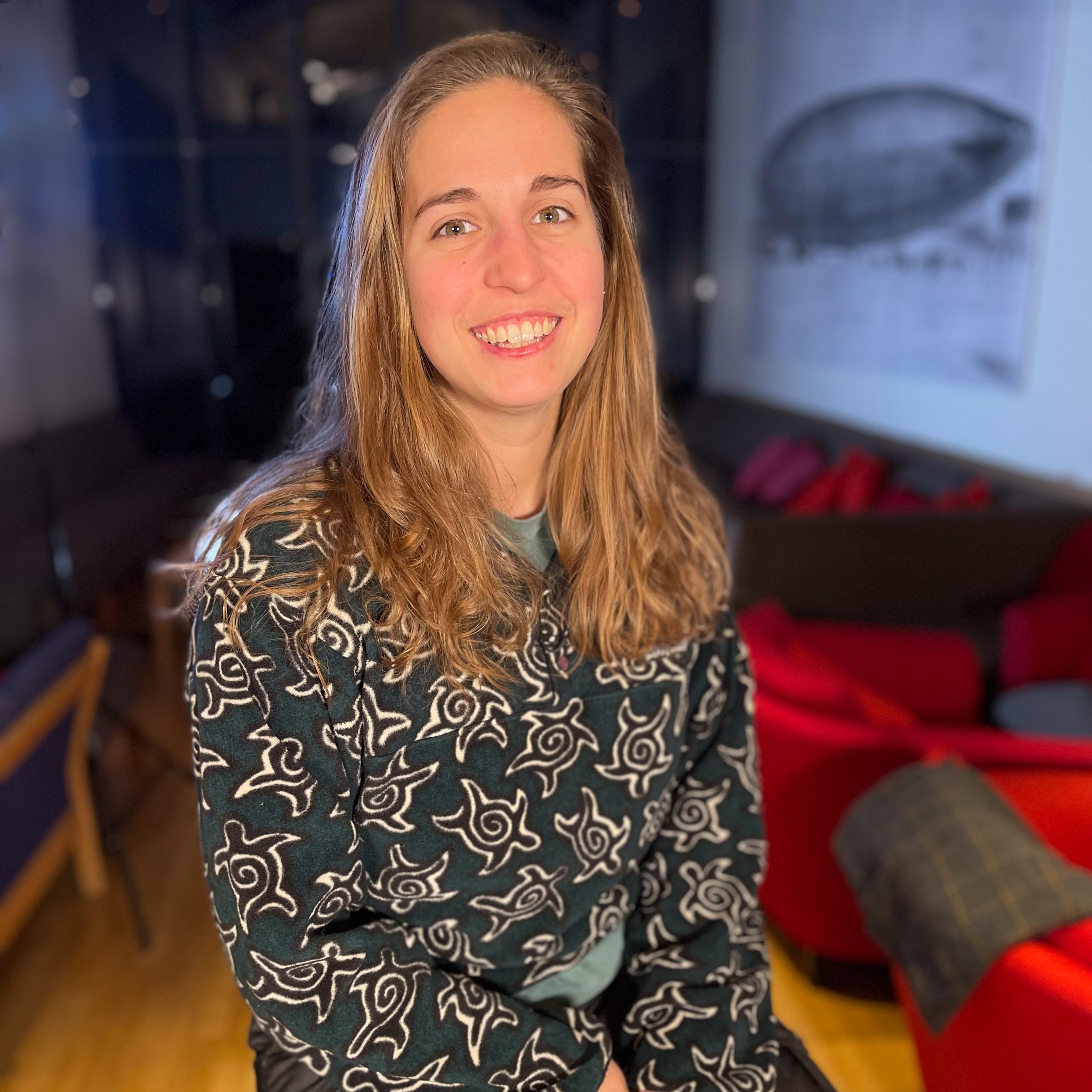
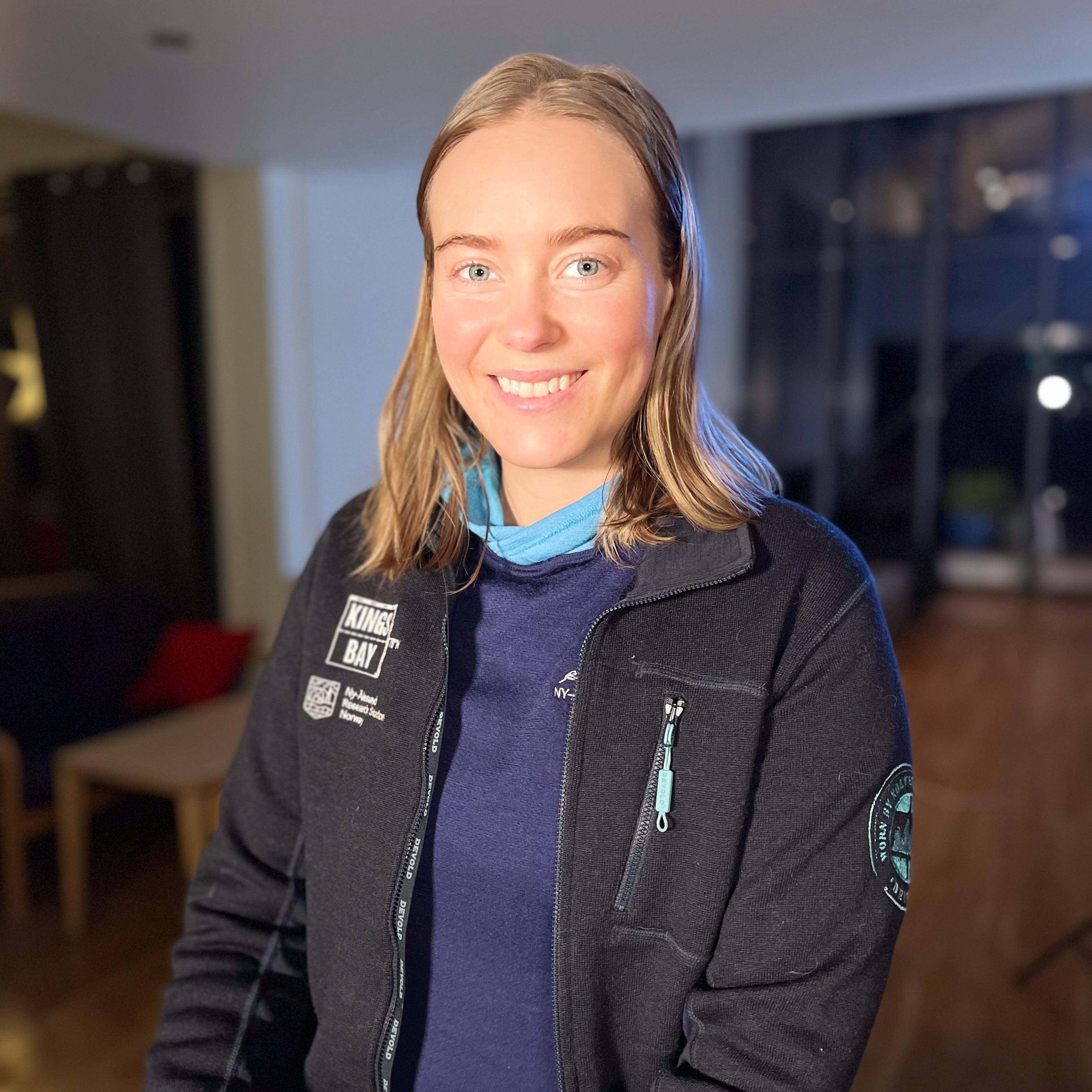
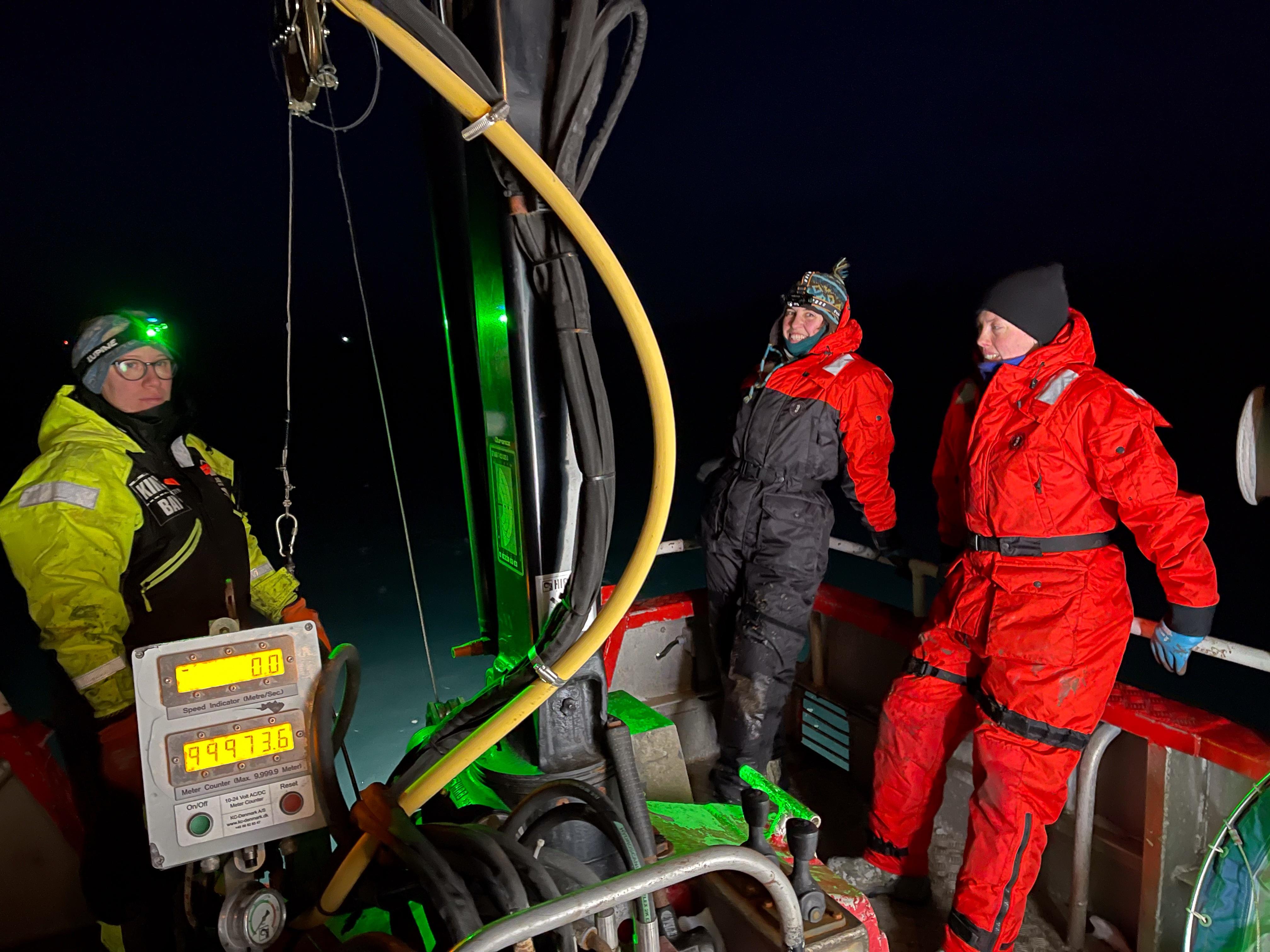
When an accidental discovery proved otherwise, targeted research into polar night ecology began in 2009. Now this growing discipline includes scientists Kirstin Meyer-Kaiser, Ph.D. (far right) and her Ph.D. Student Kharis Schrage (middle) from the U.S.-based Woods Hole Oceanographic Institution.
5 / 28
Share This Gallery
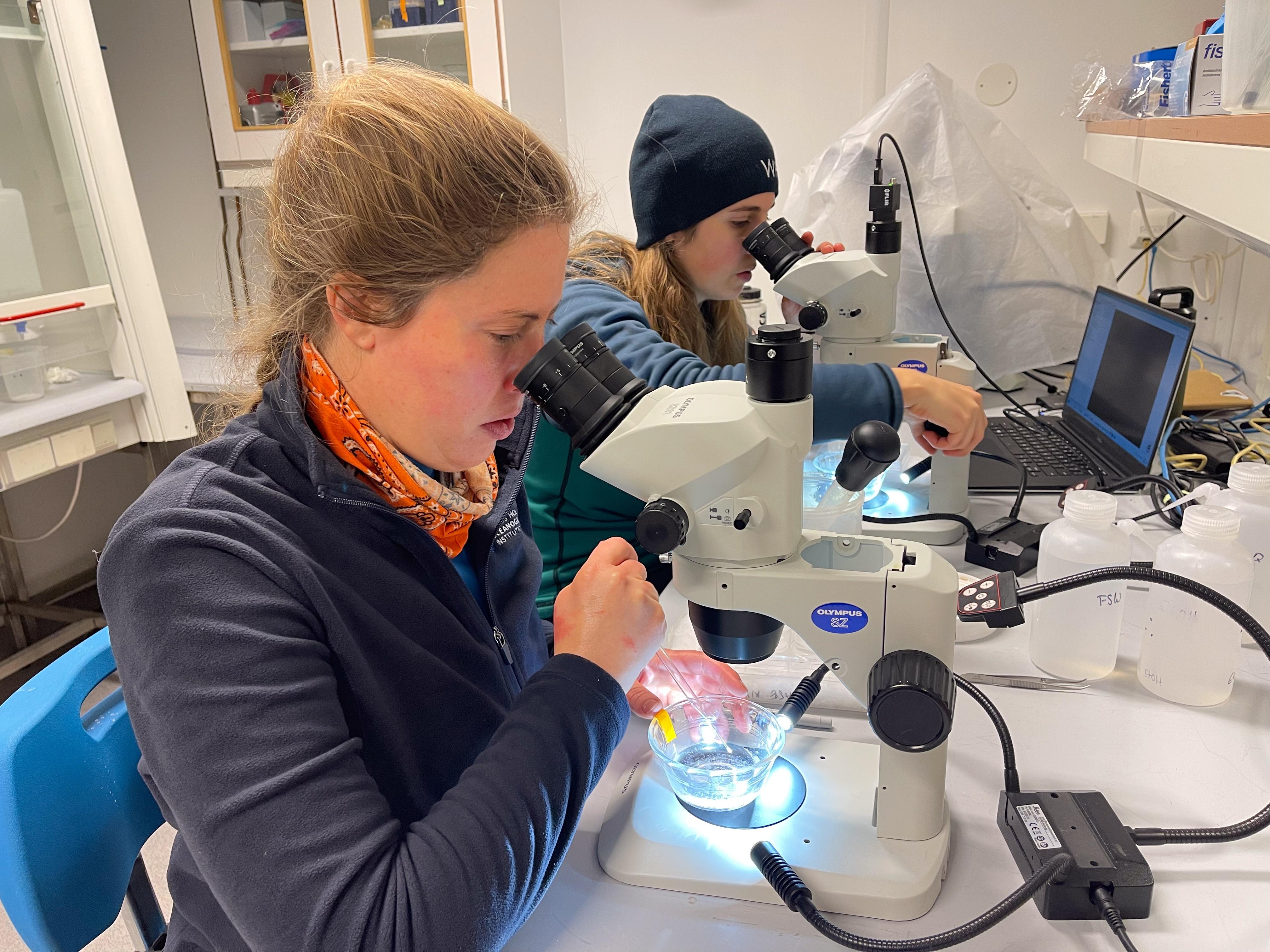
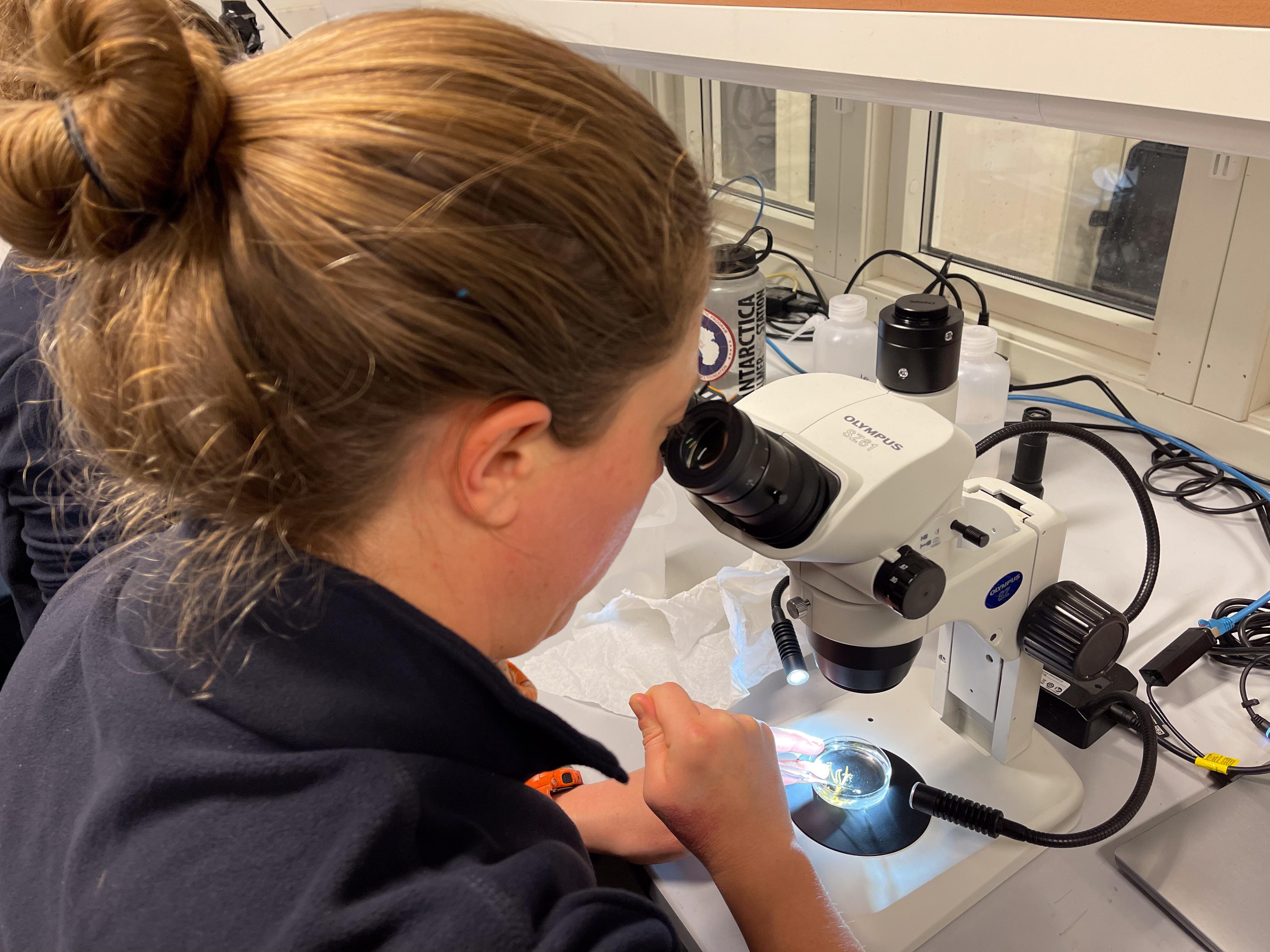
Kirstin Meyer-Kaiser, Ph.D. (front) and her Ph.D. Student Kharis Schrage study meroplankton – the larvae of invertebrates that live on the seafloor. These larvae occur during the polar night, and the experts are trying to figure out how they survive without their primary food source present.
6 / 28
Share This Gallery
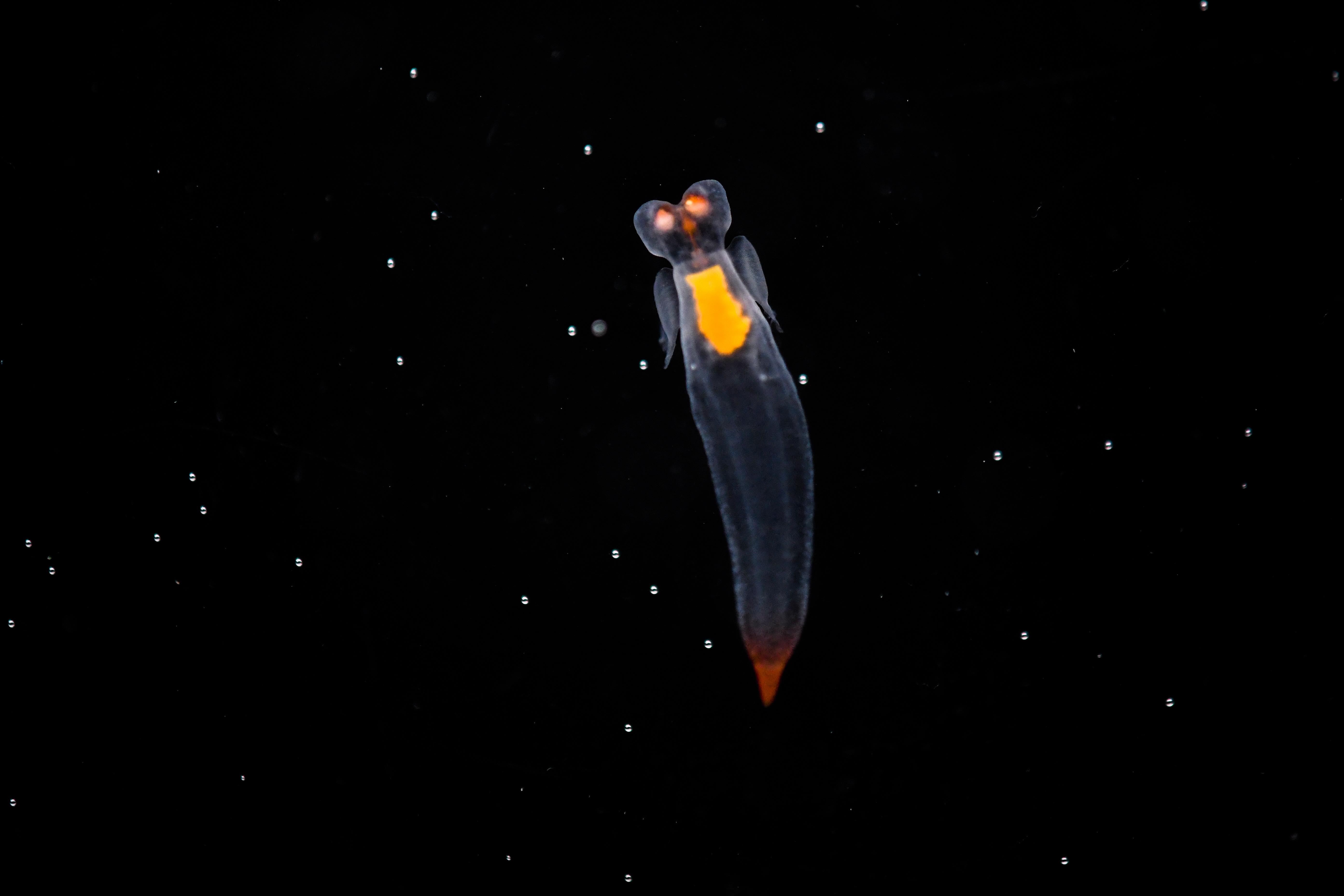
Zooplankton comes in a variety of fascinating forms. Pictured here is a species of holoplankton, which spends its entire life in the water column.
7 / 28
Share This Gallery
Prior to preserving specimens in ethanol, Ph.D. Student Kharis Schrage takes pictures of the meroplankton the researchers collected in the local fjord.
8 / 28
Share This Gallery
The scientists also want to know if the larvae can metamorphose and settle on the seafloor this time of year. Kirstin Meyer-Kaiser, Ph.D. provides larvae with a piece of kelp to simulate a natural settlement surface in the lab.
9 / 28
Share This Gallery
To better understand settlement in the wild, Kirstin Meyer-Kaiser, Ph.D., together with the engineers at the Woods Hole Oceanographic Institution, invented a camera system that acts as a settlement surface for larvae and can photograph settlement in real time.
10 / 28
Share This Gallery
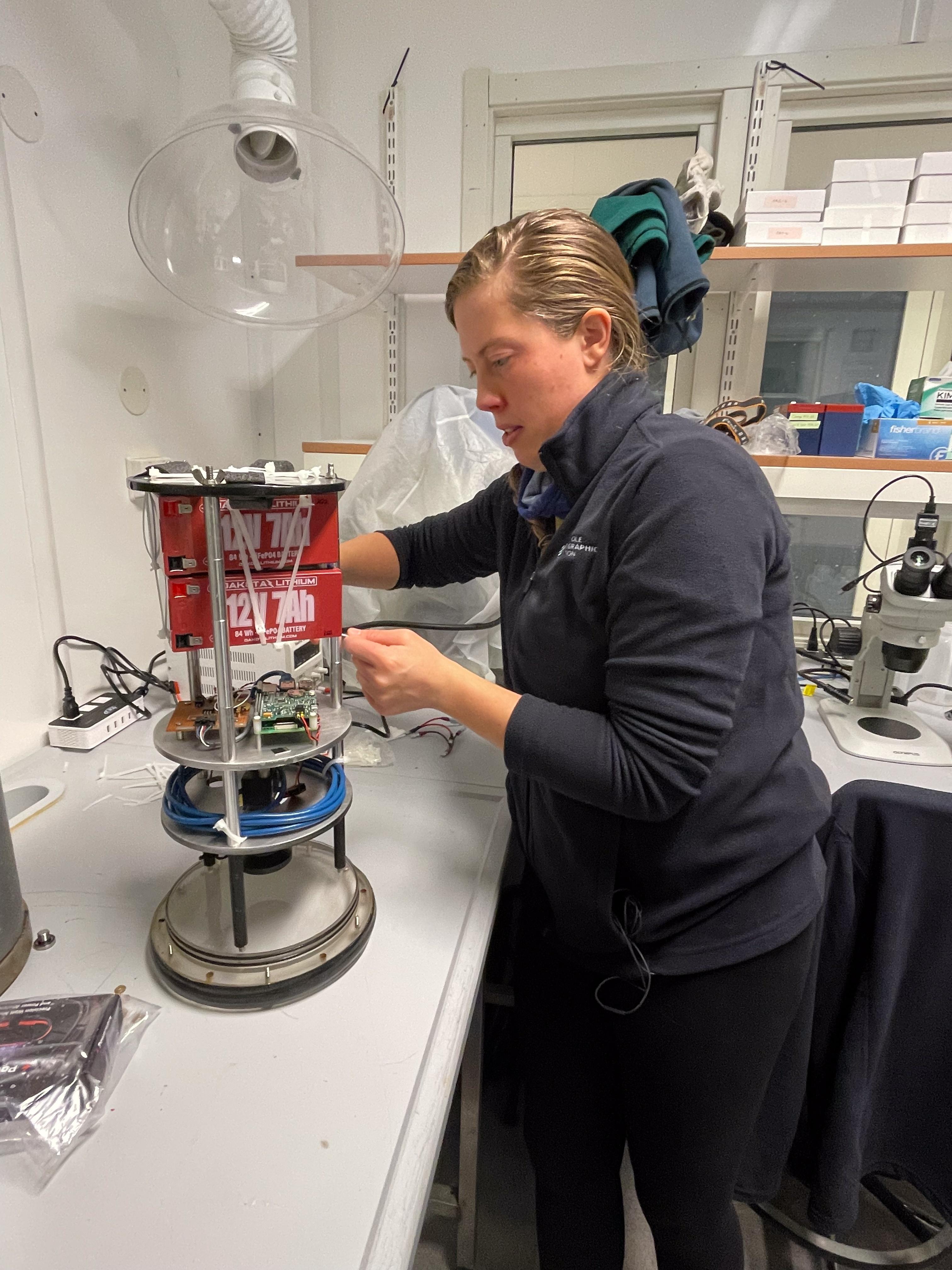
Called CATAIN, which stands for “Camera to Analyze Invertebrates,” this camera takes a photo every 24 hours. To preserve battery power in near freezing waters, the computer inside CATAIN goes to sleep and only powers on when it’s time to take a picture.
11 / 28
Share This Gallery
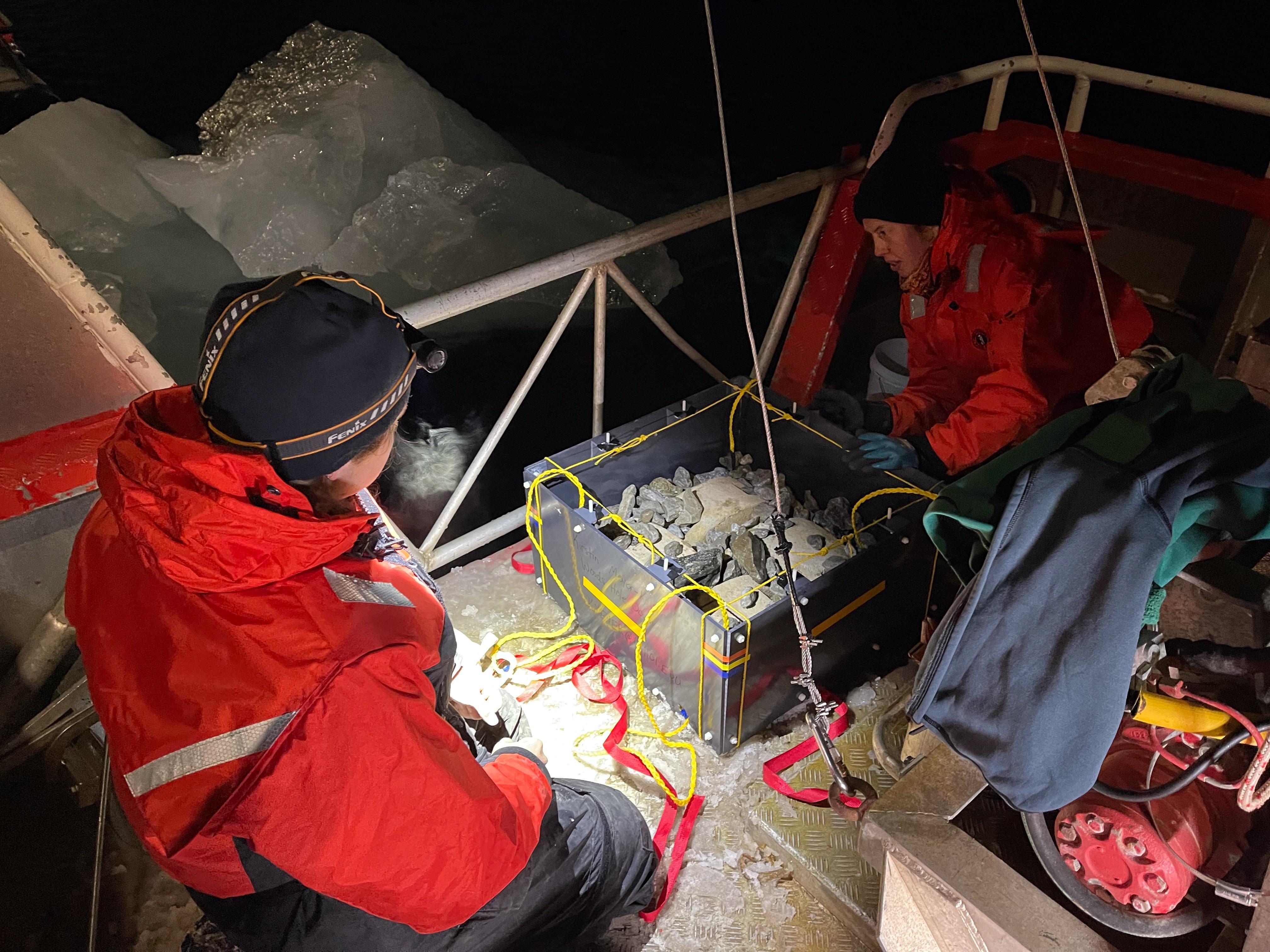
Heavy rocks will help to secure CATAIN in place on the seafloor.
12 / 28
Share This Gallery
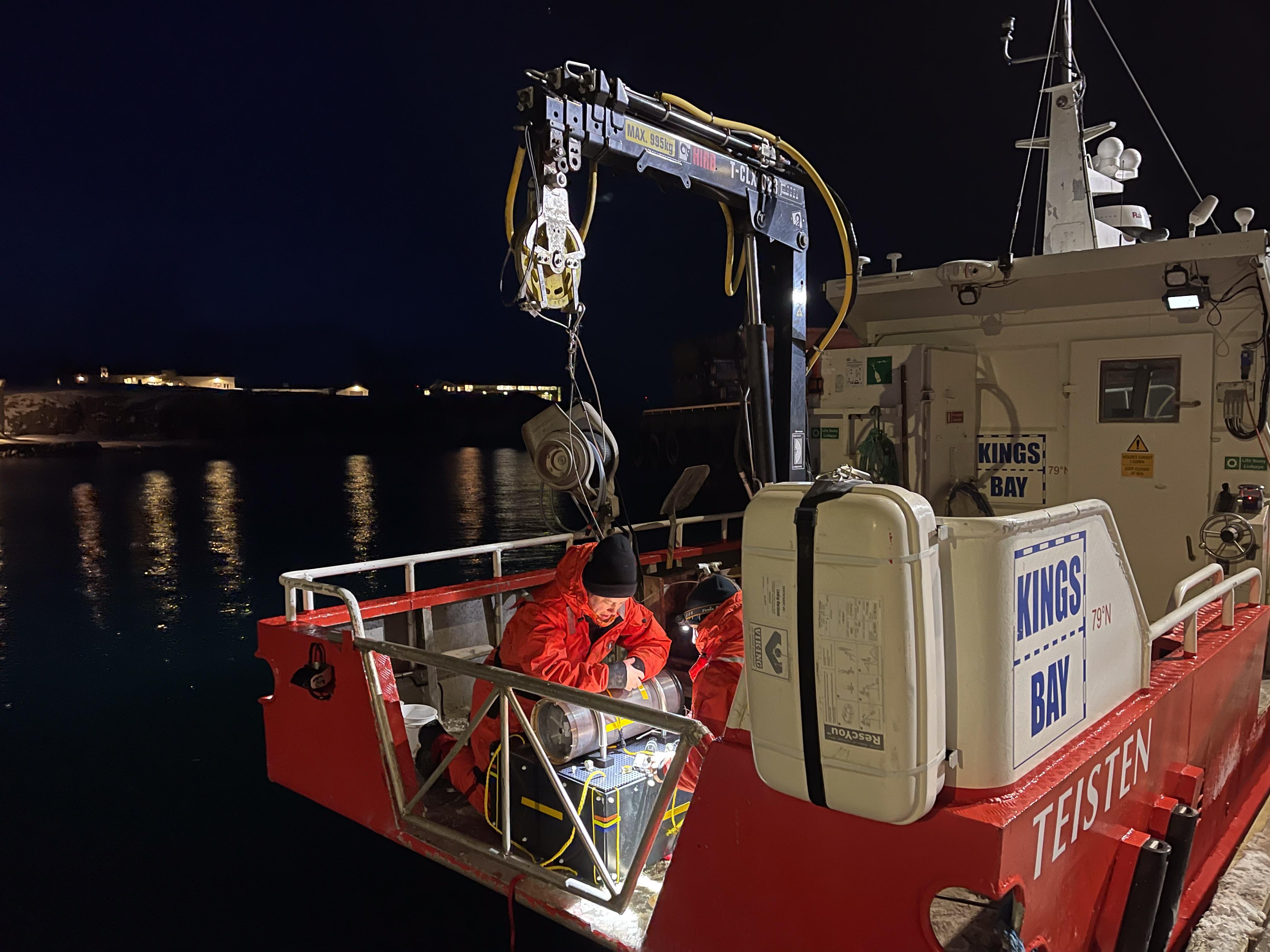
The team makes final preparations before deploying CATAIN. The camera will record data that was previously impossible to obtain.
13 / 28
Share This Gallery
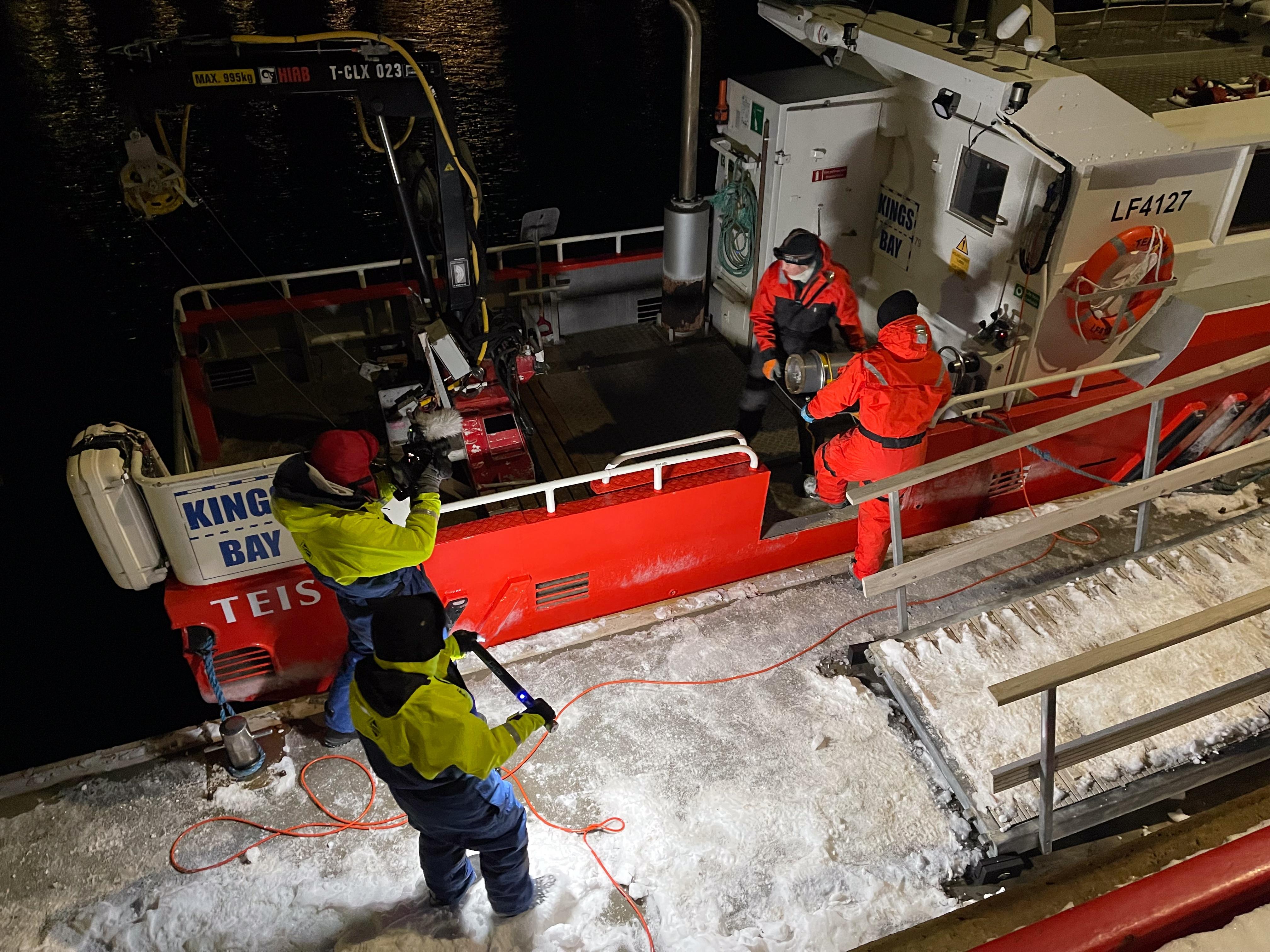
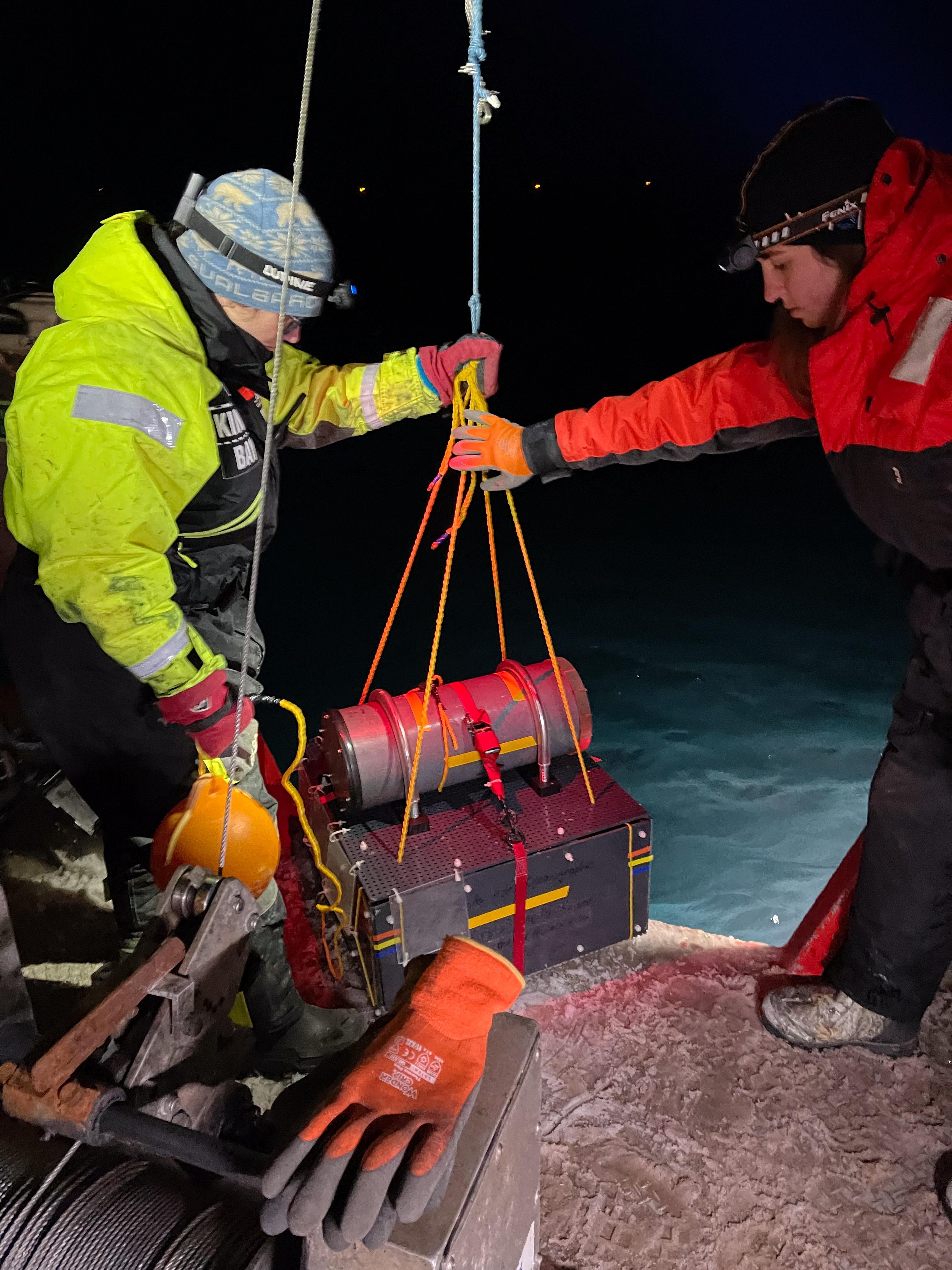
After years of planning and field trials back in the U.S., the time has come to deploy CATAIN in Kongsfjorden, the local fjord. Lab Manager Marine Ilg and Ph.D. Student Kharis Schrage carefully lower it to the ocean floor.
14 / 28
Share This Gallery
CATAIN was deployed at 15 meters depth, which has the highest abundance and diversity of bottom organisms in Kongsfjorden. Located near the old pier, divers will retrieve the camera system after it has collected data for several months.
15 / 28
Share This Gallery
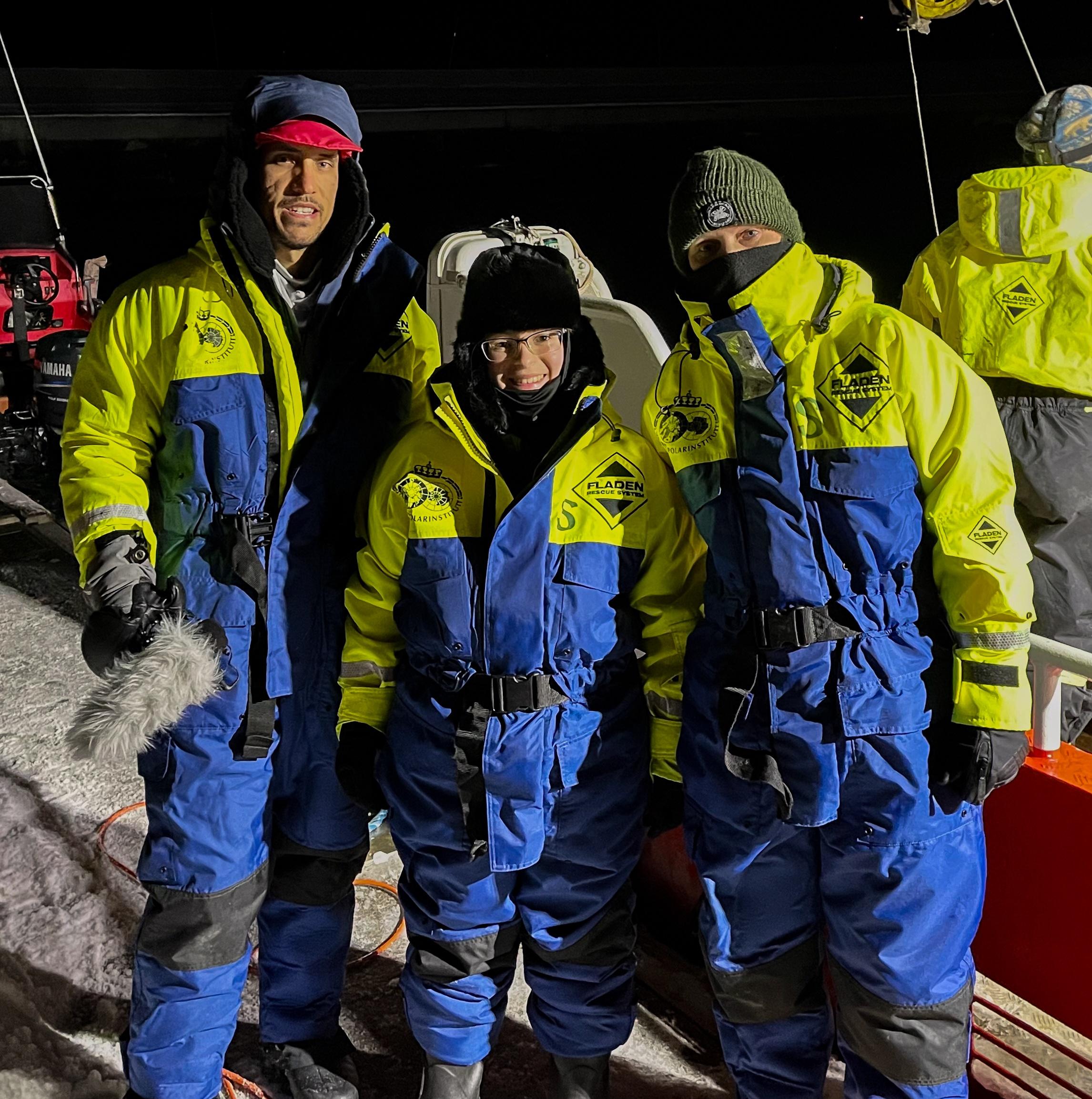
The Changing Seas crew traded their usual dive gear for exposure suits to film in this remote location. From left to right, camera operators David Diez and Jackie Hurtado with Series Producer Alexa Elliott.
16 / 28
Share This Gallery
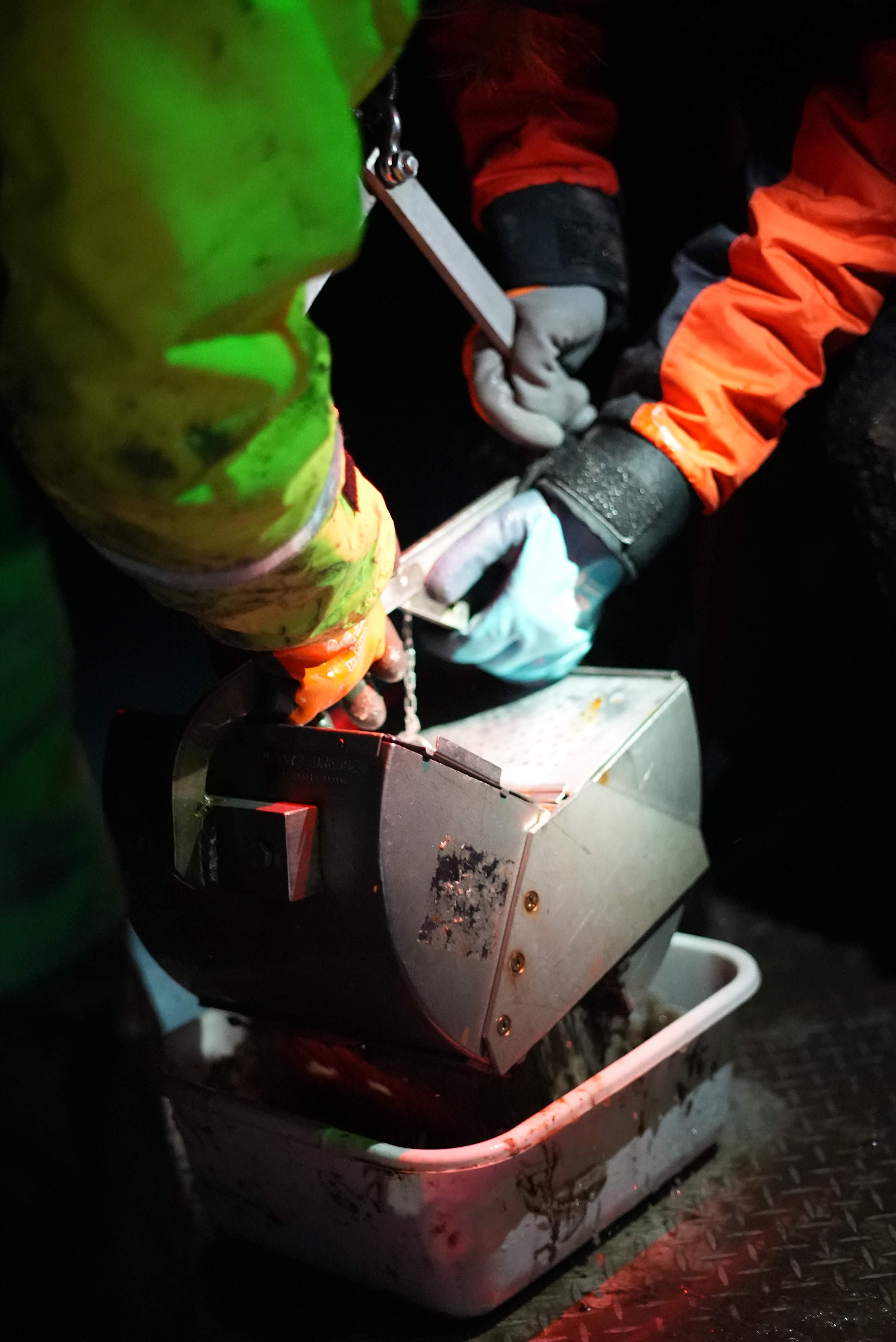
While CATAIN will gather information about organisms that settle and live on hard bottom surfaces, the researchers also wanted to learn about species living in mud. To do so, they used a sediment grab to collected samples at five stations ranging between 5 to 30 meters in depth.
17 / 28
Share This Gallery
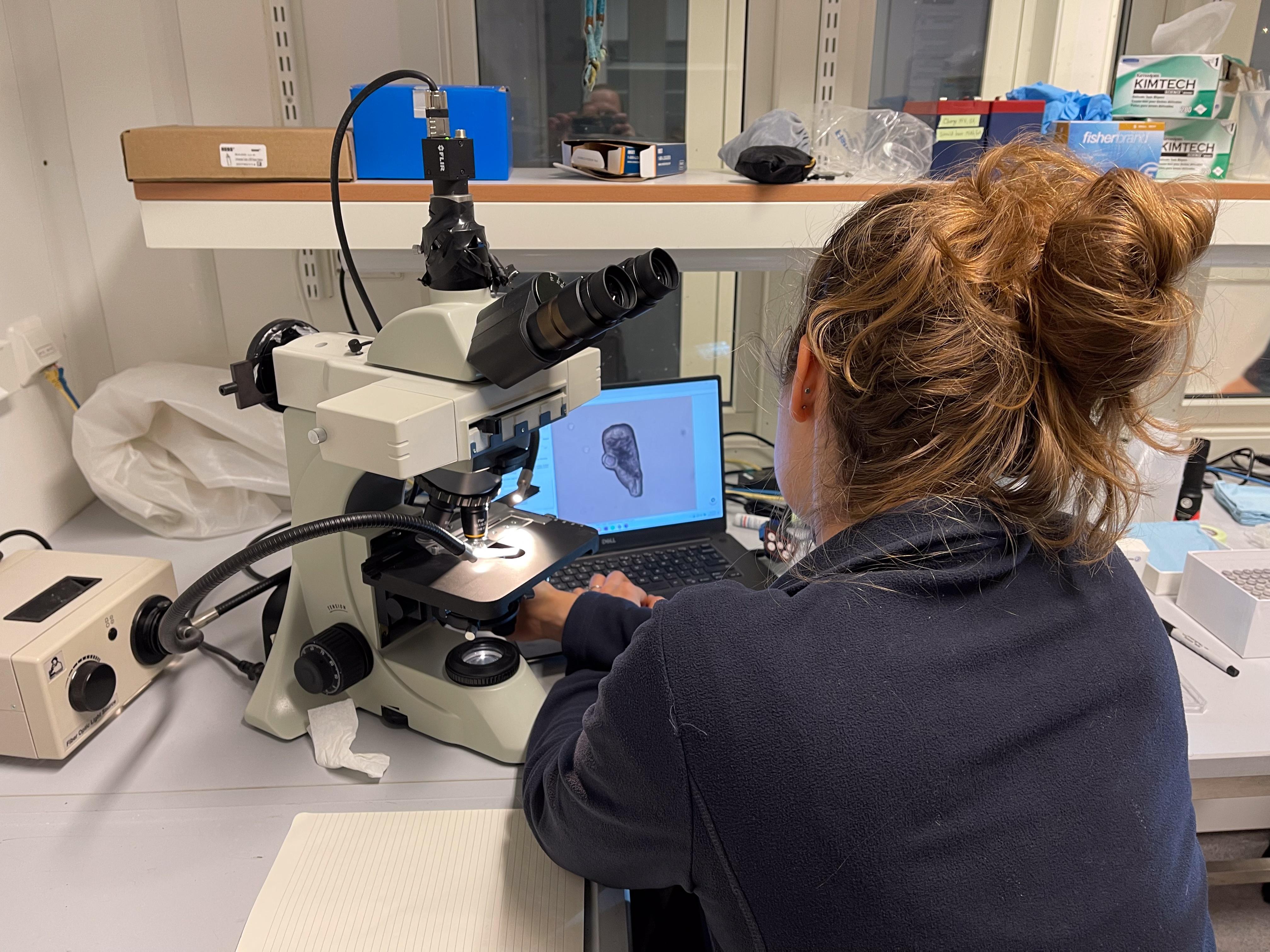
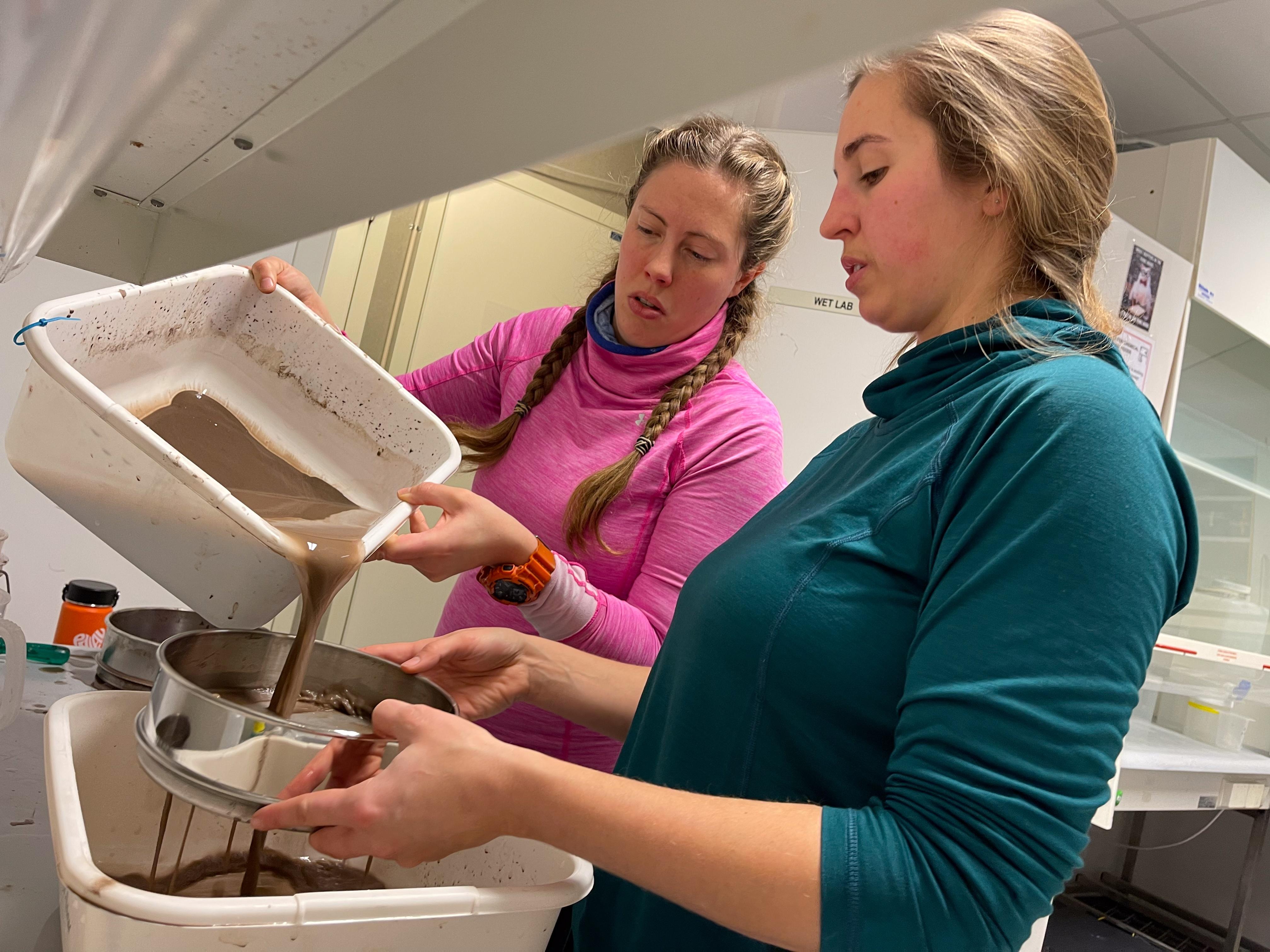
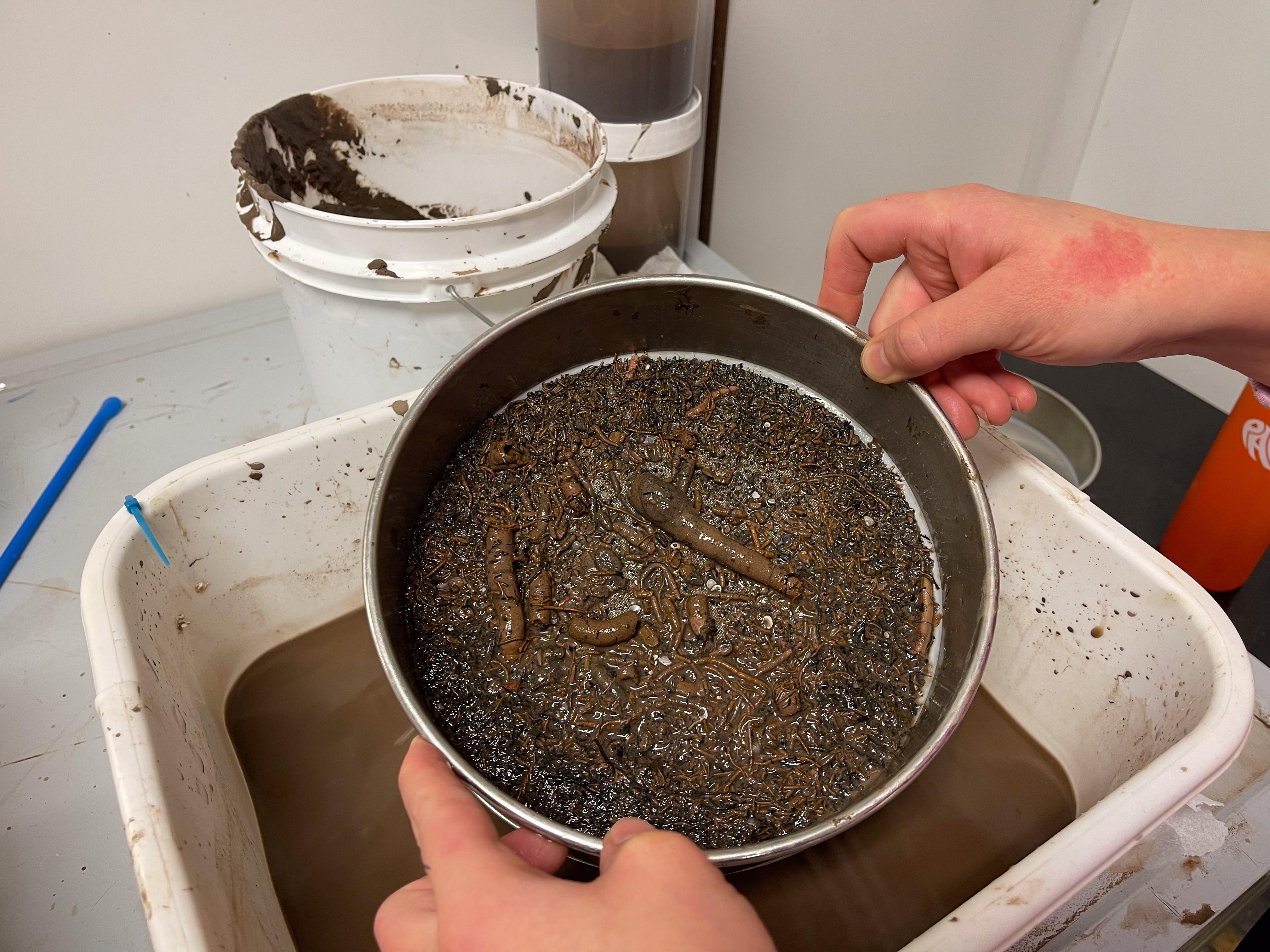
Back in the lab the researchers sift the mud through fine mesh to collect tiny organisms that live on the seafloor.
18 / 28
Share This Gallery
The animals that are caught in the sieve will be sorted and identified under a microscope.
19 / 28
Share This Gallery
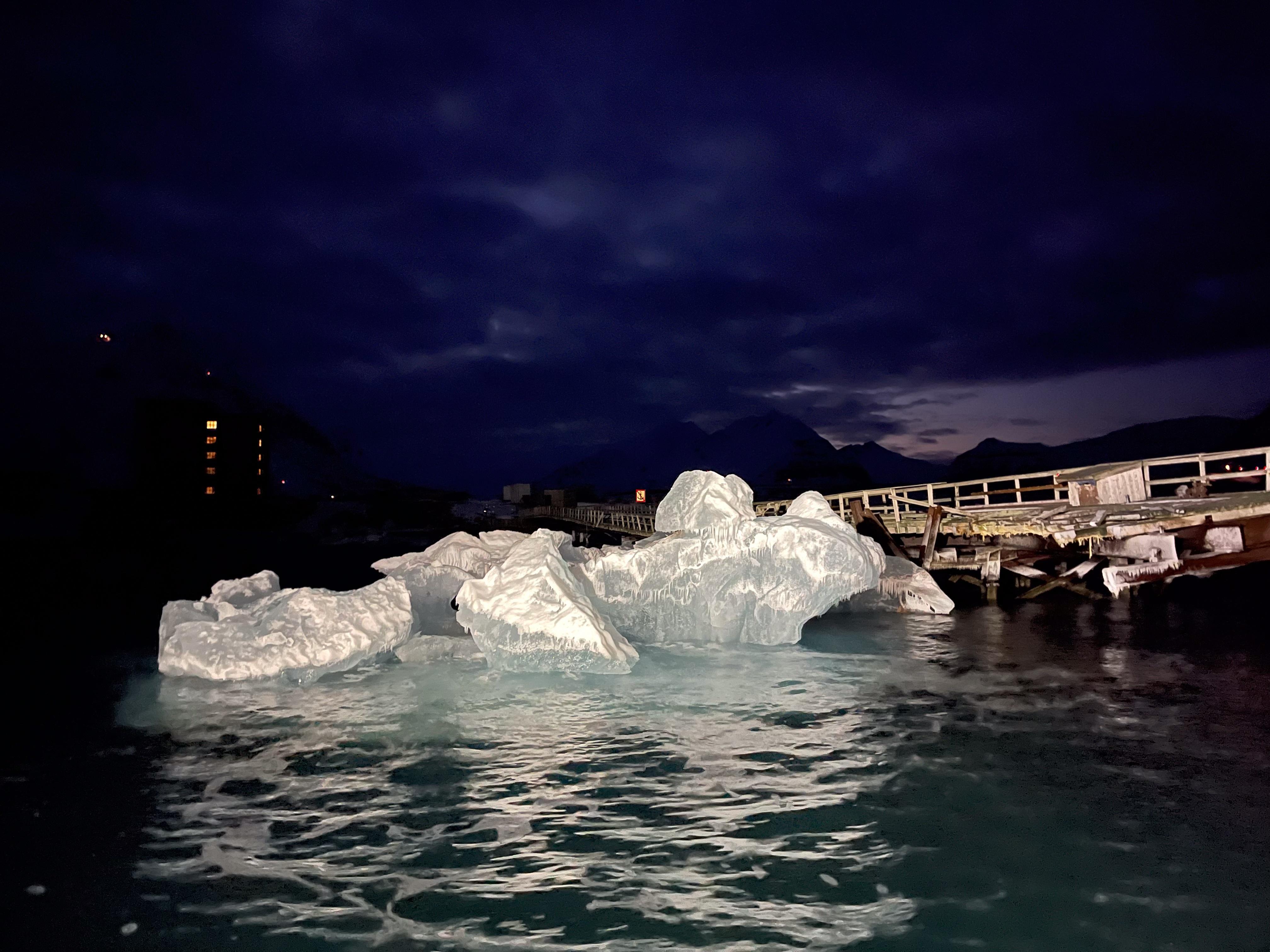
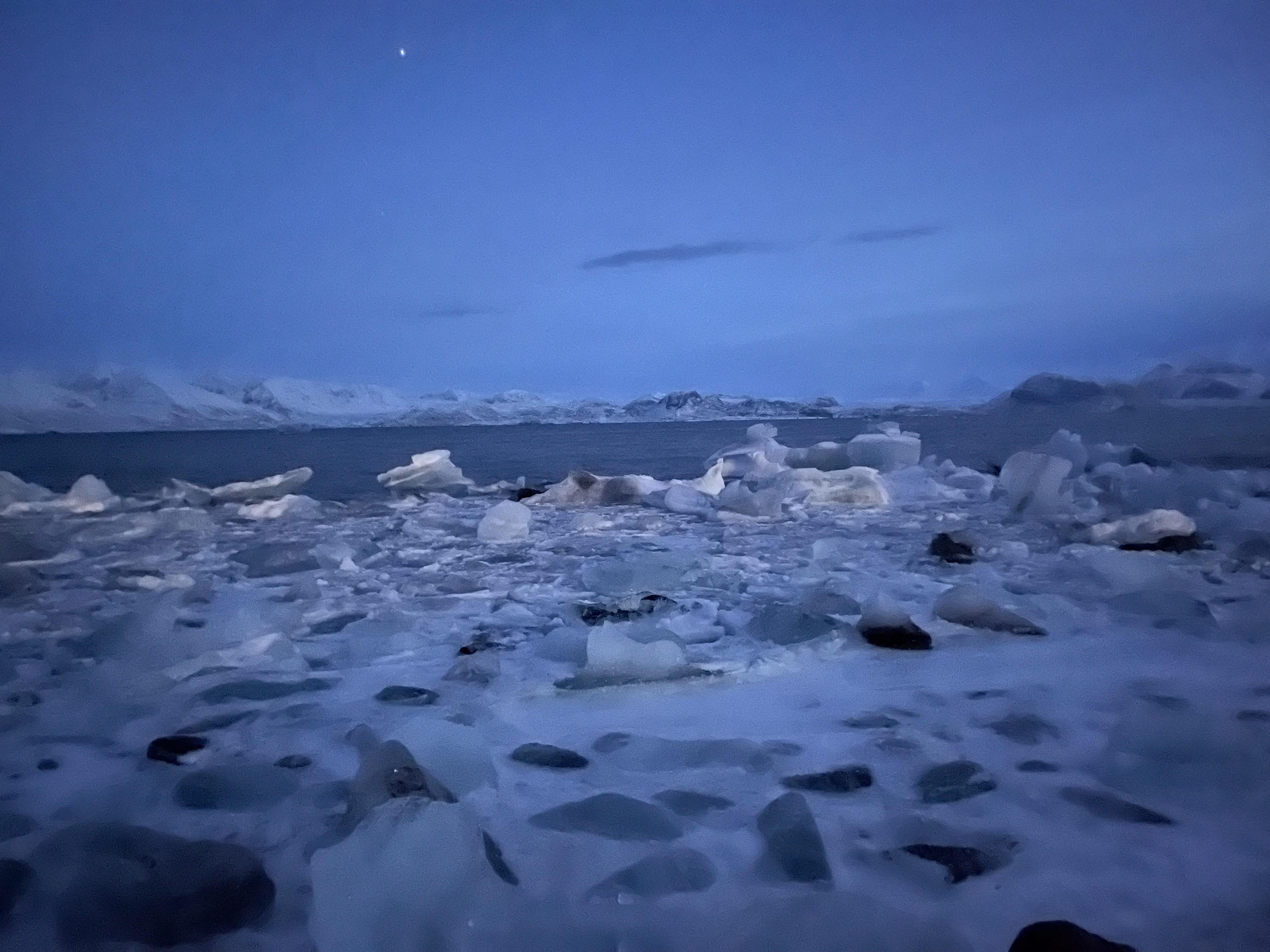
The polar regions are warming faster than the rest of the planet and are already experiencing impacts of climate change. The fjords on the western side of Svalbard haven’t iced up in nearly two decades.
20 / 28
Share This Gallery
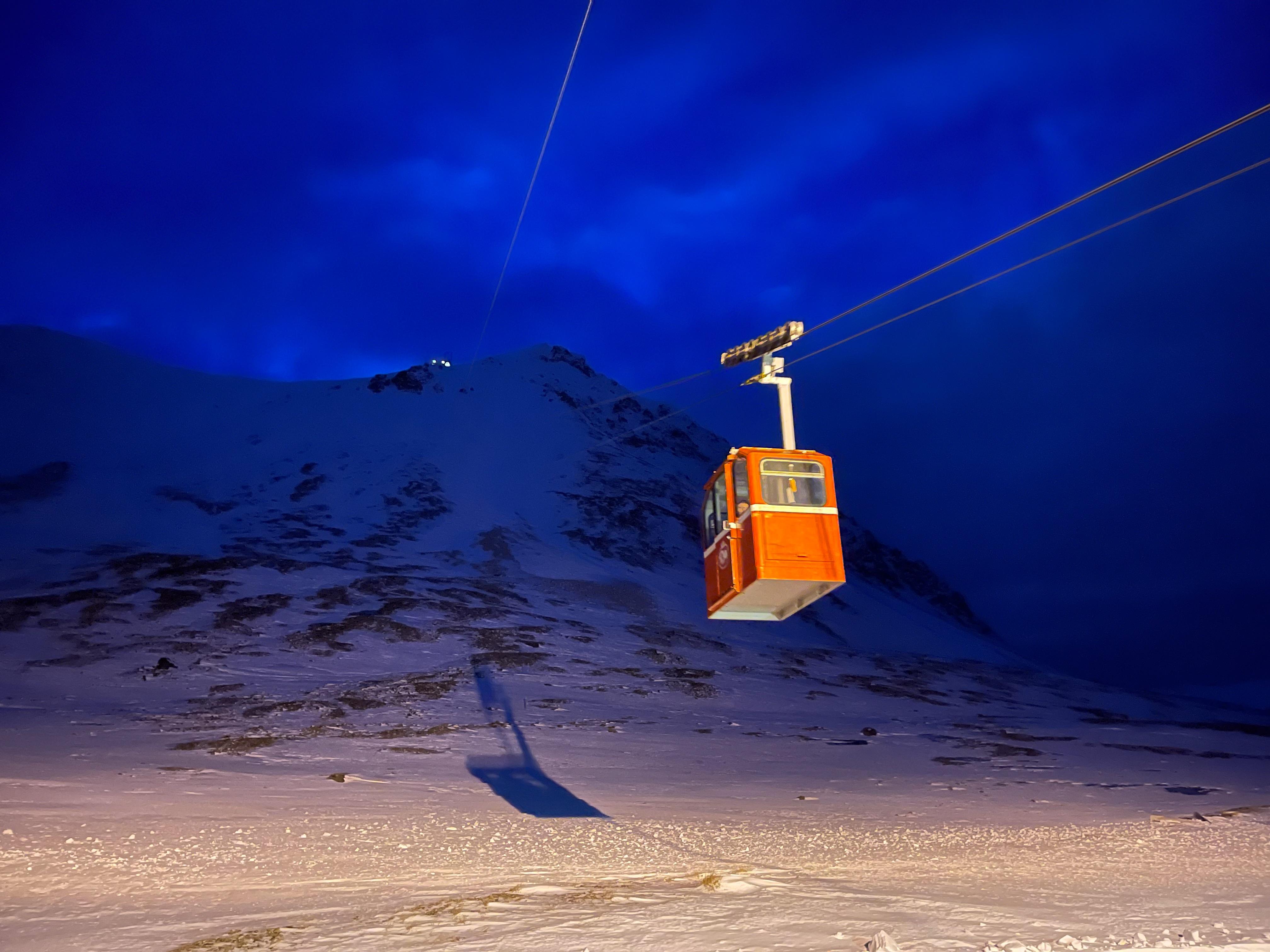
Long-term data collected in Ny-Ålesund is crucial to understanding our changing climate. The Norwegian Institute for Air Research (NILO), in partnership with the Norwegian Polar Institute and others, has been continuously taking measurements at the Zeppelin Air Observatory on the mountain above Ny-Ålesund.
21 / 28
Share This Gallery
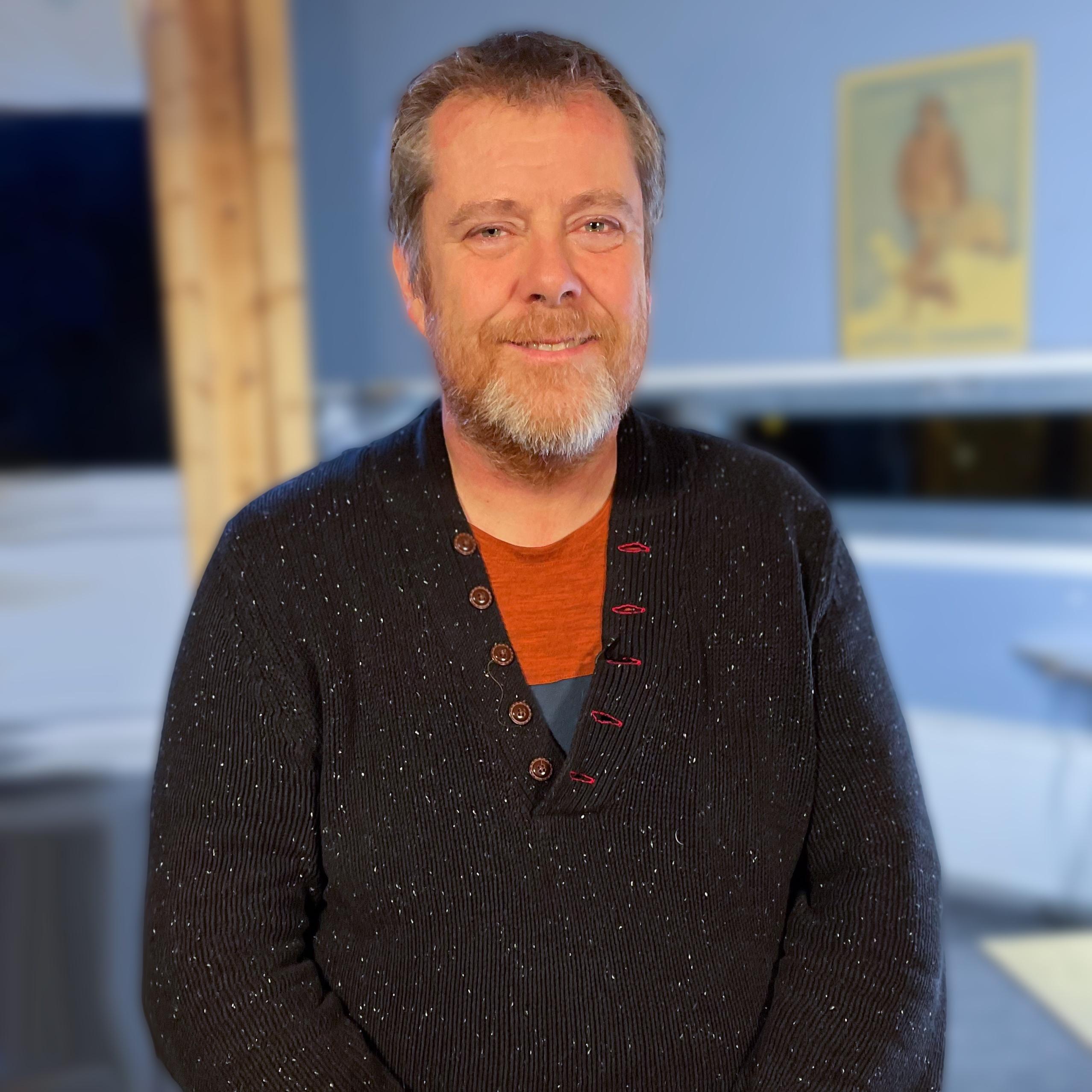
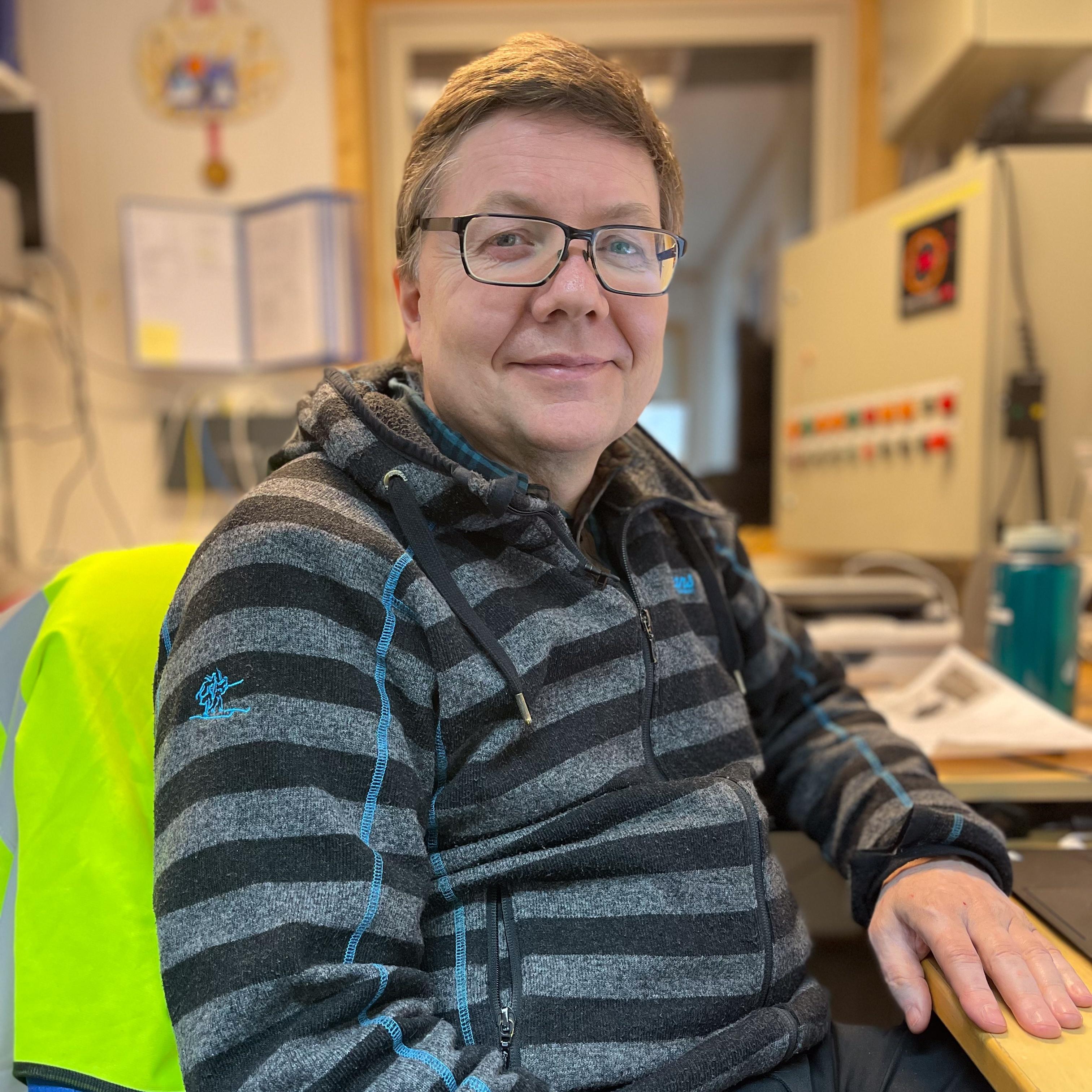
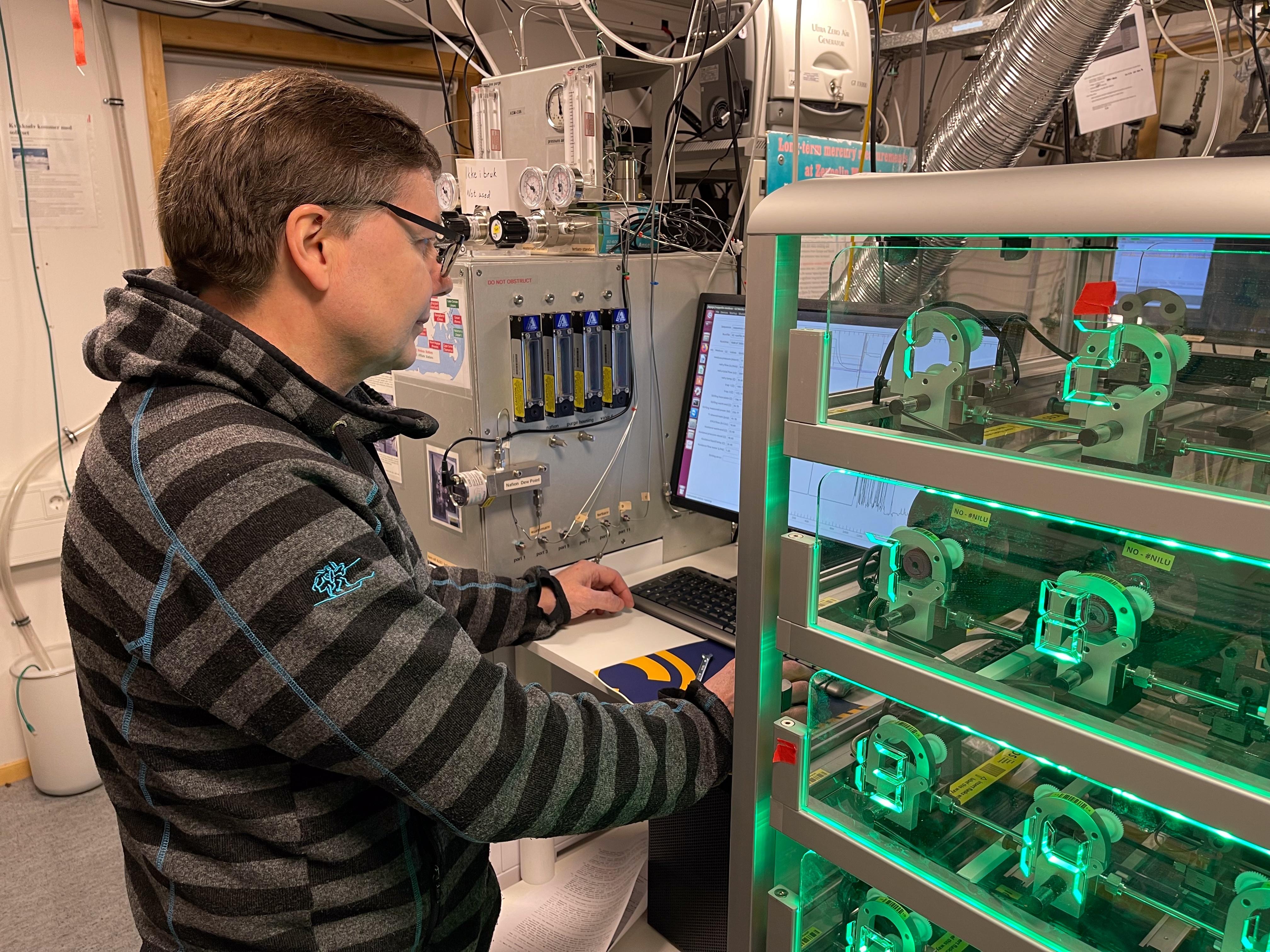
The Zeppelin Air Observatory is part of a global network of stations that all take long-term measurements. NILO Senior Scientist Ove Hermansen (pictured) says greenhouse gas measurements at this location began in the 1980s.
22 / 28
Share This Gallery
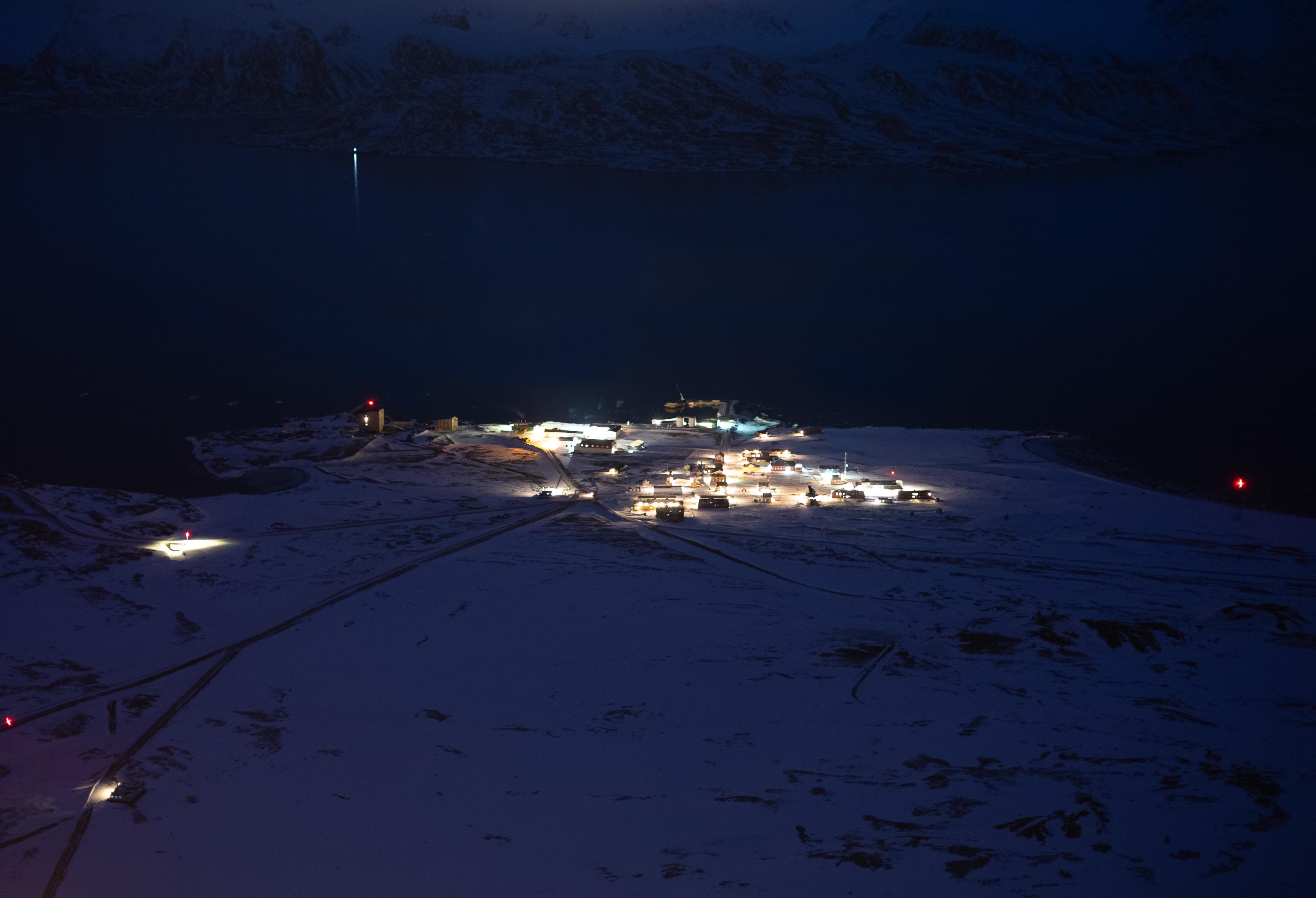
The view of Ny-Ålesund and Kongsfjorden from the Zeppelin Air Observatory.
23 / 28
Share This Gallery
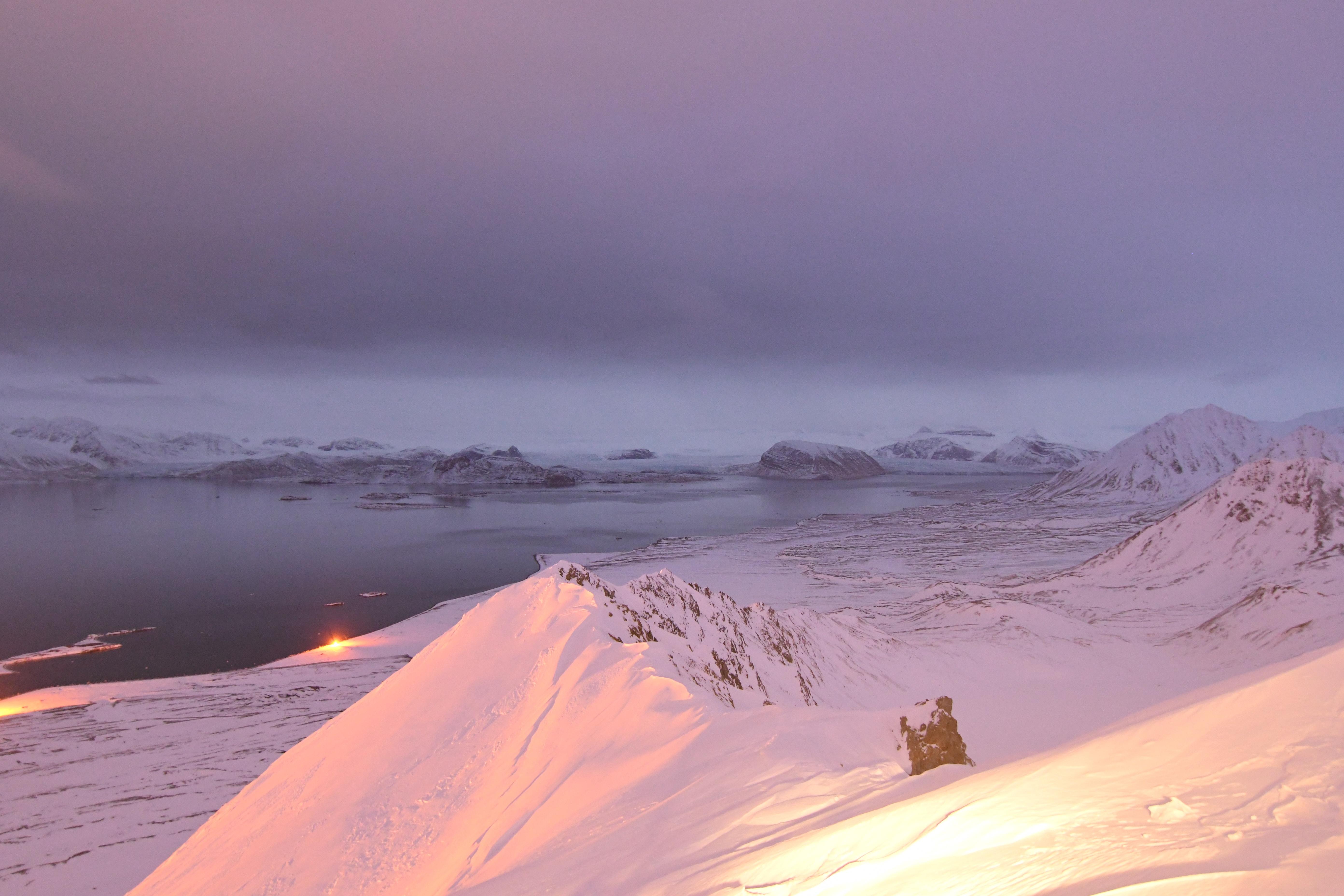
A long exposure showcases the stunning view of the fjord and surrounding areas from the Zeppelin Air Observatory.
24 / 28
Share This Gallery
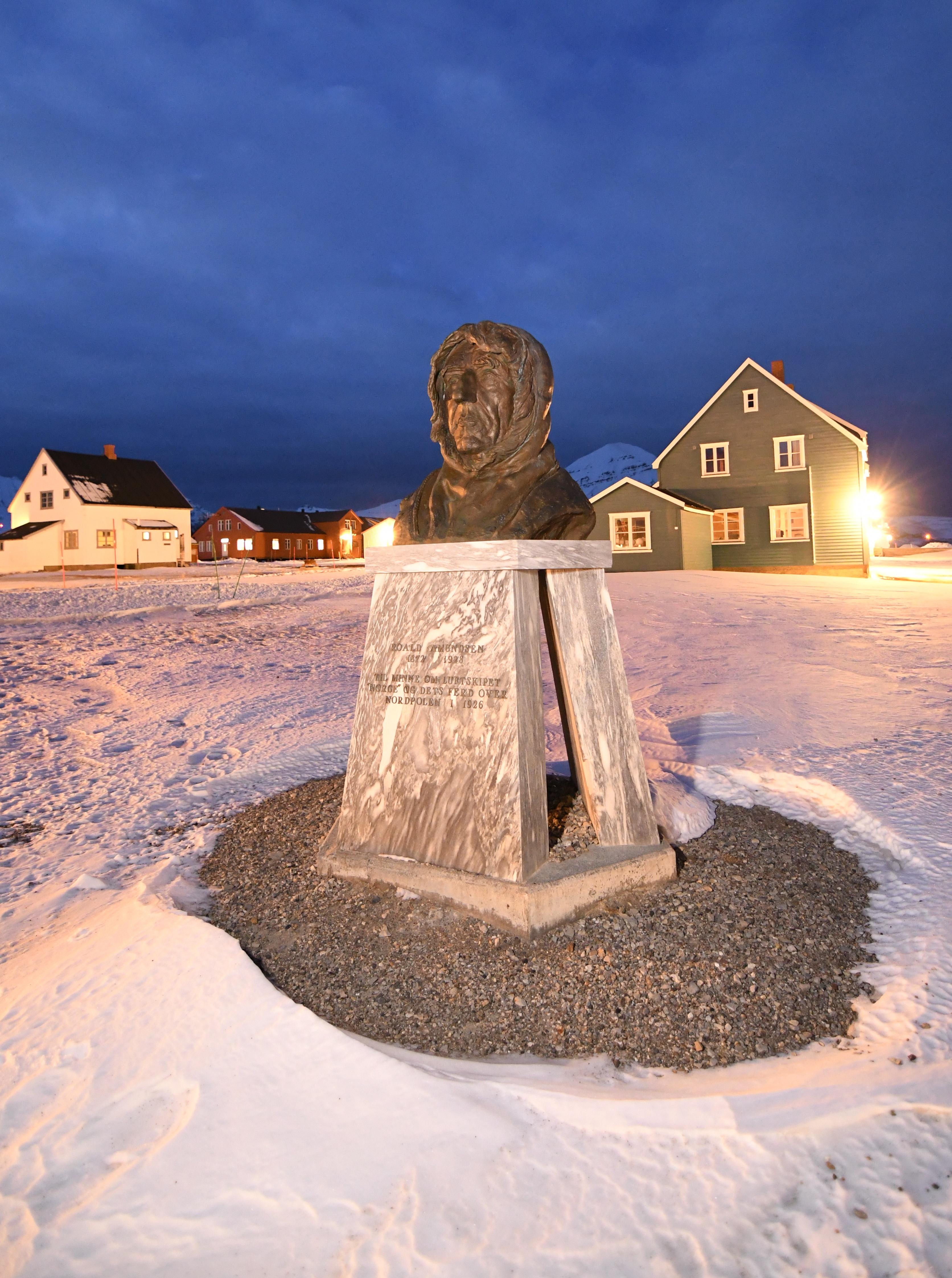
Given its close proximity to the North Pole, Ny-Ålesund has also served as an expedition base. Famous Norwegian Polar Explorer Roald Amundsen and his team departed from here when in 1926 they became the first to fly over the North Pole in an airship.
25 / 28
Share This Gallery
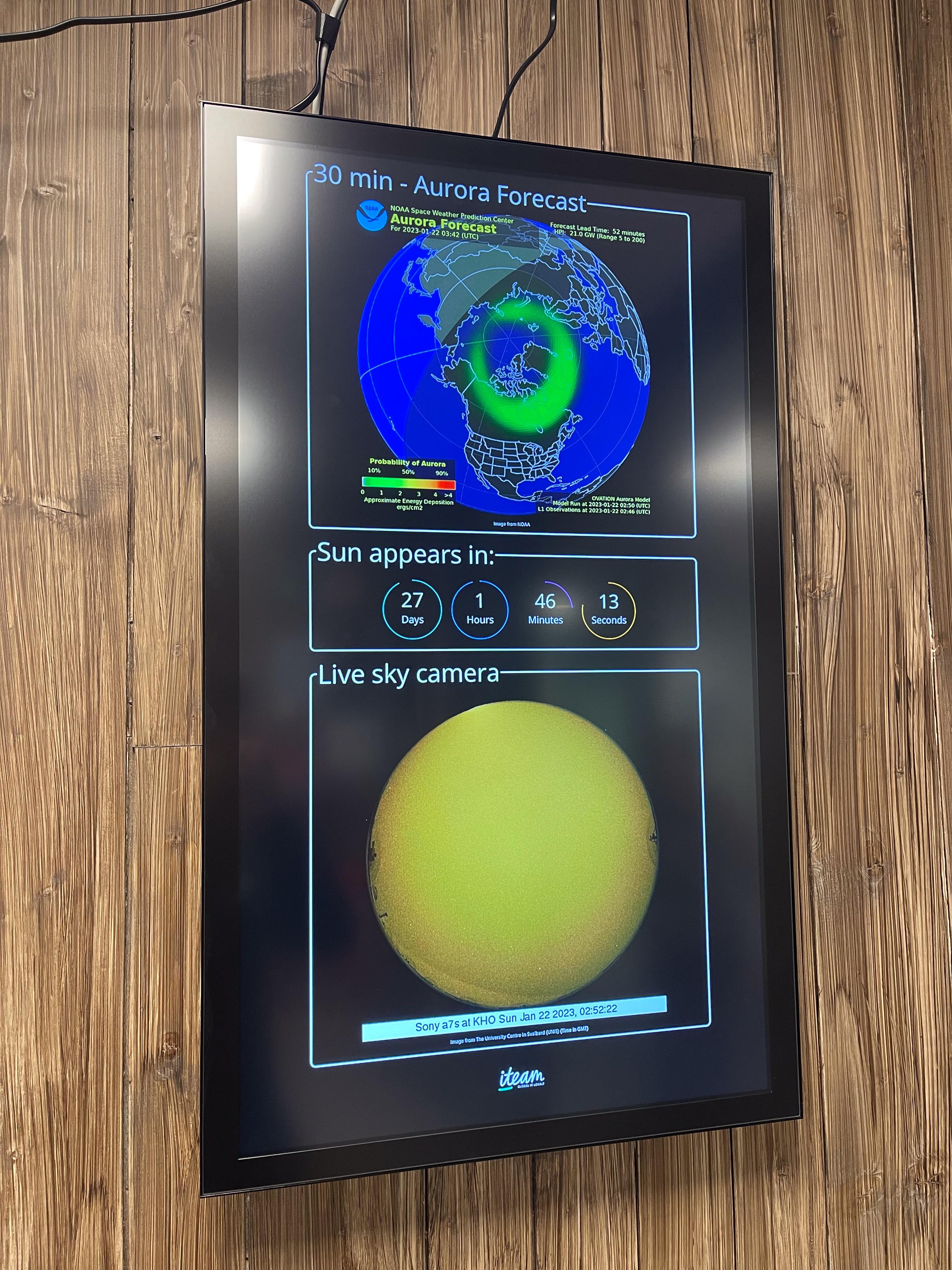
A display in the communal service building provides an aurora forecast as well as counts down the days until the sun appears again.
26 / 28
Share This Gallery
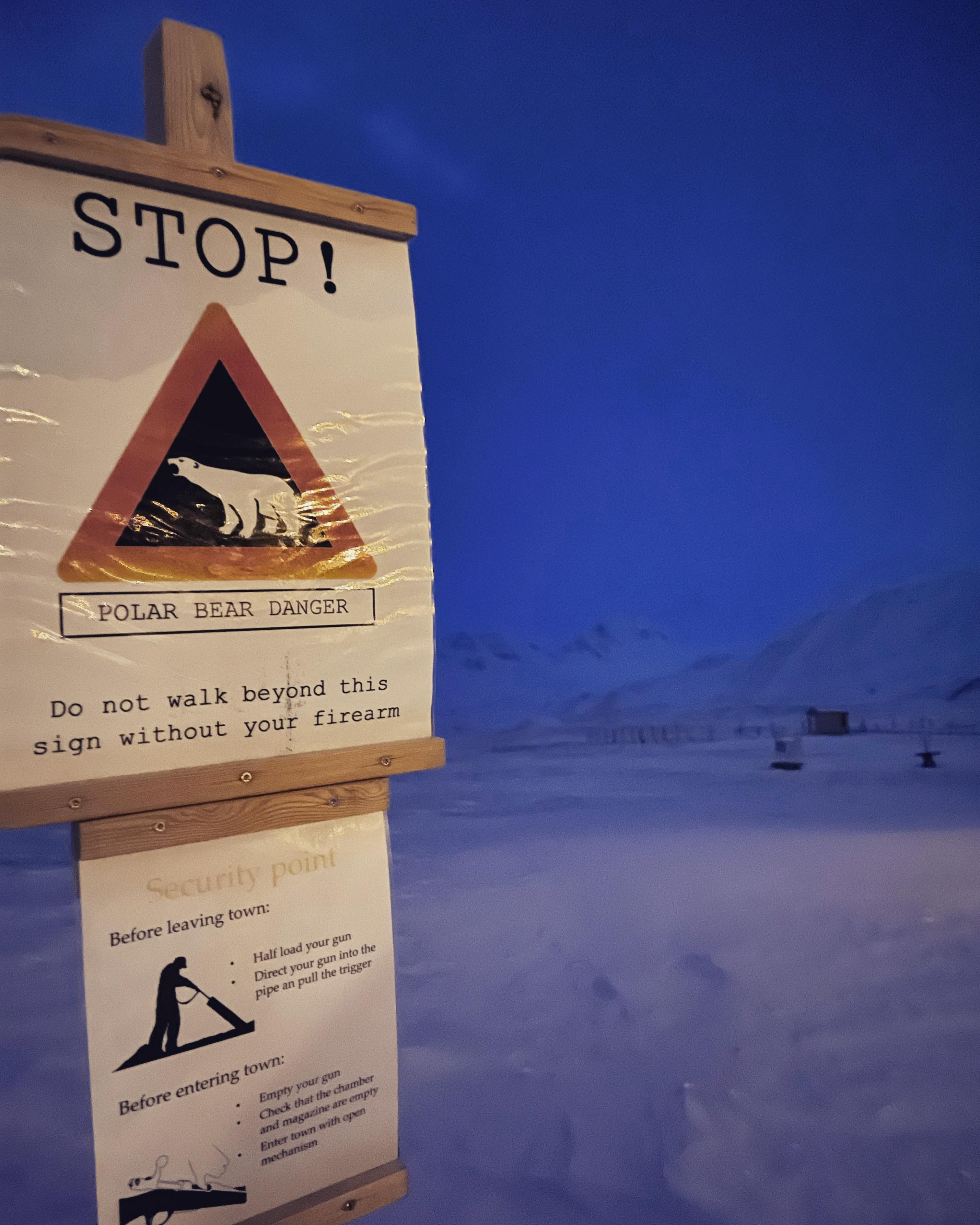
Despite its state of the art research infrastructure, the research station is in the wilderness, and polar bear safety training and precautions are mandatory.
27 / 28
Share This Gallery
While the Norwegian Polar Institute implements the research strategy on site, ten other institutions run by eleven countries also have a permanent or semi-permanent presence in Ny-Ålesund, making this an international community.
28 / 28
Share This Gallery
The polar night is very beautiful, described by many as a time for rest and reflection.
Image Credits
Changing Seas would like to thank the following individuals and institutions who kindly allowed their footage, images and other media to be used in this production: