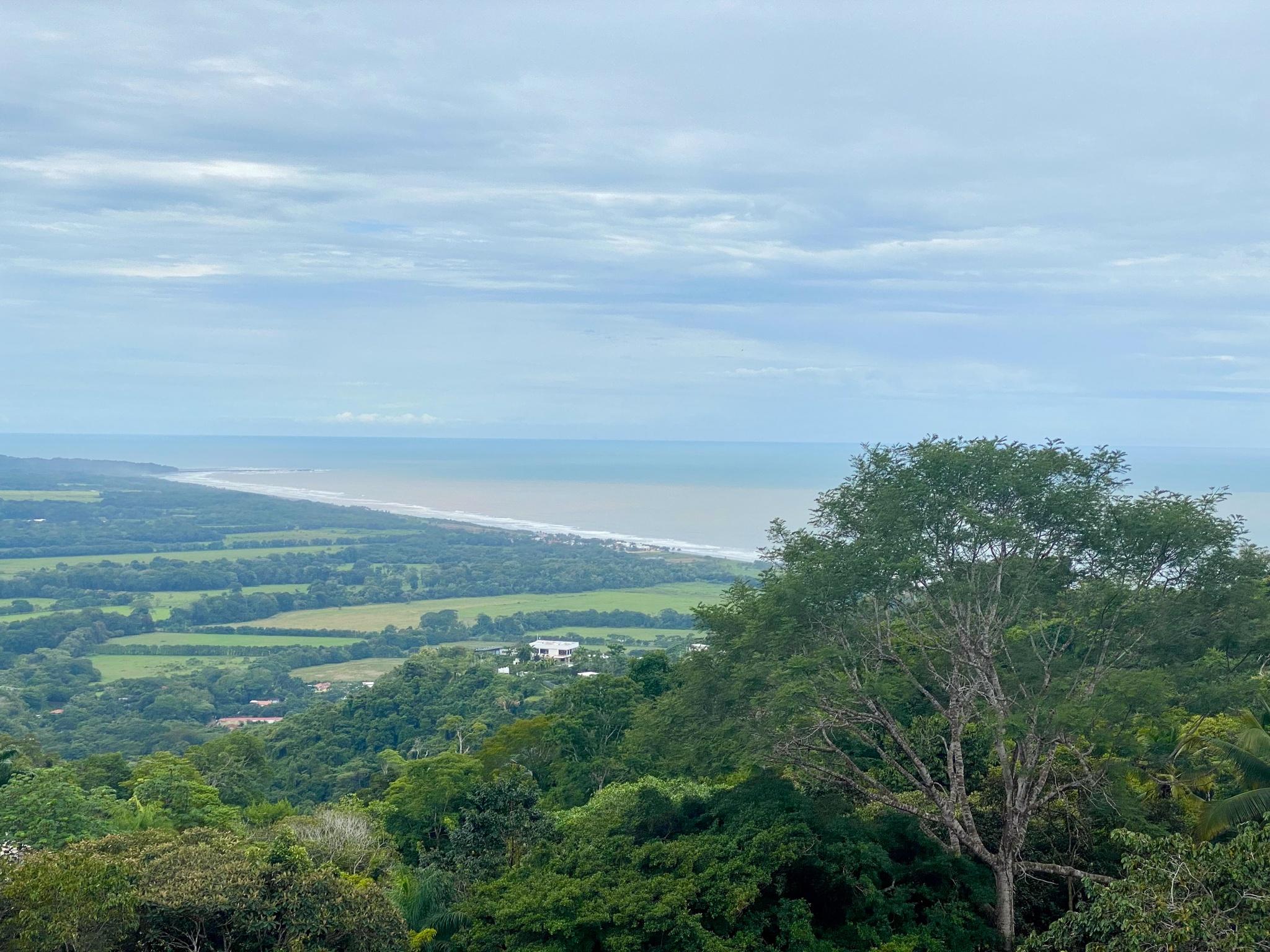
On Costa Rica’s Pacific coast, the surf break at Playa Hermosa is a world-class wave — and the heart of a vibrant ecosystem where endangered sea turtles nest. Recently named a World Surfing Reserve, it’s now the focus of a bold conservation effort, as community members work to restore forests, protect wildlife, and preserve the powerful waves that shape their way of life.
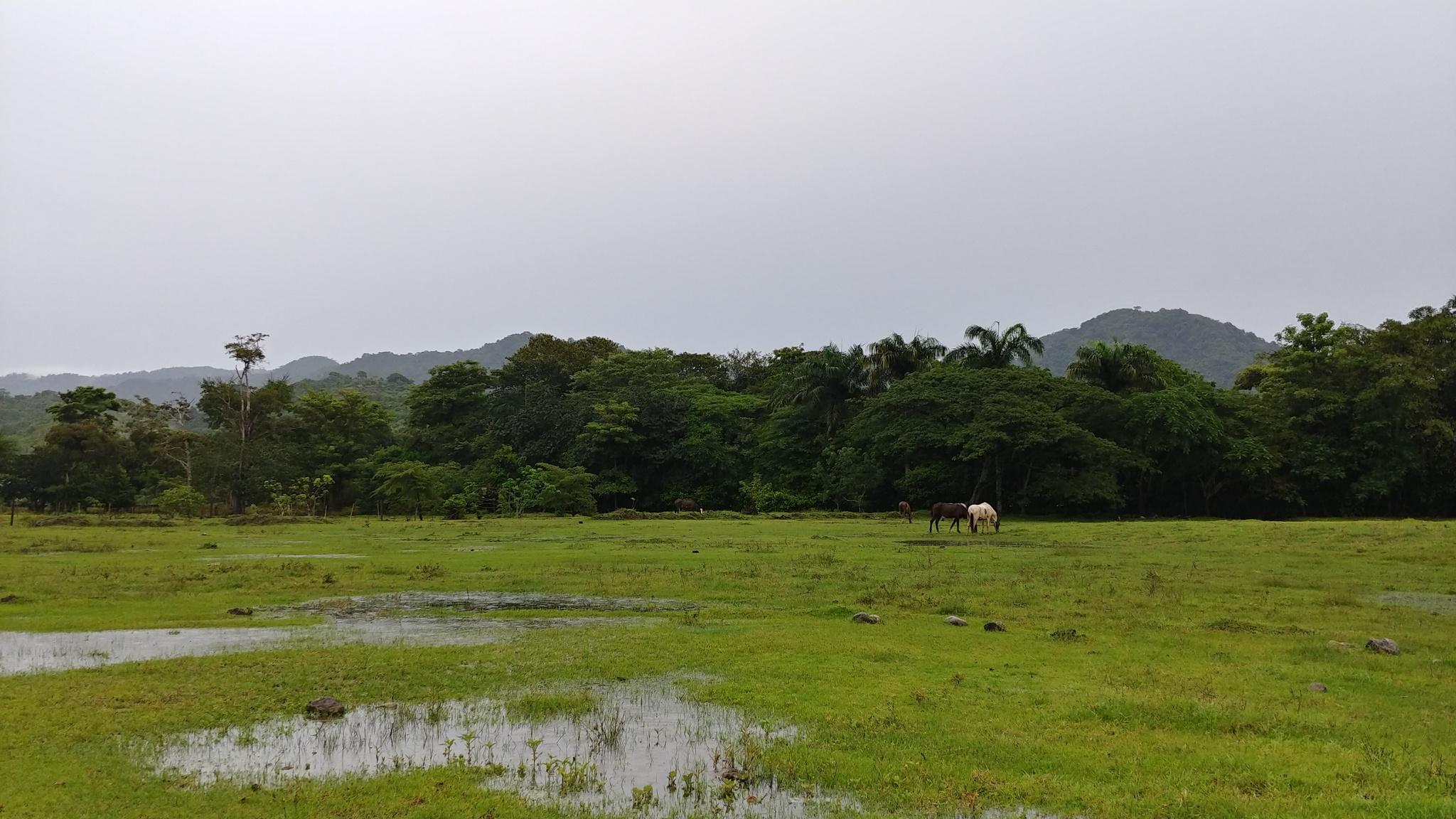
Playa Hermosa is an ecologically diverse surf town nestled on Costa Rica’s Pacific coast.
Changing Seas
2 / 28
Share This Gallery
The community is surrounded by wetlands, mangroves and estuaries that all contribute to sustaining the area's powerful waves.
Changing Seas
3 / 28
Share This Gallery
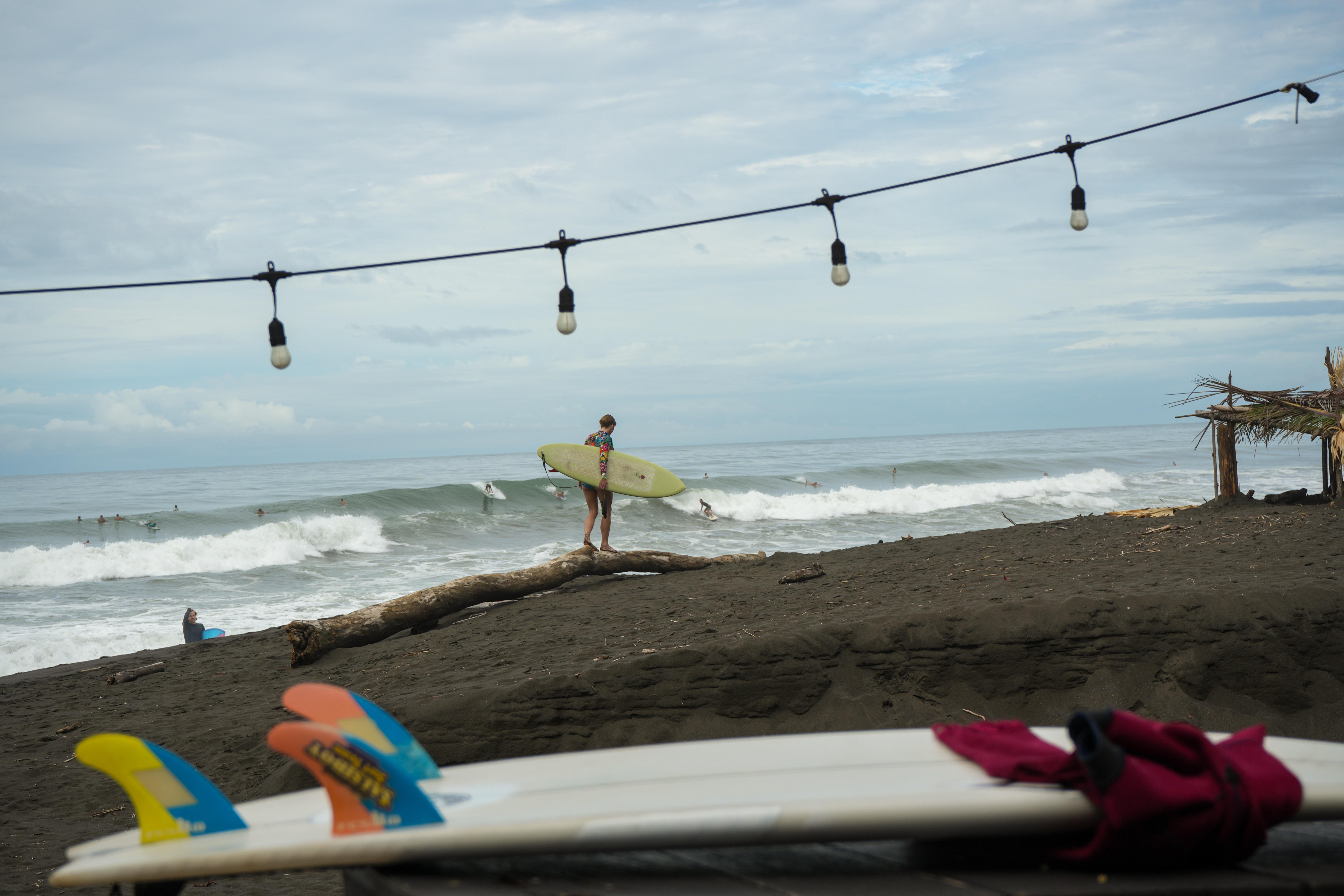
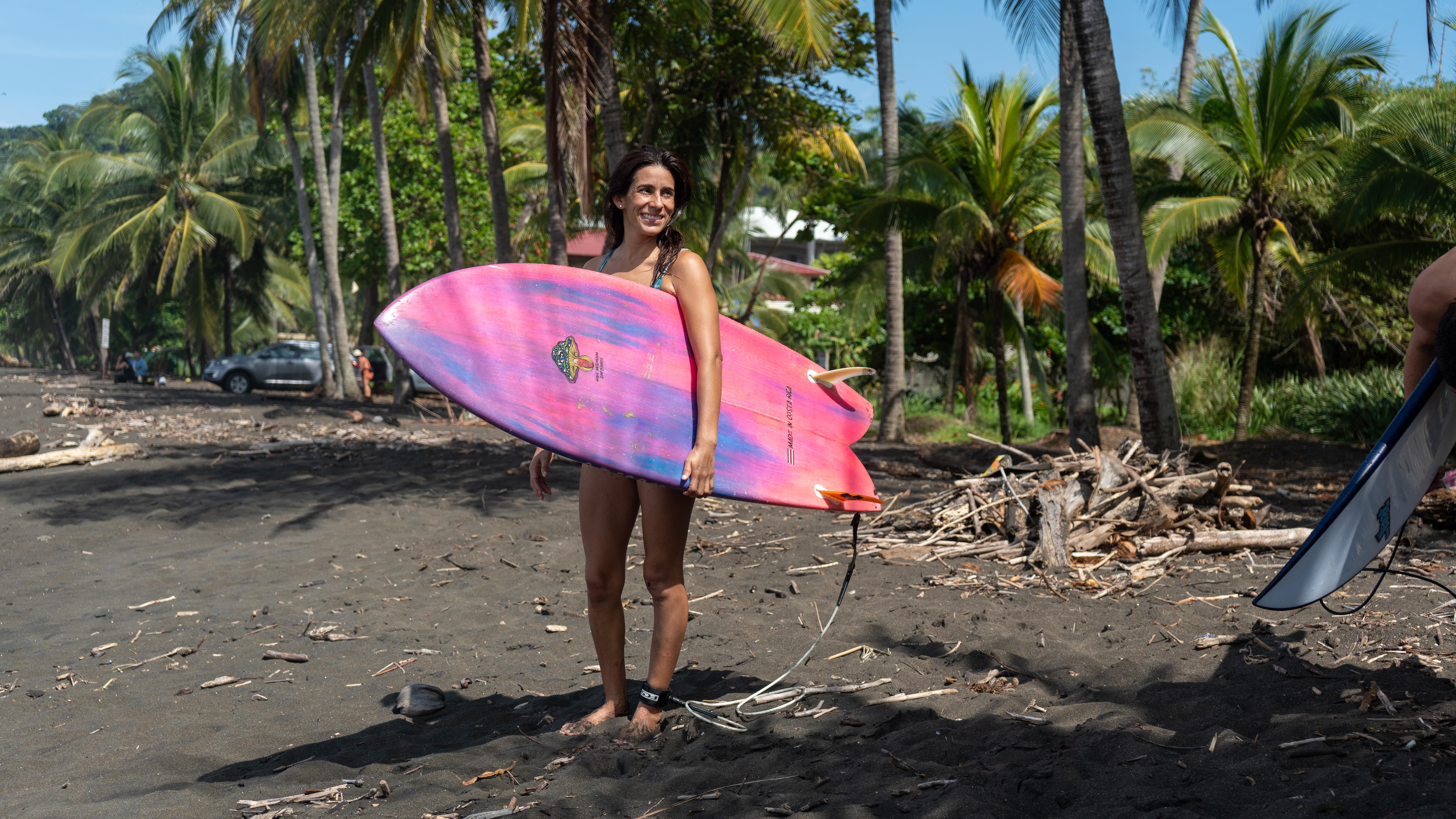
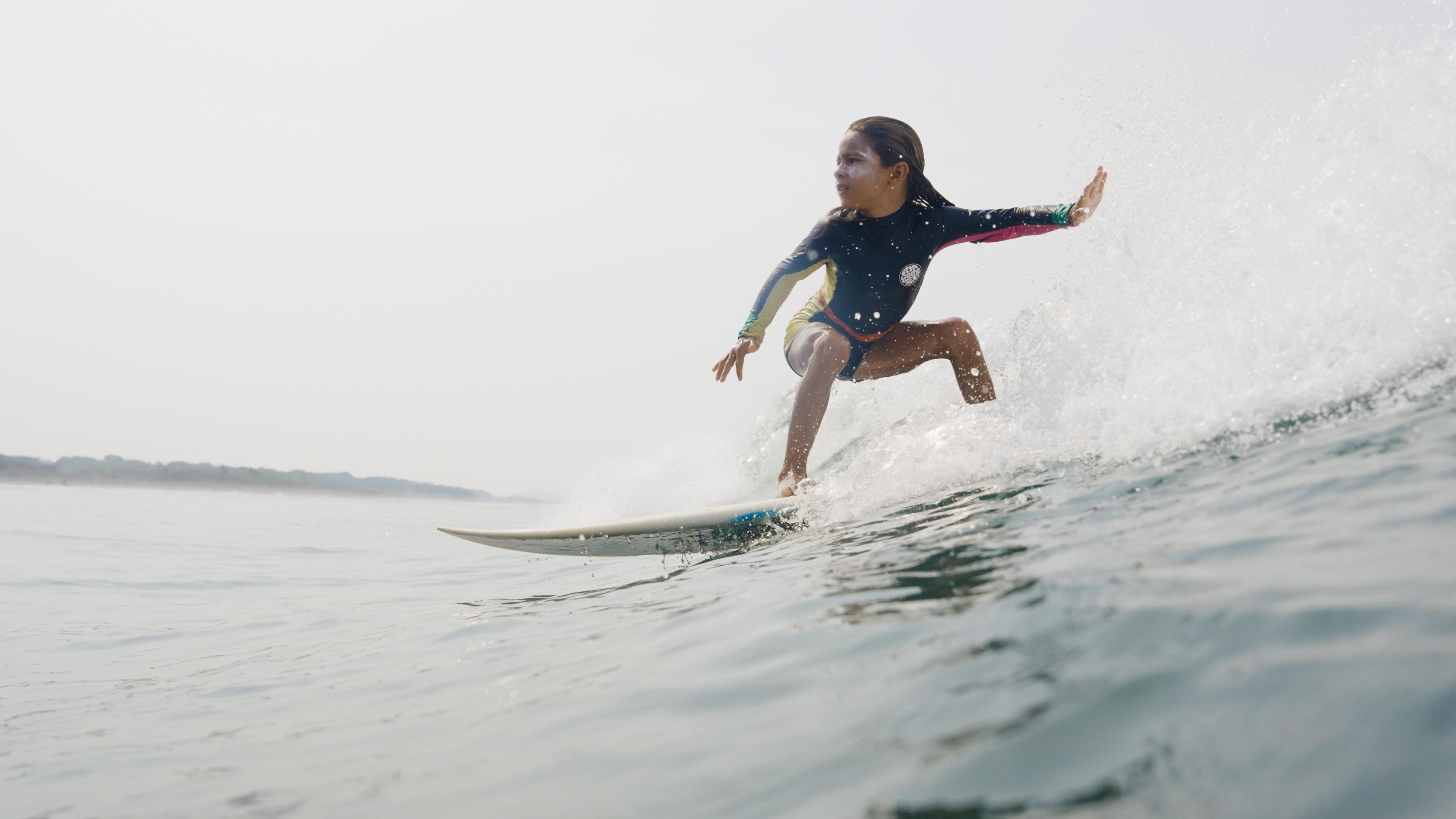
This six kilometer stretch of beach is used as a training ground for experienced surfers.
Changing Seas
4 / 28
Share This Gallery
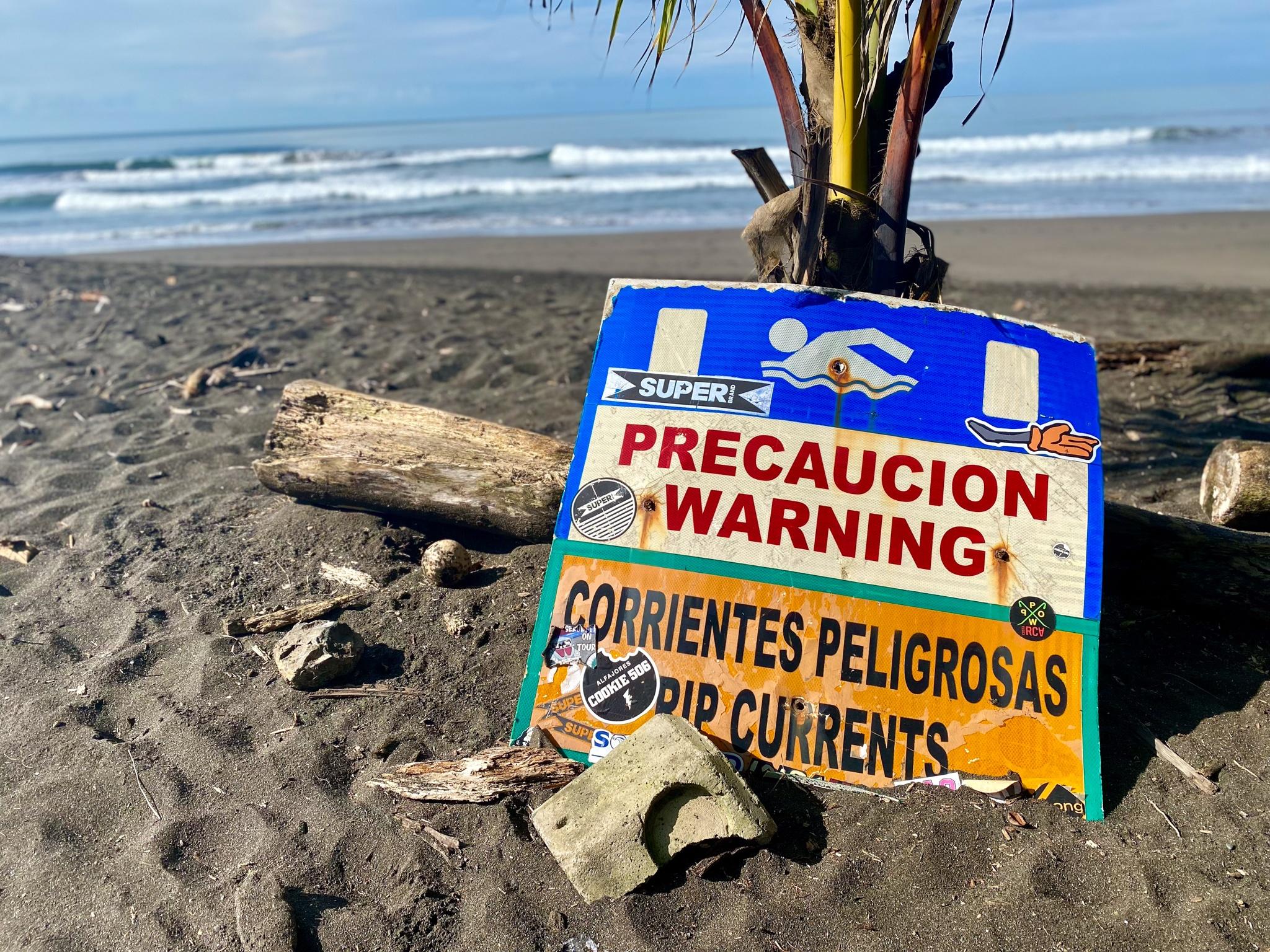
While ideal practice sets for some, these gnarly waves can be life threatening for novice surfers and tourists.
Changing Seas
5 / 28
Share This Gallery
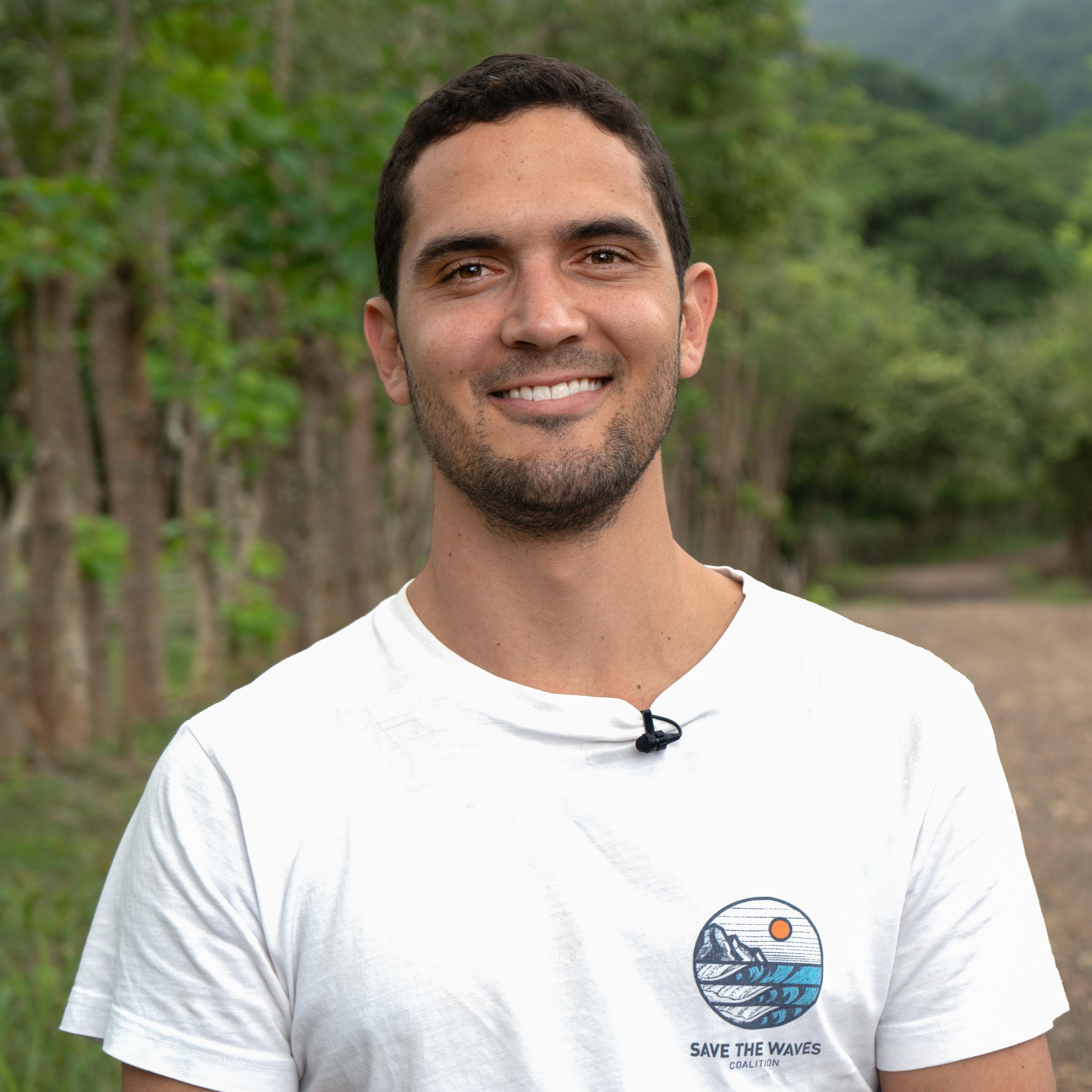
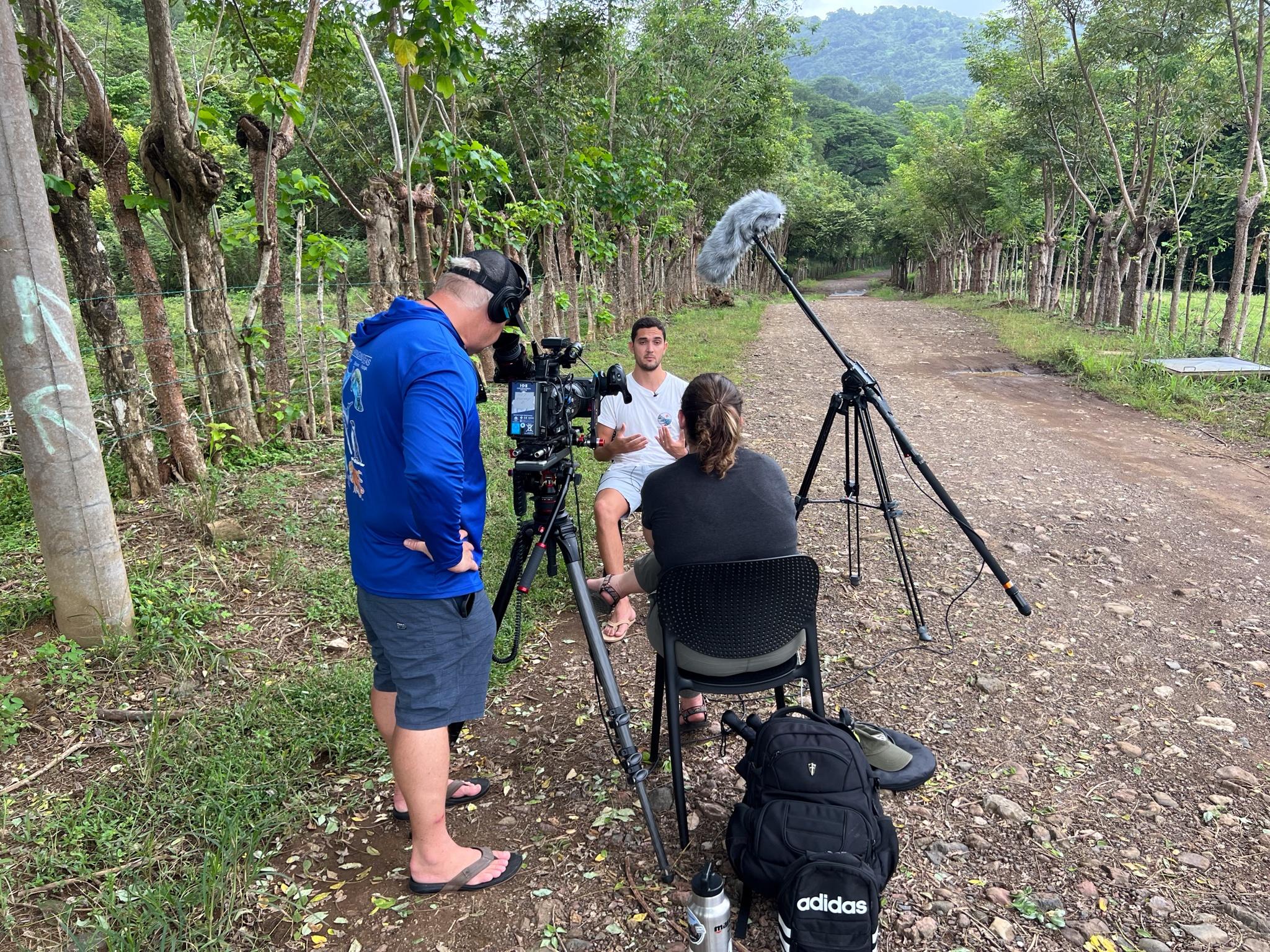
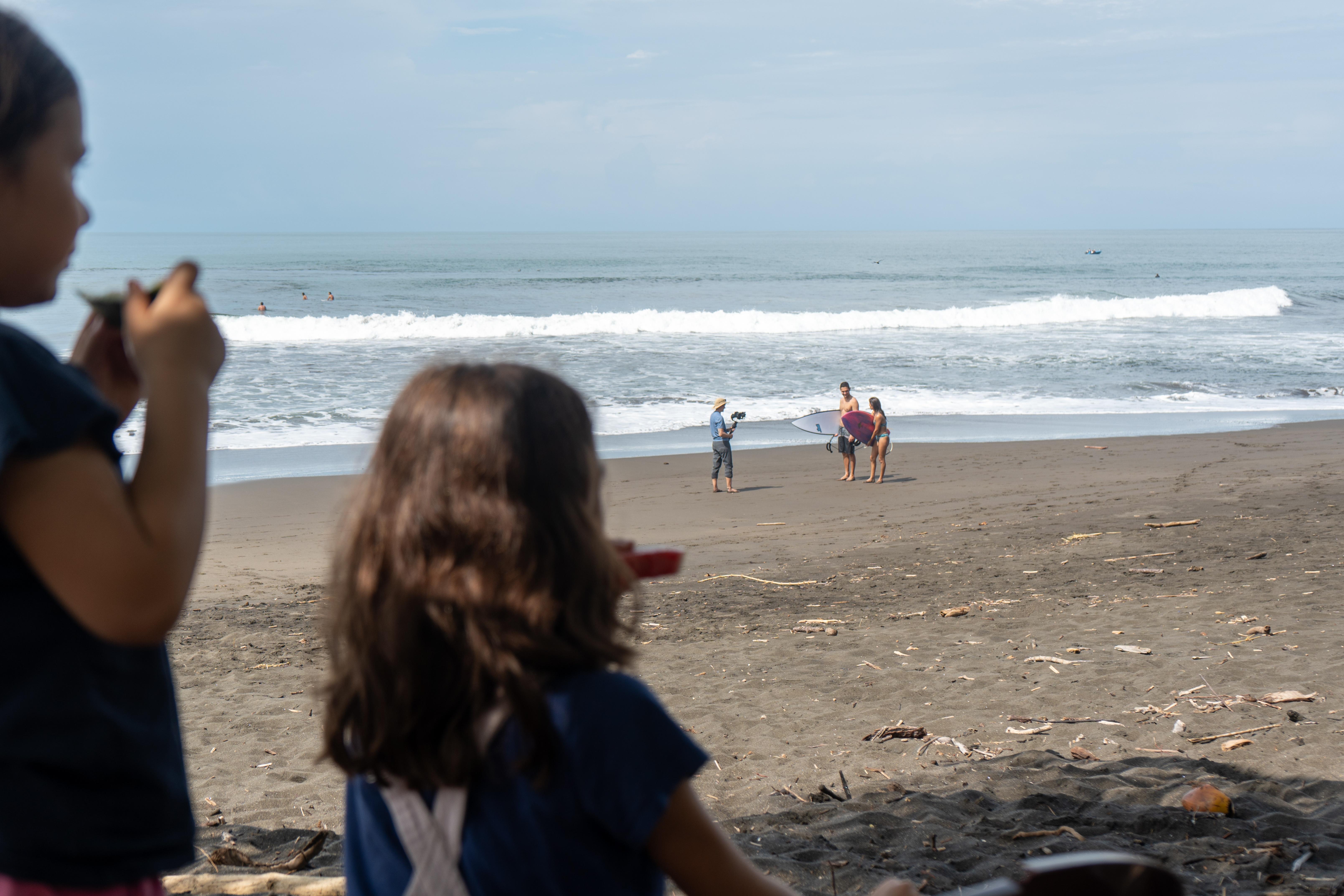
Producer Liz Smith interviews Save the Waves Coalition’s Diego Sancho, only to be interrupted by a passing cow or squawking macaw.
Changing Seas
6 / 28
Share This Gallery
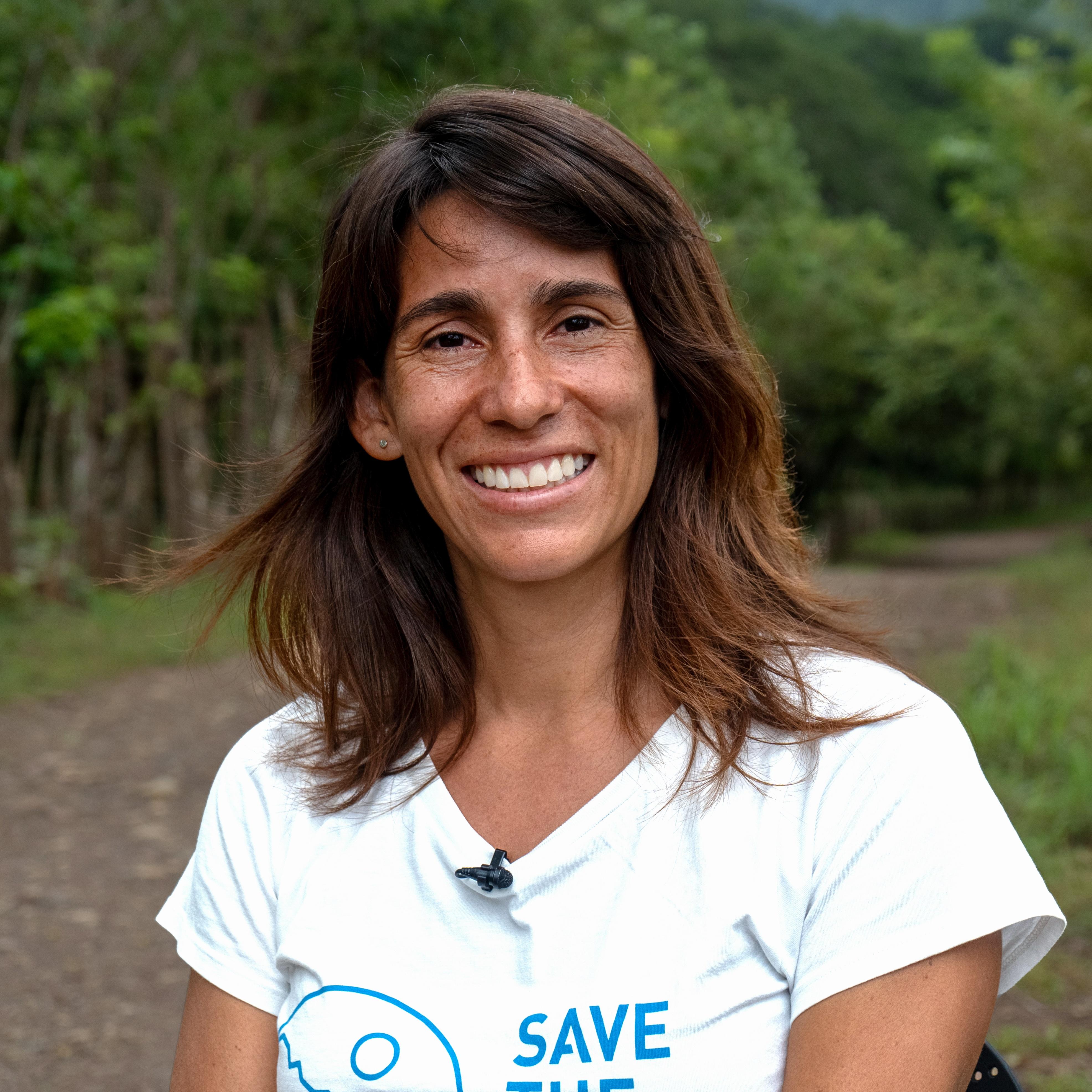
The community began protecting sections of beach in the 90s, but sustainability advocate Laura Zumbado recognized a need to expand surf ecosystem protections.
Save The Waves Coalition
7 / 28
Share This Gallery
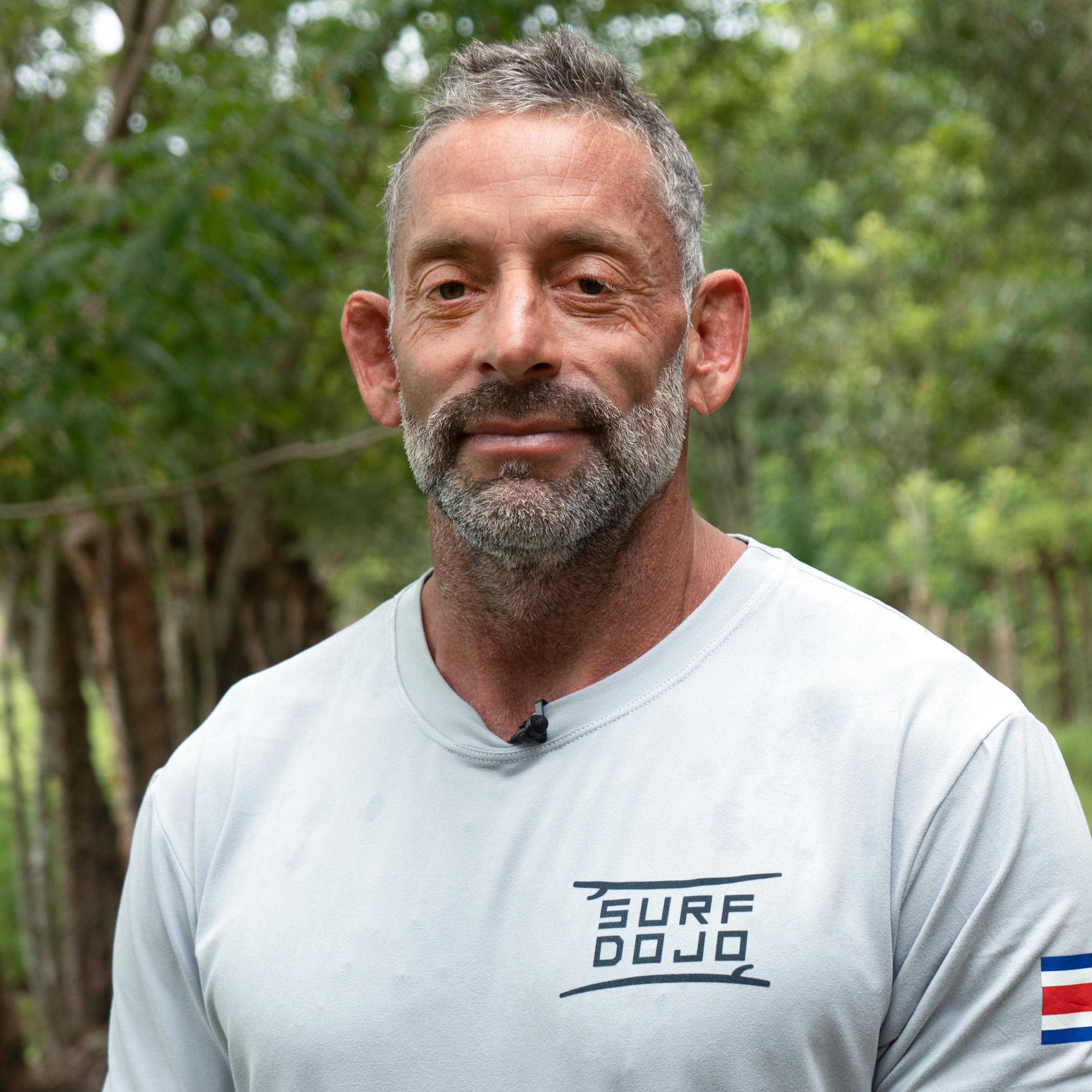
To preserve the environment that shapes these world-class waves, locals invited international nonprofit Save the Waves to establish a World Surfing Reserve in Playa Hermosa, the first in Central America.
Surf Dojo
8 / 28
Share This Gallery
The establishment of the reserve is helping the community to work towards safeguarding their cherished waves for generations.
Changing Seas
9 / 28
Share This Gallery
Laura's daughters watch as mom and Diego work with the Changing Seas crew.
Changing Seas
10 / 28
Share This Gallery
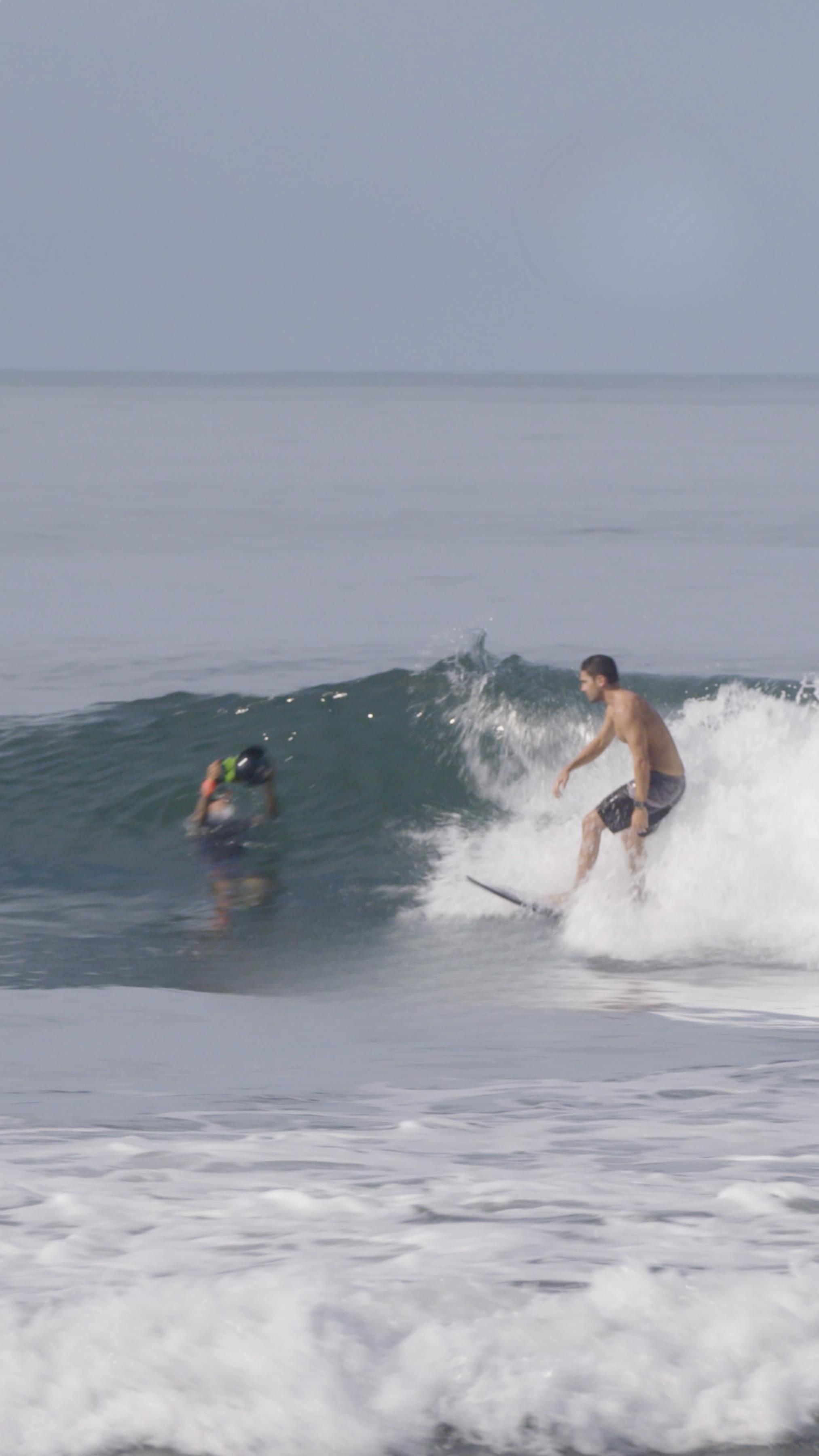
Surf Videographer Nestor Rago uses his surf experience to anticipate his subject's movements.
Surf Dojo
11 / 28
Share This Gallery
Surfers are particularly connected to nature and are deeply invested in the health of their environment and its wildlife.
Changing Seas
12 / 28
Share This Gallery
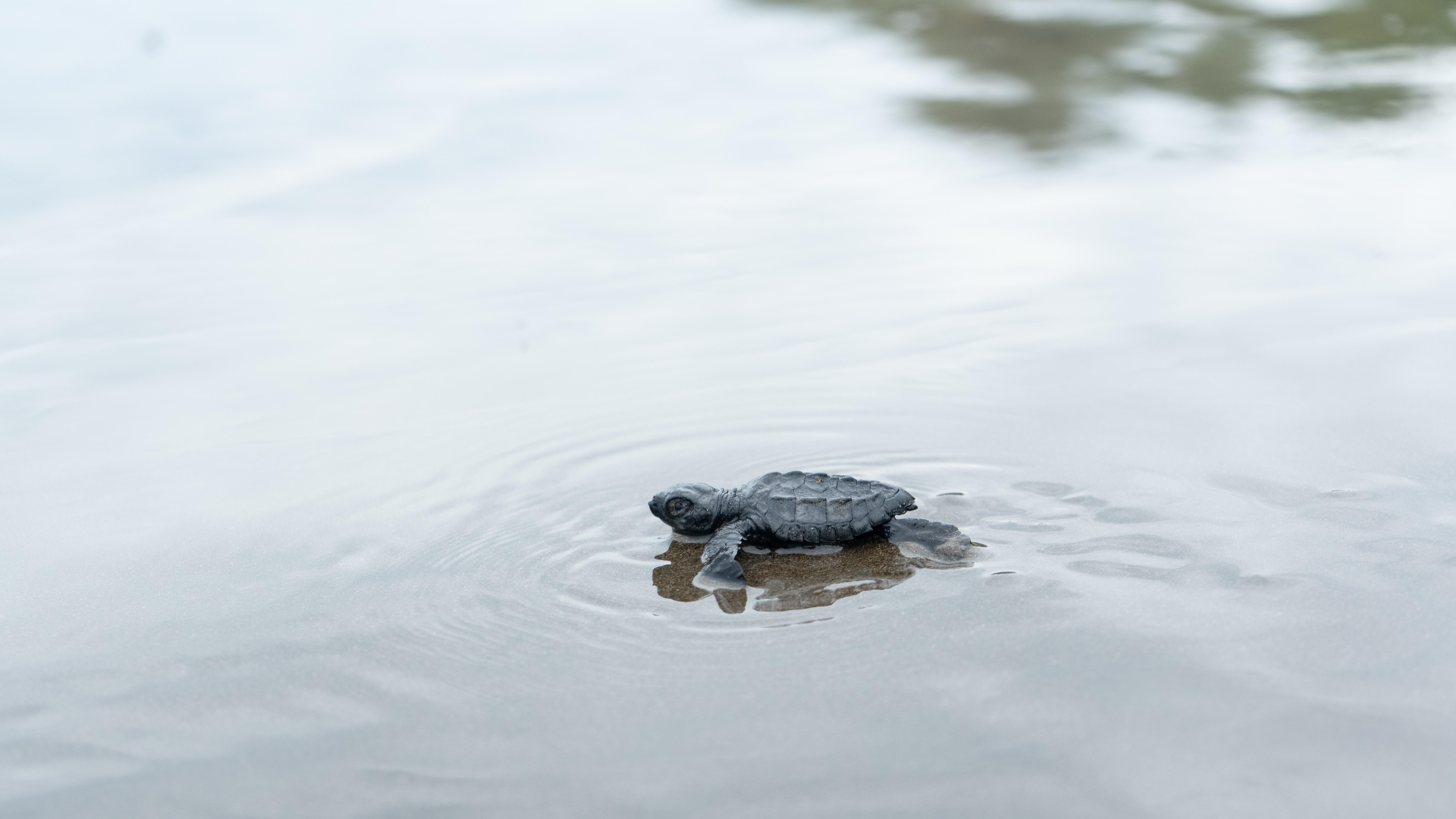
Playa Hermosa provides nesting grounds for the endangered olive ridley turtle.
Changing Seas
13 / 28
Share This Gallery
Beach erosion and excess driftwood can inhibit space for these turtles to nest.
Changing Seas
14 / 28
Share This Gallery
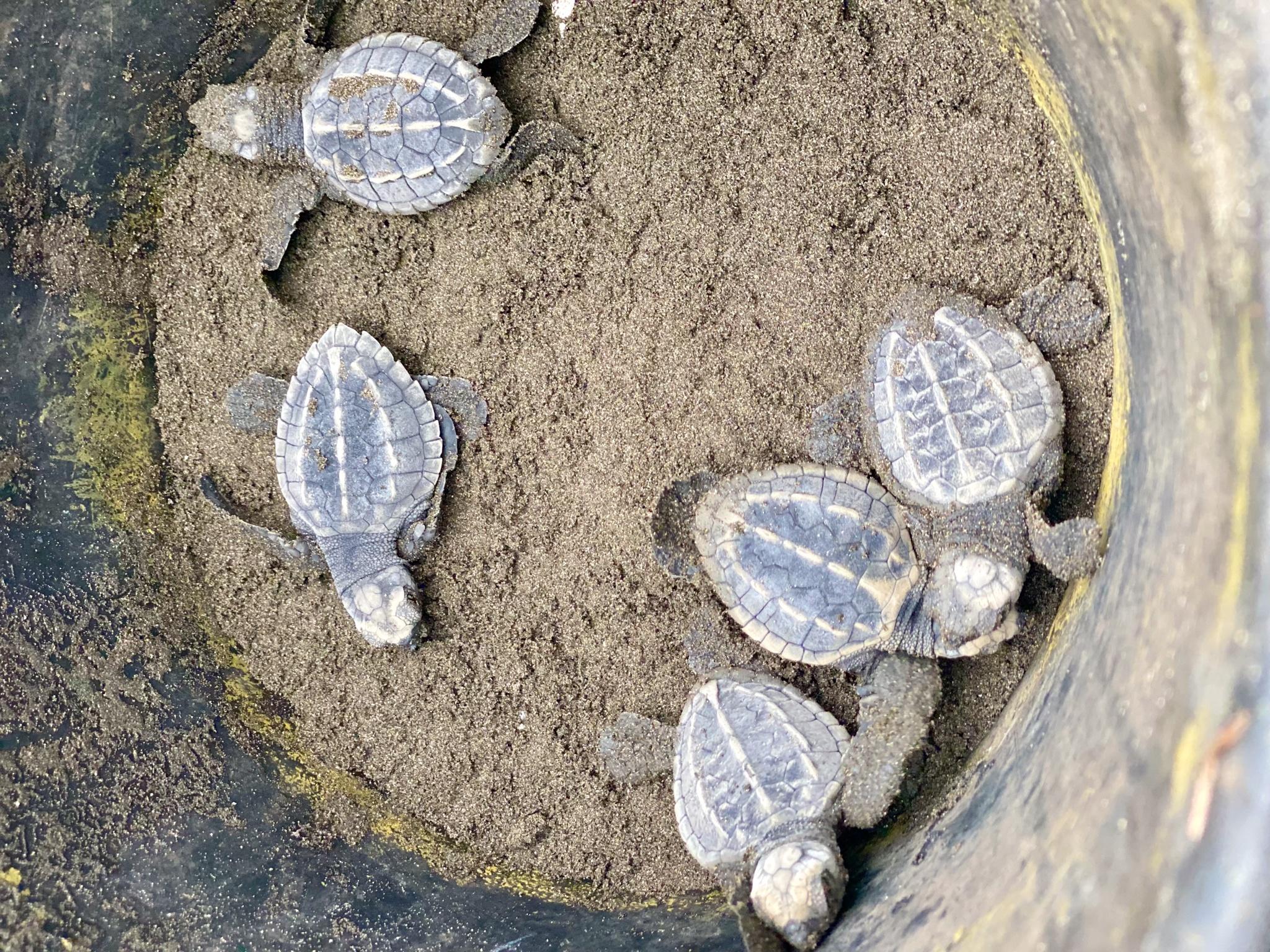
Due to predation and poaching, few hatchlings survive to adulthood.
Changing Seas
15 / 28
Share This Gallery
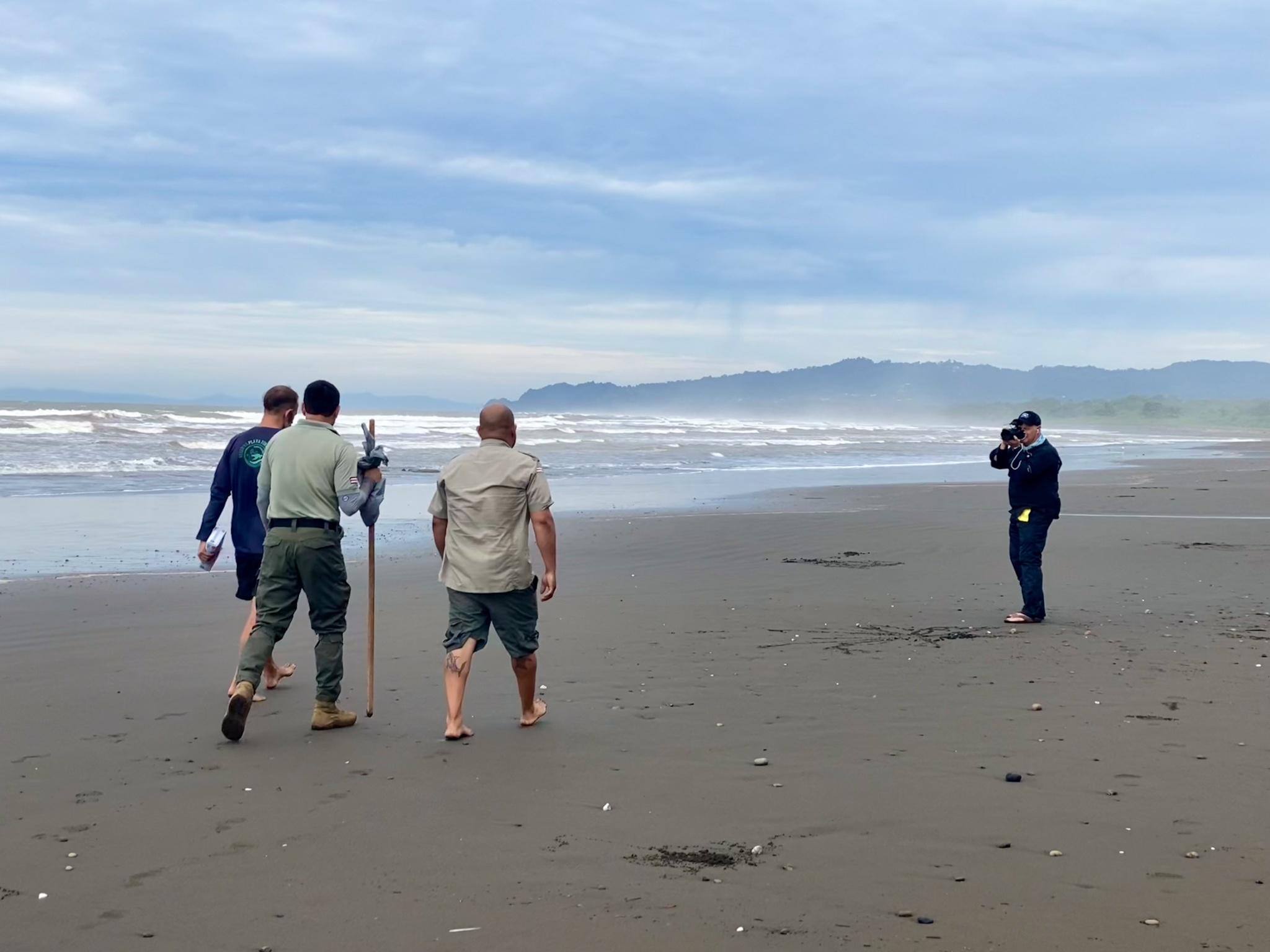
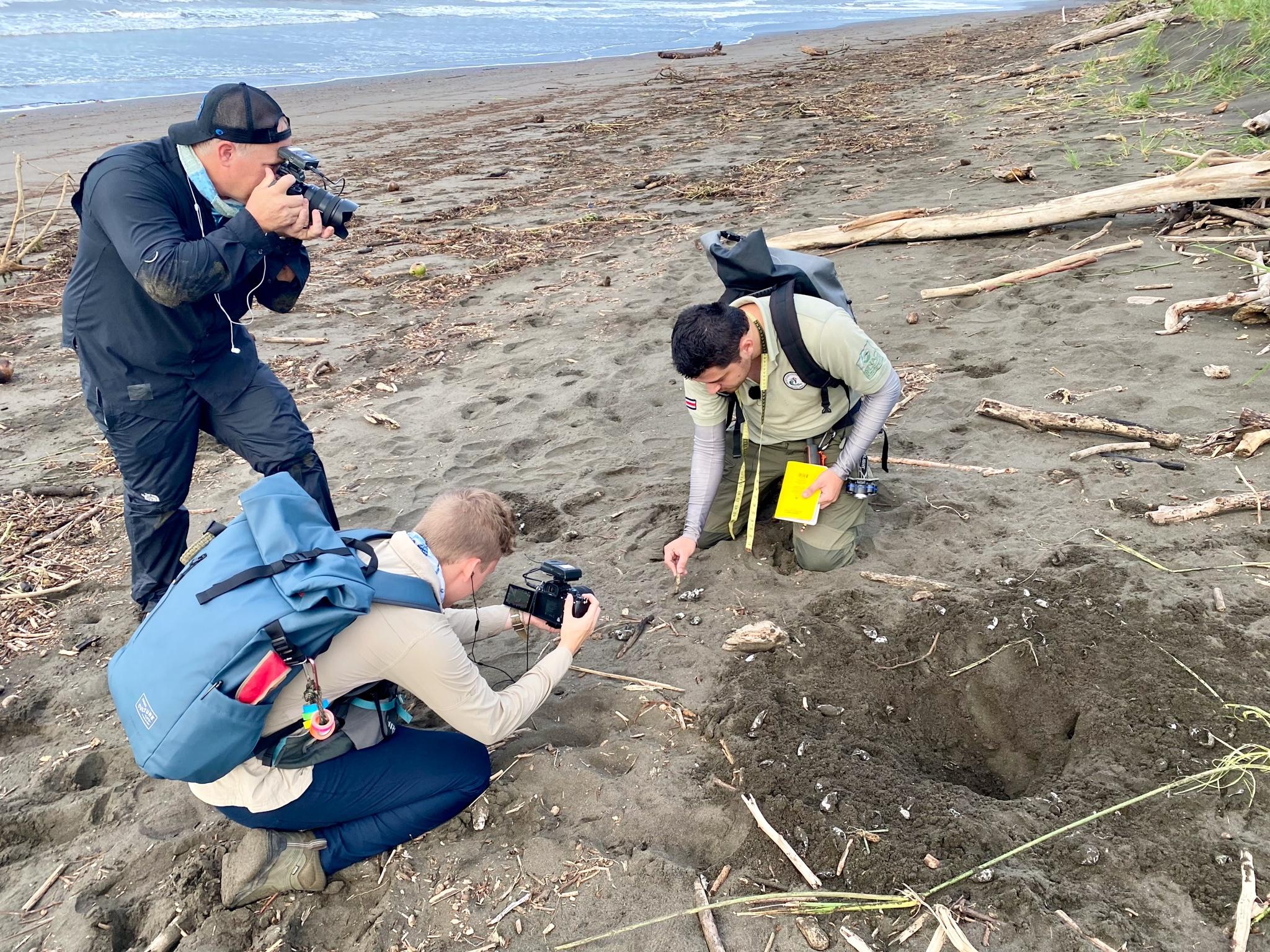
Playa Hermosa-Punta Mala National Wildlife Refuge rangers and volunteers scan the beach for nests.
Changing Seas
16 / 28
Share This Gallery
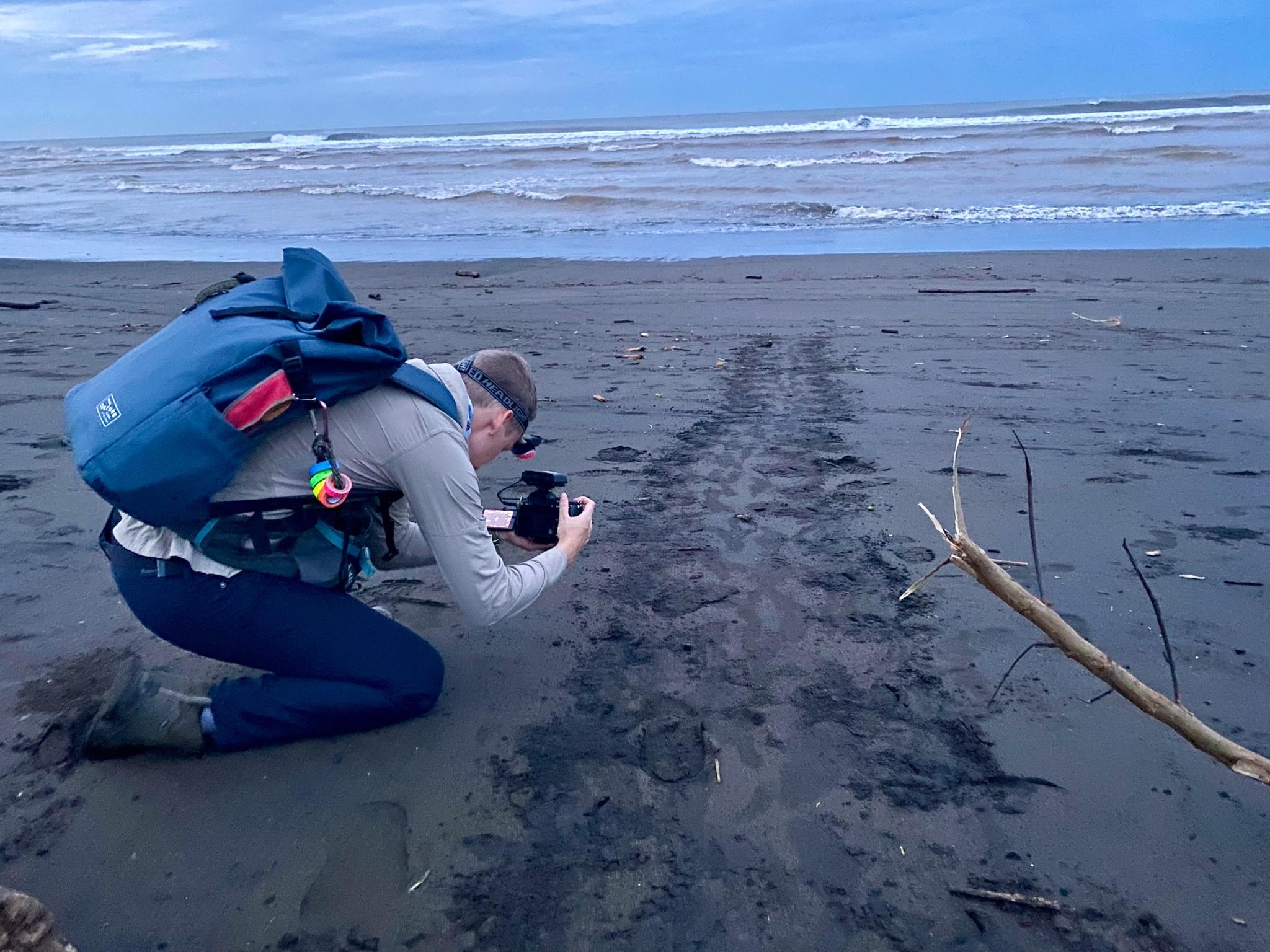
Videographer Nova West films turtle tracks. They indicate an entry and exit route to a nest.
Changing Seas
17 / 28
Share This Gallery
When predators scavenged a nest, the experts can typically spot animal prints and remnants of eggshells. When poachers harvest the nest, the hole to extract the eggs is usually quite smooth, and visibly human made.
Changing Seas
18 / 28
Share This Gallery
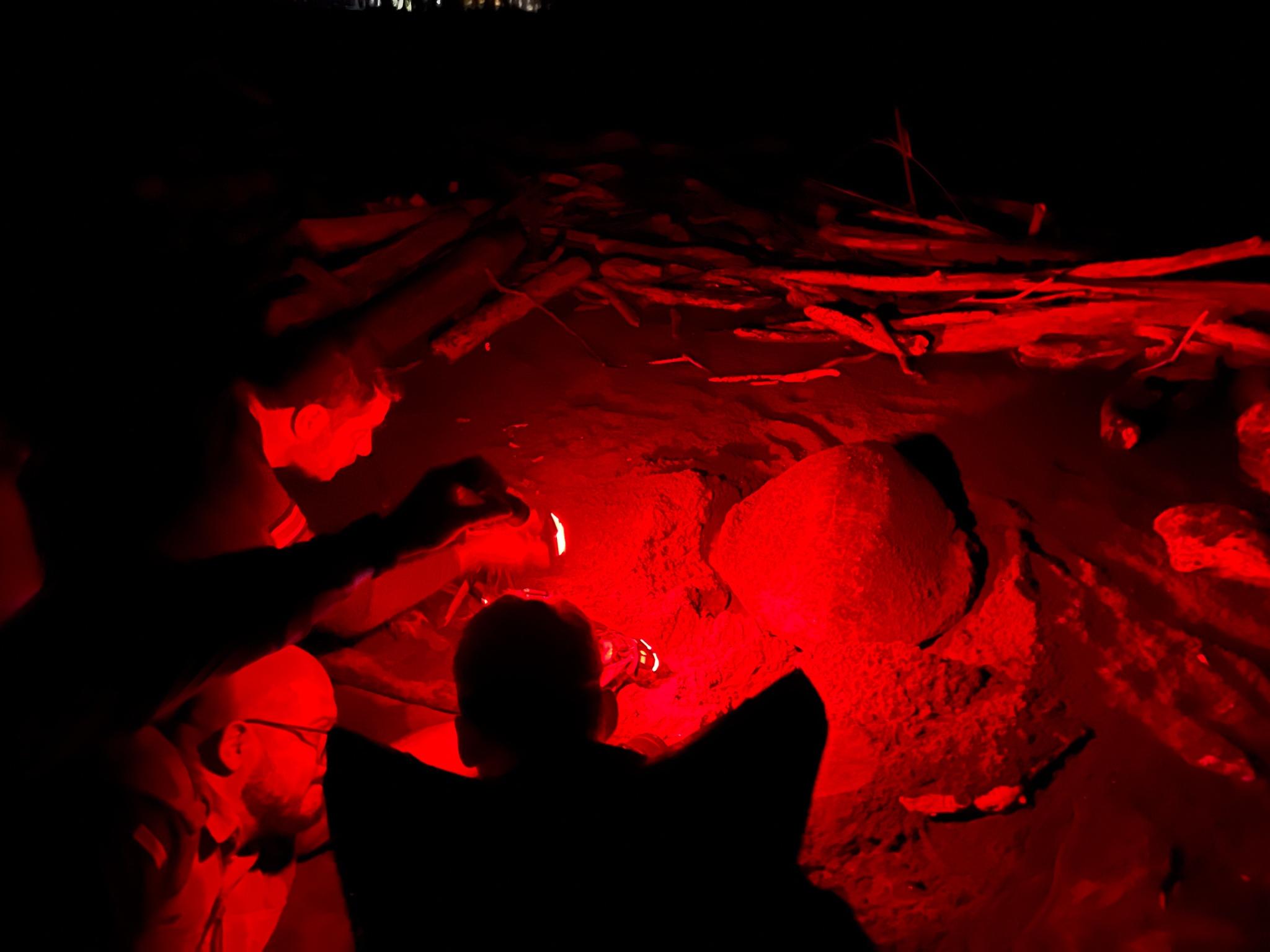
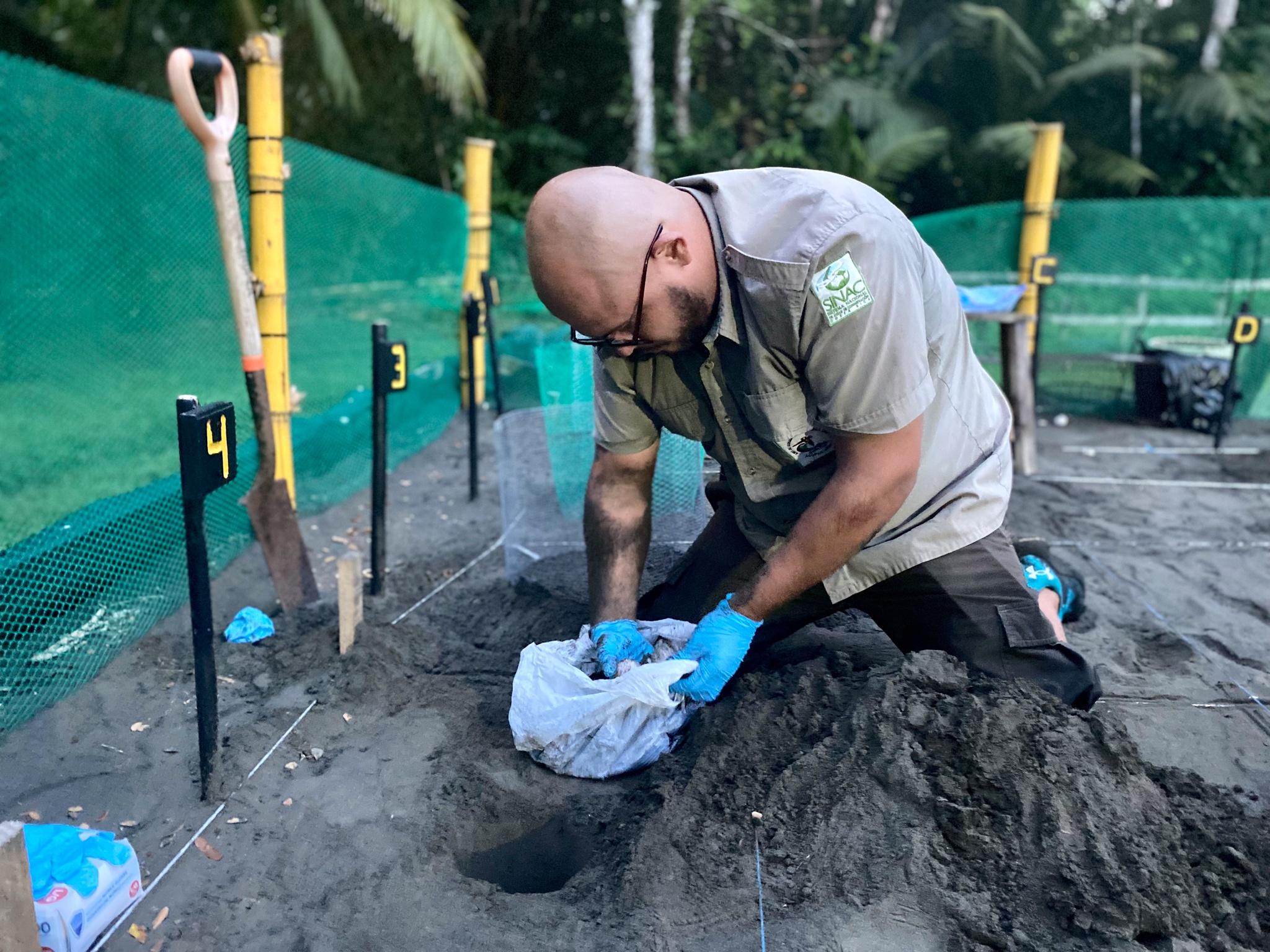
The rangers encounter a female laying eggs in a nest. Once she has returned to the sea, they will carefully transfer the eggs to the refuge's protected hatchery.
Changing Seas
19 / 28
Share This Gallery
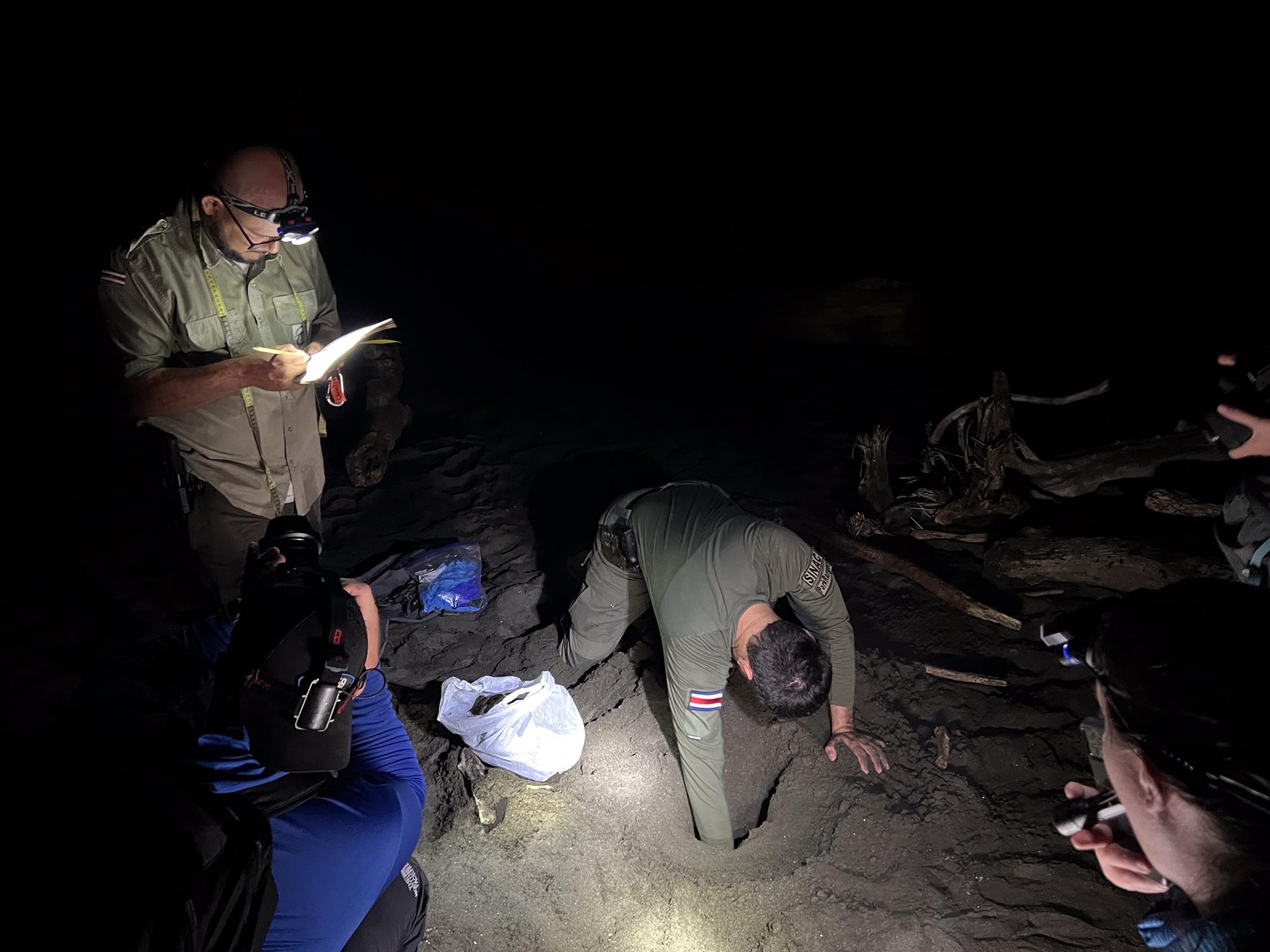
Though they would prefer not to intervene, experts have found that excavating nests and transporting them to a protected hatchery gives the turtles the best chance of survival.
Changing Seas
20 / 28
Share This Gallery
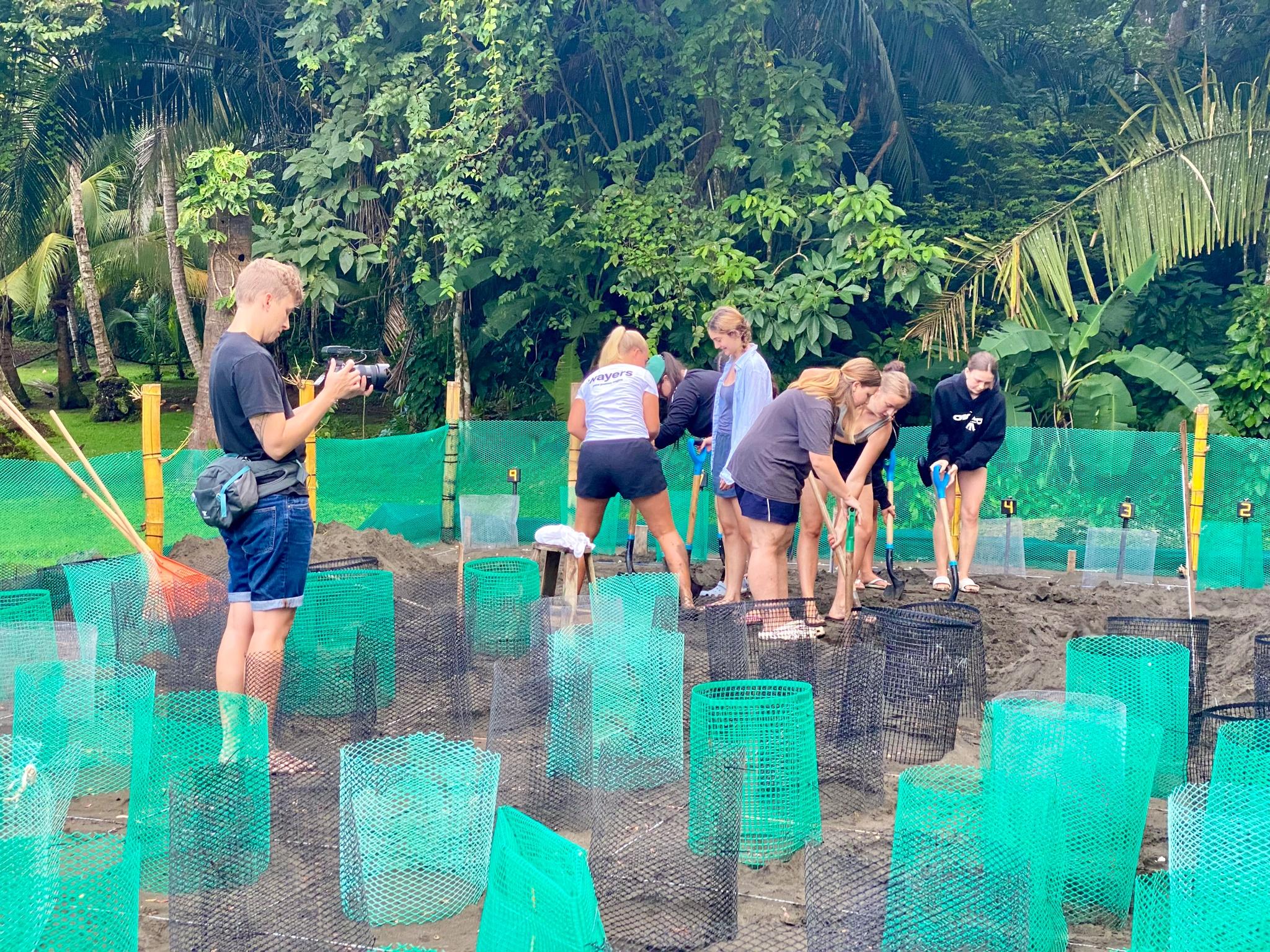
The eggs are immediately reburied at the hatchery. Its plots are divided into quadrants that are organized by date of extraction and location of the original nest.
Changing Seas
21 / 28
Share This Gallery
Every effort is taken to document accurate date, time and location of nest recovery so the hatchlings can be released in the same area they were found.
Changing Seas
22 / 28
Share This Gallery
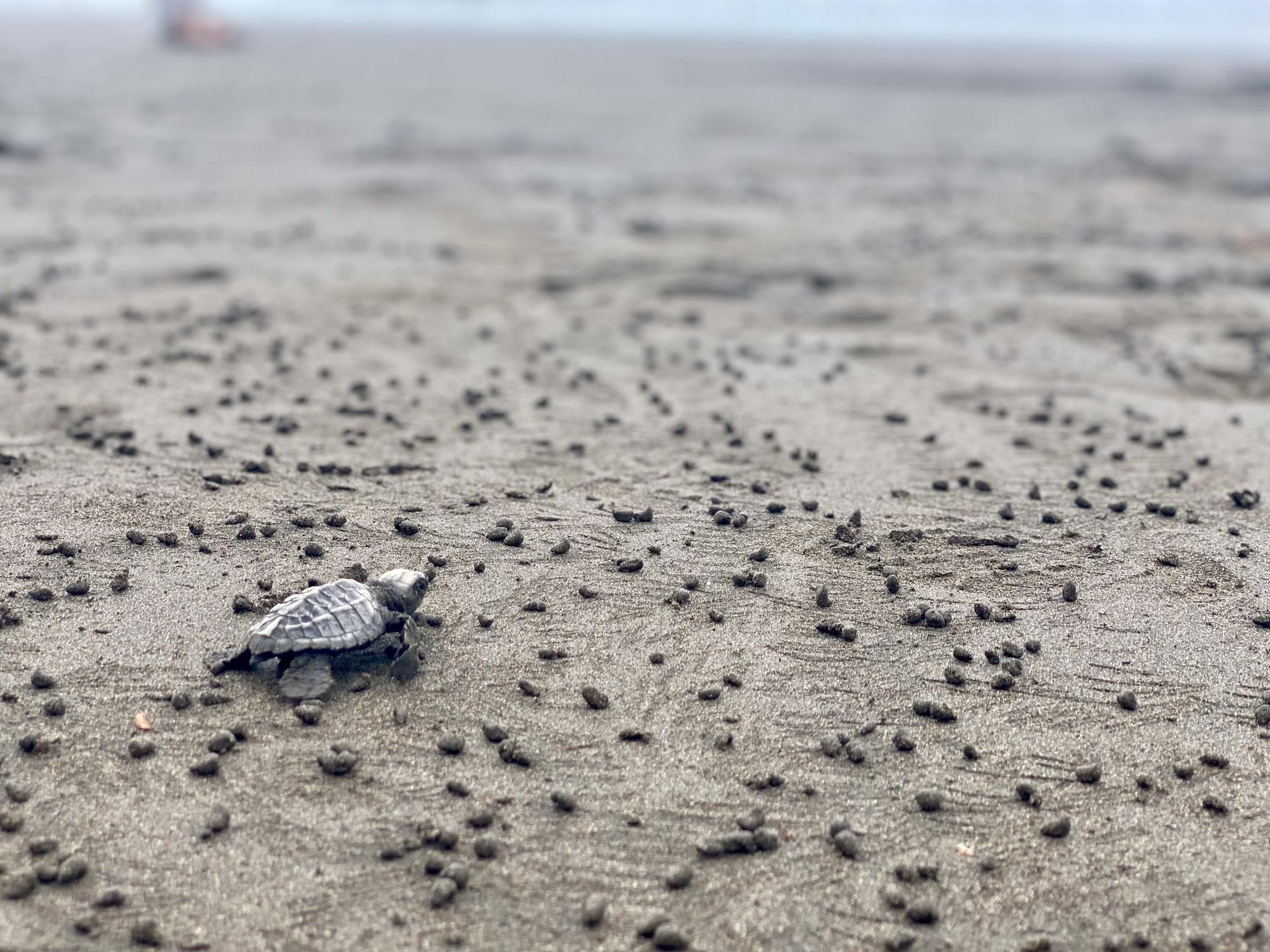
When it is time for a nest to hatch, the experts and volunteers collect all the hatchlings to be released.
Changing Seas
23 / 28
Share This Gallery
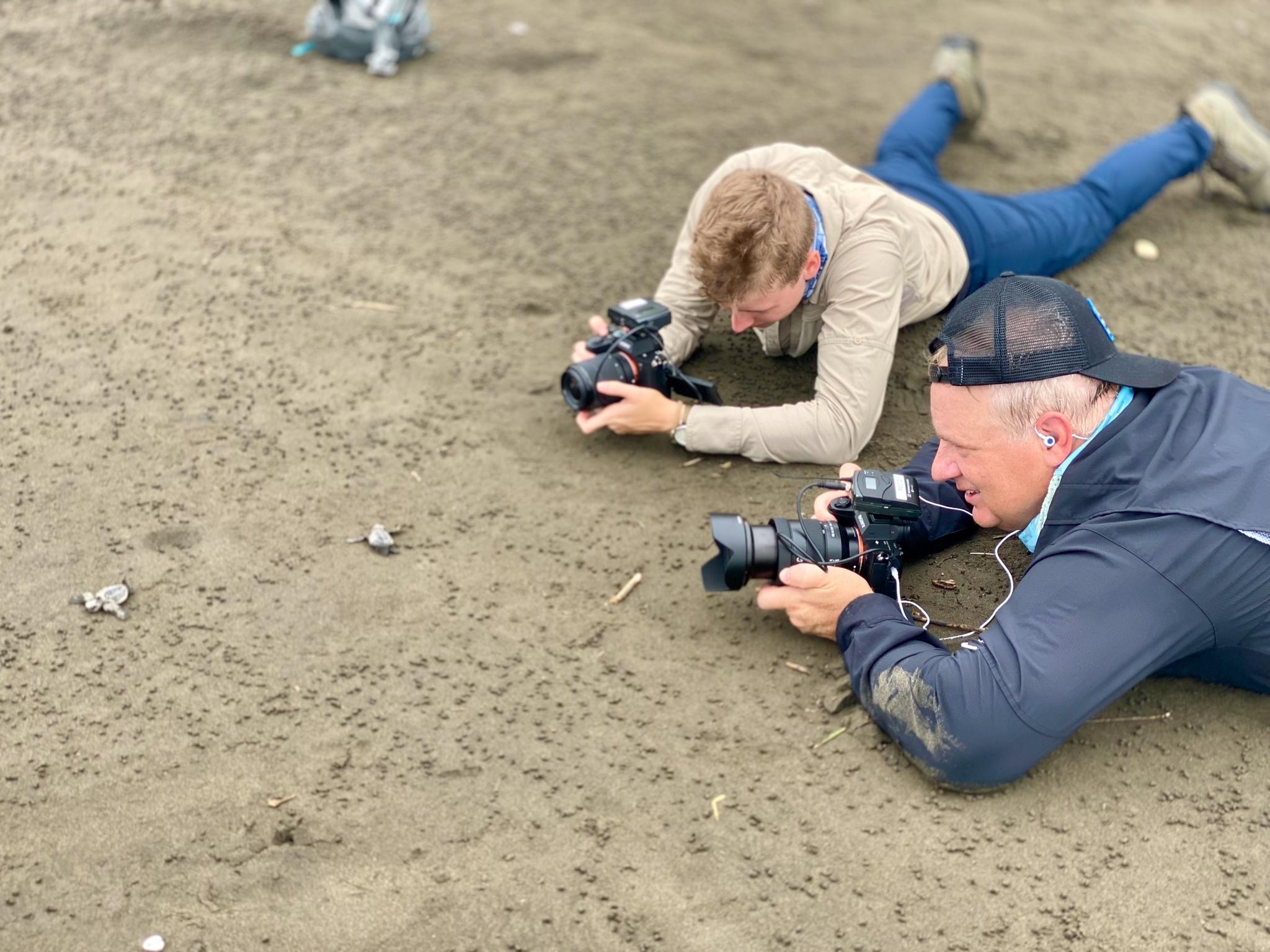
Director of Photography Sean Hickey and Videographer Nova West get low to capture the ideal angle of these baby sea turtles making their journey to the ocean.
Changing Seas
24 / 28
Share This Gallery
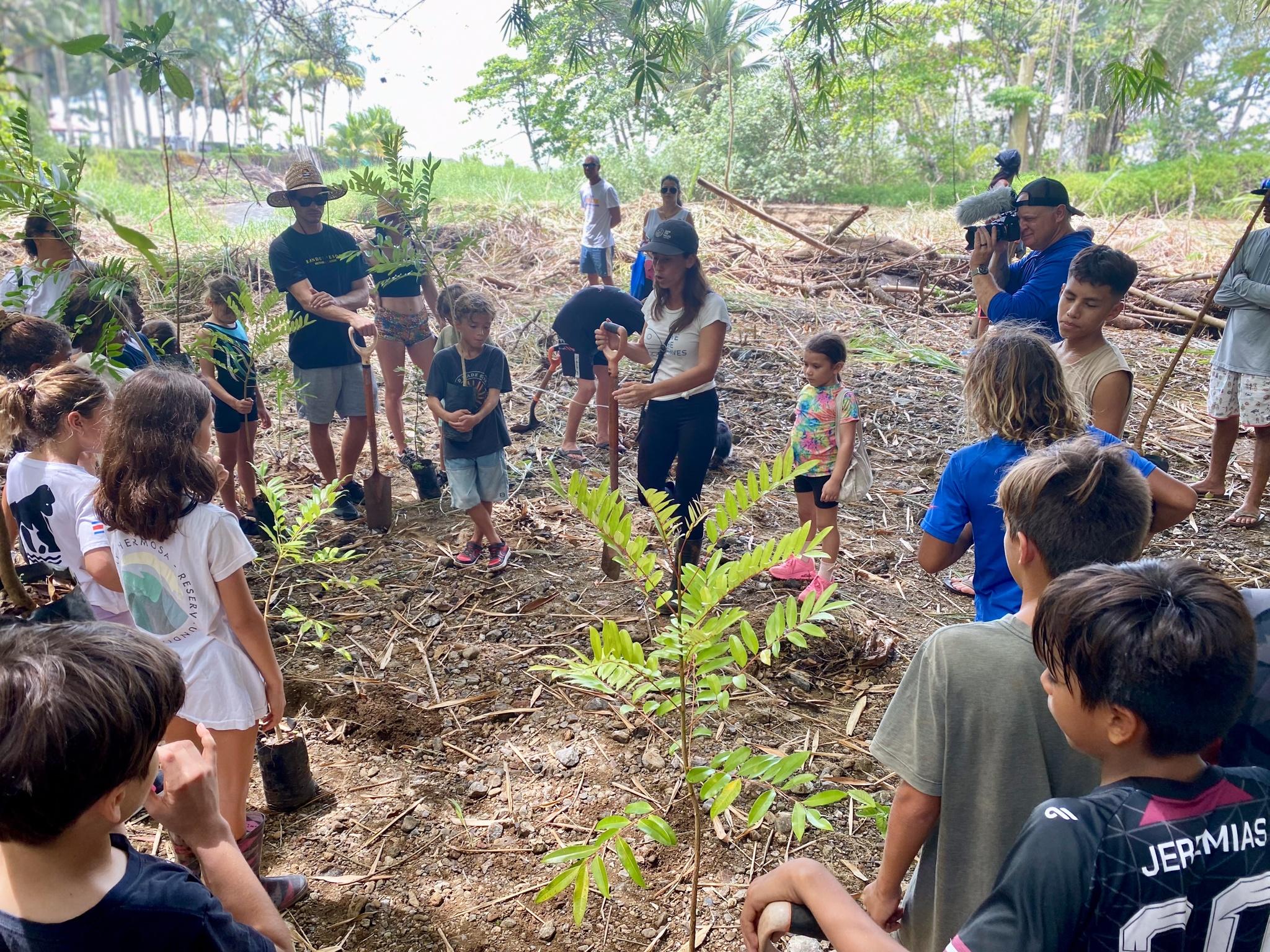
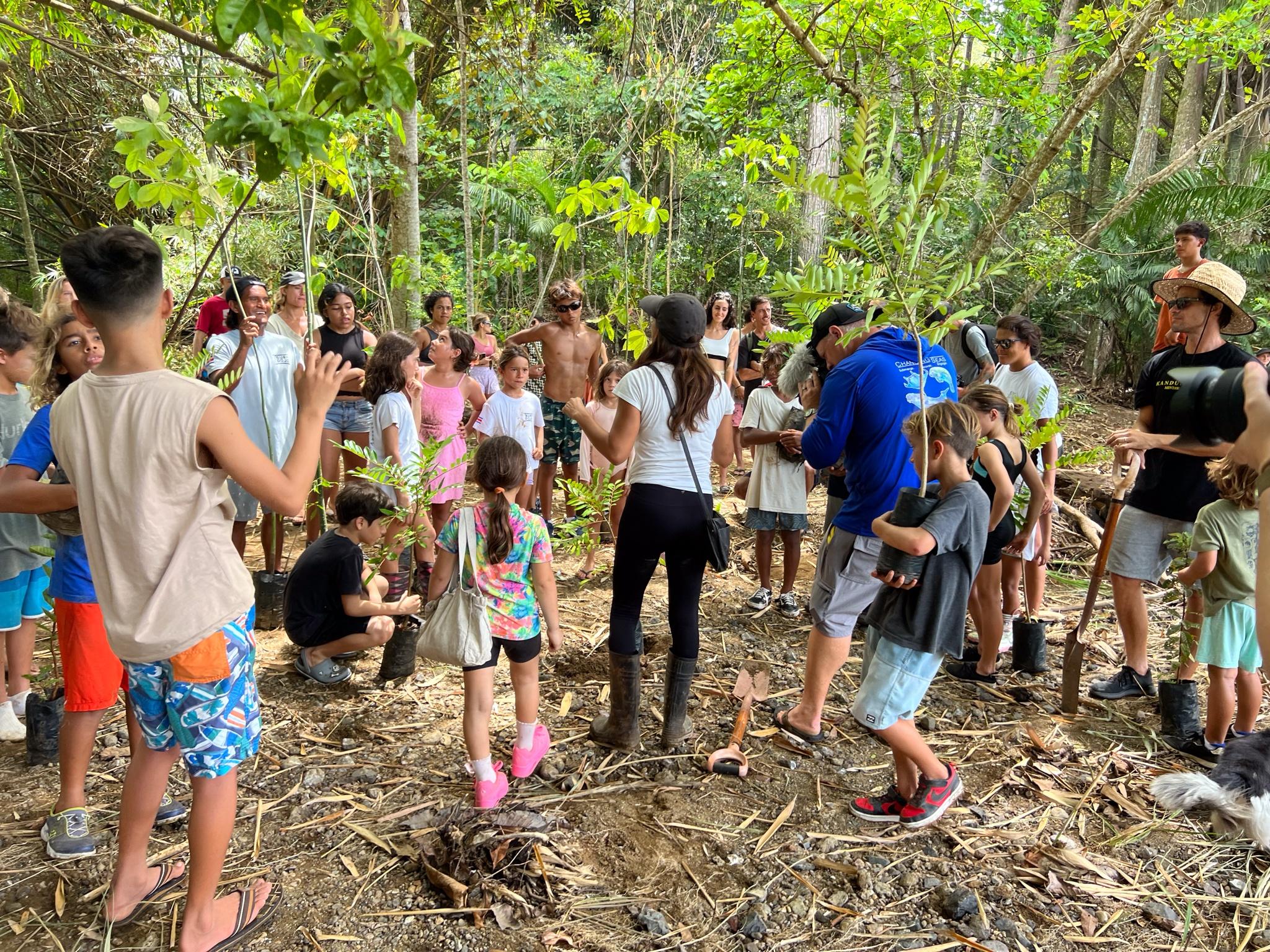
Save the Waves Coalition’s Laura Zumbado instructs students on how to plant young trees for a community conservation project in partnership with Costas Verdes and the Surf Dojo.
Changing Seas
25 / 28
Share This Gallery
This area was selected because it's the last patch of forest that connects the ocean with the Playa Hermosa mountains. It will serve as a model of how Playa Hermosa can be restored.
Changing Seas
26 / 28
Share This Gallery
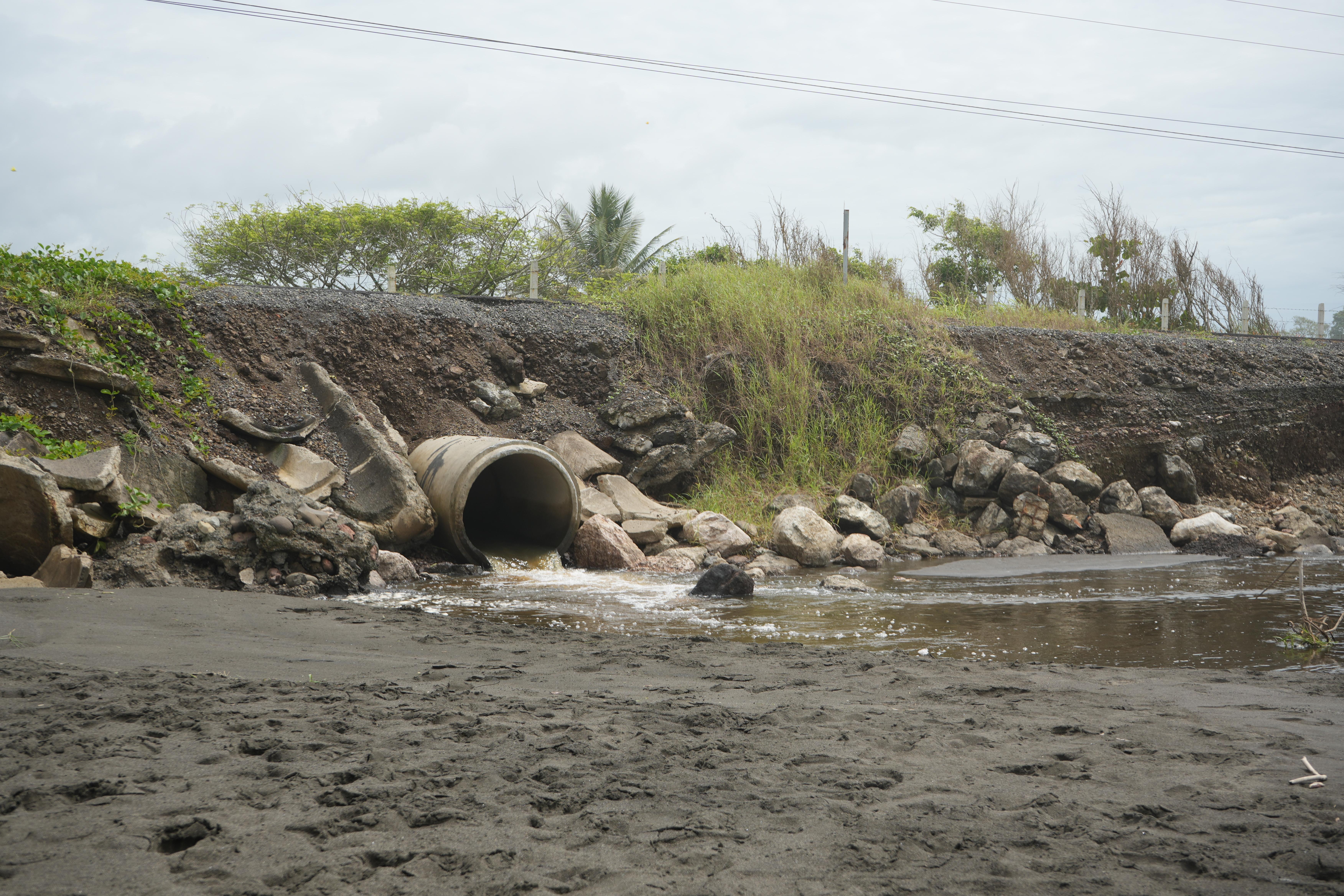
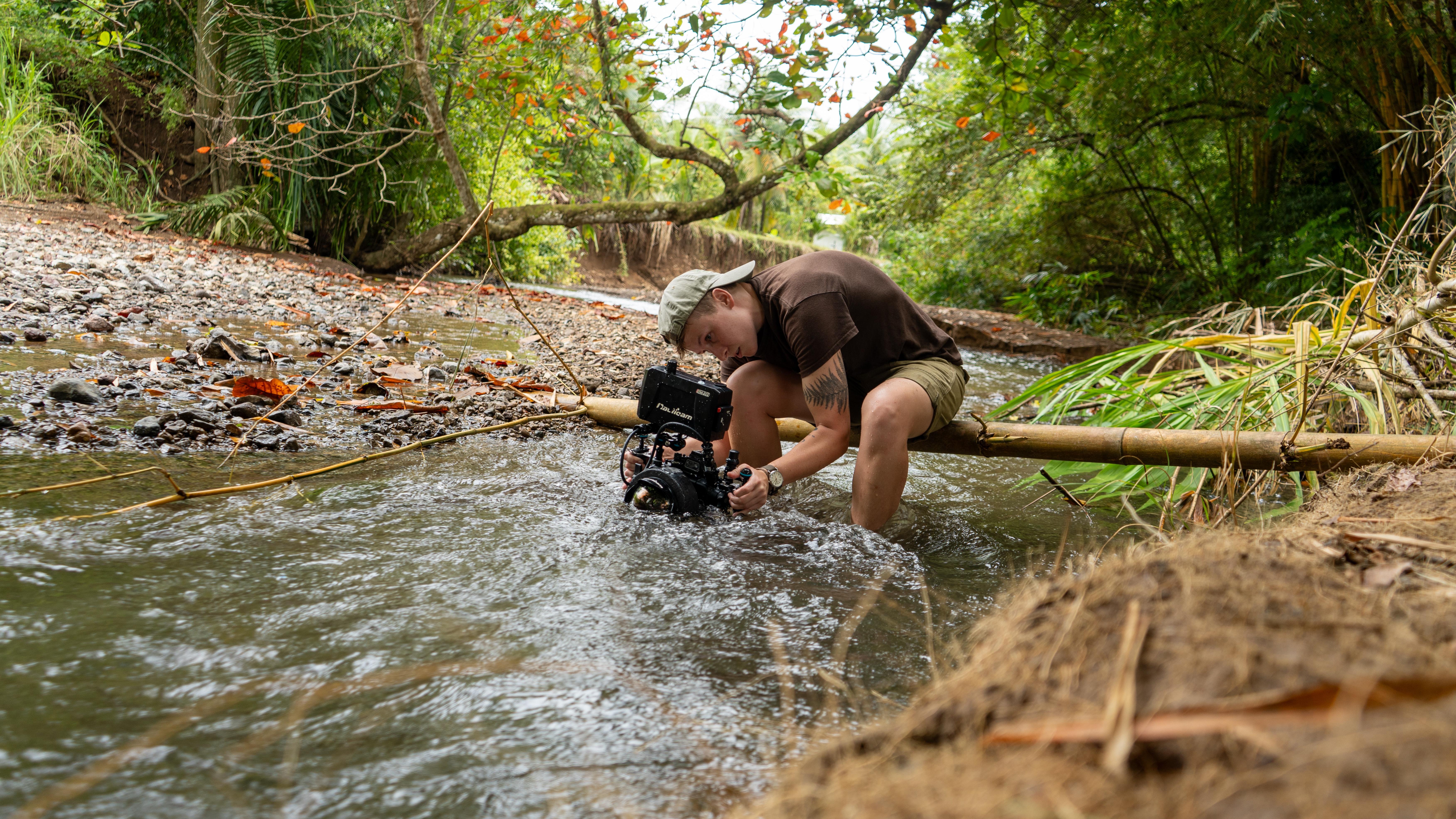
Videographer Nova West films the watershed that connects to the ocean, an essential piece of coastline that protects the coast from erosion and filters runoff.
Changing Seas
27 / 28
Share This Gallery
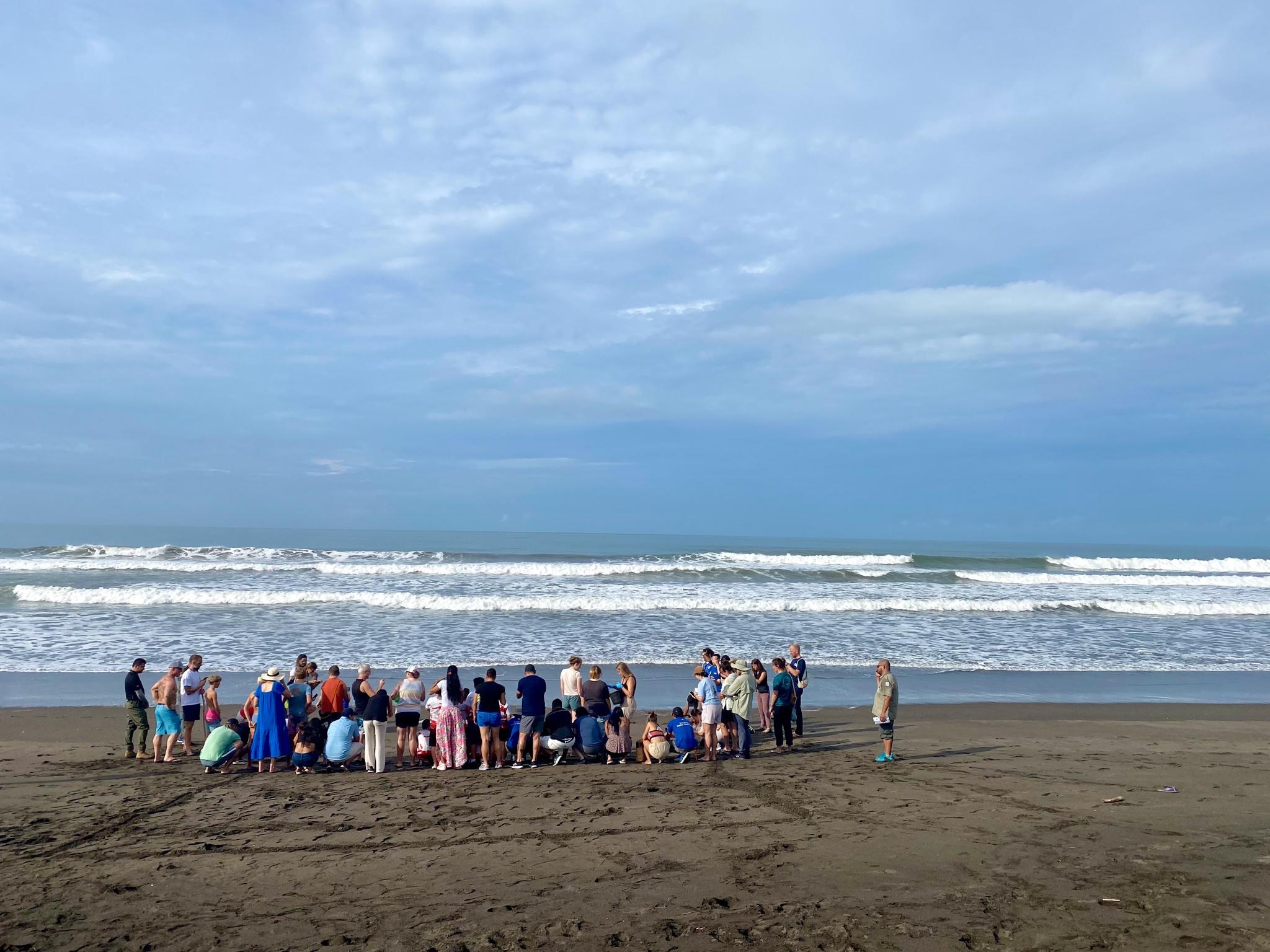
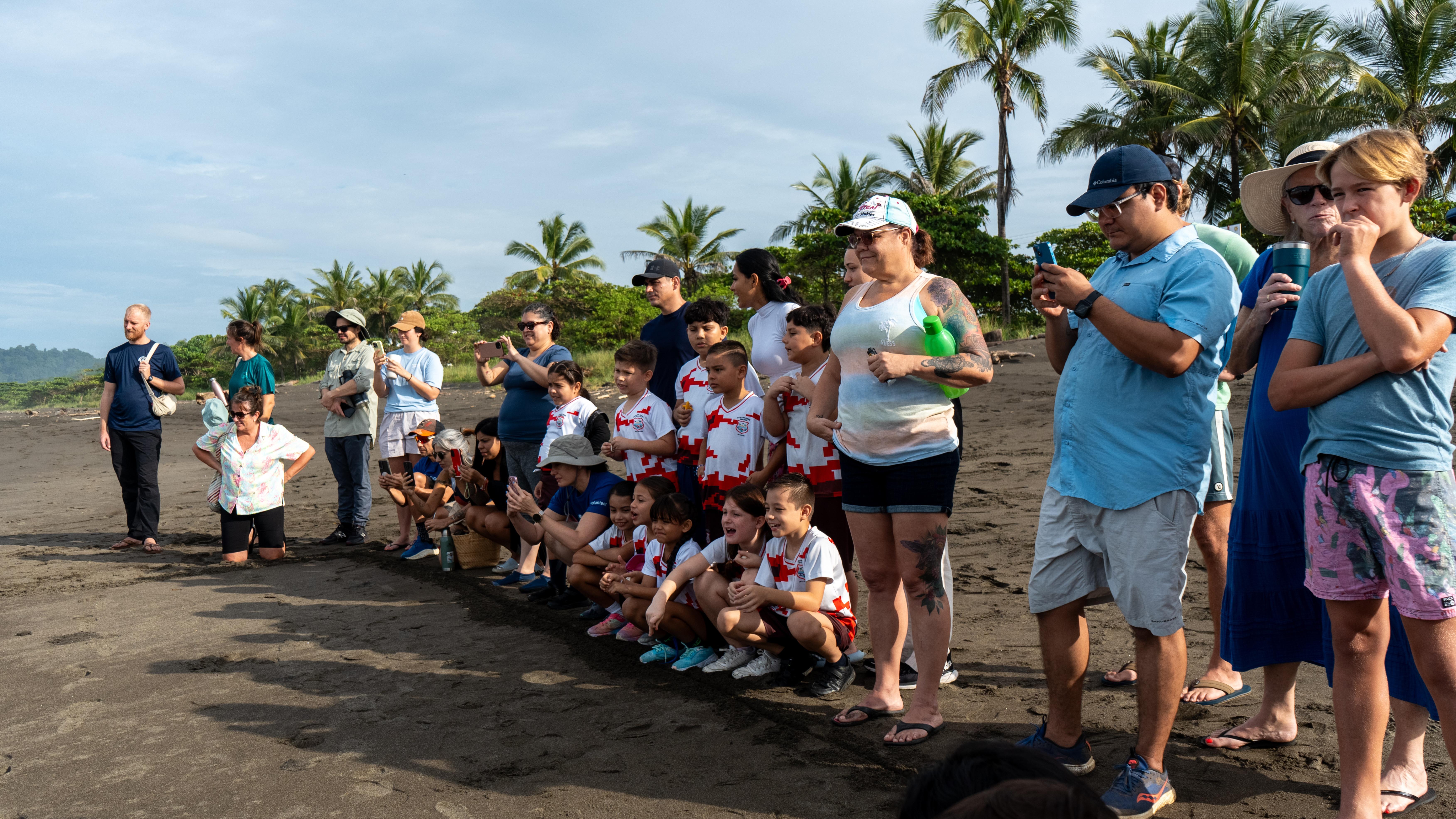
The wildlife refuge hosts events, such as sea turtle releases, to inspire community engagement.
Changing Seas
28 / 28
Share This Gallery
Organizers hope that by engaging the town's youngest wildlife stewards, they will foster a long-term sustainable future for Playa Hermosa.
Changing Seas would like to thank the following individuals and institutions who kindly allowed their footage, images and other media to be used in this production: