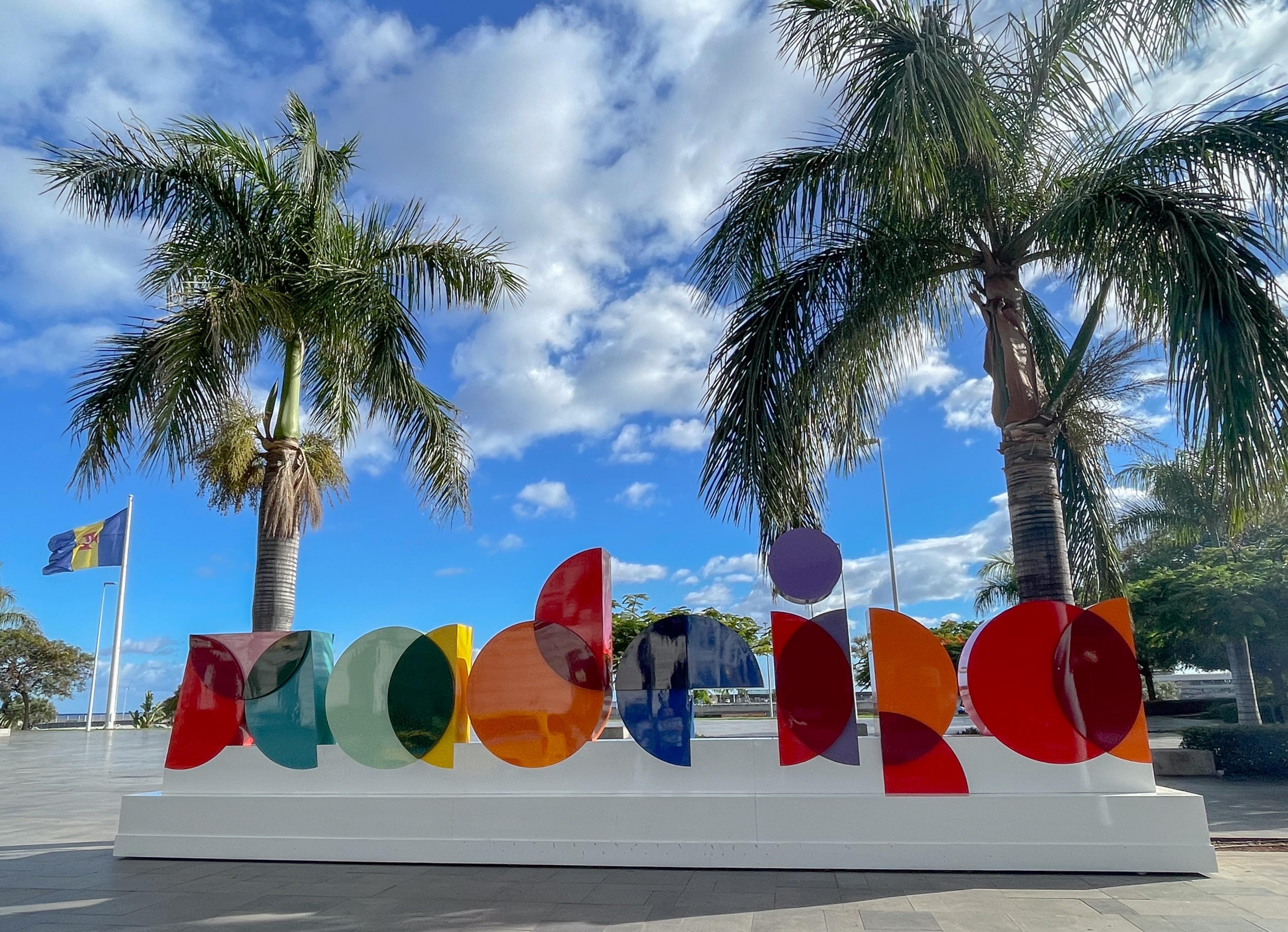
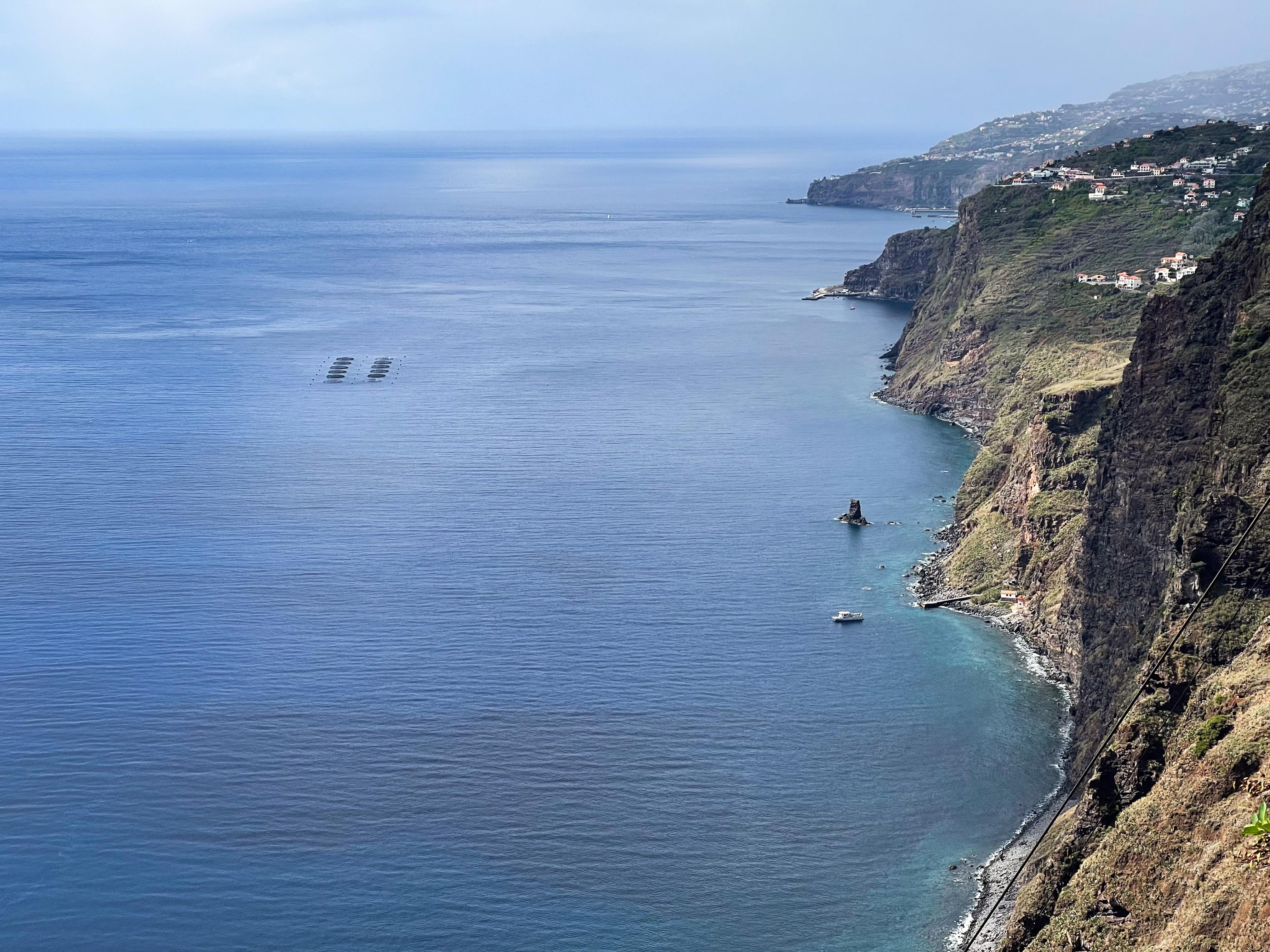
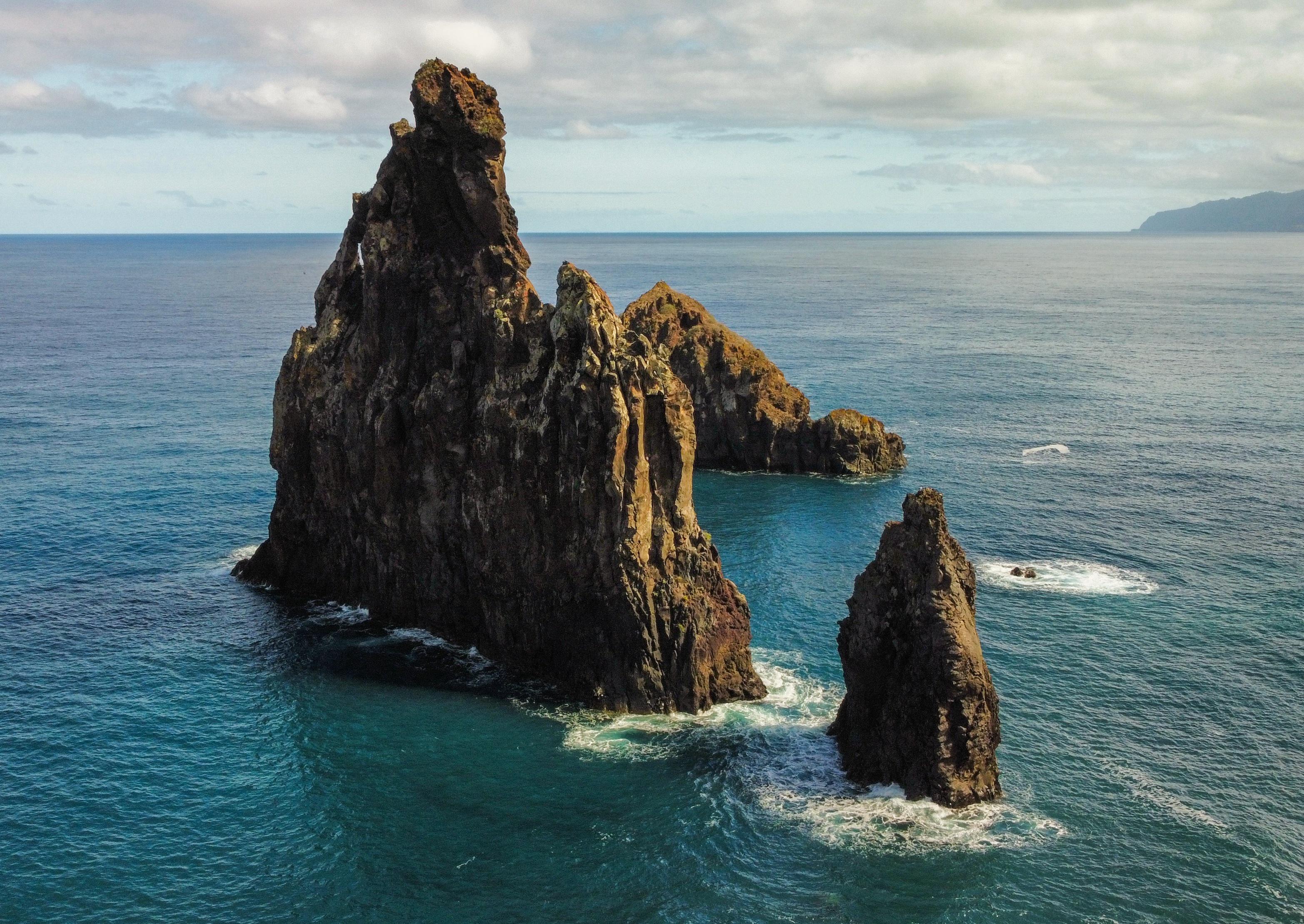
Far out in the eastern Atlantic, a lush subtropical oasis rises from the depths of the open ocean. This is Madeira – a volcanic island formed some 20 million years ago. Nicknamed the pearl of the Atlantic, this Portuguese outpost is located closer to north Africa than mainland Portugal. Only a few miles from its coast, the ocean plunges into the depths, making the area a hotspot to observe a multitude of whale and dolphin species.
But even remote archipelagos like Madeira aren’t immune from plastic trash that’s floating in the ocean. MARE-Madeira scientists are conducting a variety of studies to better understand the presence of plastics in the surrounding waters, and the impacts they are having on whales and dolphins in the area.
Far out in the eastern Atlantic, a lush subtropical oasis rises from the depths of the open ocean. This is Madeira – a volcanic island formed some 20 million years ago.
2 / 28
Share This Gallery
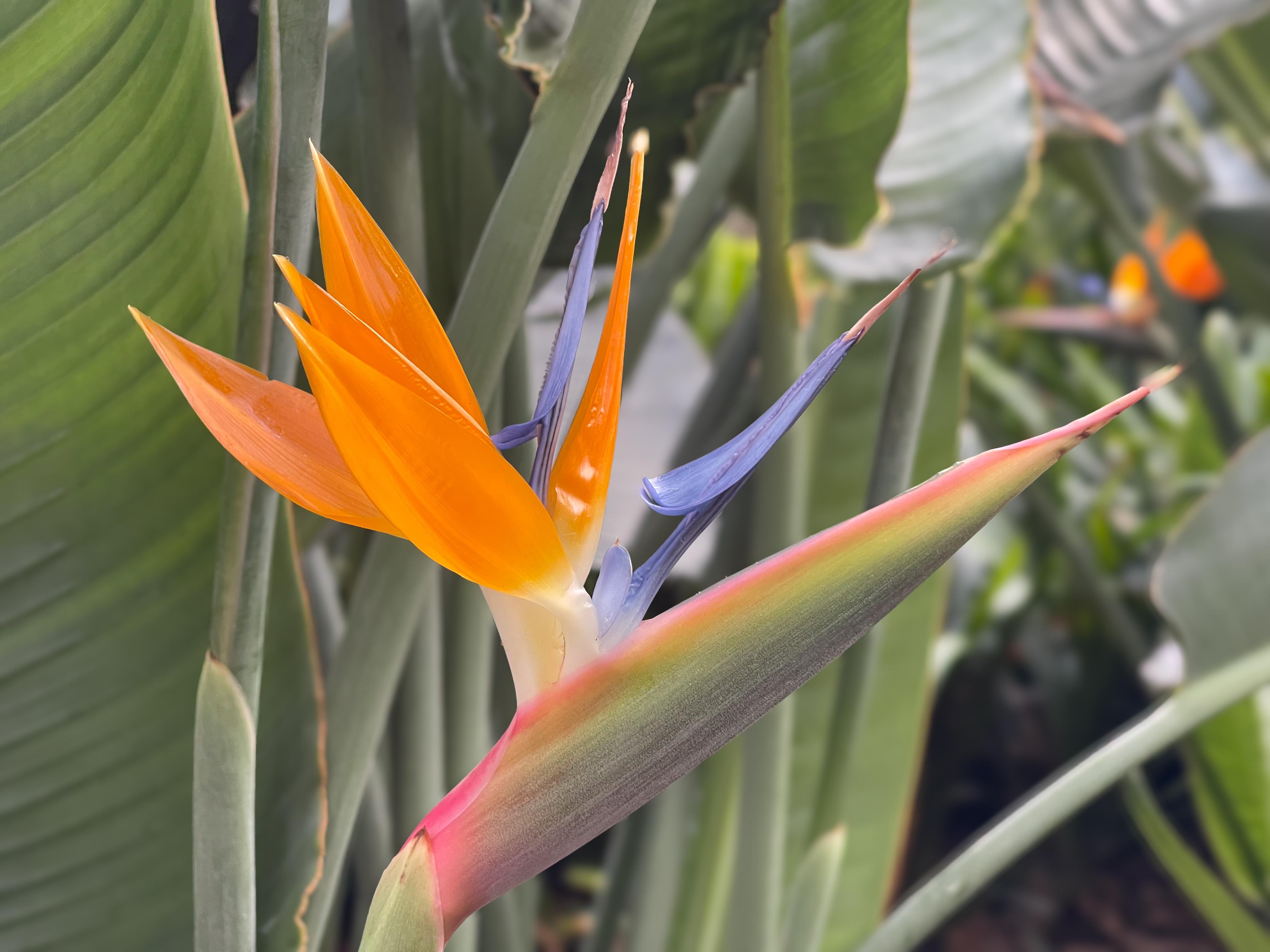
The Portuguese island of Madeira is known for its exuberant and diverse flora.
3 / 28
Share This Gallery
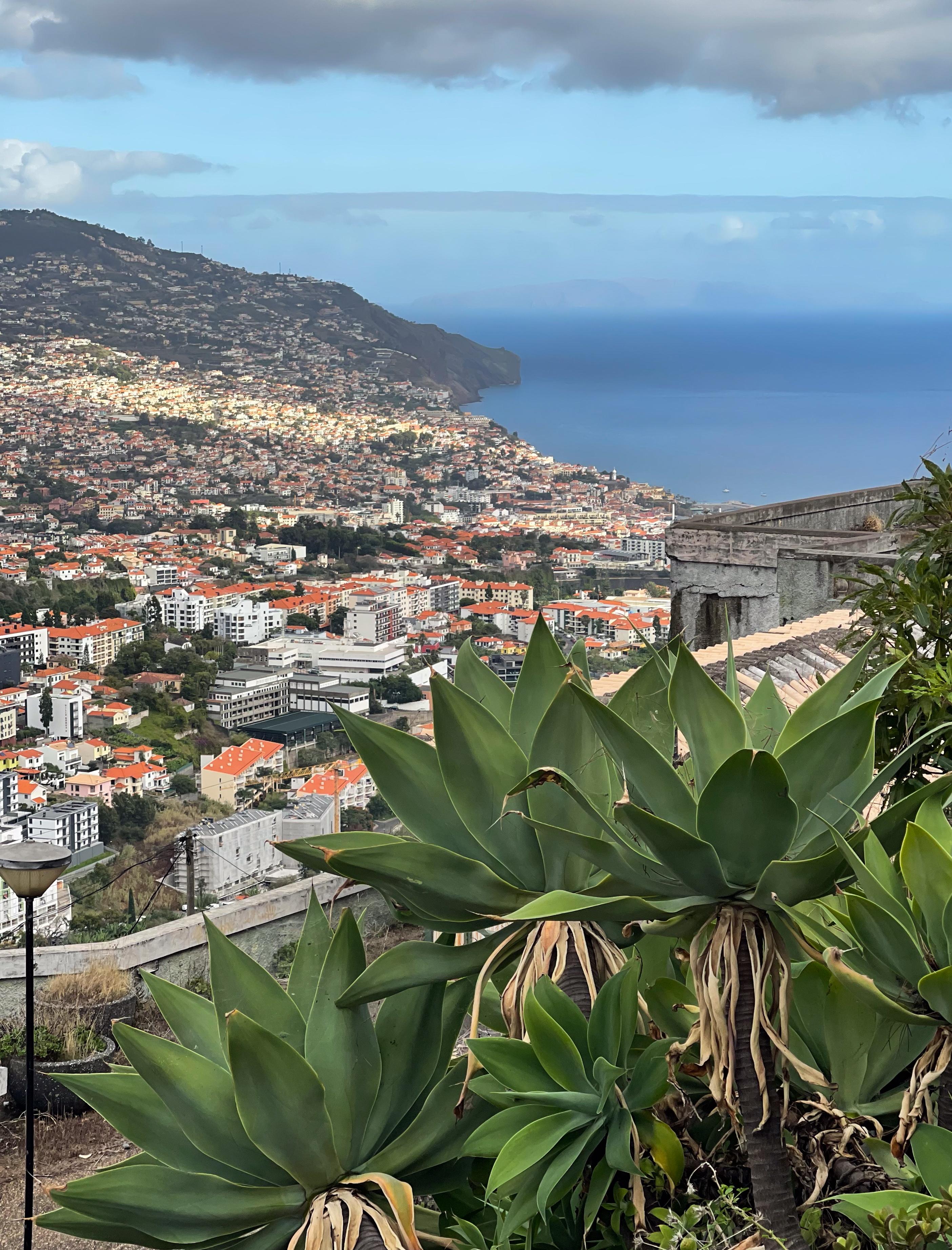
View of the capital, Funchal, and the island's southern coastline, from one of the many overlooks.
4 / 28
Share This Gallery
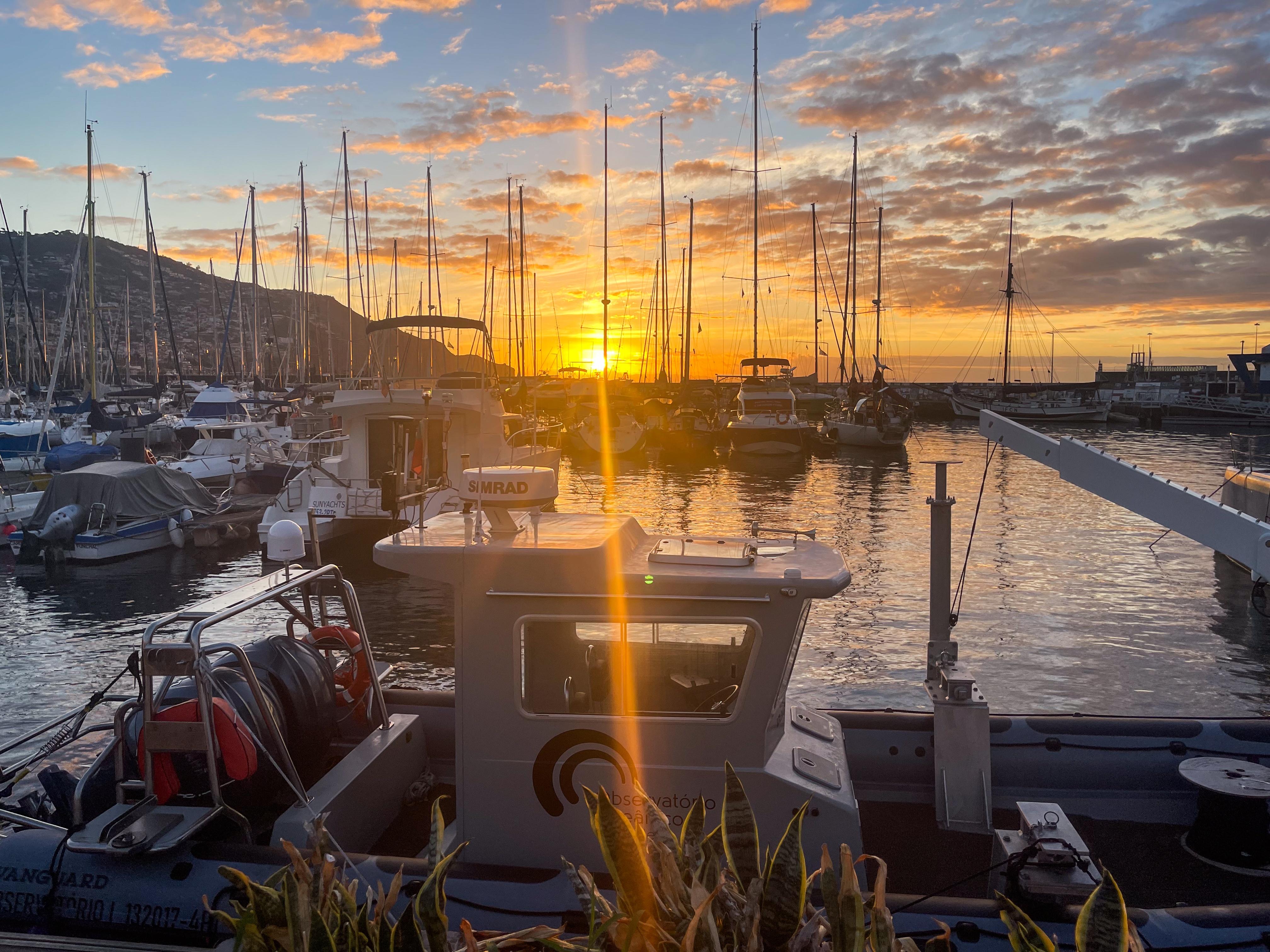
The research vessel Observatório at sunrise.
5 / 28
Share This Gallery
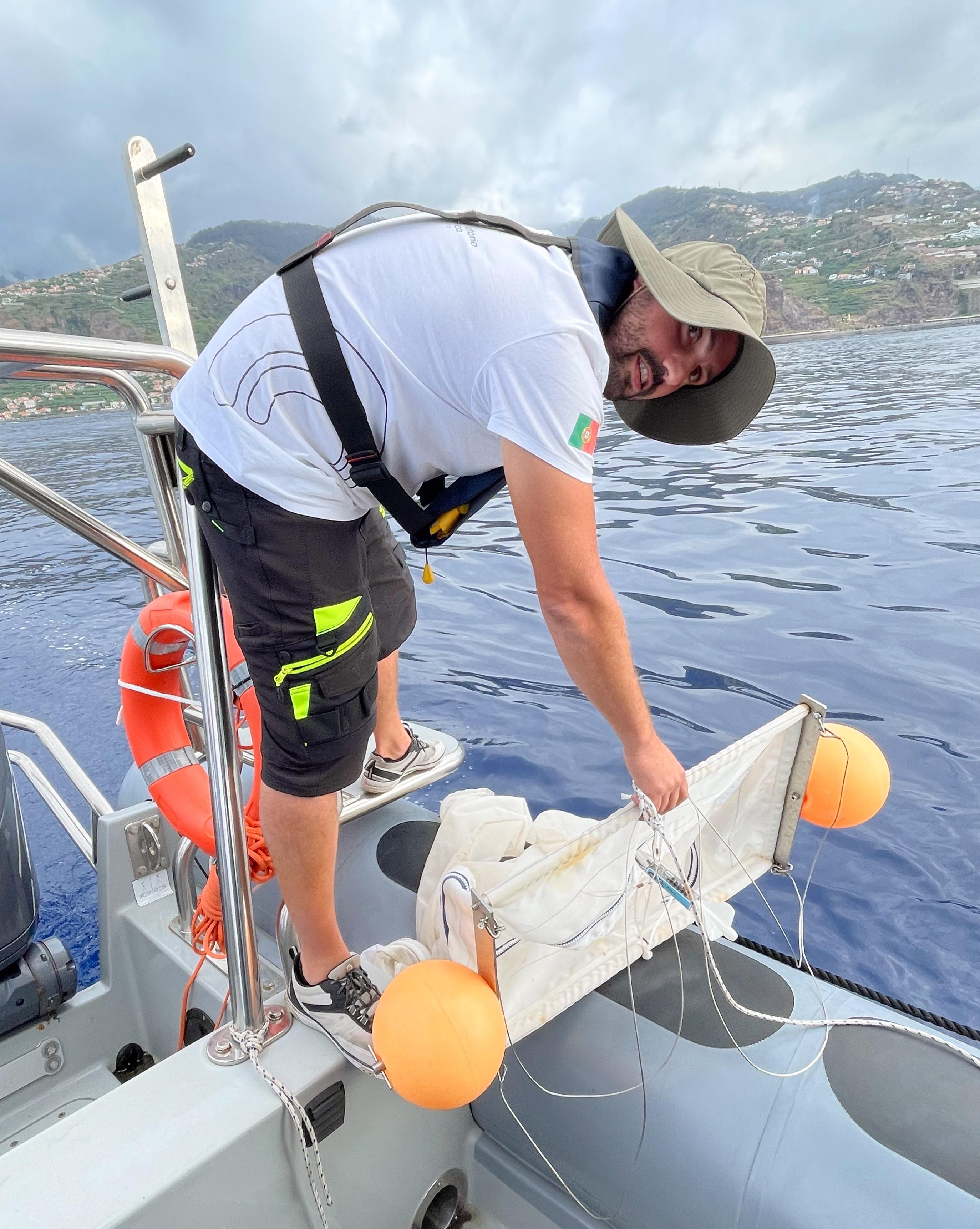
Researchers use manta trawl nets for microplastics sampling in the first 20 centimeters of the water column.
6 / 28
Share This Gallery
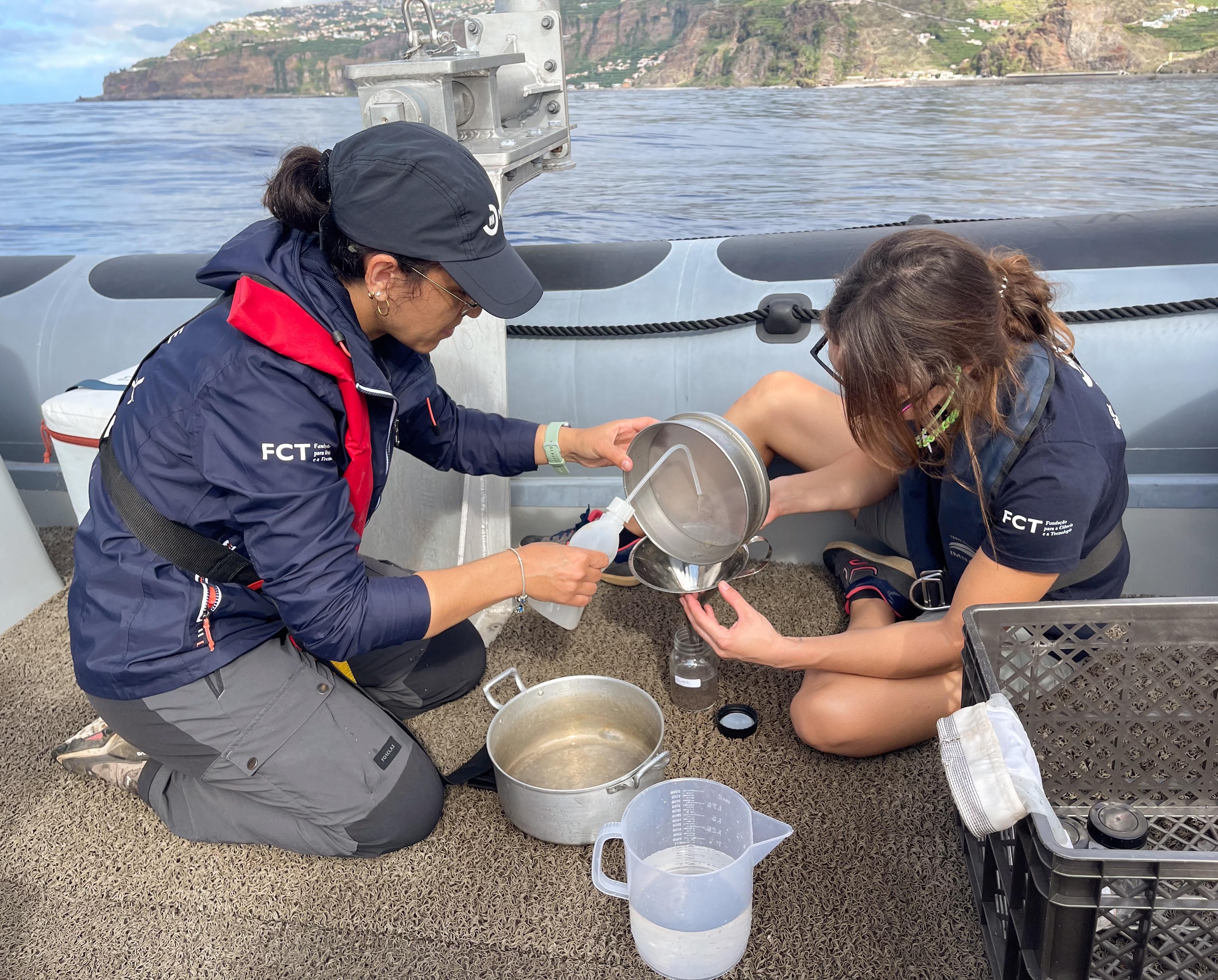
Scientists collect the contents of a manta trawl net in a jar.
7 / 28
Share This Gallery
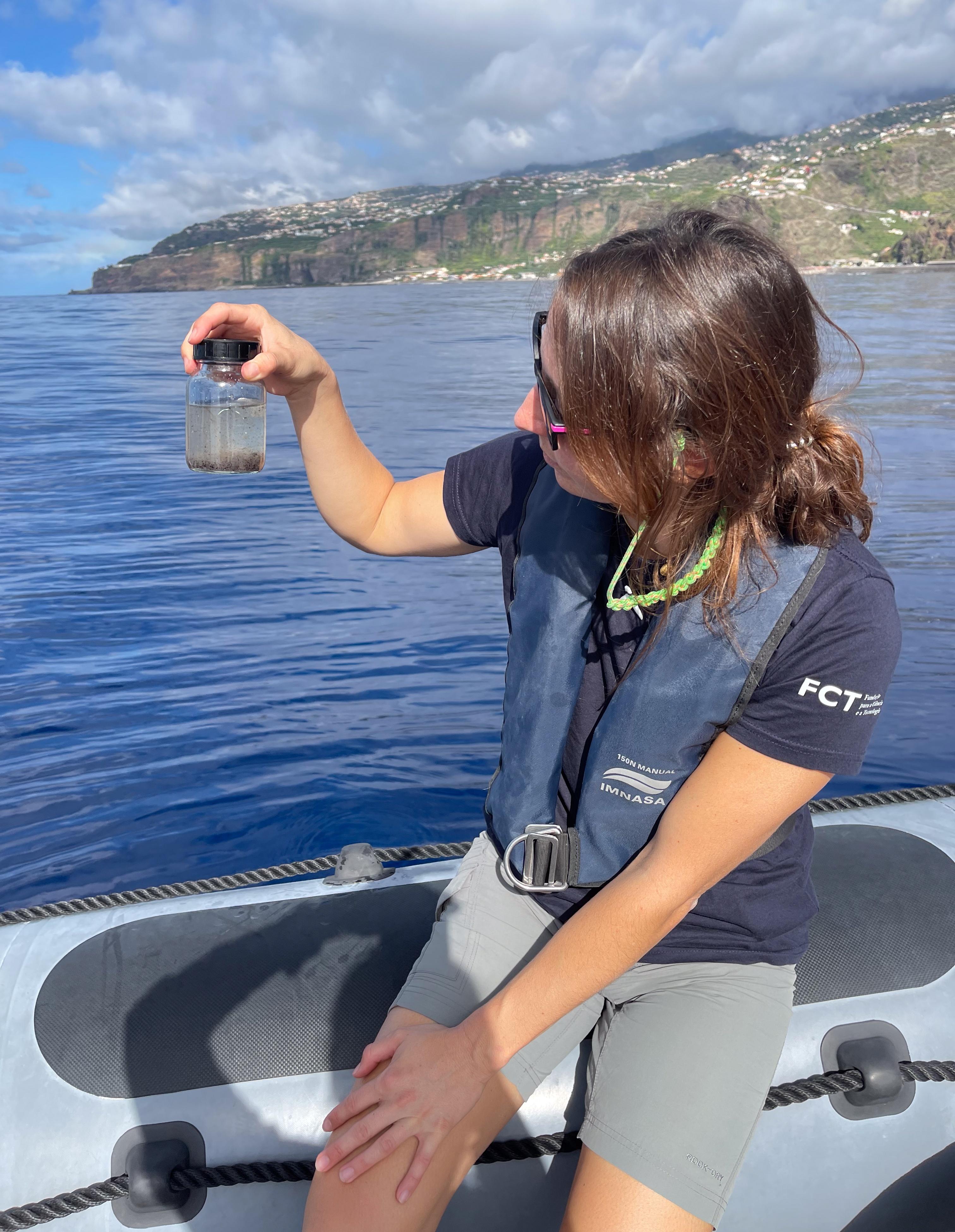
Annalisa Sambolino, Ph.D. looks at the plankton and microplastics collected by the manta trawl net.
8 / 28
Share This Gallery
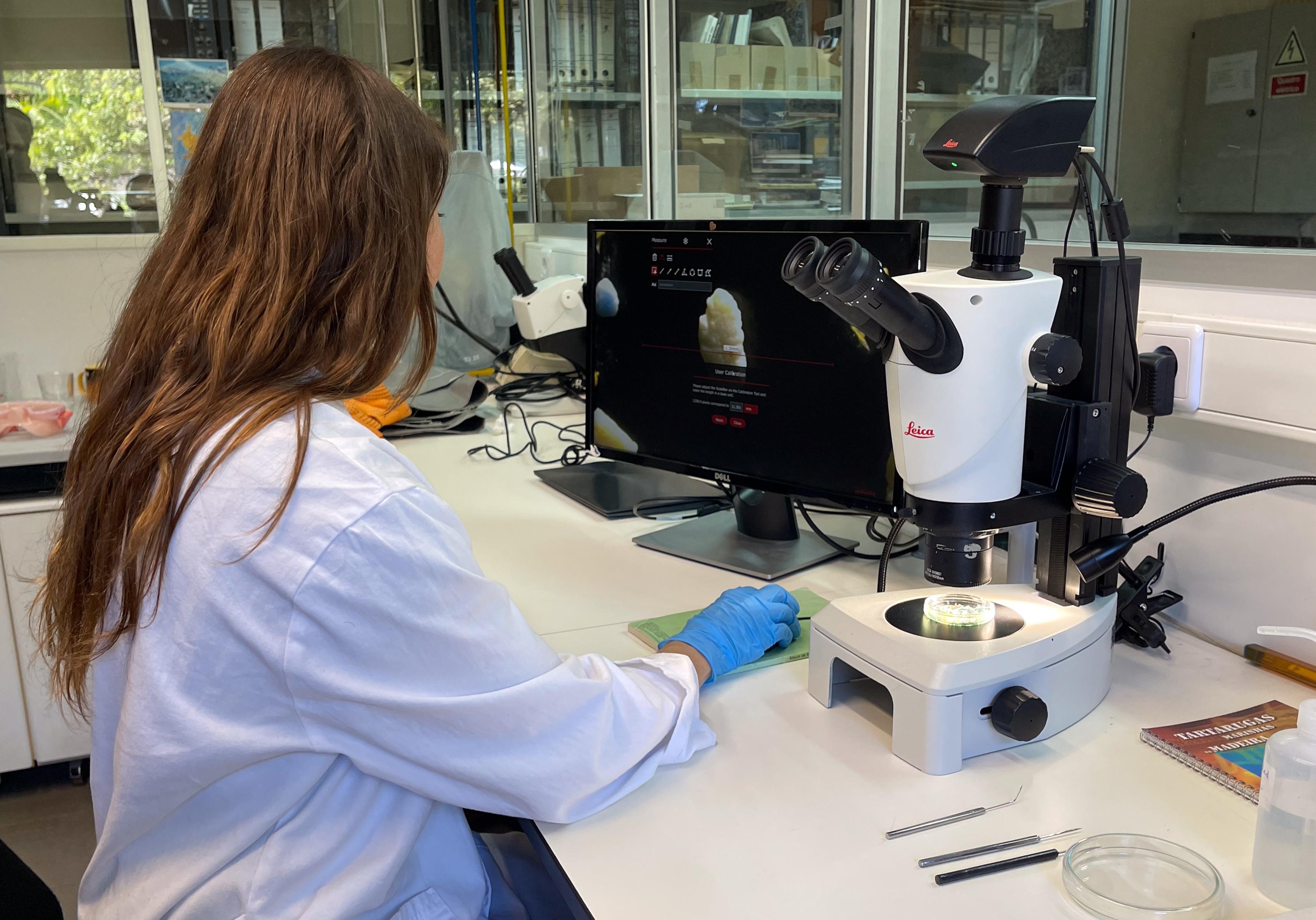
Annalisa Sambolino, Ph.D. examines microplastics under a microscope that were collected during a net trawl.
9 / 28
Share This Gallery
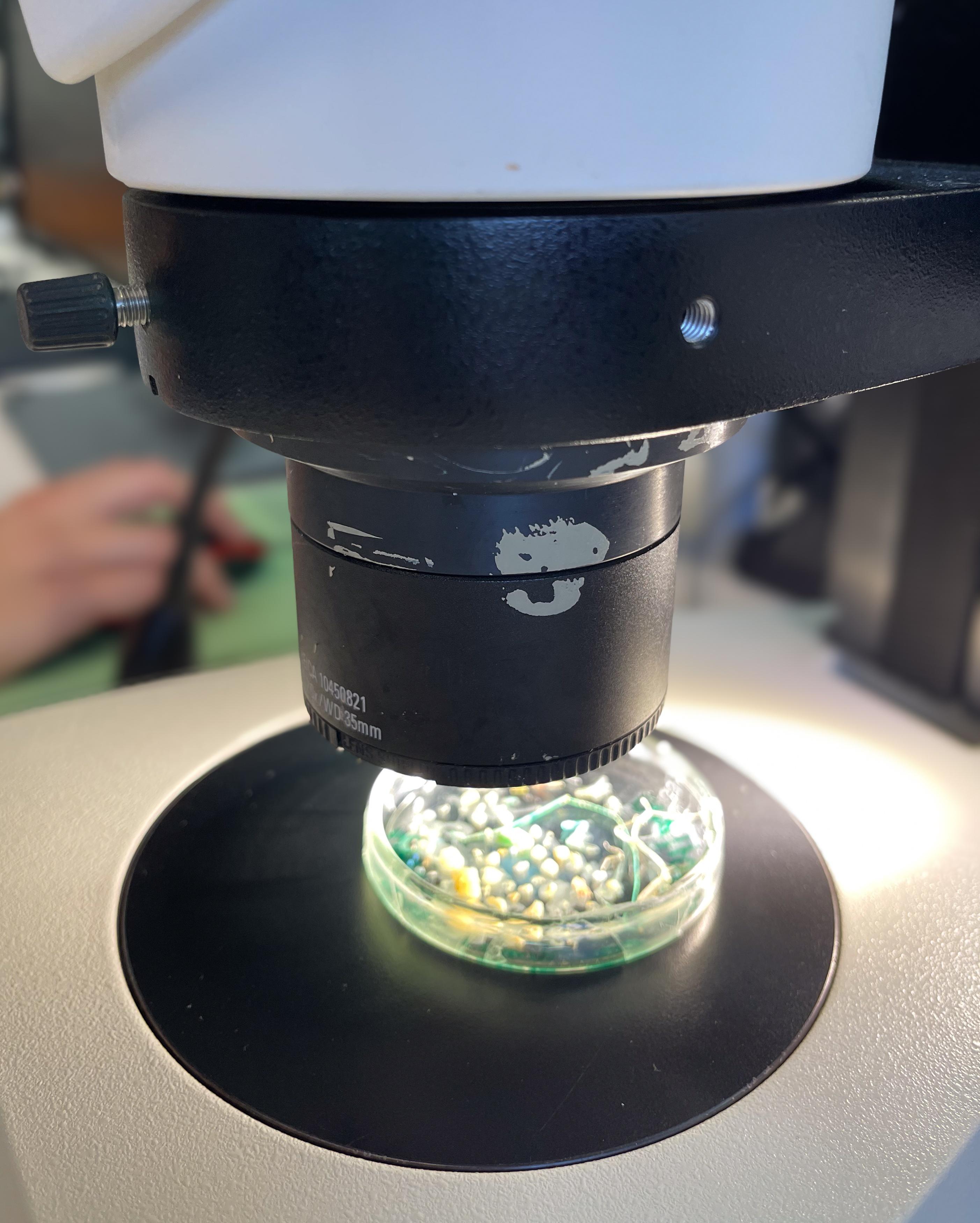
A close-up of microplastics collected from the top 20 centimeters of the water column.
10 / 28
Share This Gallery
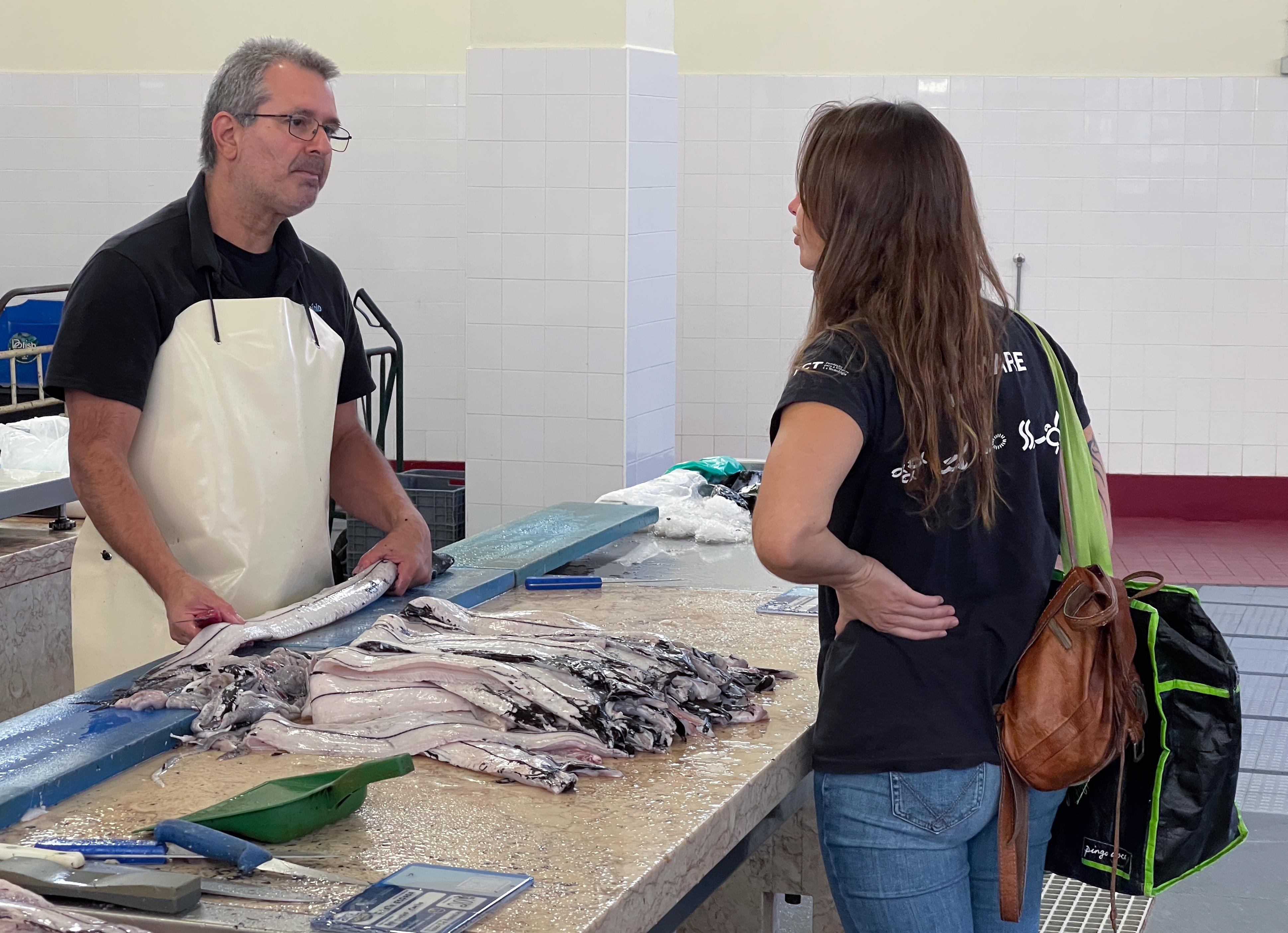
Annalisa Sambolino, Ph.D. talks with a fish monger at the local market. Knowing that plastics are in the ecosystem, made scientists want to see if squid and pelagic fish, which are fish occurring in the open sea away from the shore or bottom, were feeding on these plastics.
11 / 28
Share This Gallery
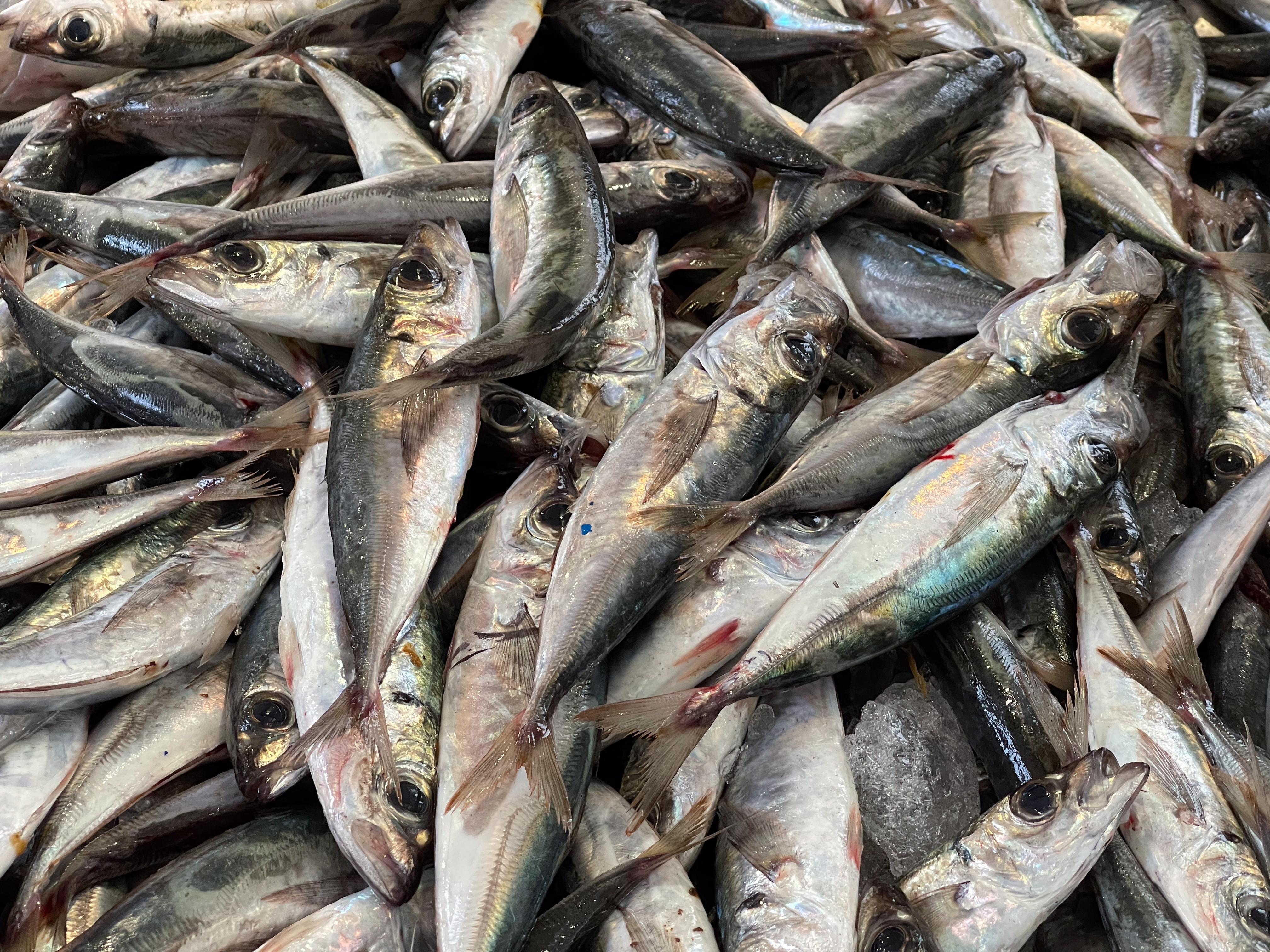
Fish sold at the market are not only popular with Madeirans, but are also a food staple of bottlenose dolphins.
12 / 28
Share This Gallery
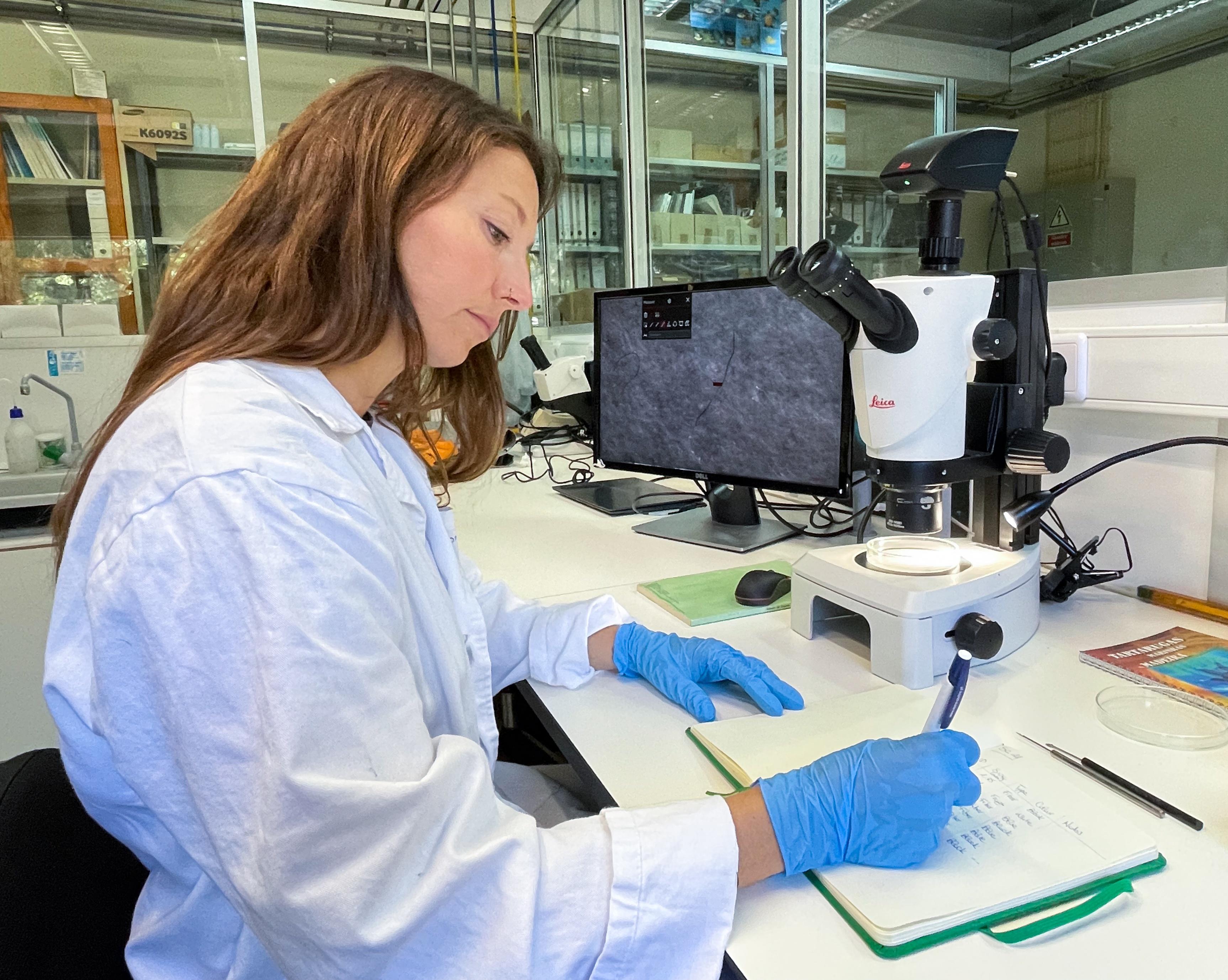
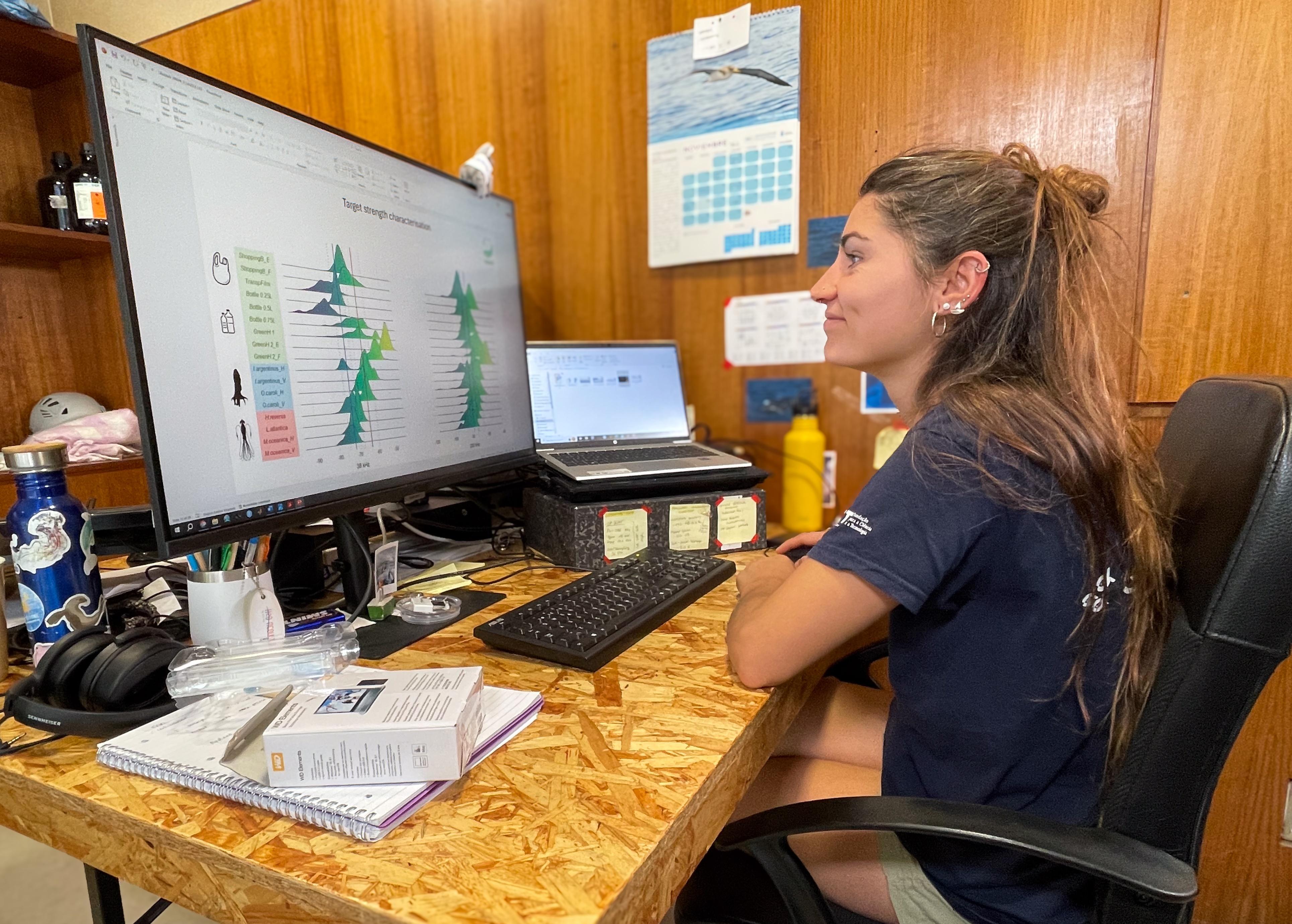
Annalisa Sambolino, Ph.D. is analyzing synthetic microfibers commonly found in the intestines of fish. The fibers mostly originate from clothing that is being washed. Wastewater treatment plants currently do not have the ability to filter out this type of pollution.
13 / 28
Share This Gallery
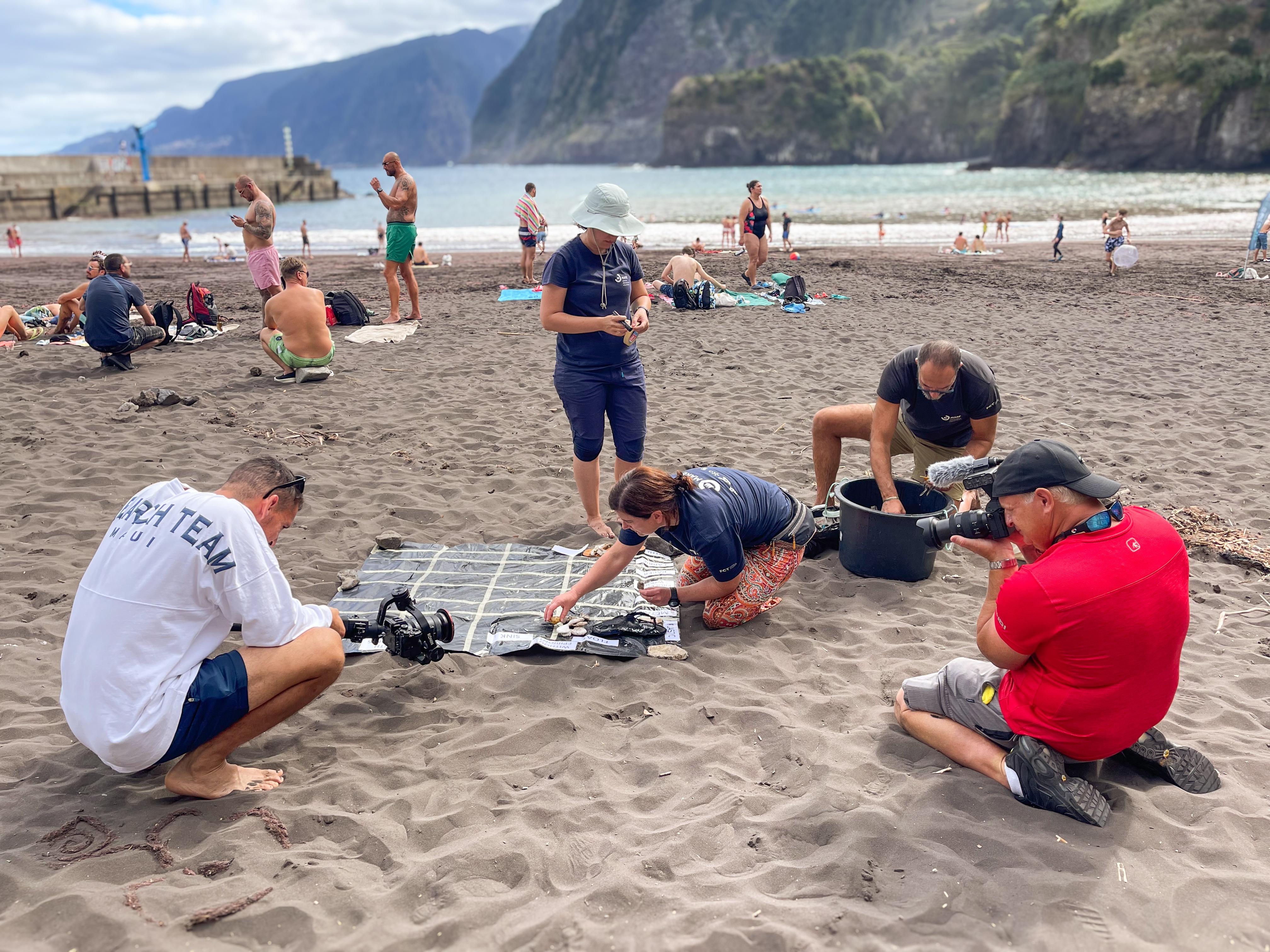
From left to right: Changing Seas Director of Photography Sean Hickey, Series Producer Alexa Elliott (back) and Videographer David Diez, with MARE-Madeira team members Patrícia Nunes (left) and Annalisa Sambolino, Ph.D., while filming in the field.
14 / 28
Share This Gallery
Madeira is a hotspot for whales and dolphins. Thirty species have been observed locally, and researchers study the animals along the island's southern coastline.
15 / 28
Share This Gallery
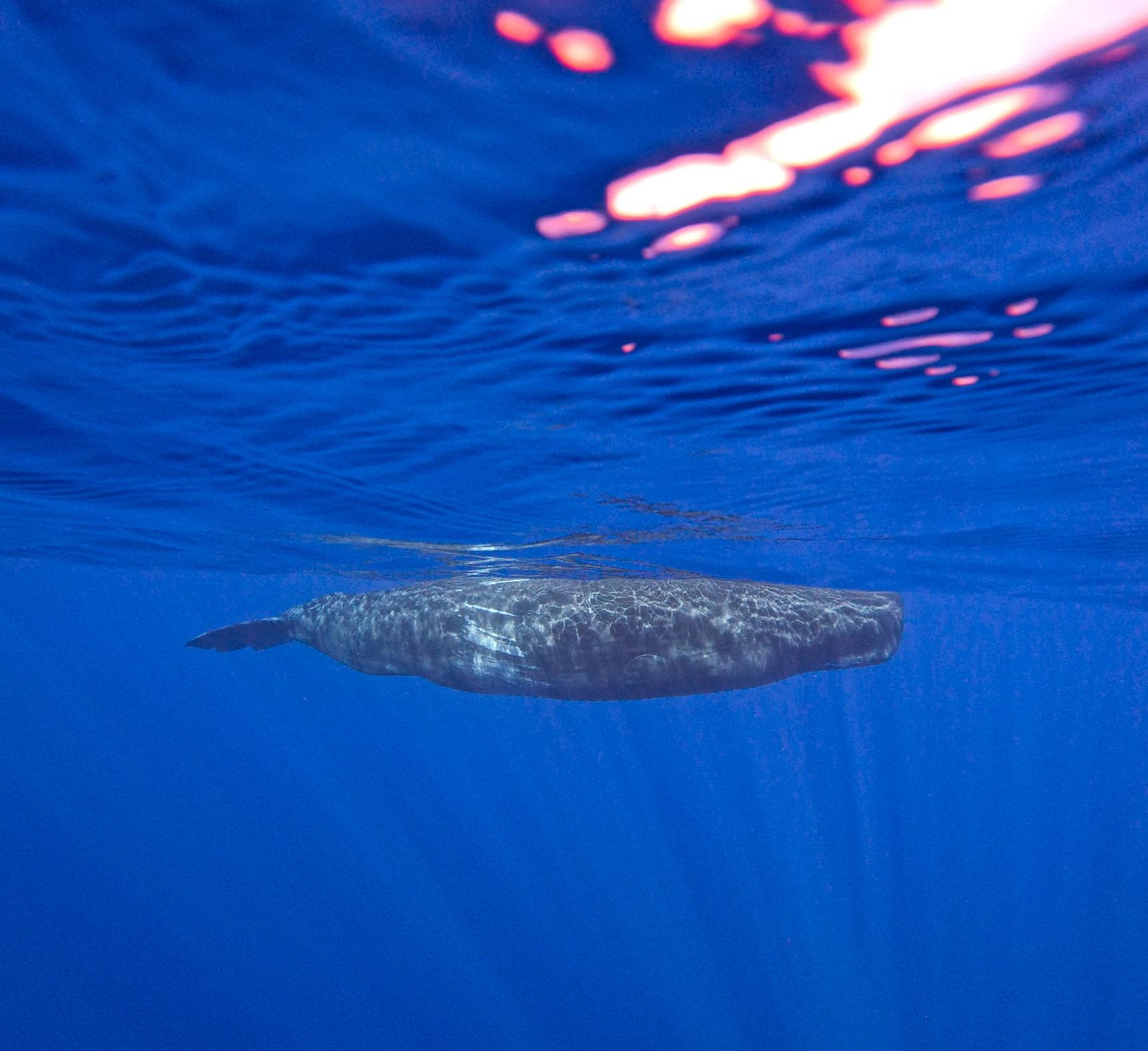
Among the species of whales that frequent the island's waters are deep divers such as sperm whales.
16 / 28
Share This Gallery
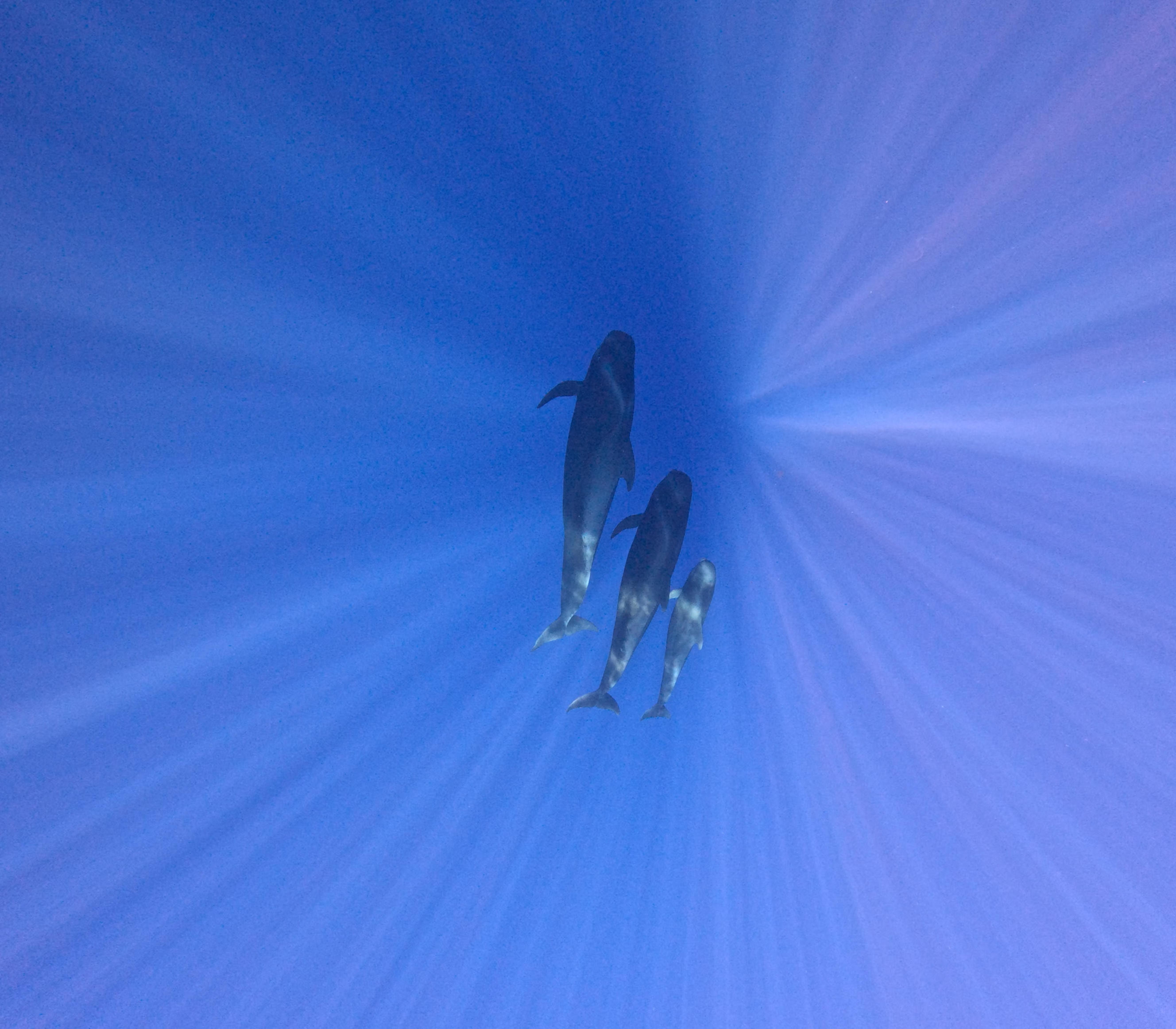
Short-finned pilot whales are another species of toothed whales that frequent the area.
17 / 28
Share This Gallery
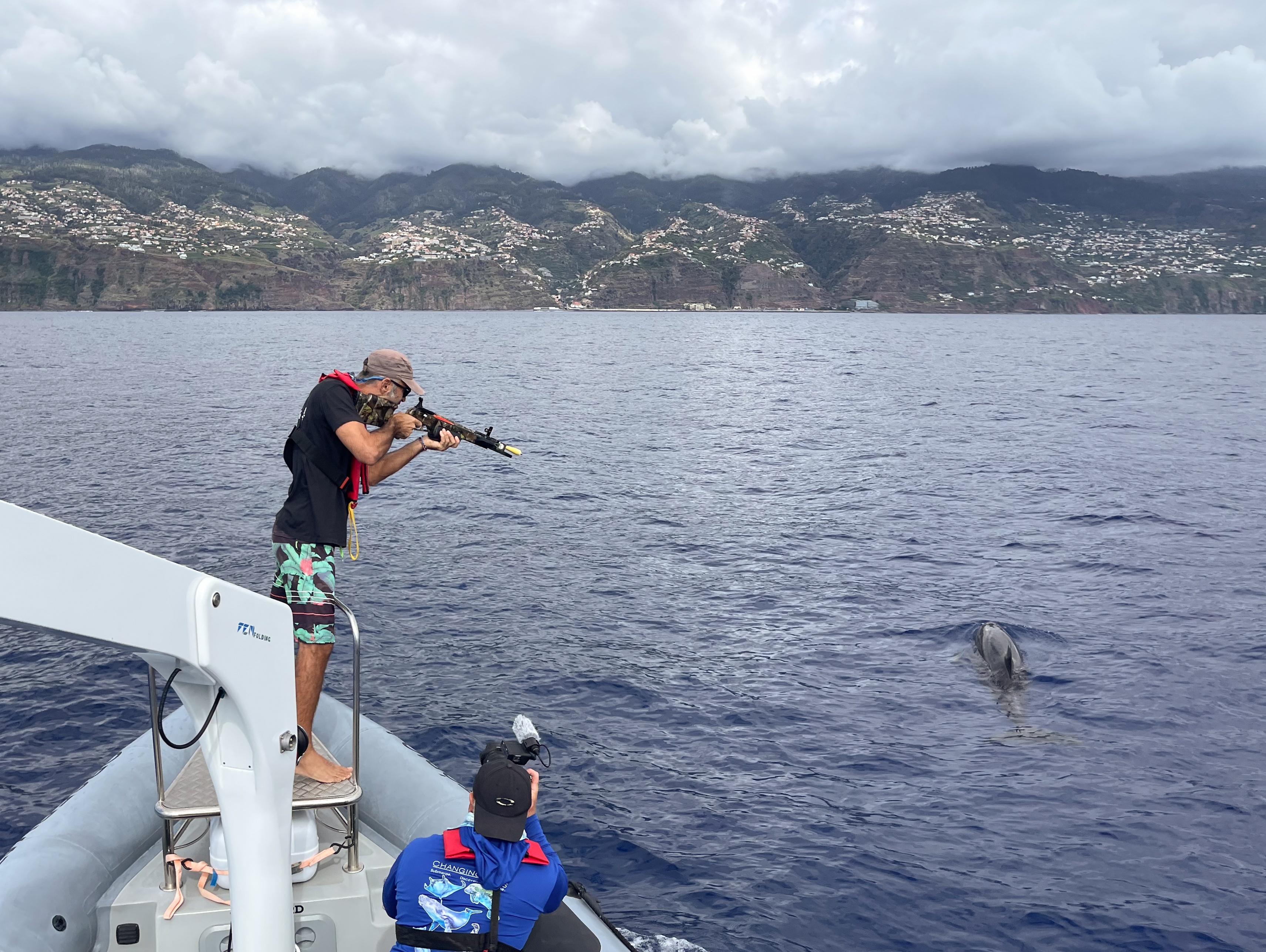
Knowing plastics are present in the fish and squid that bottlenose dolphins and short-finned pilot whales feed on, had MARE-Madeira researchers conduct minimally invasive biopsies of bottlenose dolphins to collect a small sample of skin and blubber. The samples contained phthalates, a group of widely-used, harmful chemicals that make plastics more flexible and durable.
18 / 28
Share This Gallery
MARE-Madeira Researcher Laura Redaelli was part of a preliminary study to determine why deep-diving toothed whales, like short-finned pilot and sperm whales, wash up with a higher proportion of plastics in their guts than animals who feed in shallower water.
19 / 28
Share This Gallery
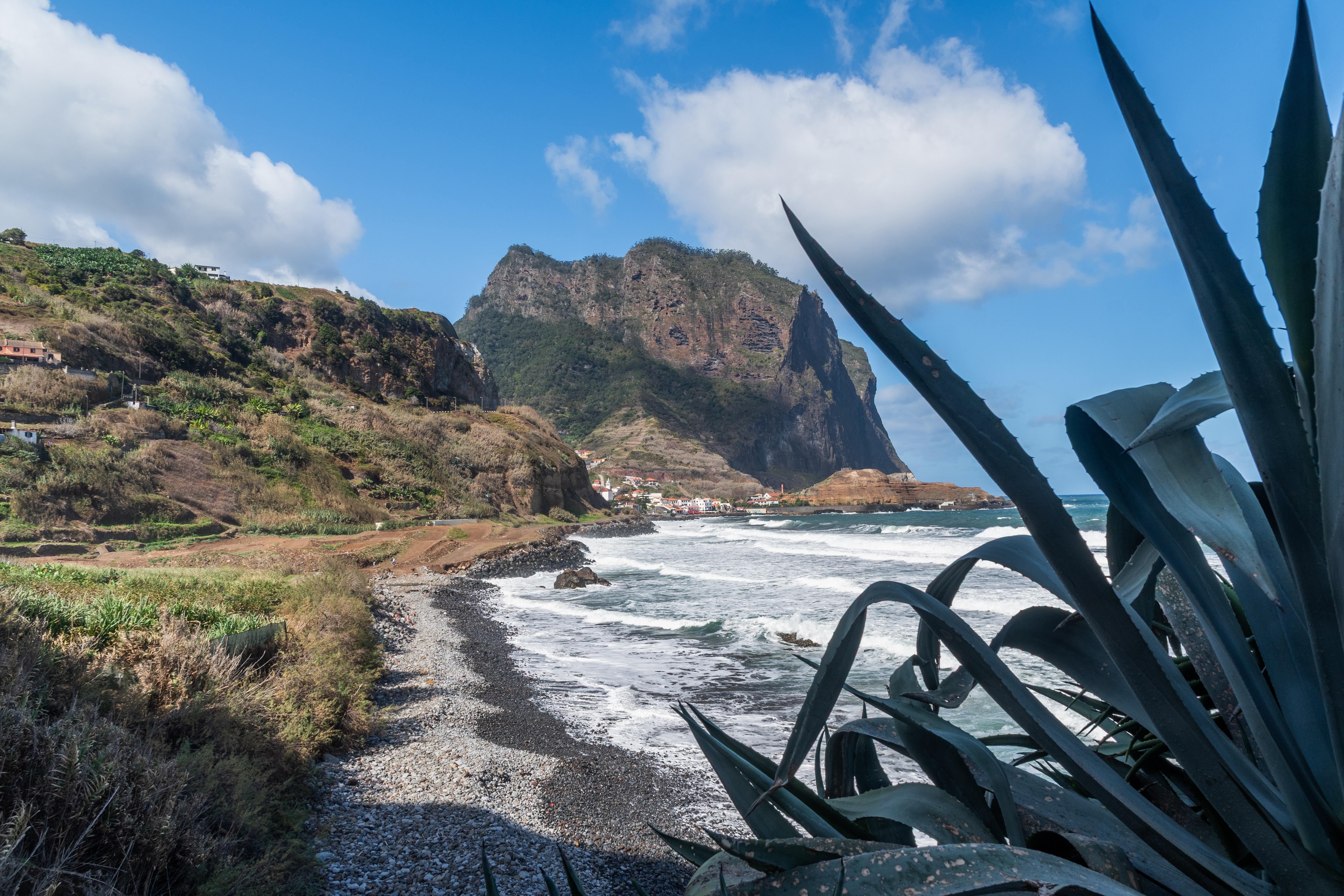
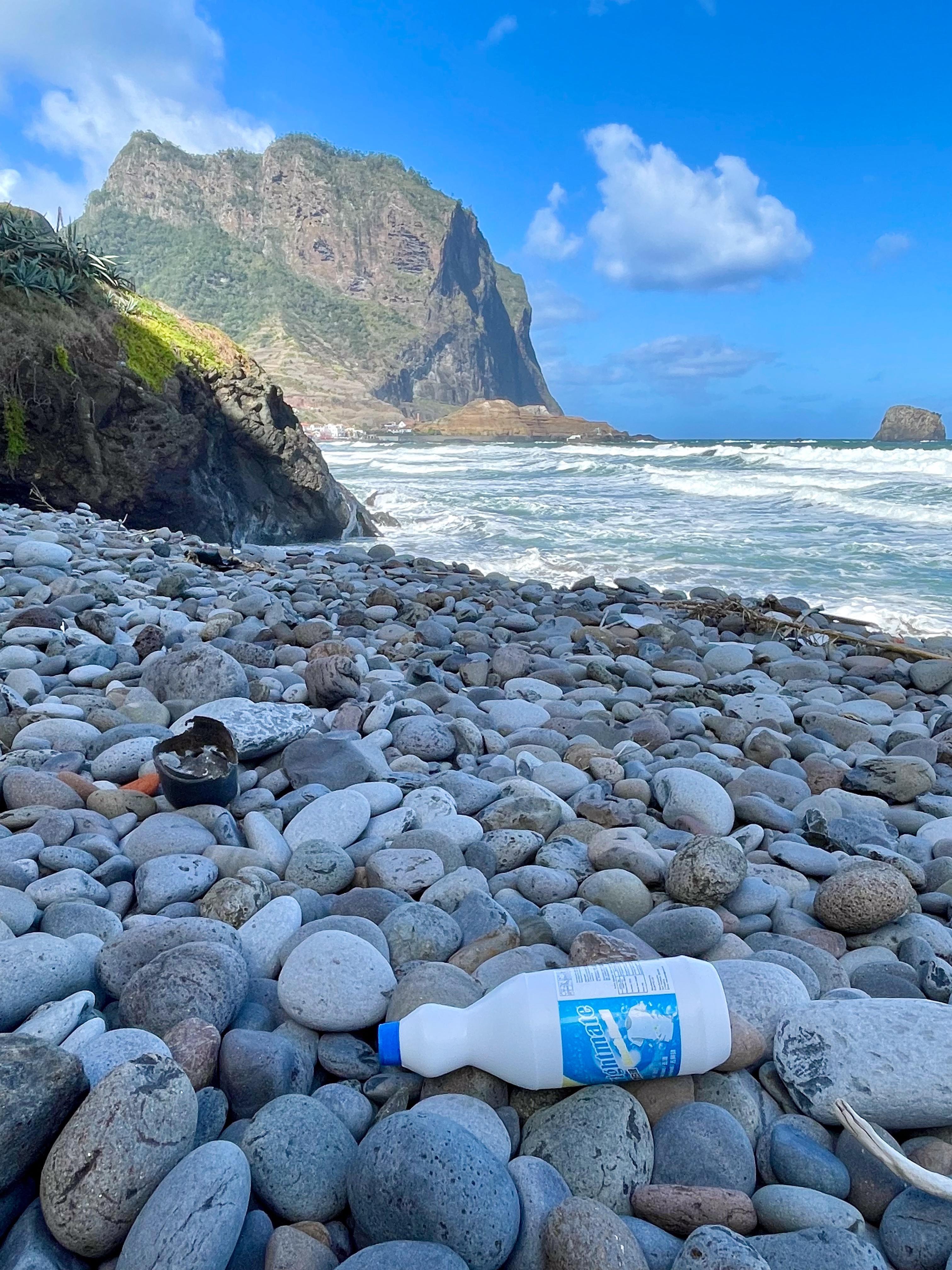
Madeira's rugged northern coastline, though less inhabited, has more plastic trash on its shores than other parts of the island. Items that have traveled from far away places like North America and the Caribbean are brought there by the northern gyre current.
20 / 28
Share This Gallery
Knowing how big of a problem plastic pollution is in the oceans, MARE-Madeira researchers assess where and what kinds of trash washes up on the island’s shores.
21 / 28
Share This Gallery
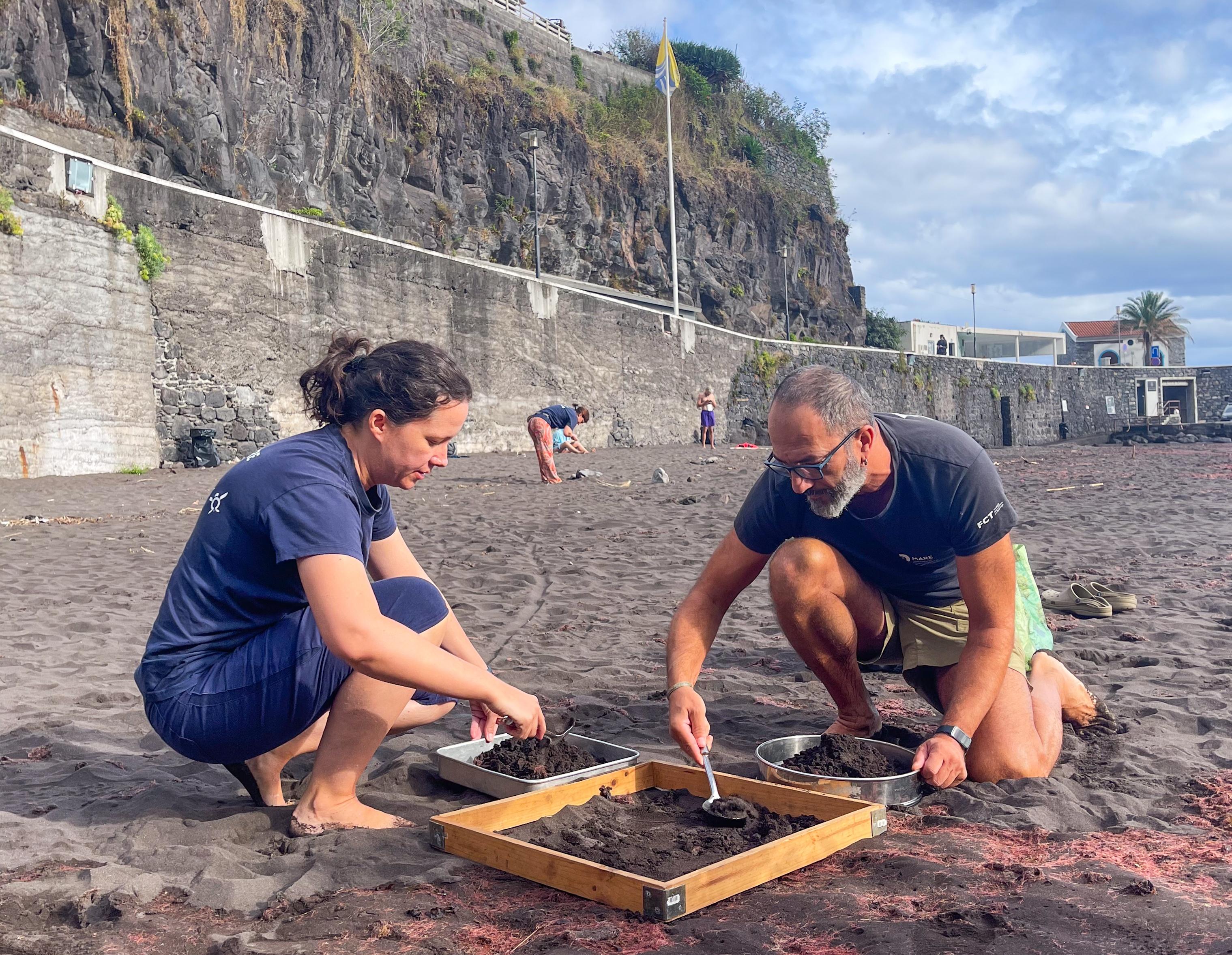
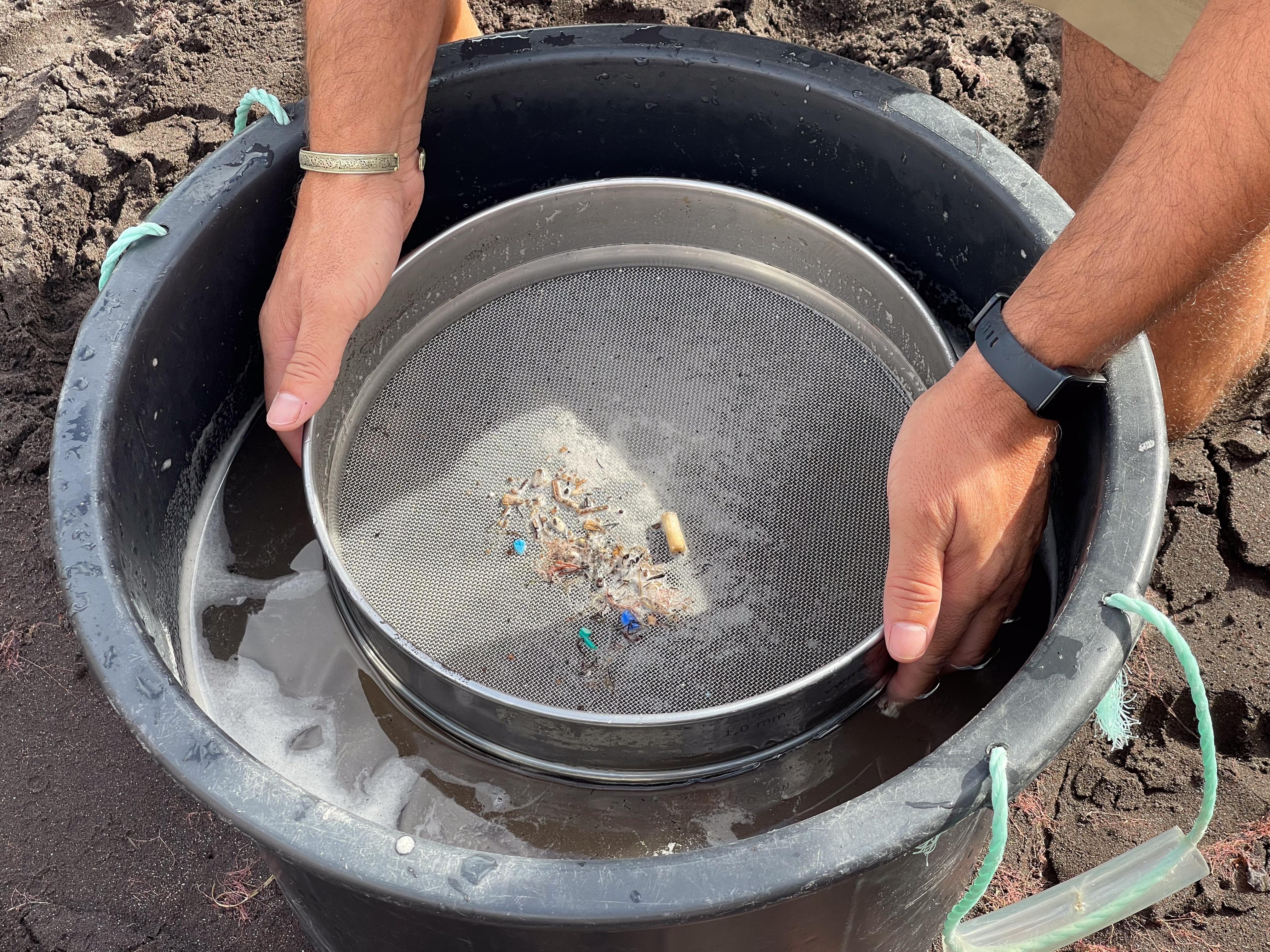
To collect micro-sized items, the team sets up five 50 square centimeter quadrats, 25 meters apart, at the high tide line, and sifts the top layer of sand. The collected items are then taken back to the lab for analysis.
22 / 28
Share This Gallery
Larger trash is collected by walking the beach and then sorted into different categories.
23 / 28
Share This Gallery
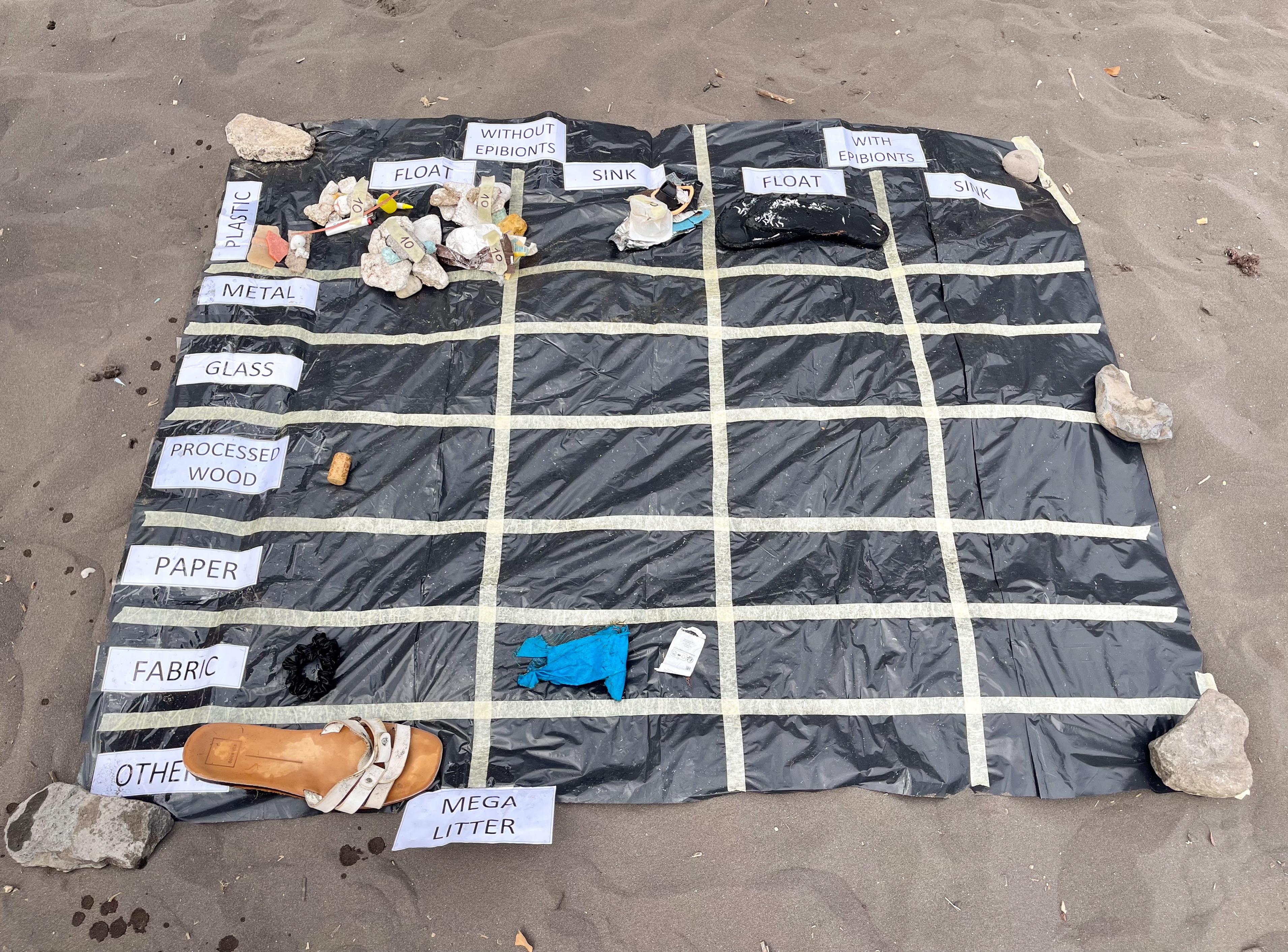
Large trash items are sorted into different categories, including those that float and those that sink. Organisms often attach themselves to floating plastics, which can travel long distances in ocean currents. These organisms can be invasive, creating problems far away from their home range.
24 / 28
Share This Gallery
Most of Madeira's beaches are rocky, making it more difficult to study the trash that washes up on foot.
25 / 28
Share This Gallery
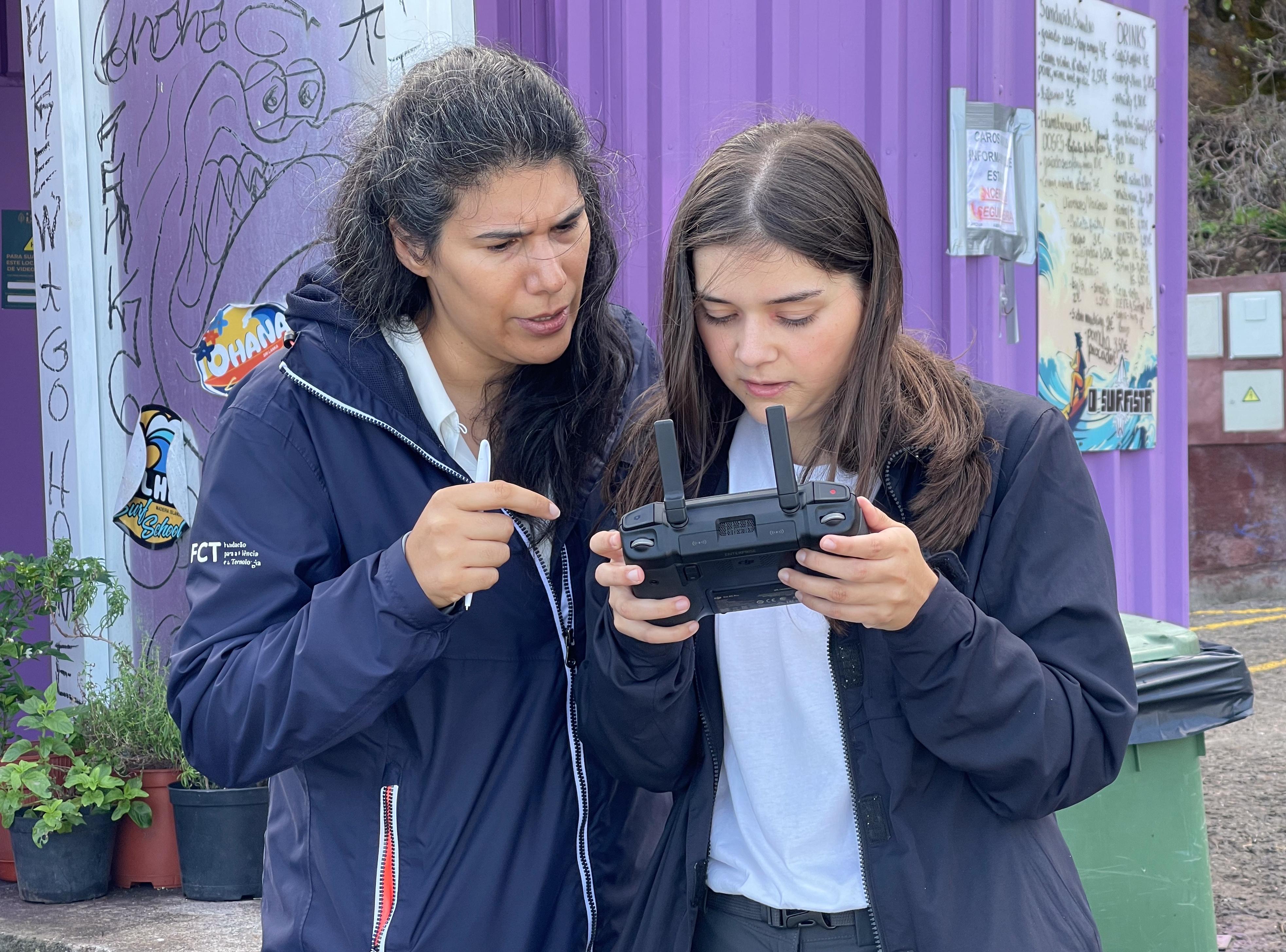
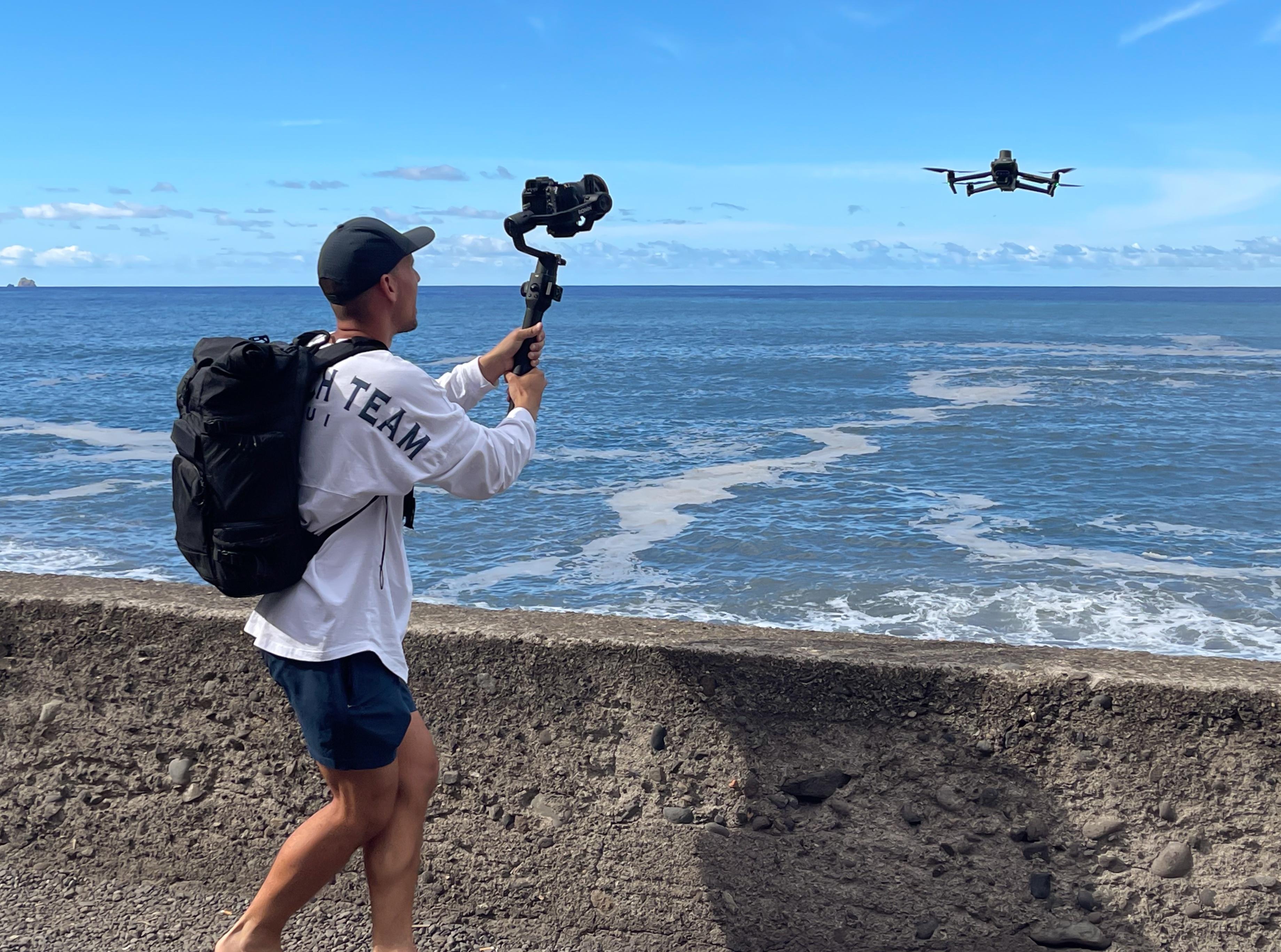
The research team uses drones to study the accumulation of larger plastic trash on rocky and remote beaches.
26 / 28
Share This Gallery
Videographer David Diez captures the shot during a battle of the cameras.
27 / 28
Share This Gallery
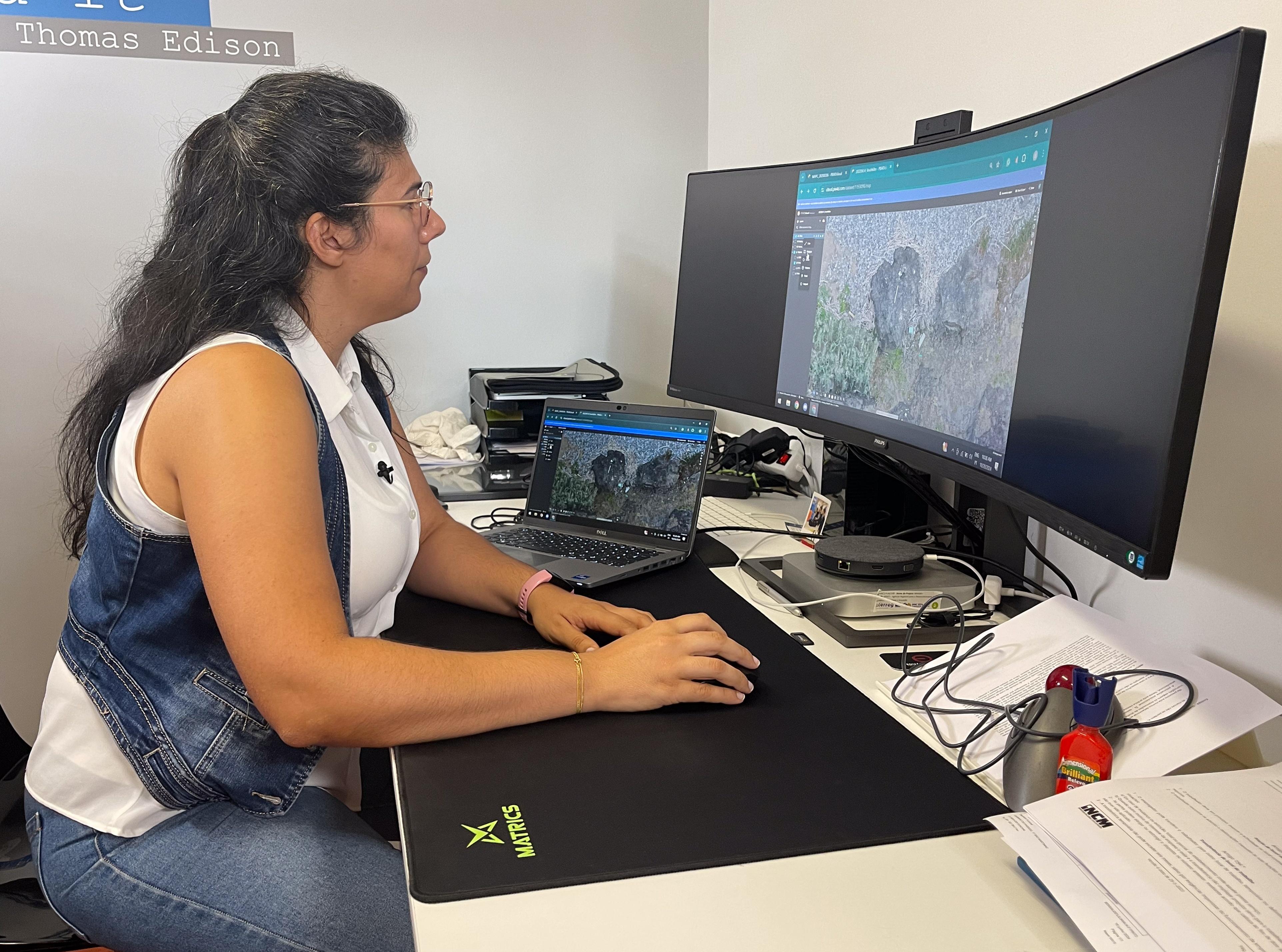
Researcher Sílvia Almeida takes overlapping drone images and stitches them together into one large photomosaic. This sizable image serves as a contamination map of an area on which trained experts can mark all the trash they can identify.
28 / 28
Share This Gallery
While Madeira is seeing fewer impacts from plastic pollution than mainland Portugal, it is still exceeding international pollution thresholds by 90 percent.
Image Credits
Changing Seas would like to thank the following individuals and institutions who kindly allowed their footage, images and other media to be used in this production: