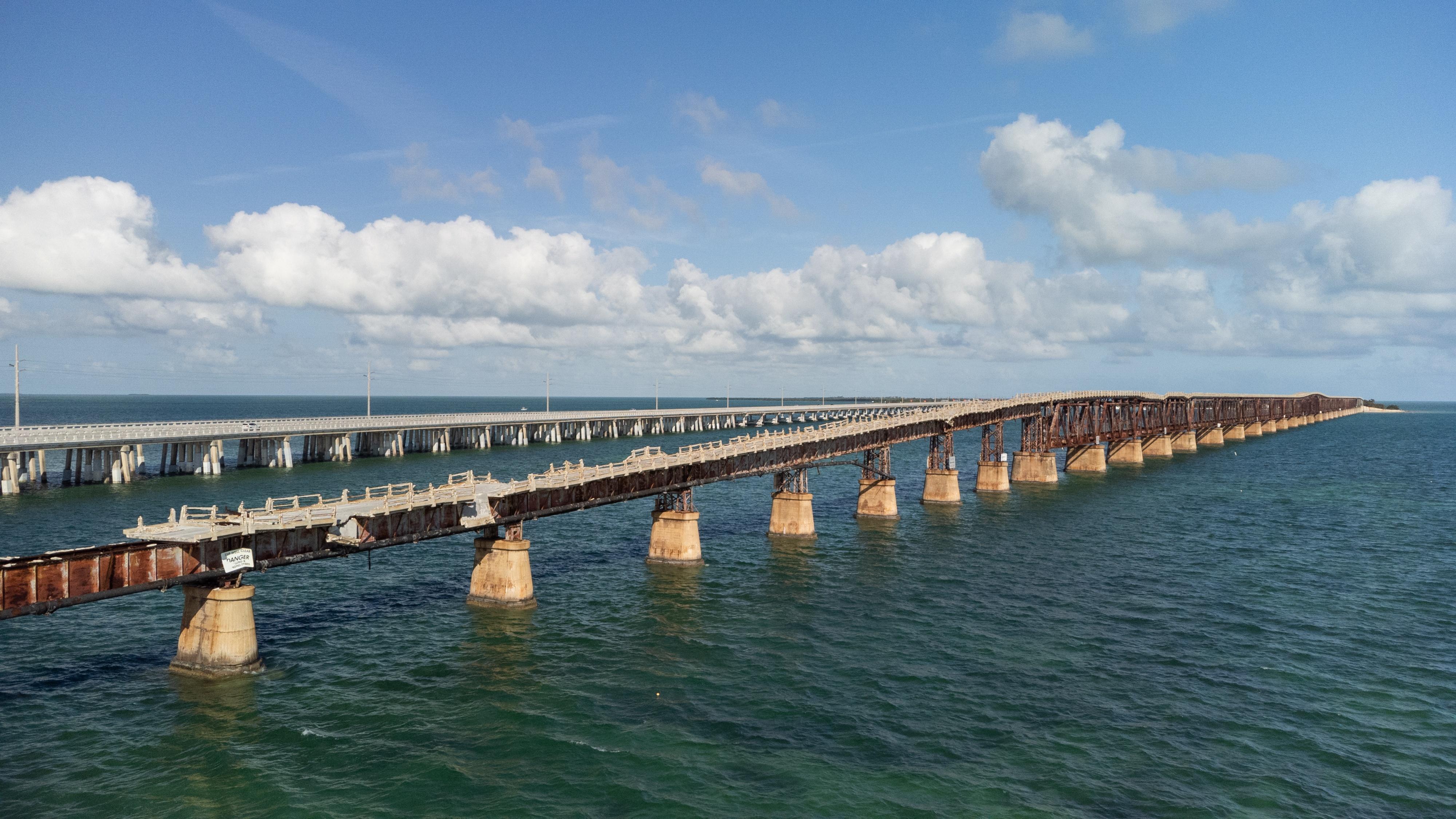
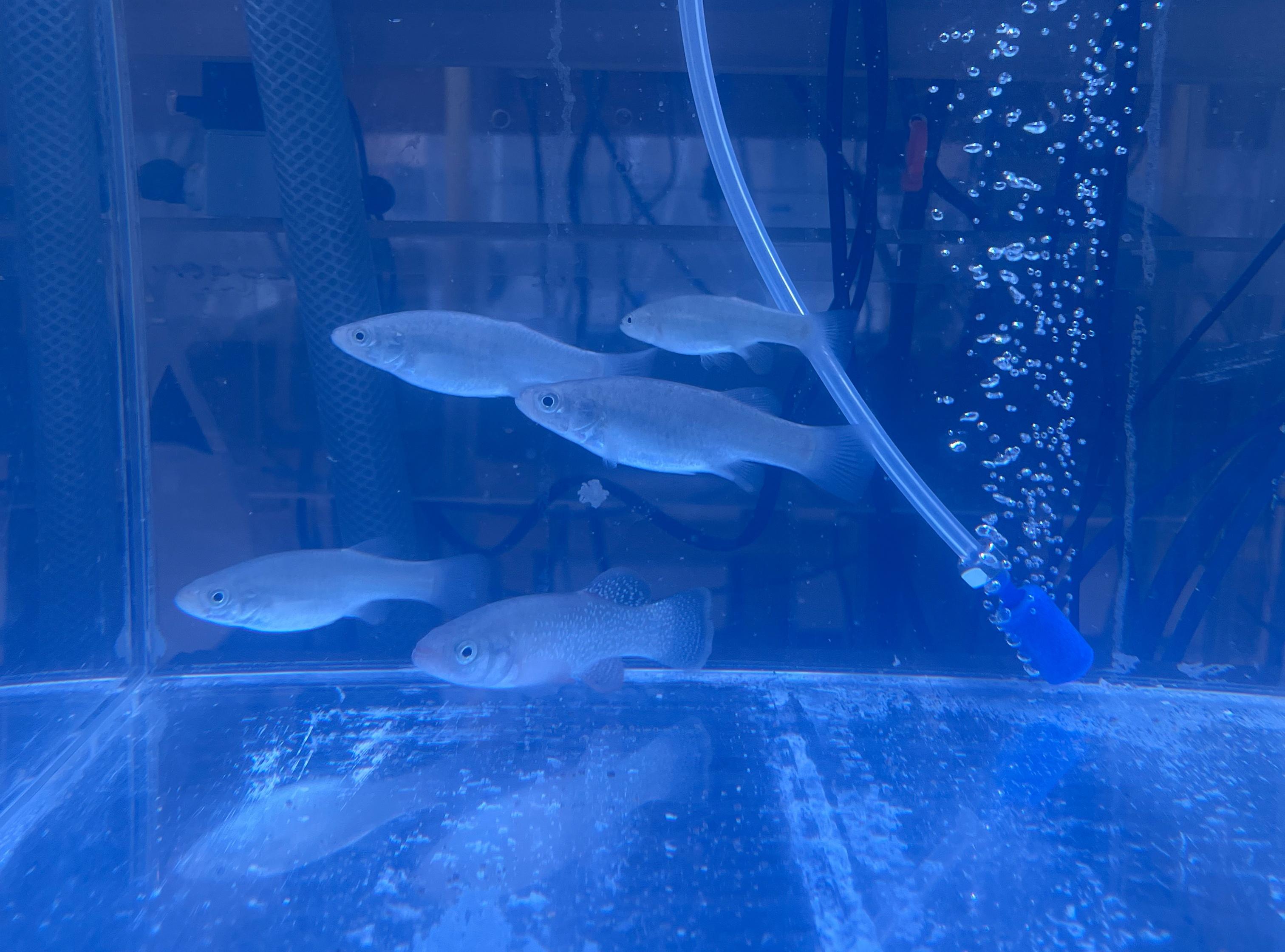
In late 2023 and into the spring of 2024, fishermen in the Florida Keys witnessed an unusual phenomenon. More than 80 species of fish were observed spinning and acting extremely disoriented. While the vast majority of fishes seemed to eventually recover, it was lethal for one iconic South Florida species - the endangered smalltooth sawfish. By early summer of 2024, 56 smalltooth sawfish had been reported dead, with many more potentially unaccounted for.
Early on, a team of multidisciplinary scientists, together with the Lower Keys Guide Association, began collaborating to solve this mystery. After ruling out a lot of potential causes, experts have narrowed in on possible culprits – single-celled algae known as dinoflagellates that have the ability to produce a variety of neurotoxins. Now scientists continue the painstaking process of teasing apart what toxins may induce the spinning behavior and where these toxins originate.
In late 2023 and into the spring of 2024, fishermen in the Florida Keys witnessed an unusual phenomenon. More than 80 species of fish were observed spinning and acting extremely disoriented. While the vast majority of fishes seemed to eventually recover, it was lethal for one iconic South Florida species - the endangered smalltooth sawfish.
2 / 28
Share This Gallery
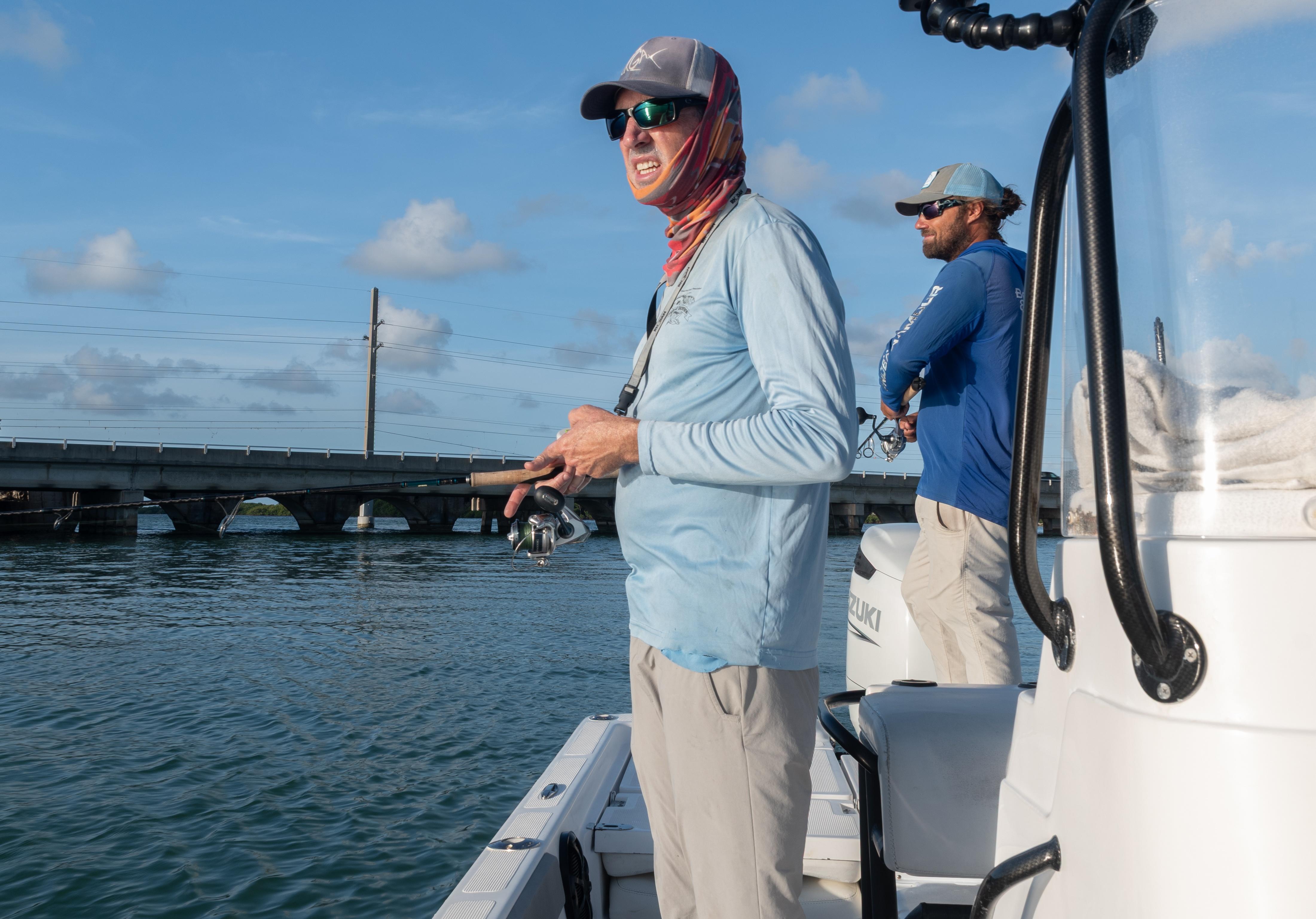
Members of the Lower Keys Guide Association, like Captain Andrew Tipler (foreground), assisted researchers like Ross Boucek, Ph.D., with the Bonefish & Tarpon Trust, in studying this unusual spinning behavior.
3 / 28
Share This Gallery
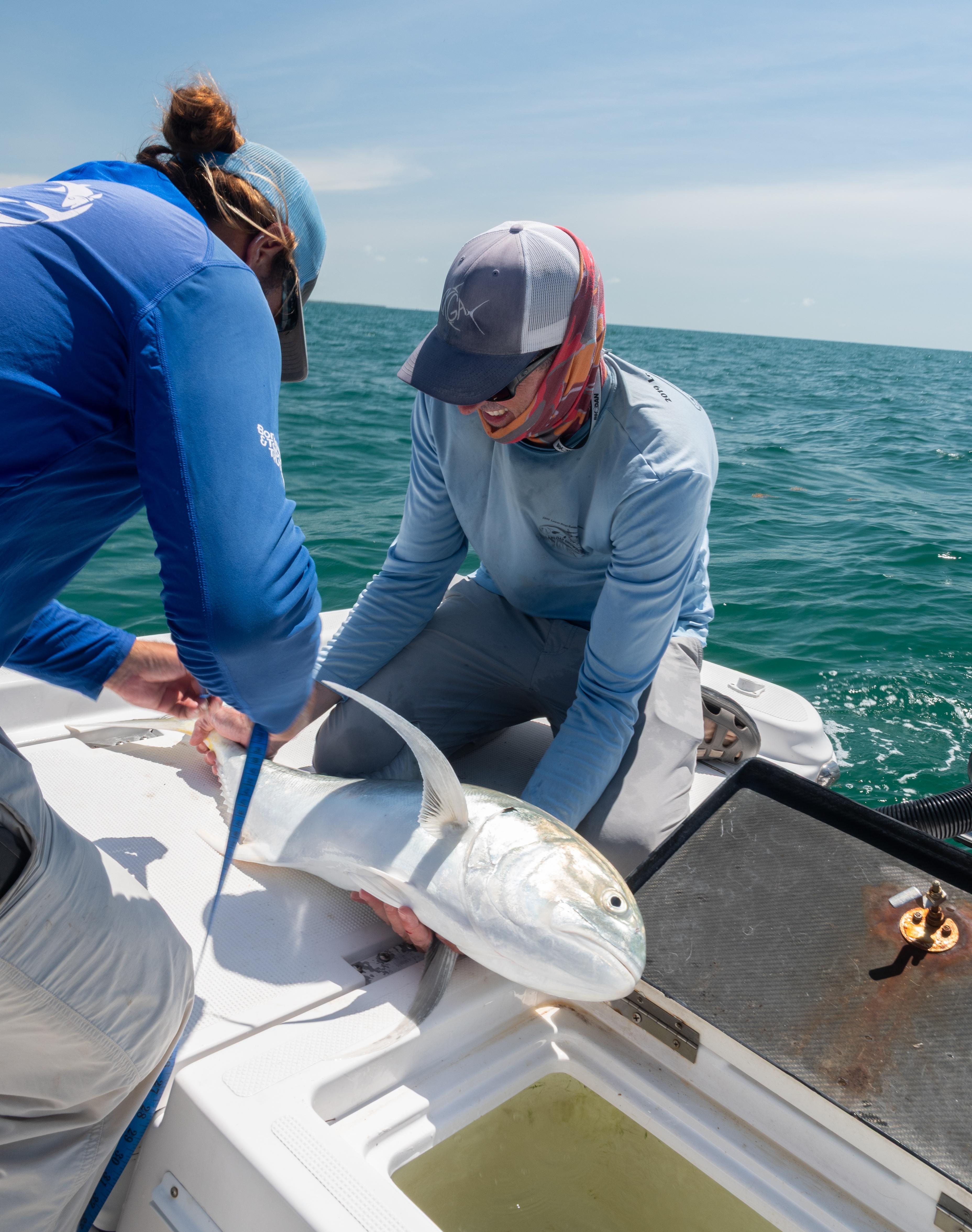
Research conducted by the Bonefish & Tarpon Trust discovered that about 75% of jack crevalles showed symptoms when captured.
4 / 28
Share This Gallery
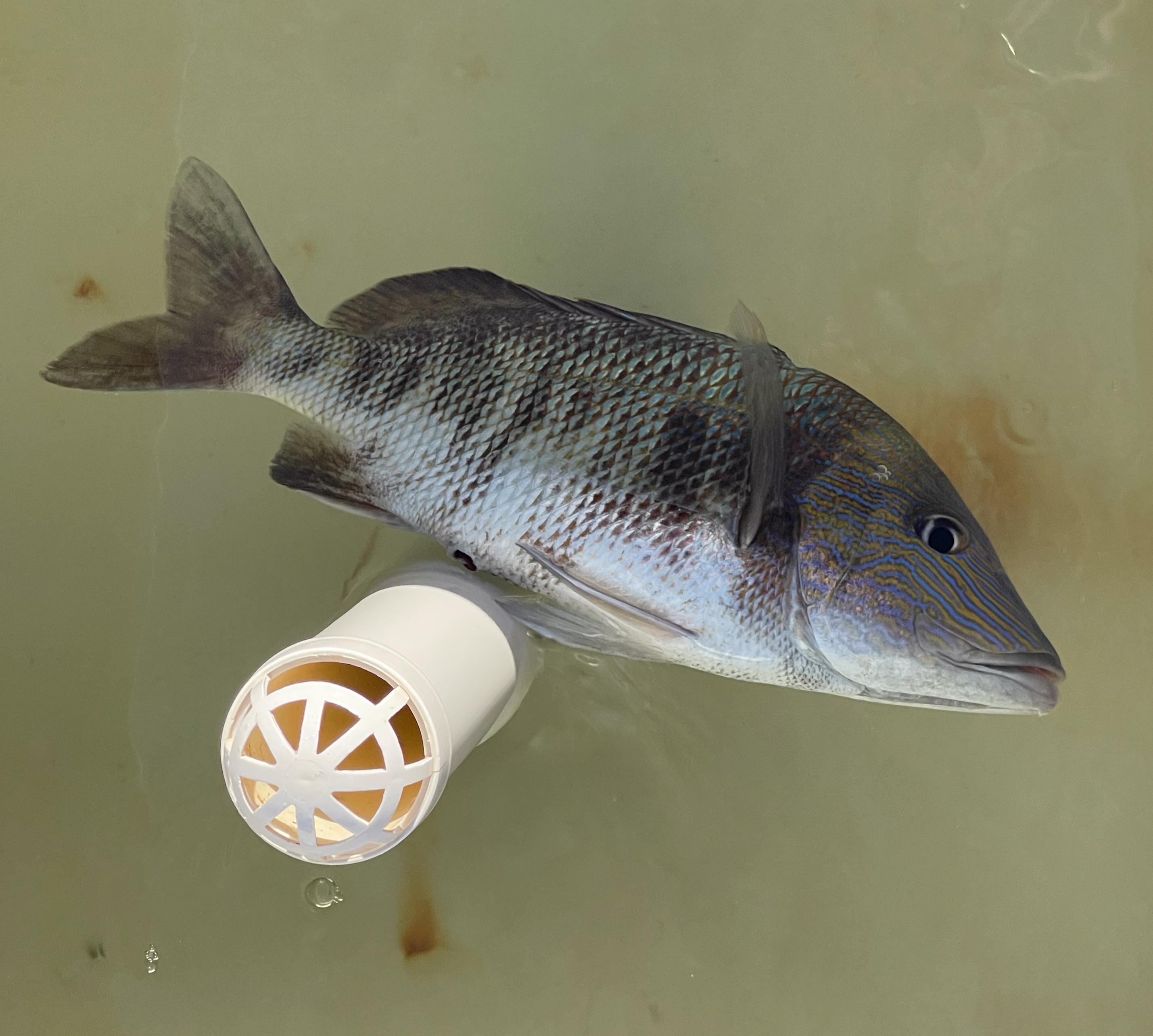
The same research also revealed that only 10-20% of mangrove snapper were affected when captured, and they were able to recover within approximately 10 minutes.
5 / 28
Share This Gallery
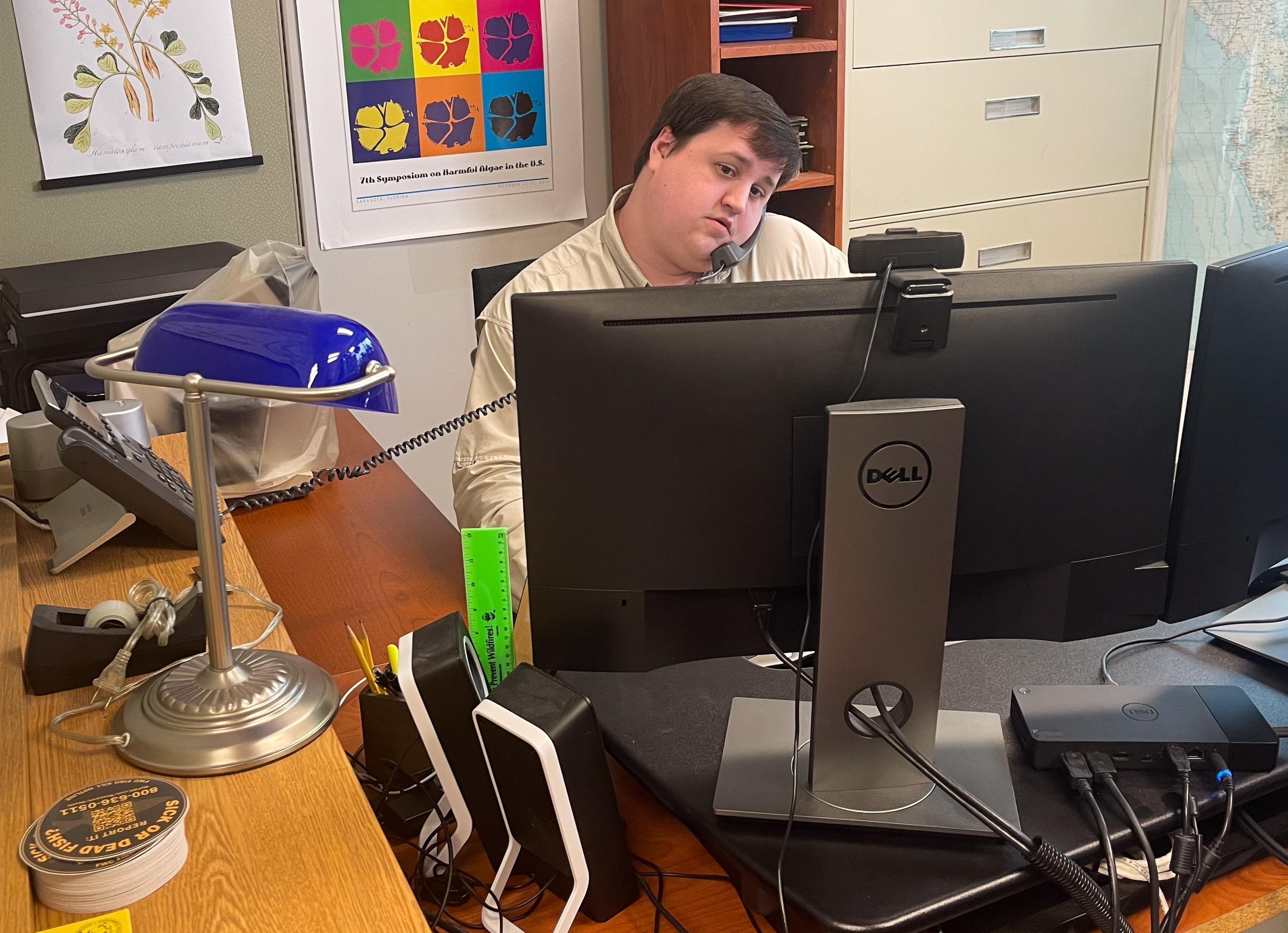
Around the same time the Bonefish & Tarpon Trust became aware of the spinning fish, concerned citizens were also reaching out to the Florida Fish and Wildlife Conservation Commission’s Fish Kill Hotline.
6 / 28
Share This Gallery
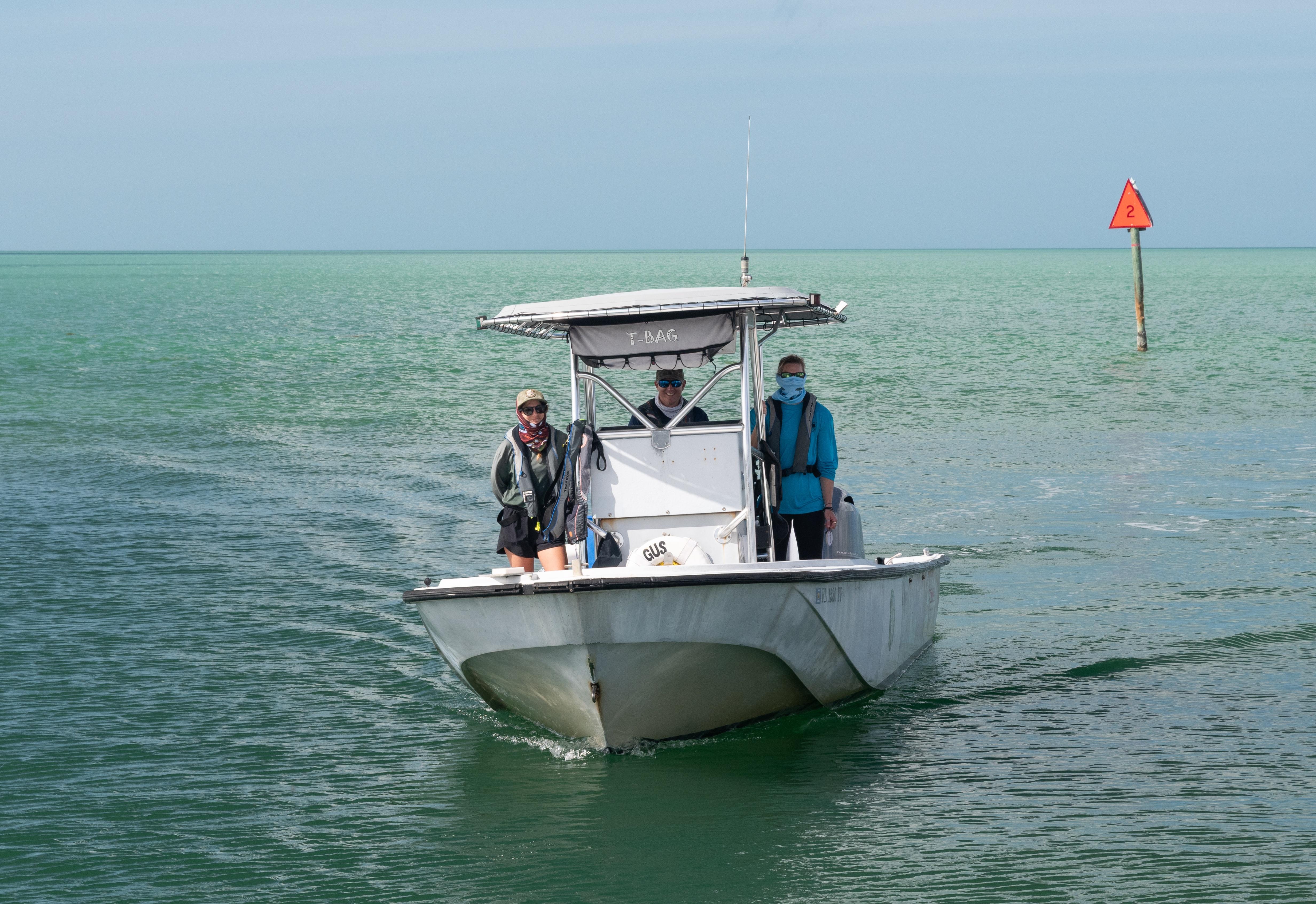
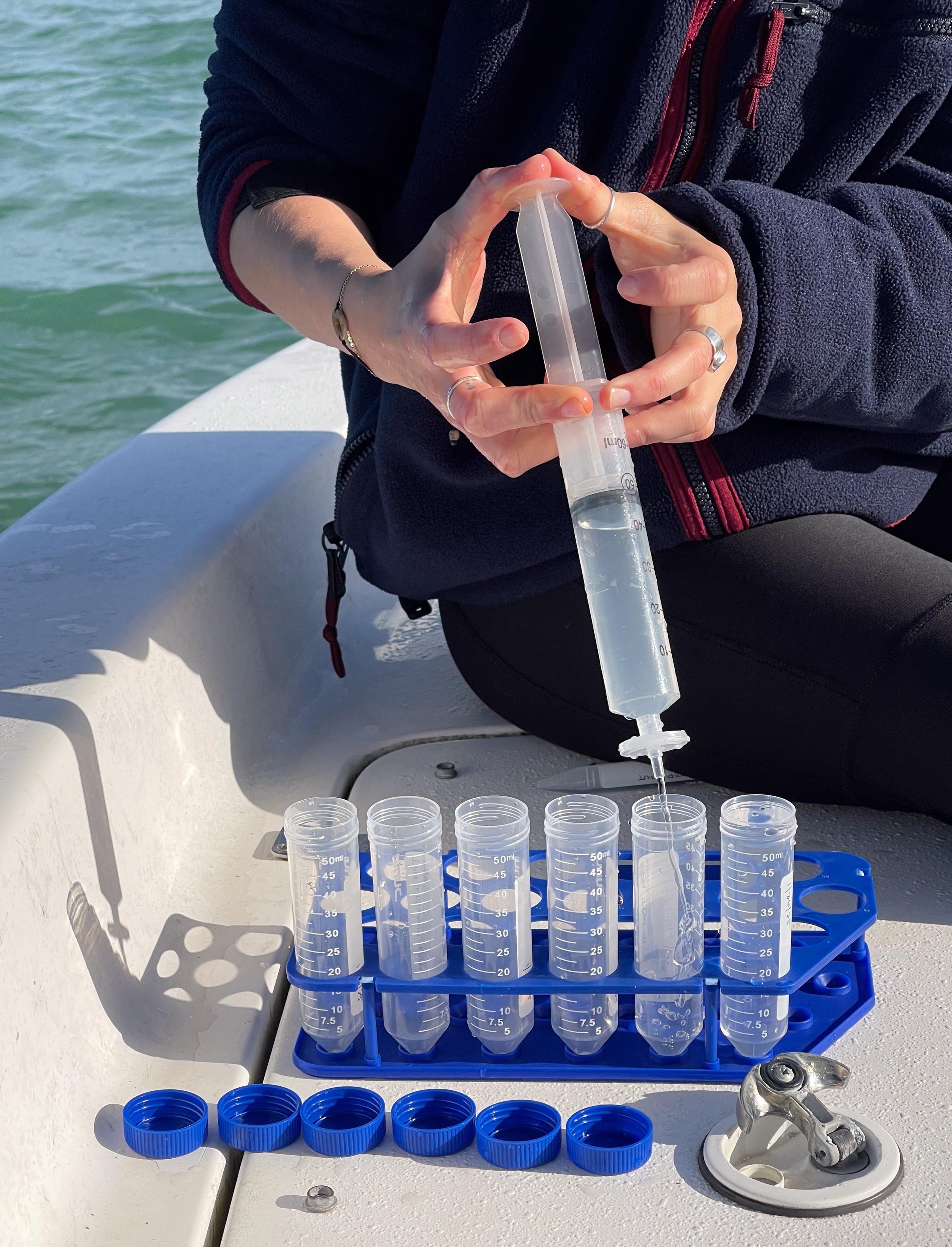
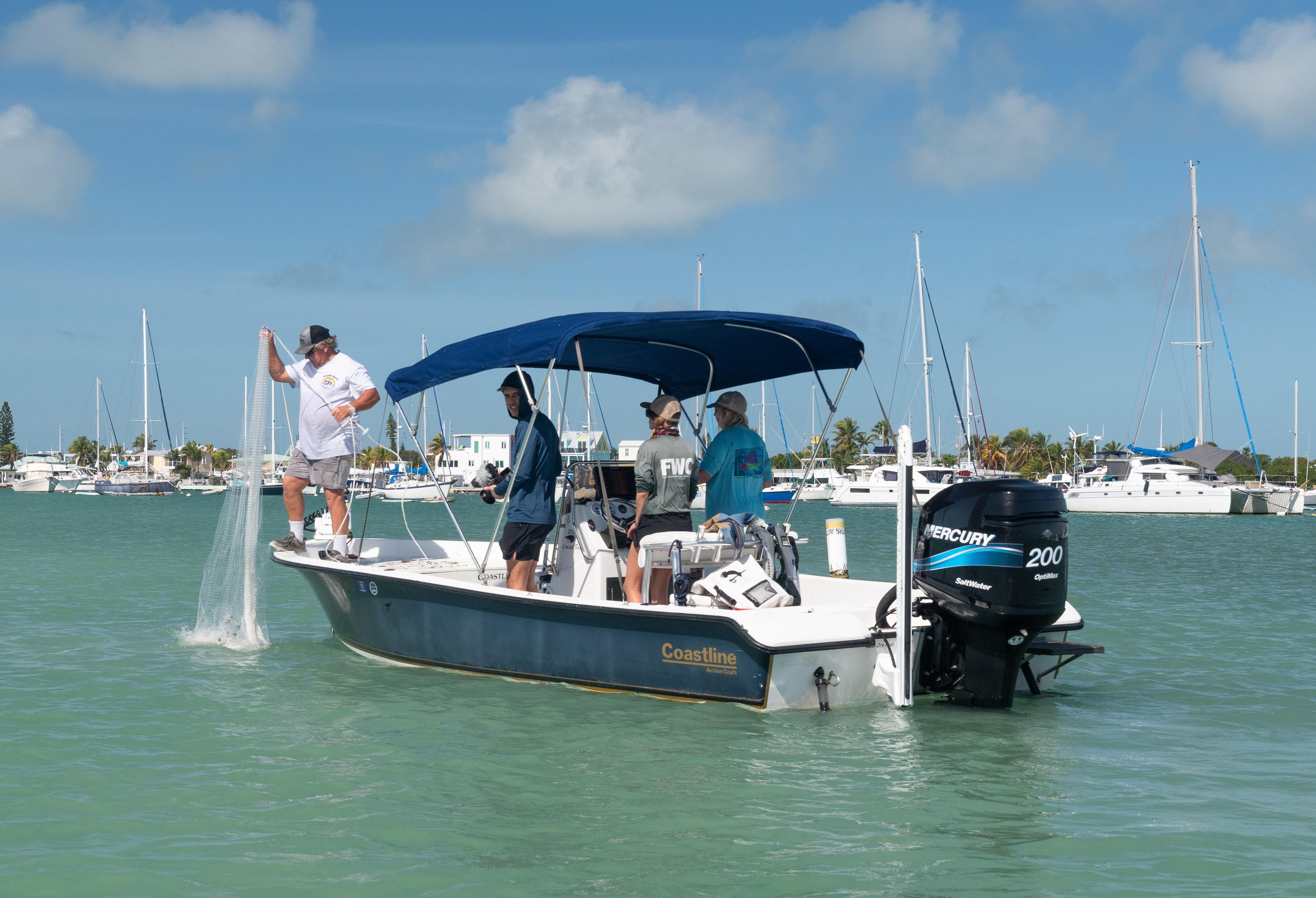
Keys-based Florida Fish and Wildlife Conservation Commission staff collected fish and water samples to determine the cause of the spinning behavior.
7 / 28
Share This Gallery
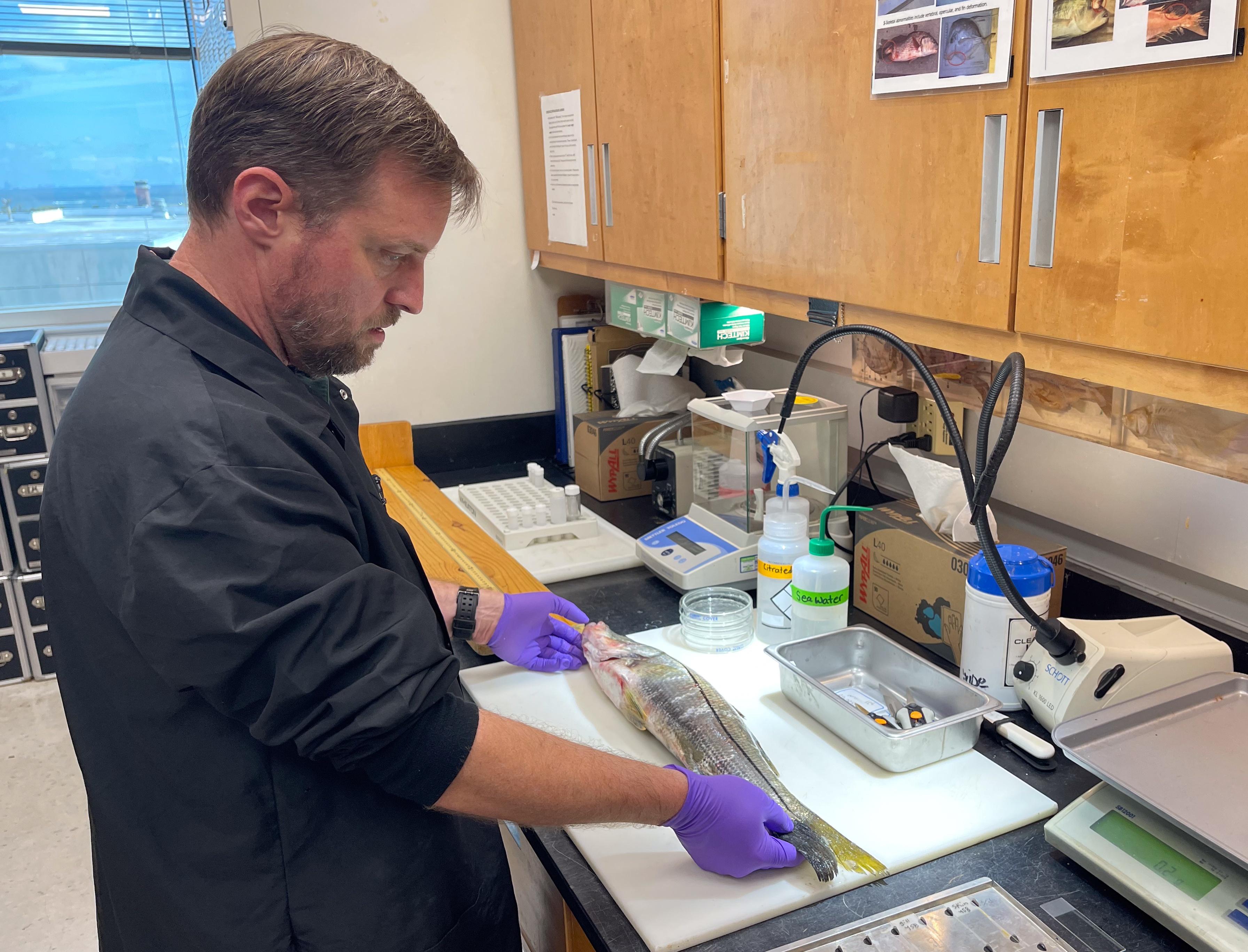
Staff at the FWC Fish and Wildlife Research Institute in St. Petersburg, Florida, conducted fish necropsies to determine what caused the unusual spinning behavior.
8 / 28
Share This Gallery
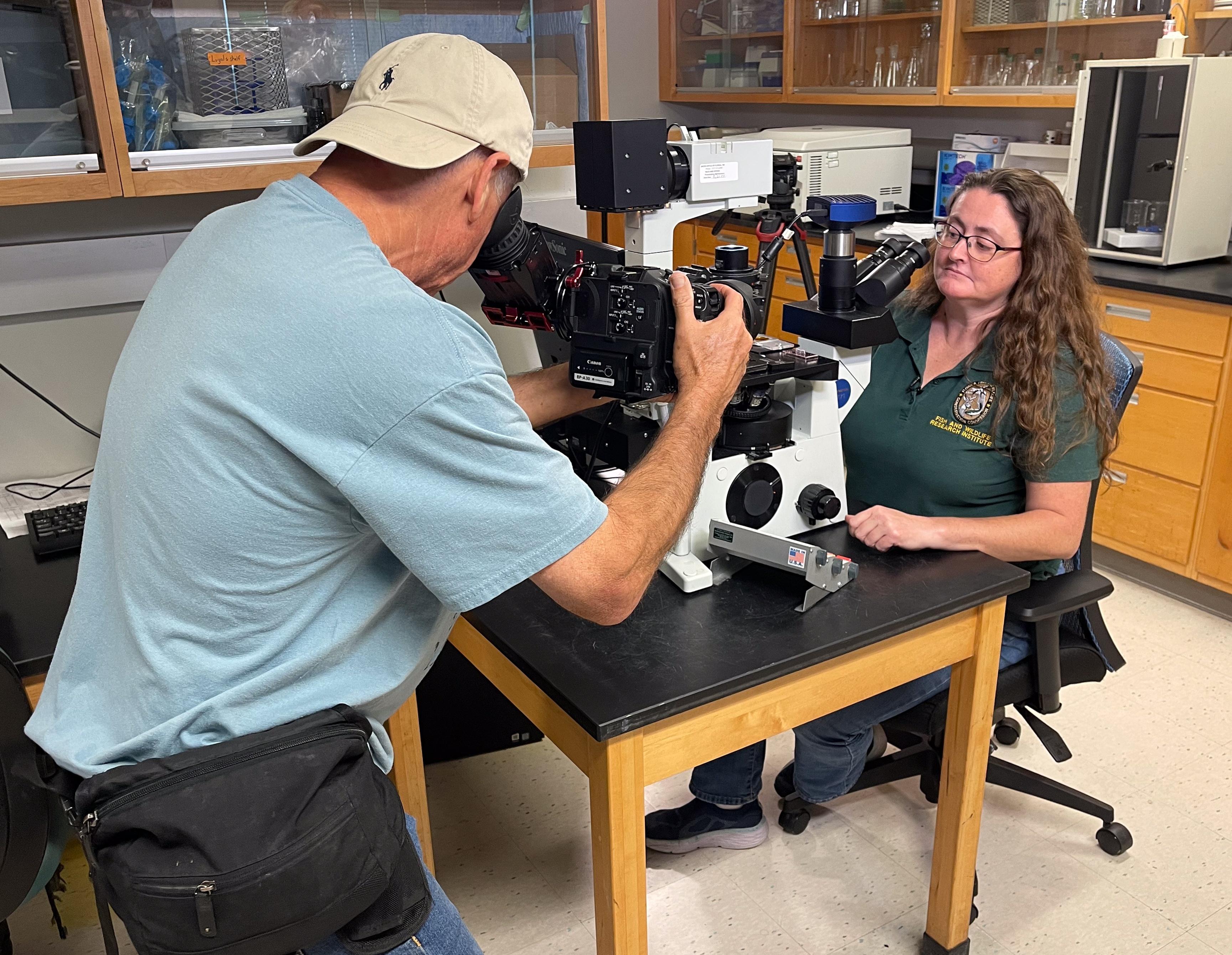
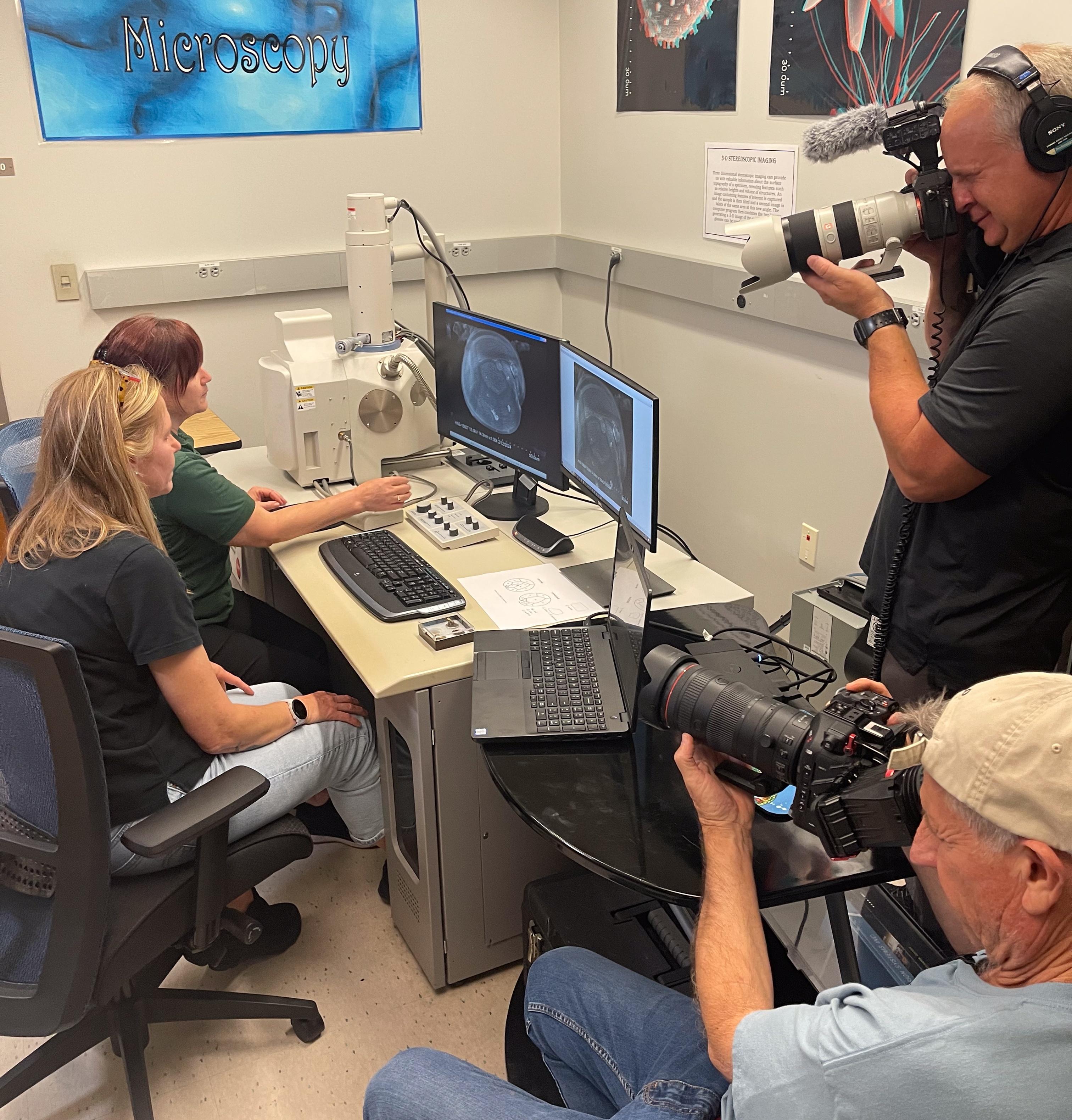
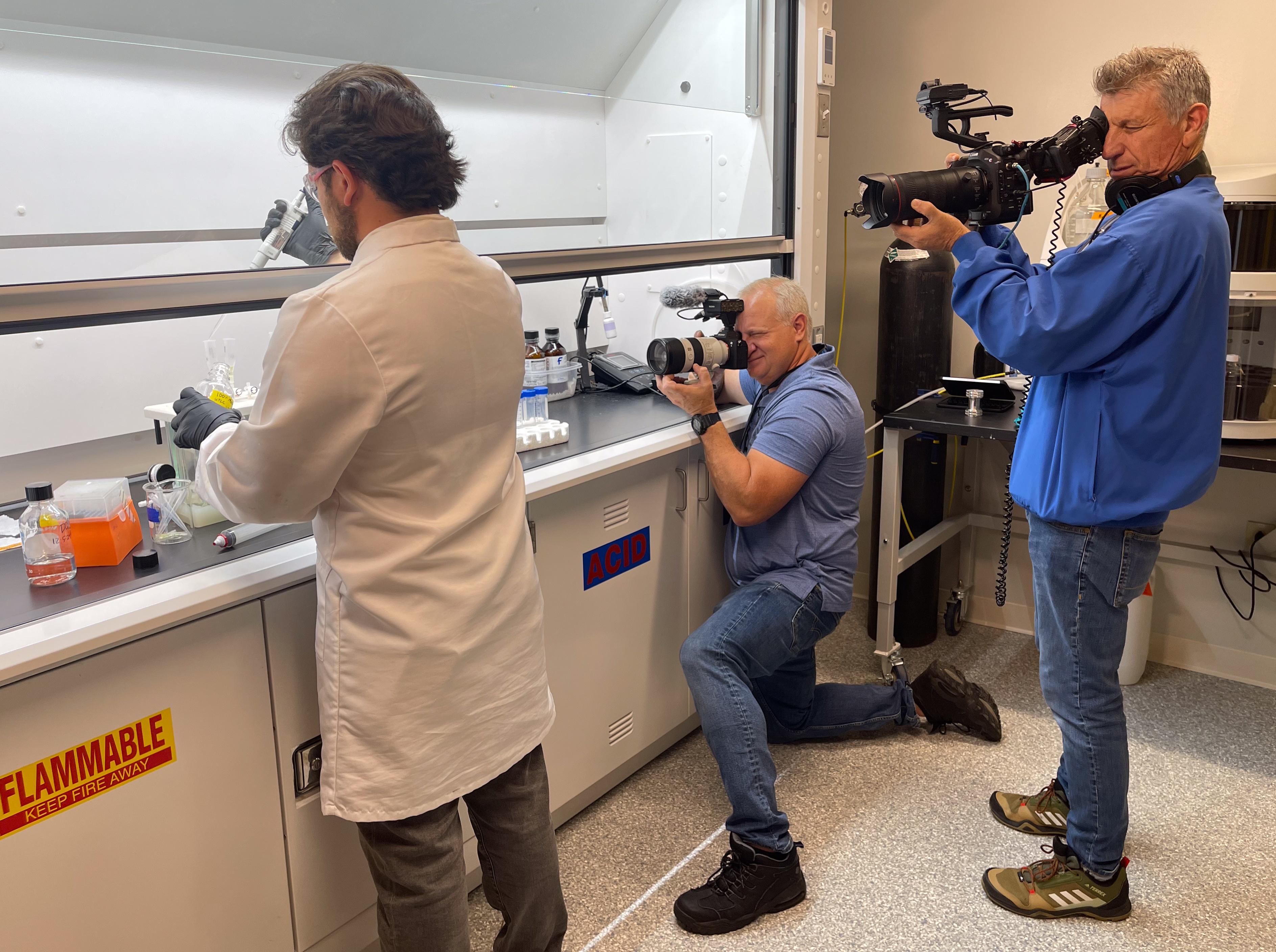
Videographer Felipe Marrou films a researcher with FWC's Harmful Algal Bloom Group who is analyzing a water sample.
9 / 28
Share This Gallery
Researchers use a variety of tools to identify single-celled algae. A scanning electron microscope provides greater detail than a typical light microscope.
10 / 28
Share This Gallery
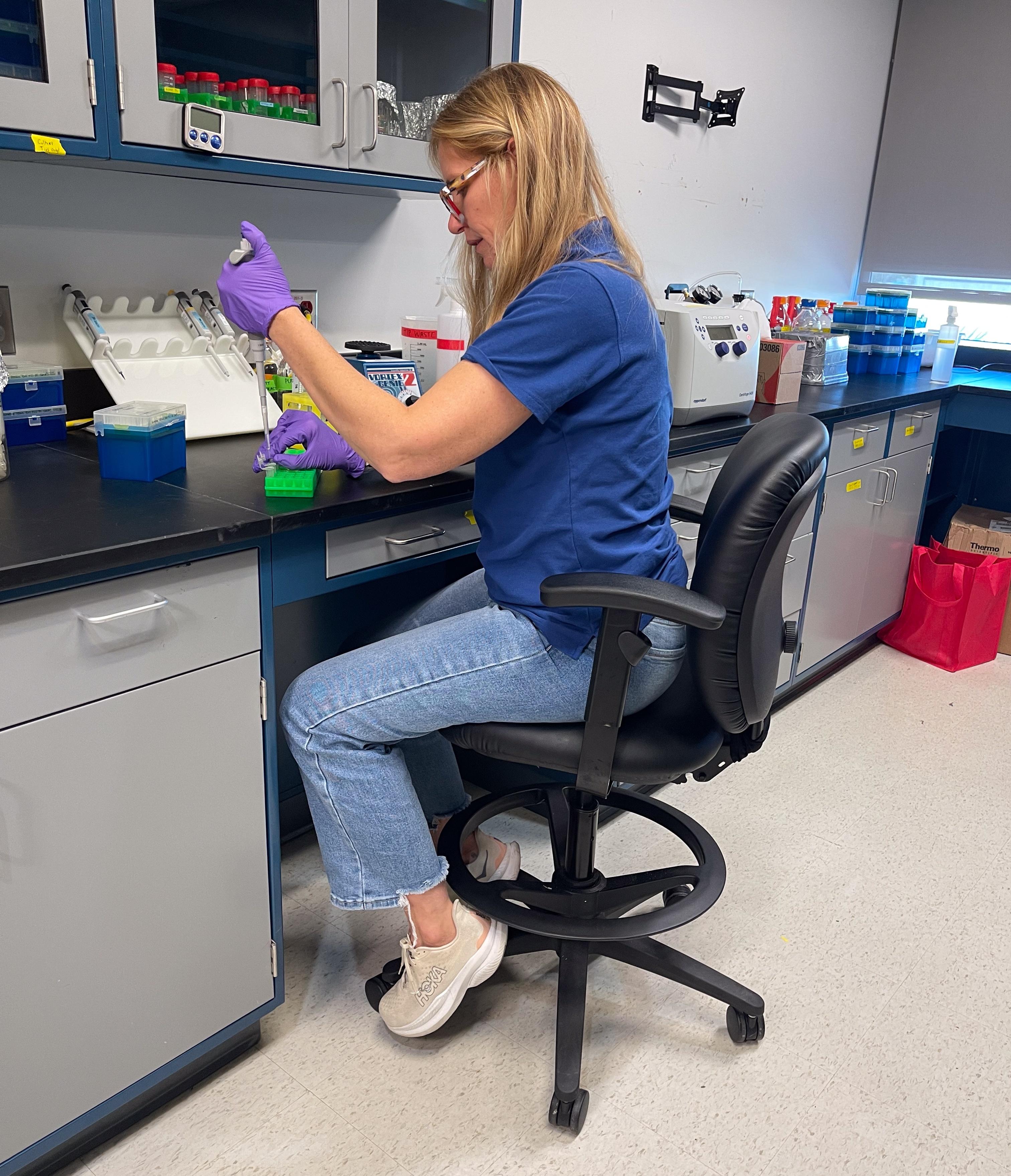
Kate Hubbard, Ph.D. is also using molecular methods to identify algae species by their DNA.
11 / 28
Share This Gallery
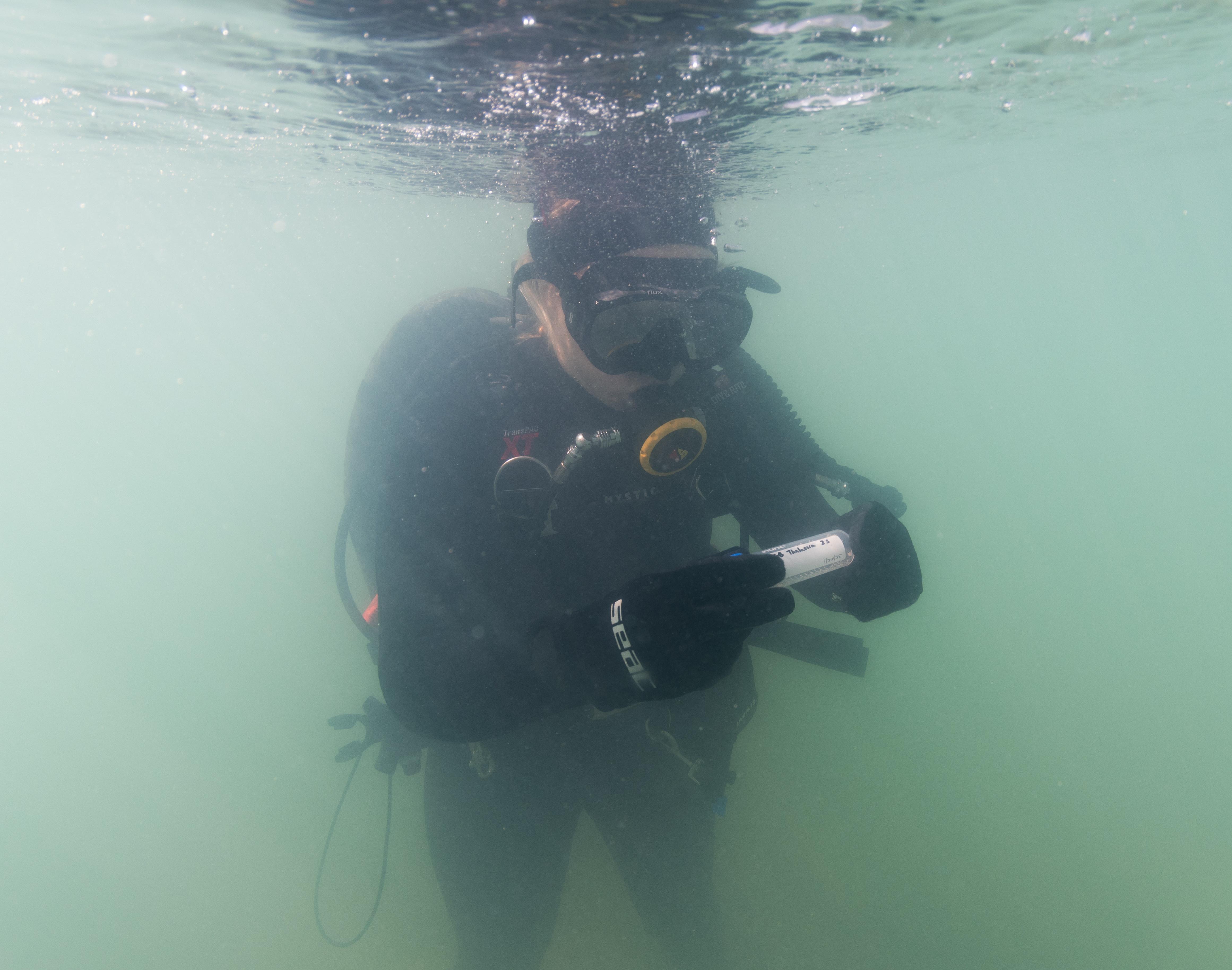
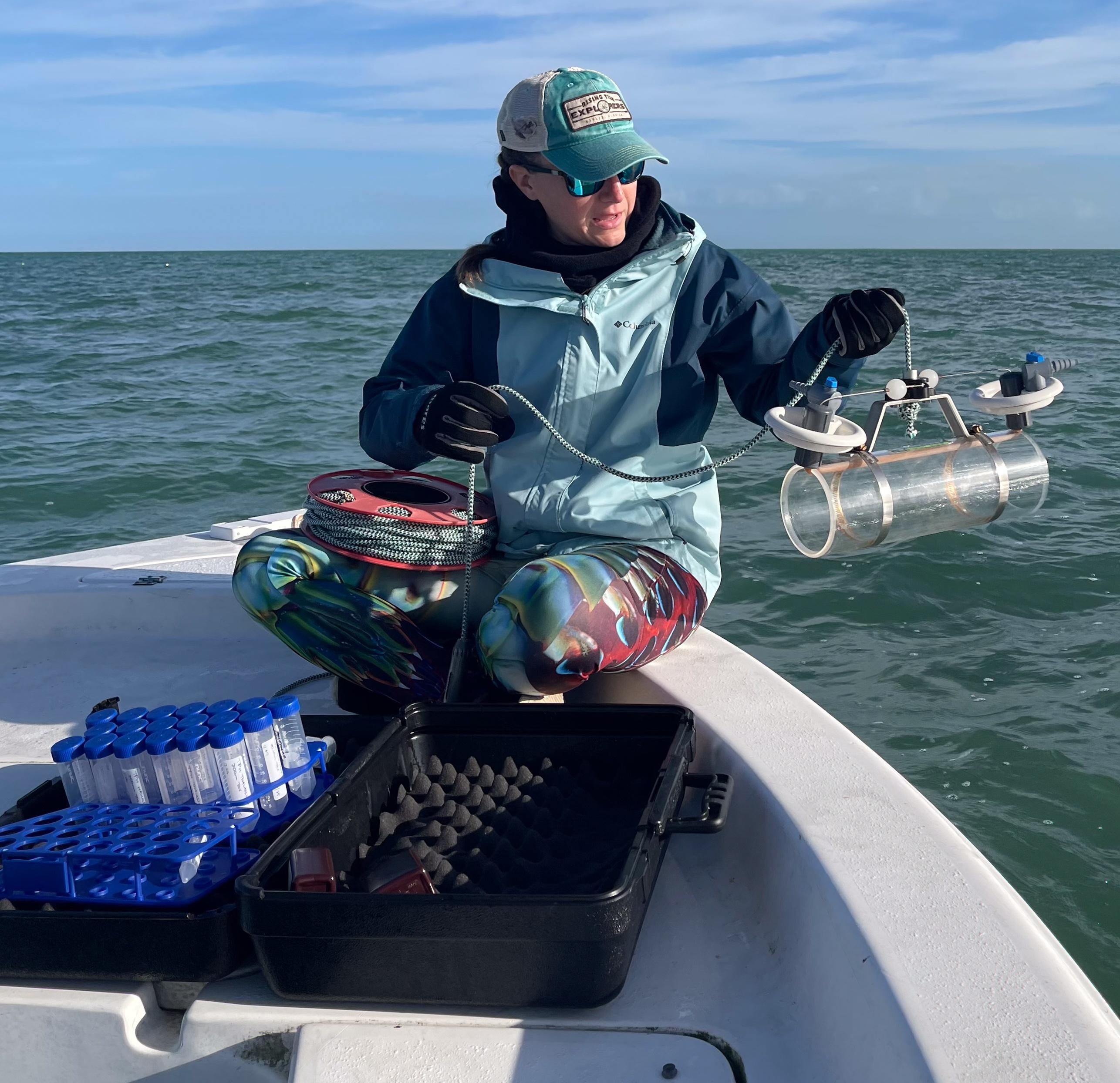
A researcher from Florida Gulf Coast University's Water School collects an algae sample in the Florida Keys.
12 / 28
Share This Gallery
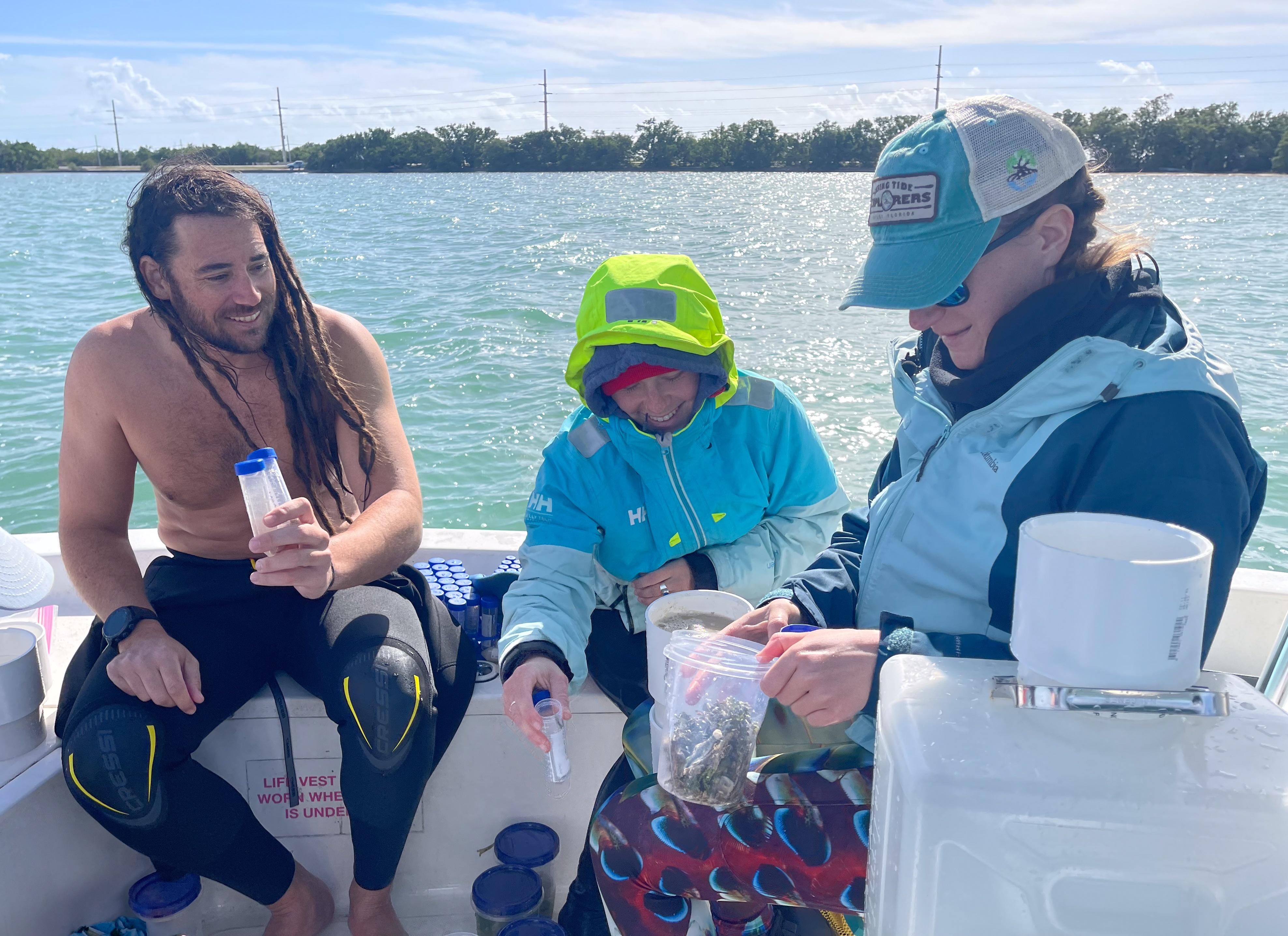
A team of researchers from Florida Gulf Coast University's Water School collect algae samples in the Florida Keys.
13 / 28
Share This Gallery
Florida Gulf Coast University Research Lab Coordinator Rachael Schinbeckler collects a water sample in the Florida Keys.
14 / 28
Share This Gallery
Samples collected in the Florida Keys by researchers from Florida Gulf Coast University's Water School will be analyzed back in the lab in Fort Myers, Florida.
15 / 28
Share This Gallery
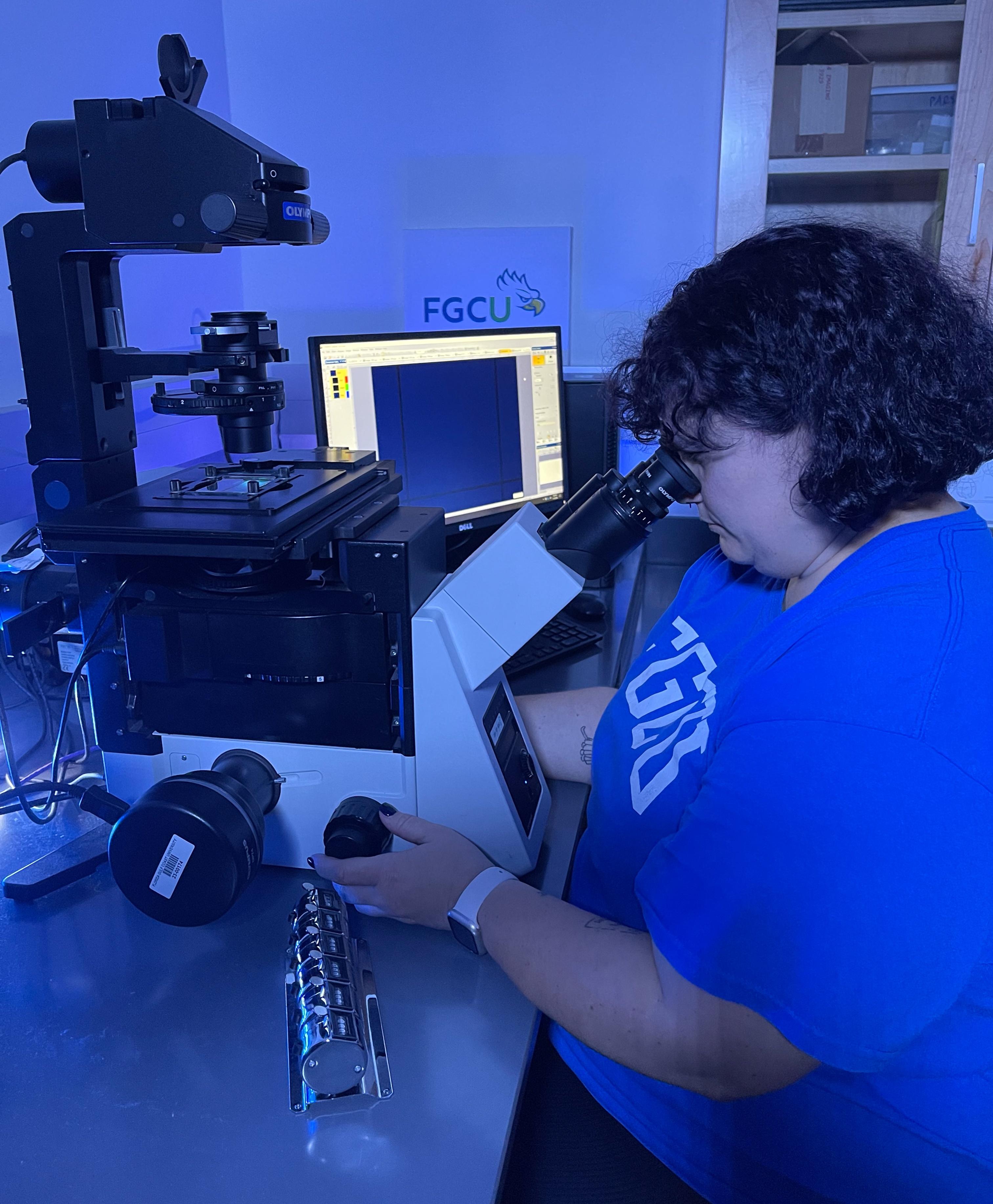
Florida Gulf Coast University researcher Tynisha Martin looks at dinoflagellates under the microscope.
16 / 28
Share This Gallery
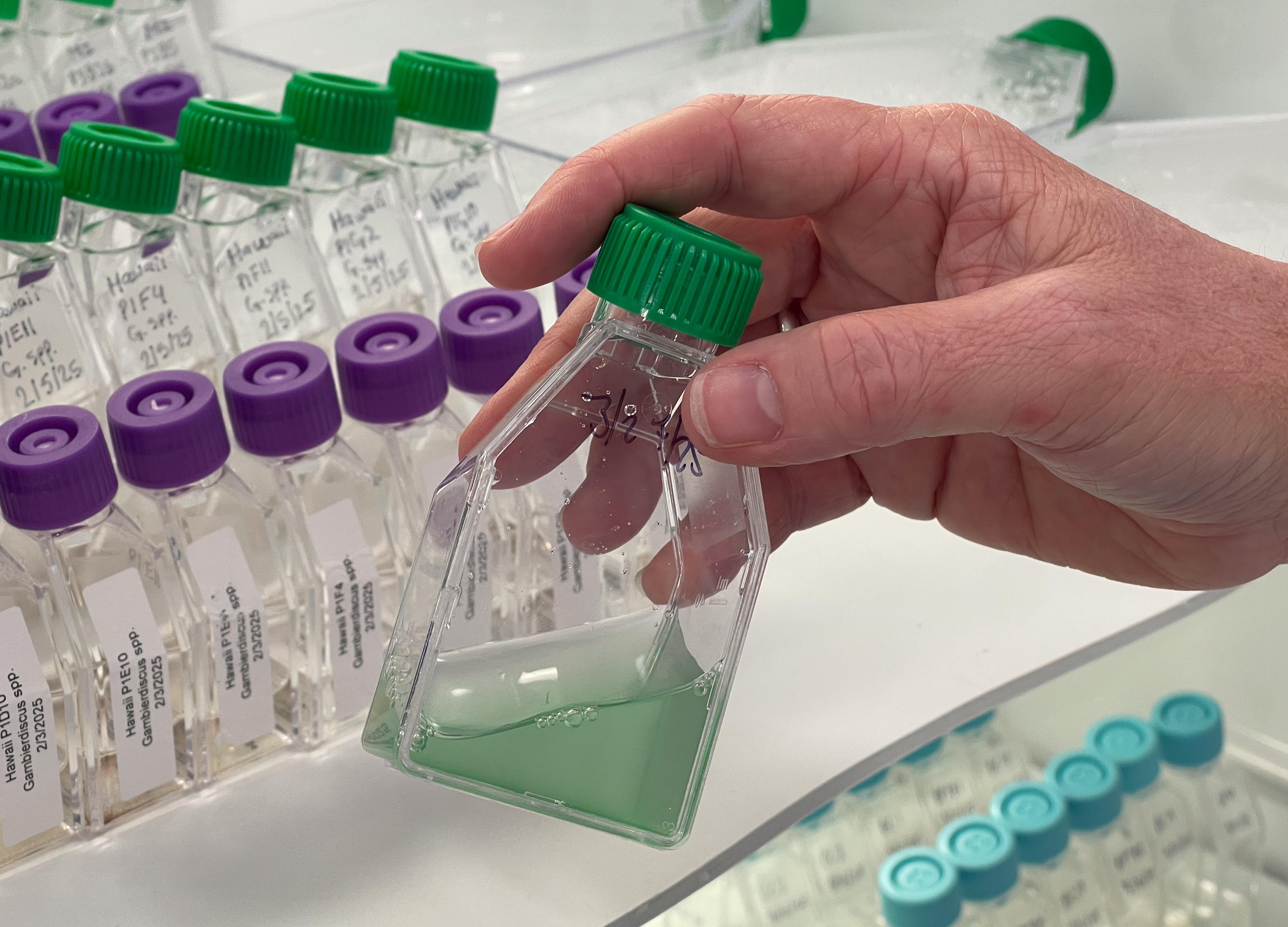
Alison Robertson, Ph.D. and her collaborators share a large microalgae culture collection that allows experts to conduct experiments.
17 / 28
Share This Gallery
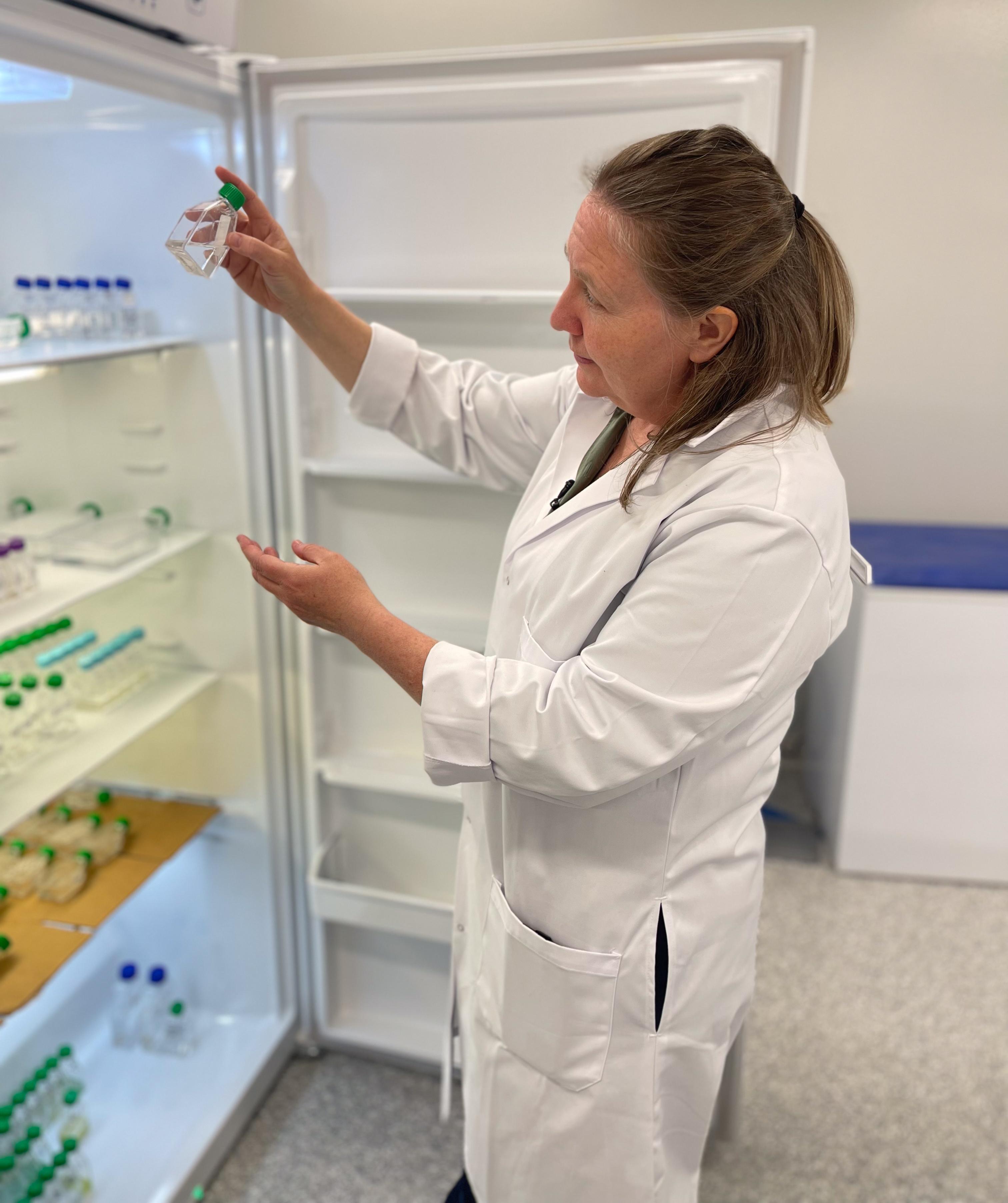
Alison Robertson, Ph.D. holds a microalgae sample from her large collection.
18 / 28
Share This Gallery
The Changing Seas crew films a researcher at the University of South Alabama who is preparing a field sample for analysis.
19 / 28
Share This Gallery
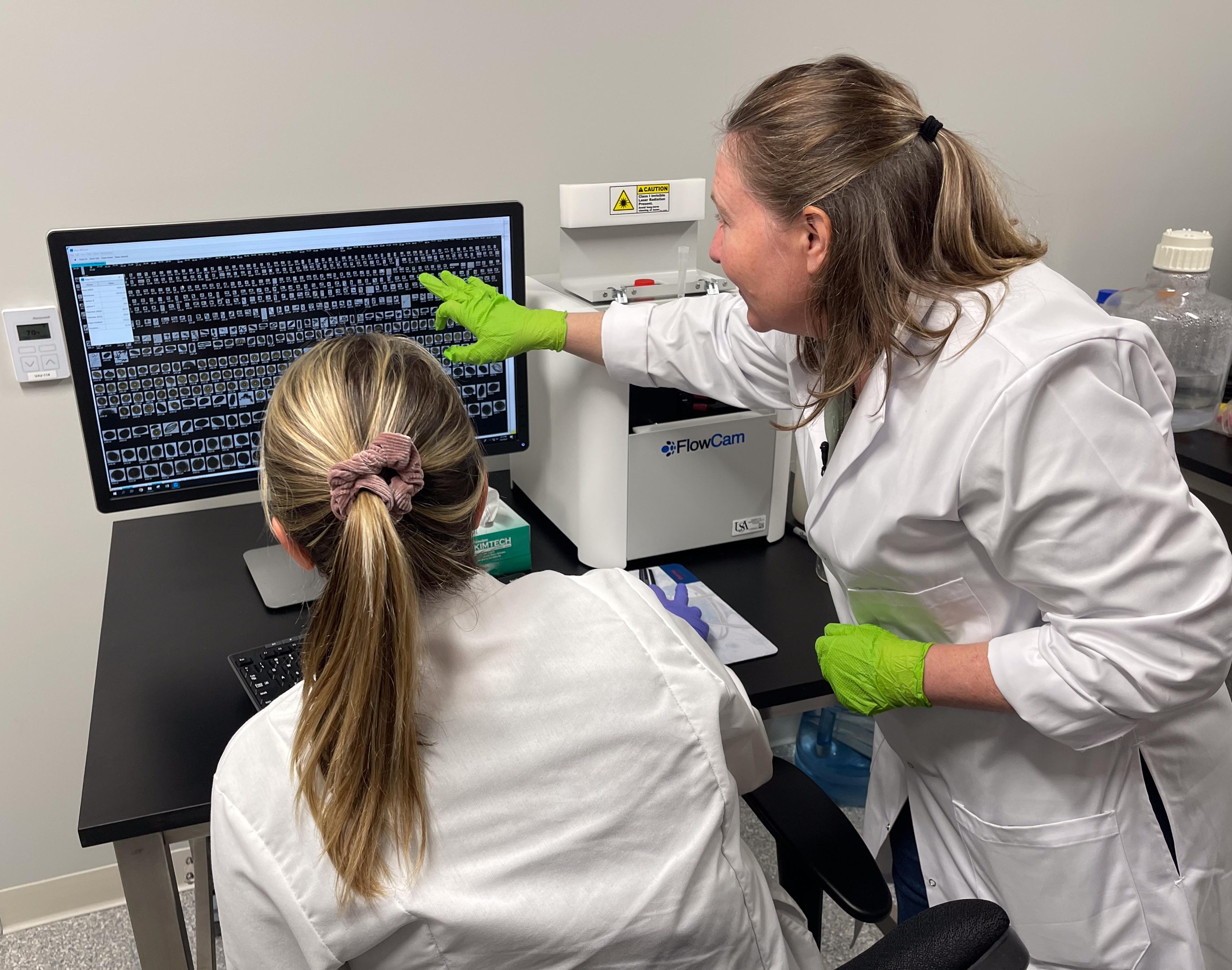
Alison Robertson, Ph.D. points at a variety of microalgae species recorded by a flow cam, an instrument that captures high-resolution digital images of microscopic particles as they flow through the device, allowing for the identification, measurement, and classification of these particles.
20 / 28
Share This Gallery
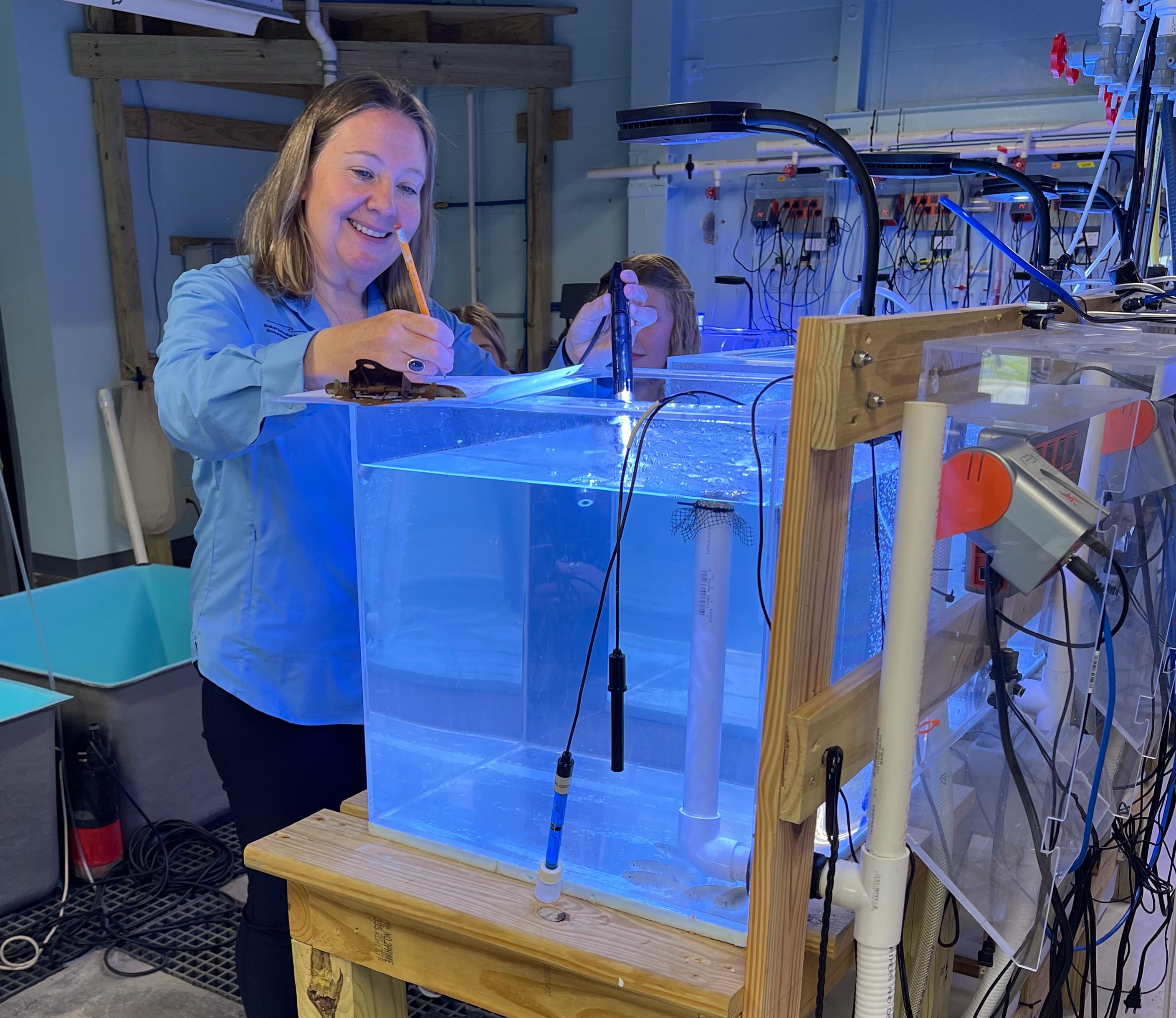
Once toxins have been isolated and identified, Alison Robertson, Ph.D. conducts multi-stressor experiments on fish to see if she can induce spinning behavior.
21 / 28
Share This Gallery
Researchers can adjust a variety of parameters during multi-stressor experiments on fish.
22 / 28
Share This Gallery
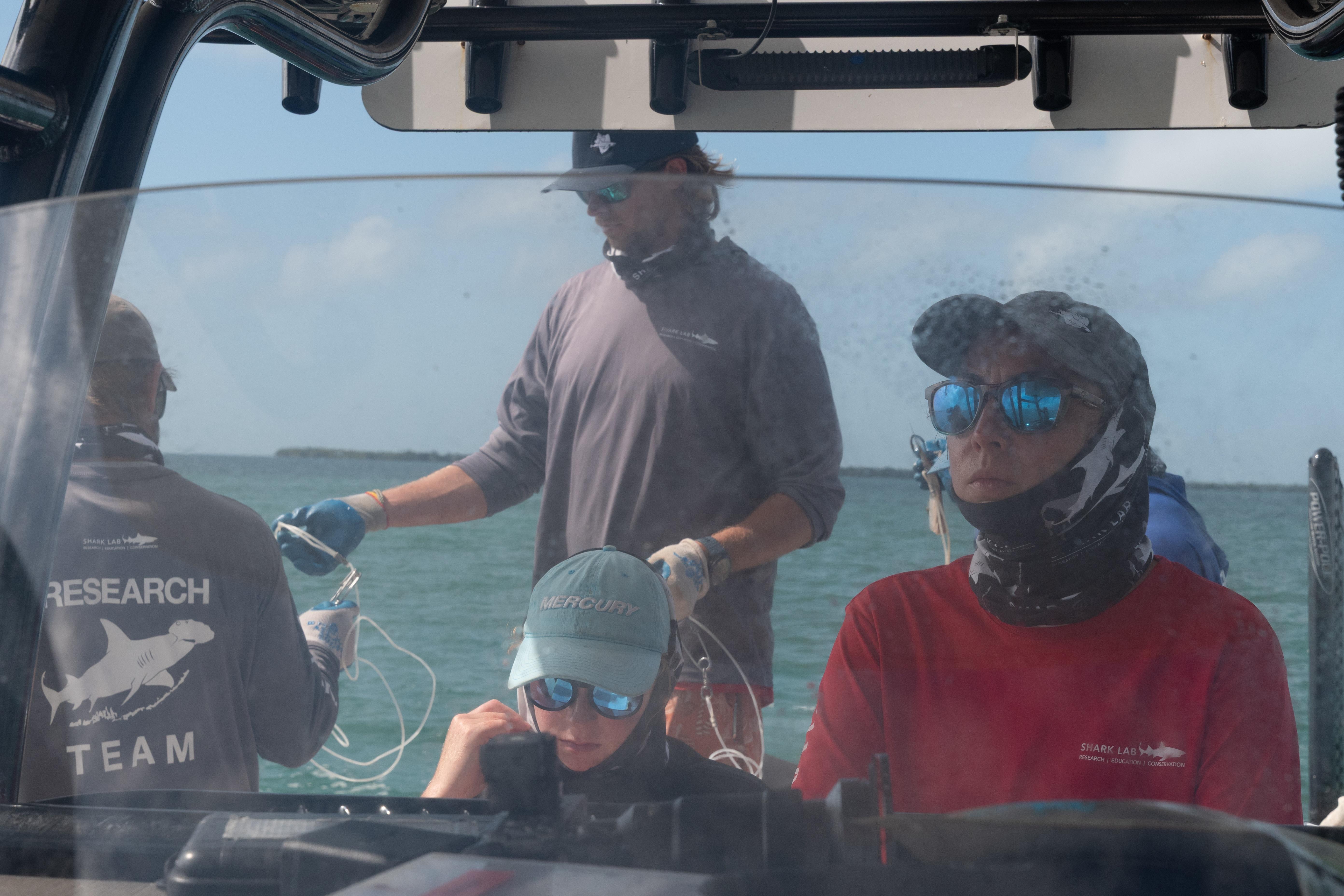
It’s not just bony fishes that were affected by this event. Researchers with the Bimini Shark Lab looked at the impact on different shark species.
23 / 28
Share This Gallery
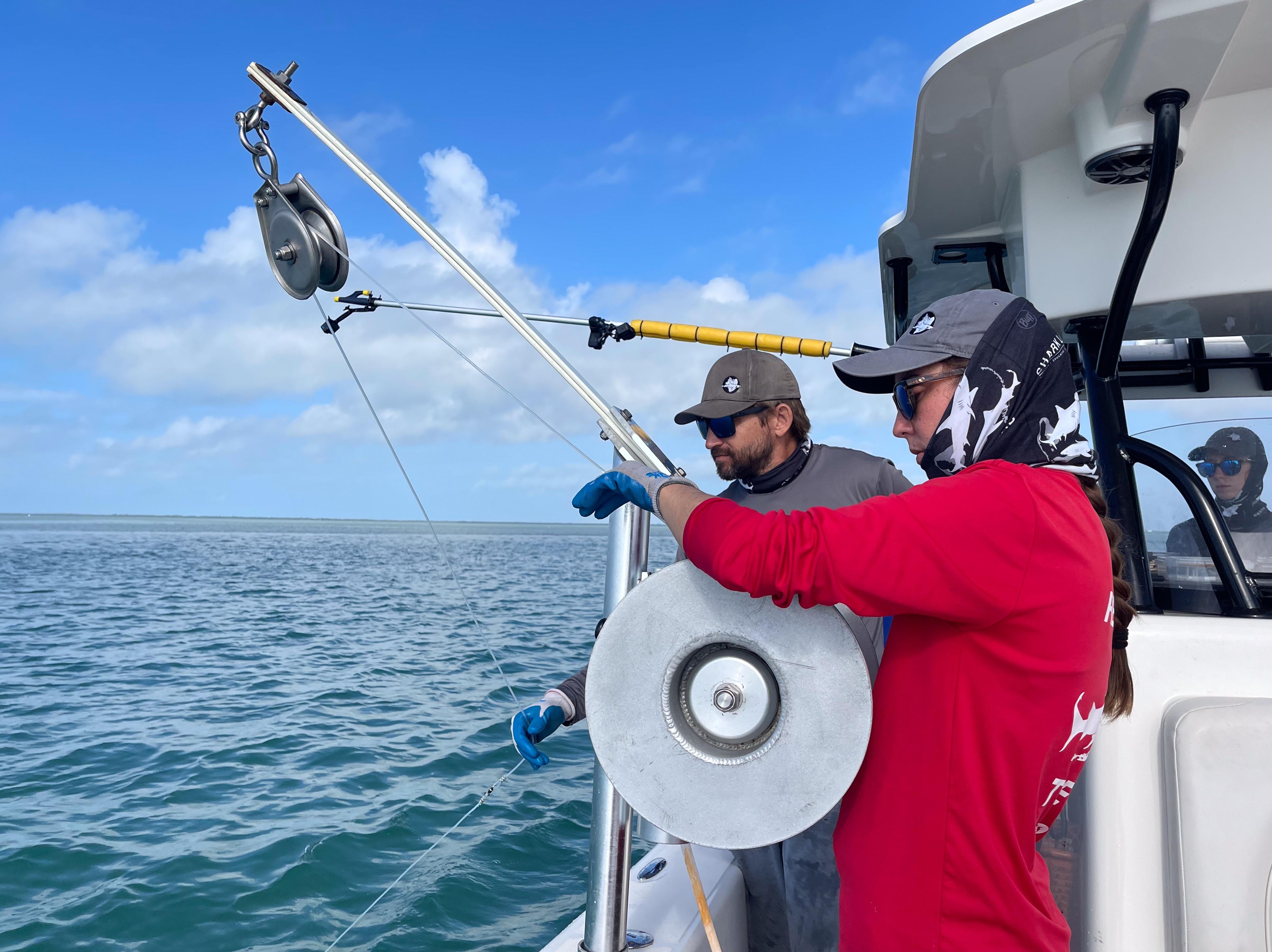
Scientists from the Bimini Shark lab set longlines to catch sharks for their research.
24 / 28
Share This Gallery
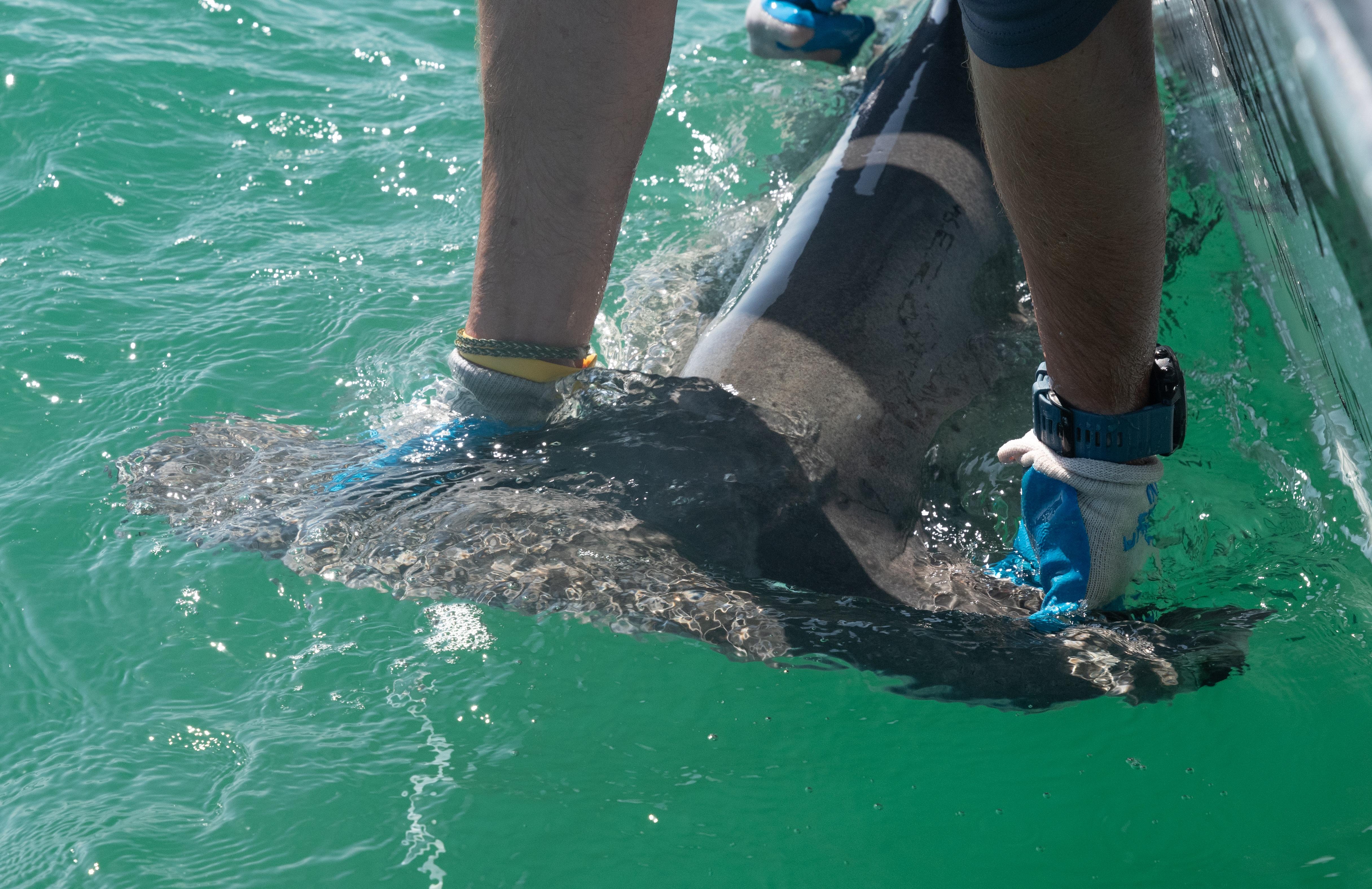
Researchers with the Bimini Shark Lab capture a hammerhead shark.
25 / 28
Share This Gallery
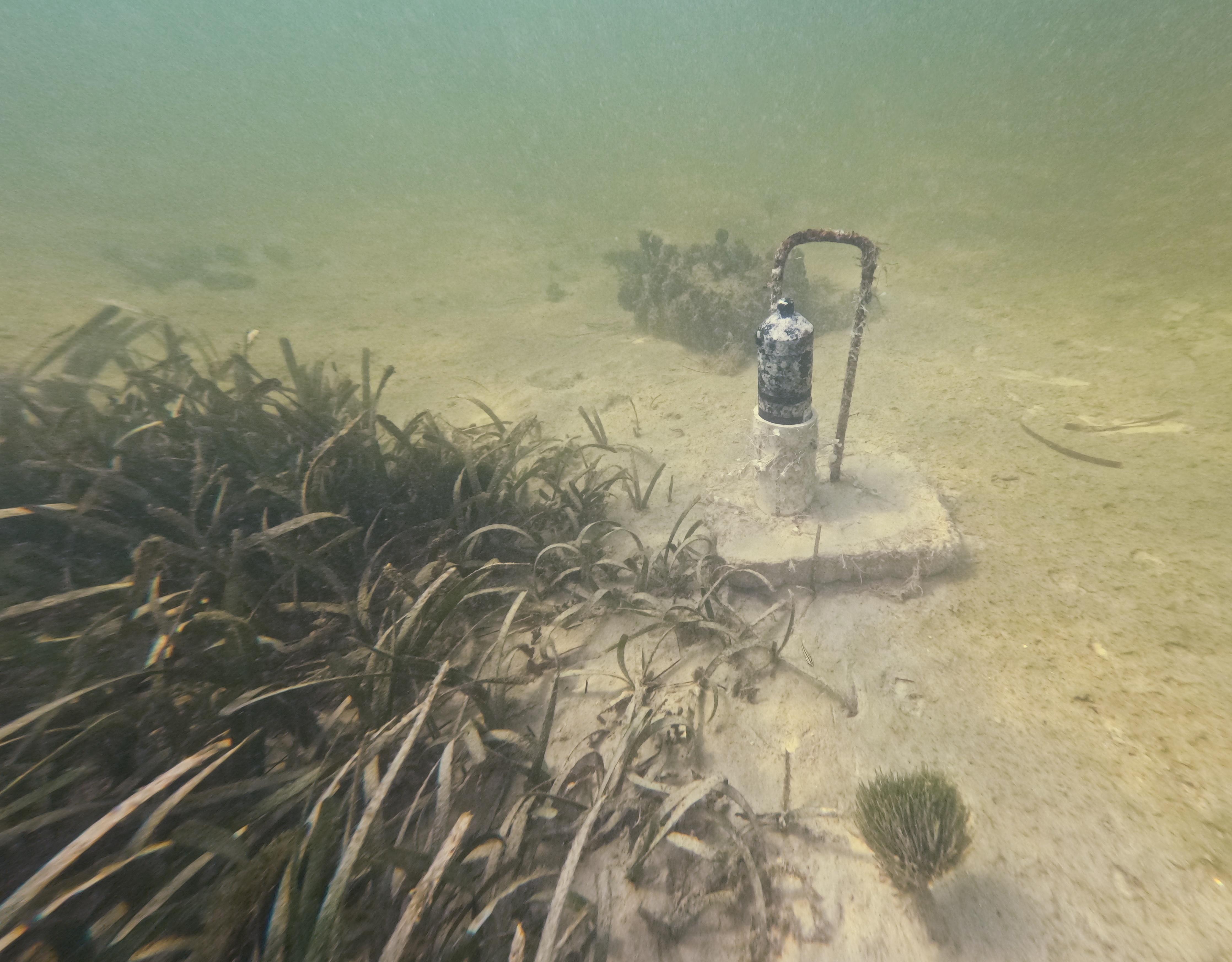
Researchers studying all types of fishes use surgically implanted acoustic tags to study the movement of the animals. These tags ping off receivers like this one, which is part of a large network of receivers along the coast.
26 / 28
Share This Gallery
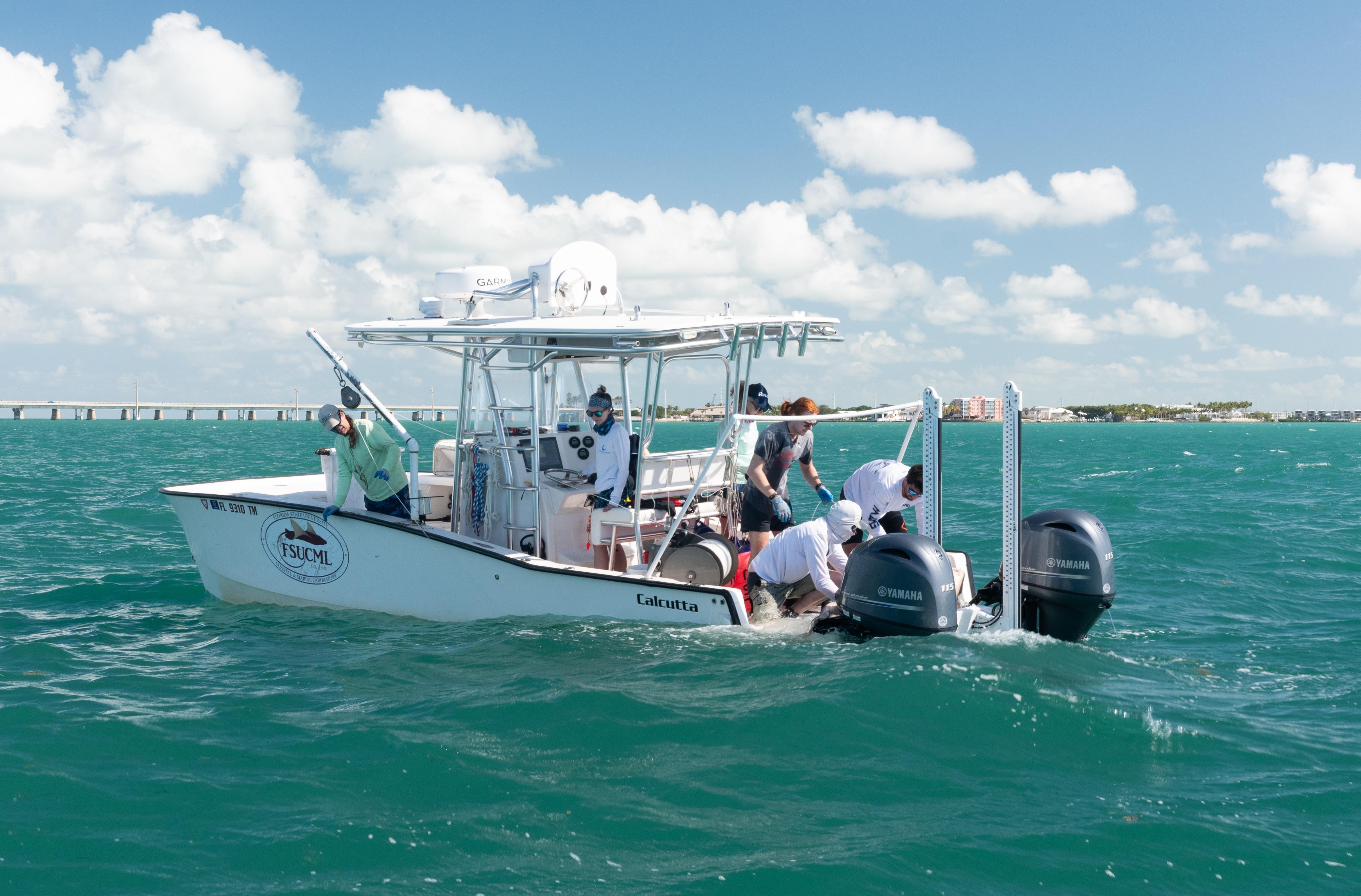
Researchers with FSU's Coastal and Marine Laboratory study adult smalltooth sawfish in the Florida Keys.
27 / 28
Share This Gallery
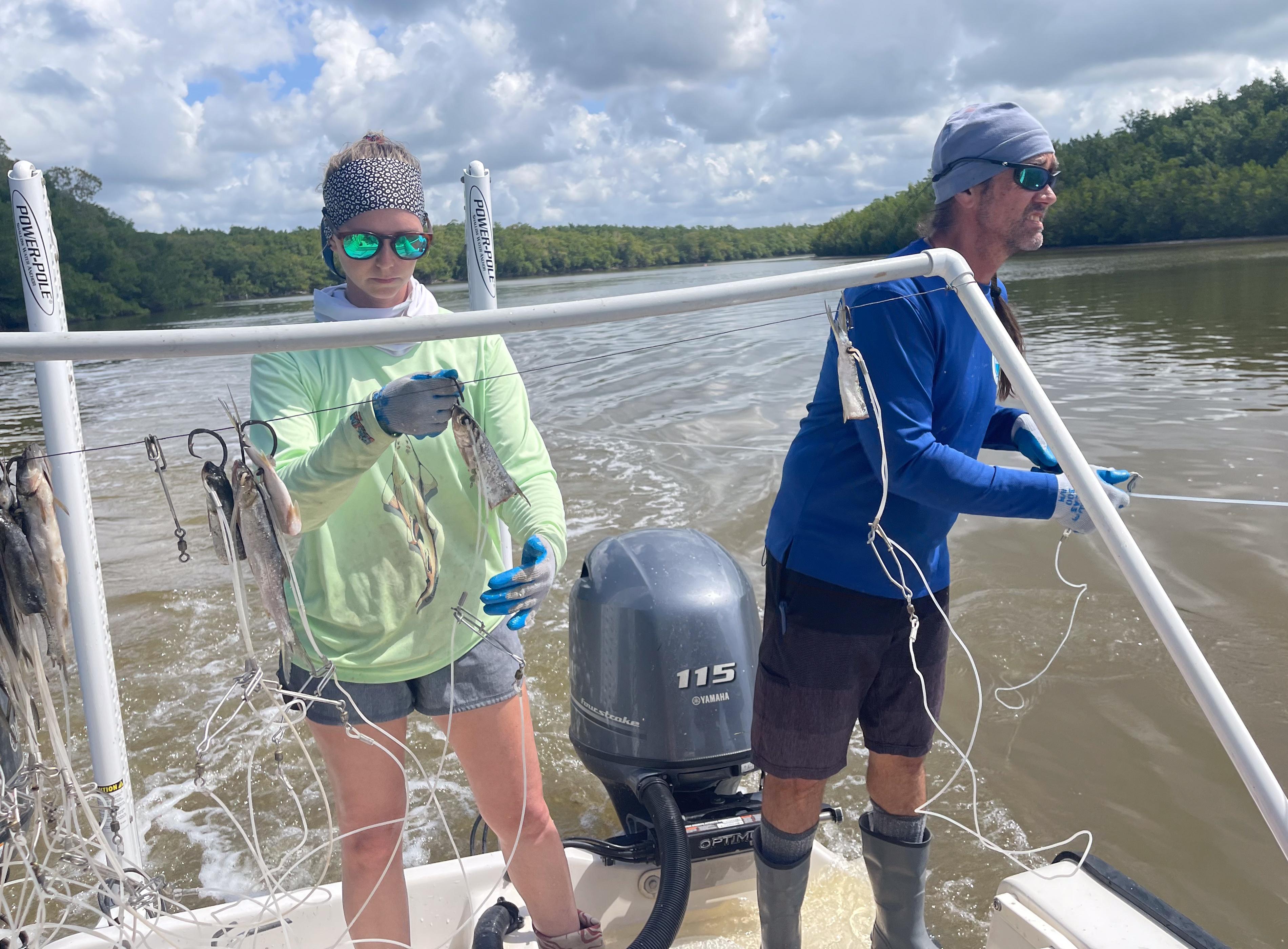
Dean Grubbs, Ph.D. and his team have been studying adult sawfish in the Florida Keys and Everglades National Park since 2011.
28 / 28
Share This Gallery
Commercial fisherman Glenn Herbert Hewlett Jr. catches mullet for the Florida Fish and Wildlife Conservation Commission. Fishermen reported spinning fish in the past, but the Florida Keys had never experienced a spinning event of this magnitude.
Changing Seas would like to thank the following individuals and institutions who kindly allowed their footage, images and other media to be used in this production: