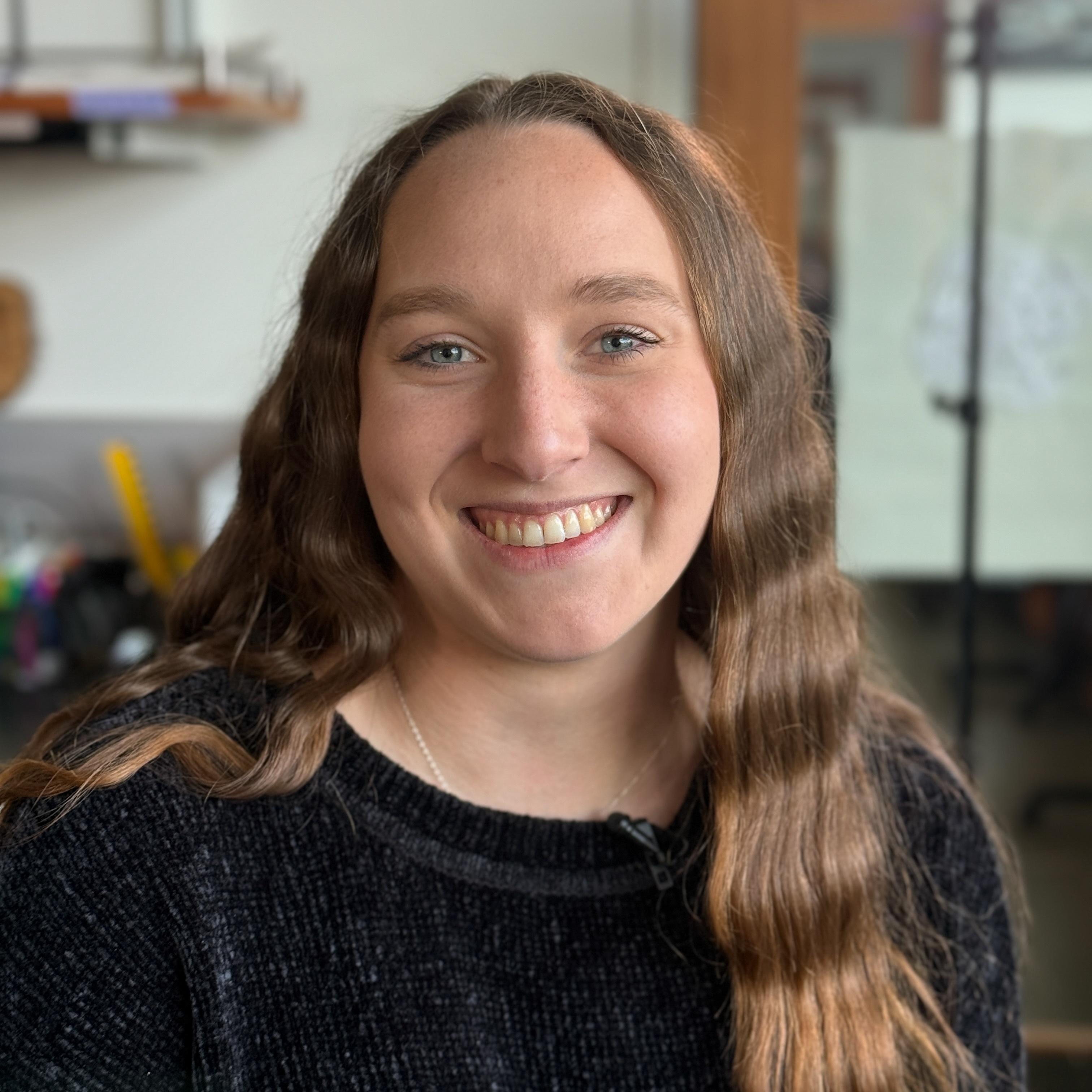
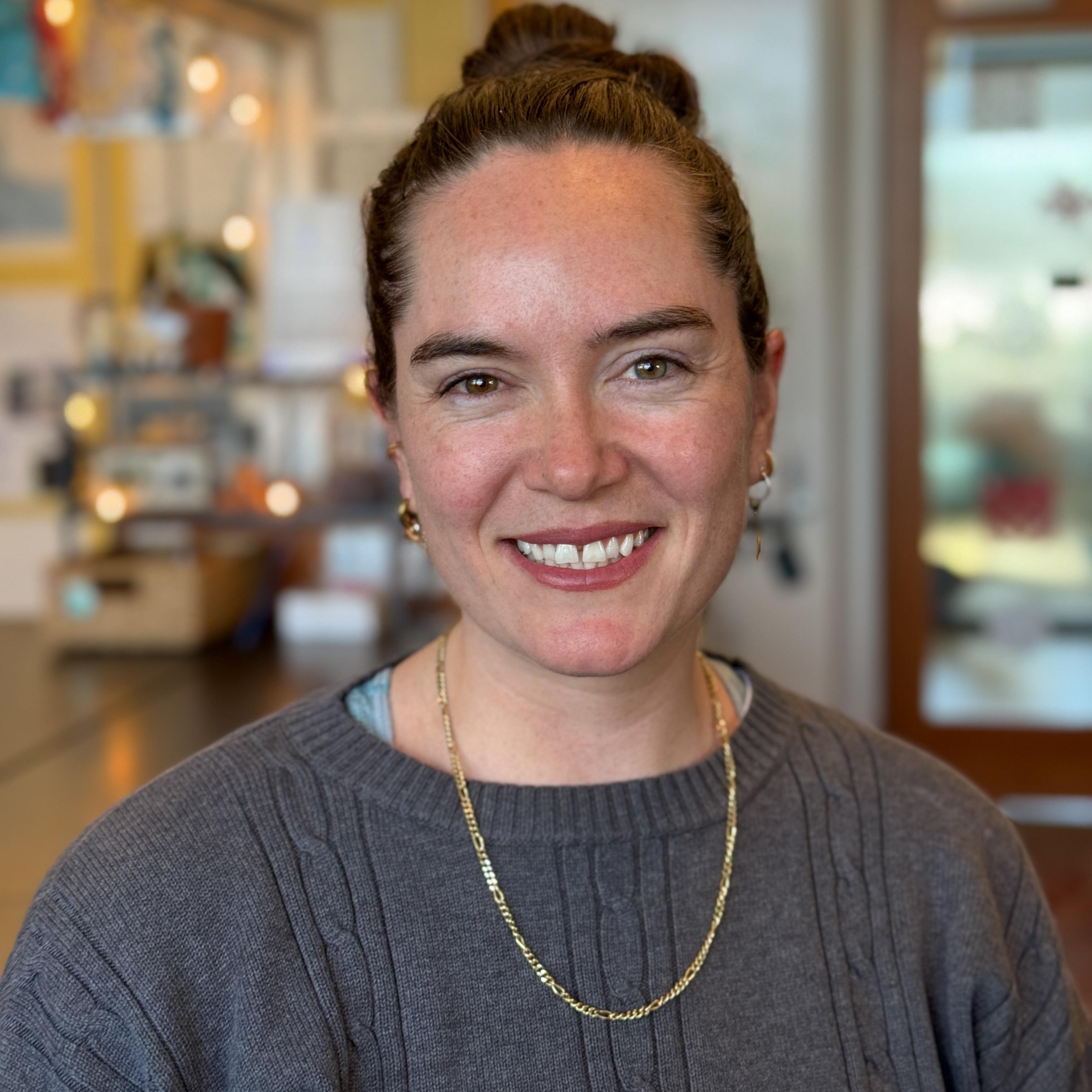
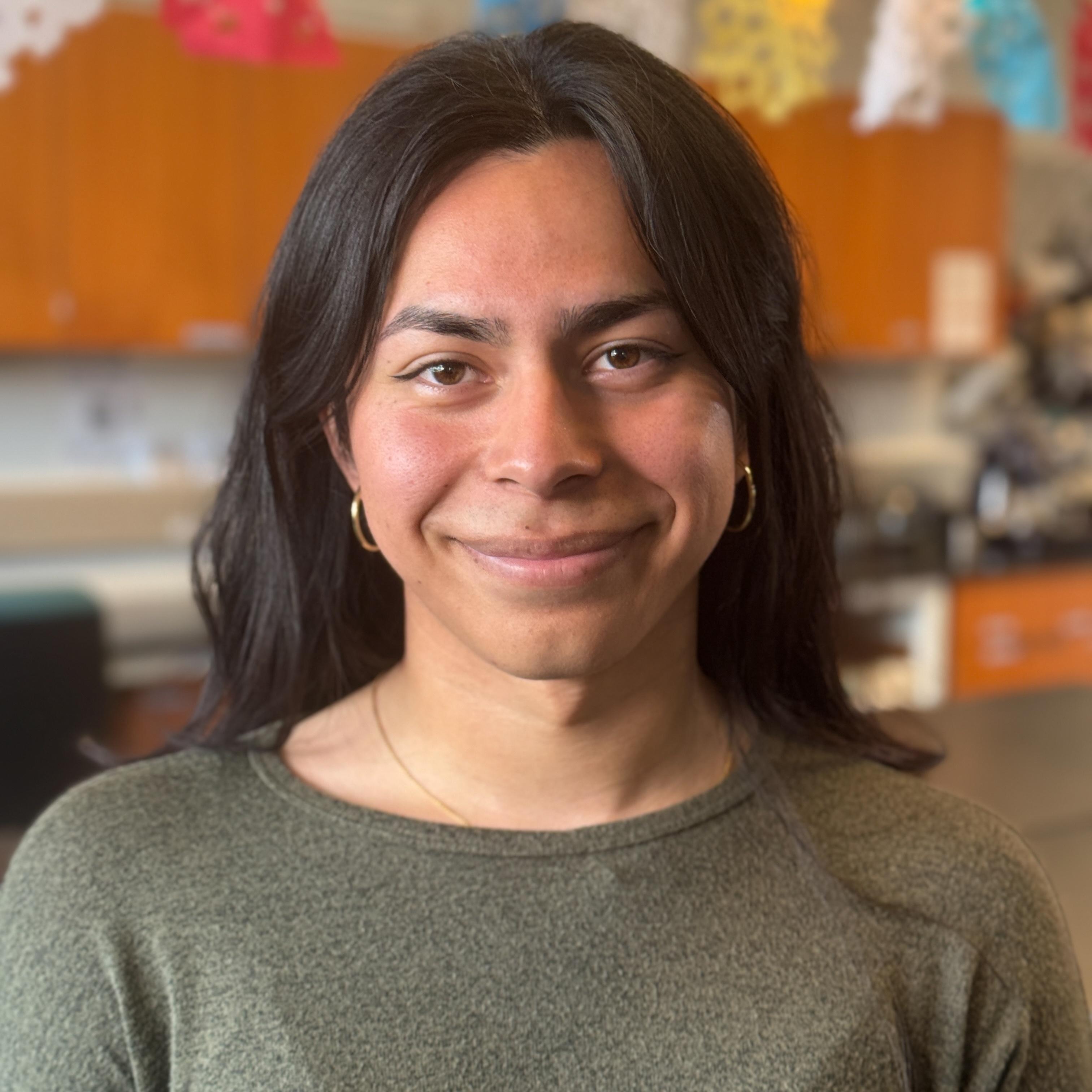
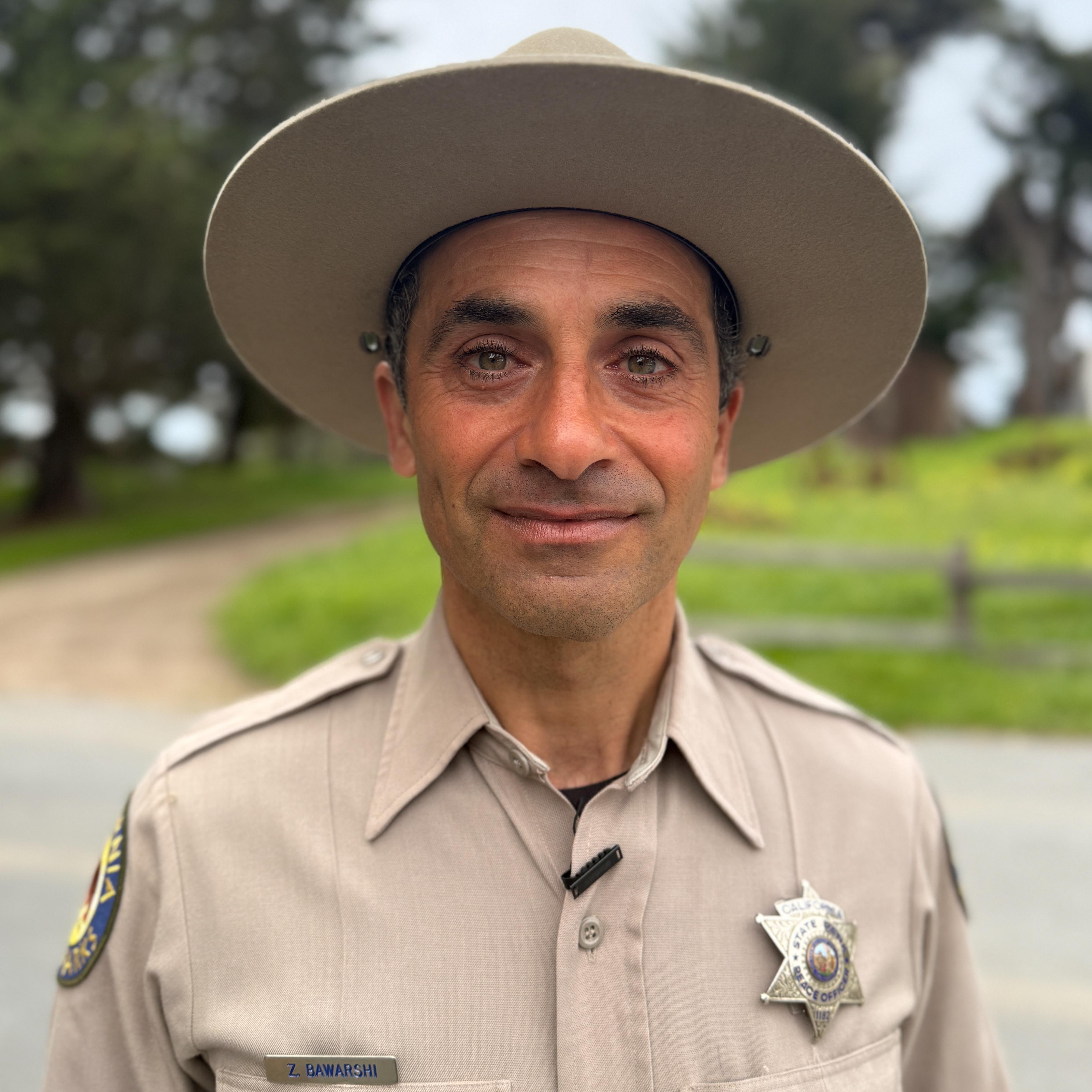
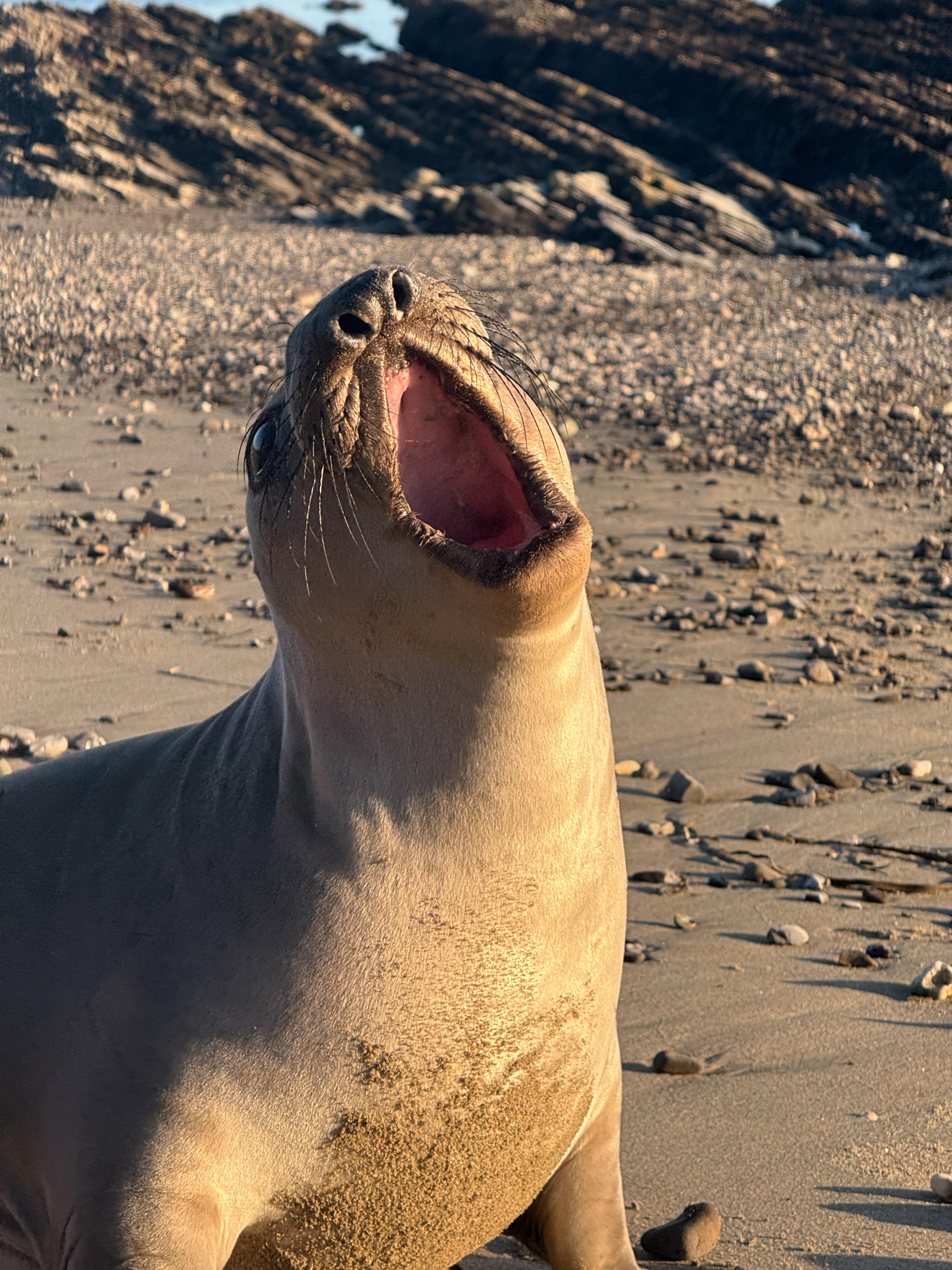
Along the rugged Northern California coast, Año Nuevo State Park harbors a thriving colony of elephant seals, a coastal gem where science and nature intertwine. Each year, thousands of seals return to breed and molt, offering rare opportunities for research. For over 50 years and across three generations of scientists, University of California Santa Cruz researchers have worked alongside seven generations of seals to better understand their life cycles and behaviors. Today, these sea sentinels are gathering invaluable data to help us better understand ocean health and marine ecology.
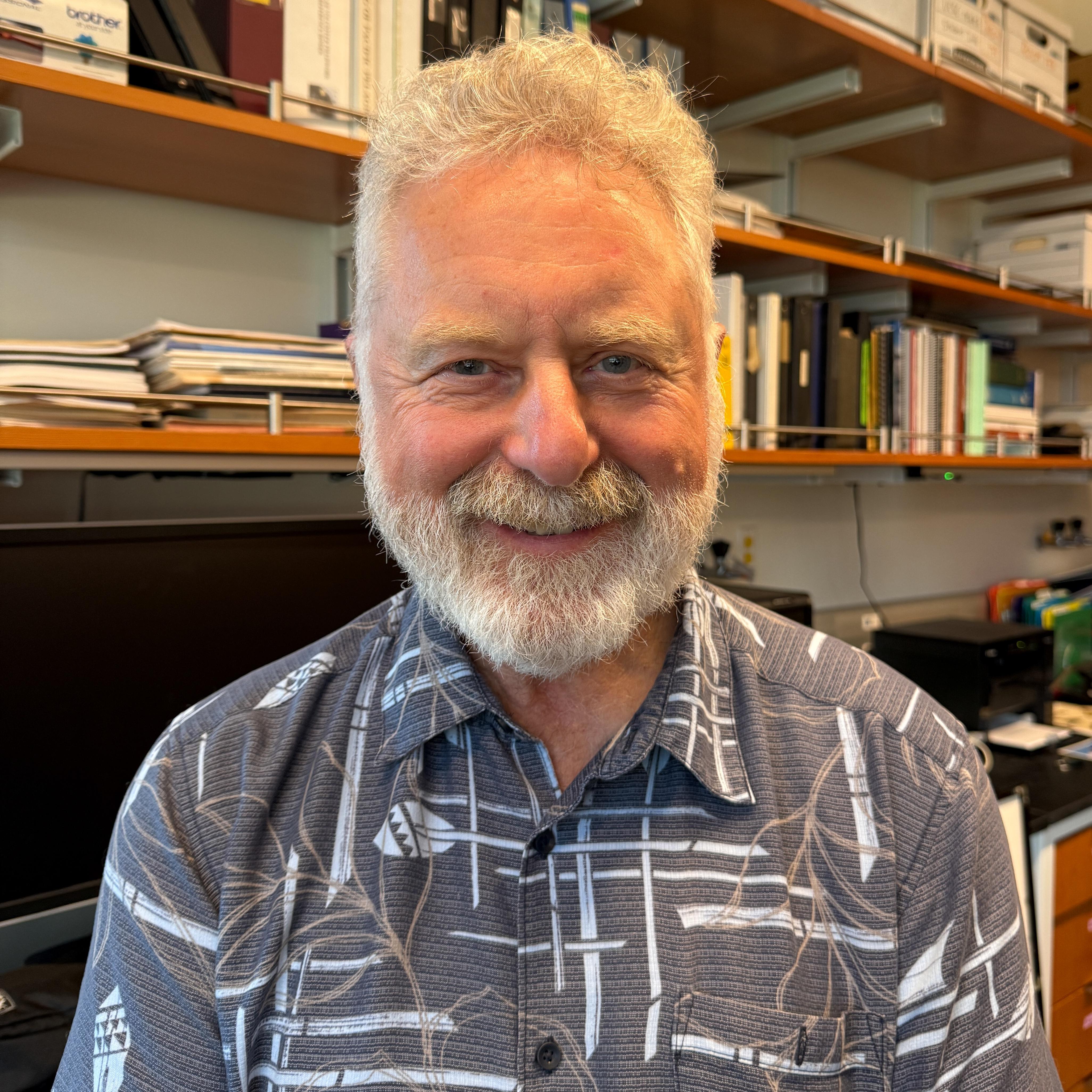
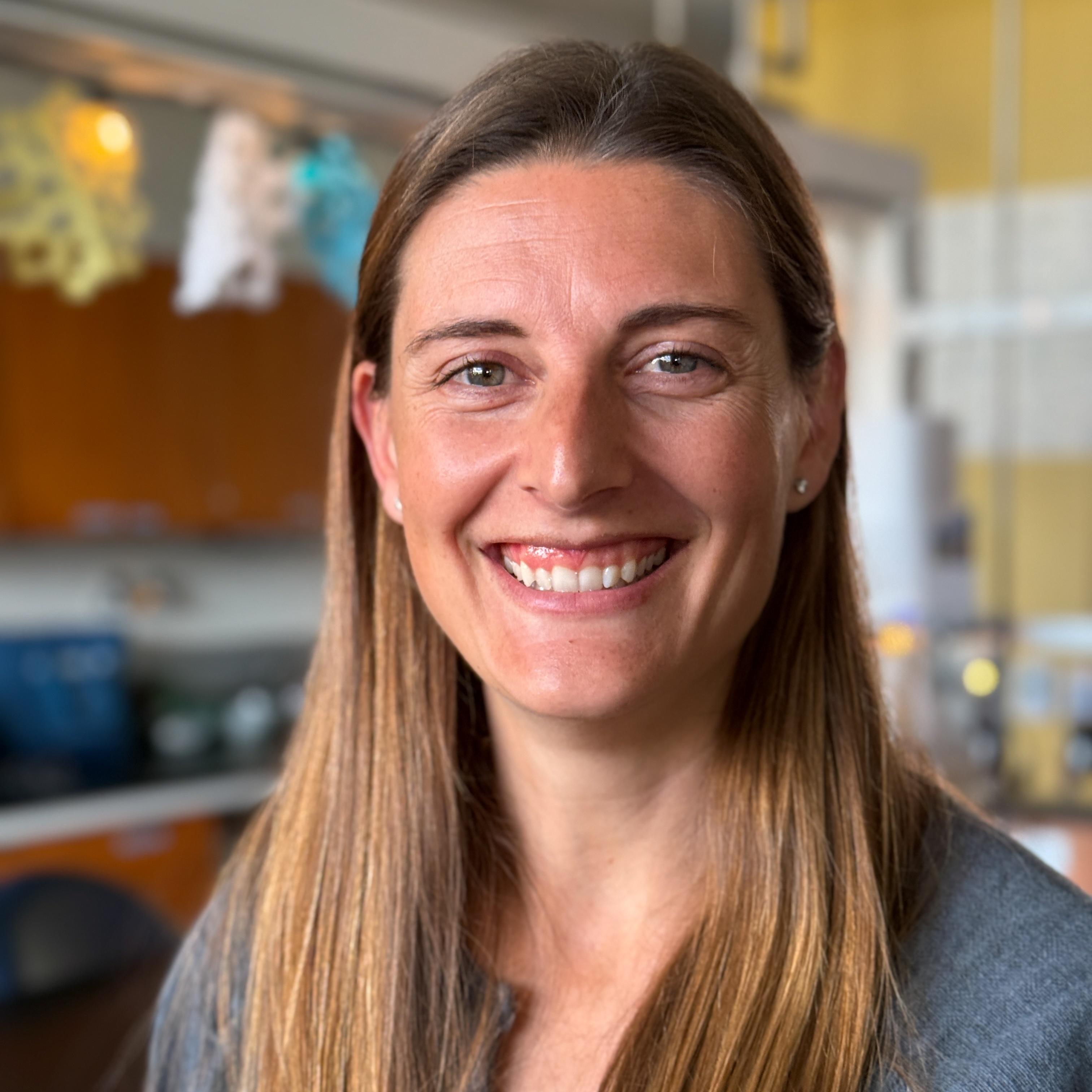
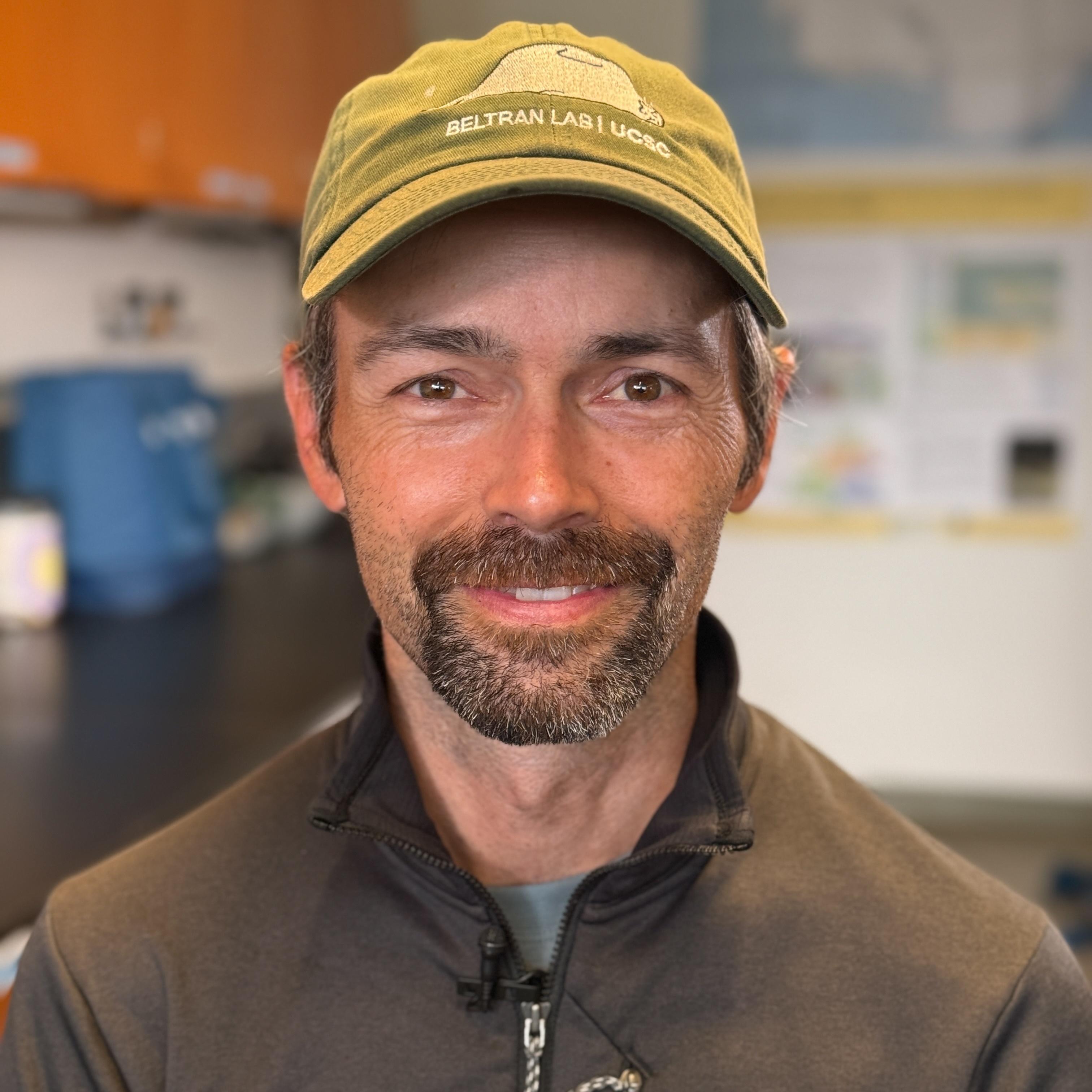
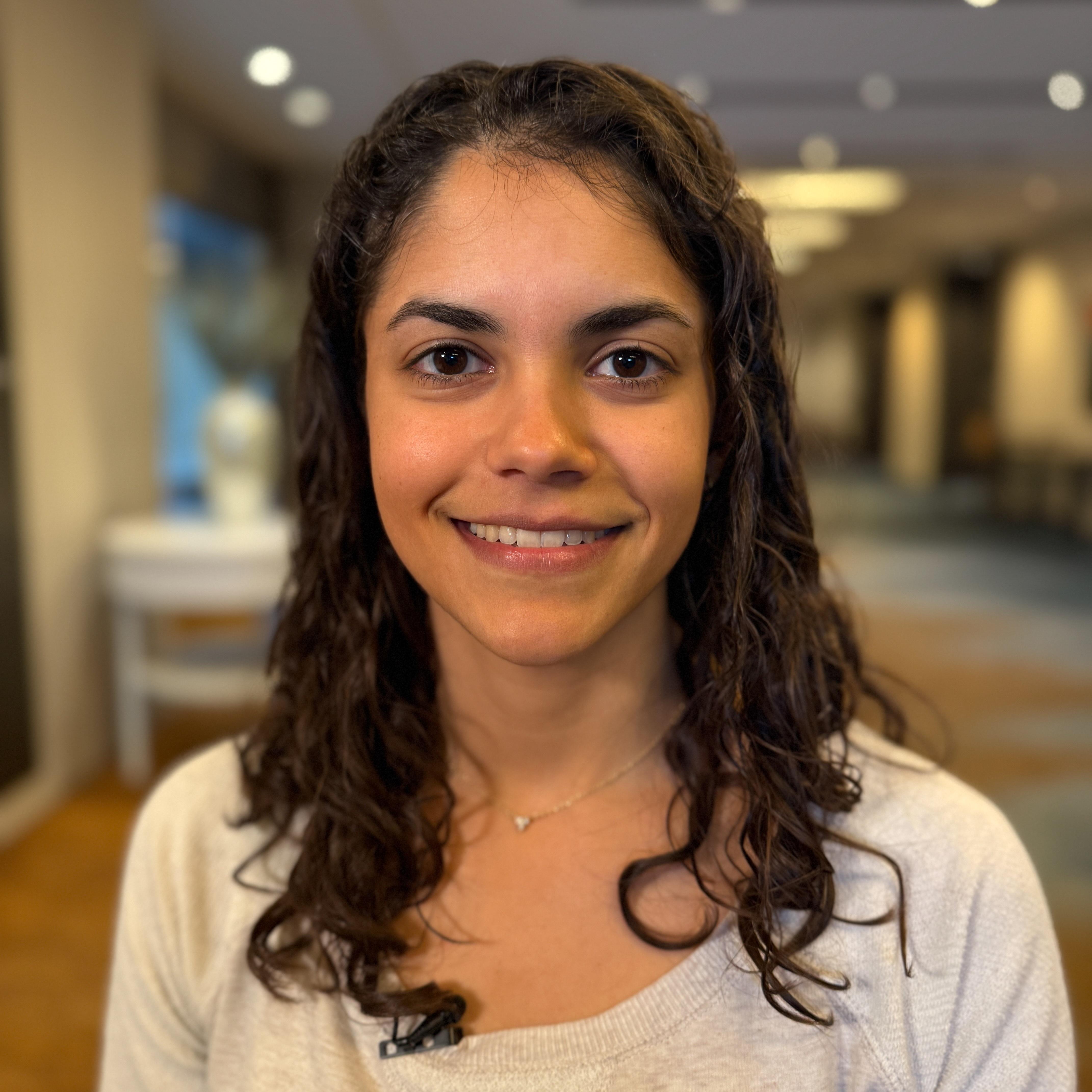
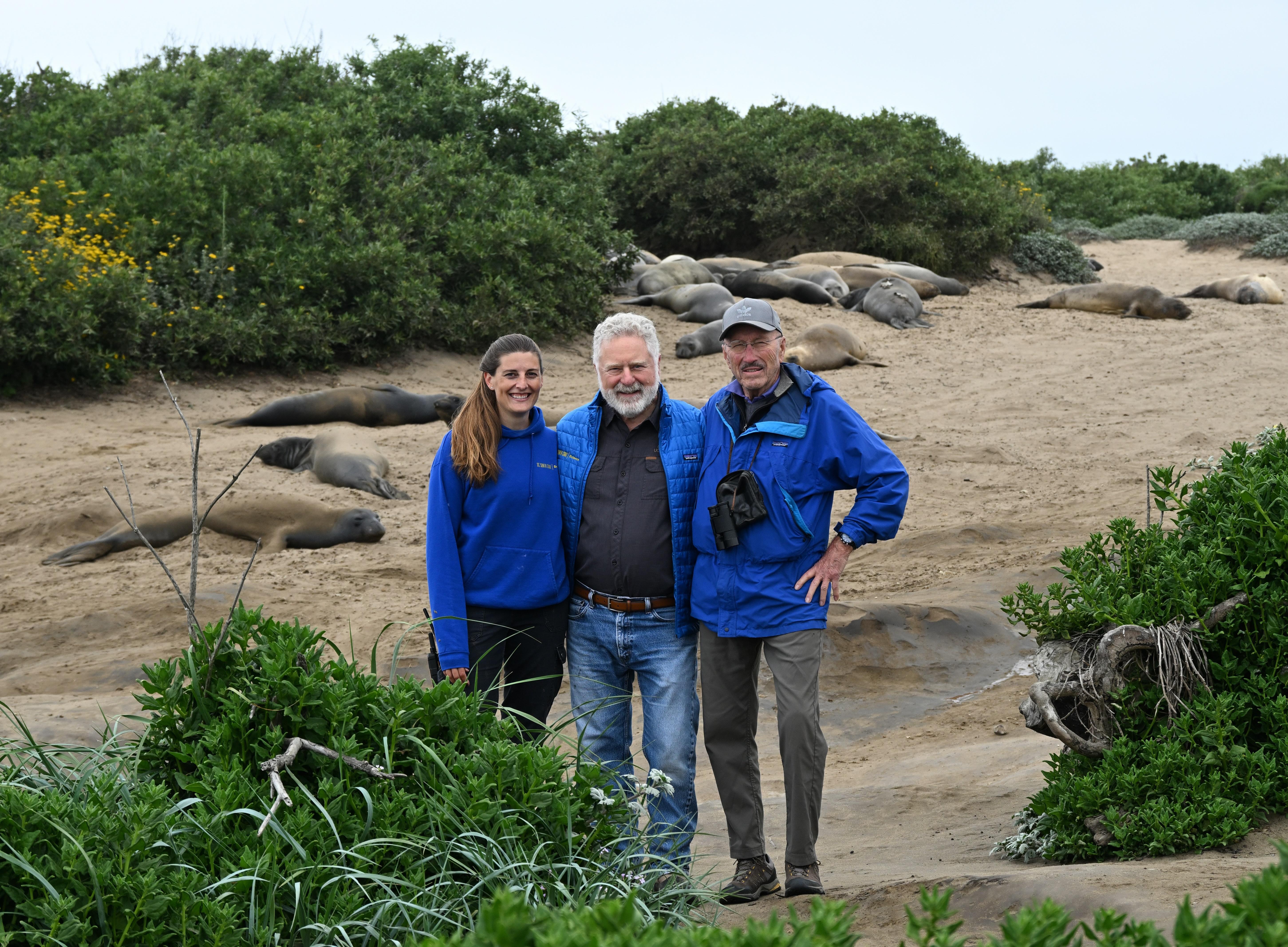
Three generations of researchers have led the northern elephant seal research program at UC Santa Cruz: Roxanne Beltran, Ph.D.; Dan Costa, Ph.D.; and Burney Le Boeuf, Ph.D. Image taken under NMFS Permits #23188 & #19108.
Changing Seas
2 / 28
Share This Gallery
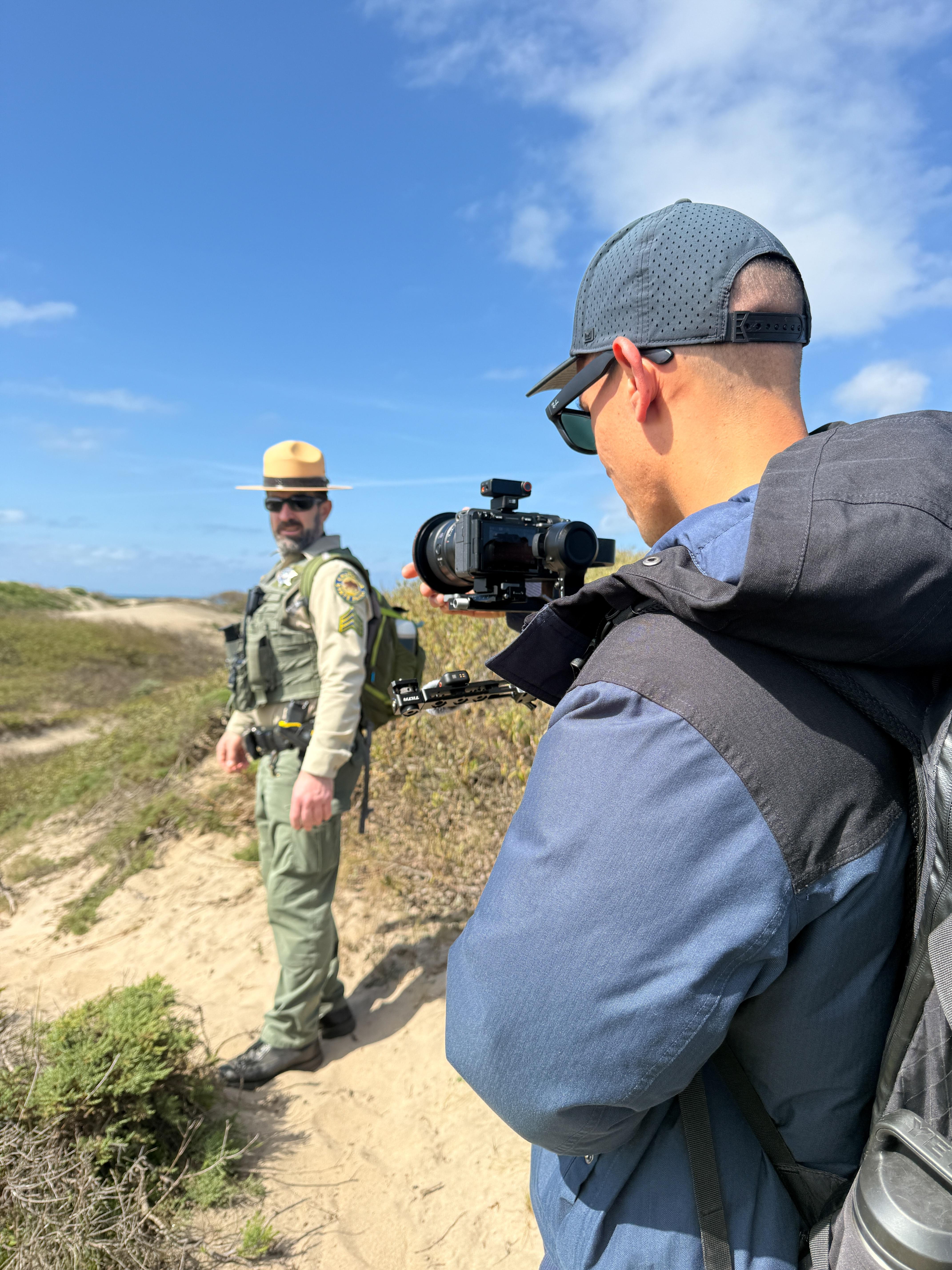
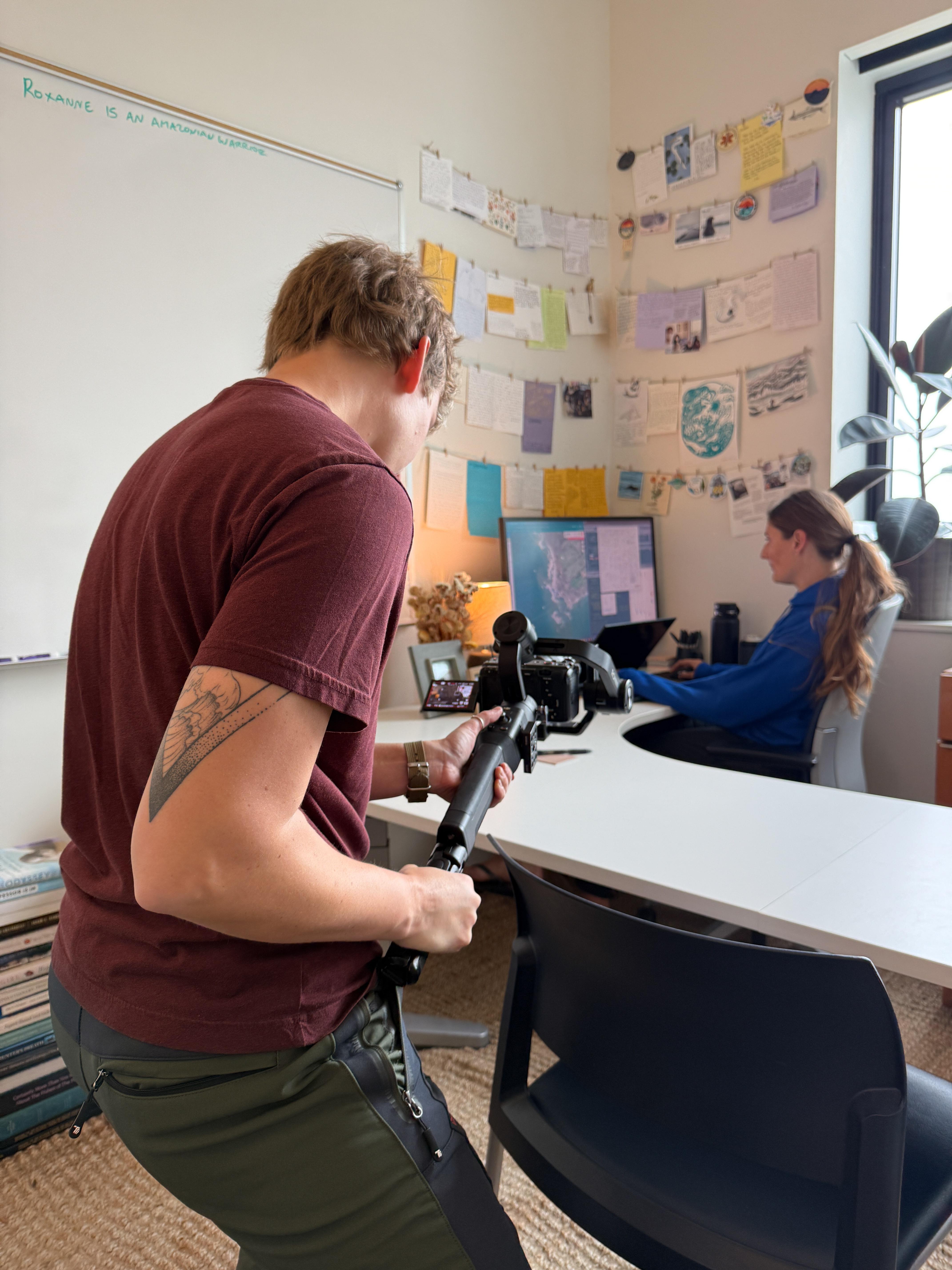
Videographer David Diez films supervising Ranger Stan Kopacz. Año Nuevo State Park was established in 1958 and is run by the state of California.
Changing Seas
3 / 28
Share This Gallery
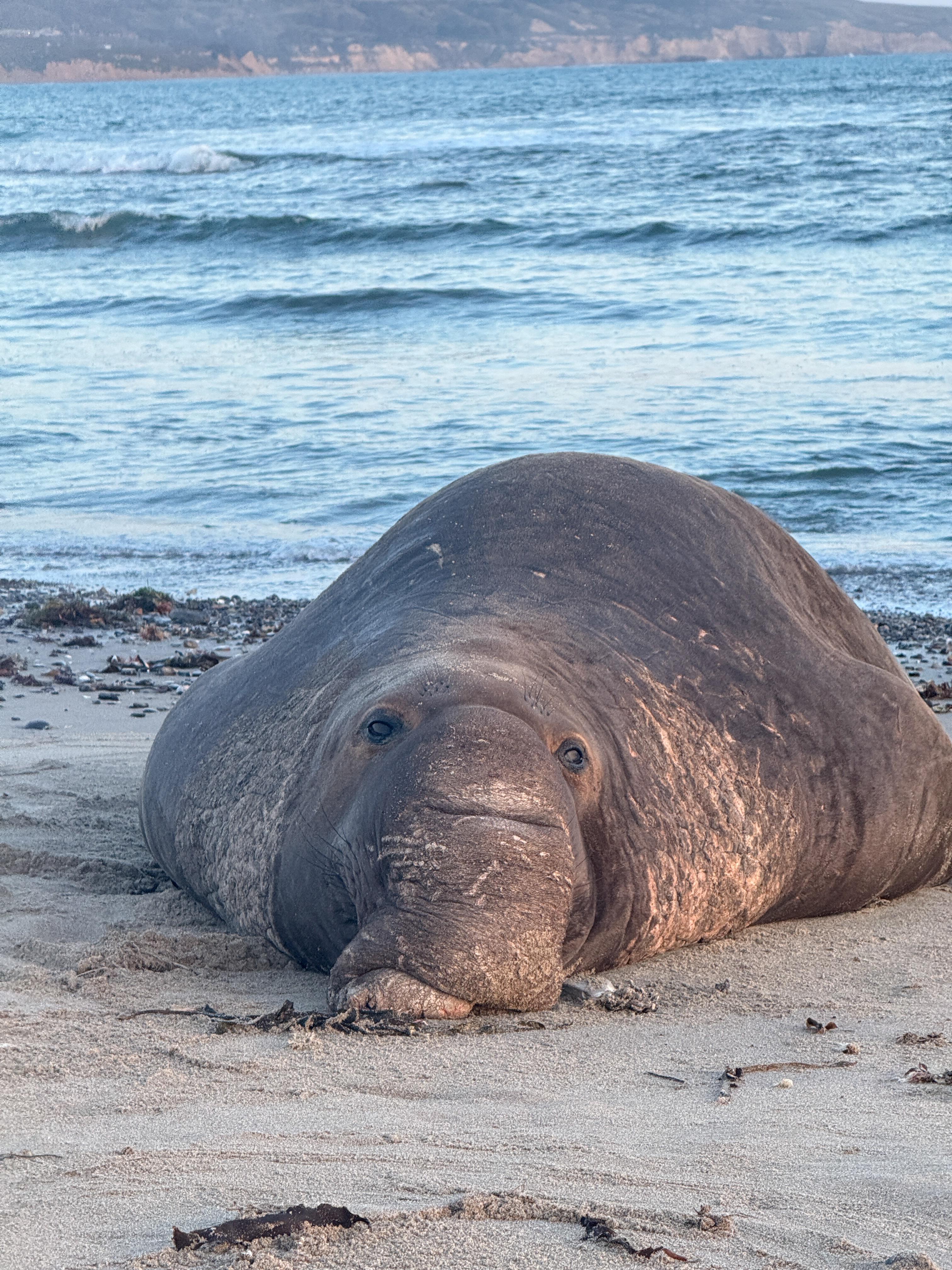
State Park visitors can view the elephant seals, including 3000-4000-pound males, within a short walk of the visitor's center. Image taken under NMFS Permits #23188 & #19108.
Changing Seas
4 / 28
Share This Gallery
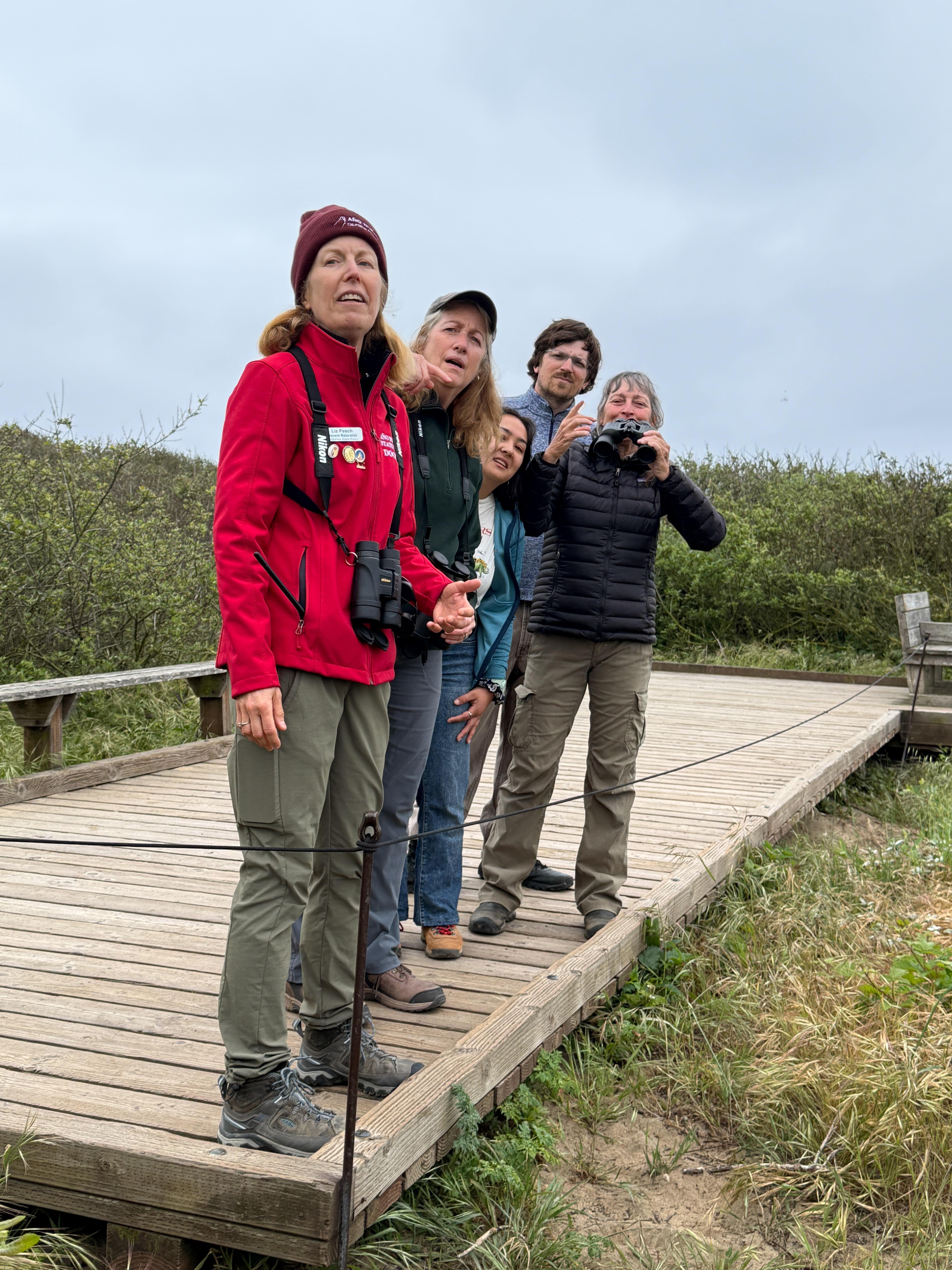
In winter and spring, nearly 200 volunteer docents lead guided tours to visit the elephant seals on the beach.
Changing Seas
5 / 28
Share This Gallery
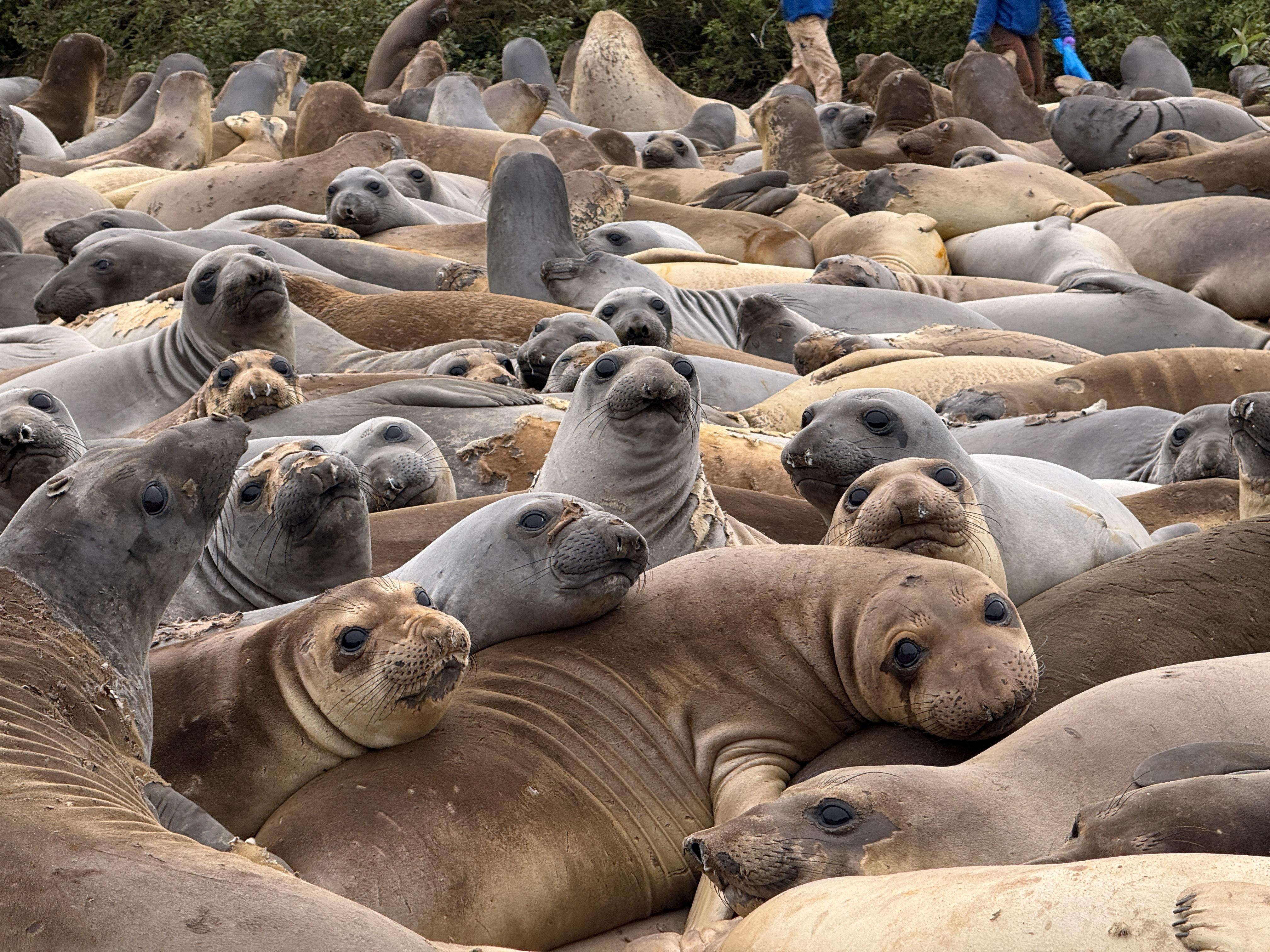
Each winter, elephant seal pups are born on the beach where they nurse until their mother leaves for a short foraging migration. Image taken under NMFS Permits #23188 & #19108.
Changing Seas
6 / 28
Share This Gallery
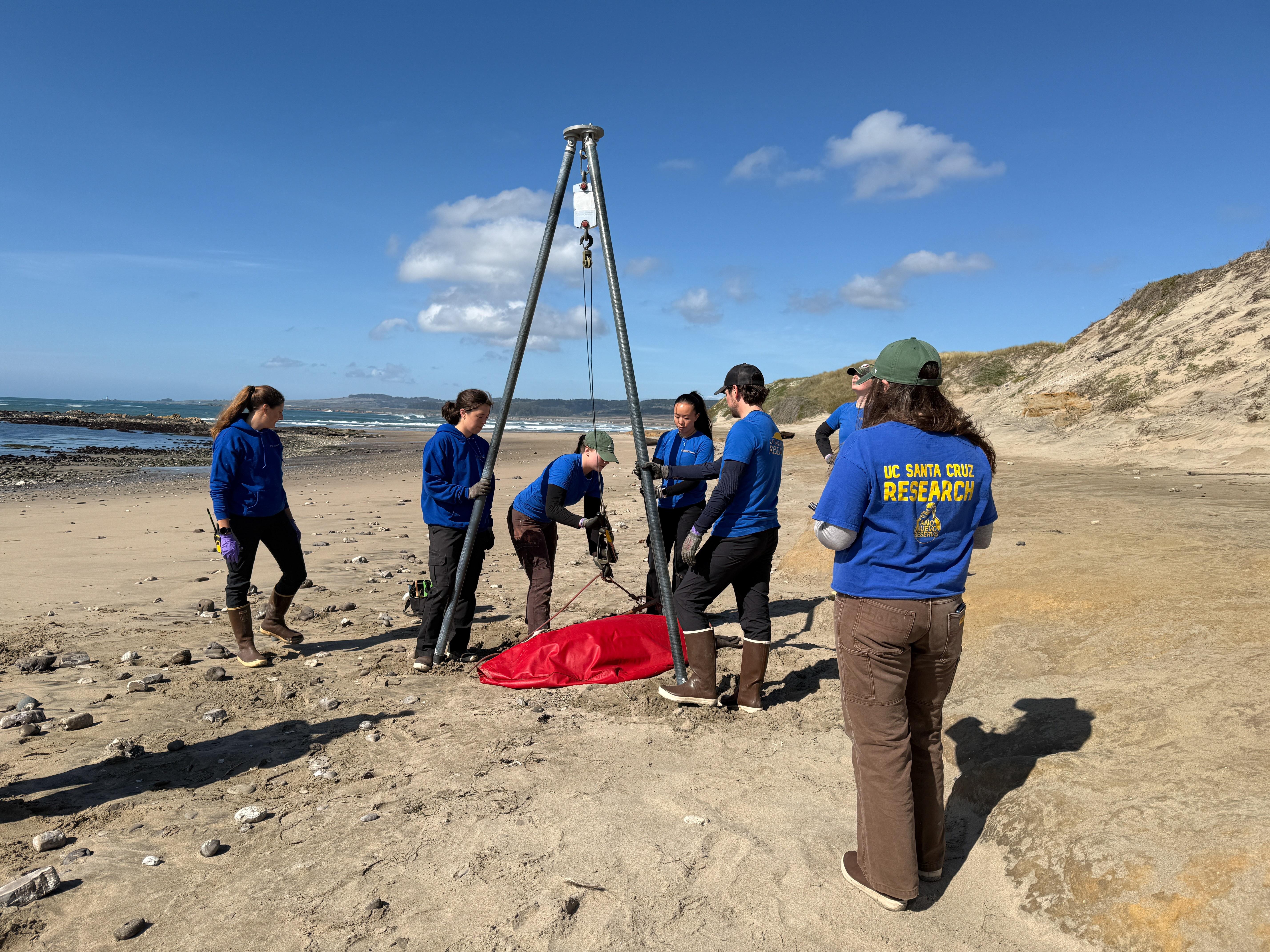
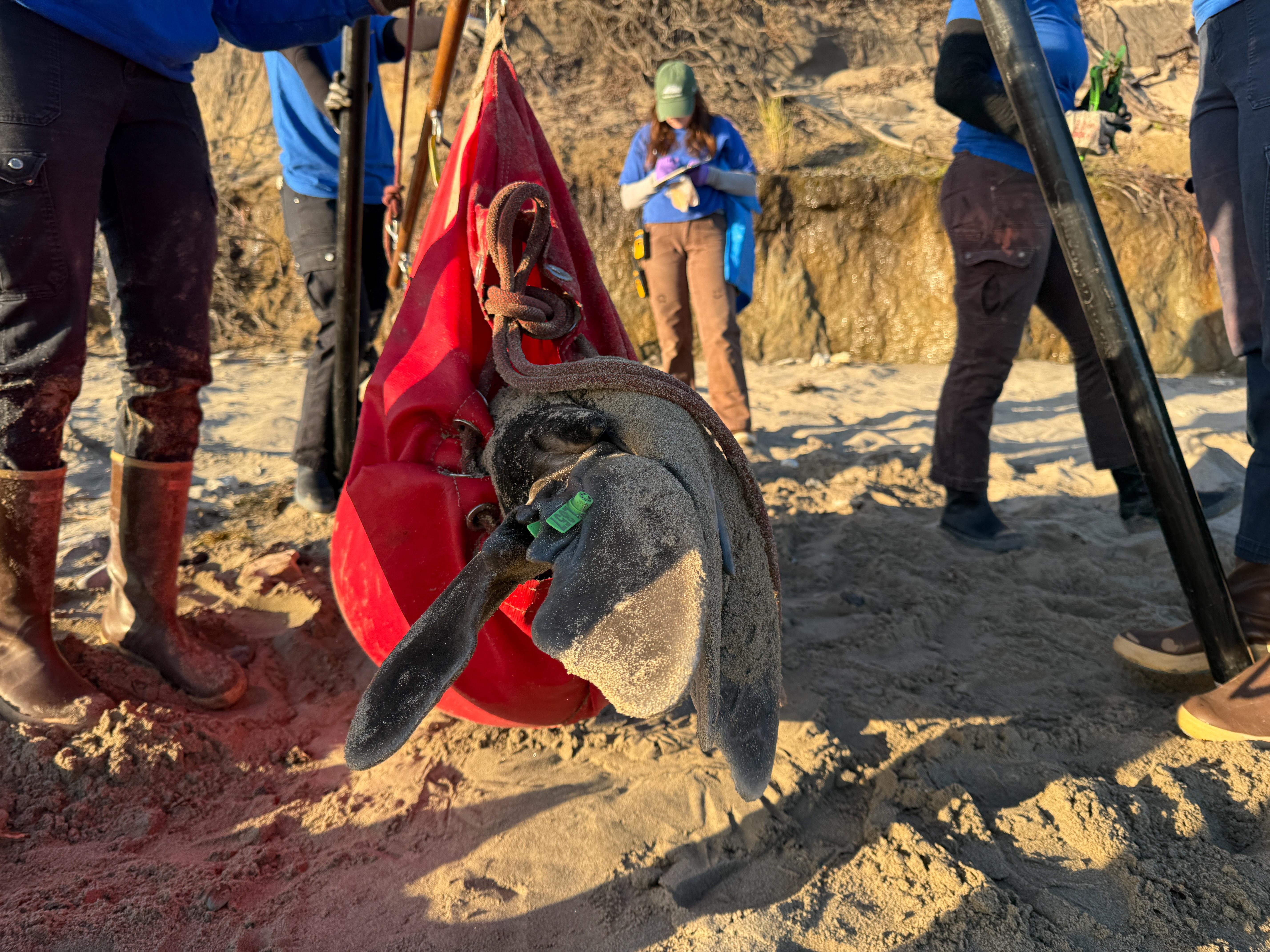
Every spring, researchers weigh 200 of the newly weaned pups. The weight of each weanling helps researchers understand how successful their mothers were at foraging while pregnant. Image taken under NMFS Permits #23188 & #19108.
Changing Seas
7 / 28
Share This Gallery
Researchers handle the weanlings with great care so as not to cause stress to the pup or damage their developing flippers. Image taken under NMFS Permits #23188 & #19108.
Changing Seas
8 / 28
Share This Gallery
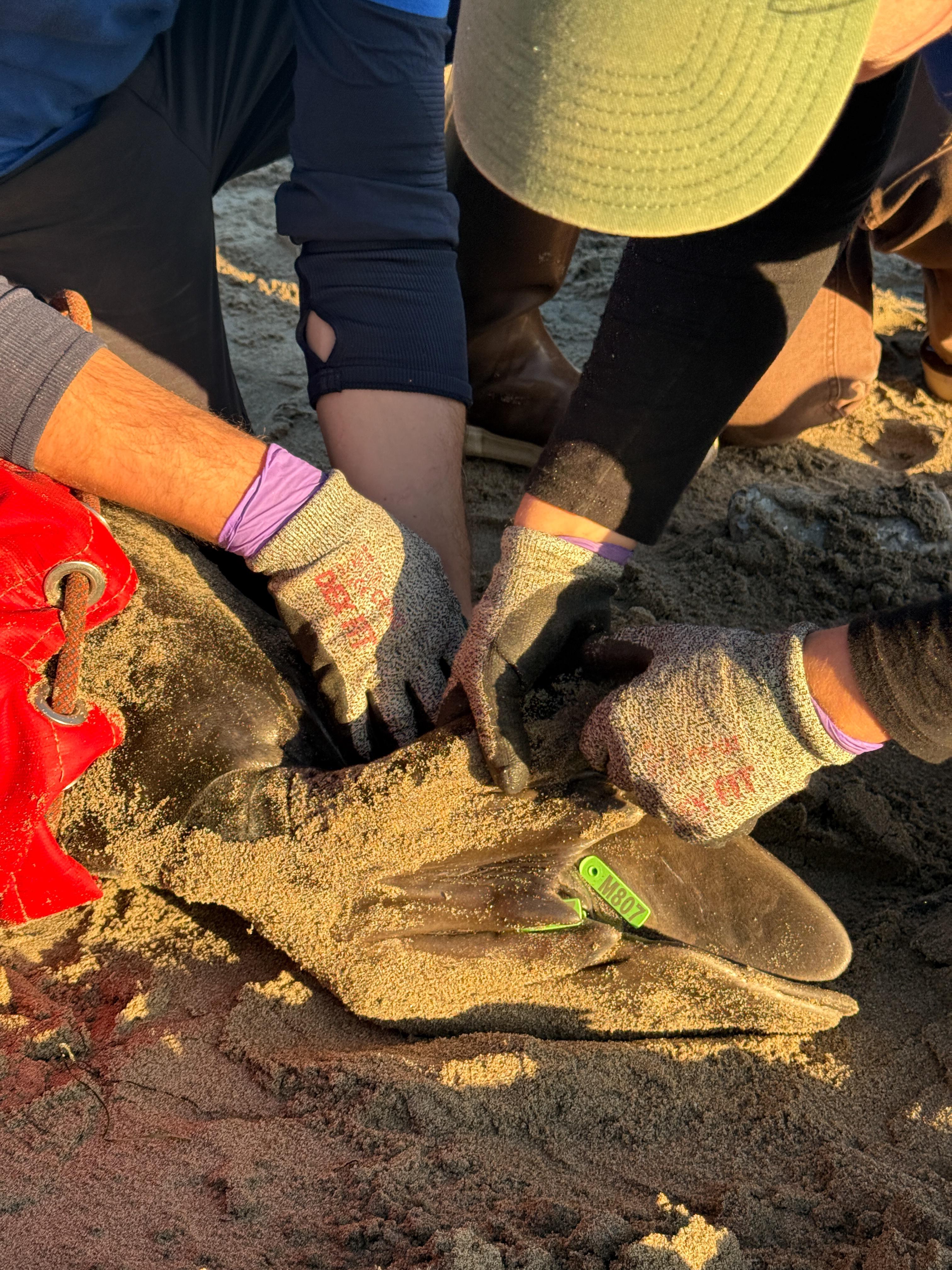
During the weighing process, weanlings are also tagged for the research program at UCSC which tracks the elephant seals through generations of known mom-pup combinations. Image taken under NMFS Permits #23188 & #19108.
Changing Seas
9 / 28
Share This Gallery
Two alpha-numeric flipper tags are affixed to help researchers identify the animals throughout their lives. Image taken under NMFS Permits #23188 & #19108.
Changing Seas
10 / 28
Share This Gallery
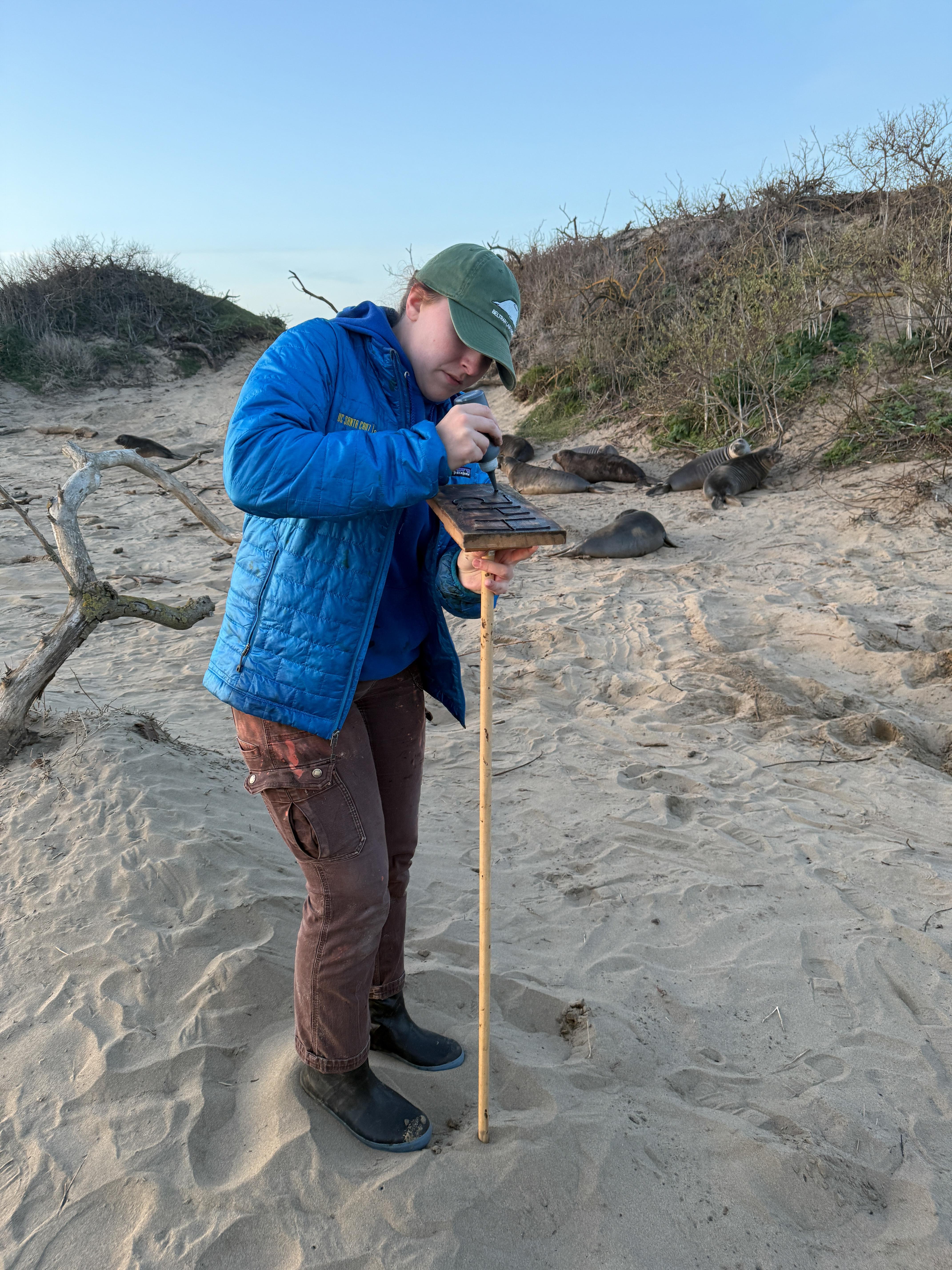
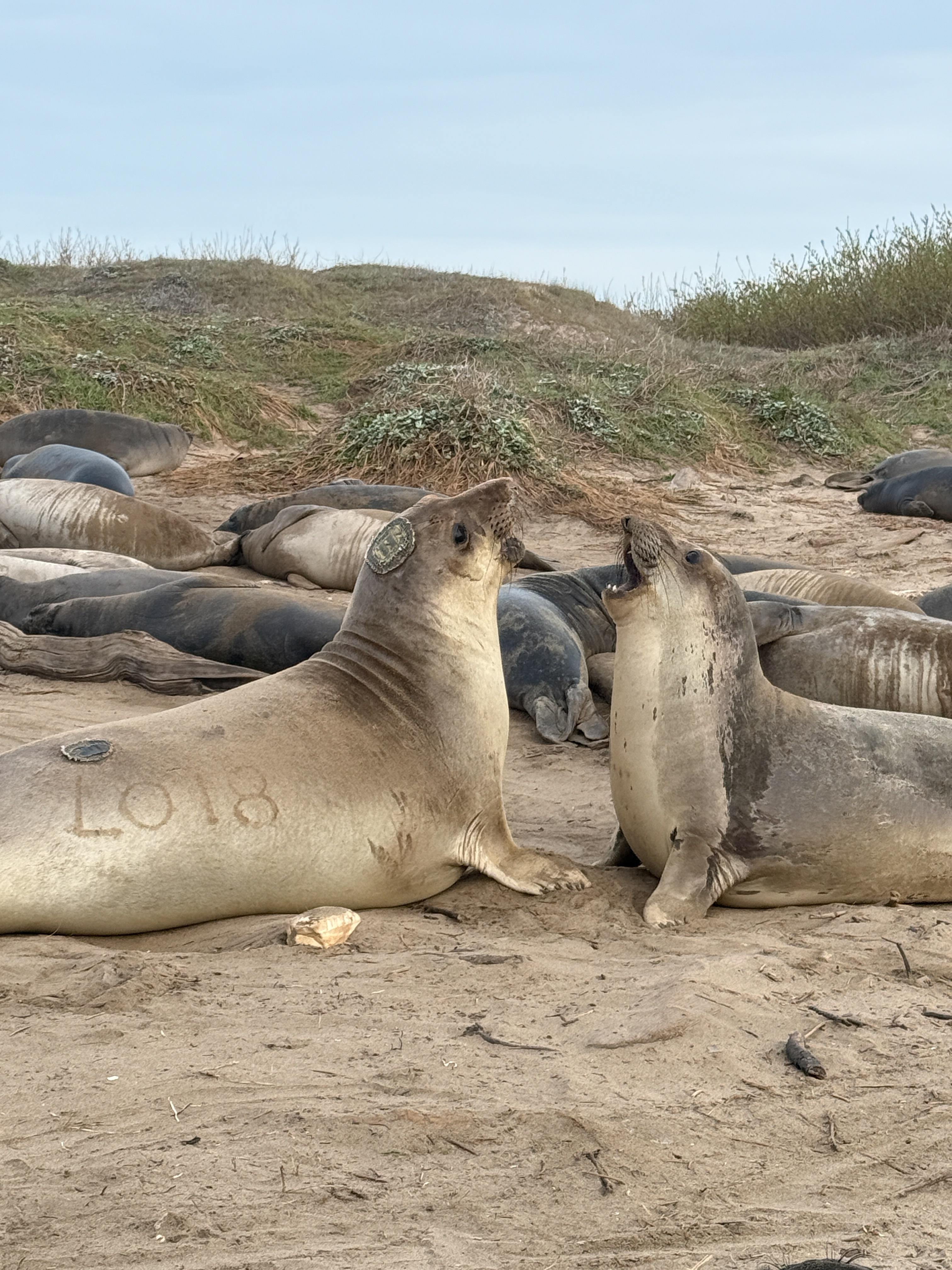
In addition to flipper tags, researchers mark the seals with hair dye or bleach to identify them more easily from afar or through binoculars. Image taken under NMFS Permits #23188 & #19108.
Changing Seas
11 / 28
Share This Gallery
These marks on the seals wear off over time as they molt, a process by which they replace their old fur coat each year. Image taken under NMFS Permits #23188 & #19108.
Changing Seas
12 / 28
Share This Gallery
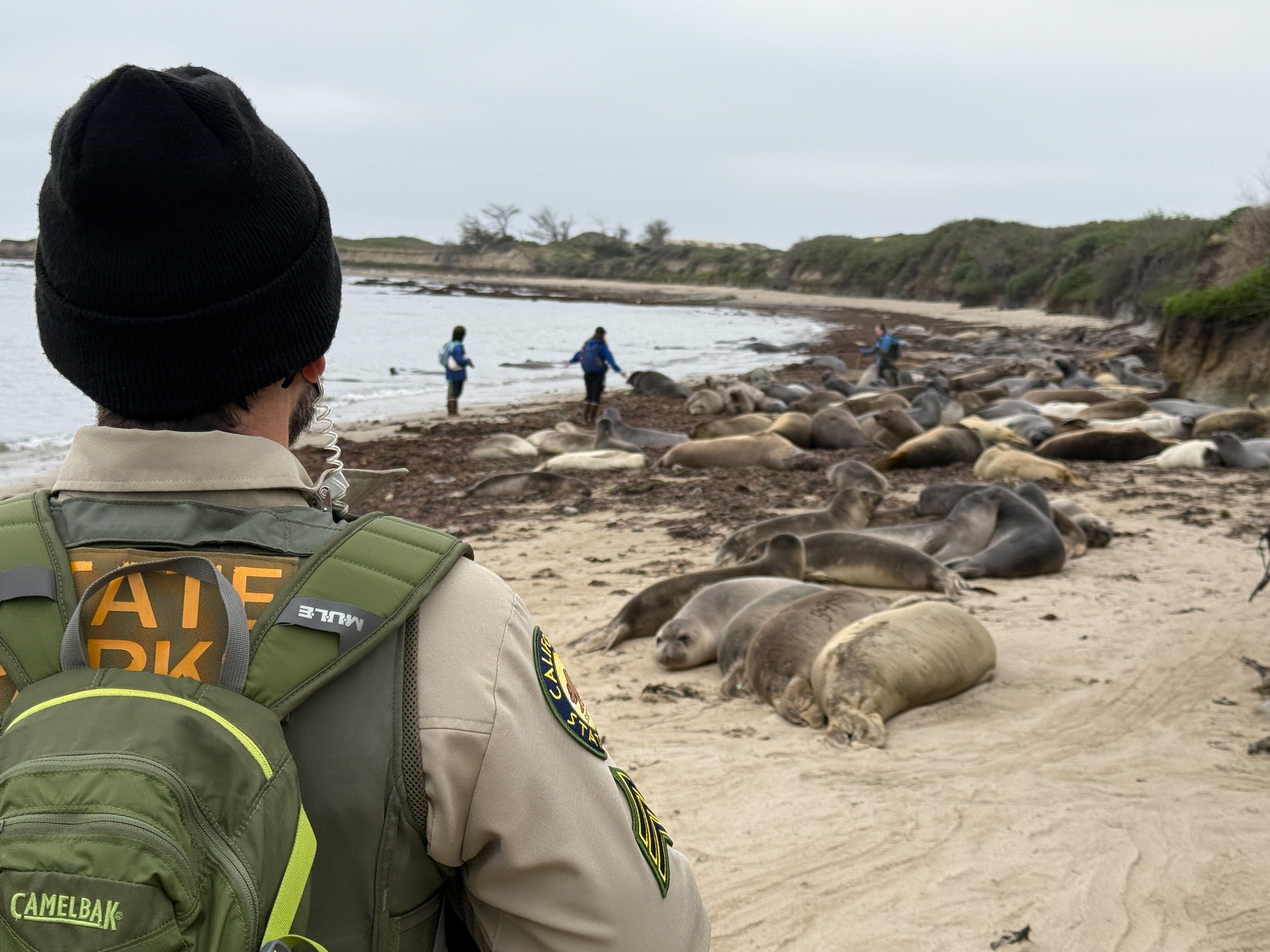
Ranger Stan Kopacz observes as researchers walk the beach to note the location of tagged elephant seals. Image taken under NMFS Permits #23188 & #19108.
Changing Seas
13 / 28
Share This Gallery
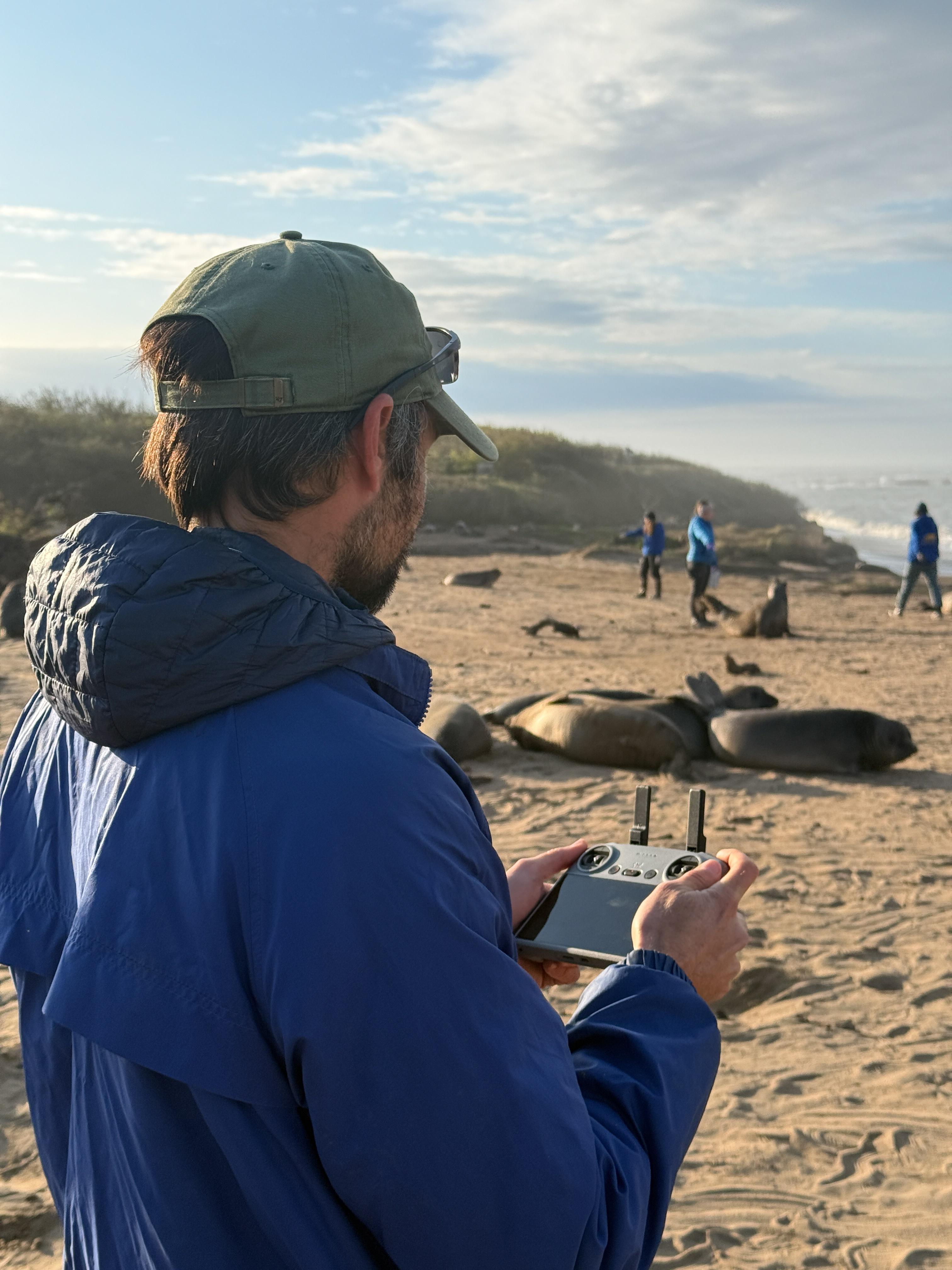
Año Nuevo Reserve Director Patrick Robinson flies a drone overhead while the field team points at specific seals to mark. Researchers are working on ways to measure seal weights from above to "weigh" the whole colony at once. Image taken under NMFS Permits #23188 & #19108.
Changing Seas
14 / 28
Share This Gallery
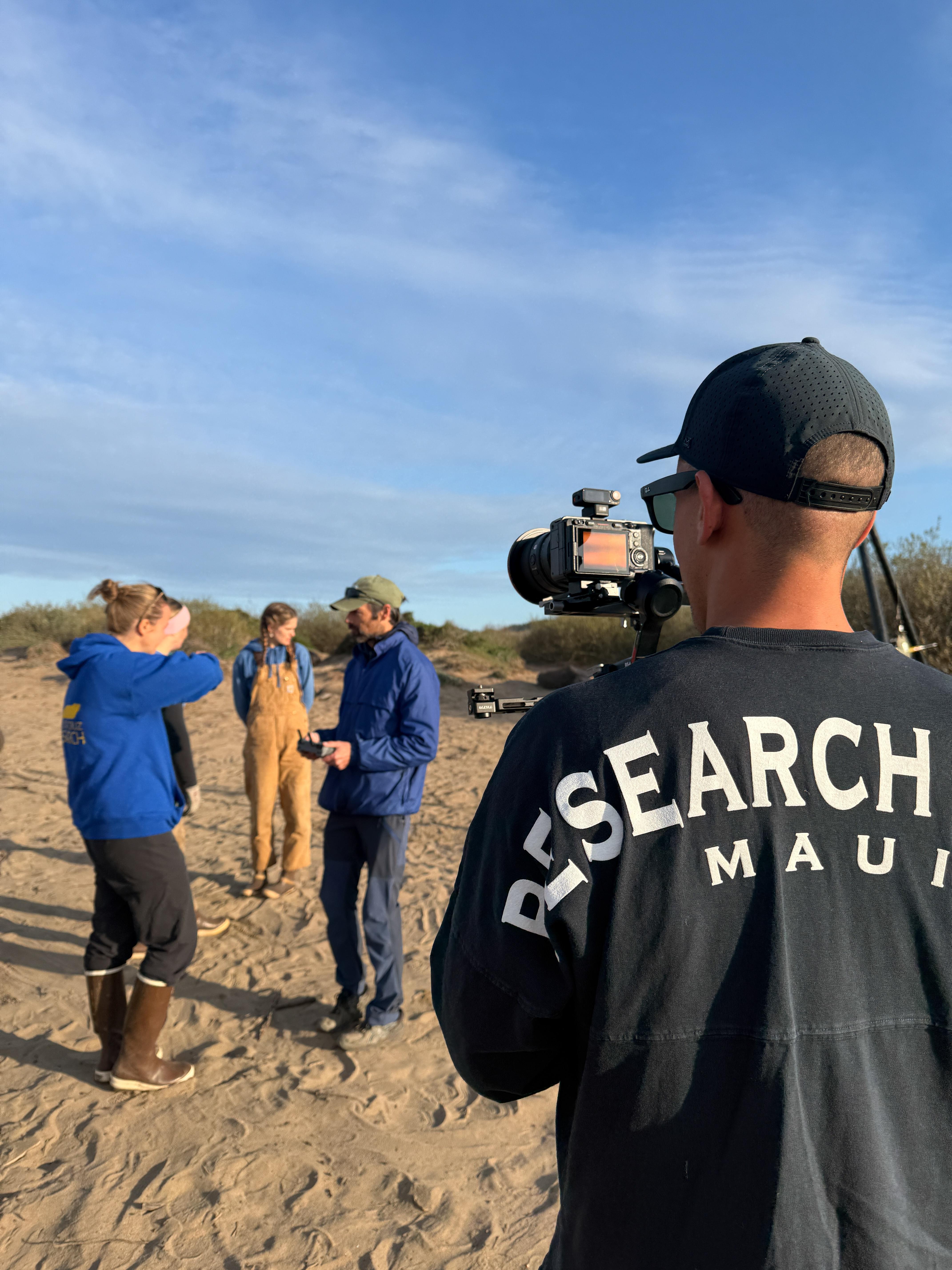
Videographer David Diez films the research team as they collect individual data on seals to support the drone weighing process.
Changing Seas
15 / 28
Share This Gallery
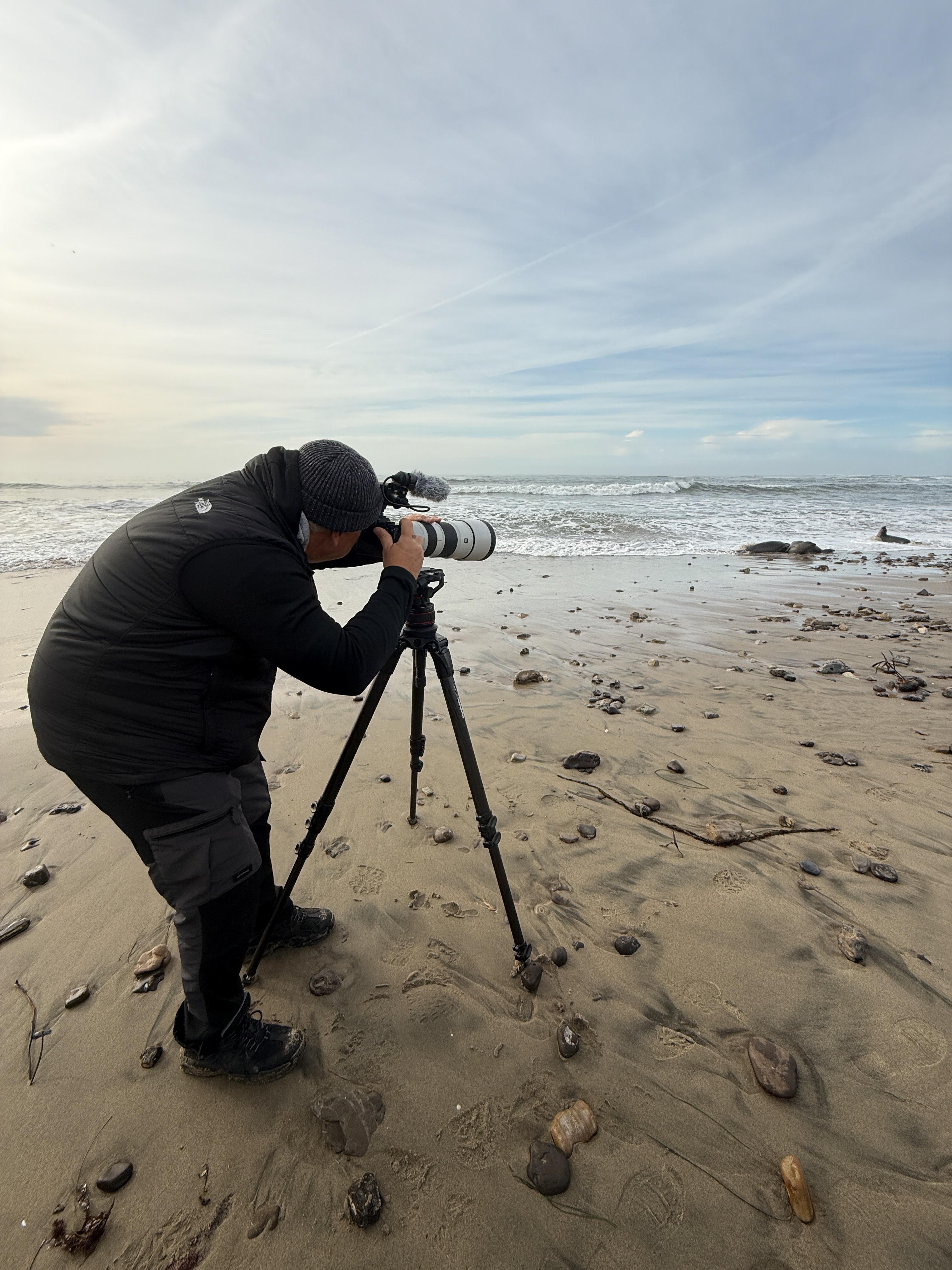
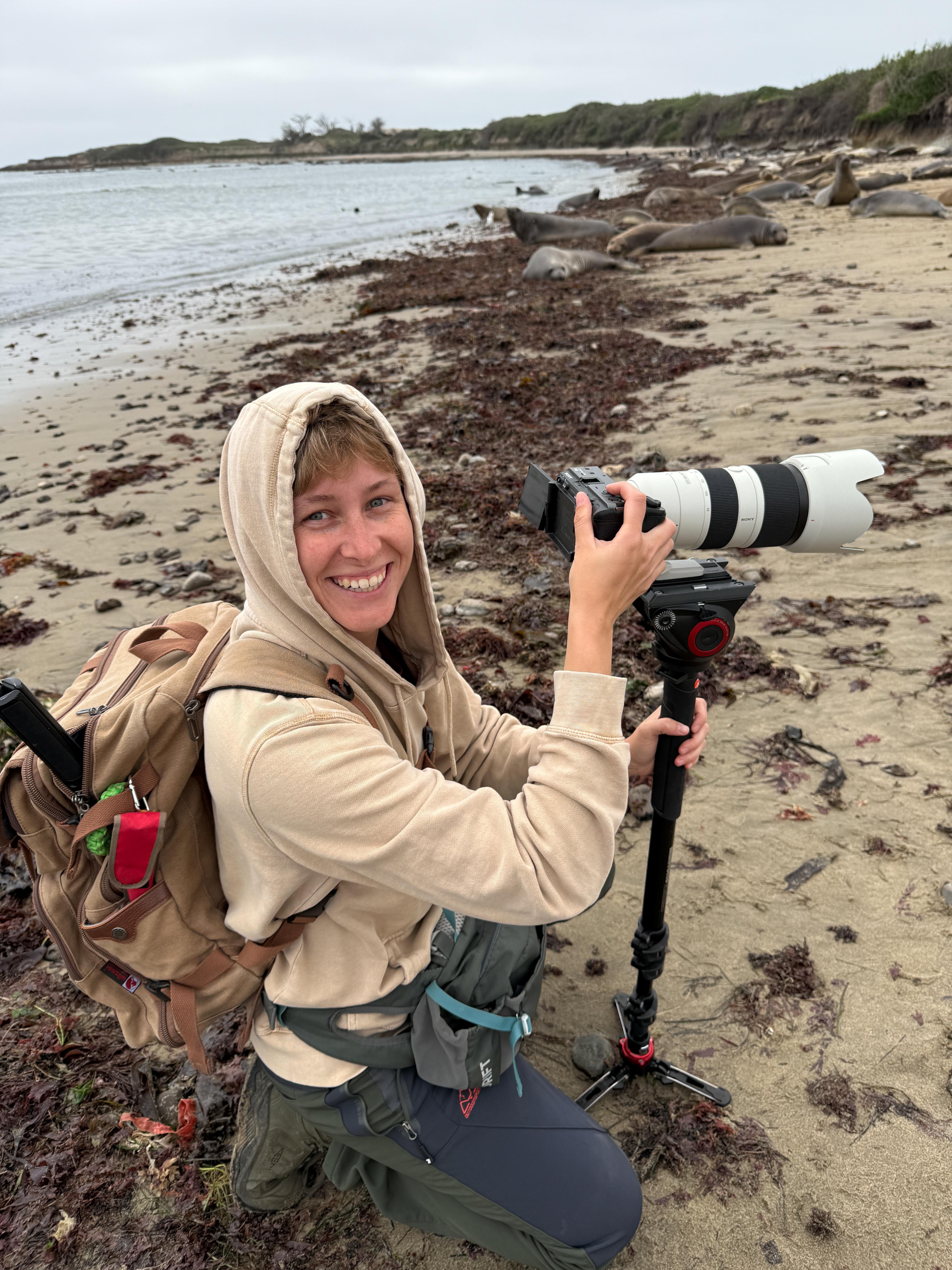
Director of Photography & Editor Sean Hickey films a group of elephant seals playing in the surf at Año Nuevo State Park. Image taken under NMFS Permits #23188 & #19108.
Changing Seas
16 / 28
Share This Gallery
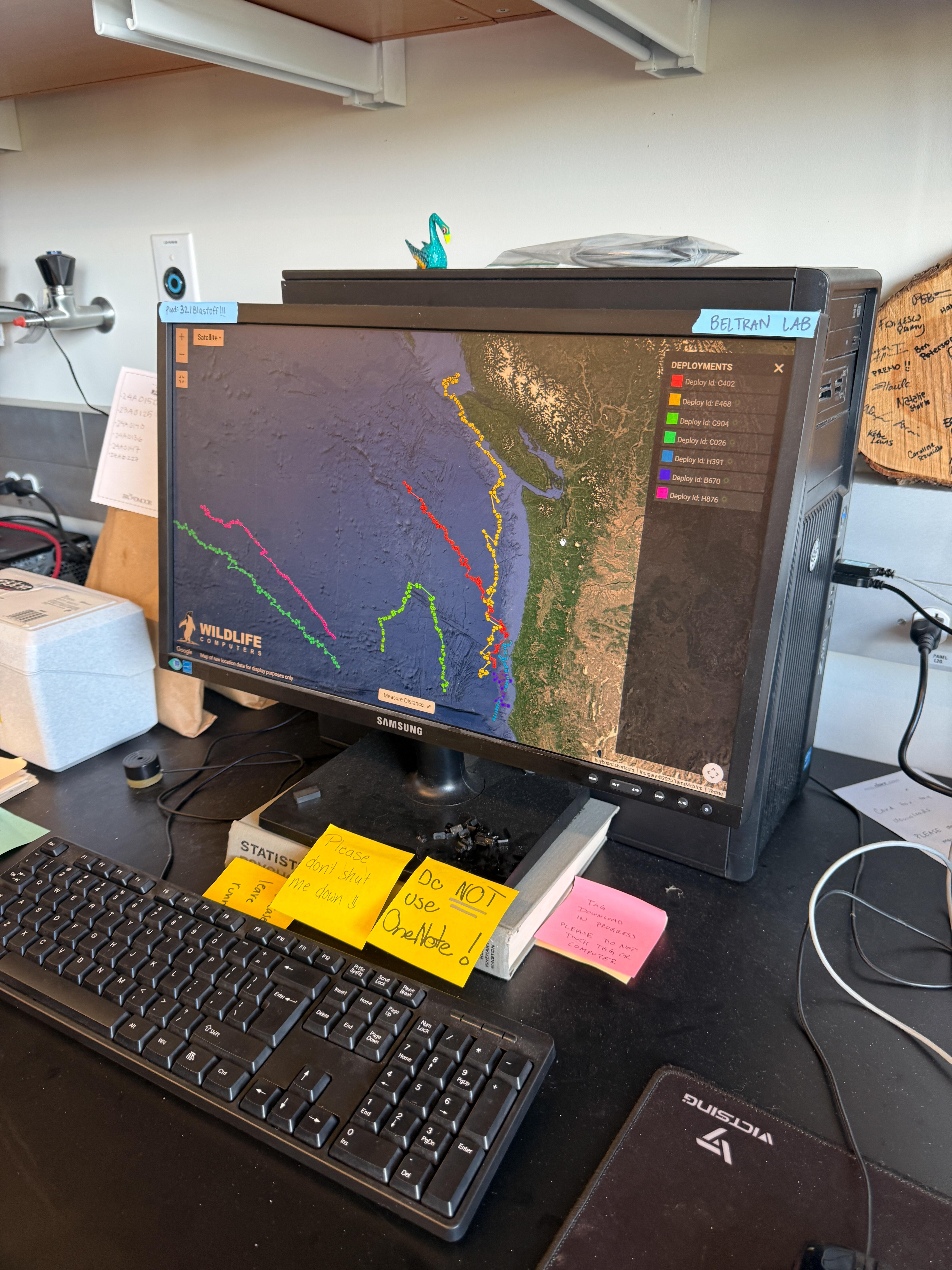
Researchers work with approximately 40 seals per year to affix satellite tags and other ocean observing bio-loggers. That allows them to track the seals while the animals are at sea.
Changing Seas
17 / 28
Share This Gallery
Professor Roxanne Beltran measures the elephant seals' tracks to determine when they will be returning to the beach at Año Nuevo so their tags and the data can be collected.
Changing Seas
18 / 28
Share This Gallery
Back at Año Nuevo, Videographer Nova West films the female elephant seals that have returned from their short foraging migration. Image taken under NMFS Permits #23188 & #19108.
Changing Seas
19 / 28
Share This Gallery
The female elephant seals come back en mass in May and early June to fast on the beach until it is time to leave for their long foraging migration. Image taken under NMFS Permits #23188 & #19108.
Changing Seas
20 / 28
Share This Gallery
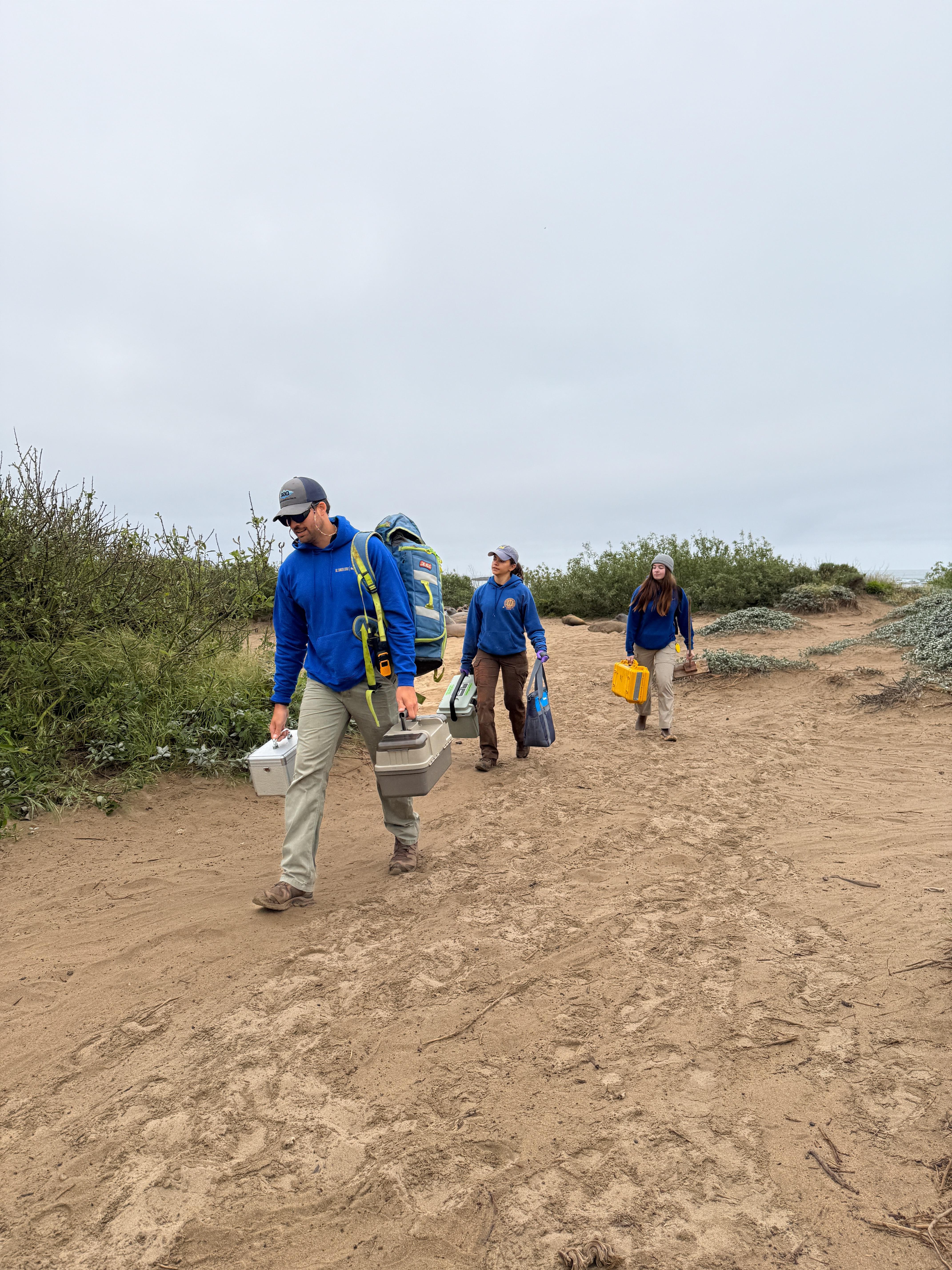
When researchers have a satellite tagged seal return to the beach, they head out to find the seal and recover the tag and any bio-loggers the seal is carrying. Image taken under NMFS Permits #23188 & #19108.
Changing Seas
21 / 28
Share This Gallery
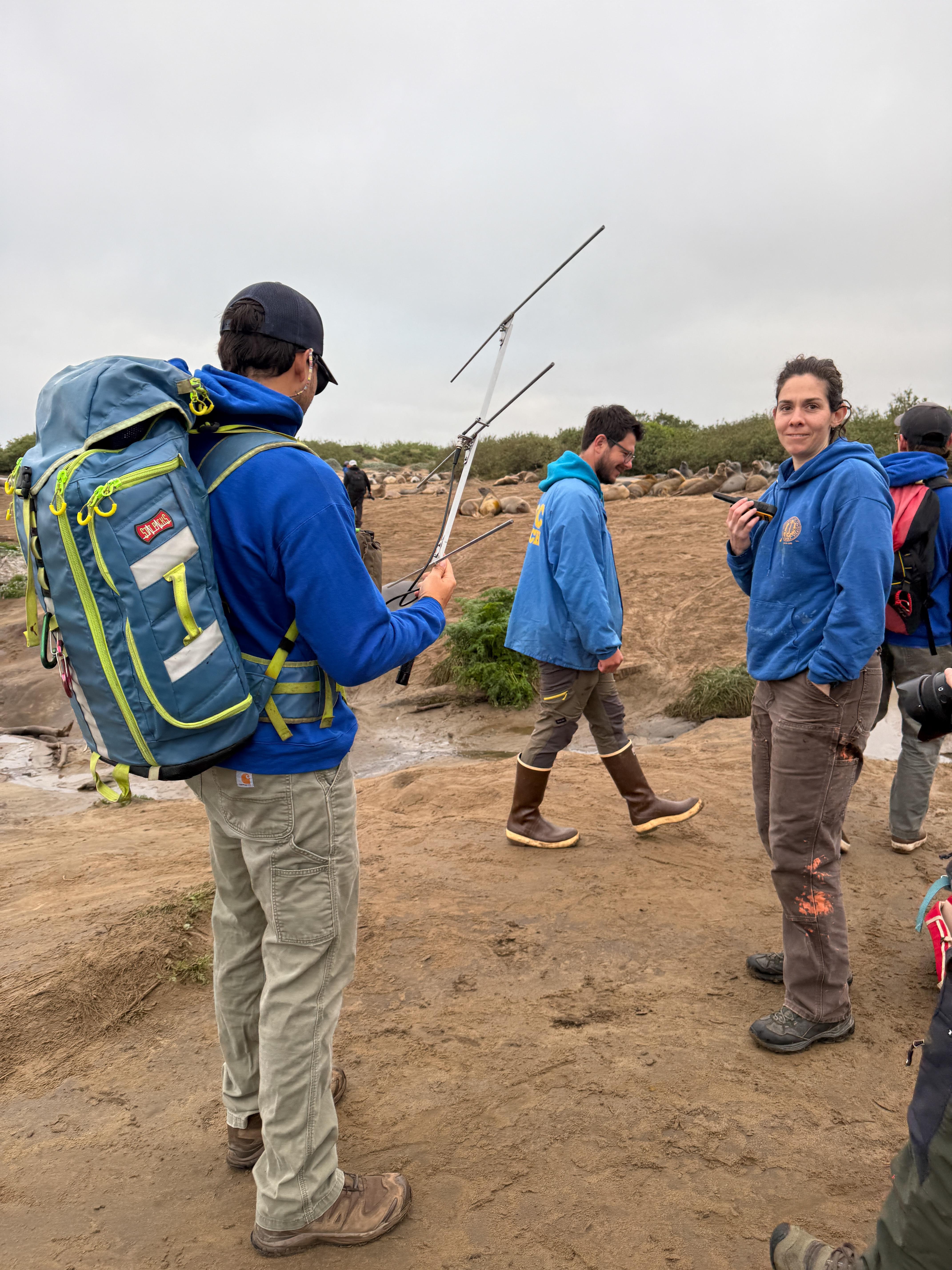
Using a radio receiver, researchers are able to pick up signals from the radio tag on the elephant seal to determine its precise location on the beach. Image taken under NMFS Permits #23188 & #19108.
Changing Seas
22 / 28
Share This Gallery
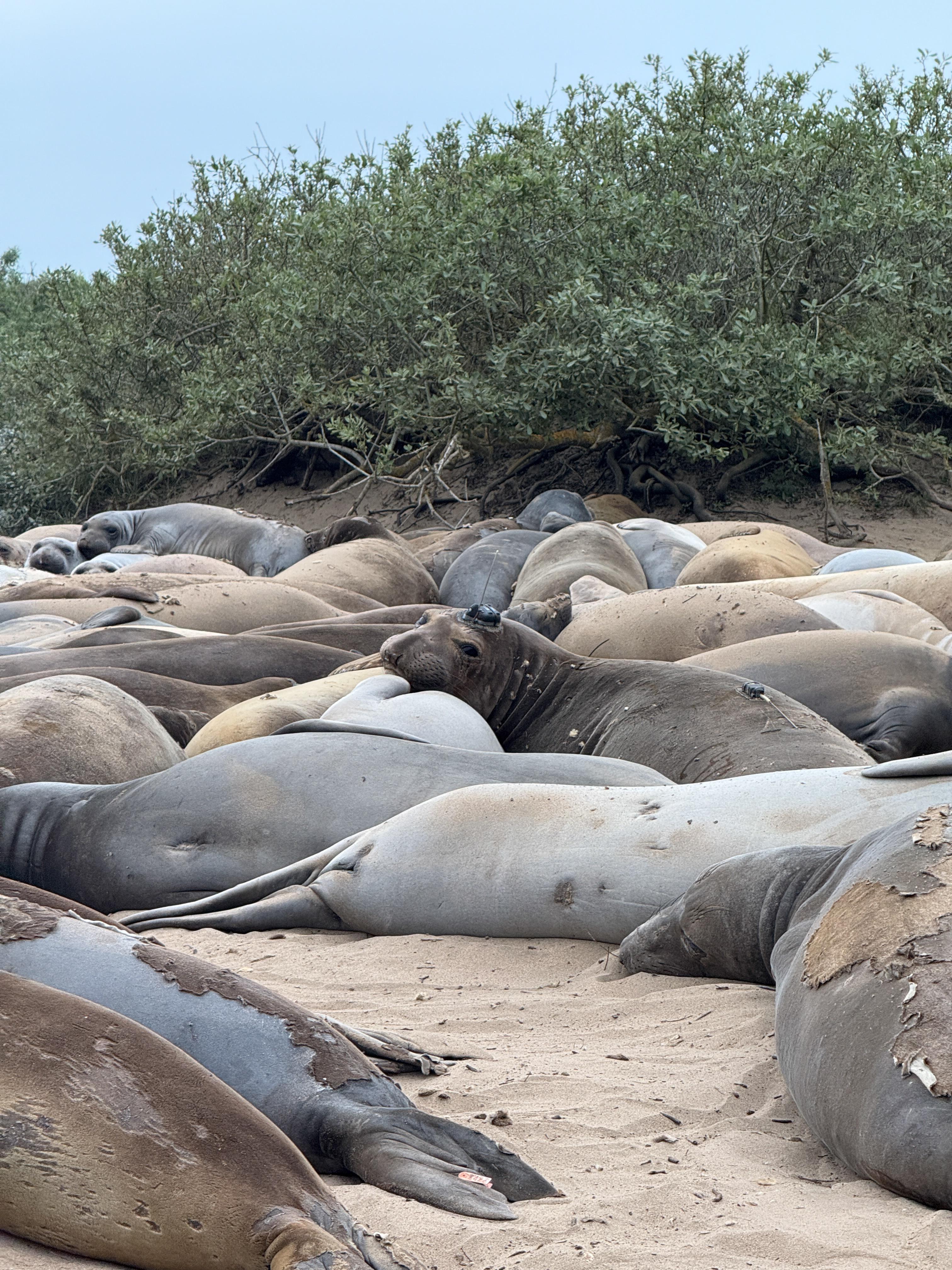
The tagged seal is found amongst a large gathering in the upper sand dunes. Image taken under NMFS Permits #23188 & #19108.
Changing Seas
23 / 28
Share This Gallery
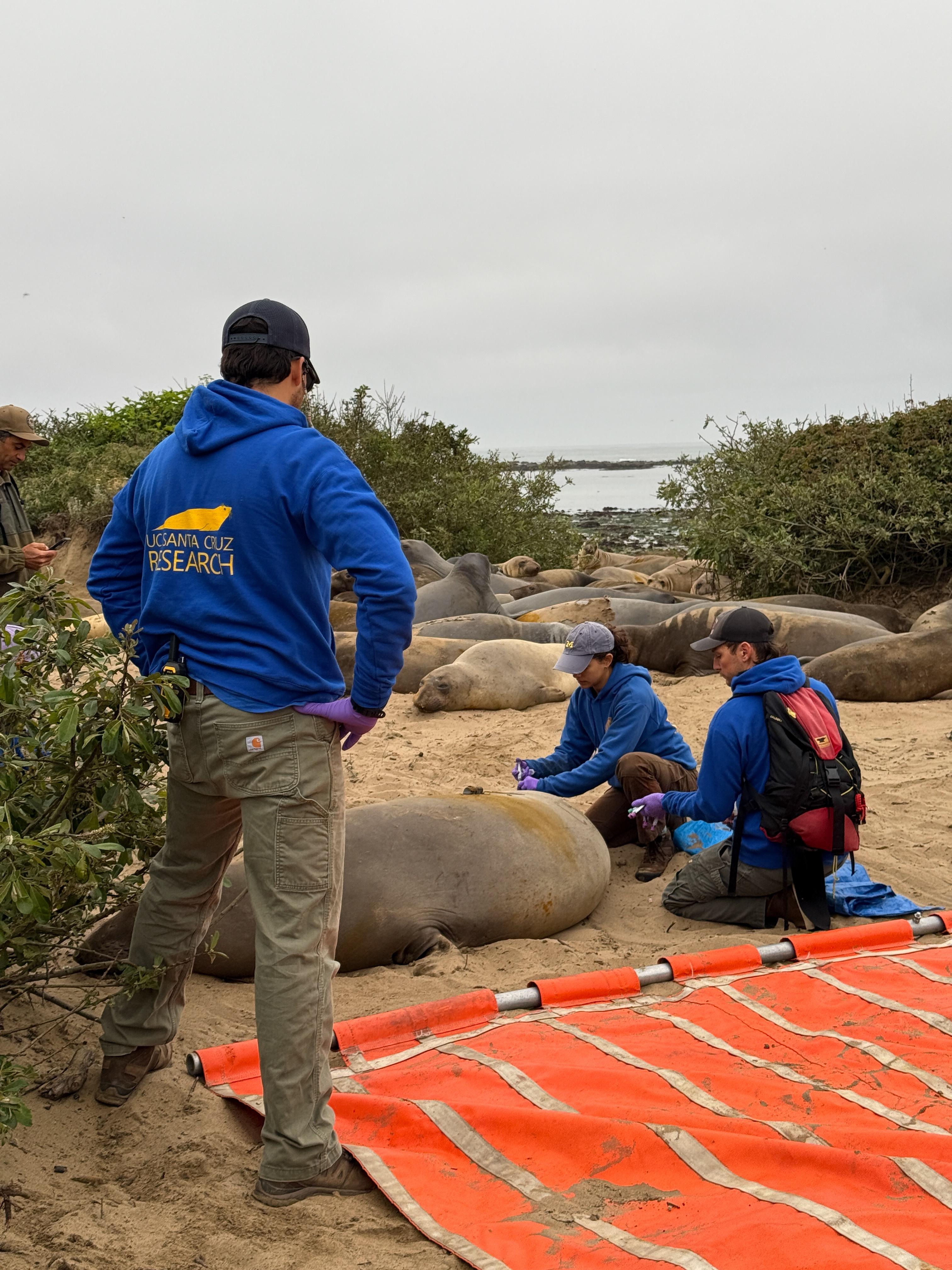
Once located and isolated from other seals, the tagged seal is carefully sedated and monitored by researchers. Image taken under NMFS Permits #23188 & #19108.
Changing Seas
24 / 28
Share This Gallery
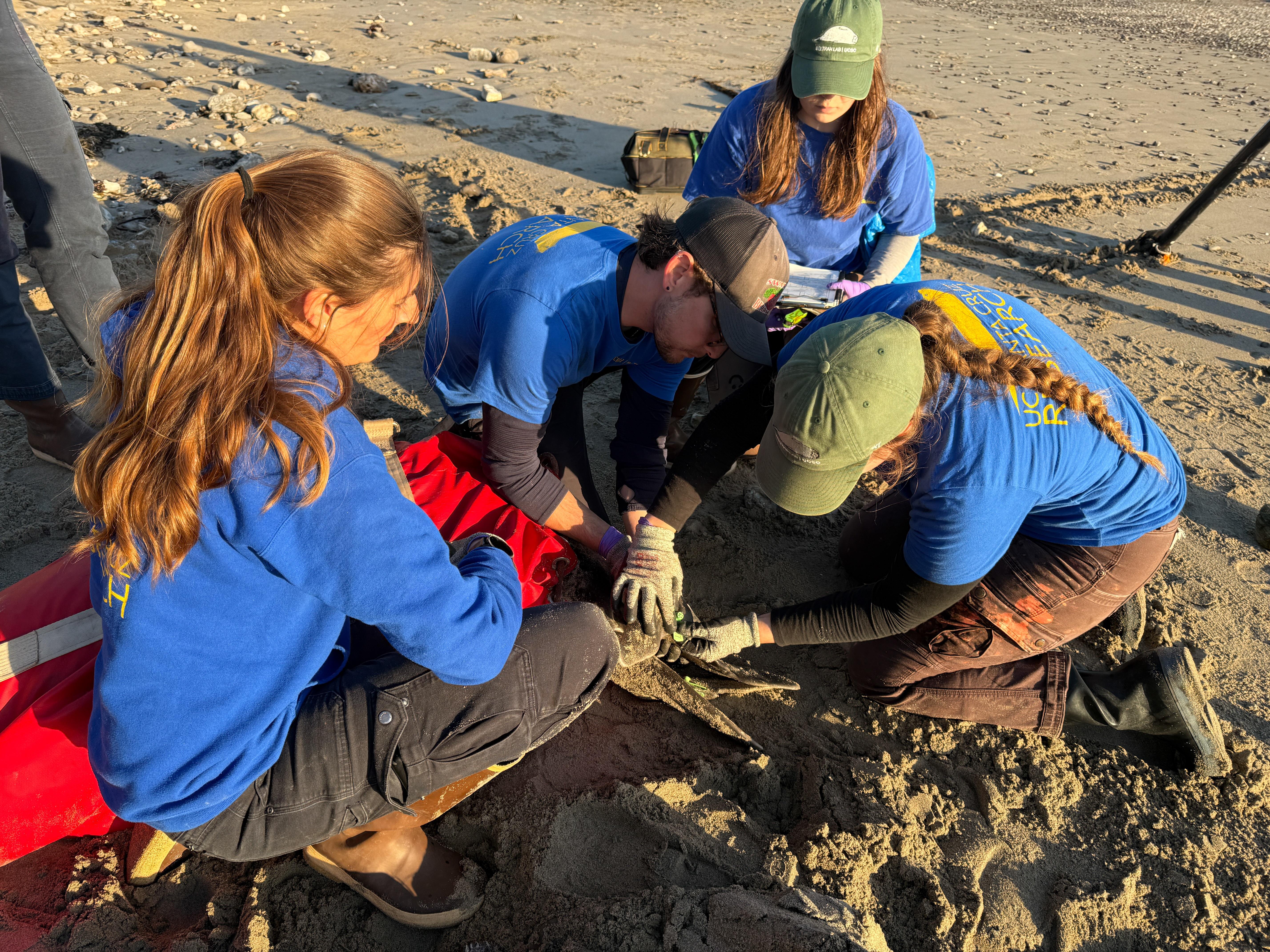
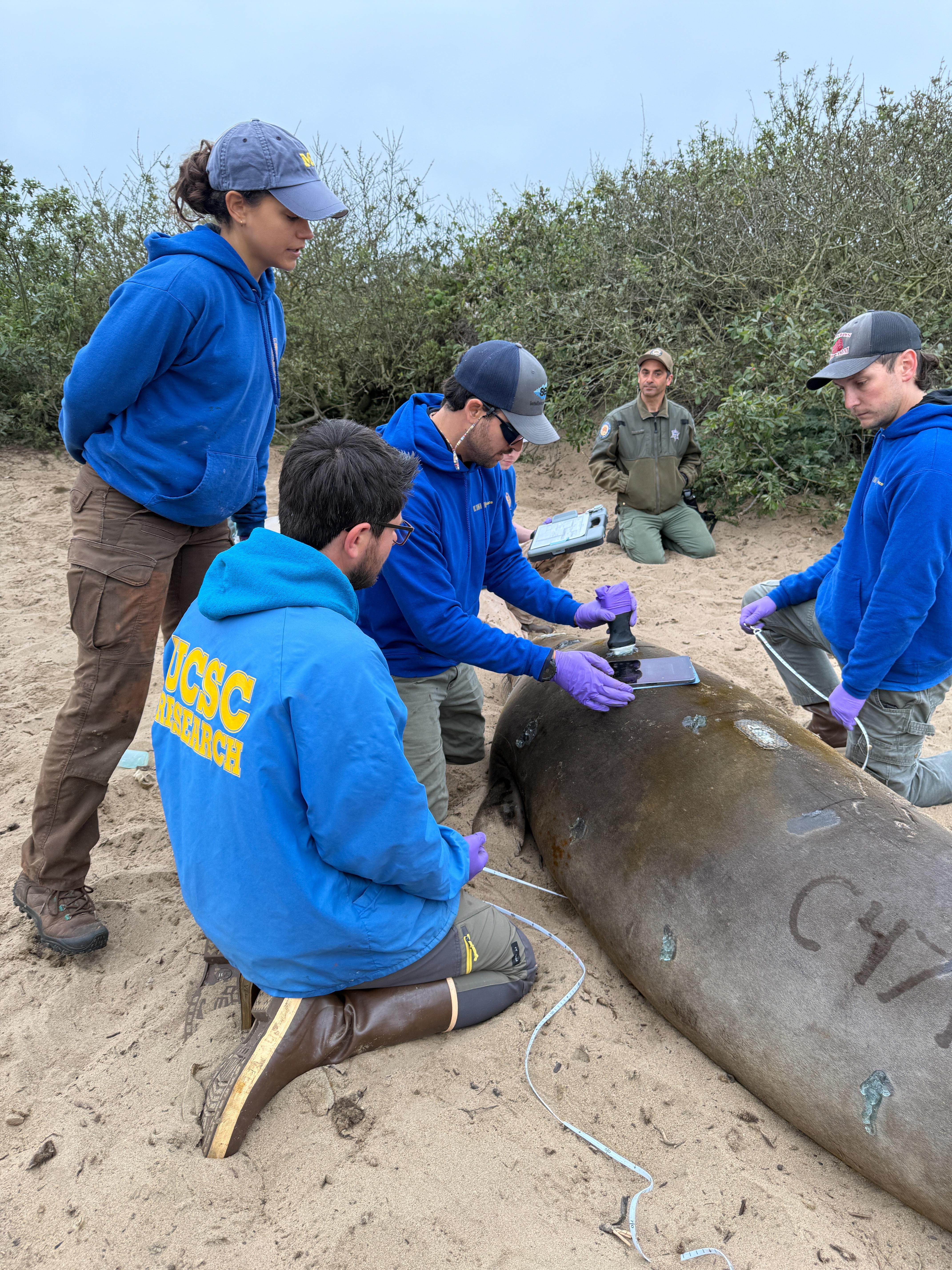
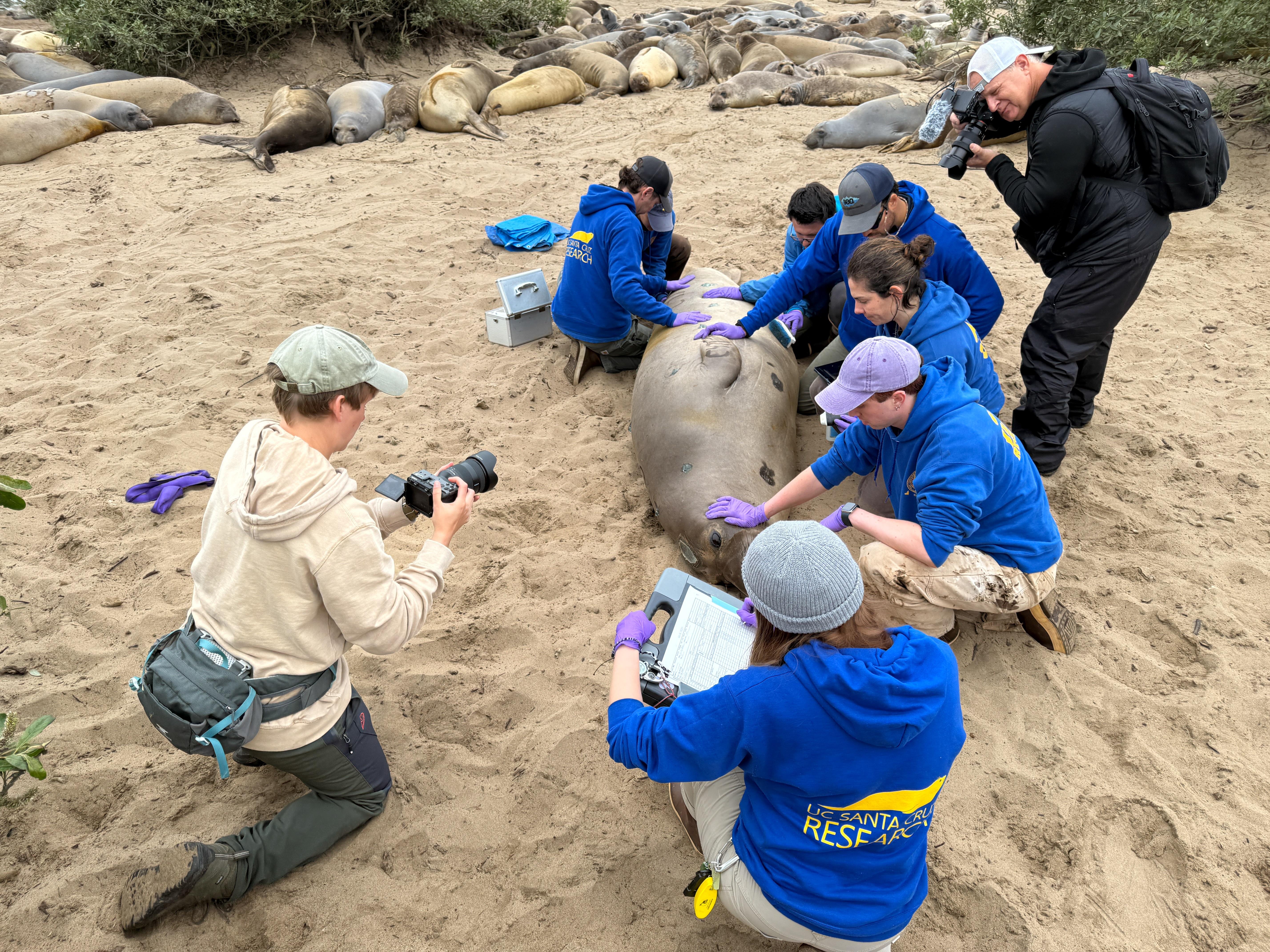
Researchers measure the seal's girth and length and also use a handheld ultrasound to measure blubber depth. Image taken under NMFS Permits #23188 & #19108.
Changing Seas
25 / 28
Share This Gallery
Videographer Nova West and Director of Photography Sean Hickey film as the research team takes great care to manage the sedated elephant seal as measurements are taken. Image taken under NMFS Permits #23188 & #19108.
Changing Seas
26 / 28
Share This Gallery
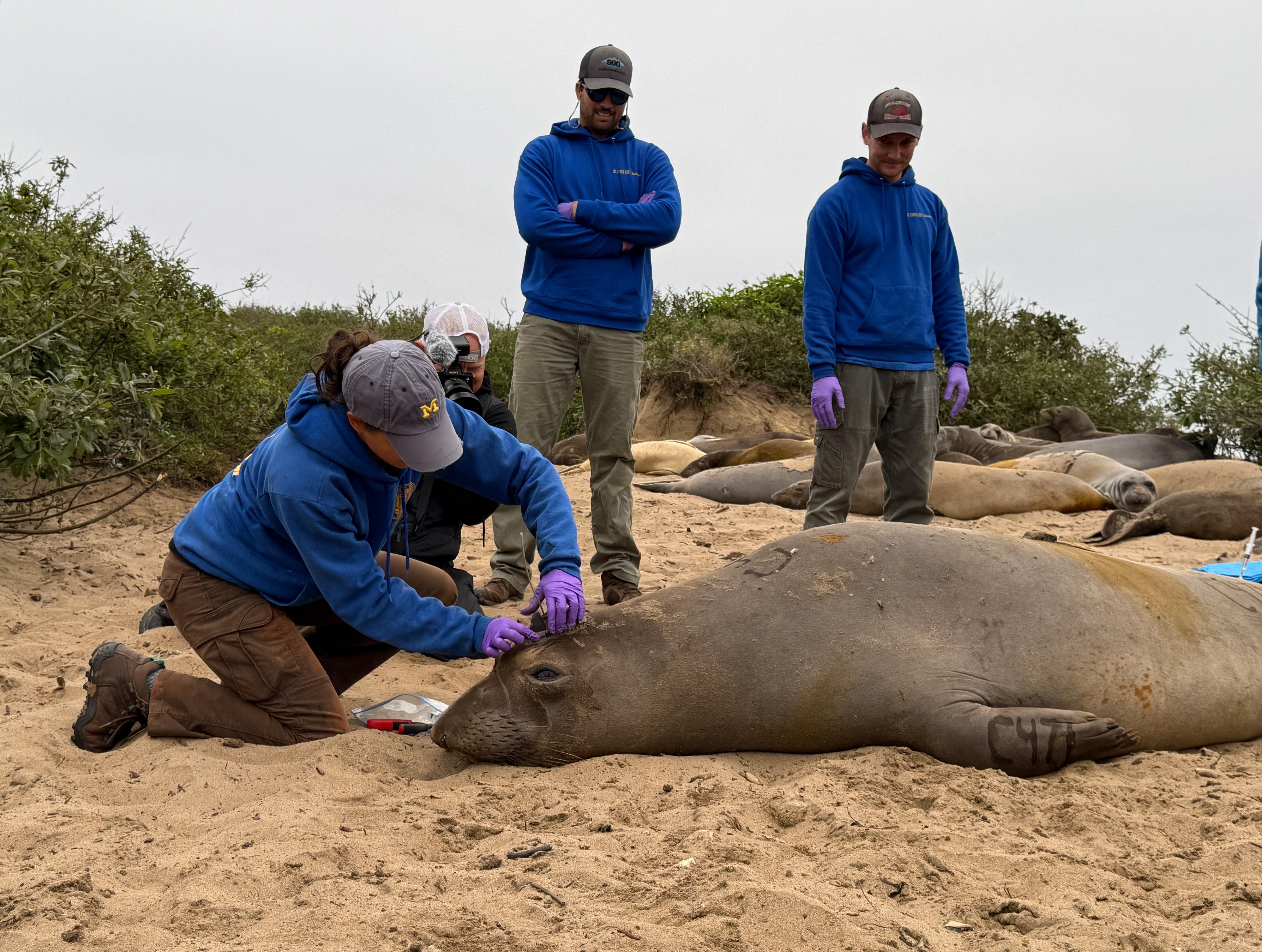
Post-doctoral Researcher Arina Favilla, Ph.D. removes the satellite tag, leaving only a patch of dried epoxy which will molt off the seal, leaving no mark of the tag she carried out at sea. Image taken under NMFS Permits #23188 & #19108.
Changing Seas
27 / 28
Share This Gallery
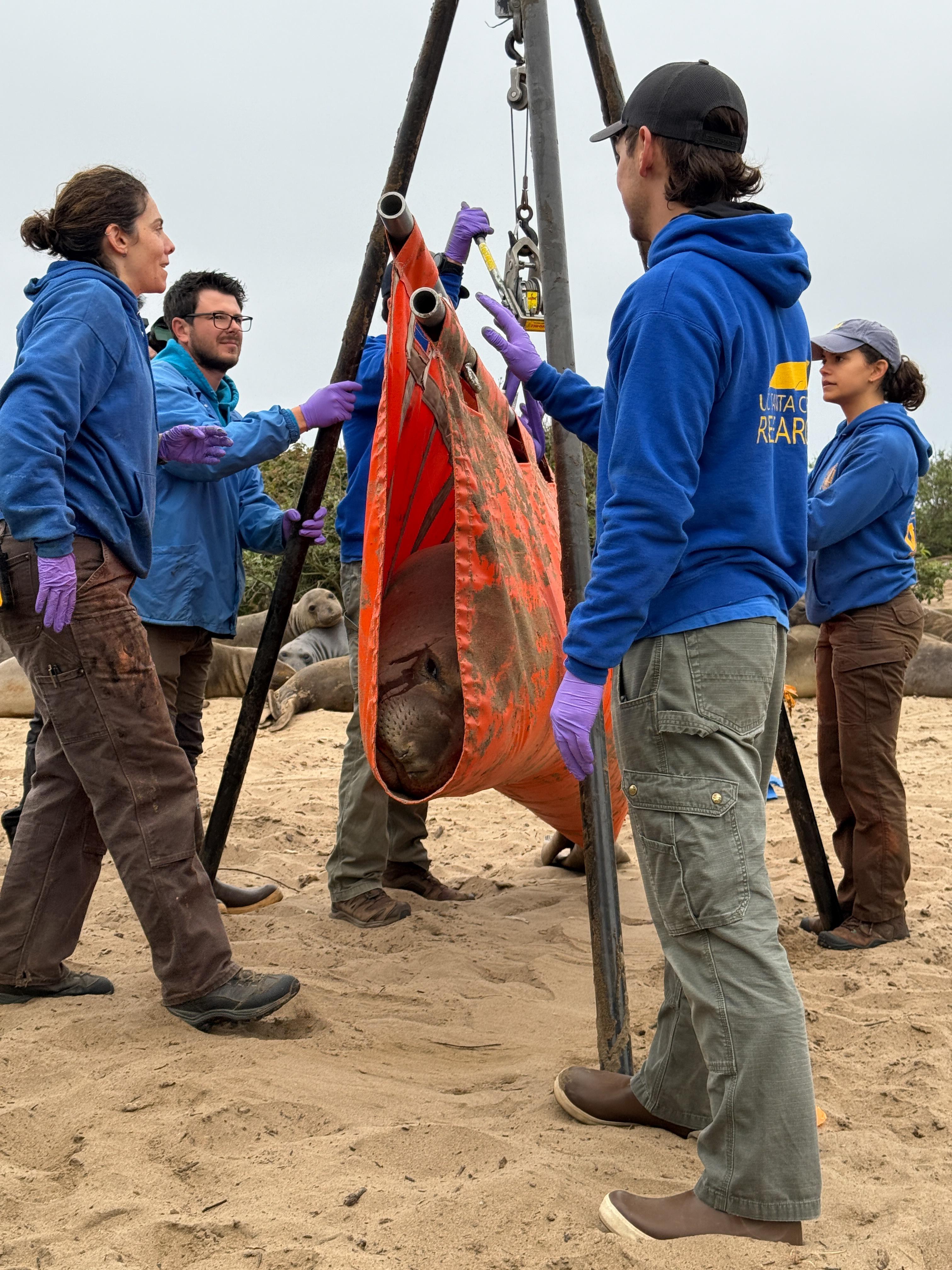
During the tag recovery process, the elephant seal is also carefully weighed in order to compare figures with her previous mass before her foraging trip. Image taken under NMFS Permits #23188 & #19108.
Changing Seas
28 / 28
Share This Gallery
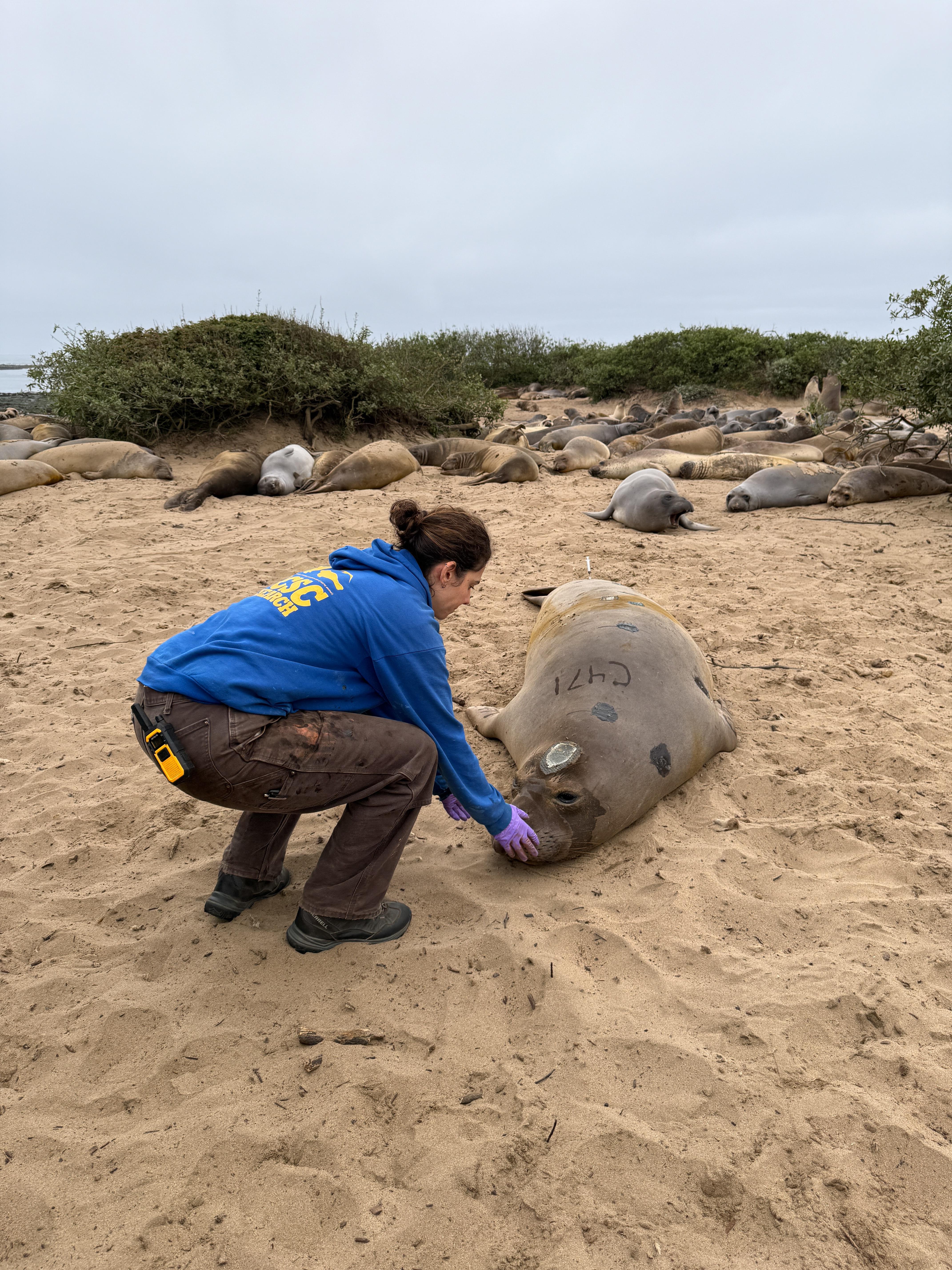
Research Scientist Rachel Holser, Ph.D. checks the sedated elephant seal's awareness level once the recovery process is completed. Seals are not left until they are fully awake and aware. Image taken under NMFS Permits #23188 & #19108.
Image Credits
Changing Seas would like to thank the following individuals and institutions who kindly allowed their footage, images and other media to be used in this production: