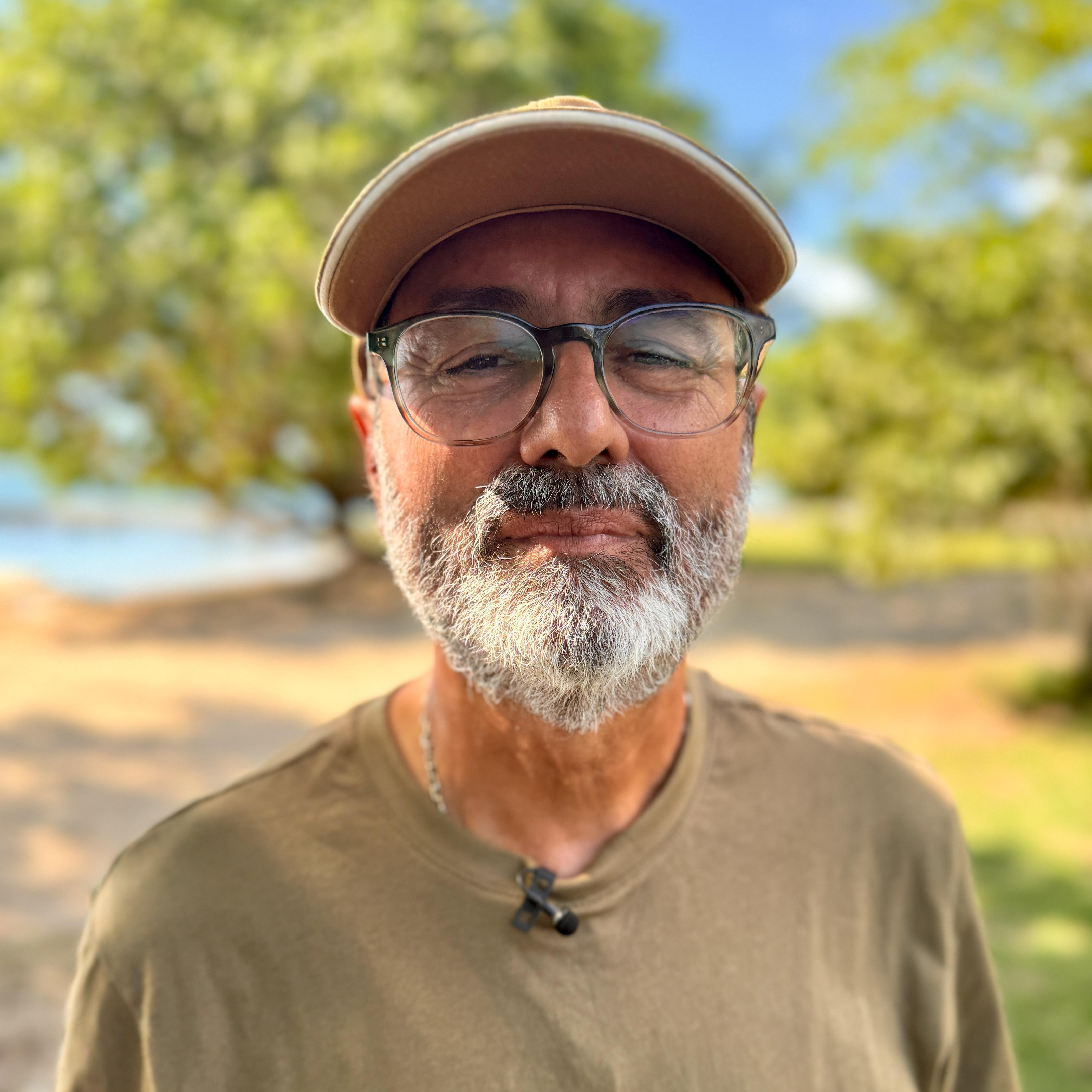
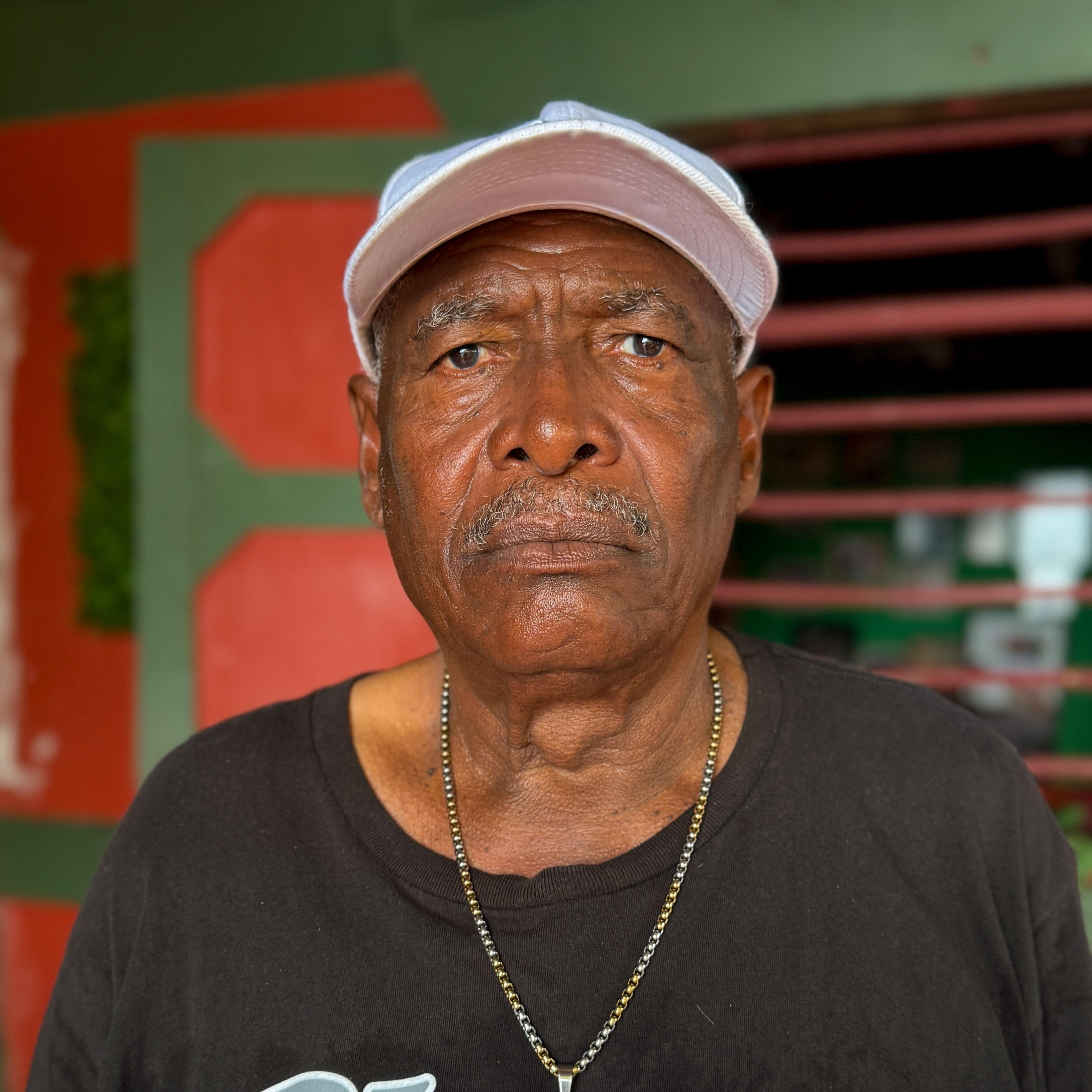
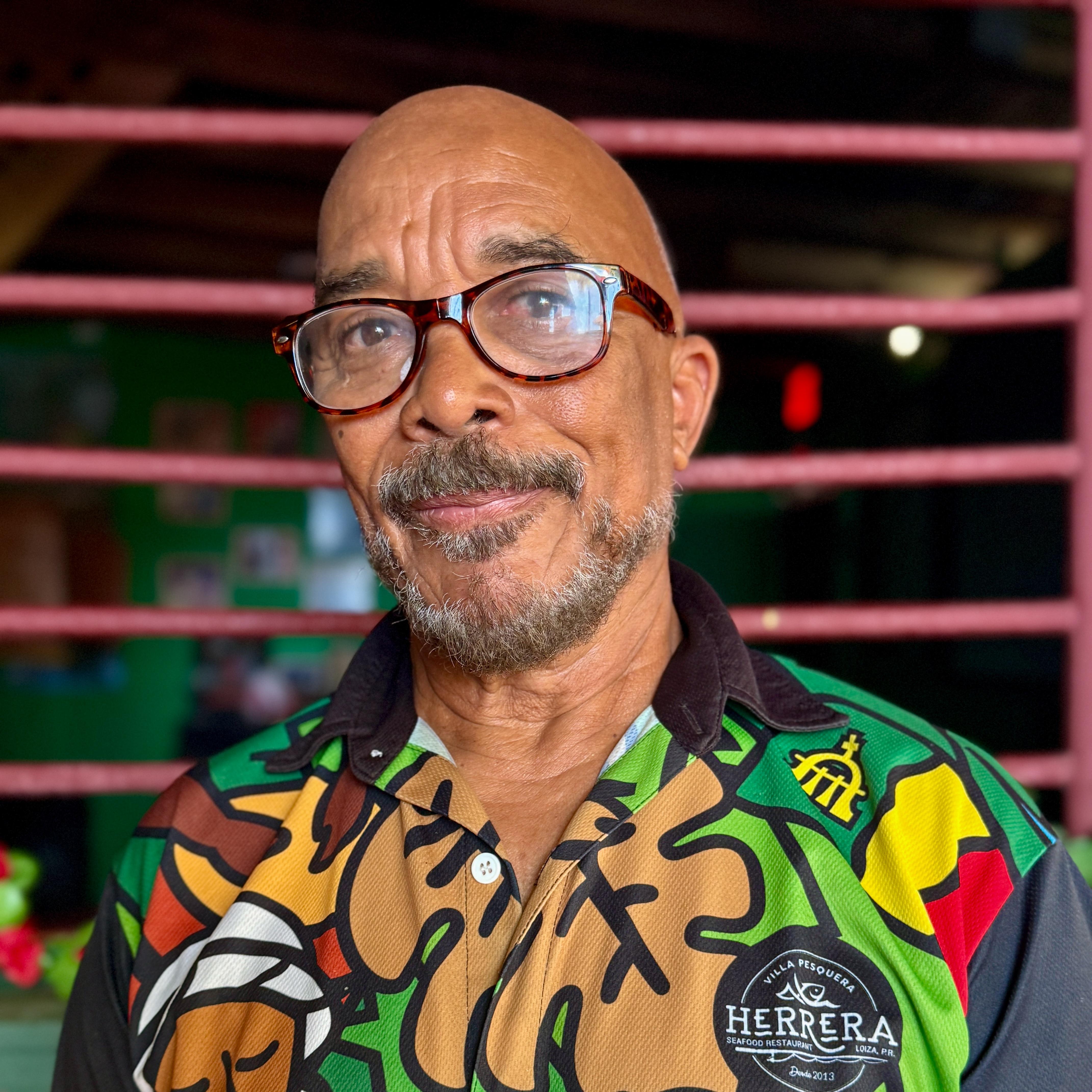
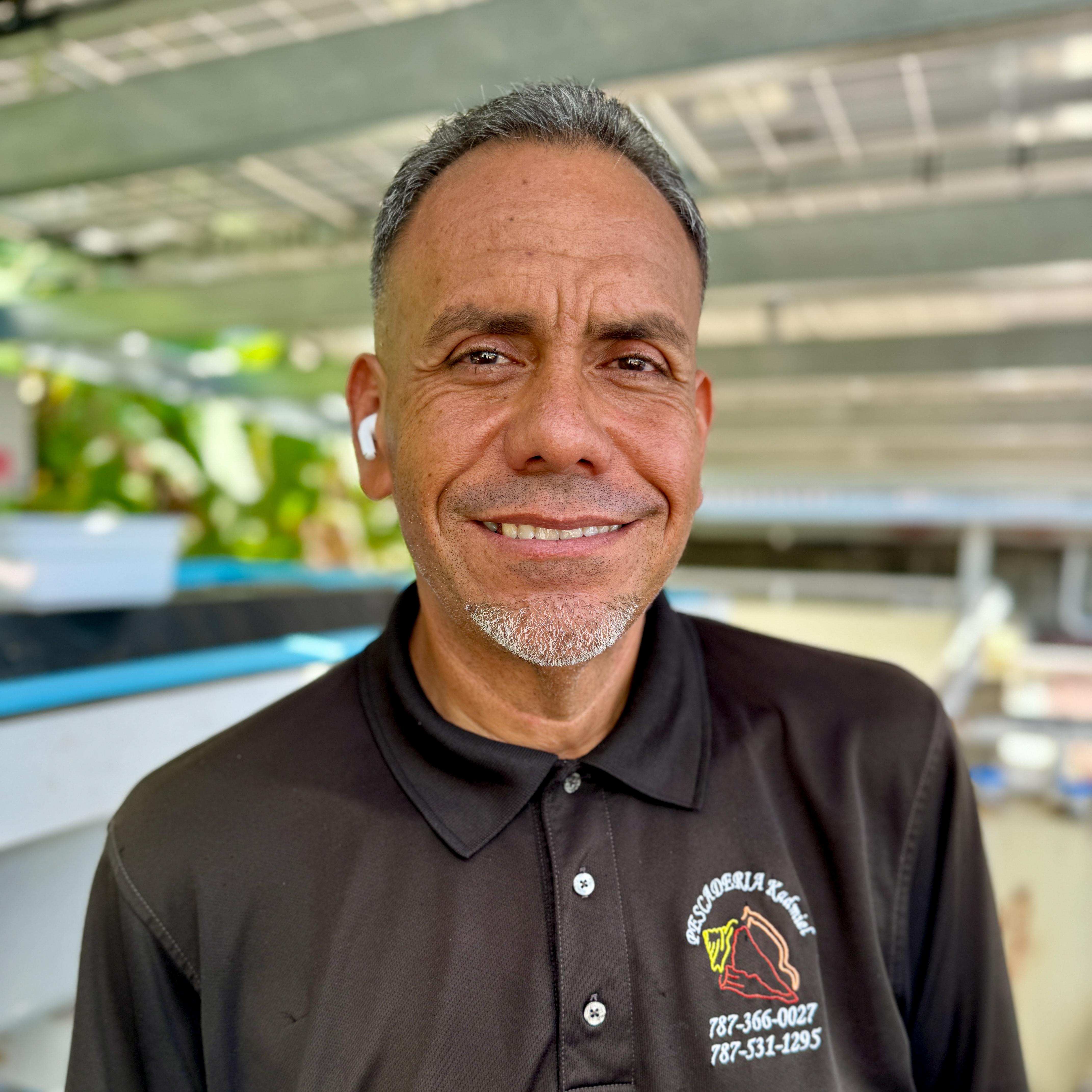
In the wake of Hurricanes Irma and Maria, Puerto Rico’s fishing communities faced devastation that tested their resilience, independence, and unity. From destroyed infrastructure to lost livelihoods, these coastal villages were forced to rethink how to survive—and thrive—in a rapidly changing world.
Across the island, local fishers, supported by the nonprofit Conservación Consciencia, have taken the lead in rebuilding their fisheries, restoring endangered species like queen conch and scalloped hammerhead sharks, and strengthening the communities that depend on them. Their work demonstrates that true resilience is built on collaboration, trust, and transparency, with fishers empowered to write their own stories of recovery.
Now these communities are transforming challenges into victories. By combining traditional knowledge with innovative conservation practices, solar-powered fisheries, and science-driven management, Puerto Rican fishers are forging a future that balances independence with collective action. Through their dedication, they are creating stronger, more connected communities that are better prepared for the storms ahead—showing that survival is not just about enduring, but about thriving together.
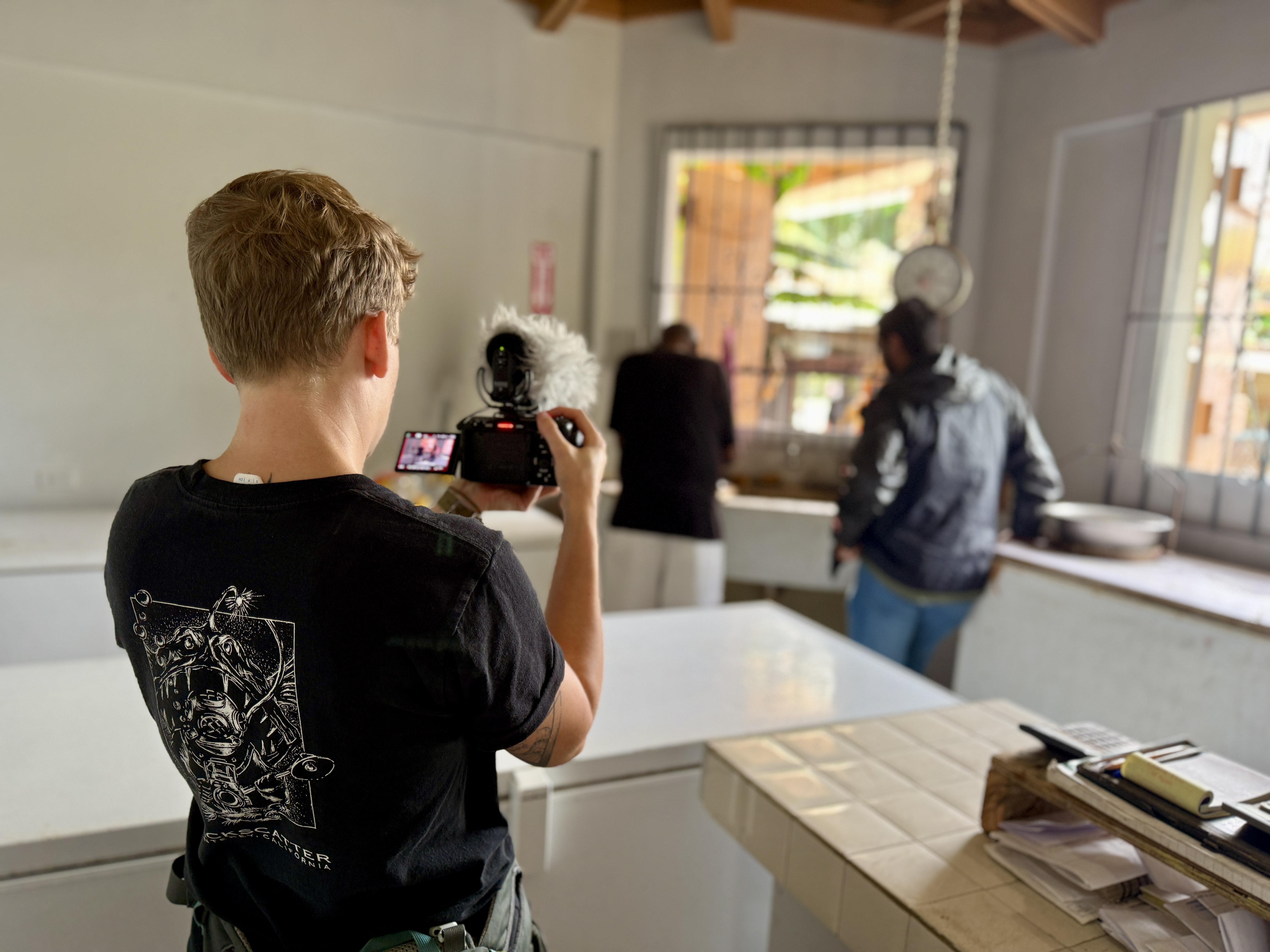
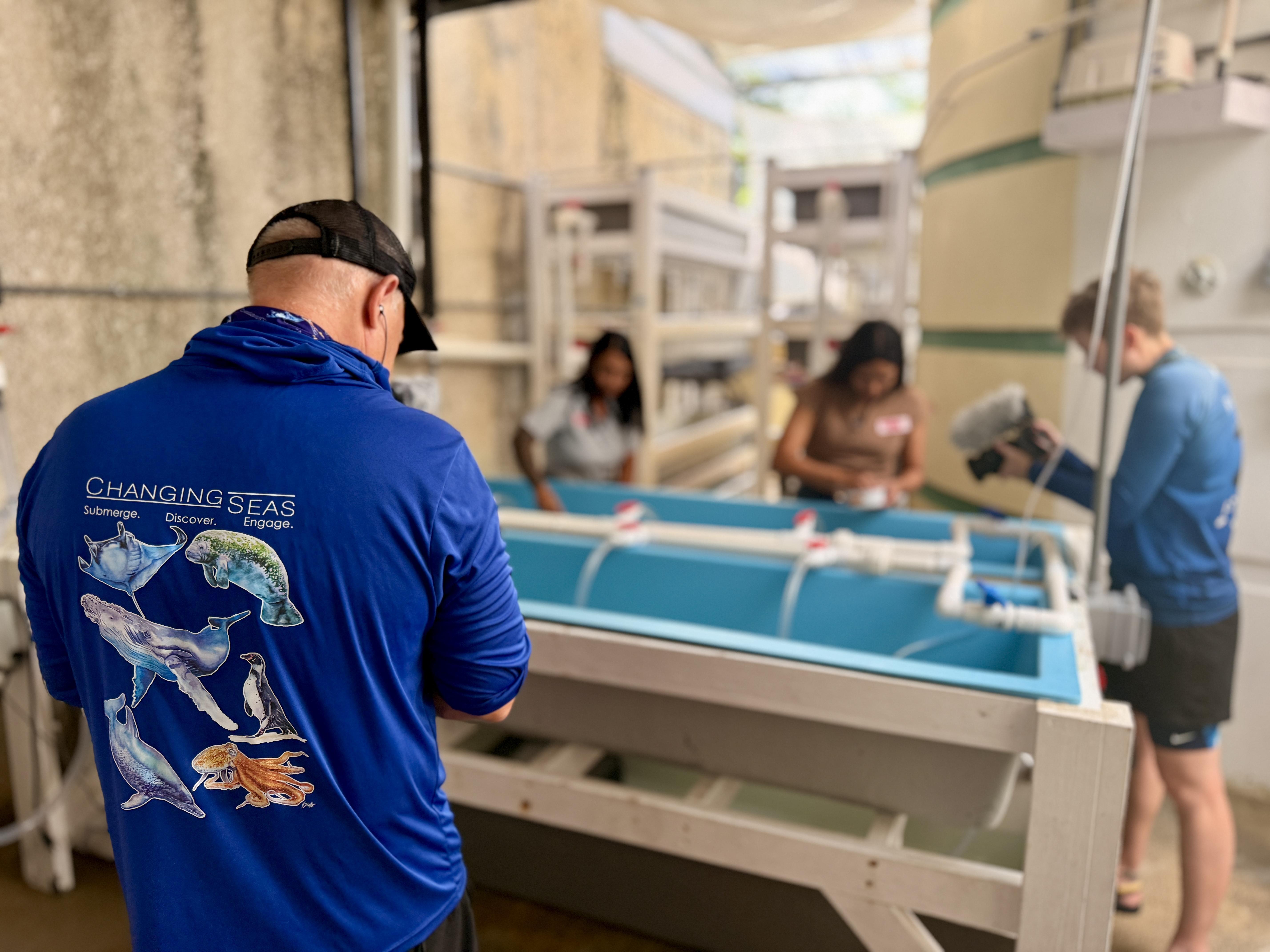
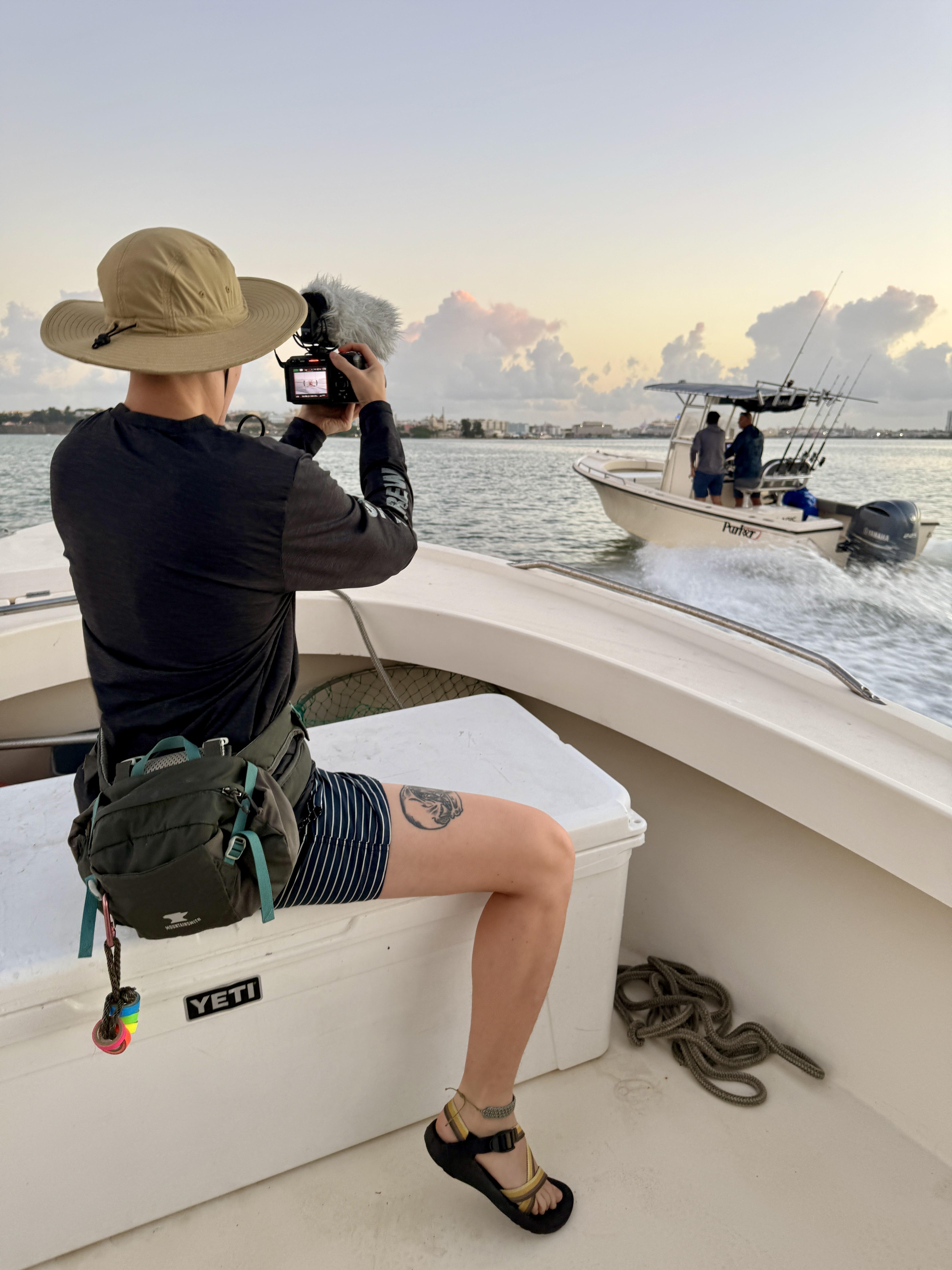
Videographer Nova West films Loíza fishermen at the Villa Pesquera Herrera de Loíza.
Changing Seas
2 / 28
Share This Gallery
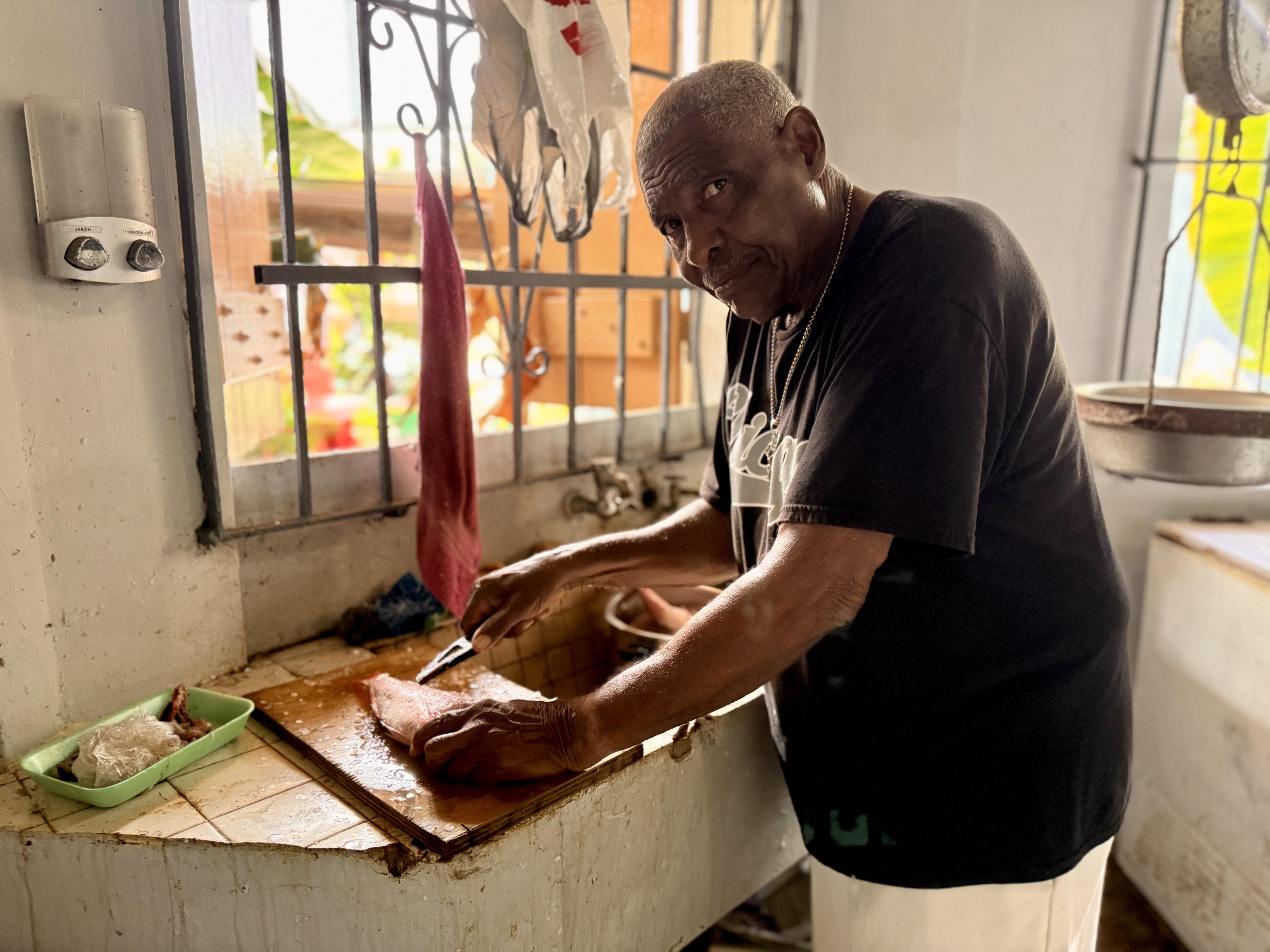
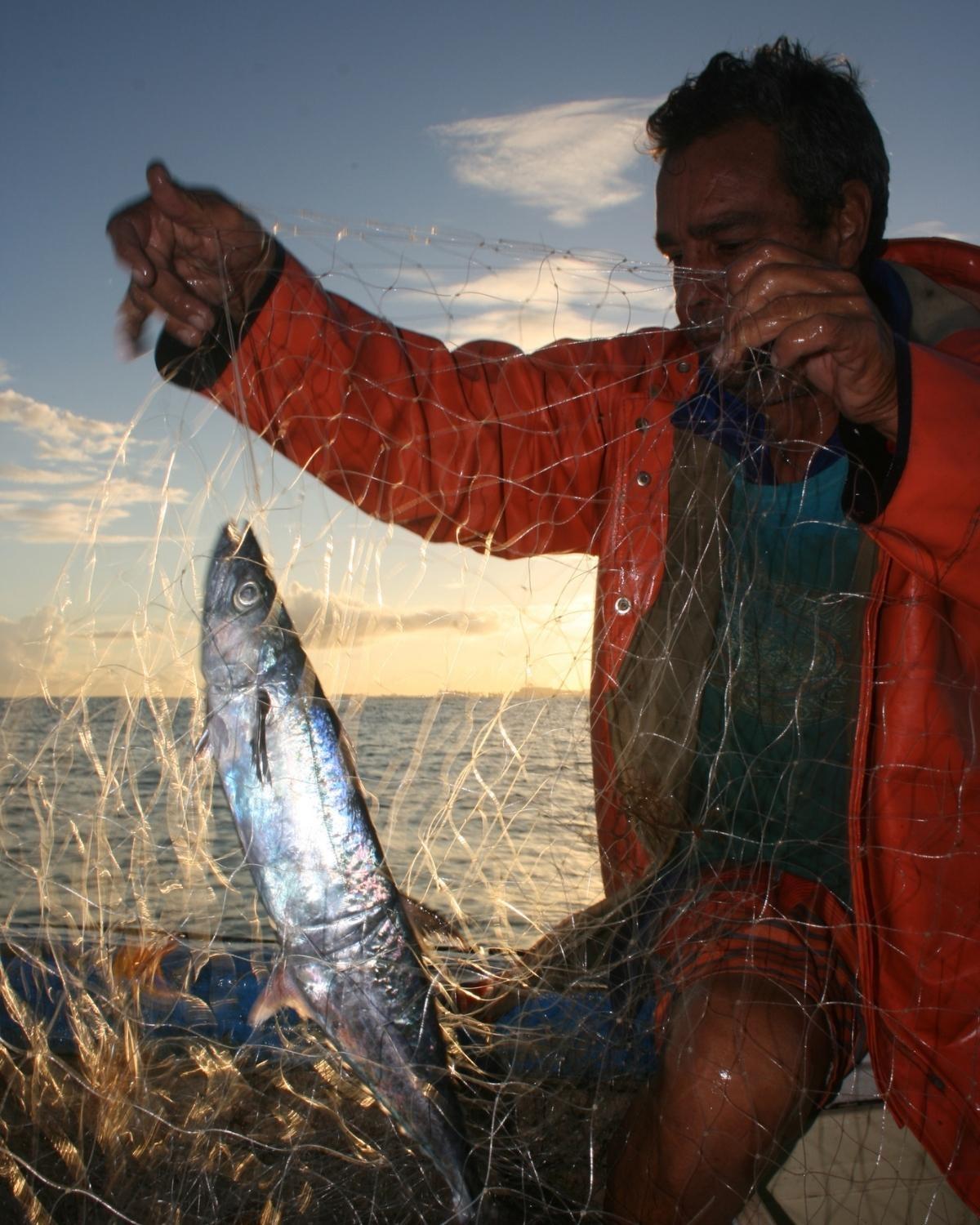
Rafael Pizarro de Jesús, President of the Villa Pesquera Herrera de Loíza, prepares a recent catch in the Loíza fish market.
Changing Seas
3 / 28
Share This Gallery
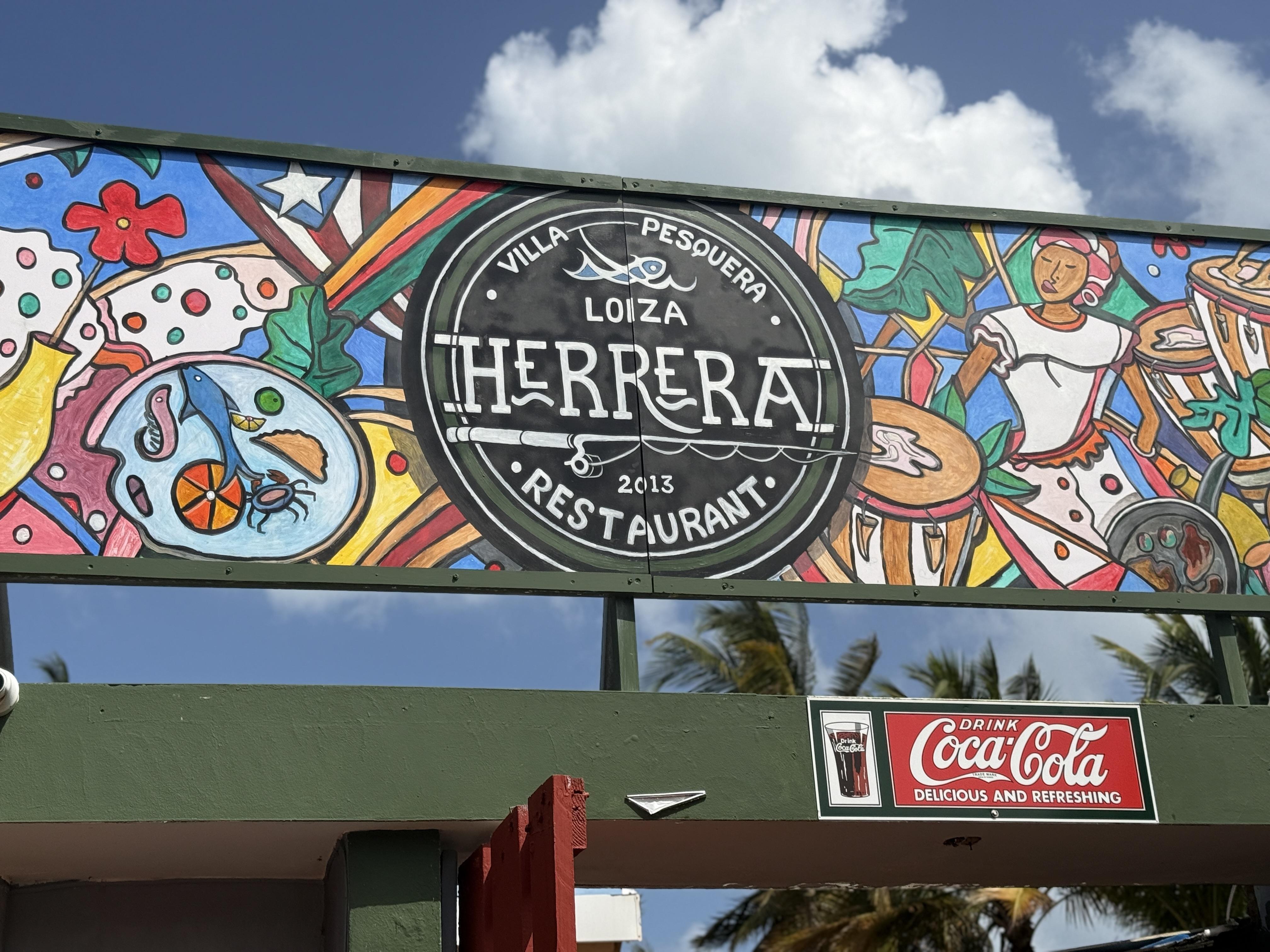
The fishing association at Loíza includes a seaside restaurant that serves local dishes and the fresh catch of the day.
Changing Seas
4 / 28
Share This Gallery
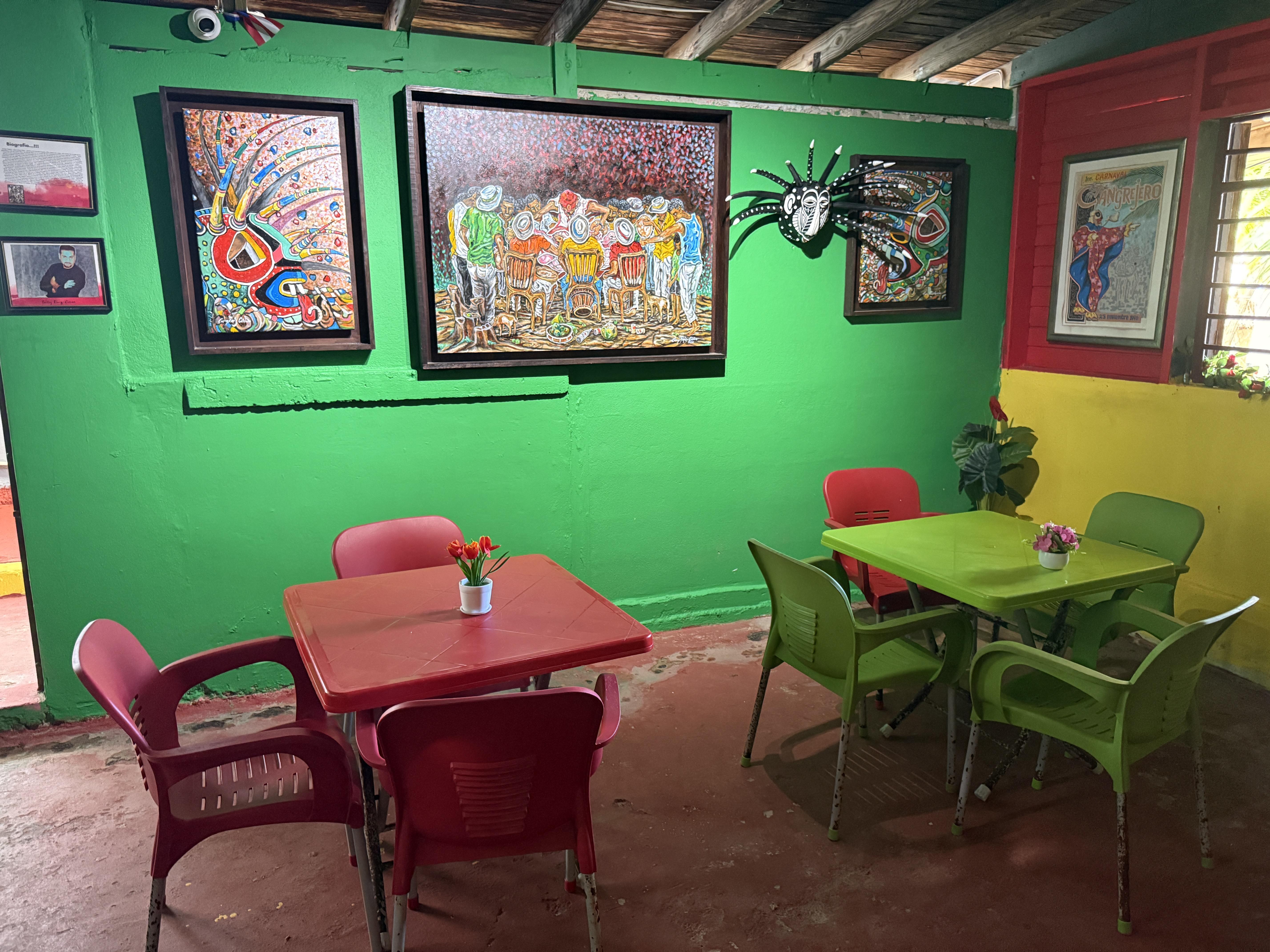
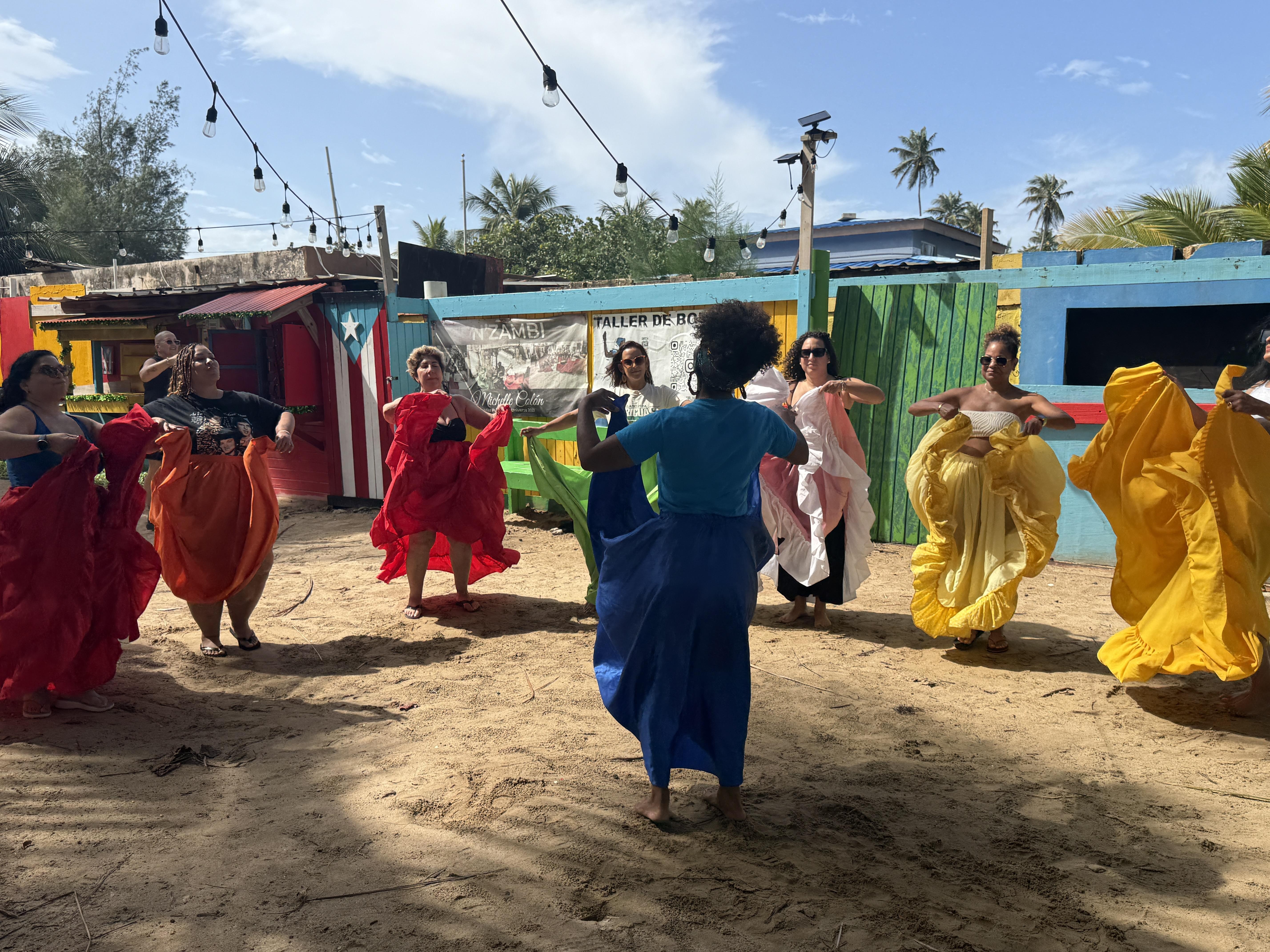
The Villa Pesquera Herrera is also a community gathering place and cultural center in Loíza, which is at the heart of Puerto Rico’s Afro-Caribbean culture.
Changing Seas
5 / 28
Share This Gallery
The Villa Pesquera Herrera de Loíza regularly hosts cultural events at the restaurant, including live music and dance.
Changing Seas
6 / 28
Share This Gallery
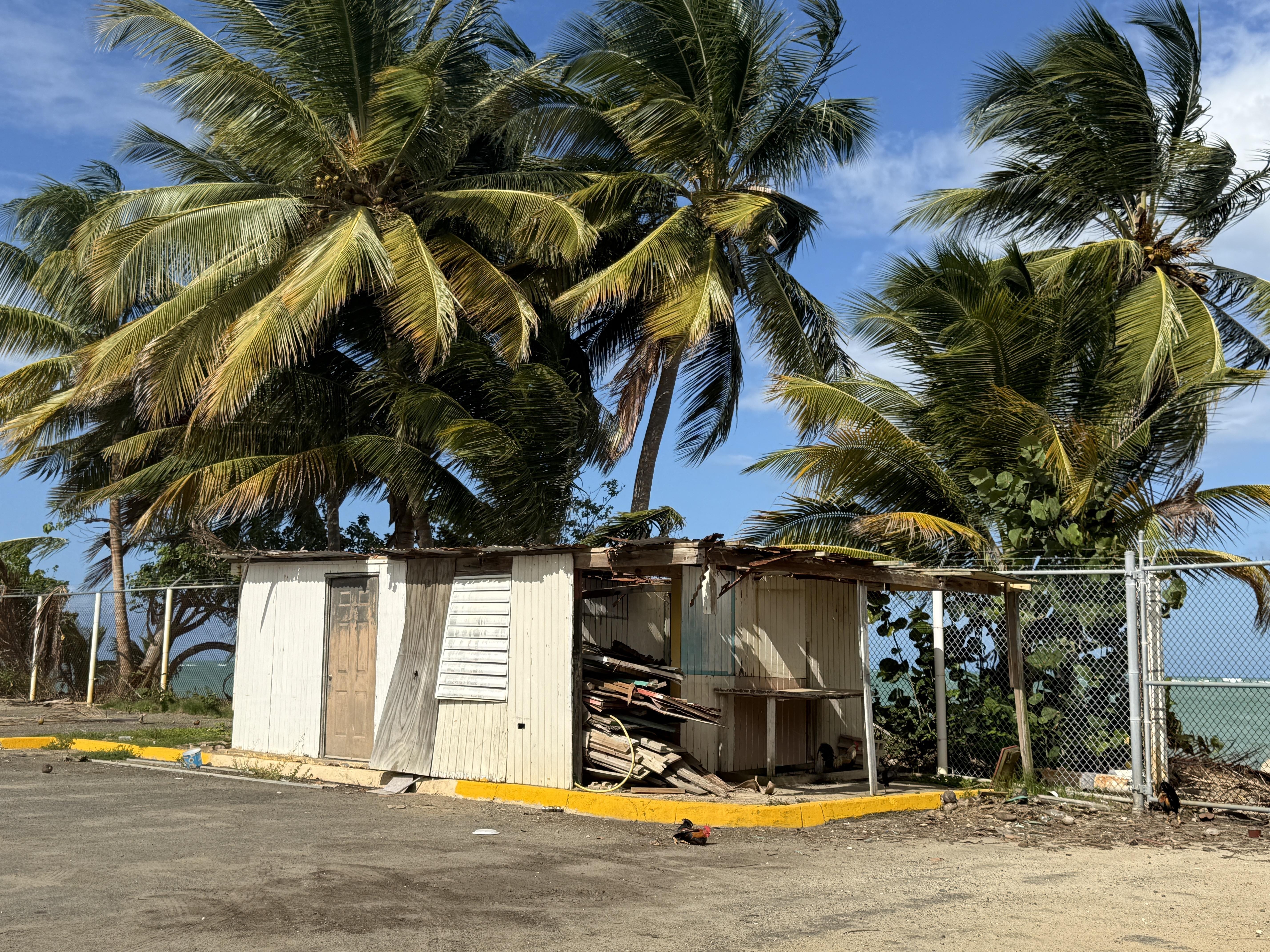
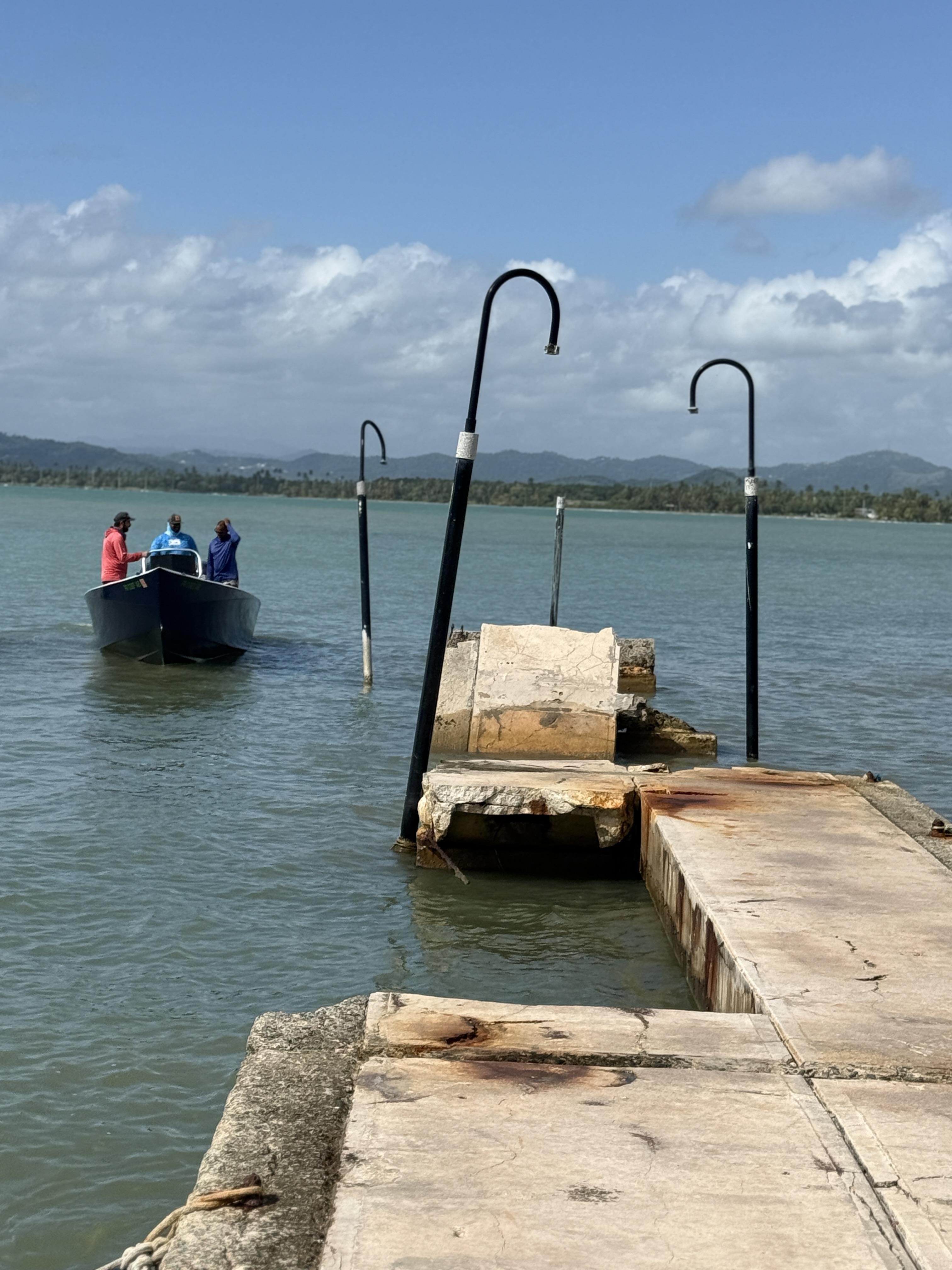
When hurricanes Irma and Maria devastated Puerto Rico in 2017, they impacted all of the fishing associations around the island, including the one in Loíza. Some structures remain damaged today and await repair.
Conservación ConCiencia
7 / 28
Share This Gallery
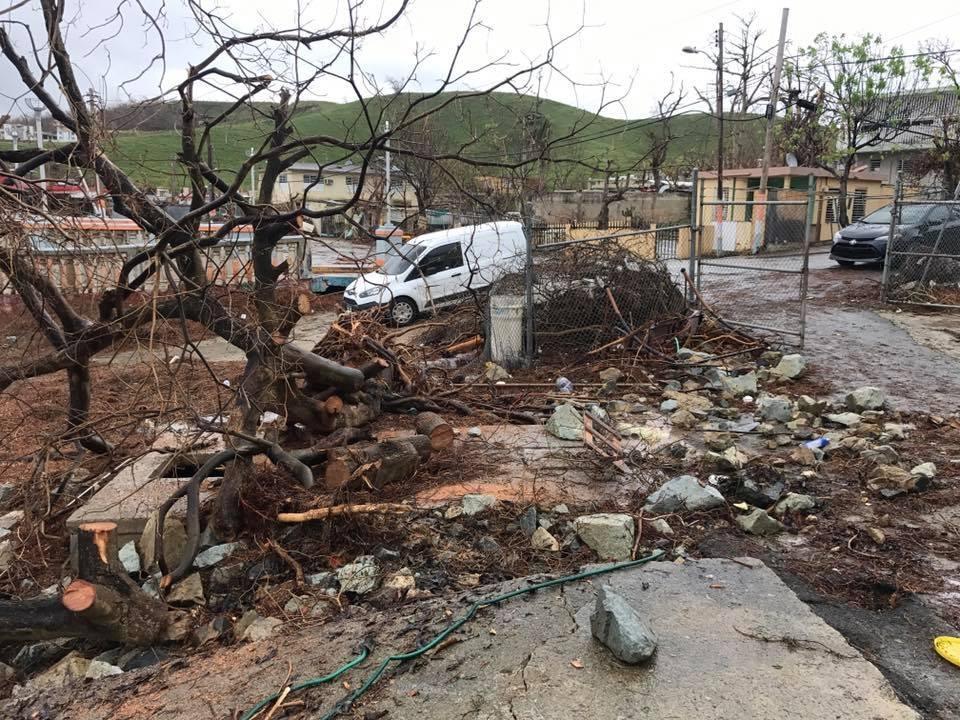
Hurricane Maria directly impacted the fishing association in the quiet fishing village of Naguabo with high winds and storm surge. Following the storm, power was out across the island for six to eight months.
Conservación ConCiencia
8 / 28
Share This Gallery
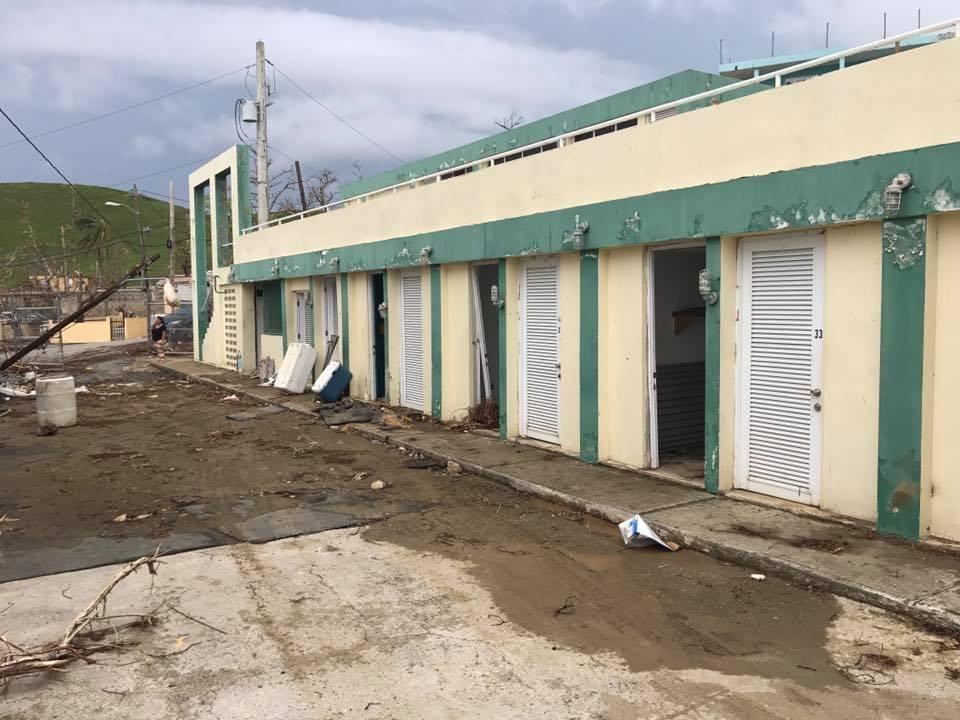
Hurricane Maria's storm surge rose above the first floor of fishing association Pescadores Unidos Corporation de Playa Húcares, damaging all of the fishing lockers and taking fishermen's gear out to sea, never to be recovered.
Changing Seas
9 / 28
Share This Gallery
The dock at the Pescadores Unidos Corporation de Playa Húcares, Naguabo remains damaged.
Conservación ConCiencia
10 / 28
Share This Gallery
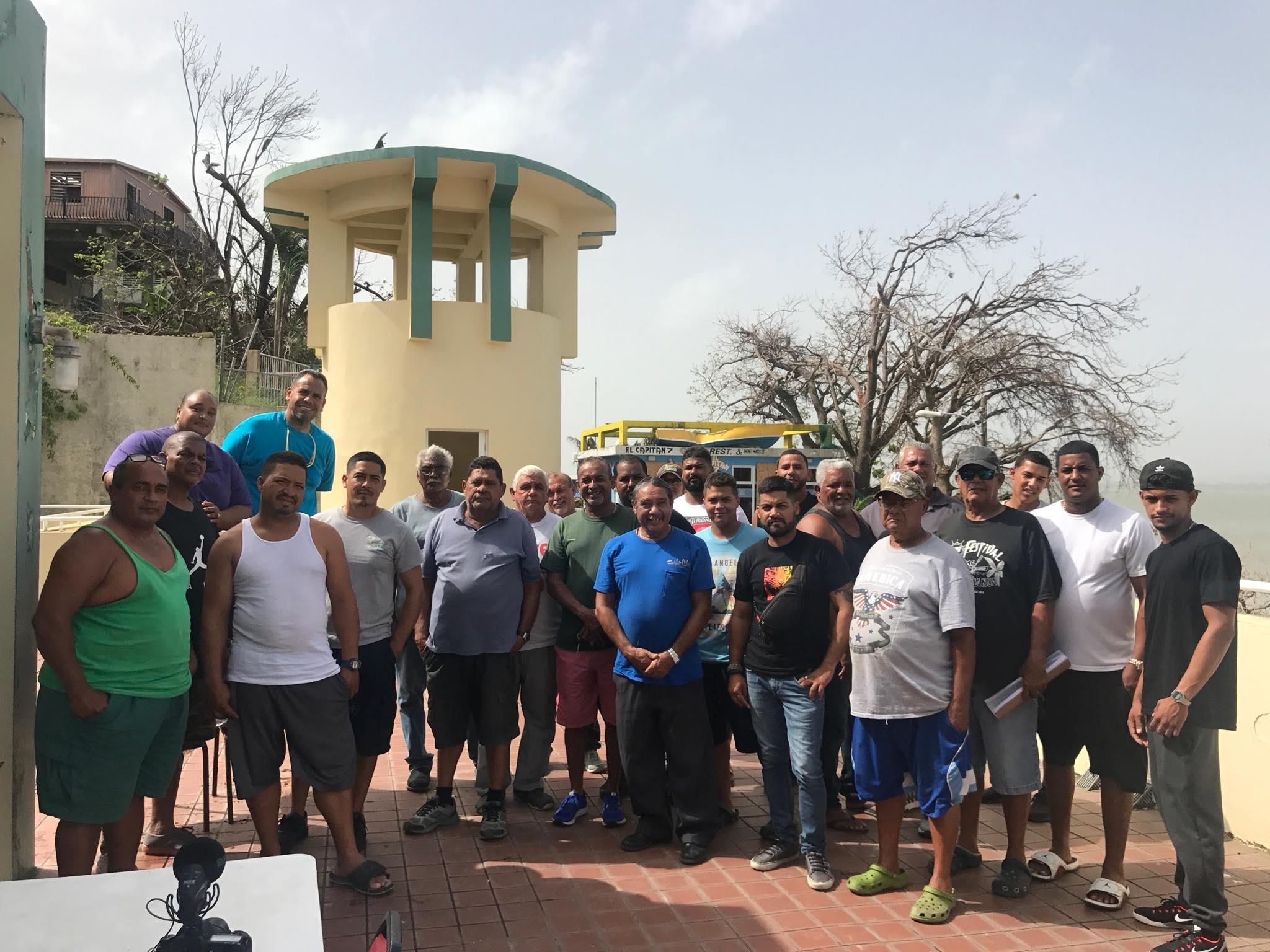
After the storms, the fishermen at each fishing association came together to repair and rebuild, including those at the Pescadores Unidos Corporation de Playa Húcares.
Conservación ConCiencia
11 / 28
Share This Gallery
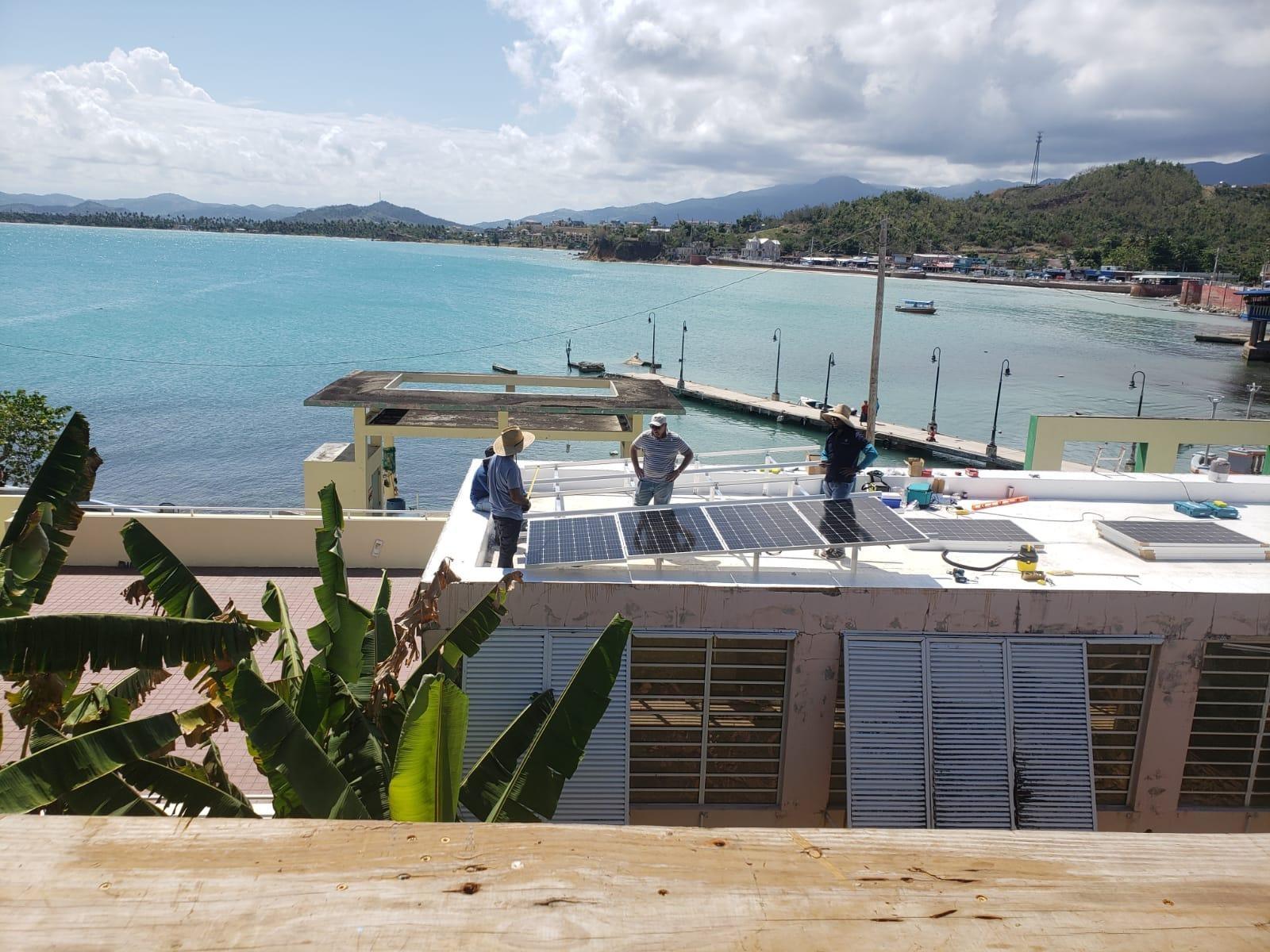
With the help of marine conservation organization Conservación ConCiencia and the Hispanic Federation, the fishermen at Naguabo installed a solar system to power their fish freezers and create ice to keep their catch fresh.
Conservación ConCiencia
12 / 28
Share This Gallery
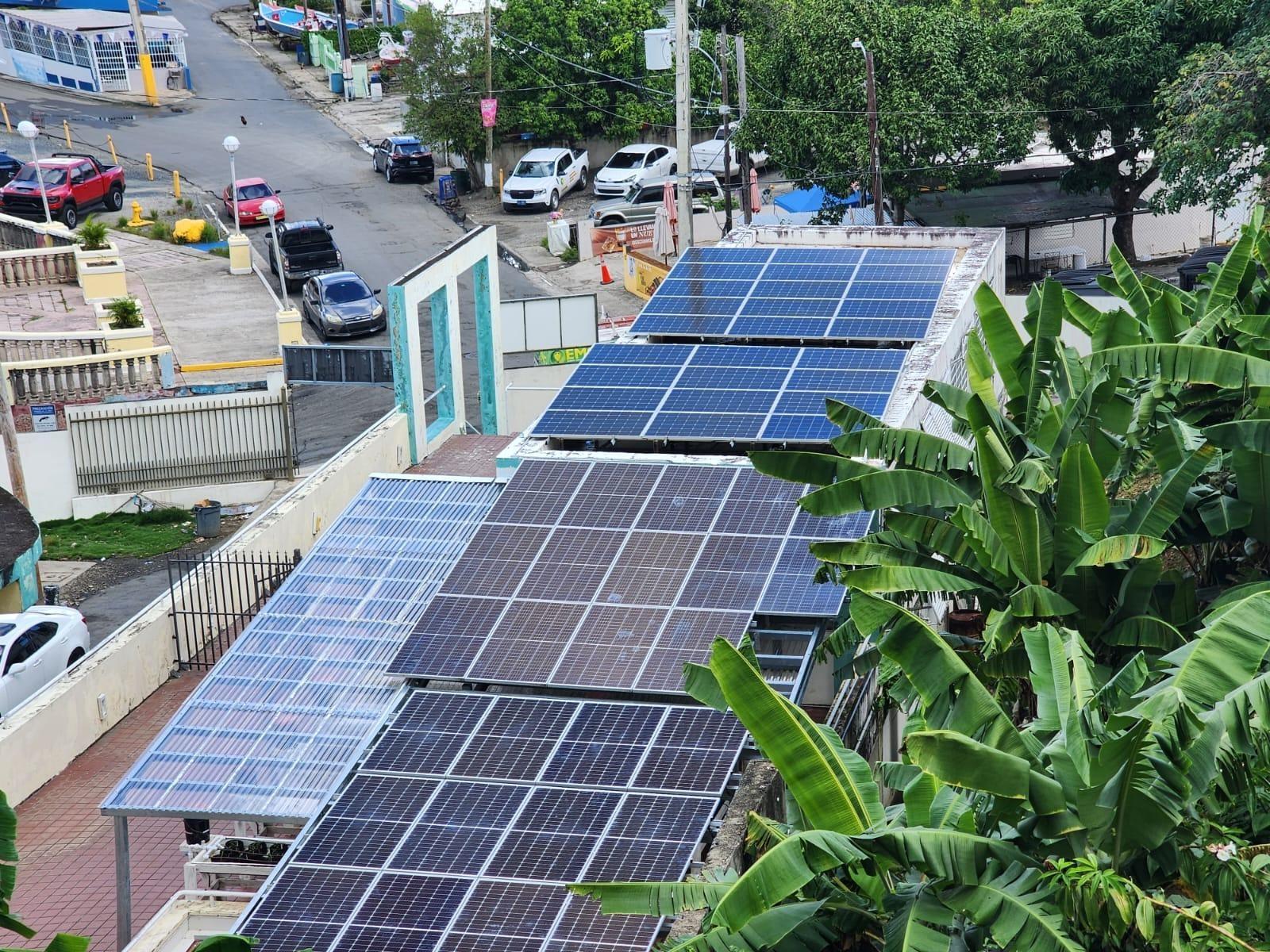
The panels at Naguabo were a pilot project that proved to be highly successful. Over a seven-year period, Conservación ConCiencia helped fishermen install solar systems in 19 additional fishing associations across Puerto Rico.
Changing Seas
13 / 28
Share This Gallery
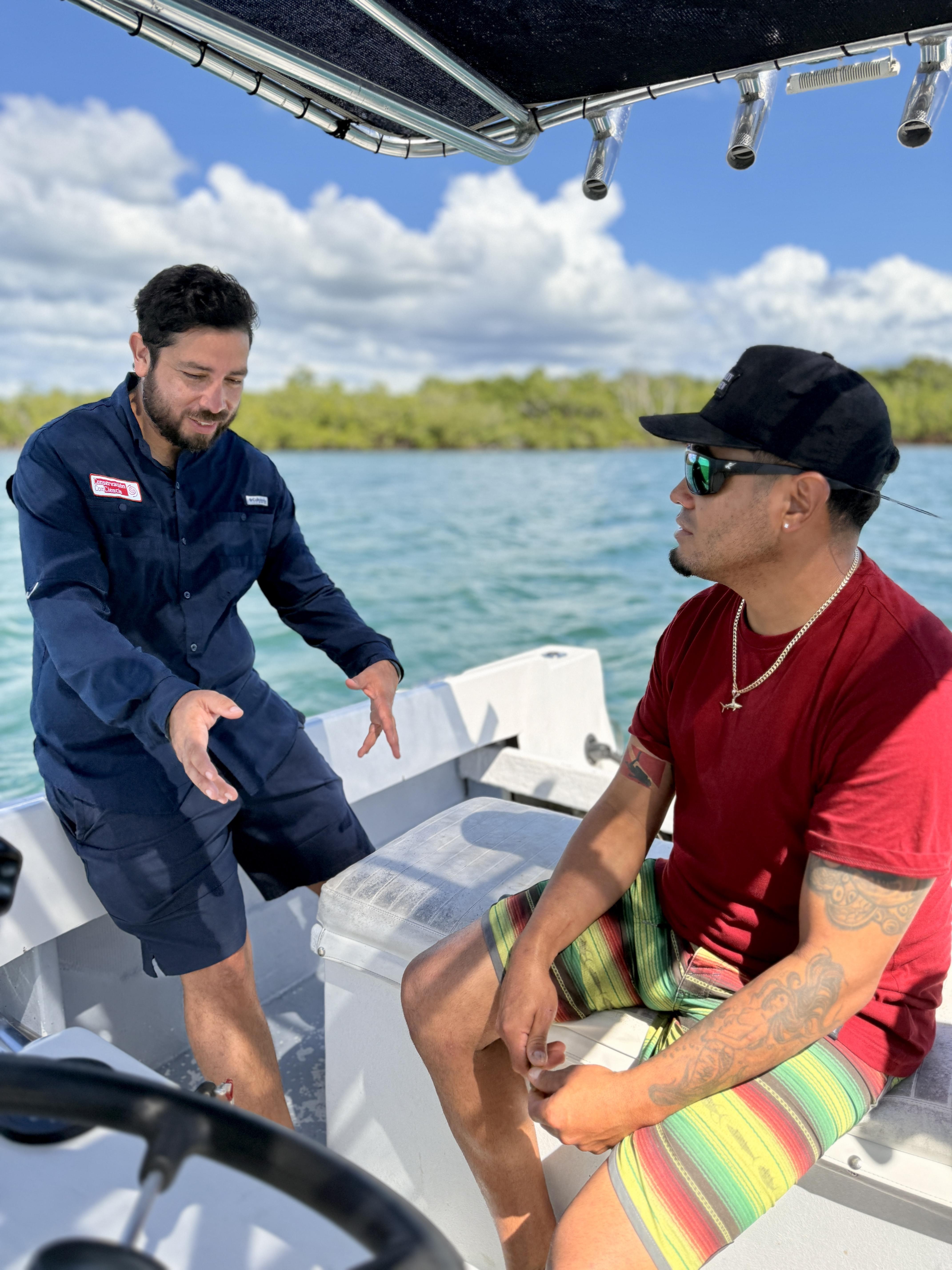
Solar panel installation proved essential for the Villa Pesquera de Boquerón in Cabo Rojo. Here, Conservación ConCiencia founder Raimundo Espinoza works with a Boquerón fisherman.
Changing Seas
14 / 28
Share This Gallery
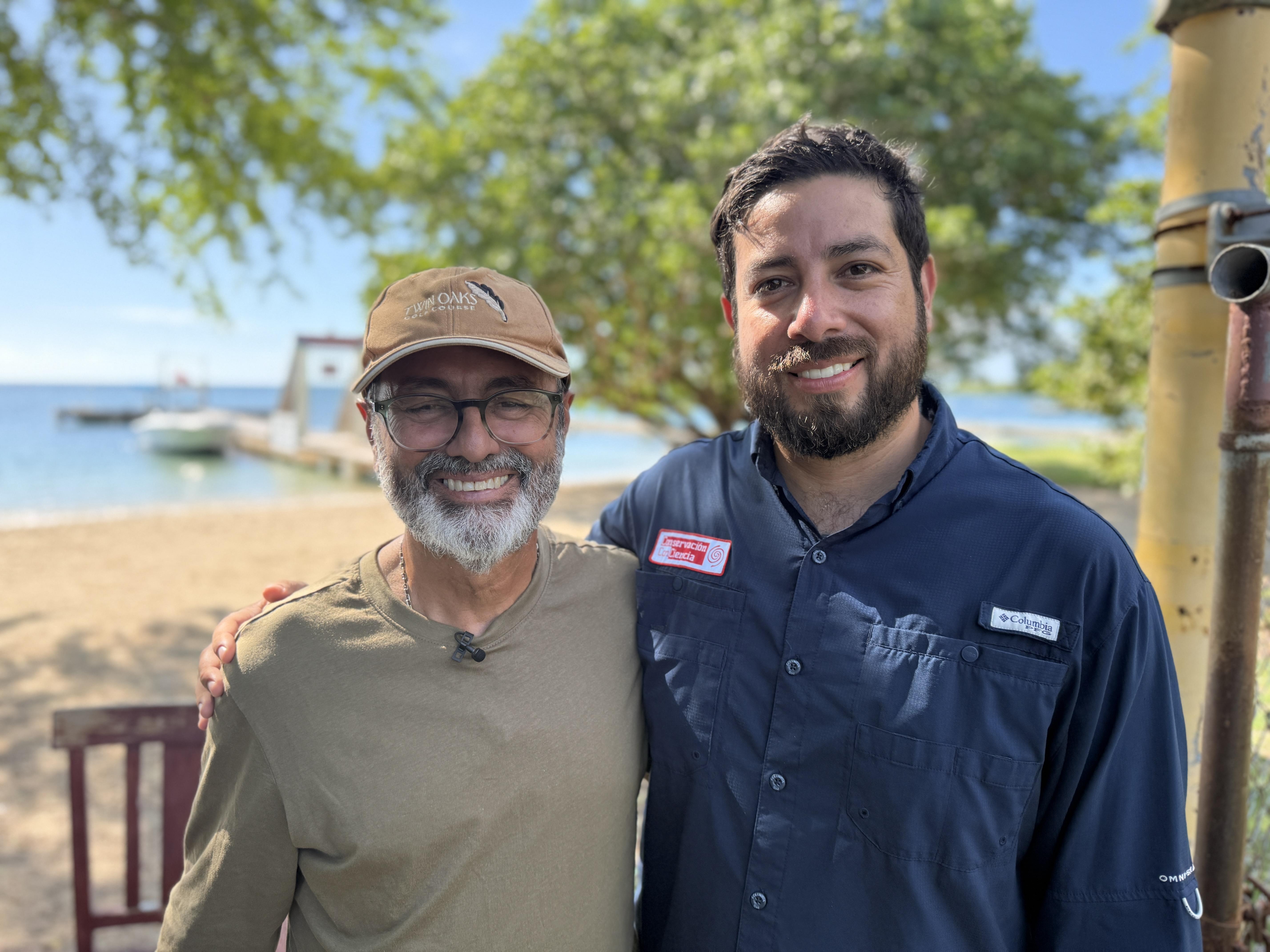
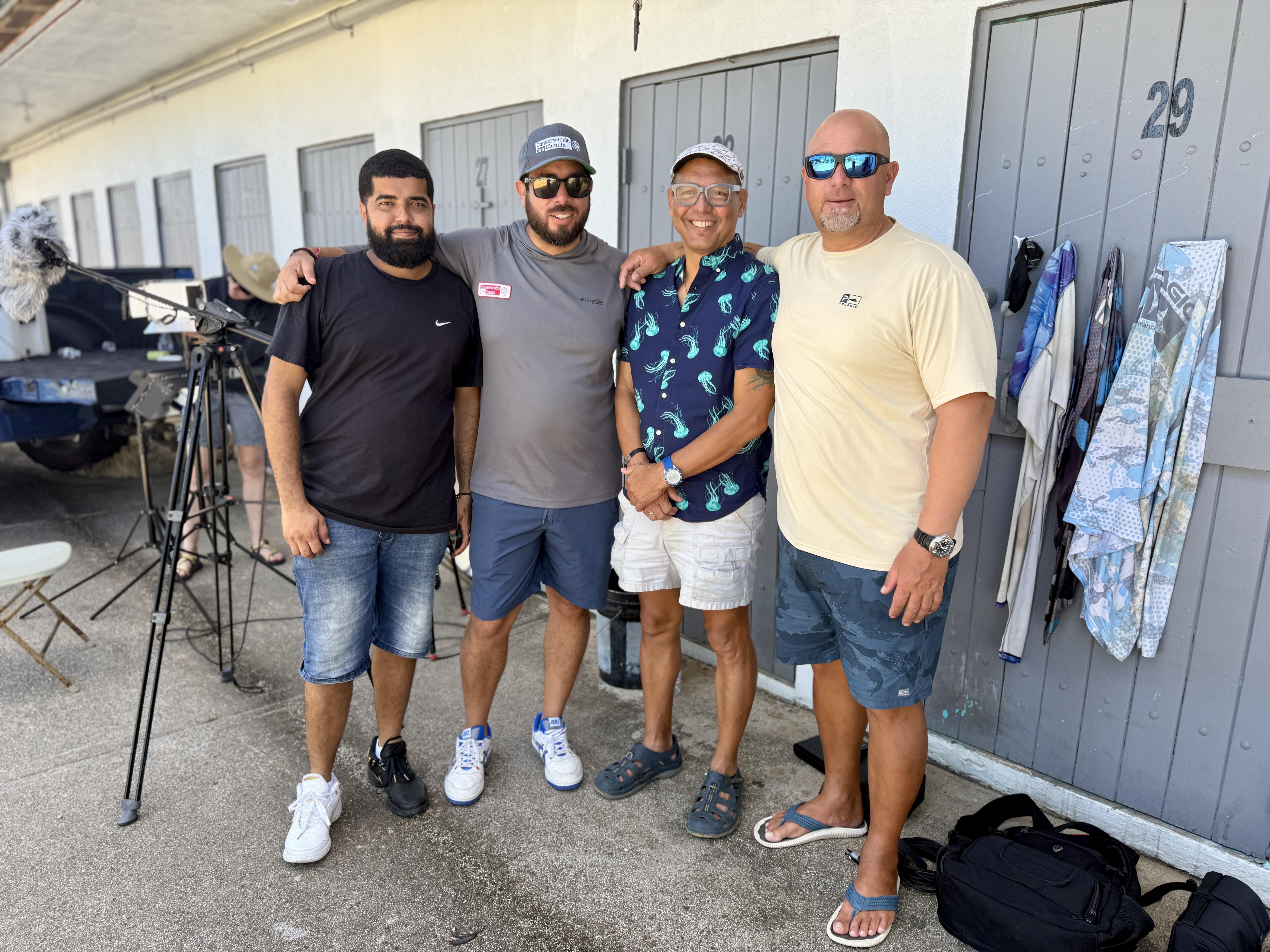
Conservación ConCiencia founder Raimundo Espinoza with Ricardo Lugo, a local leader and fisherman with the Villa Pesquera de Boquerón.
Changing Seas
15 / 28
Share This Gallery
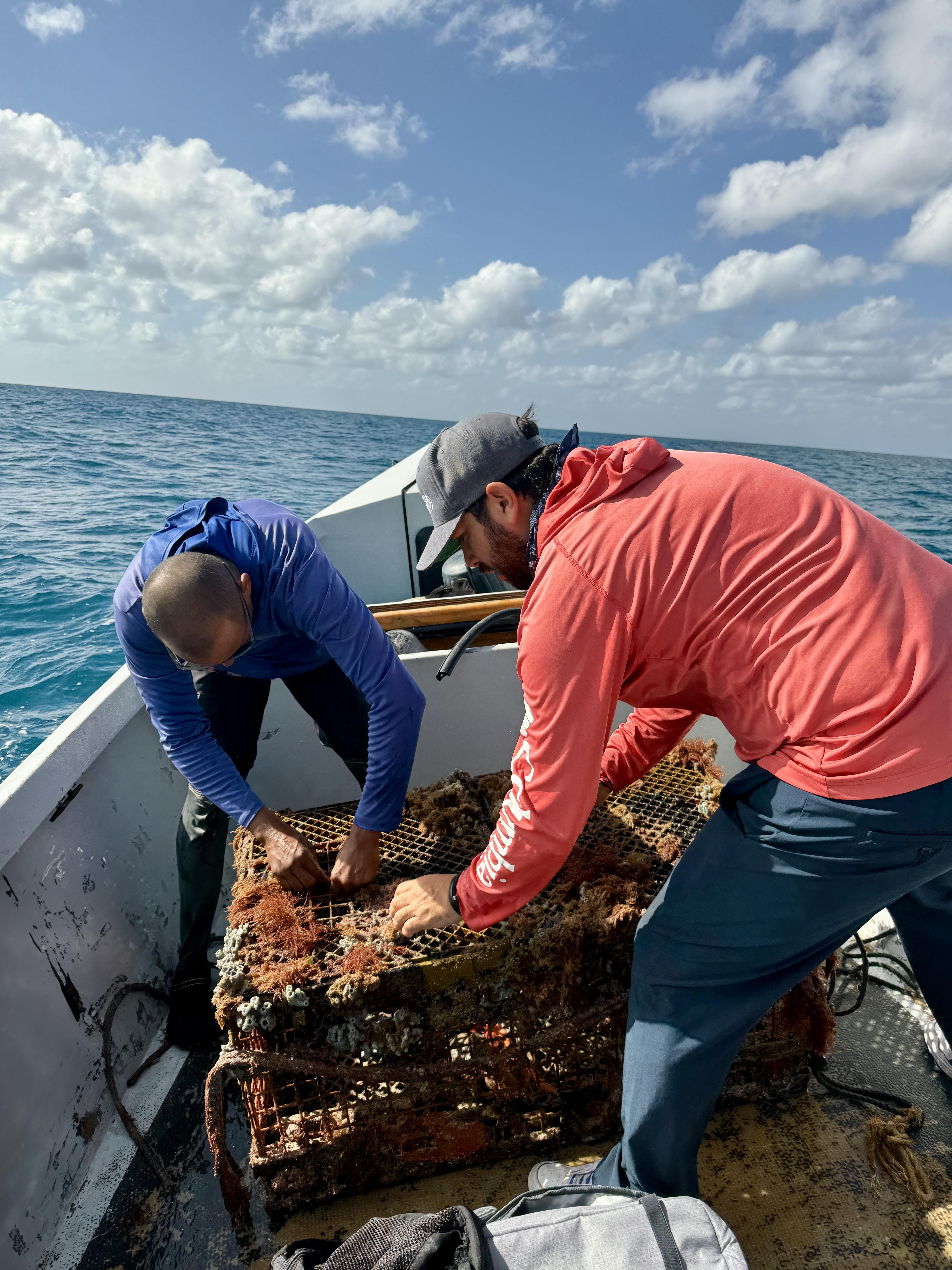
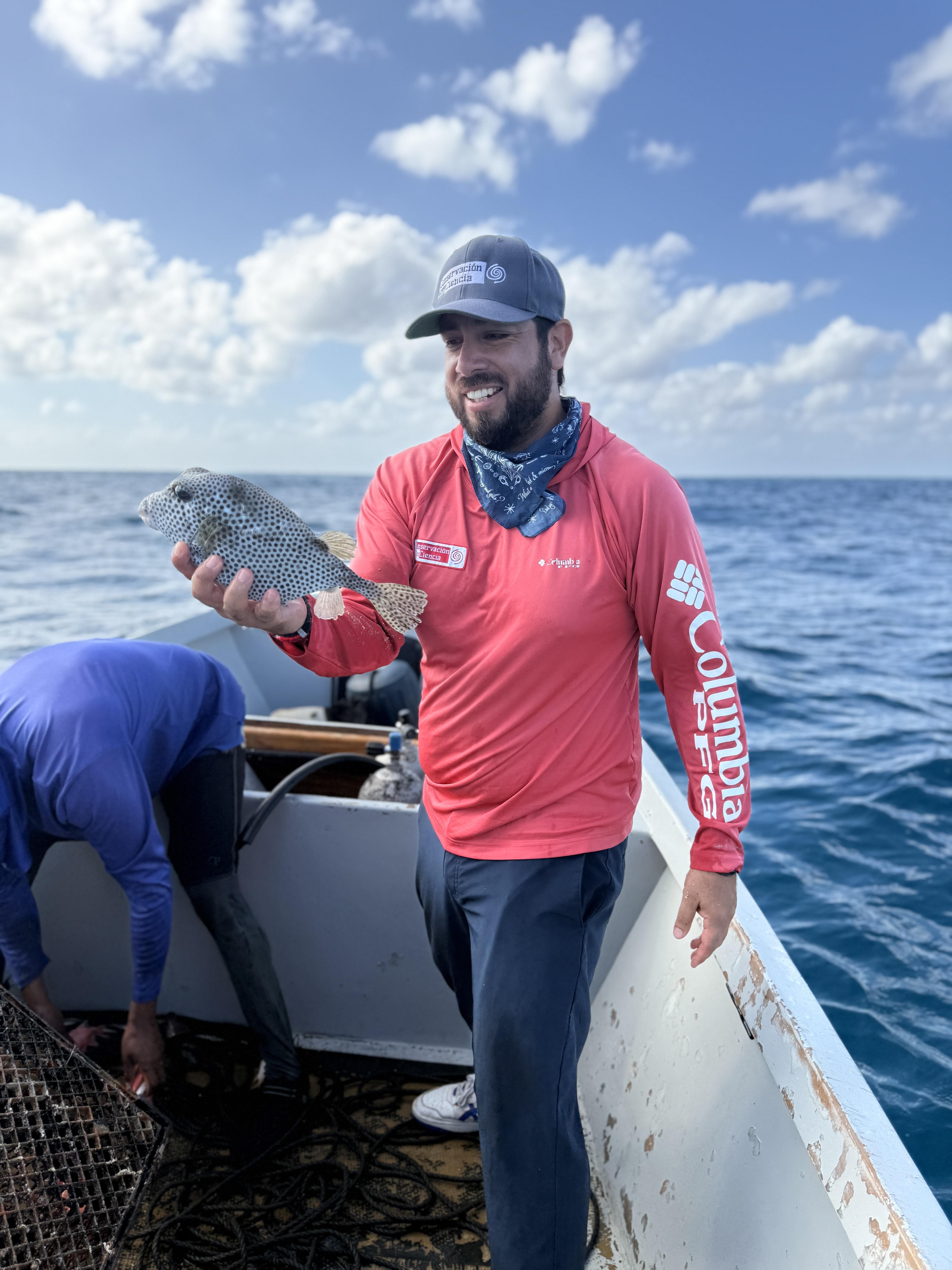
Raimundo also worked with local fishing associations to provide funding for the removal of derelict fishing gear, or ghost gear, from the sea floor.
Changing Seas
16 / 28
Share This Gallery
Over the past eight years, fishermen across Puerto Rico, with the support of Conservación ConCiencia, have removed more than 128 tons of deadly ghost gear from the sea.
Changing Seas
17 / 28
Share This Gallery
Director of Photography Sean Hickey prepares to film on the water with fishermen from the Pescadores Unidos Corporation de Playa Húcares.
Changing Seas
18 / 28
Share This Gallery
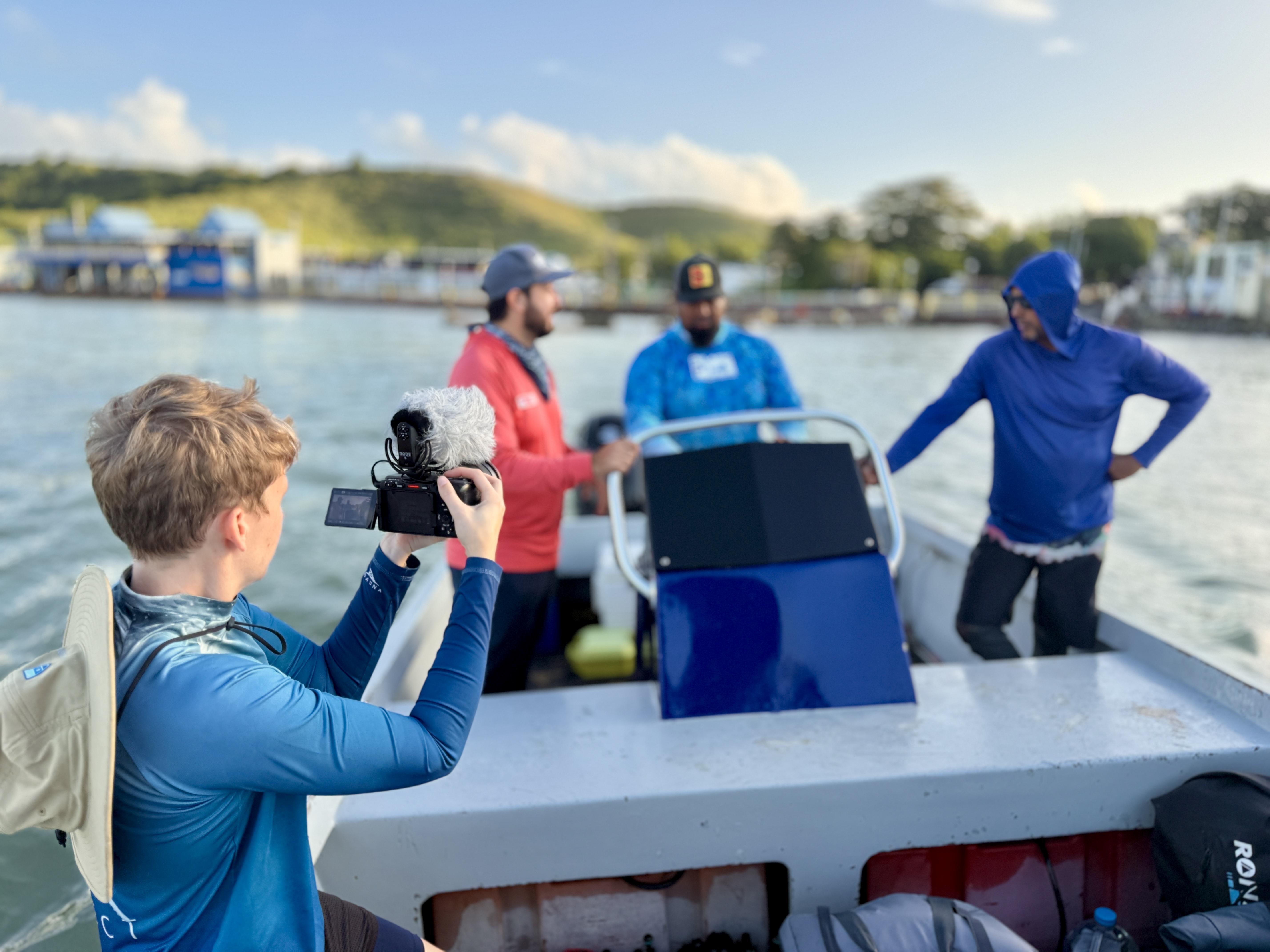
Videographer Nova West films Conservación ConCiencia founder Raimundo Espinoza talking with fishermen from the village Naguabo as they head out to fish for queen conch.
Changing Seas
19 / 28
Share This Gallery
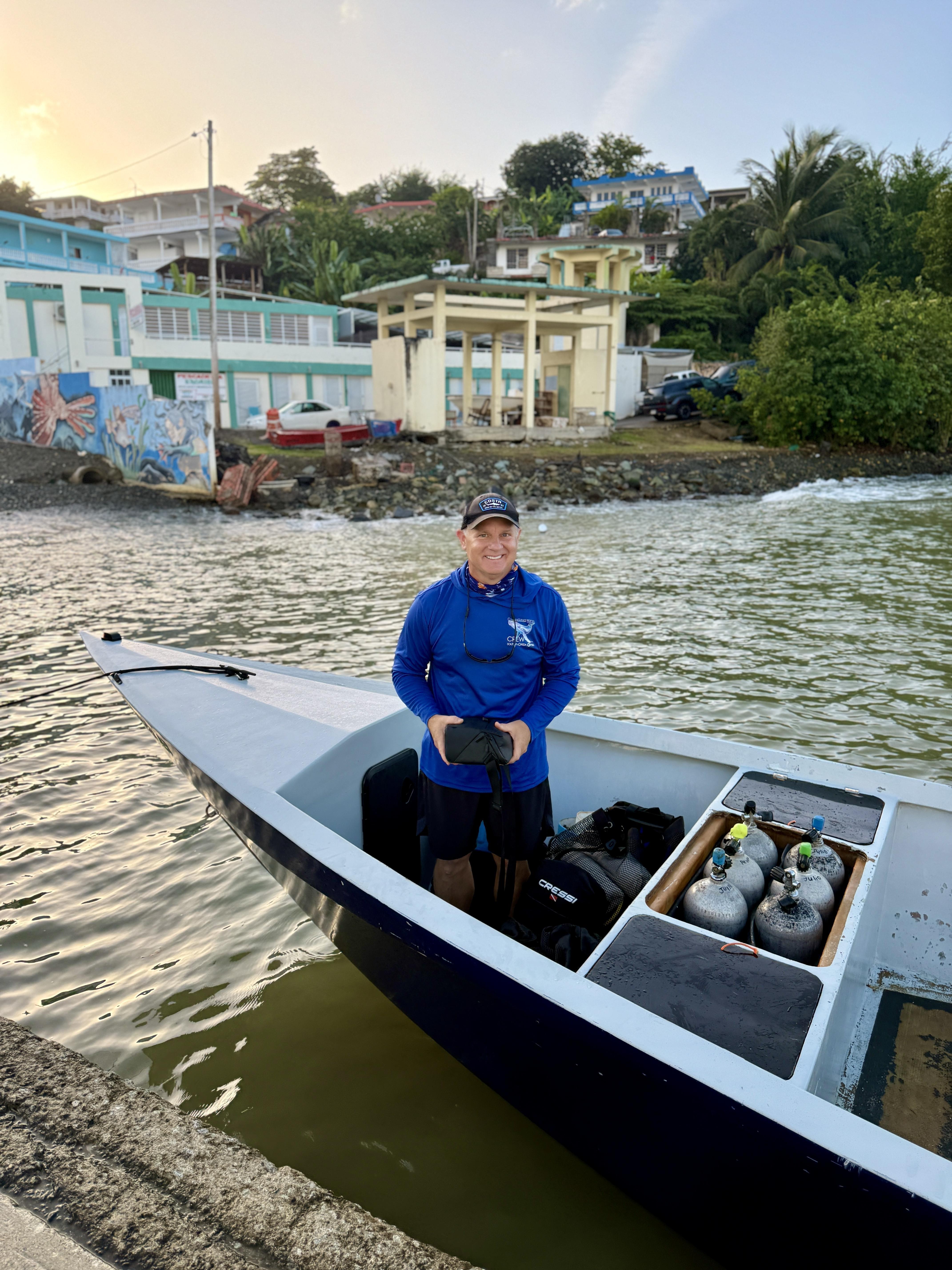
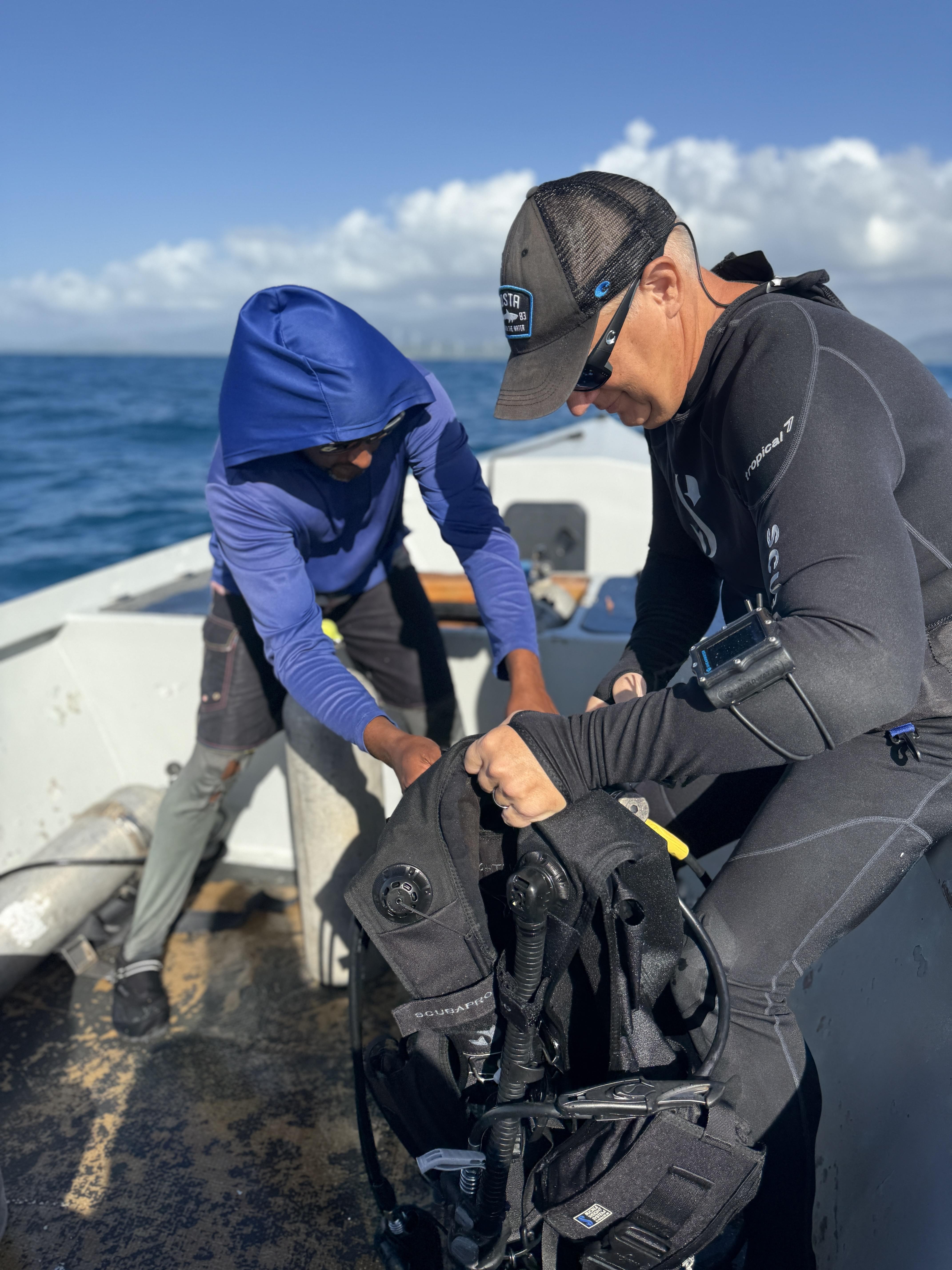
Director of Photography Sean Hickey gets ready to dive and film a Naguabo fisherman as he dives for queen conch.
Changing Seas
20 / 28
Share This Gallery
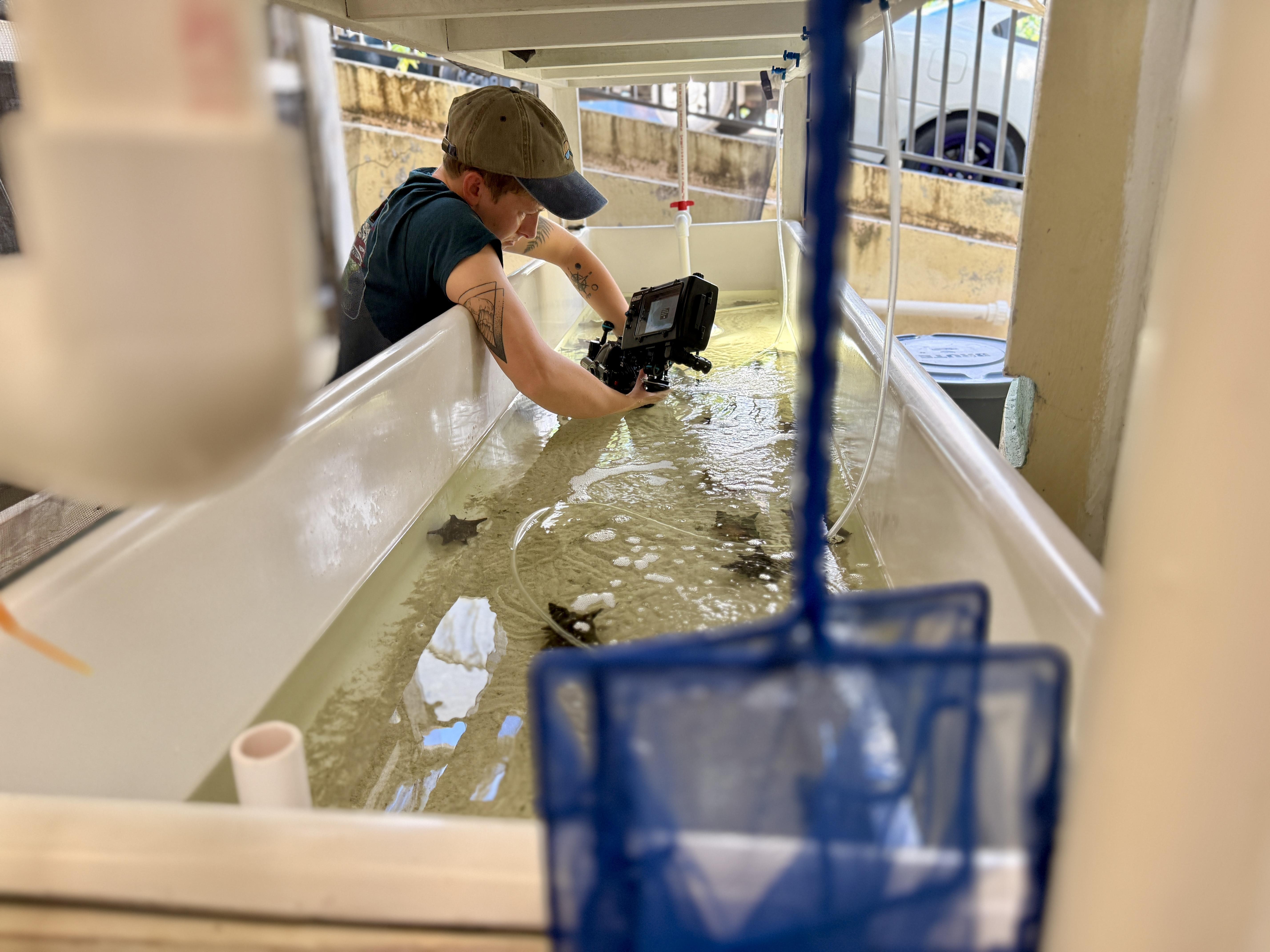
Videographer Nova West films at the Naguabo Queen Conch Hatchery, a pioneering, fisher-operated facility focused on restoring queen conch through aquaculture.
Changing Seas
21 / 28
Share This Gallery
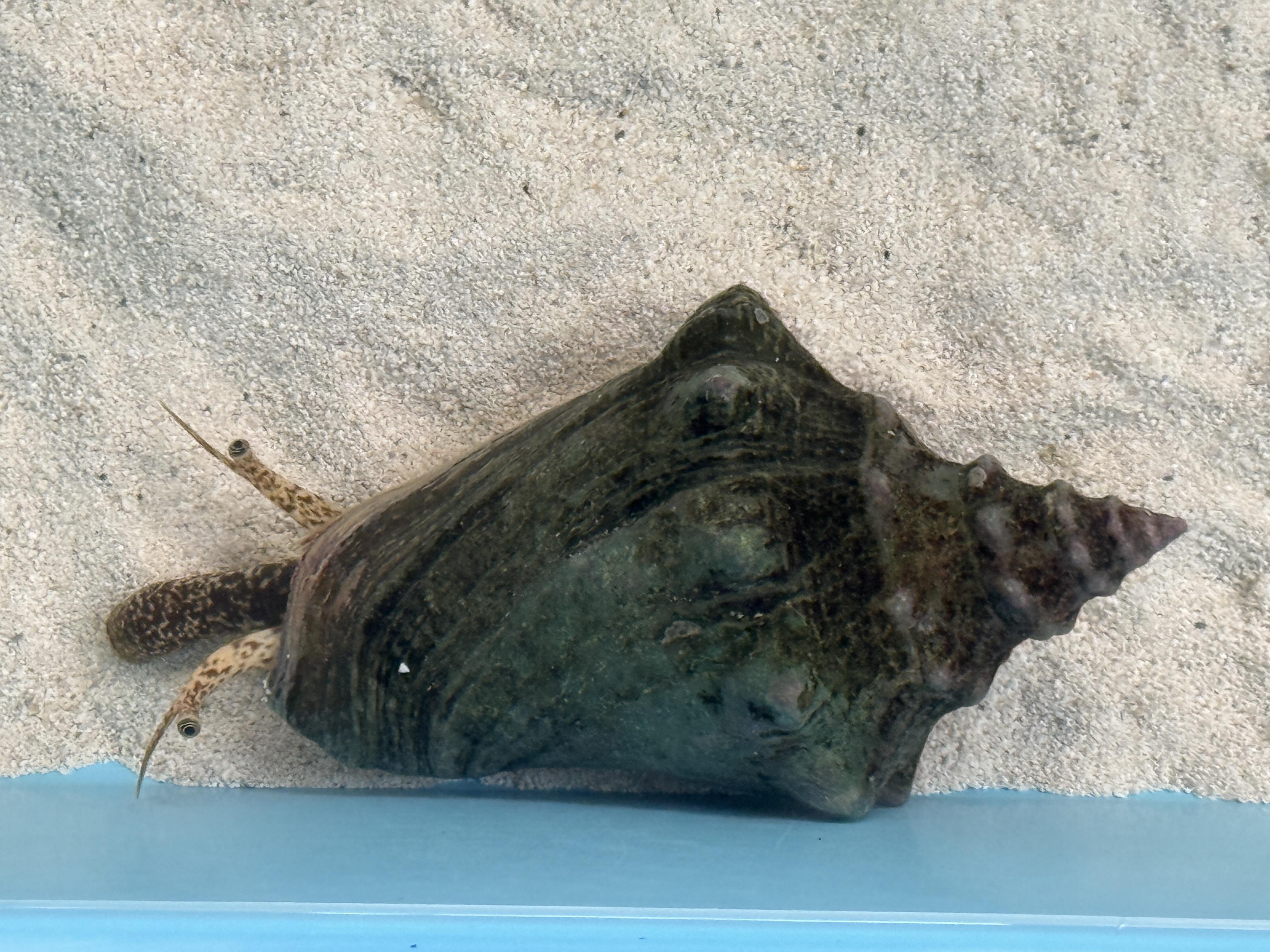
A juvenile conch at the Naguabo Aquaculture Center. The animal grew from eggs collected by fishers in the wild.
Changing Seas
22 / 28
Share This Gallery
Director of Photography Sean Hickey (foreground) and Nova West (background) film the staff at the Naguabo Aquaculture Center as they feed the juvenile queen conch.
Changing Seas
23 / 28
Share This Gallery
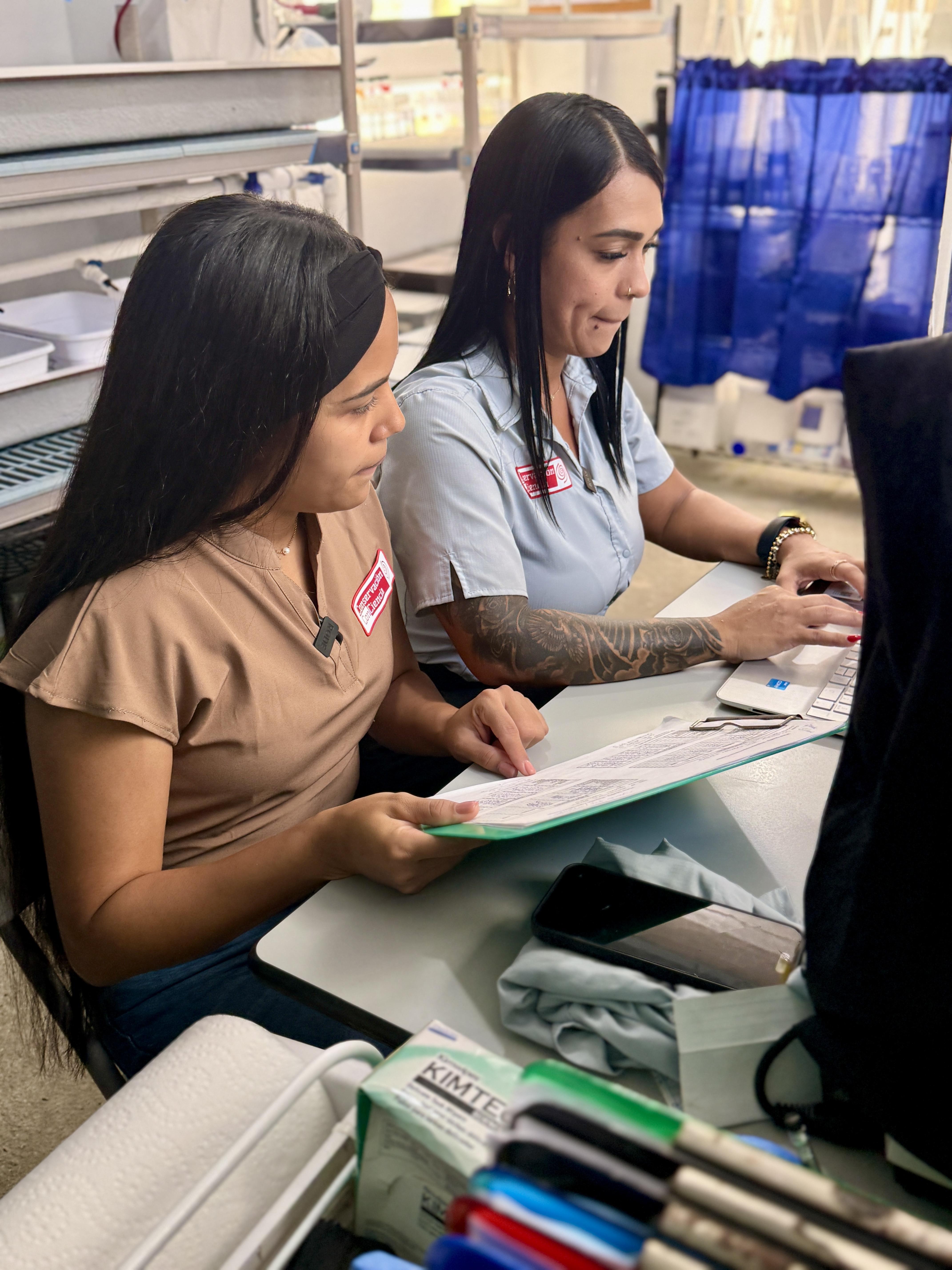
The staff at the center keep a close watch over all the queen conch they are raising. The goal of the hatchery is to increase knowledge of the species and engage more fishers directly in fisheries management.
Changing Seas
24 / 28
Share This Gallery
Conservación ConCiencia is also working with the fishermen at the Centro Agropecuario Villa Pesquera de Cataño.
Changing Seas
25 / 28
Share This Gallery
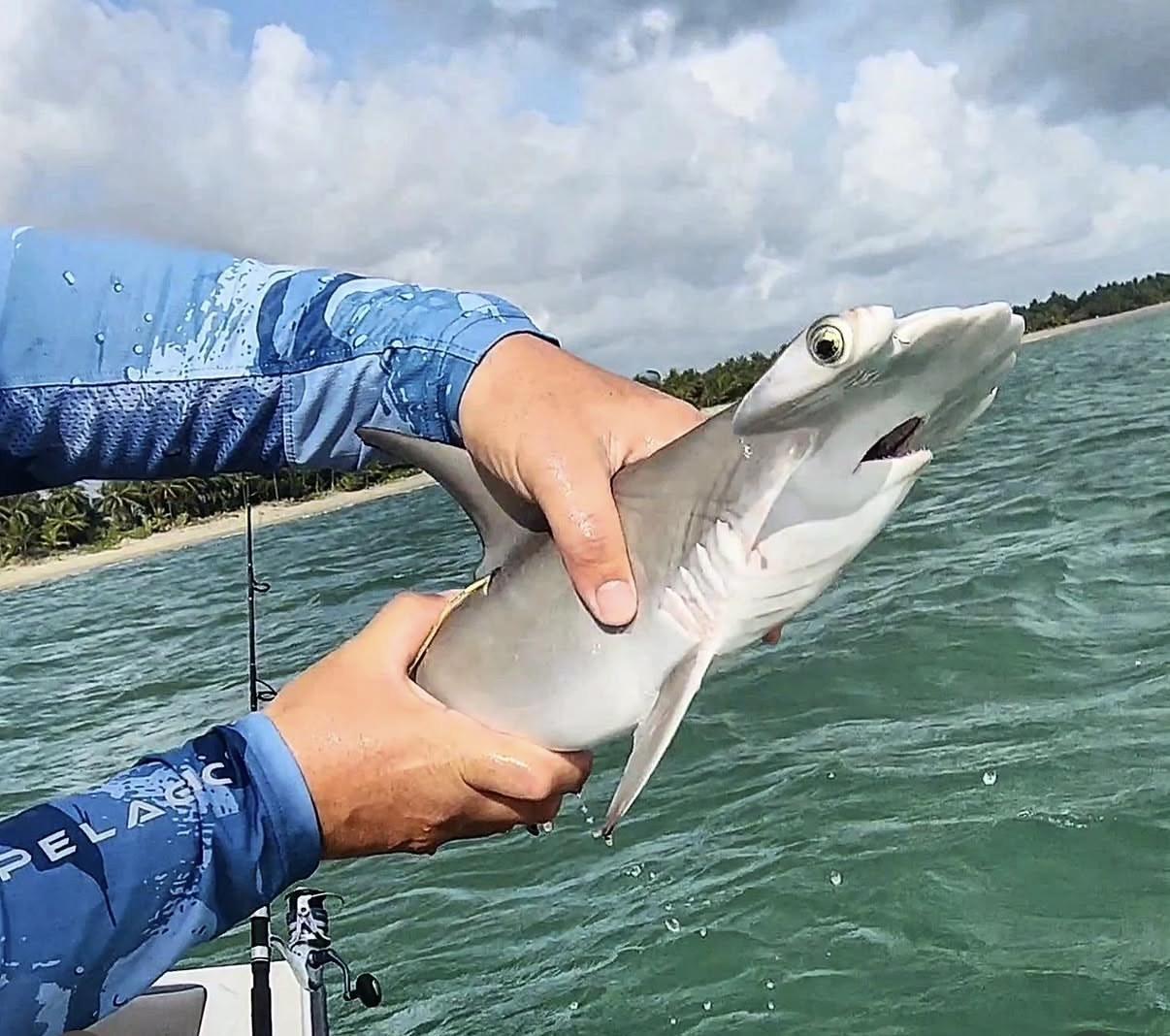
Videographer Nova West films as Raimundo Espinoza and fisherman Rodolfo Abrams drive out to Boca Vieja to catch, tag, and release scalloped hammerhead sharks.
Conservación ConCiencia
26 / 28
Share This Gallery
The scalloped hammerheads in Boca Vieja form a distinct population, separate from the broader Caribbean population of the species. This makes the Puerto Rican scalloped hammerhead endemic and underscores the urgency to protect them from overfishing.
Conservación ConCiencia
27 / 28
Share This Gallery
In 2018, Cataño fisherman Jaime Gonzalez shared the location of a nearby hammerhead nursery with Conservación ConCiencia. As a result, the fishermen are now working directly with marine scientists and local government to protect the area as a shark refuge.
Changing Seas
28 / 28
Share This Gallery
Since Hurricane Maria's devastation, fishing associations across Puerto Rico have rebuilt with a focus on resiliency in the face of coming storms. They continue to serve as cultural hubs and key sources of food security for their local communities.
Image Credits
Changing Seas would like to thank the following individuals and institutions who kindly allowed their footage, images and other media to be used in this production: