Episode 1802: The Seals of Sable Island
Situated on the edge of the continental shelf, 180 miles offshore from Halifax, Nova Scotia, lies Sable Island – a wind-swept crescent of shifting sand. Home to famous wild horses that roam the beaches and dunes, each winter this wilderness transforms into the planet’s largest gray seal breeding colony. Researchers with Fisheries and Oceans Canada have been studying this changing population of gray seals since the 1960s, and now U.S.-based experts are conducting a unique physiological study on mom and pup pairs to better understand how iron transferred during lactation influences a pup’s future survival.
Experts
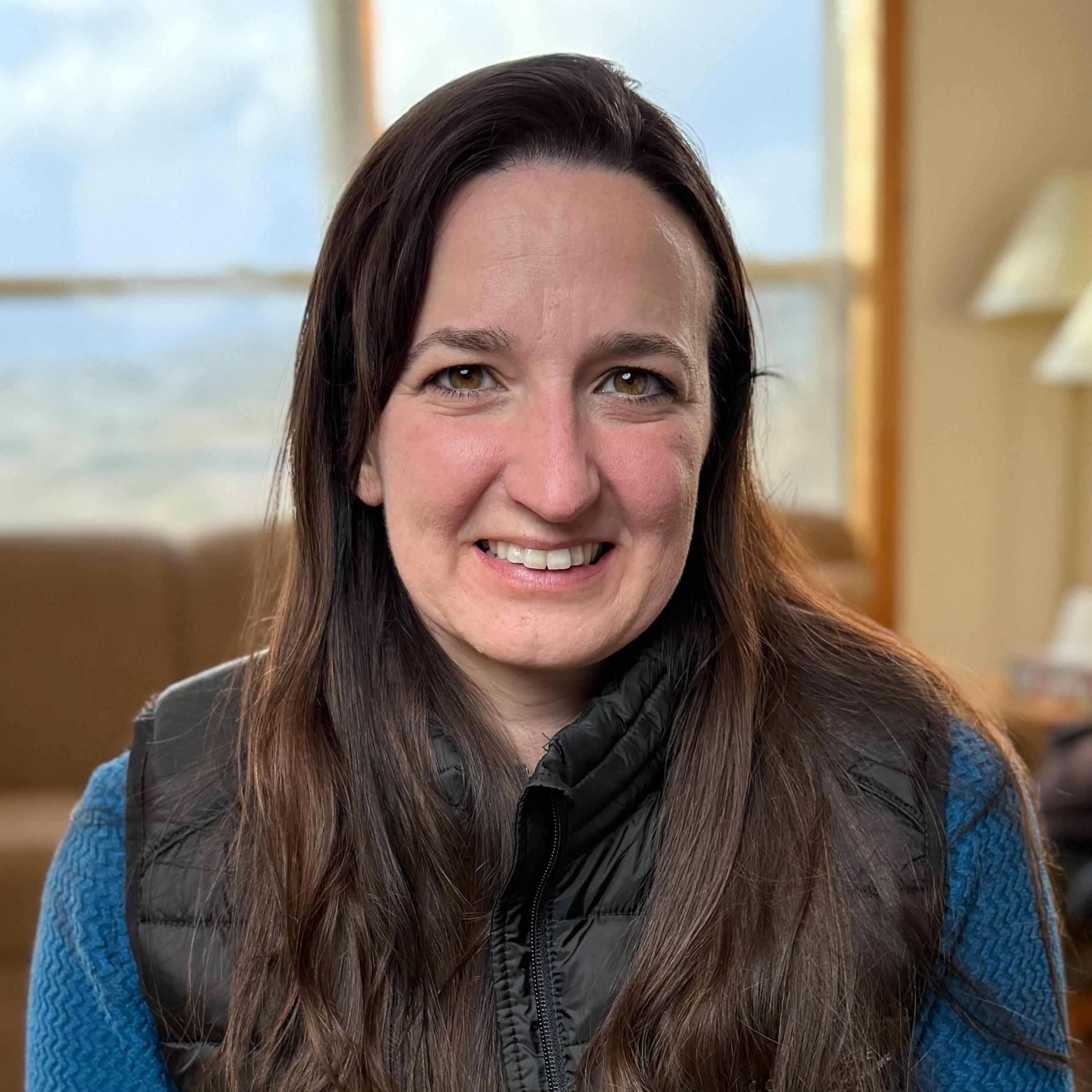
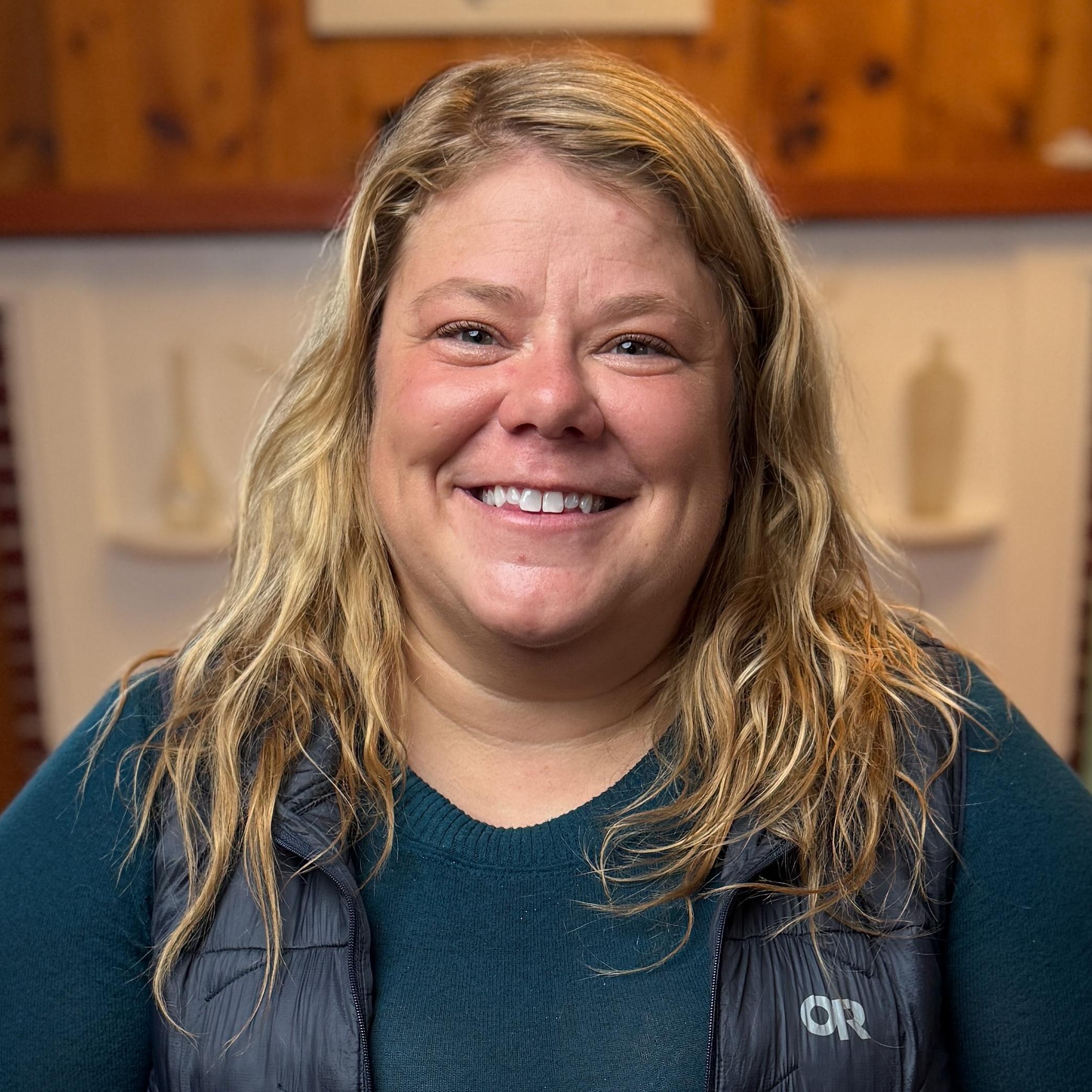
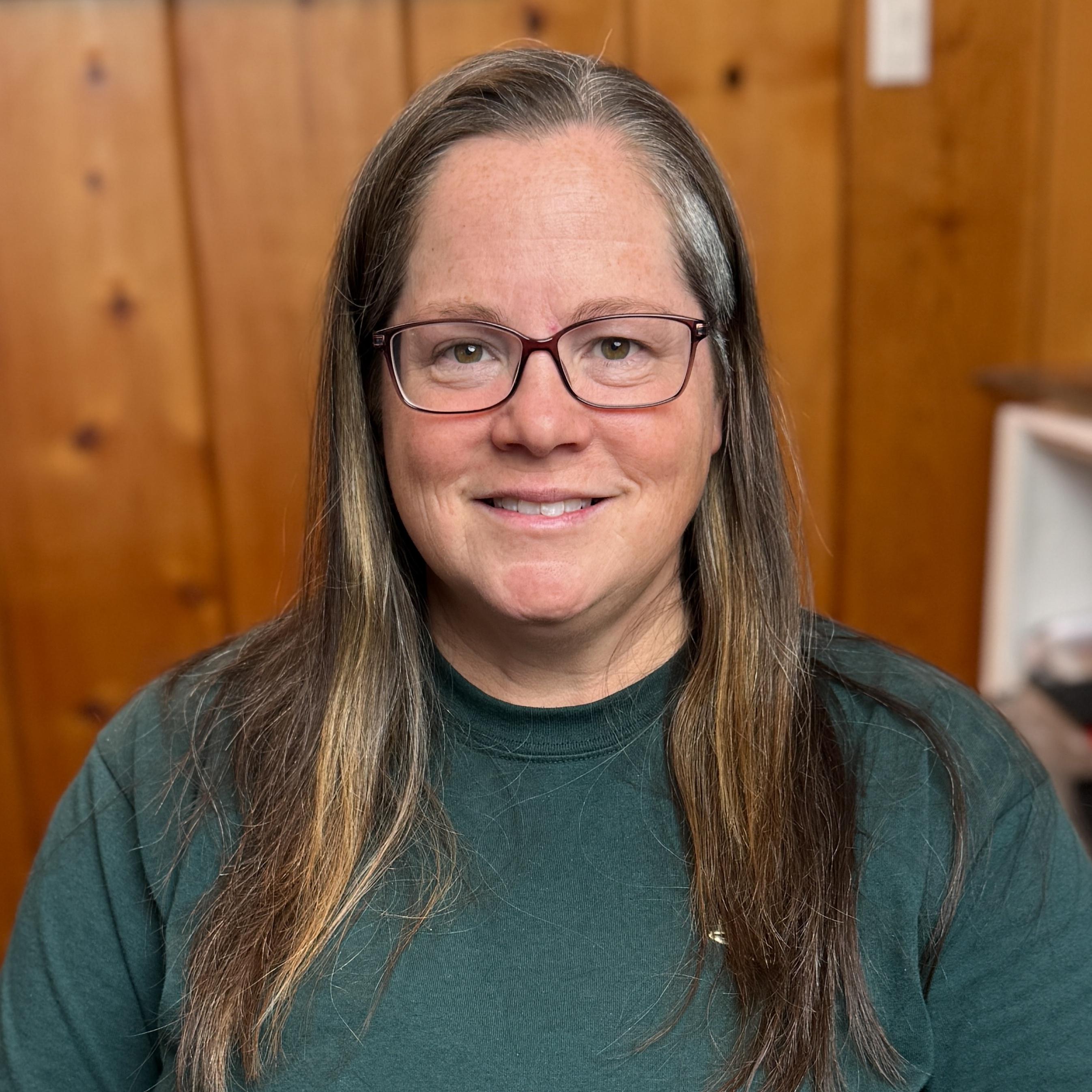
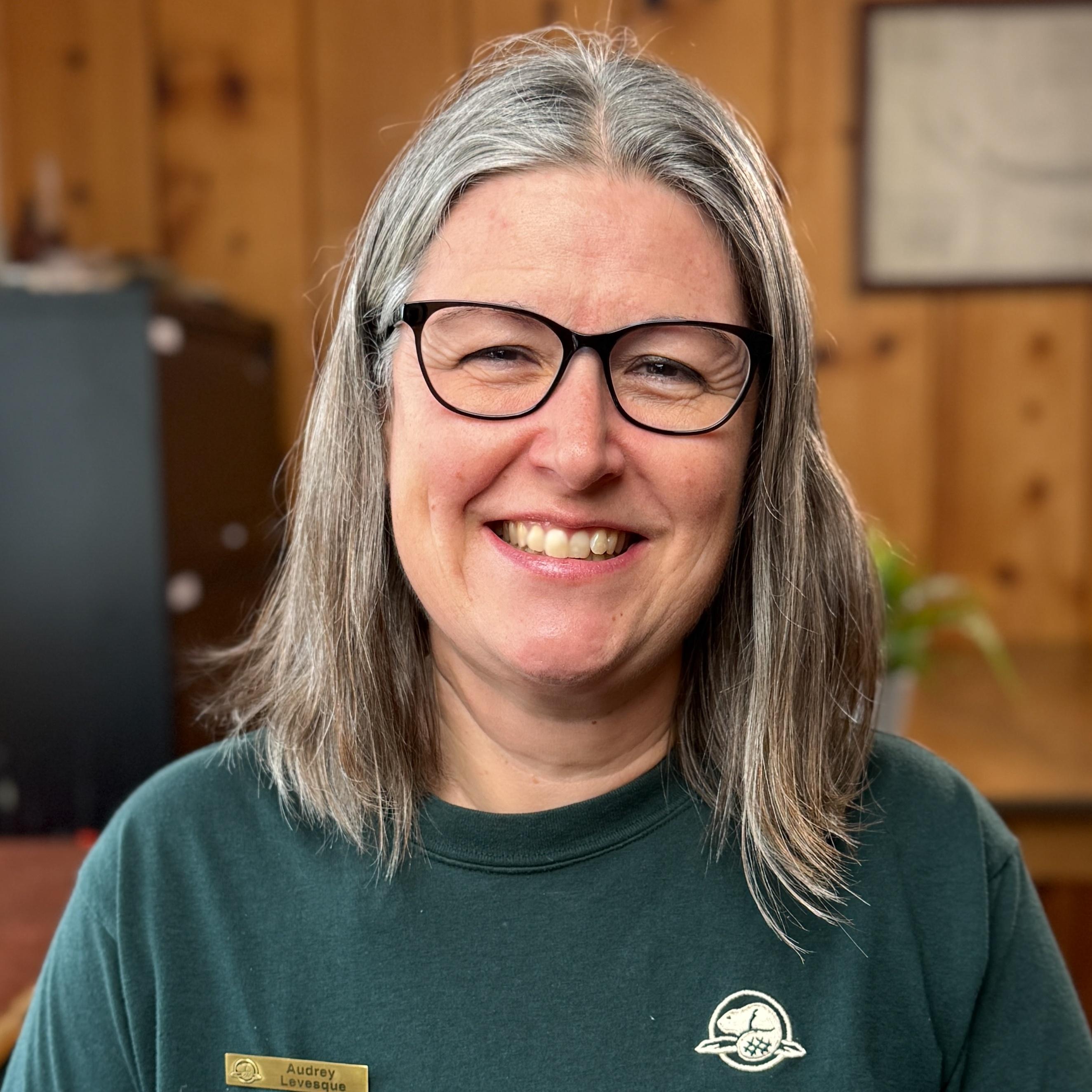
Meet the experts featured in this episode.

Episode Photos
1 / 28
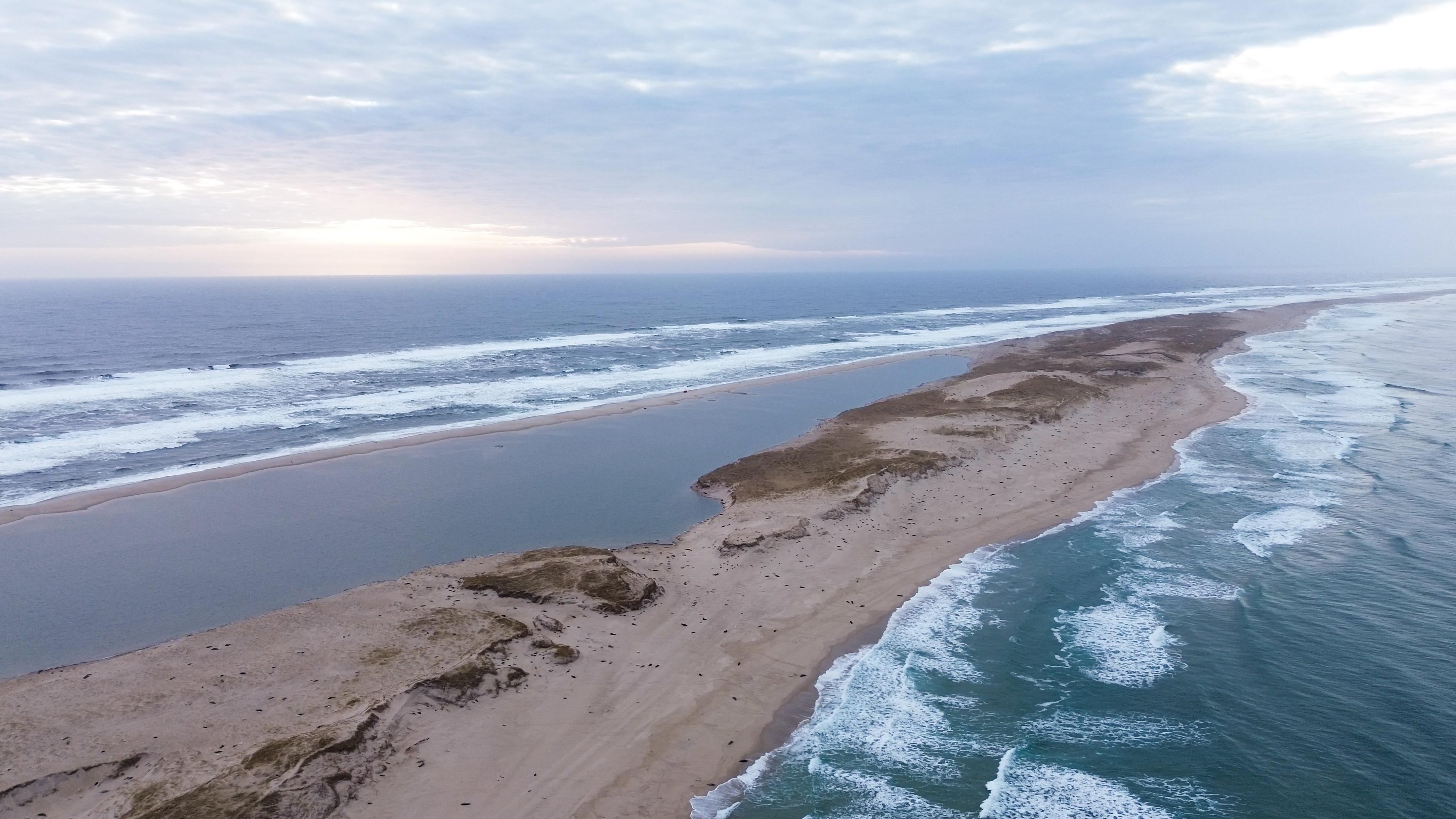
In the northwestern Atlantic, a fabled windswept crescent of land emerges from the sea. Situated on the edge of the continental shelf, Sable Island is located roughly 186 miles southeast of Halifax, Nova Scotia.
2 / 28
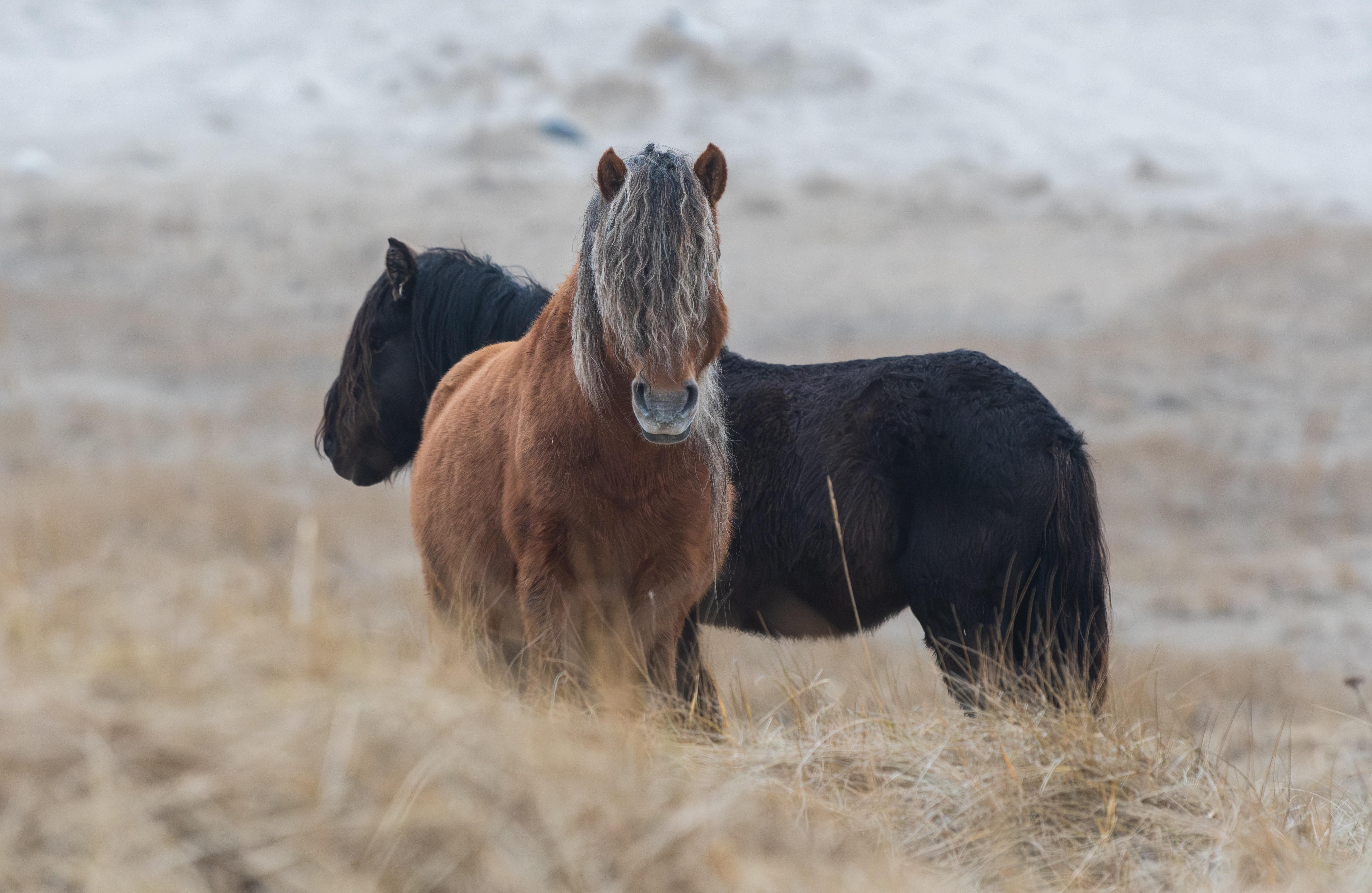
Sable Island is famous for its bands of wild horses that roam the dunes and beaches.
3 / 28
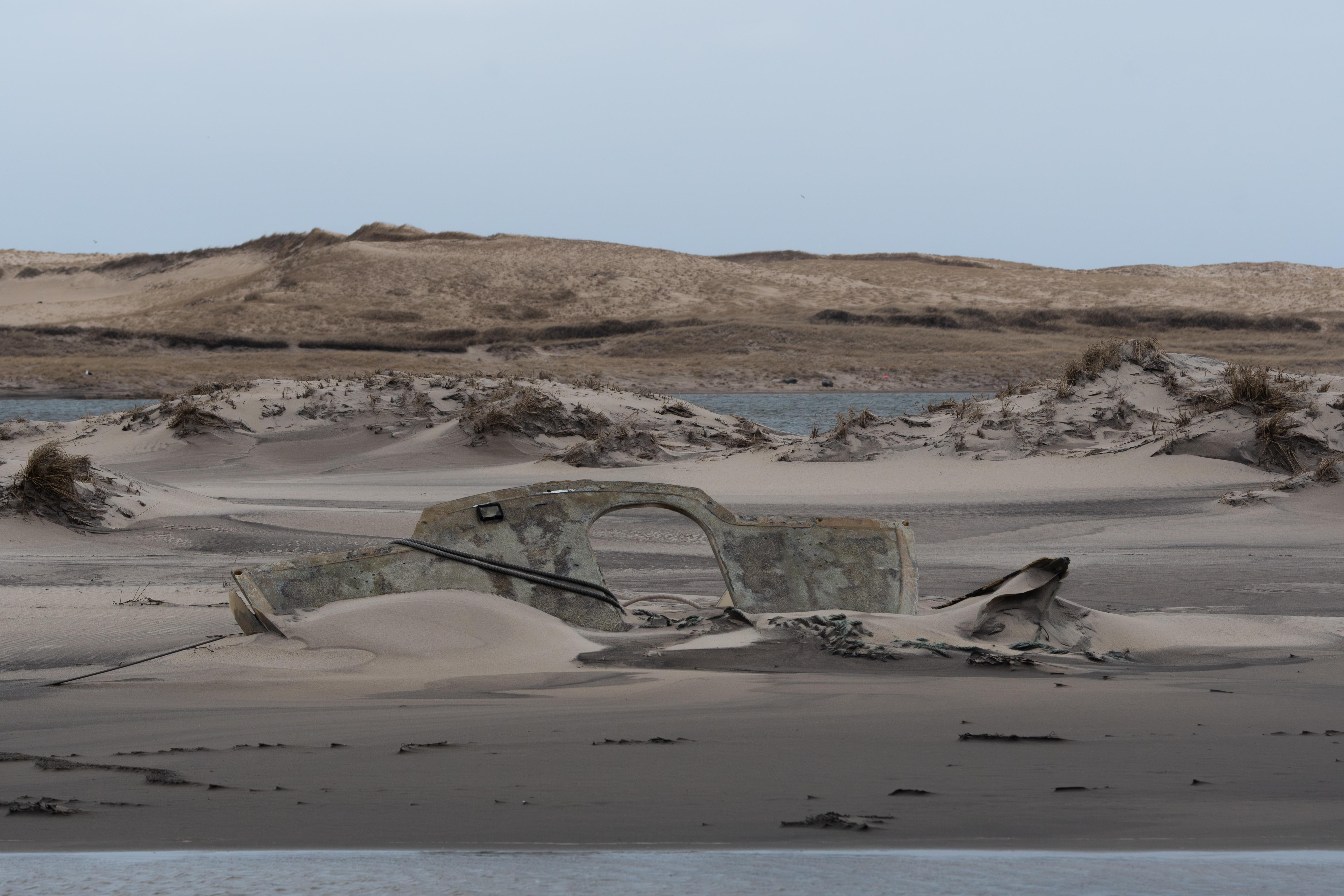
Infamous for its treacherous, shallow shoals, mariners nicknamed Sable Island the “Graveyard of the Atlantic.” An estimated 350 shipwrecks have been recorded around the island.
4 / 28
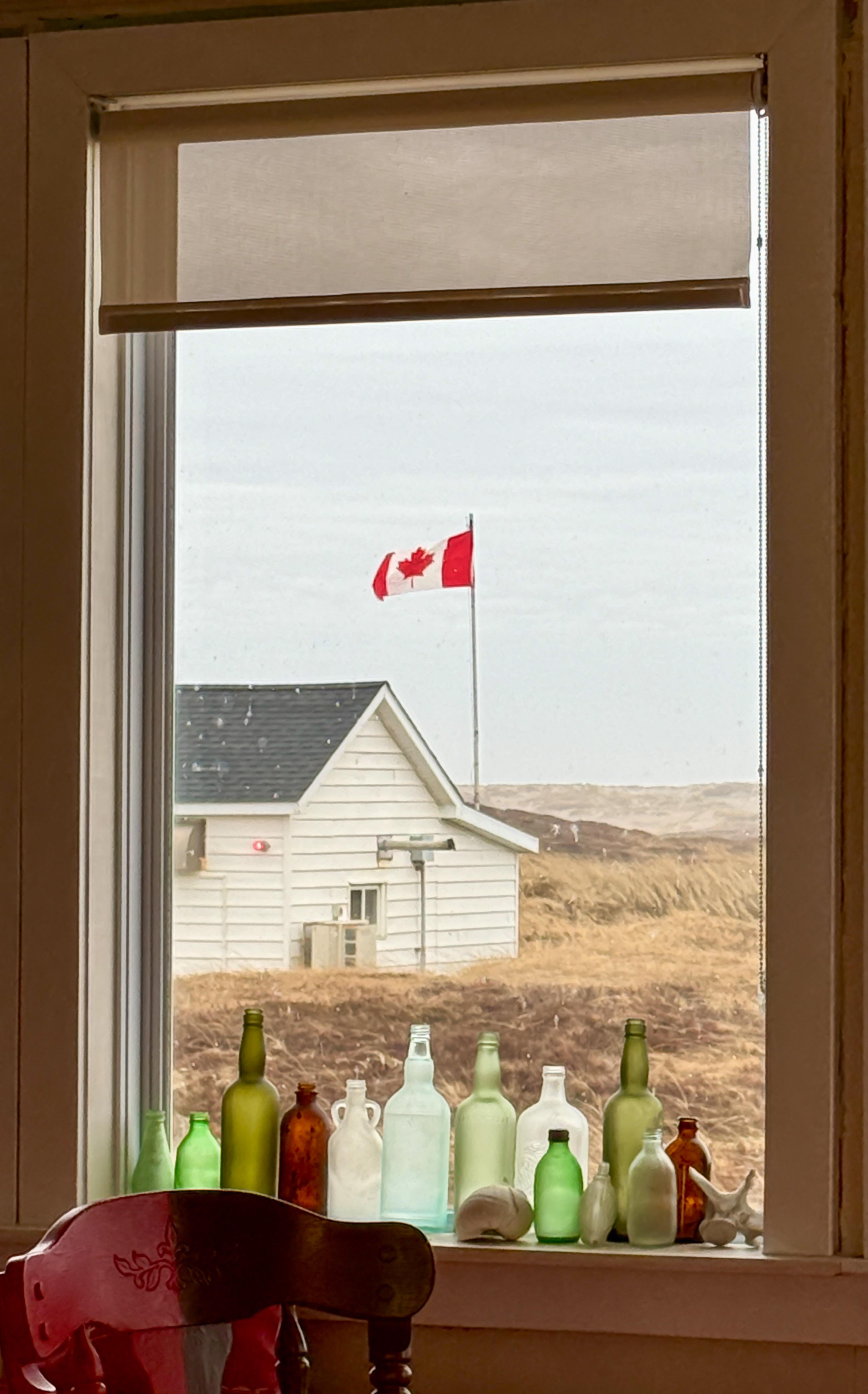
The island has served as a penal colony, a lifesaving station and weather observation station. Today it is overseen by Parks Canada after Sable Island National Park Reserve was established in 2013.
5 / 28
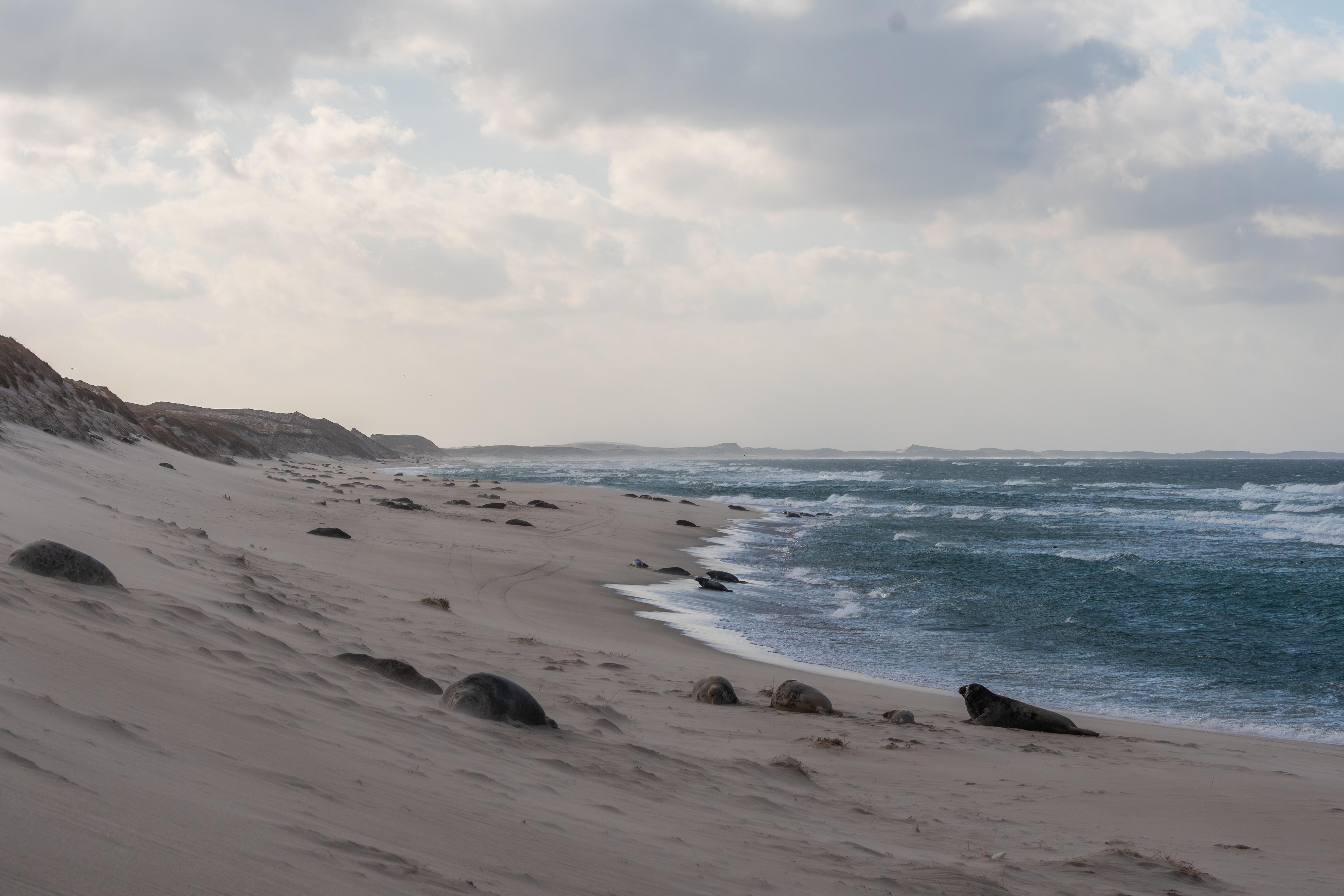
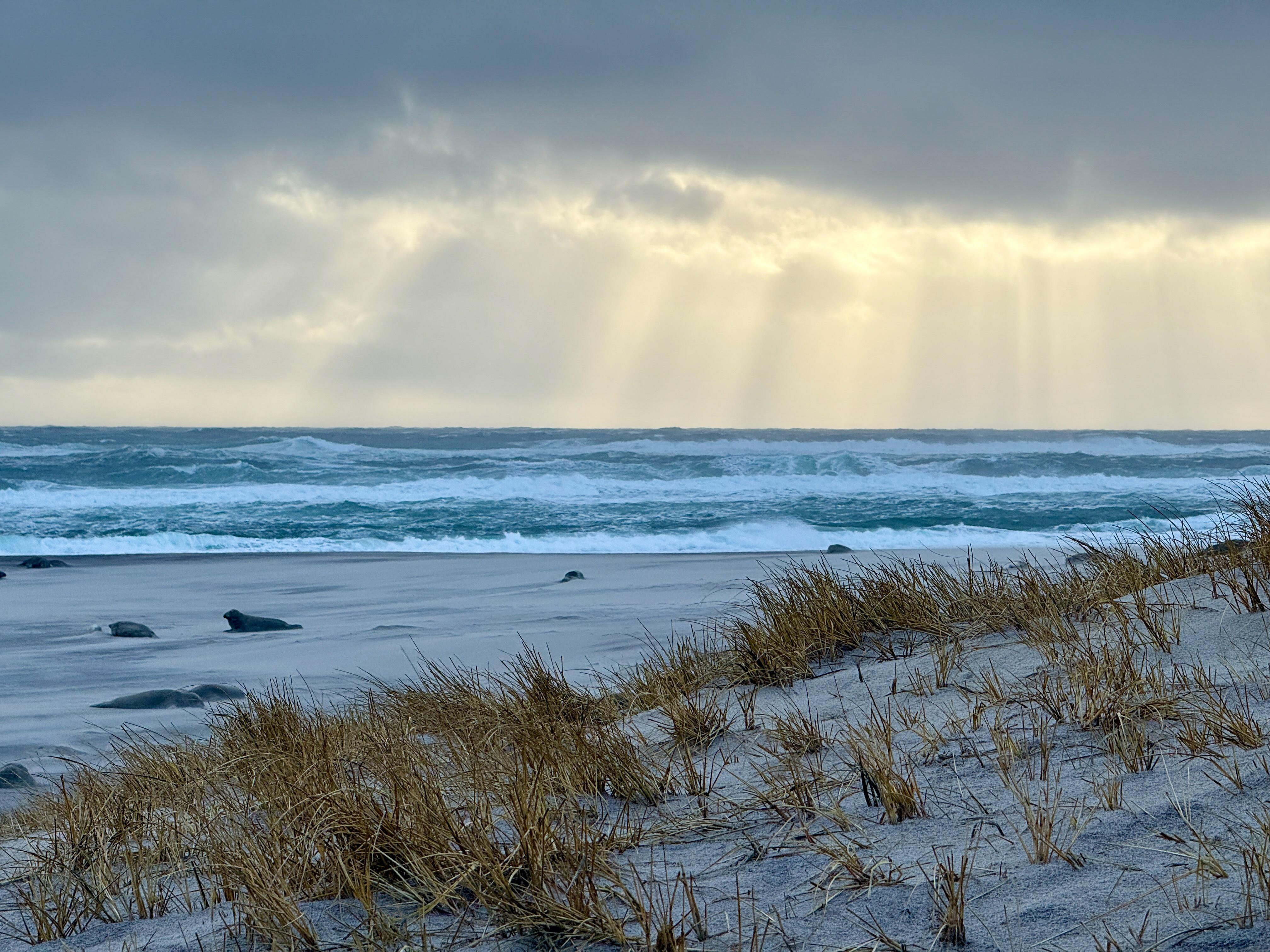
Seals haul out on Sable year-round and arrive in large numbers in the wintertime to pup and mate.
6 / 28
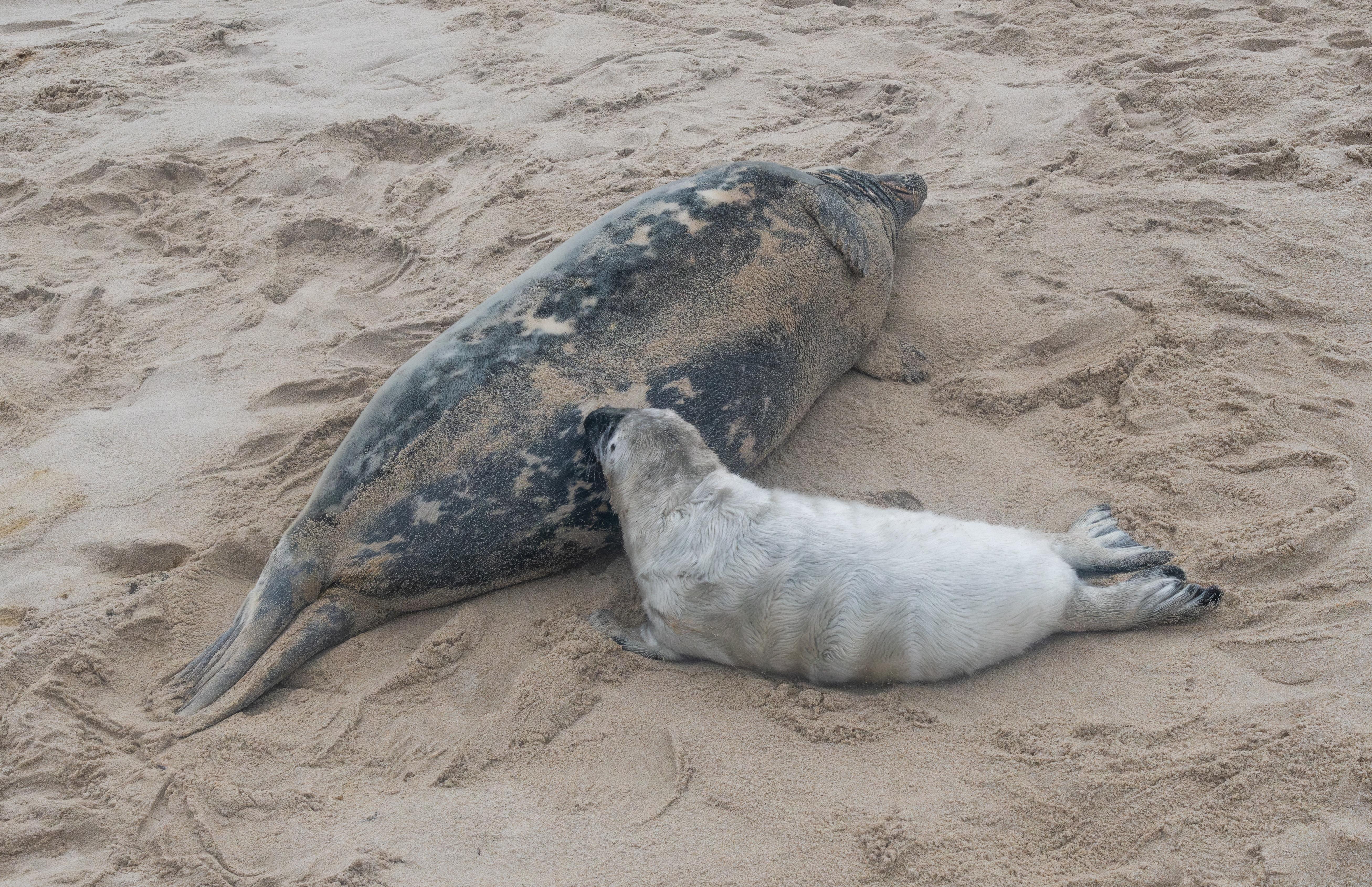
Sable Island is home to the largest gray seal breeding colony in the world. Mom’s give birth on the island and nurse their pups for an average of 18 days.
7 / 28
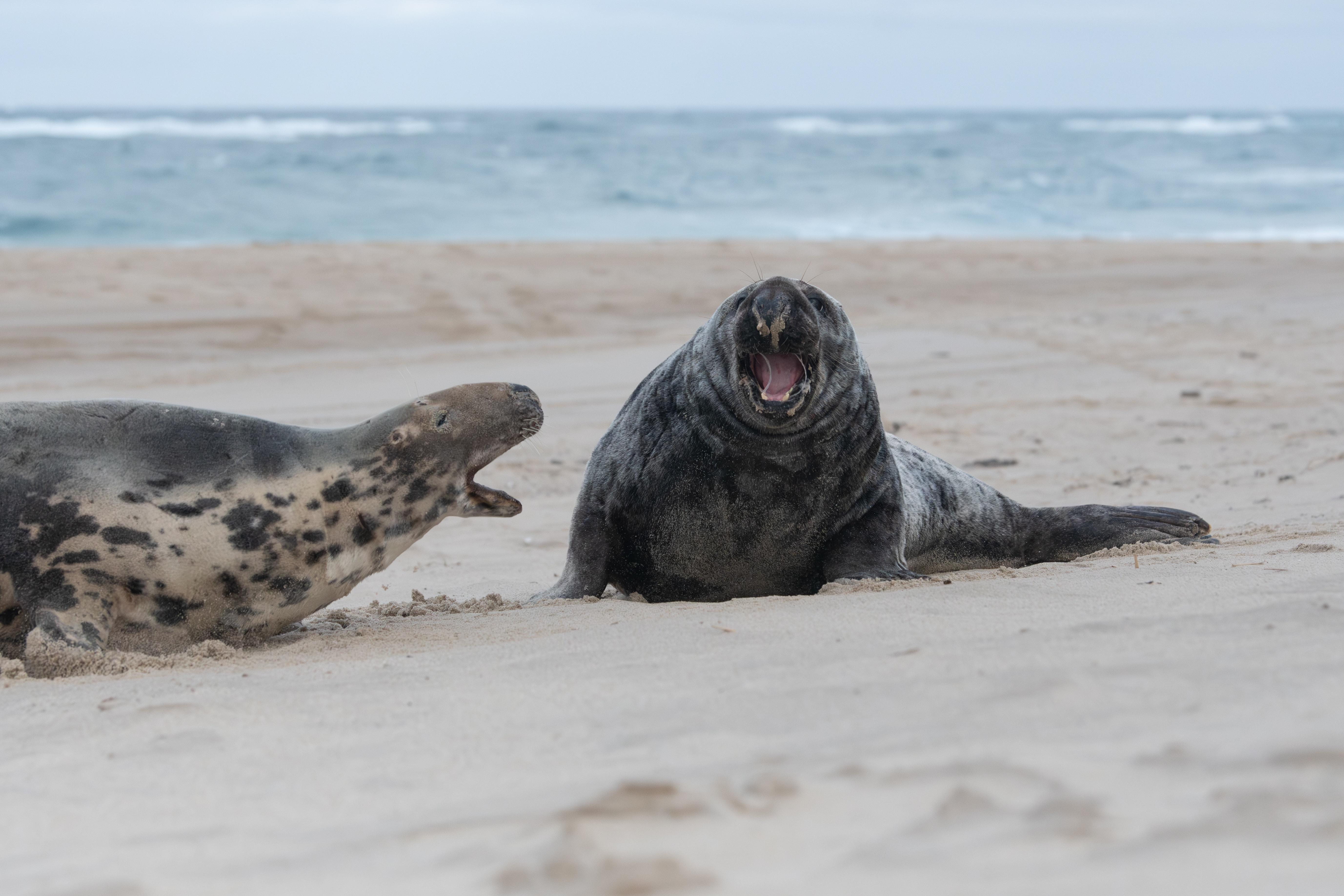
Seal moms are very protective of their pups and will fend off eager suitors while they are still nursing.
8 / 28
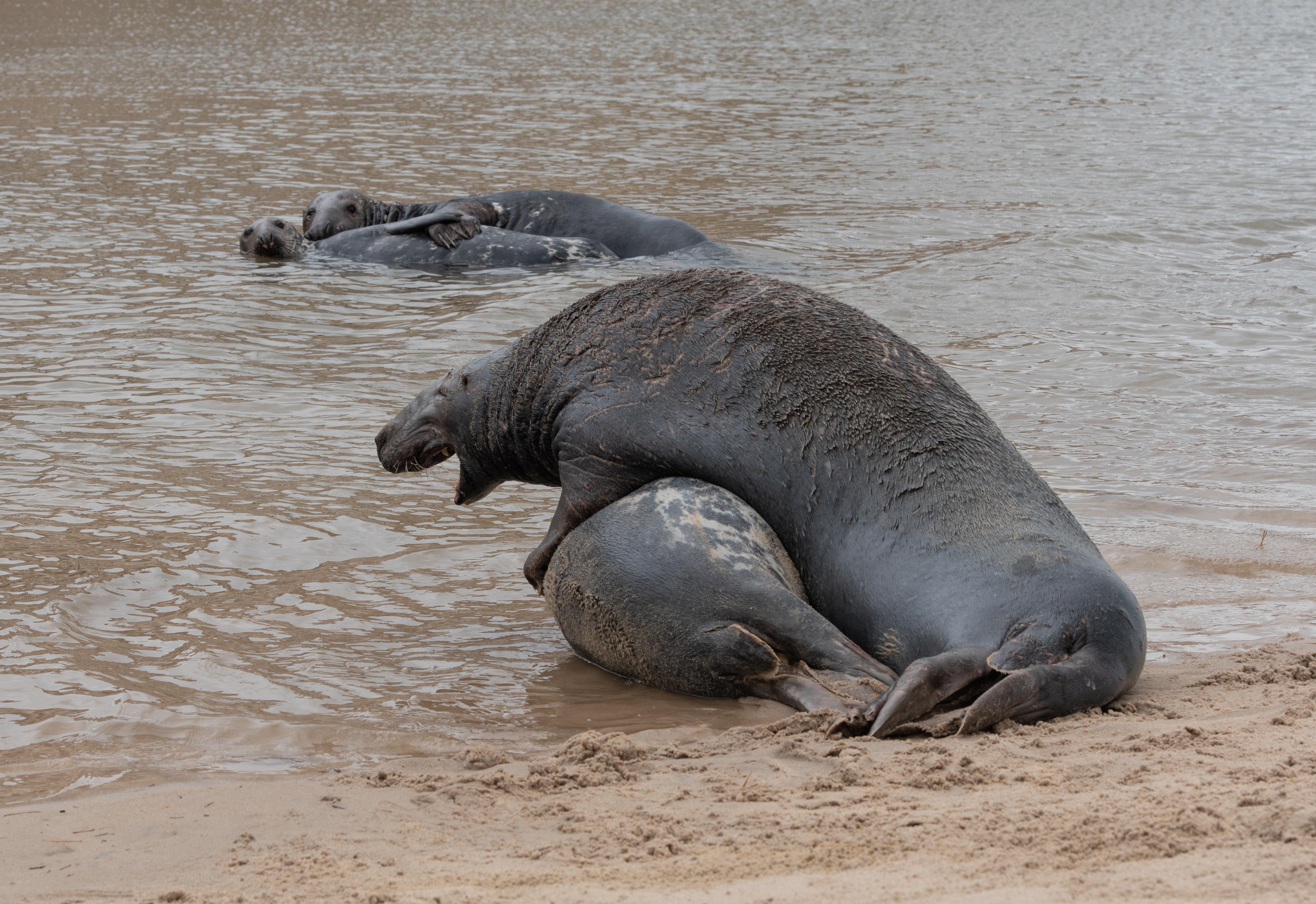
Female gray seals mate a few times before they return to the sea to forage.
9 / 28
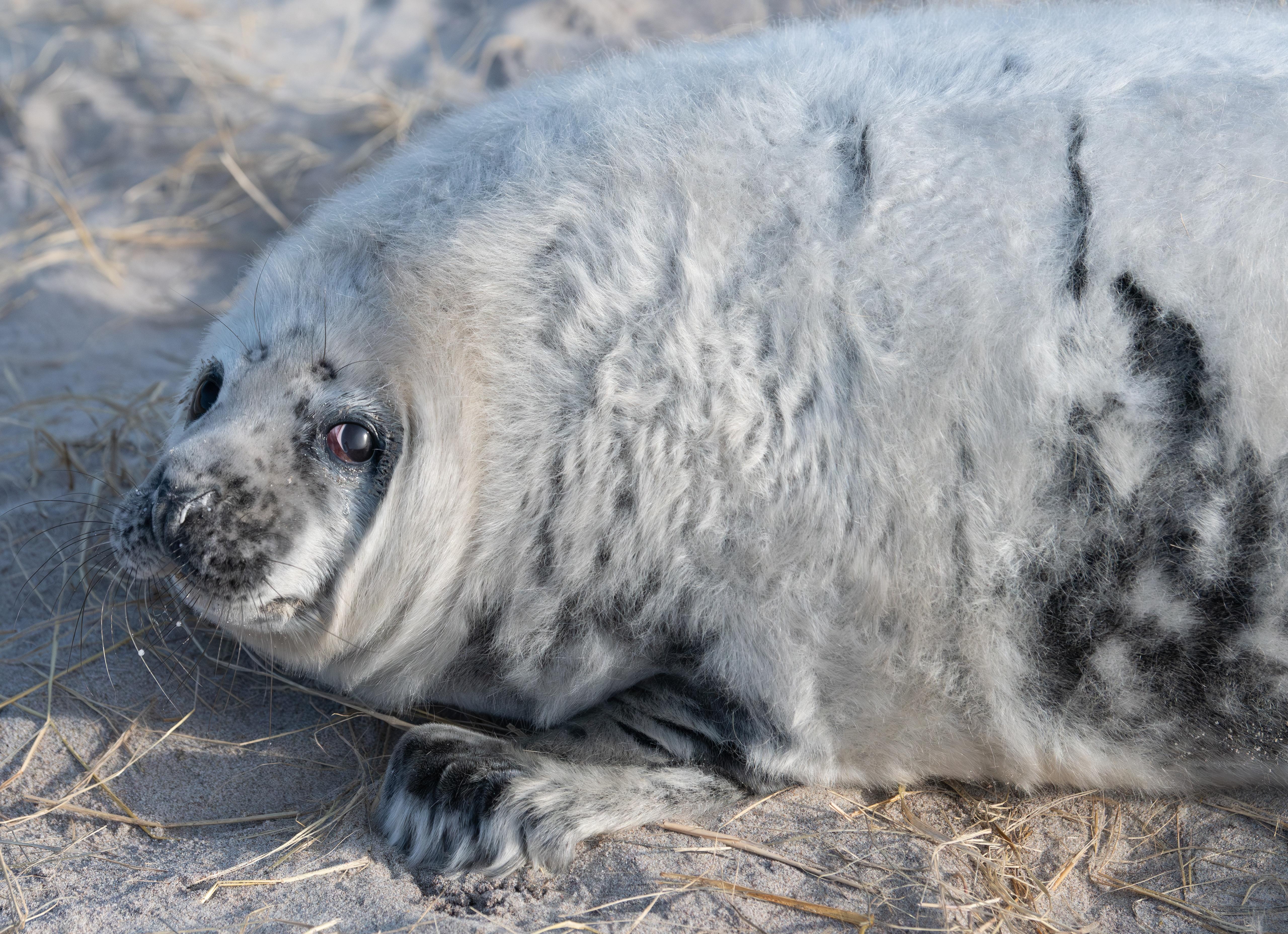
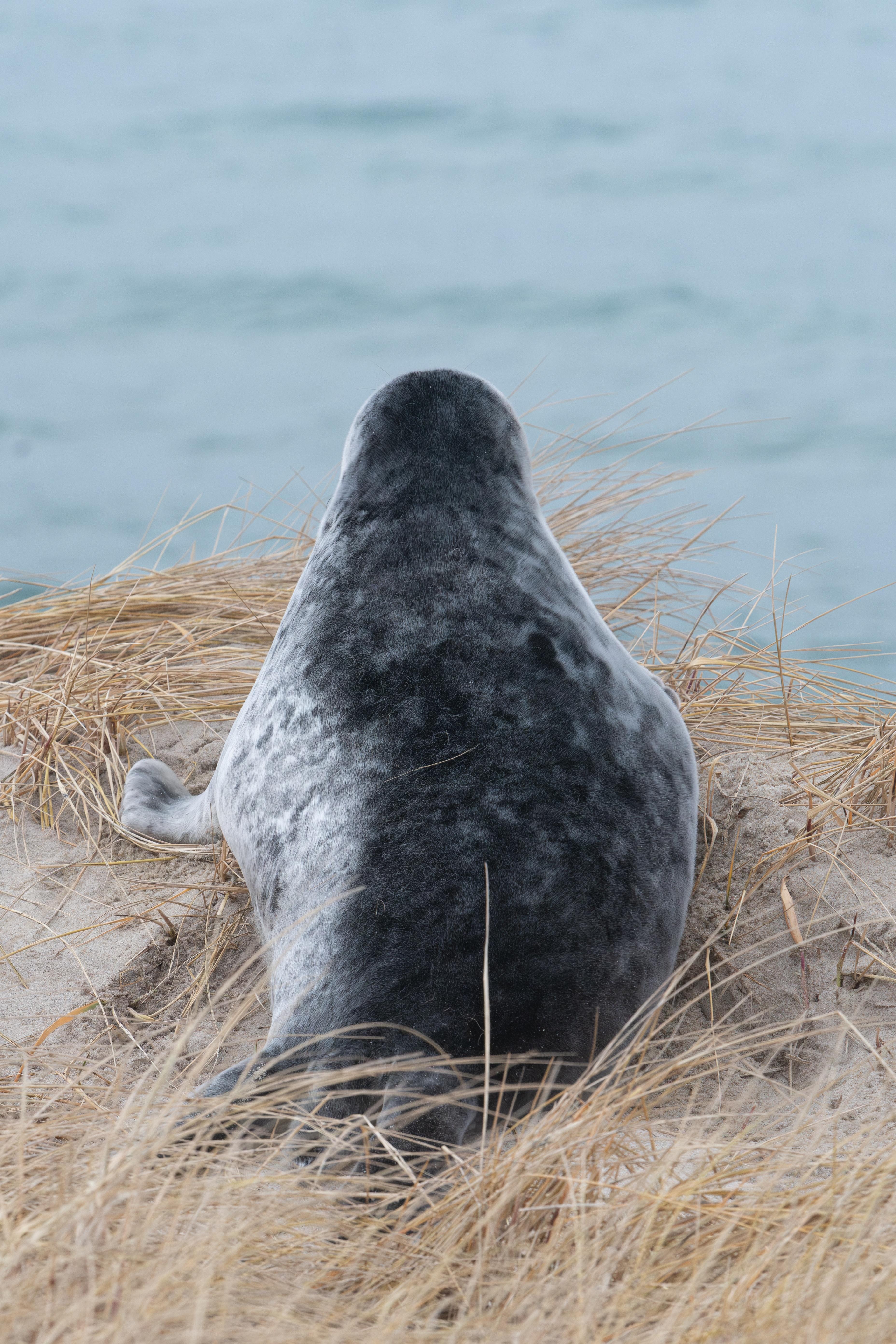
Gray seals are born with a fluffy white coat known as lanugo. After weaning, a pup will shed, or molt, its lanugo, revealing its permanent adult coloration and patterns.
10 / 28
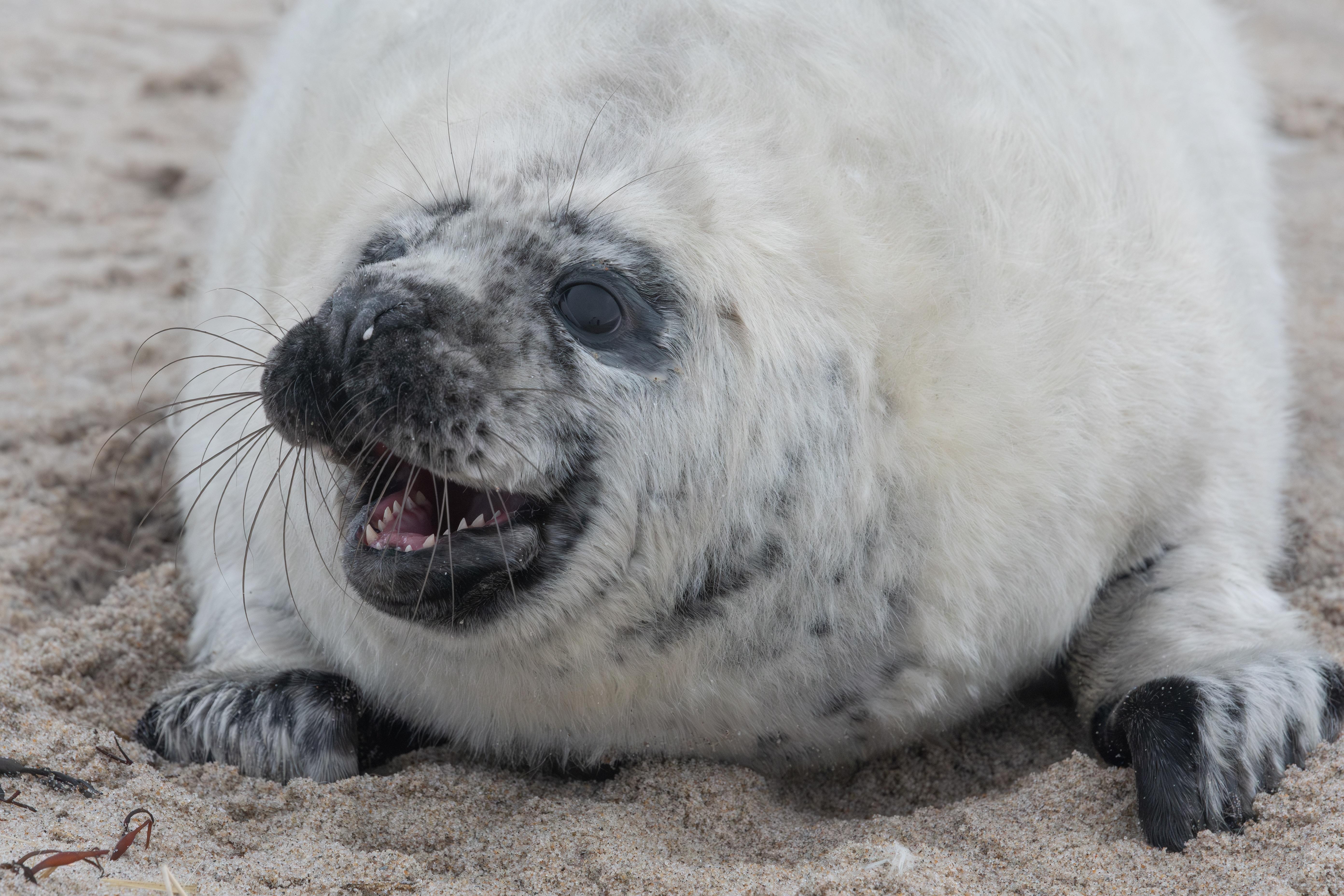
Once gray seal pups are weaned, the moms will return to the sea, while the pups remain on land for another three weeks. During this time the pups won't eat while they continue to develop. These so called "weaners" explore the island and often have spunky personalities.
11 / 28
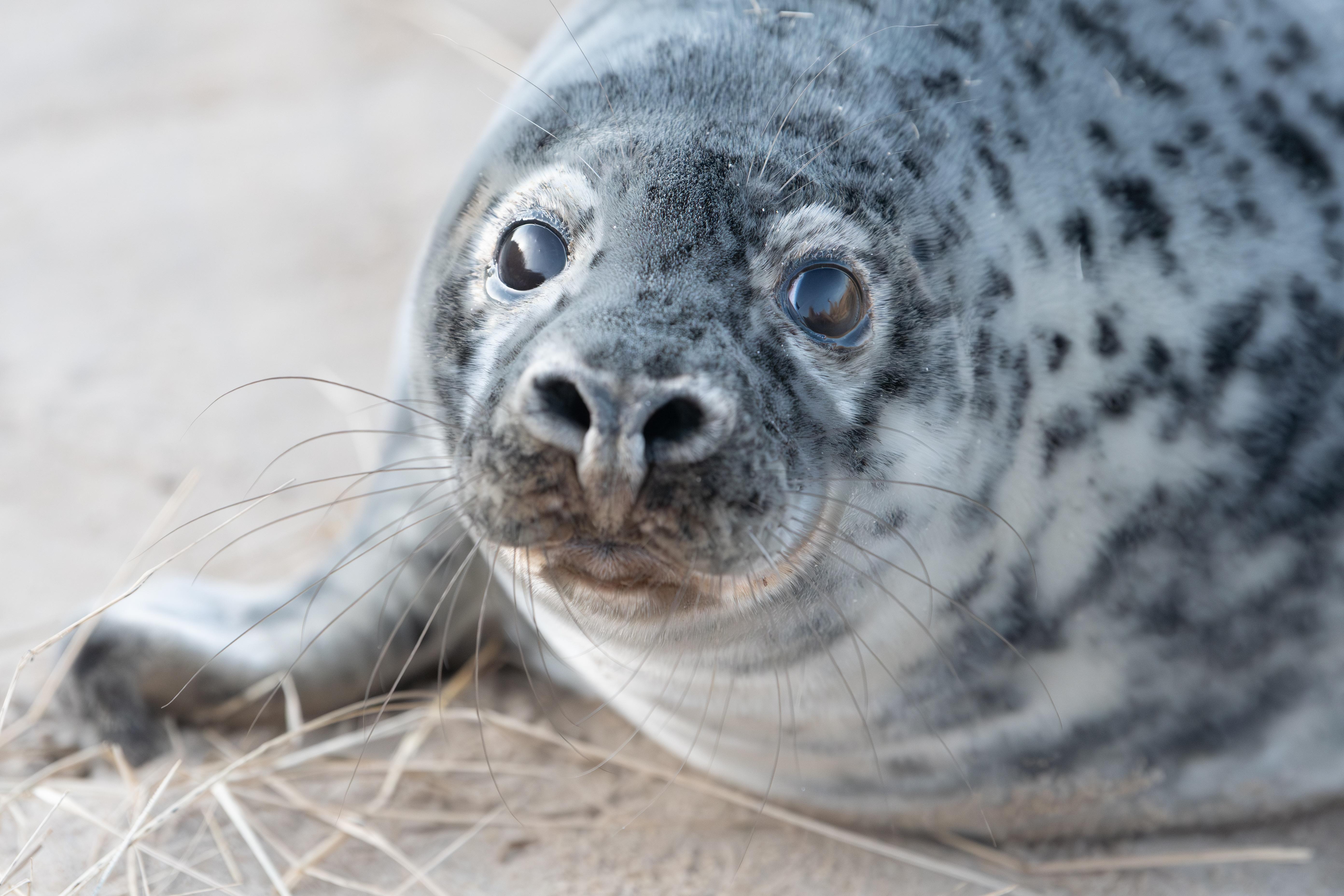
A fully molted "weaner."
12 / 28
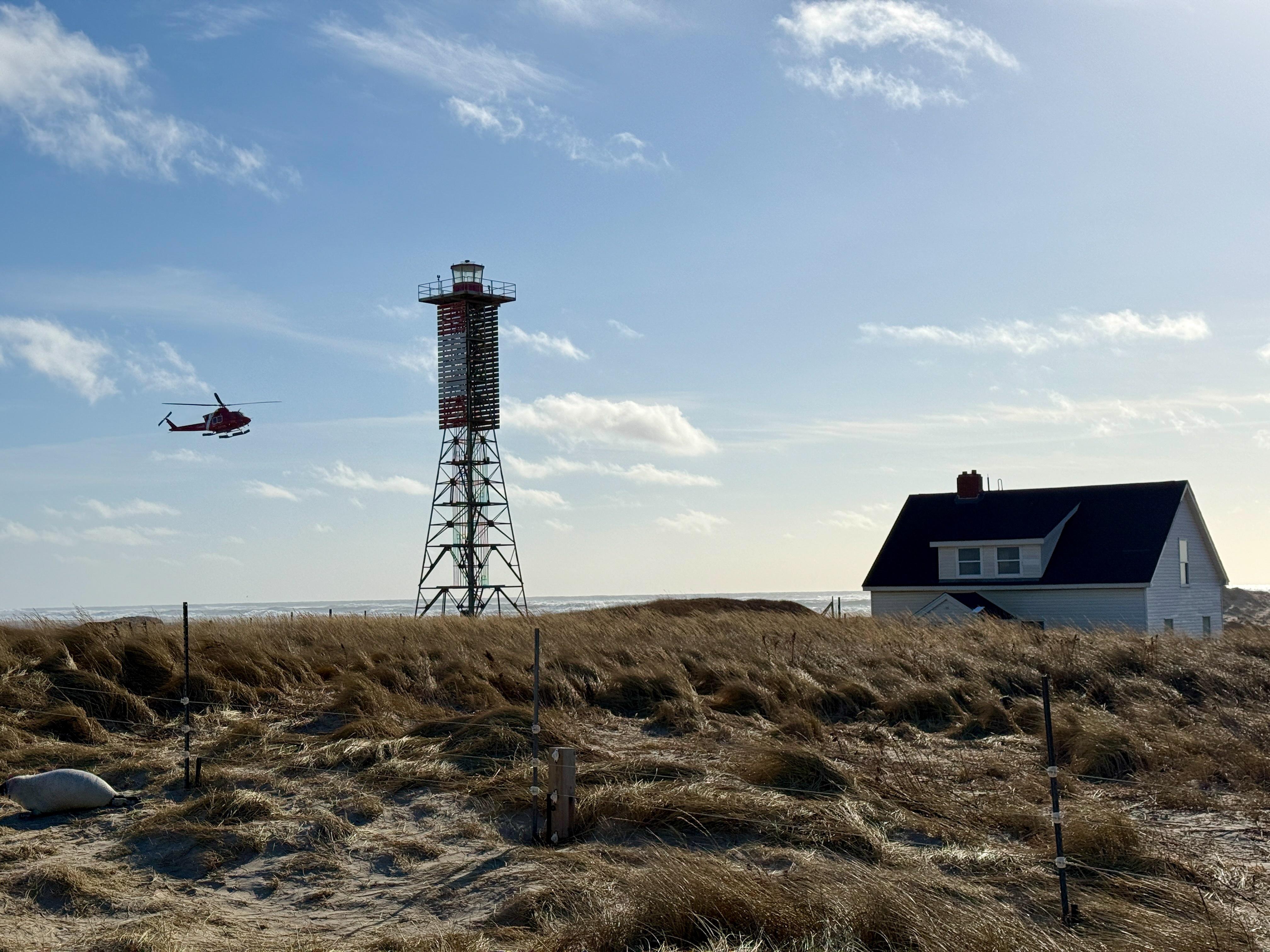
In the wintertime, researchers arrive on Sable Island via helicopter.
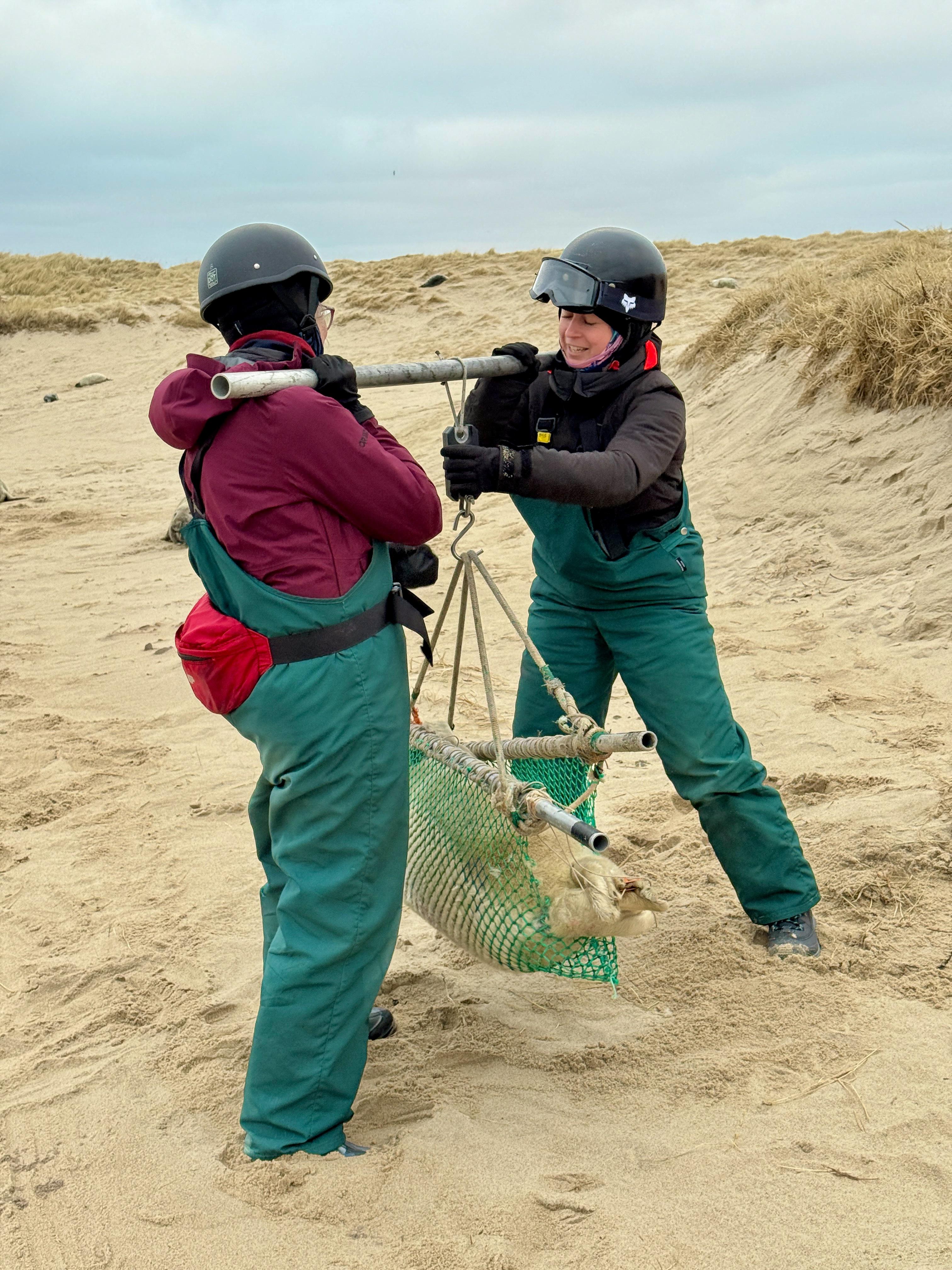
13 / 28
Researchers with Fisheries and Oceans Canada, commonly known as DFO, have been studying the gray seals of Sable for more than 60 years.
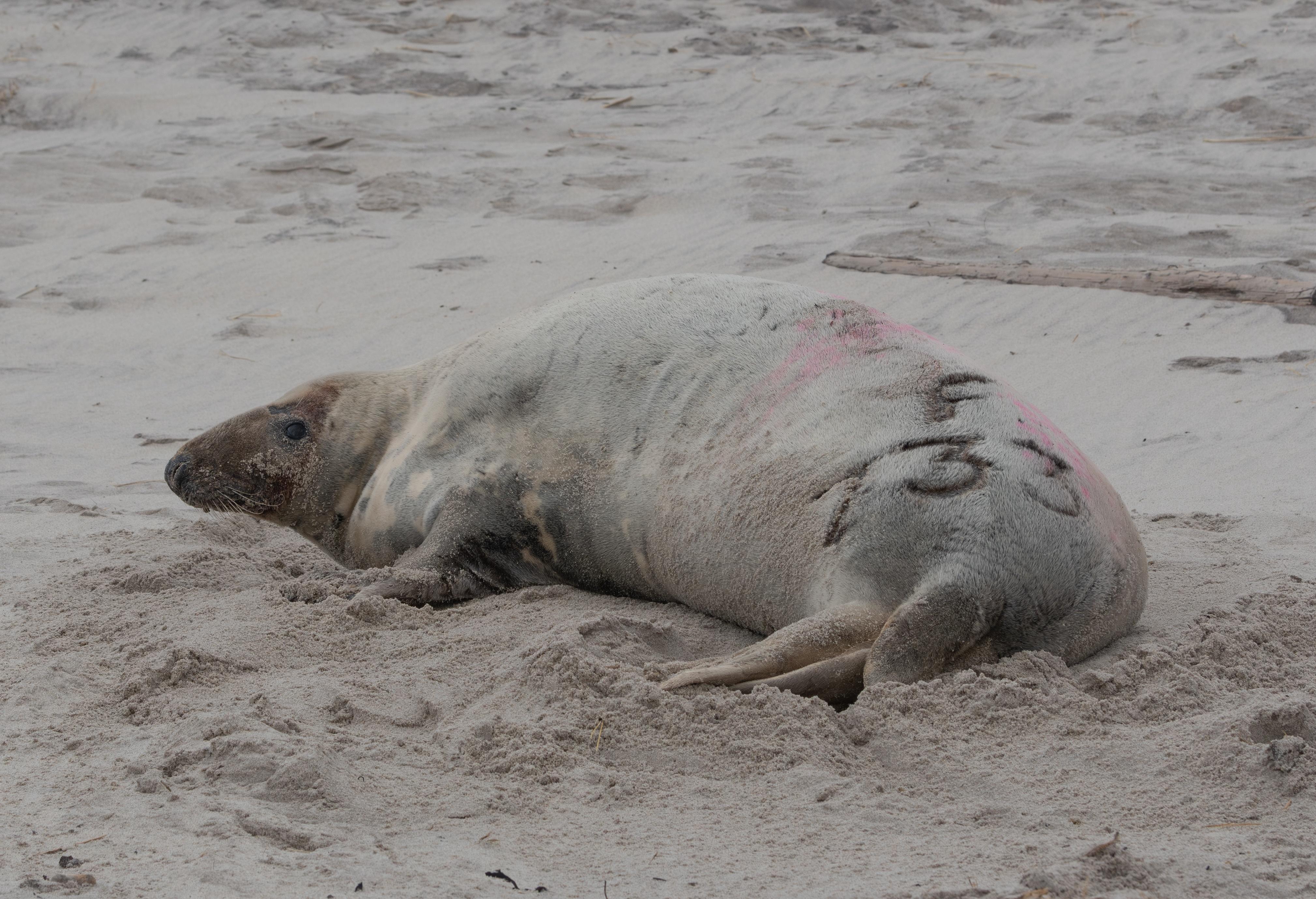
14 / 28
To estimate survival and reproductive rates, DFO researchers spend five to six weeks each winter mapping and observing marked seals that have returned for the season.
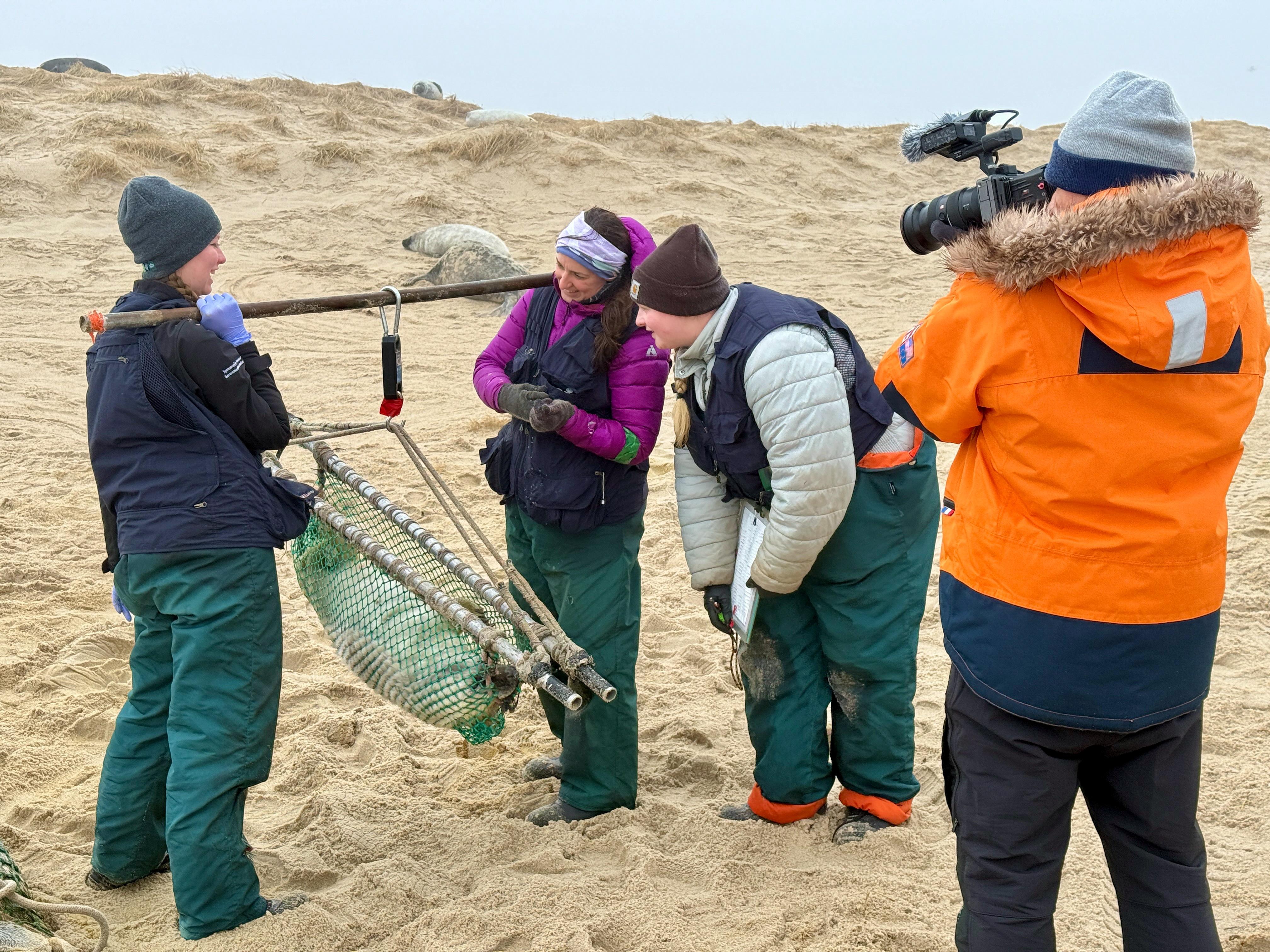
15 / 28
Fisheries and Oceans Canada researchers also collaborate with a team of scientists from the U.S. that is studying the seals’ physiology.
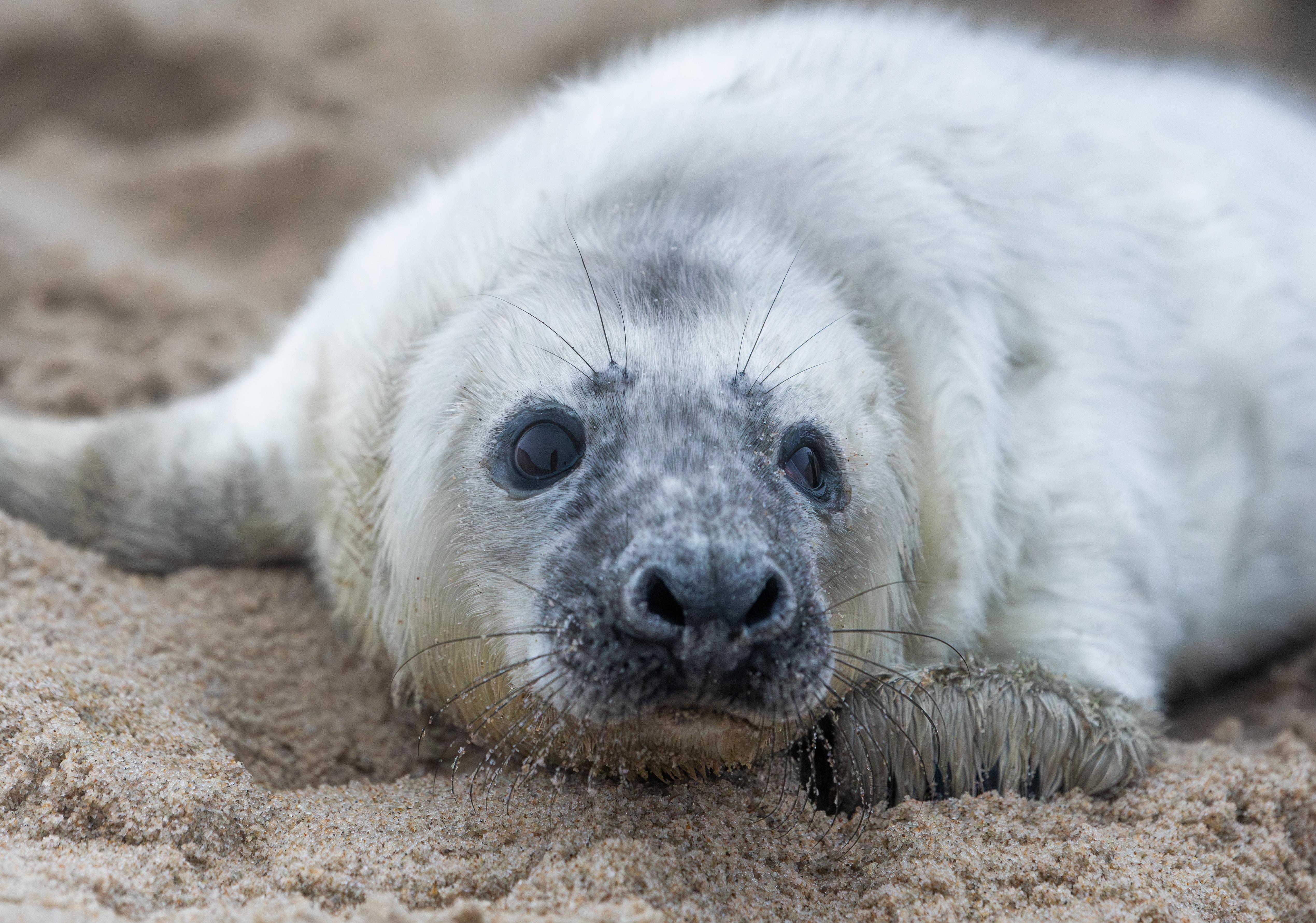
16 / 28
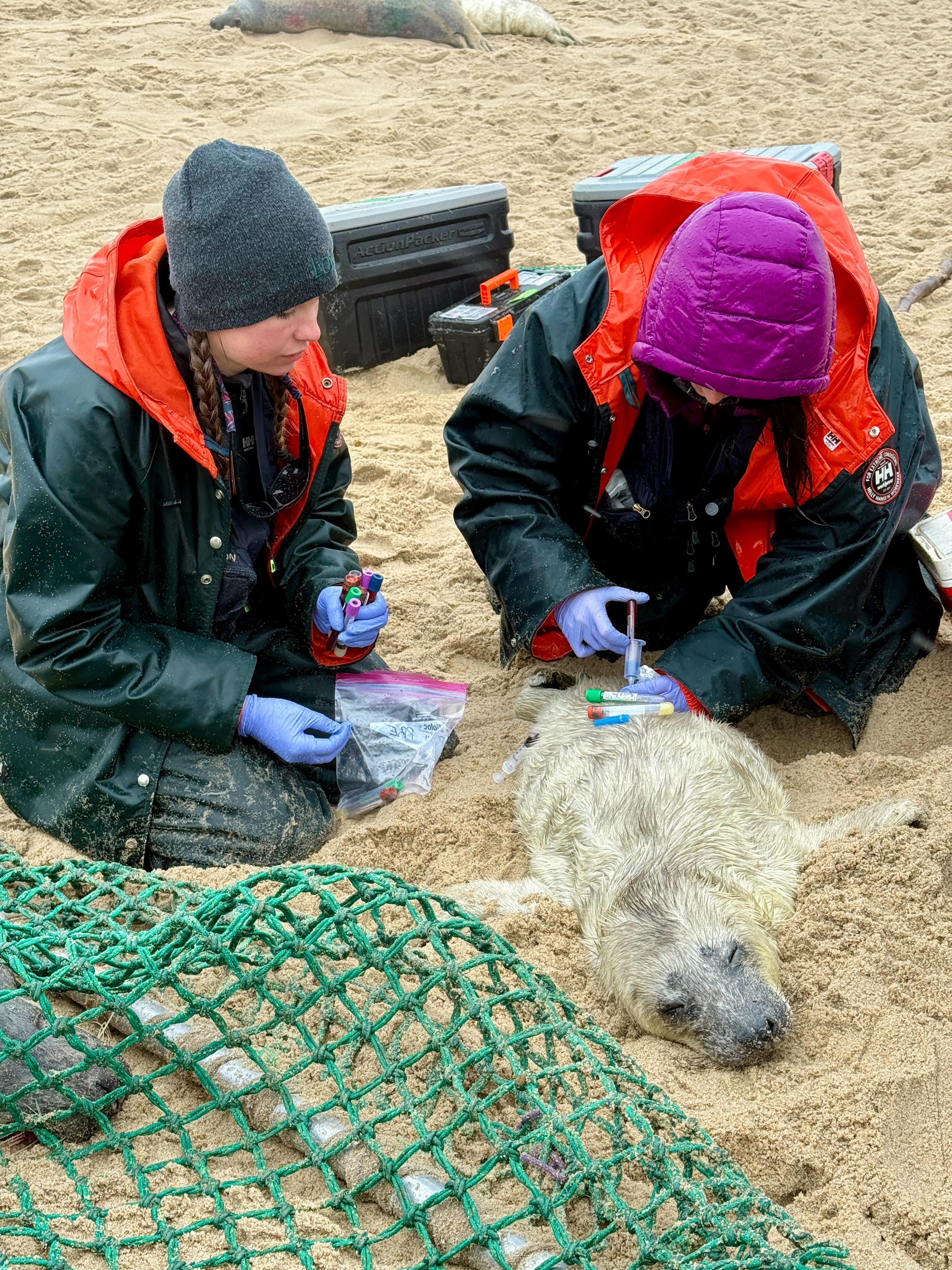
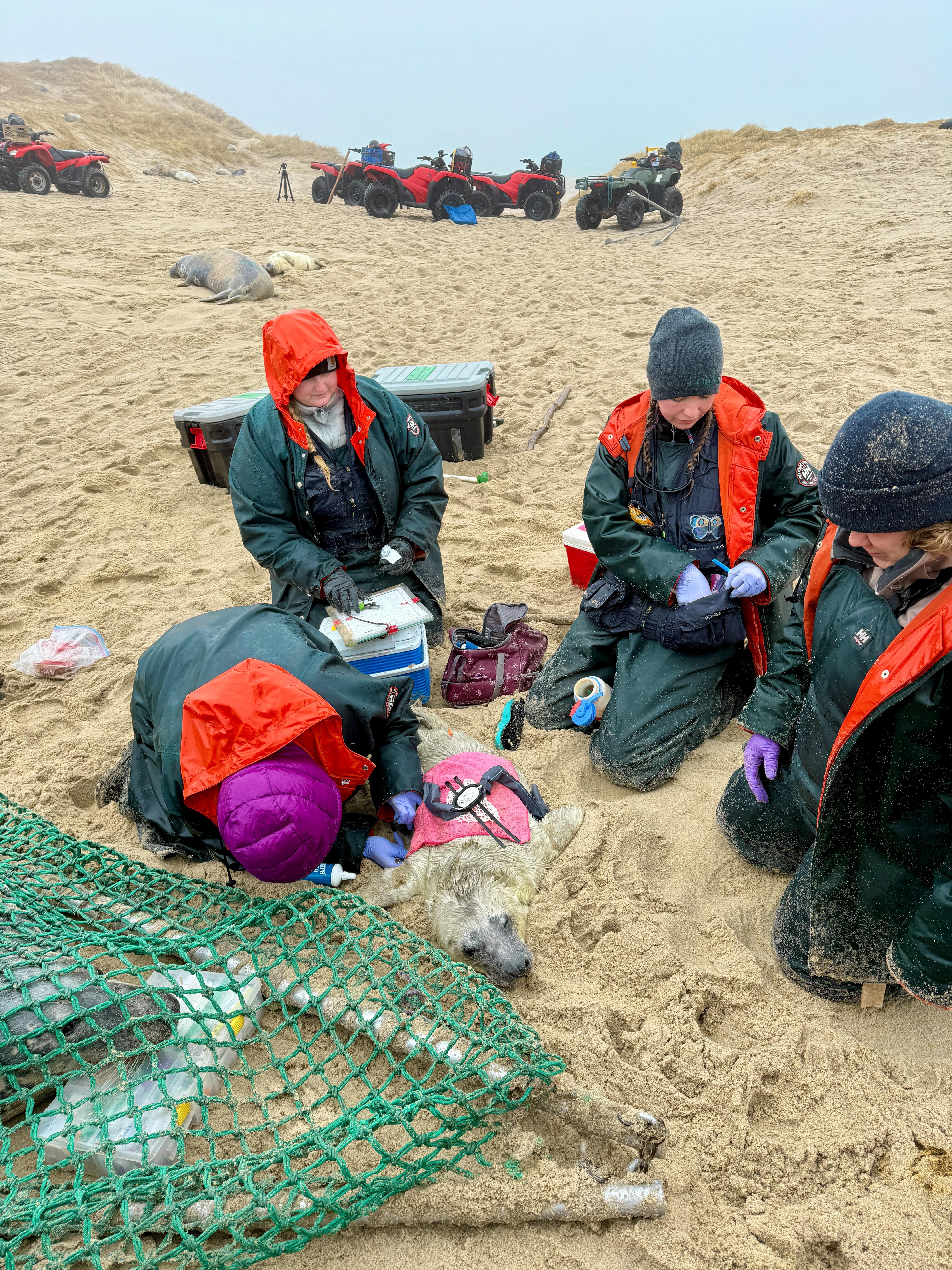
Led by ecophysiologist Michelle Shero, Ph.D. from the Woods Hole Oceanographic Institution, the team conducts in-depth workups of select mom and pup pairs. They will handle a pair when the pup is three days old (pictured) and again at the end of lactation.
17 / 28
Michelle (right) and her colleagues are interested in how much iron is transferred from moms to their pups during lactation. To better understand this process, the team collects a whole suite of samples, including lots of blood.
18 / 28
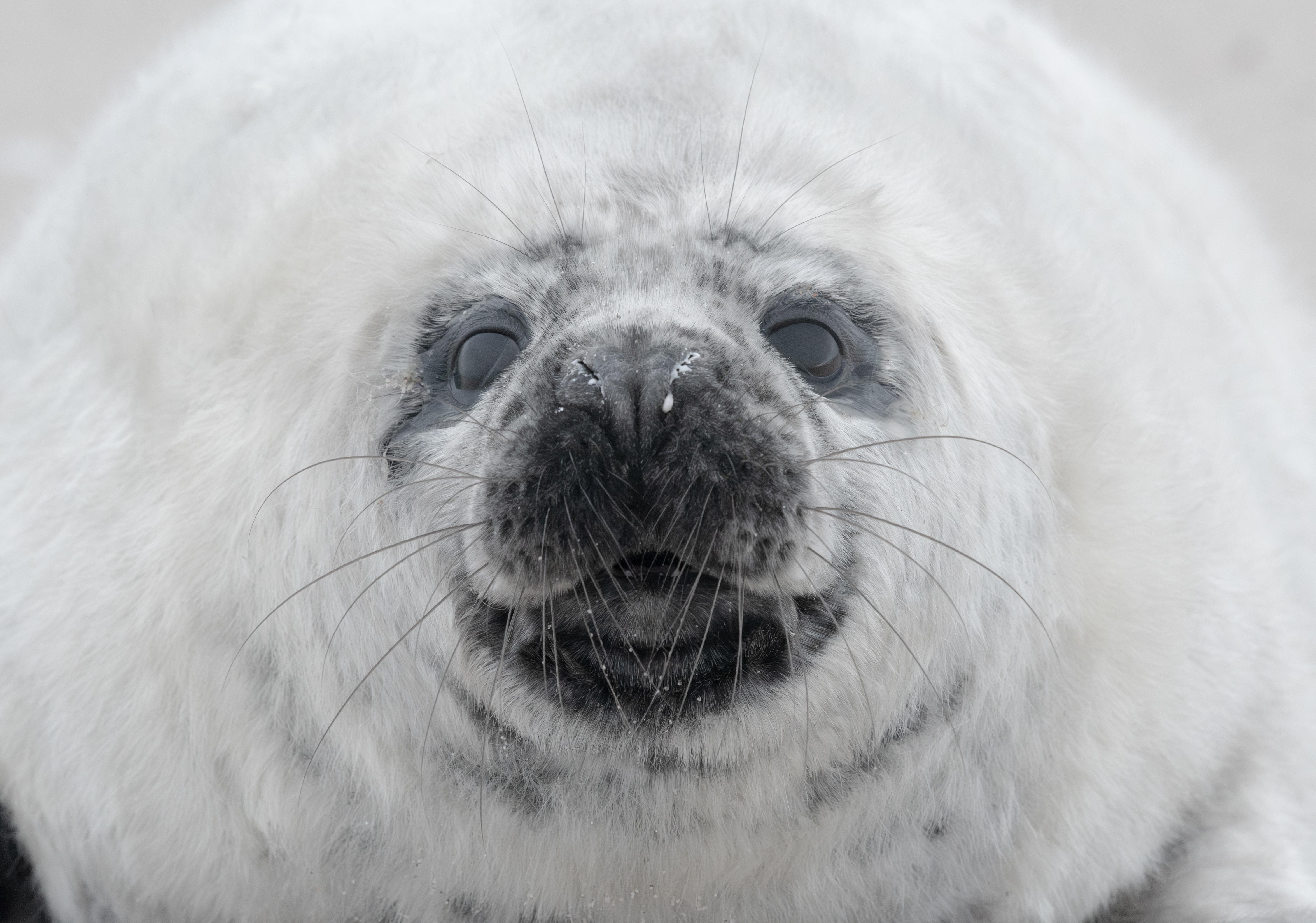
Gray seal pups triple in size between birth and when they are weaned.
19 / 28
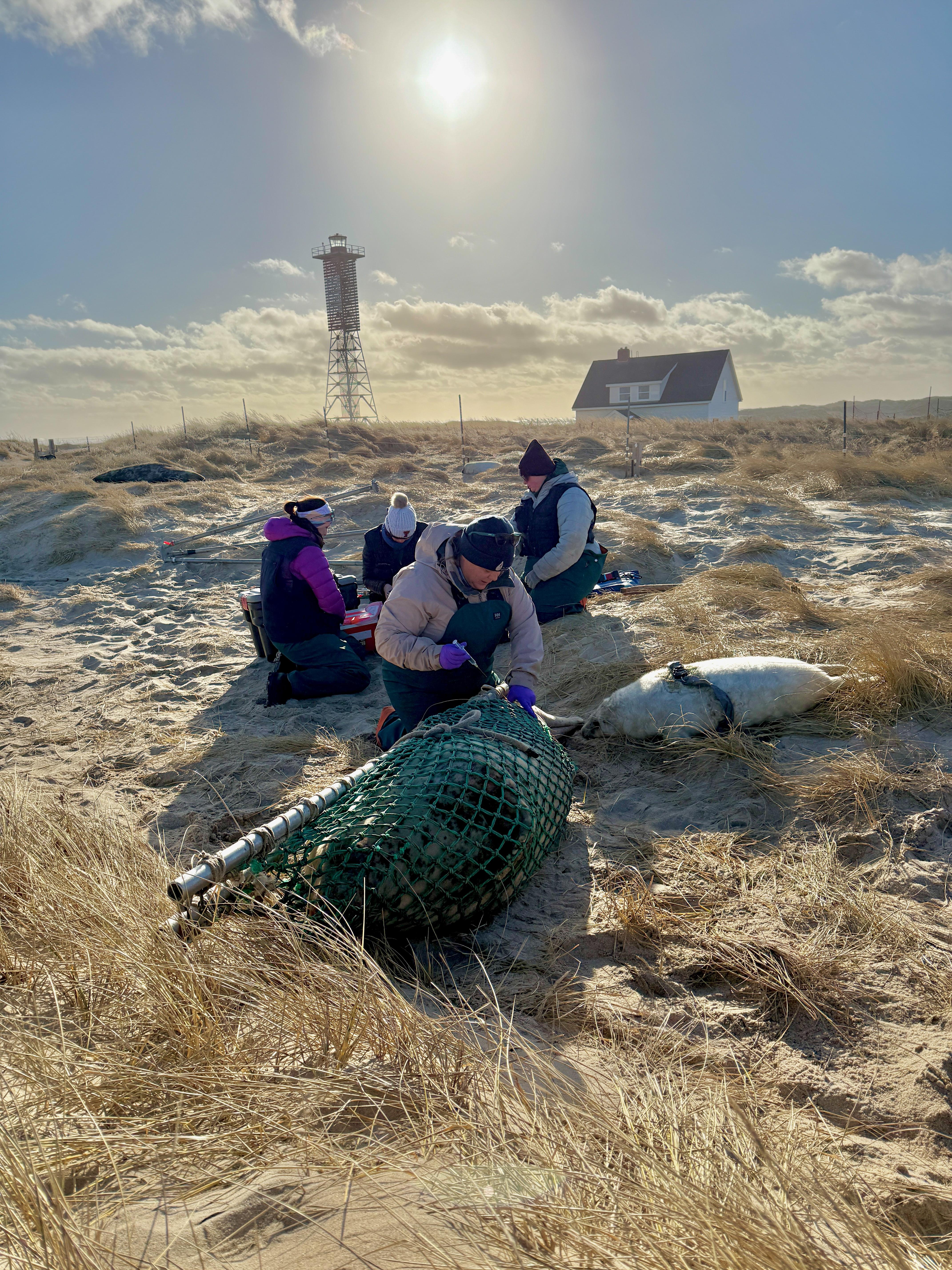
Veterinarian Michelle Rivard sedates the mom prior to her workup.
20 / 28
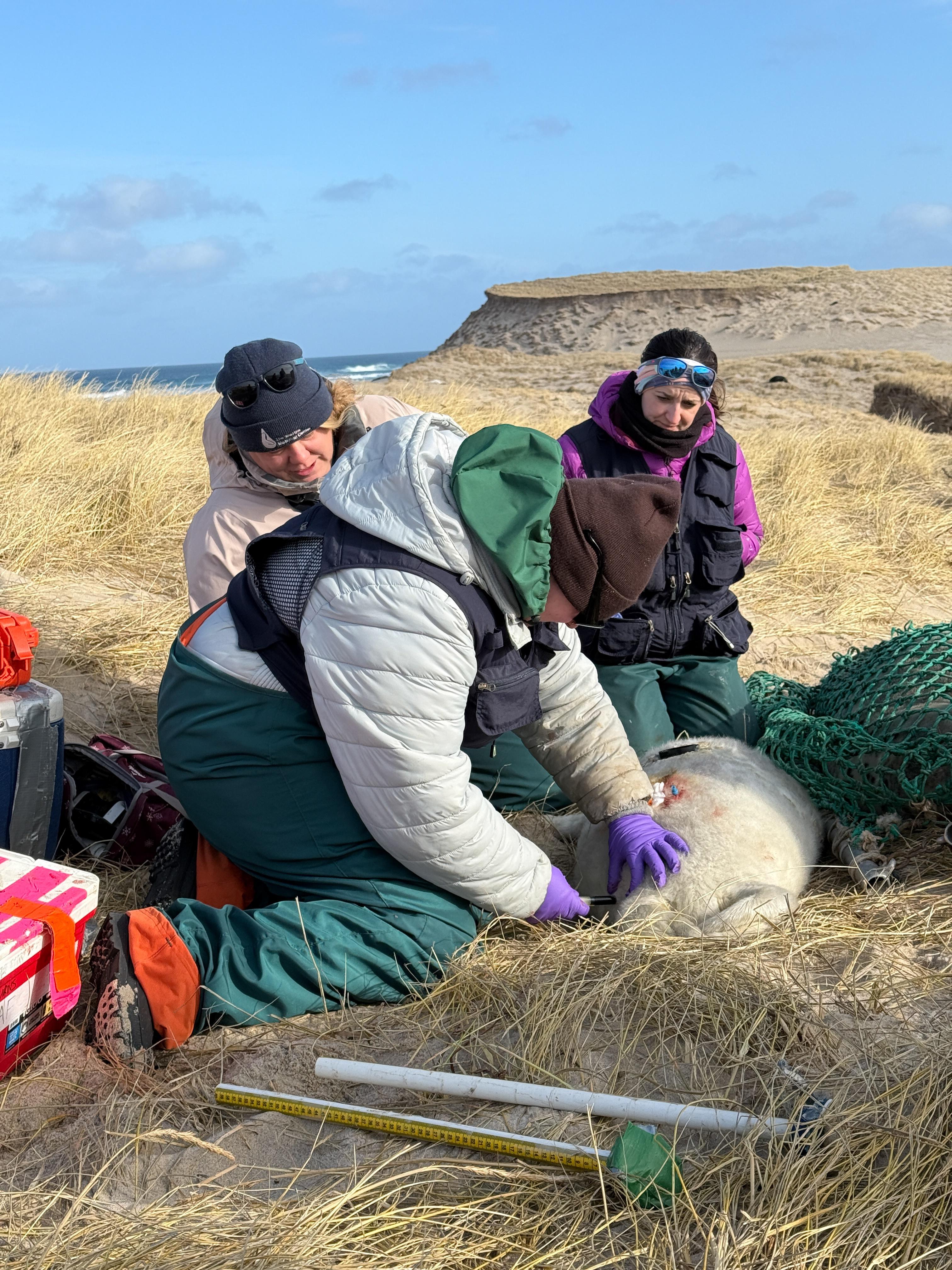
Half of the pups receive an iron supplement to see if that helps them dive longer and deeper once they go to sea. Iron is important in the creation of hemoglobin and myoglobin proteins which carry oxygen throughout the body.
21 / 28
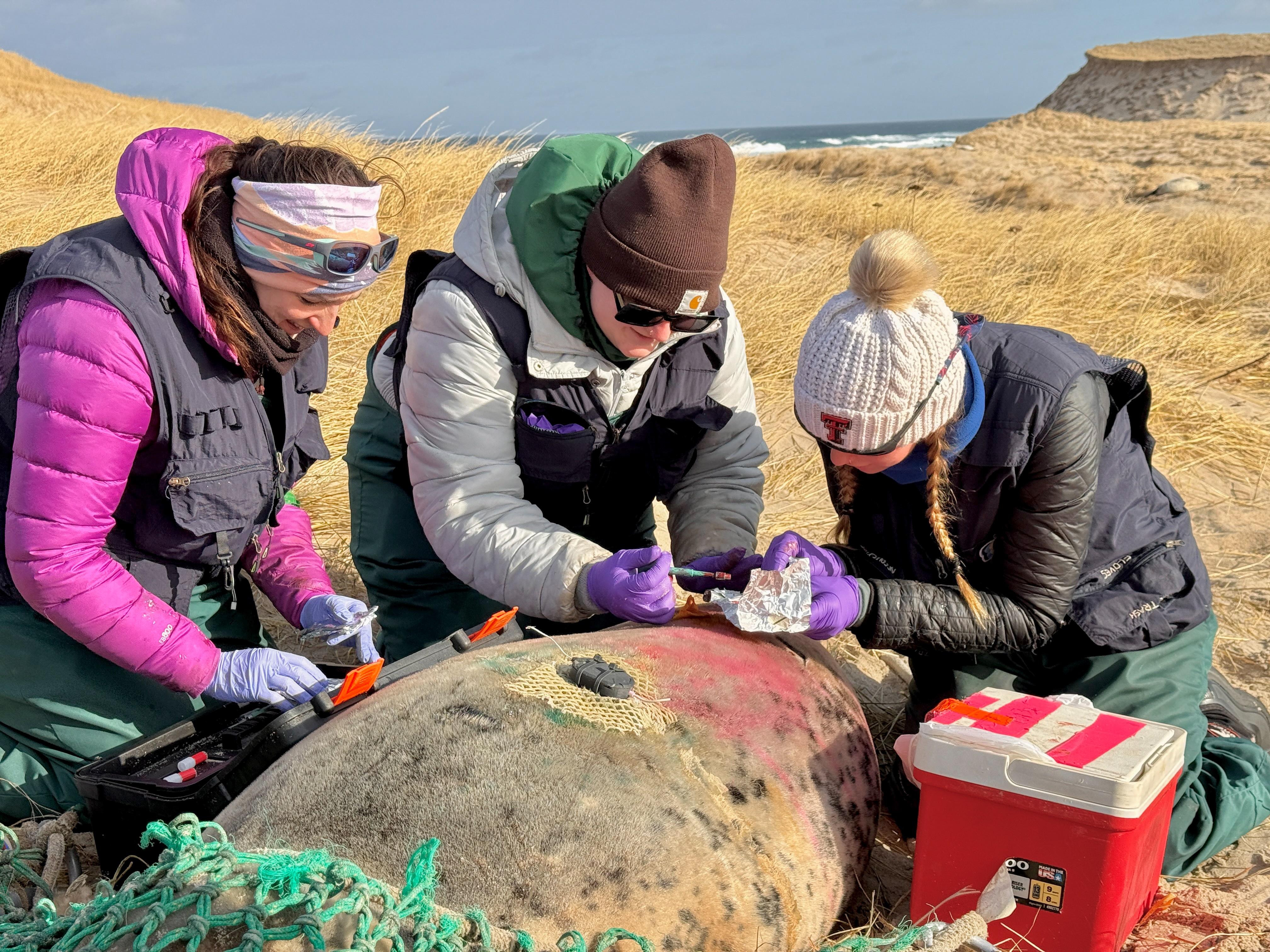
The experts take small muscle biopsies of the mom and pup to measure myoglobin concentrations.
22 / 28
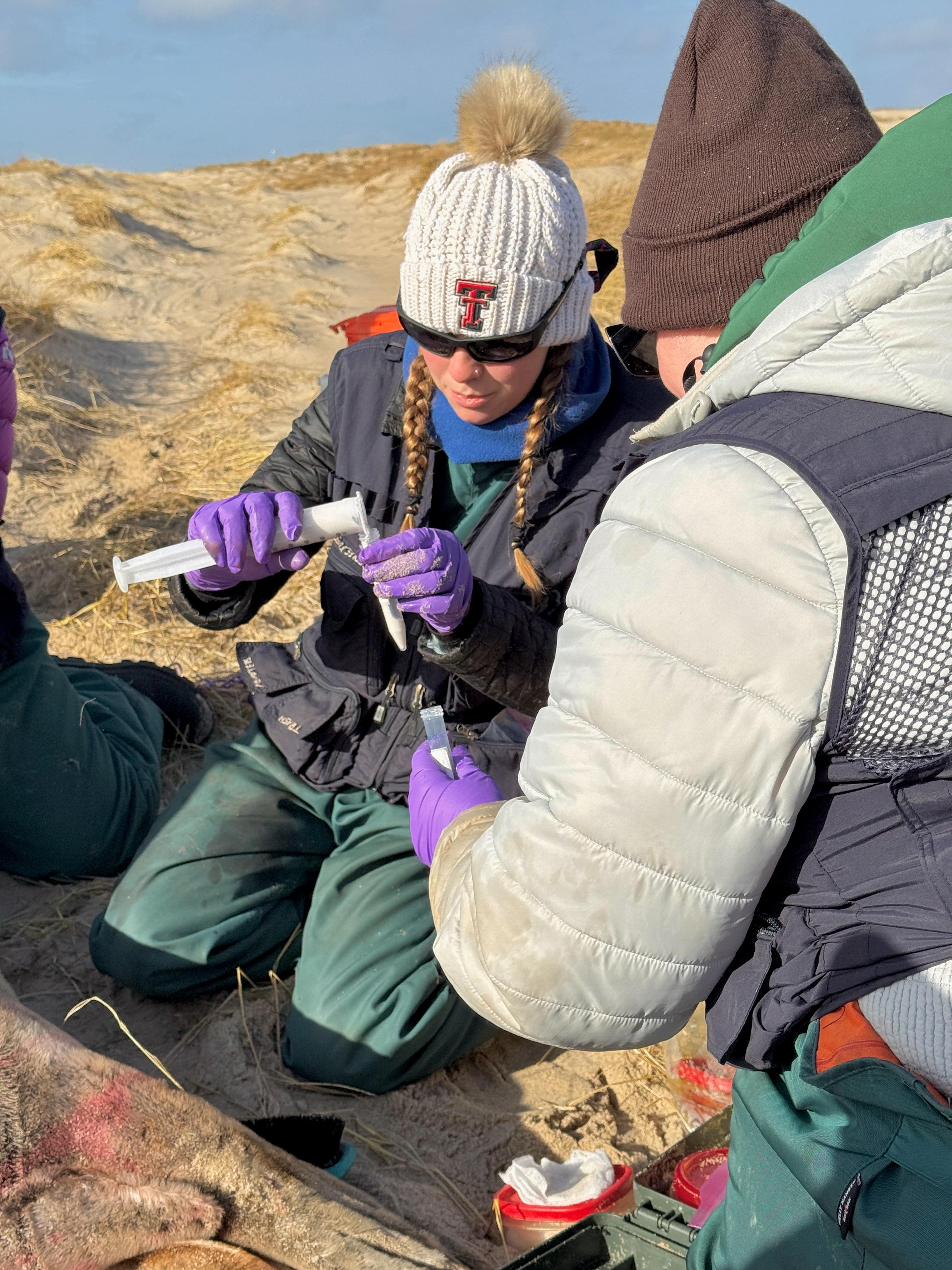
The researchers also collect a milk sample to measure its iron content.
23 / 28
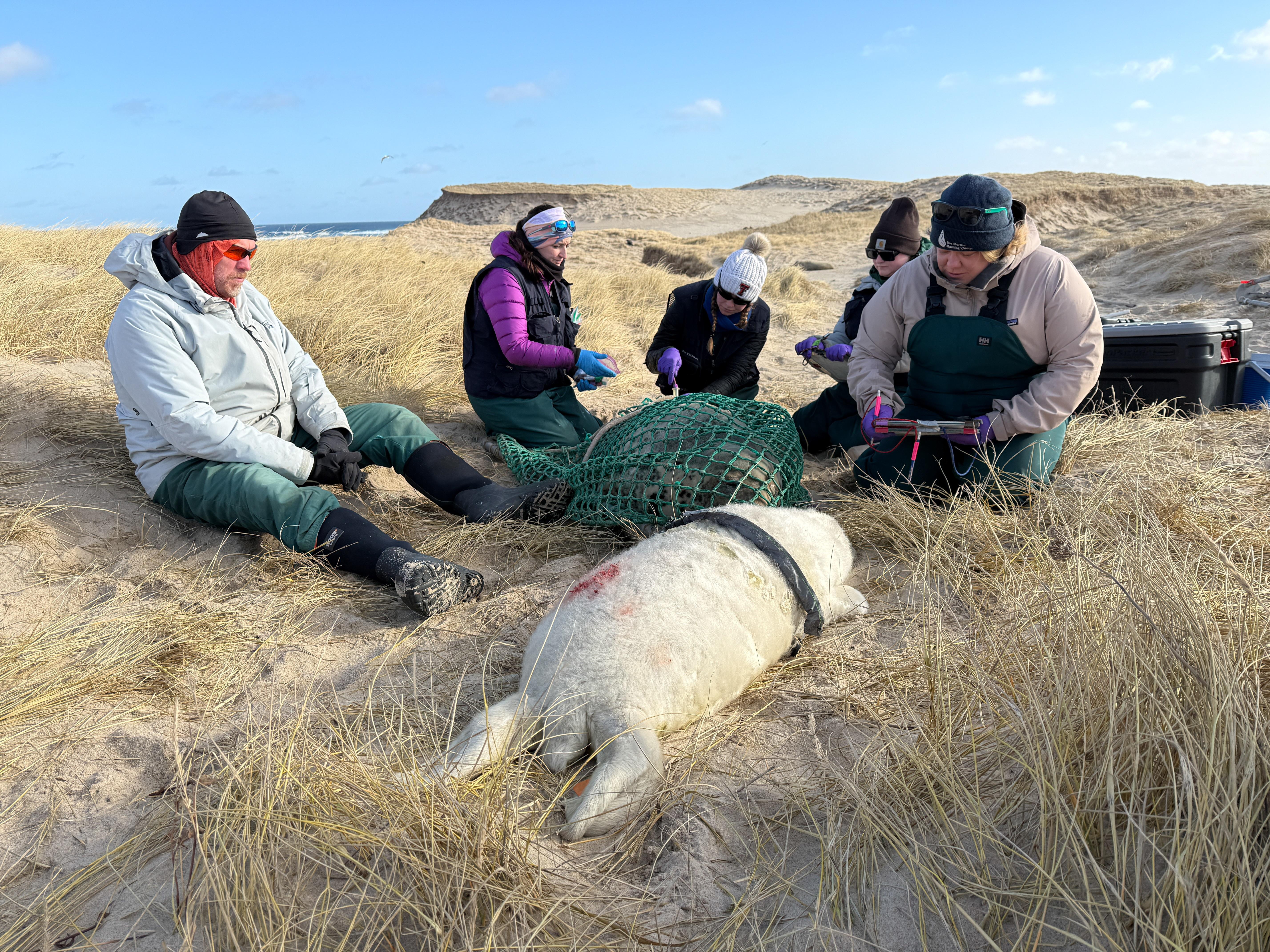
Throughout the workup, veterinarian Michelle Rivard closely monitors mom and her pup to ensure their welfare.
24 / 28
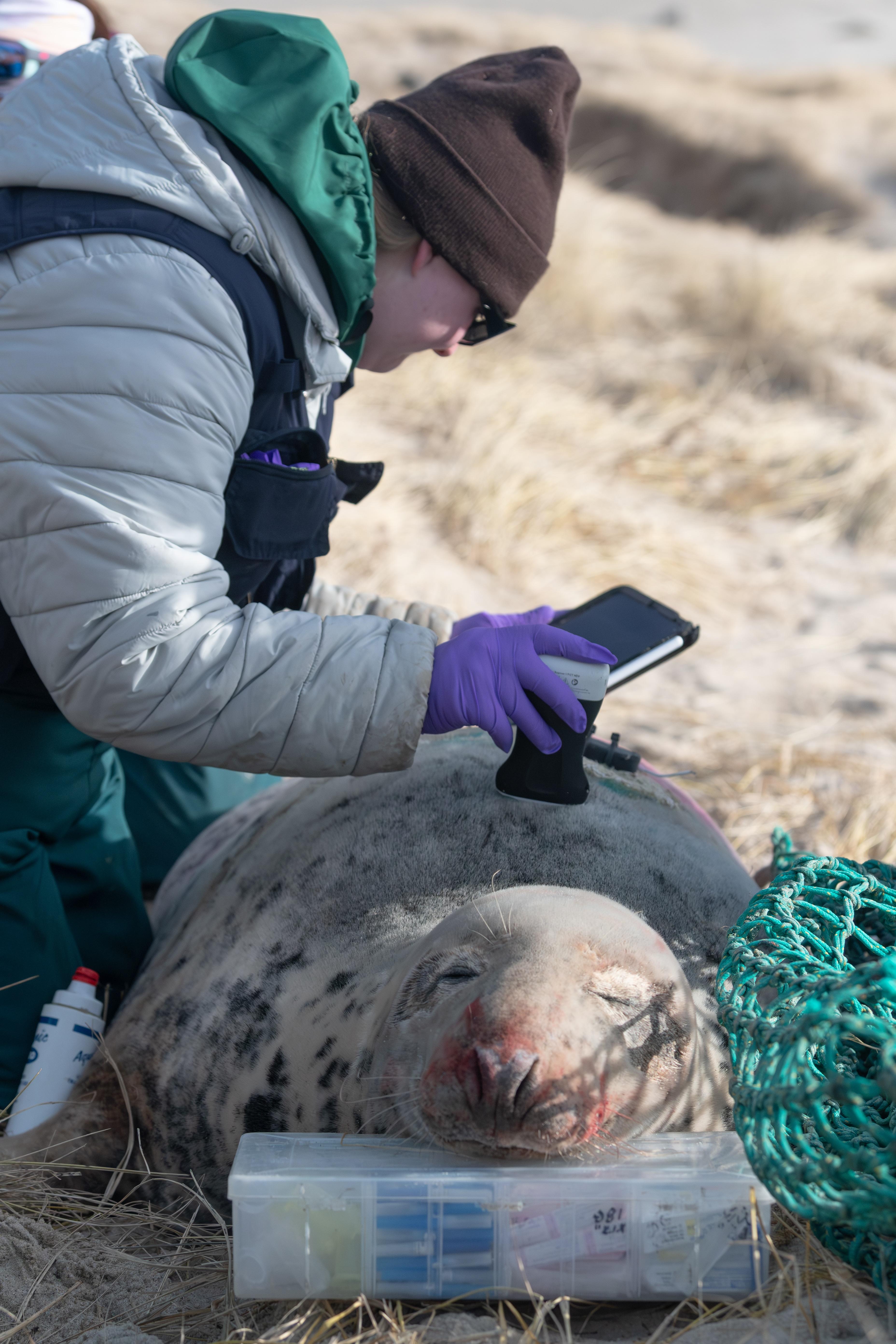
A seal's blubber depth is measured with a portable ultrasound.
25 / 28
Michelle is also attaching external heart rate monitors on the pups to study their energy demands and activities that determine their metabolic rates before they head to sea for the first time.
26 / 28
Once the study pups have weaned and have shed their lanugo they will be outfitted with a satellite tag prior to their first trip to sea.
27 / 28
The satellite tags will stay on for about eight months and track the pups' dive behavior when they get to the sea.
28 / 28
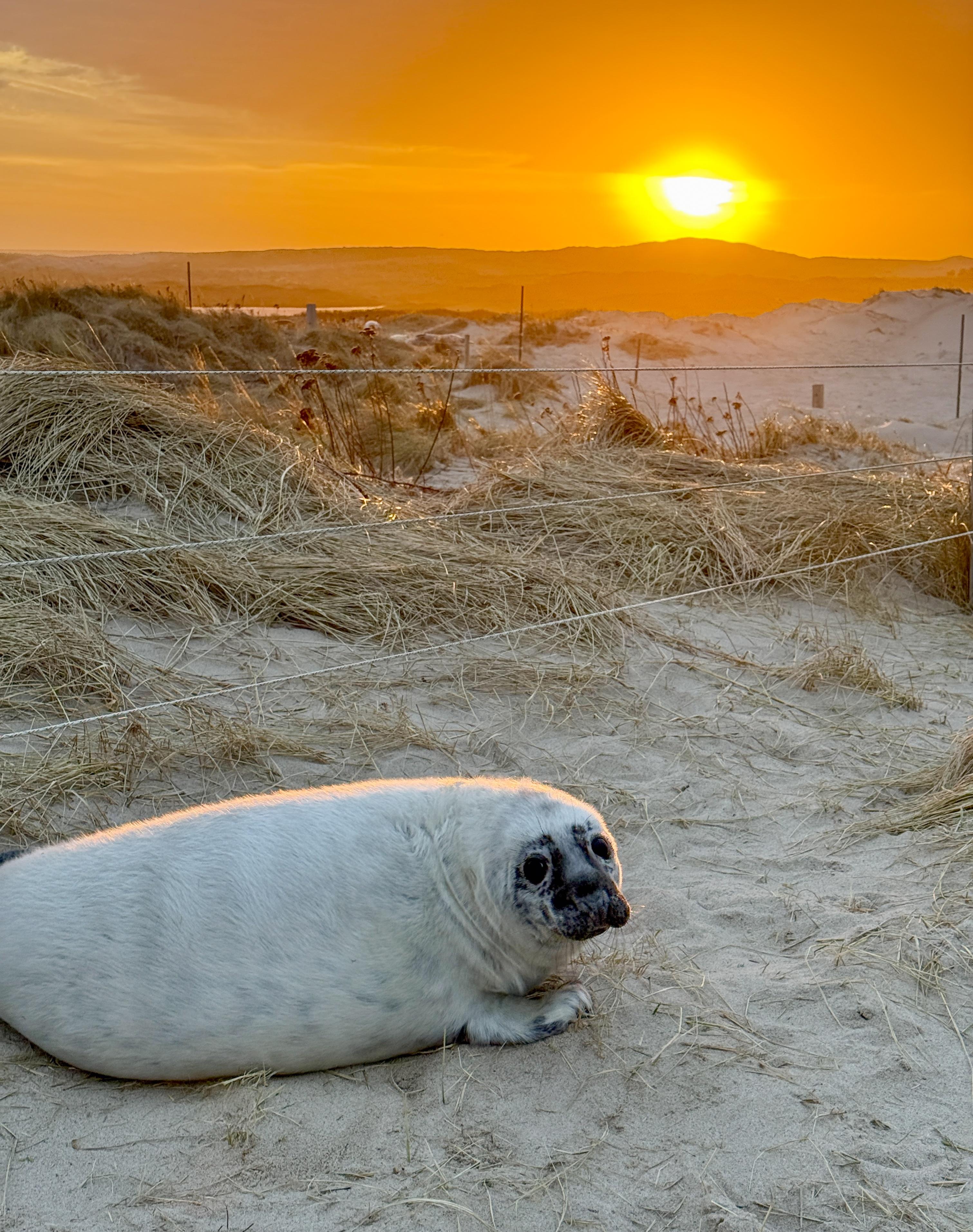
A gray seal "weaner" on a beautiful January evening.
Image Credits
Changing Seas would like to thank the following individuals and institutions who kindly allowed their footage, images and other media to be used in this production:
Florian Graner, Ph.D.
Sealife Productions
Maritime Museum of the Atlantic
Halifax, Nova Scotia,
a part of the Nova Scotia Museum
M80.11.2
MP221.153 / M96.38.1
Michelle Shero, Ph.D.
Ocean Tracking Network
Peter Auster, UConn,
UMaine, NOAA Fisheries,
Kraken ROV
Sable Island National Park Reserve,
©Parks Canada
The Airborne Sensing Corporation
W. Don Bowen, Ph.D.
Research Scientist
Filmed on location at
Sable Island National Park Reserve
with the permission of Parks Canada
All seal research permitted &
approved by researchers’
institutional animal care committees.
Special Thanks:
Jennifer Nicholson
Suzanne Pelisson
Funding for this episode of Changing Seas was provided by: