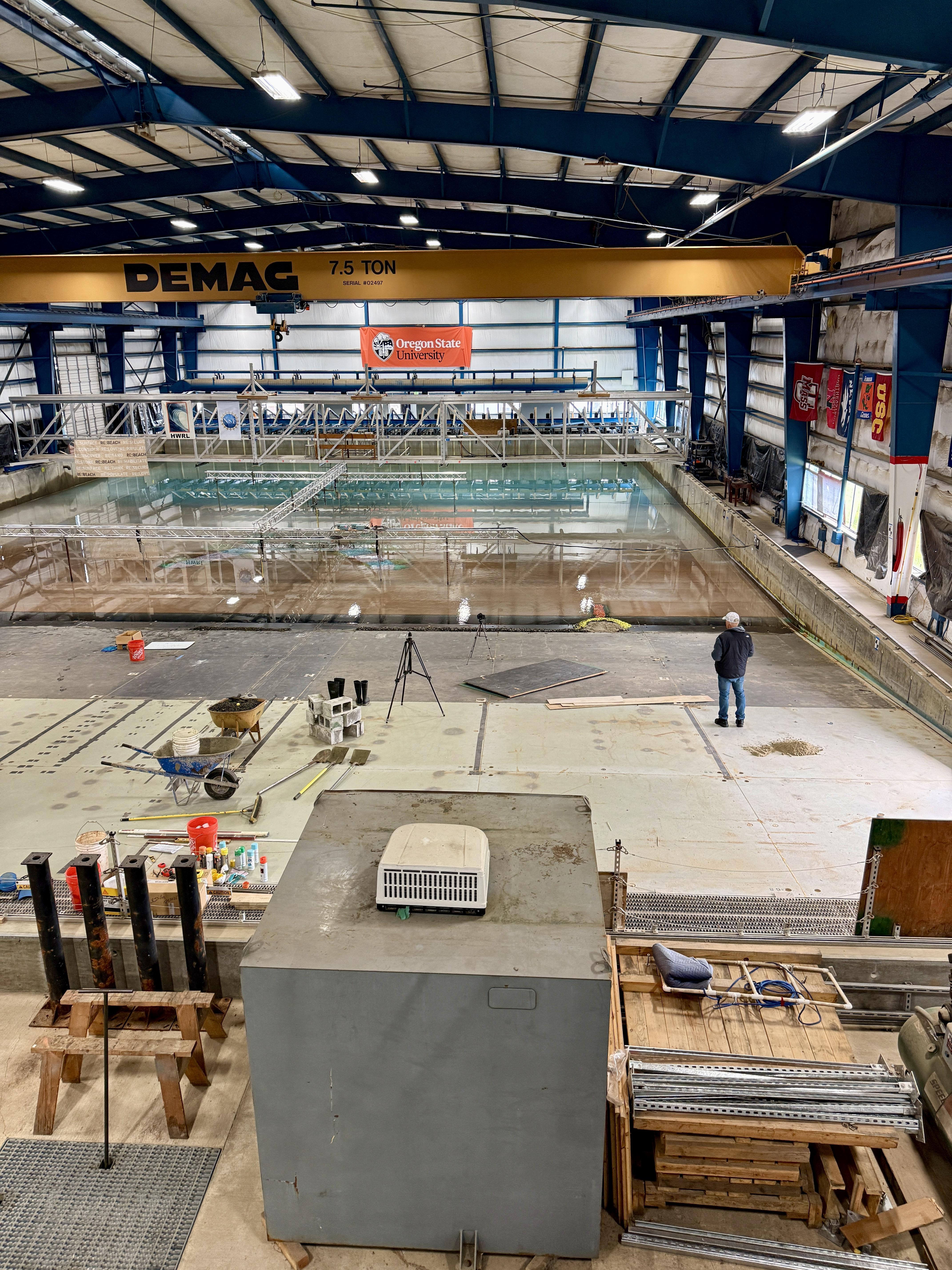
At the O.H. Hinsdale Wave Research Laboratory at Oregon State University, scientists and engineers recreate the power behind ocean waves inside one of the world’s largest wave laboratories. Researchers test how hurricane storm surge impacts structural integrity, how artificial breakwaters can blunt storm-driven waves along the California coast, and how underwater energy converters can turn relentless wave motion into usable power. This increased understanding of how waves and their currents shape everyday life allows engineers to better help protect coastal communities while also working toward a future where the sea becomes a reliable source of clean energy.
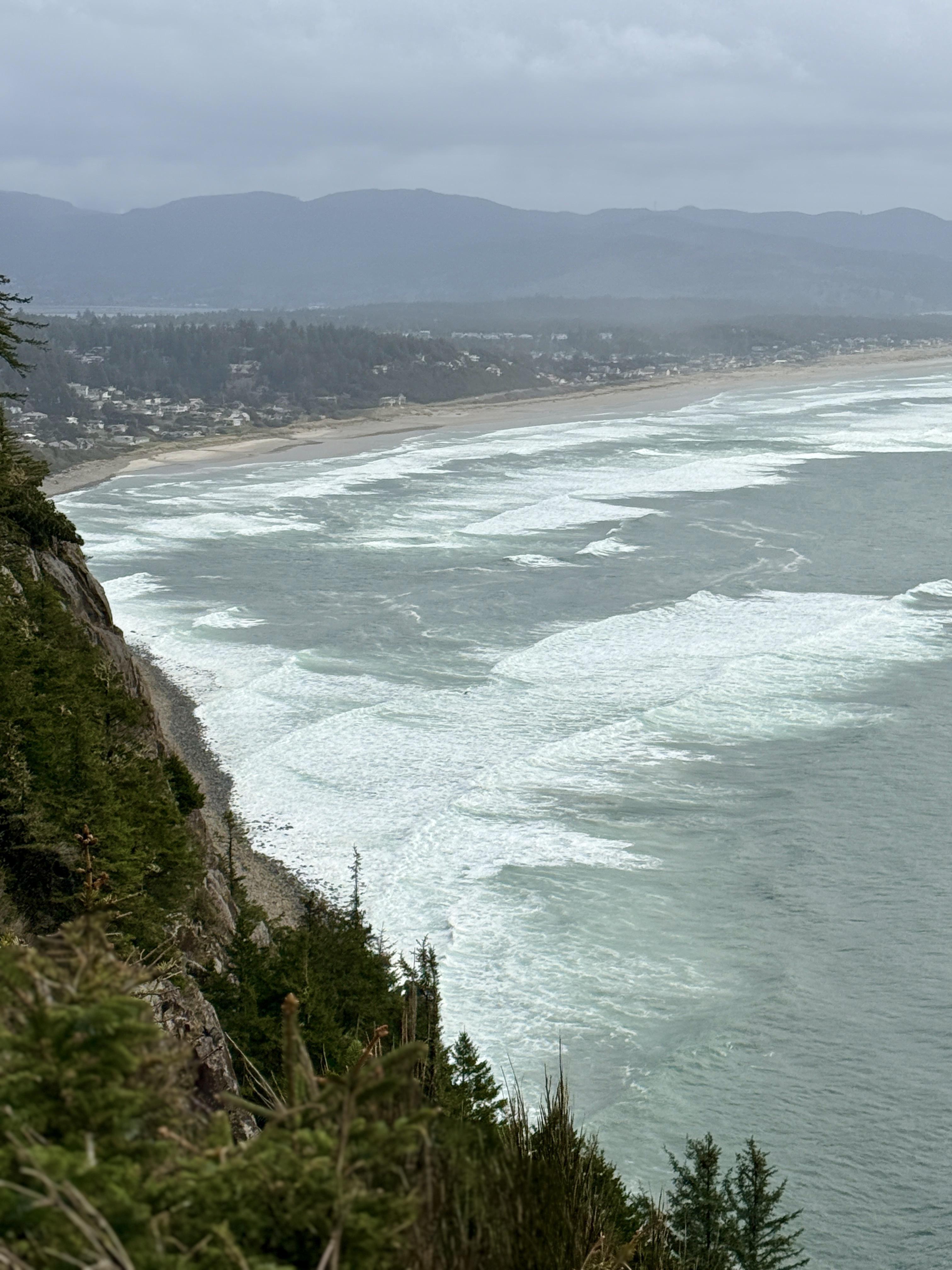
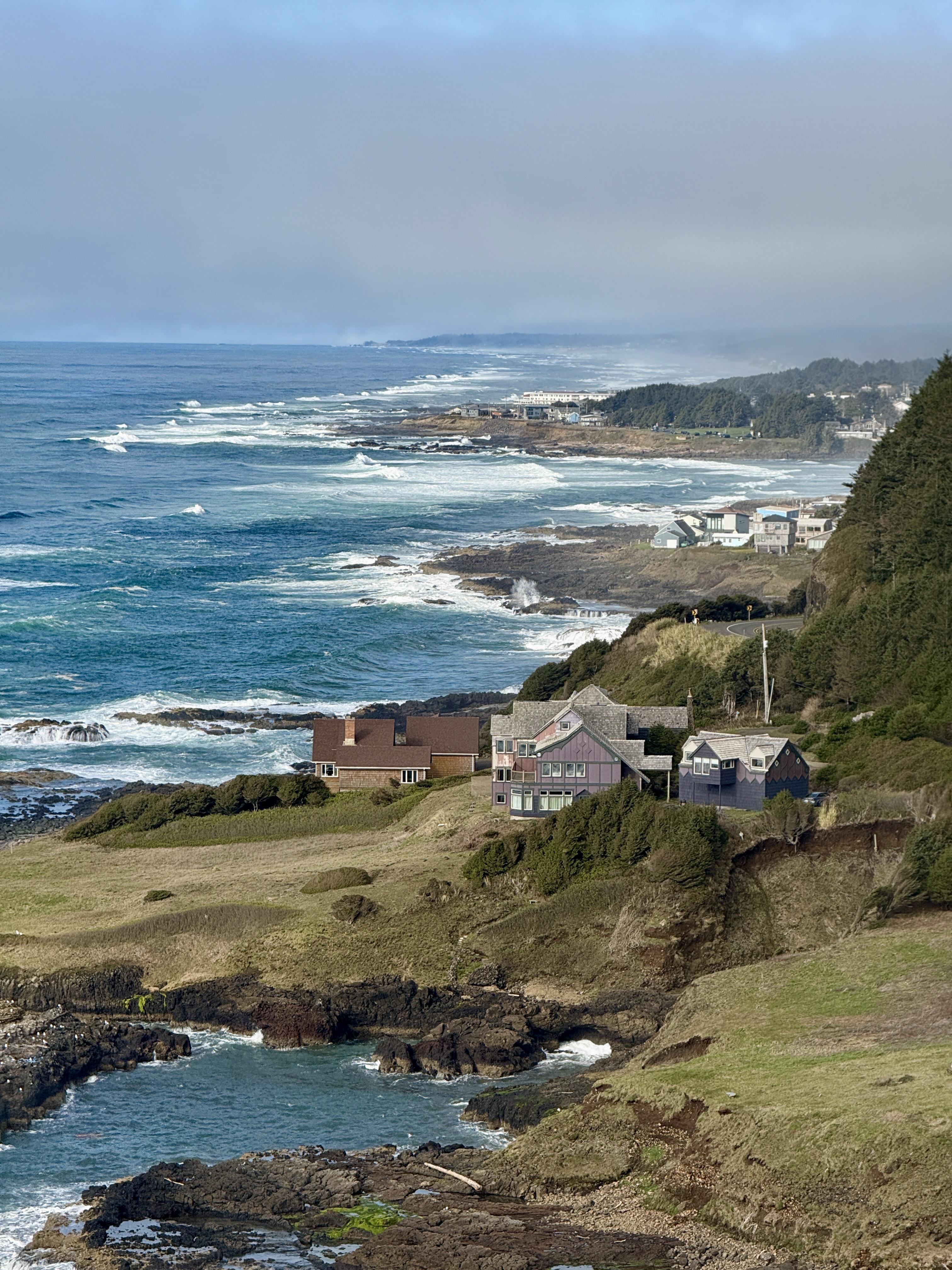
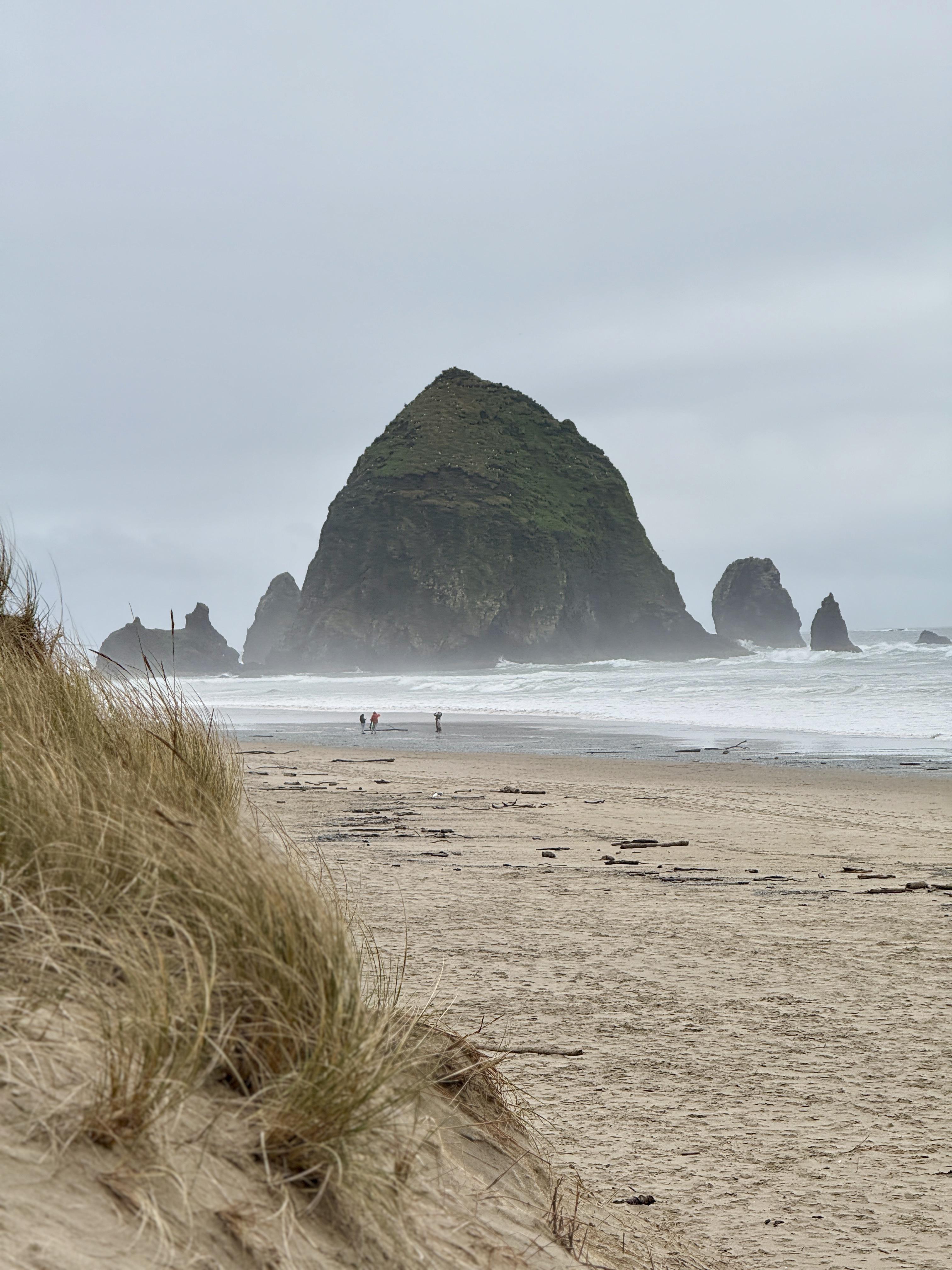
Along the Oregon coast, powerful waves have reshaped the shoreline for centuries. Winds, astronomical forces, and seismic events transfer energy into the water and the waves carry this energy to the shoreline.
Changing Seas
2 / 28
Share This Gallery
As we build on the coasts, coastal engineers work behind the scenes to design homes, bridges, and other coastal structures that will stand up to the destructive power of water.
Changing Seas
3 / 28
Share This Gallery
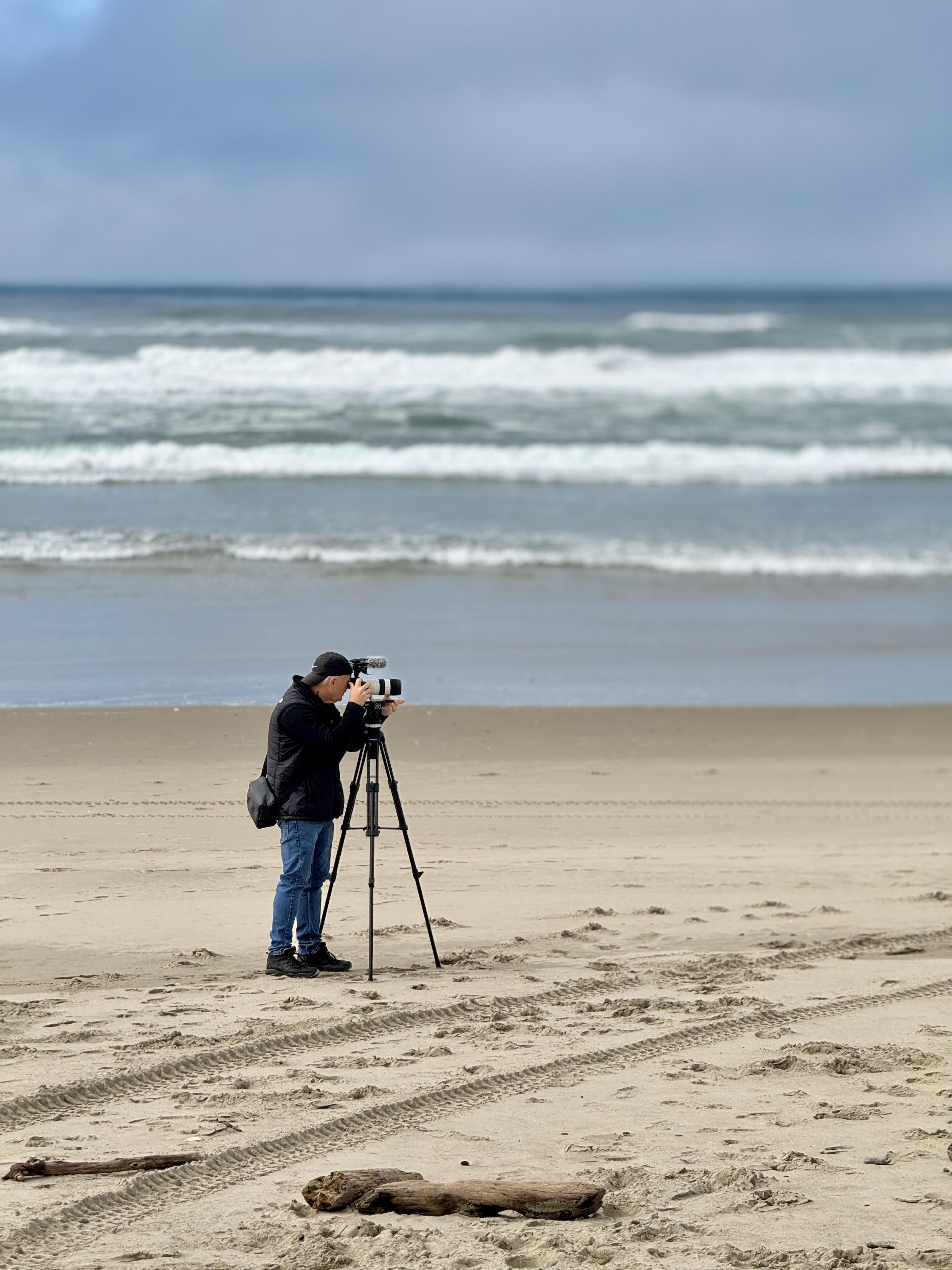
Director of Photography Sean Hickey films along Oregon's wild Pacific coast.
Changing Seas
4 / 28
Share This Gallery
Just sixty miles inland, engineers at Oregon State University have brought these ocean waves into the lab. Since 1972, engineers have used the O.H. Hinsdale Wave Research Laboratory to study everything from tsunamis and storm surge to capturing wave energy.
Changing Seas
5 / 28
Share This Gallery
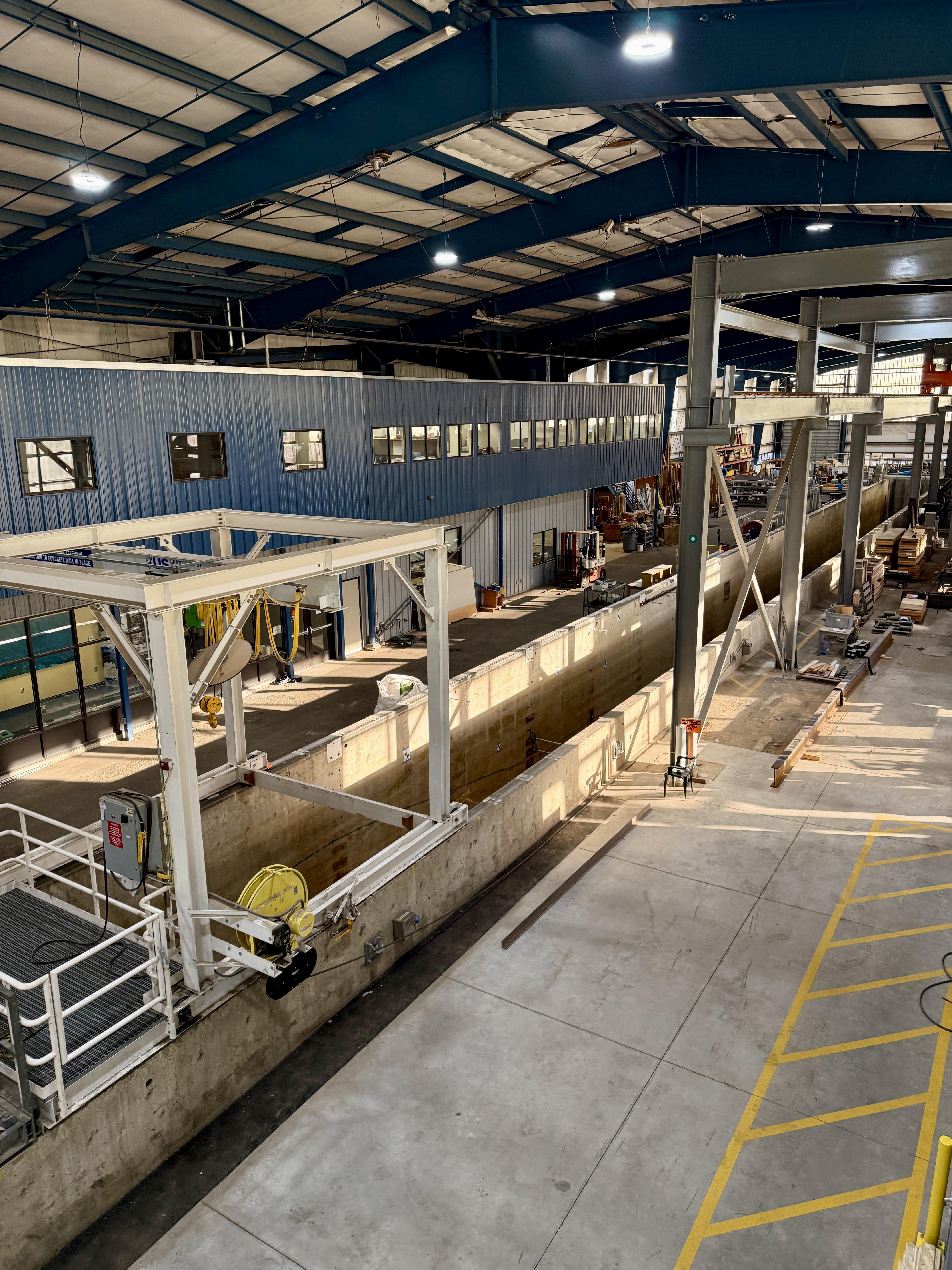
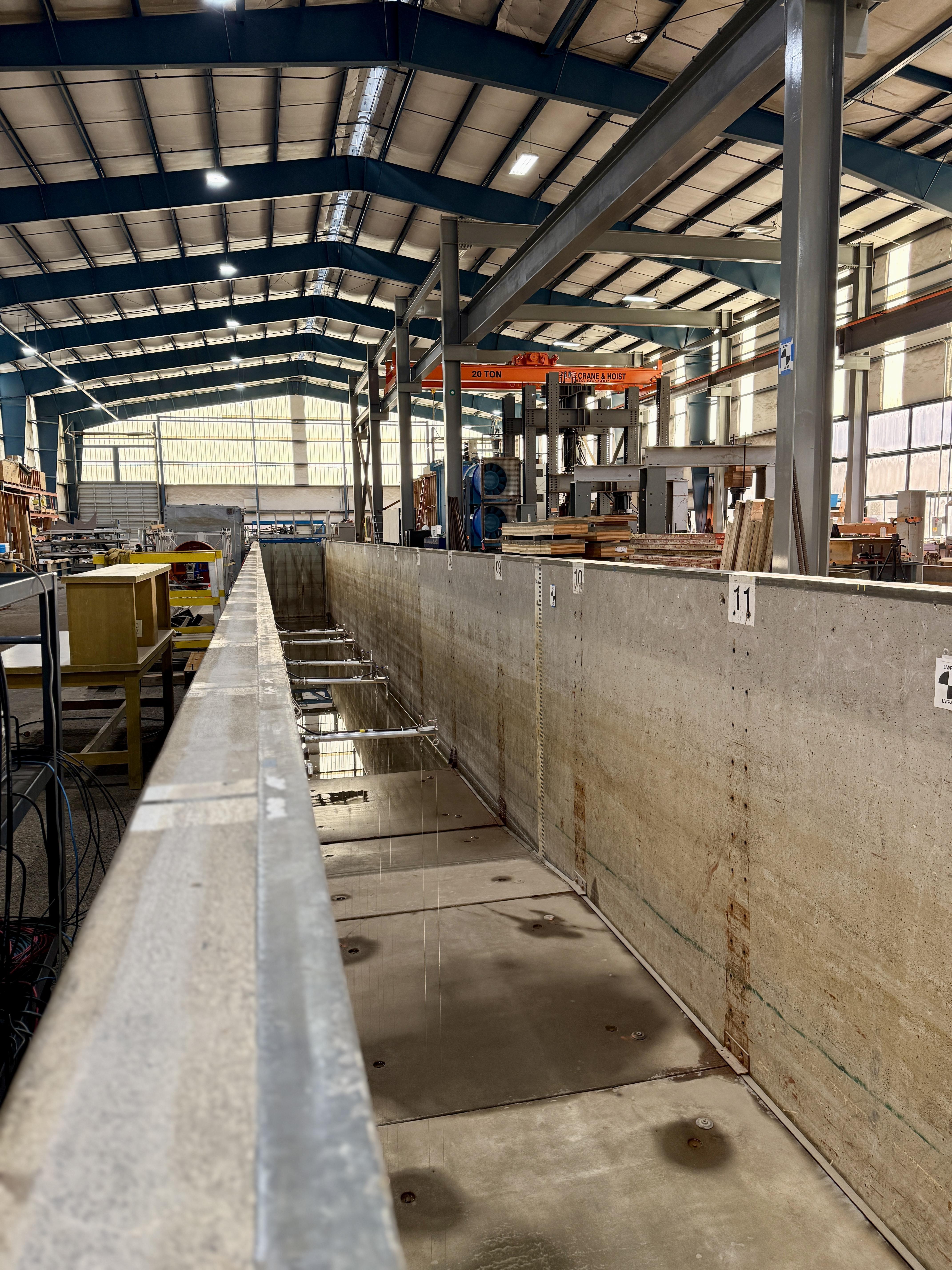
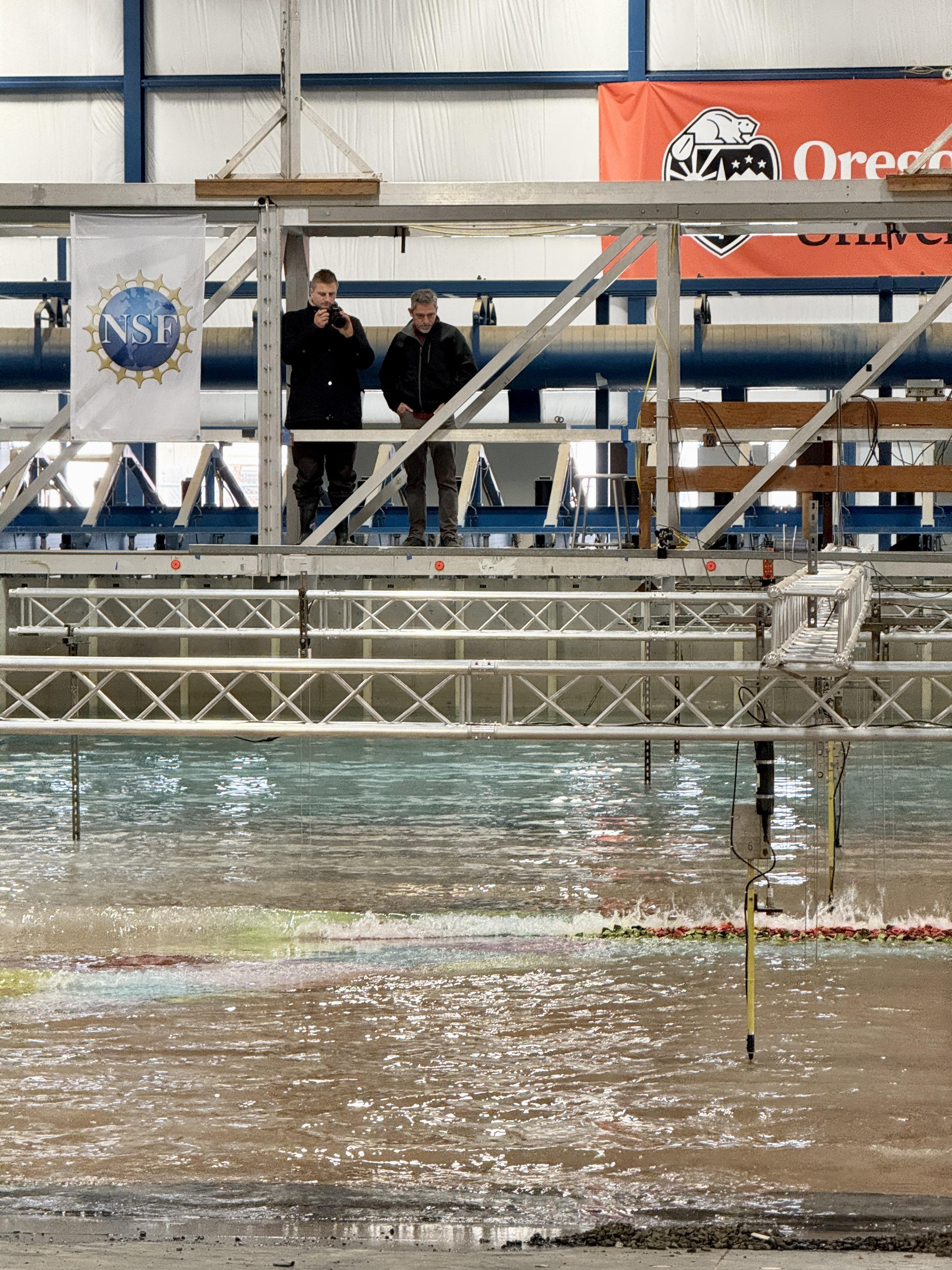
The lab’s 342-foot-long flume is one of the largest in the United States, and its single paddle generates one wave at a time in the same direction.
Changing Seas
6 / 28
Share This Gallery
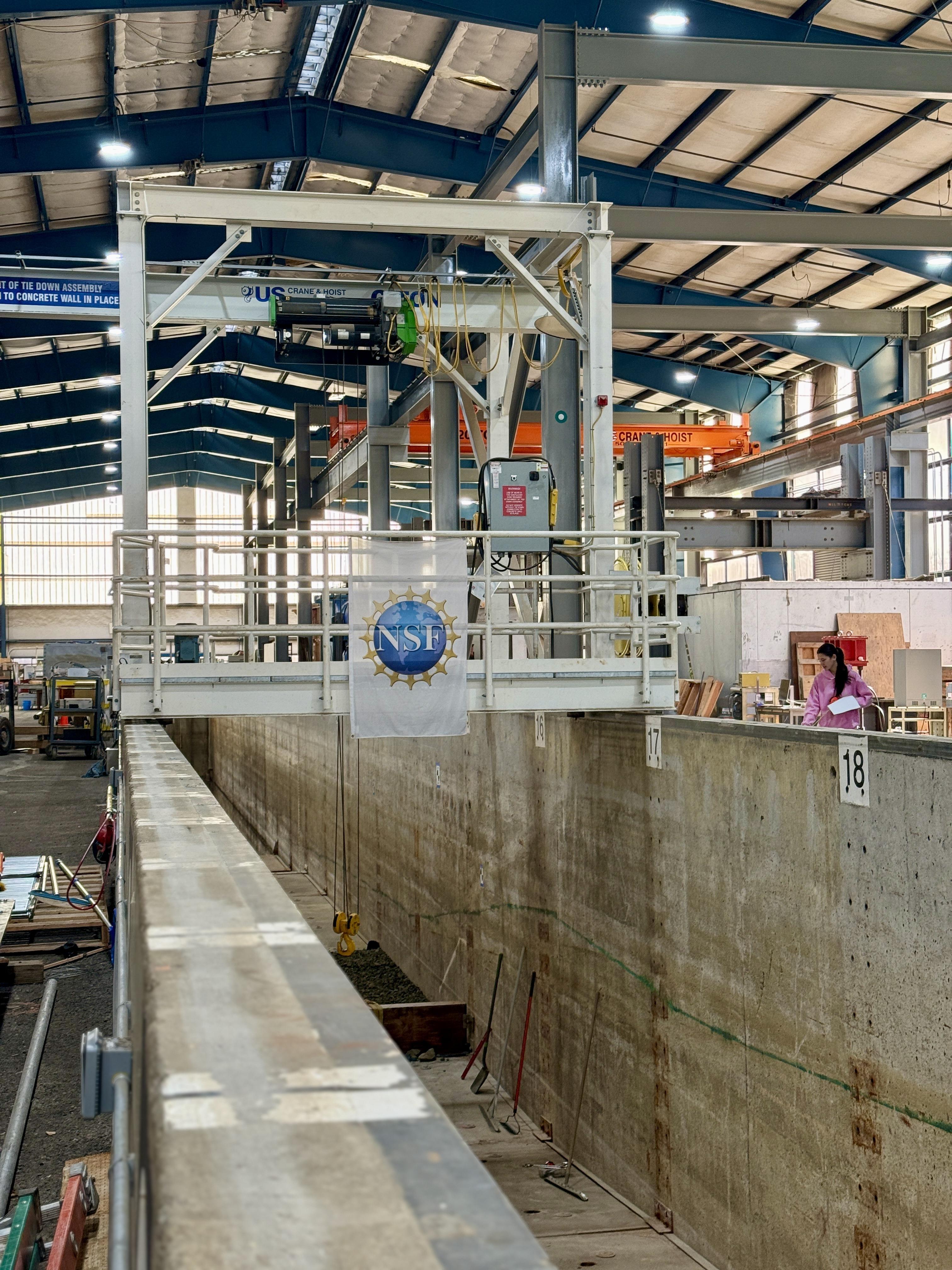
With the support of the National Science Foundation, the lab is available for researchers from all over the world to study wave energy here.
Changing Seas
7 / 28
Share This Gallery
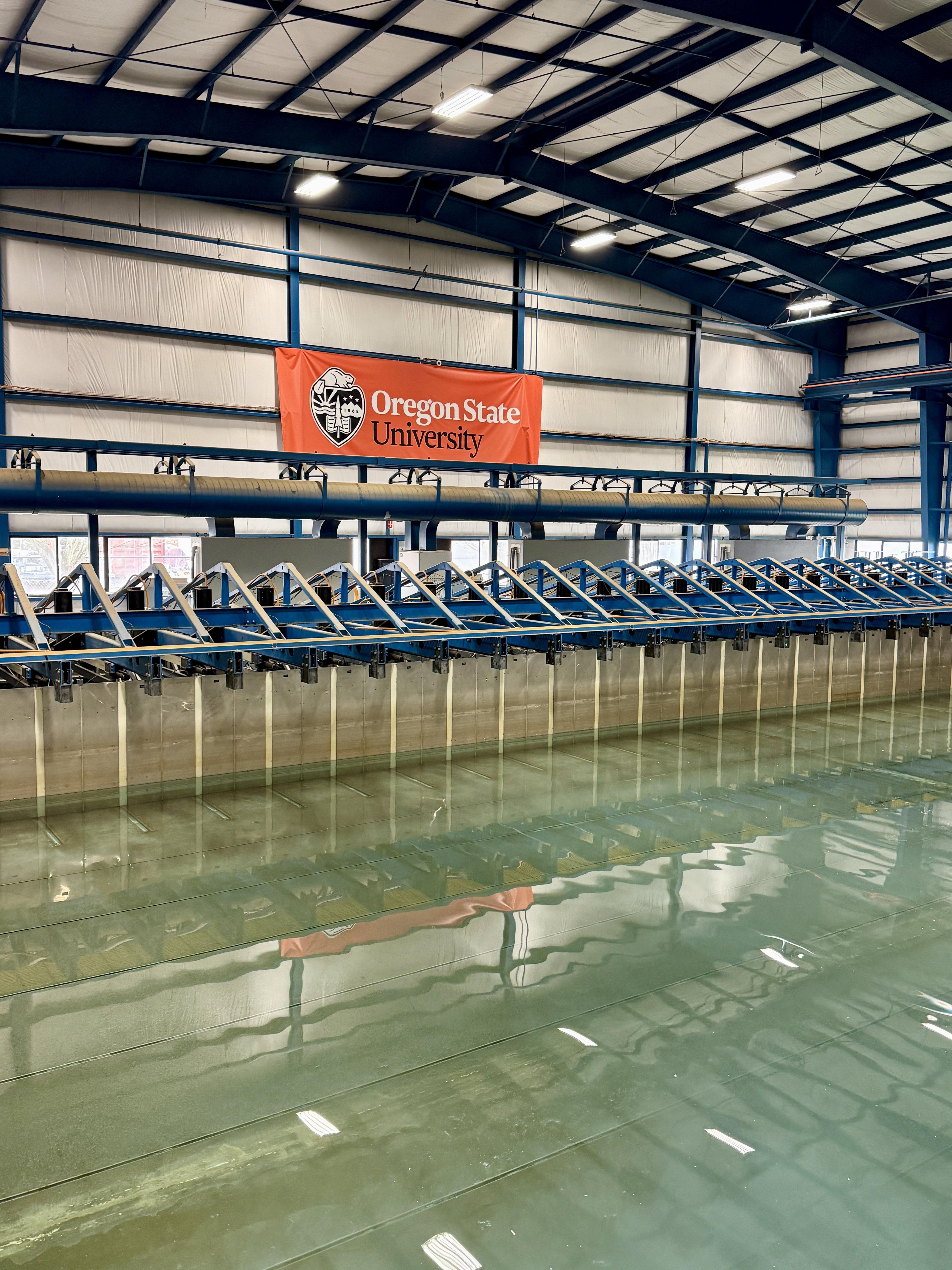
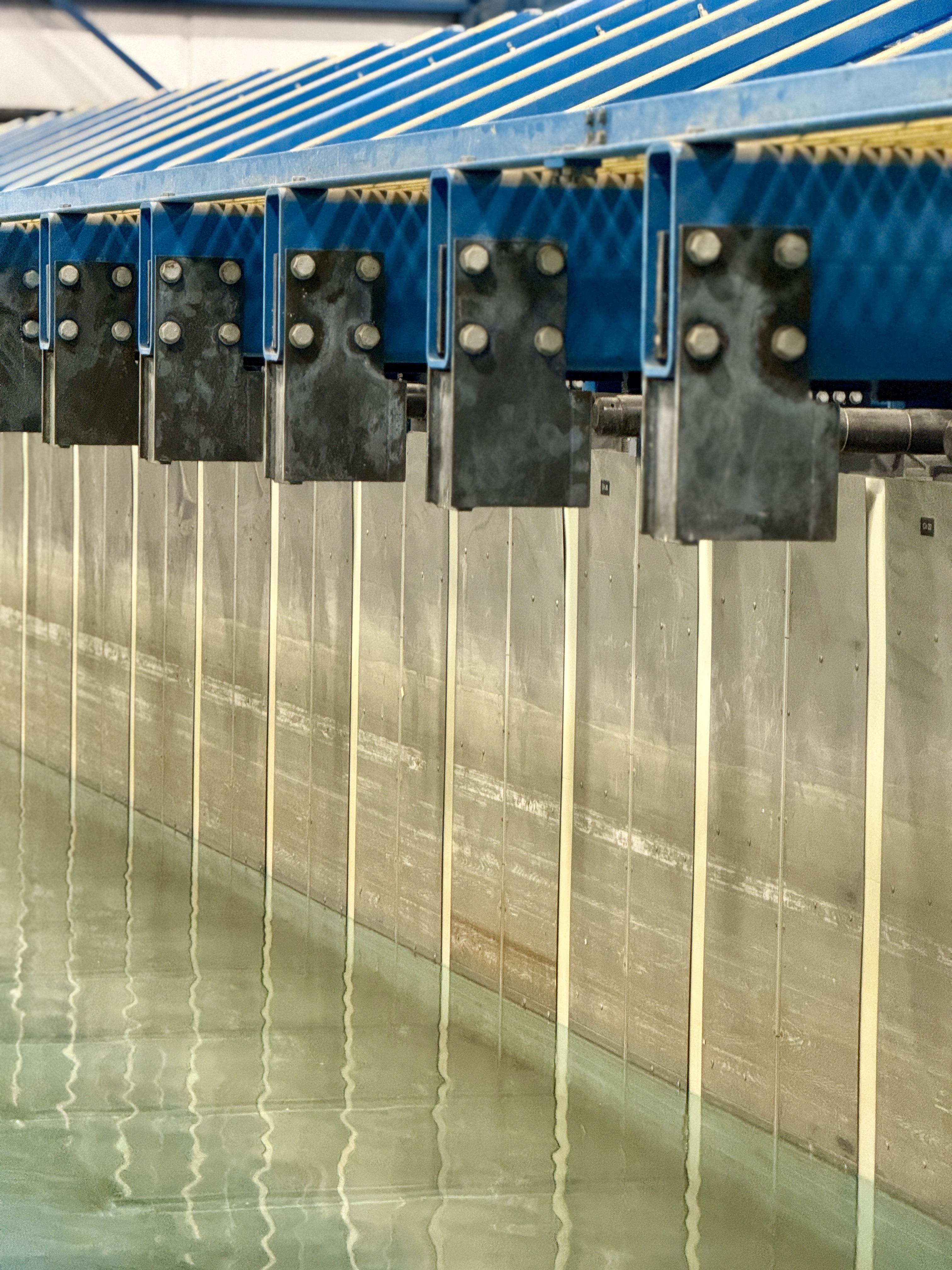
The Hinsdale directional wave basin has 30 independent actuators that shift 29 interconnecting paddles to recreate more complex wave patterns.
Changing Seas
8 / 28
Share This Gallery
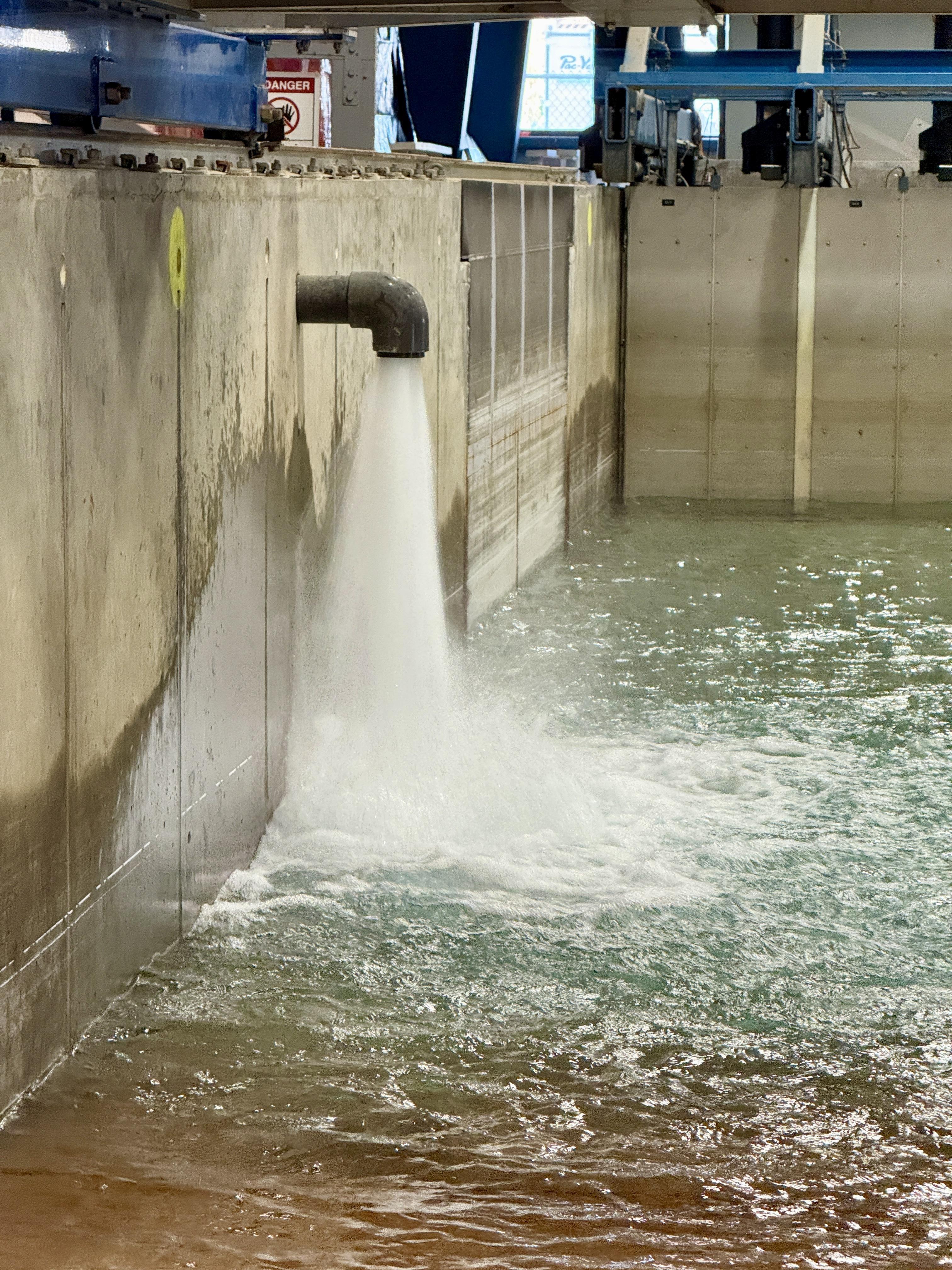
The basin is a 14,000-square-foot facility, and water levels are meticulously monitored during experiments.
Changing Seas
9 / 28
Share This Gallery
At the heart of the basin is a wave machine, a computer-controlled system designed to recreate ocean waves at scale.
Changing Seas
10 / 28
Share This Gallery
As actuators shift the paddle walls, they create waves of different shapes and sizes as determined by the computer.
Changing Seas
11 / 28
Share This Gallery
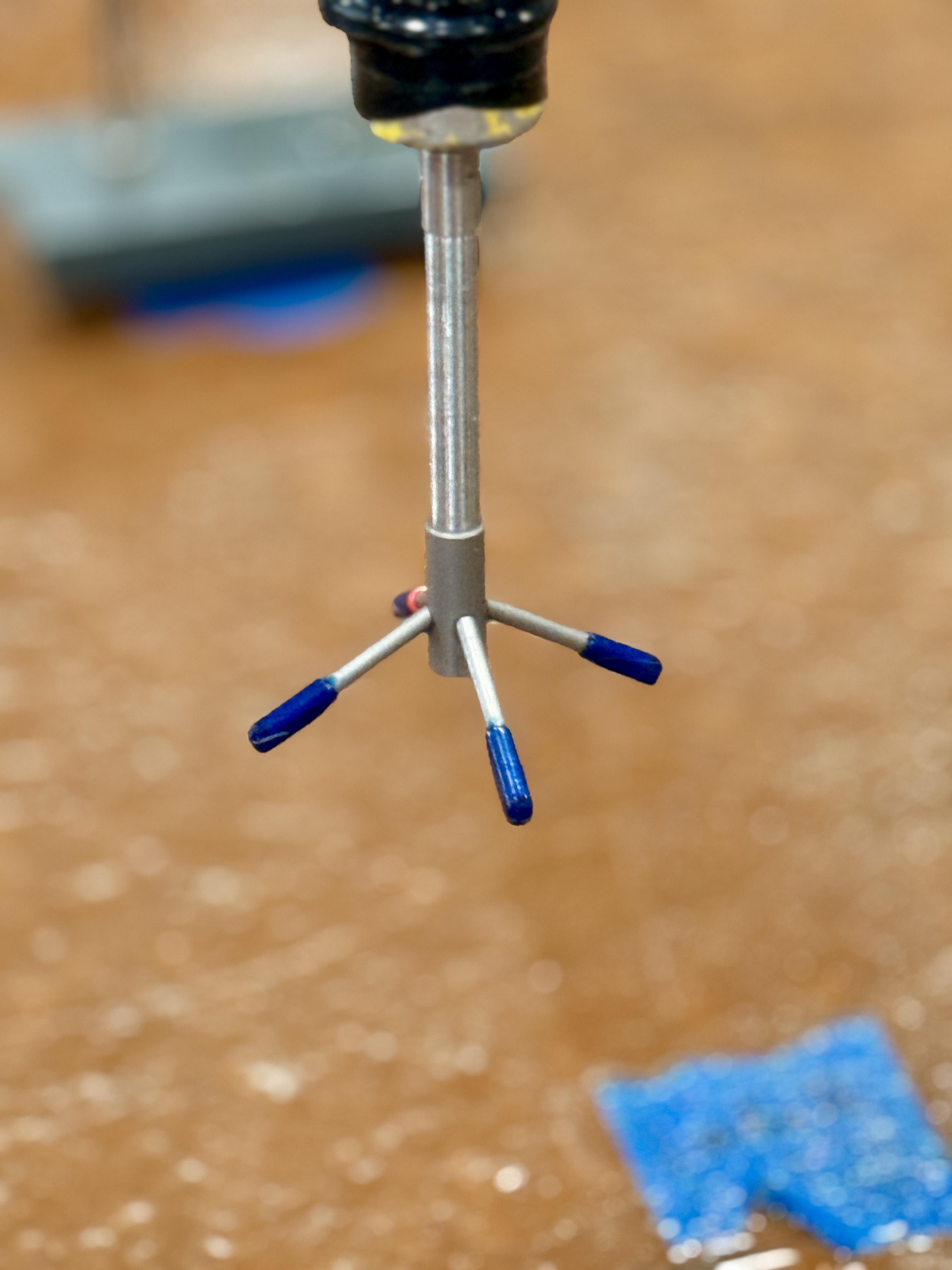
Instruments in the water throughout the basin then measure the resulting waves in real time, providing feedback for the system.
Changing Seas
12 / 28
Share This Gallery
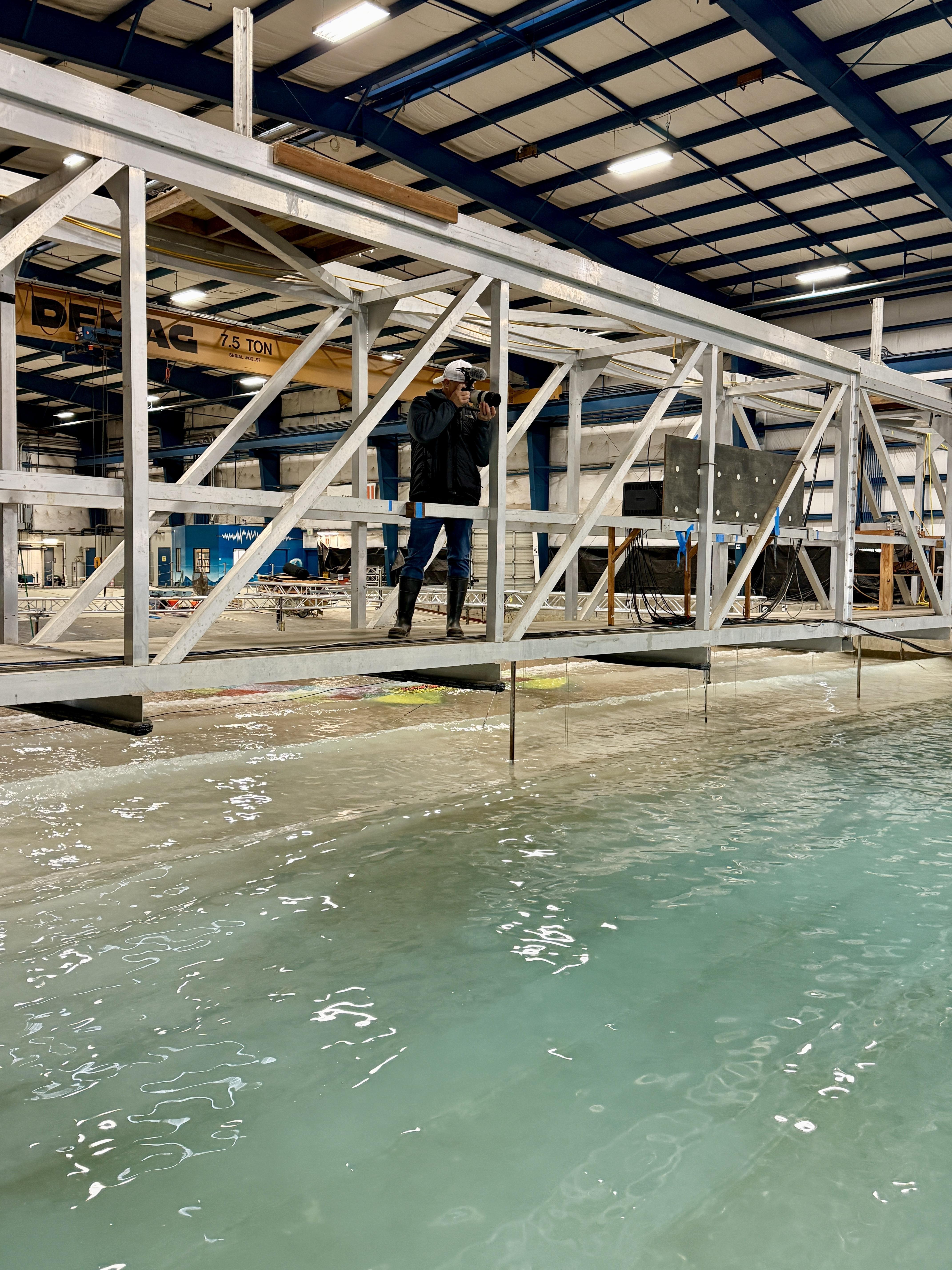
Director of Photography Sean Hickey frames his shot as a new experiment in the lab is preparing to run a wave simulation.
Changing Seas
13 / 28
Share This Gallery
One project recently tested in the basin is a novel breakwater reef, designed for Oceanside, California. This reef will help dissipate incoming waves, create breaks for surfers, and help with sand retention at the beach.
Changing Seas
14 / 28
Share This Gallery
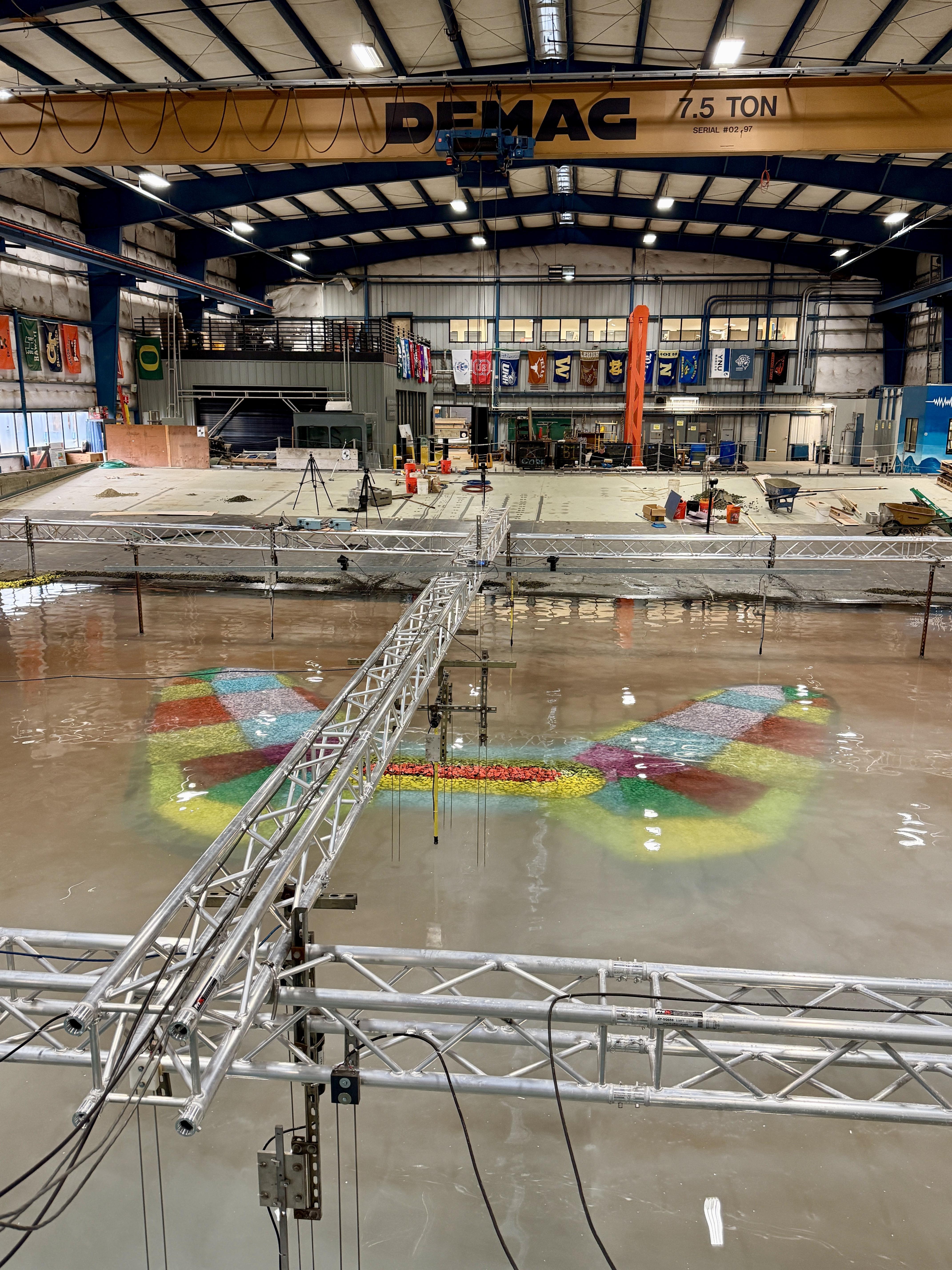
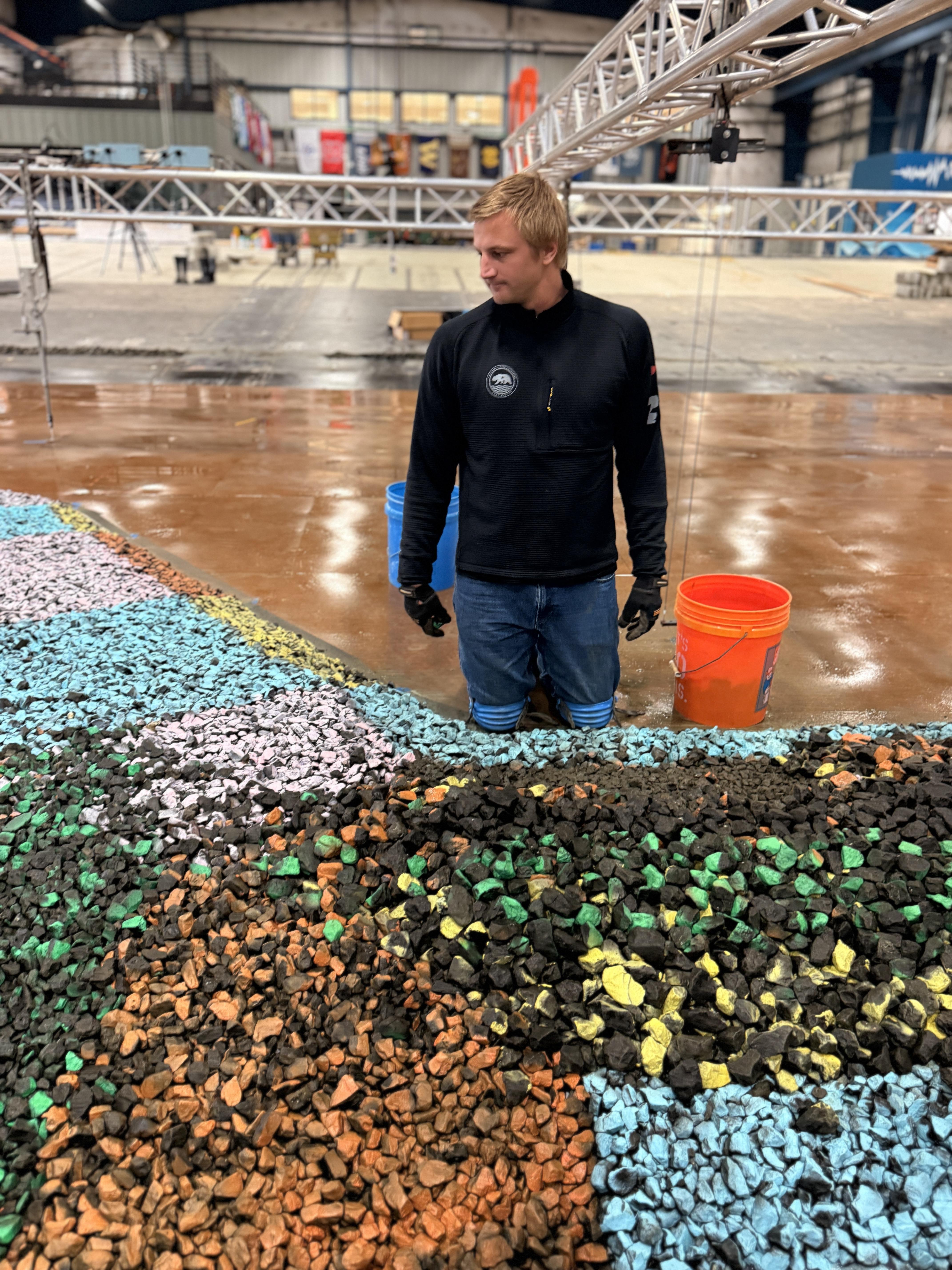
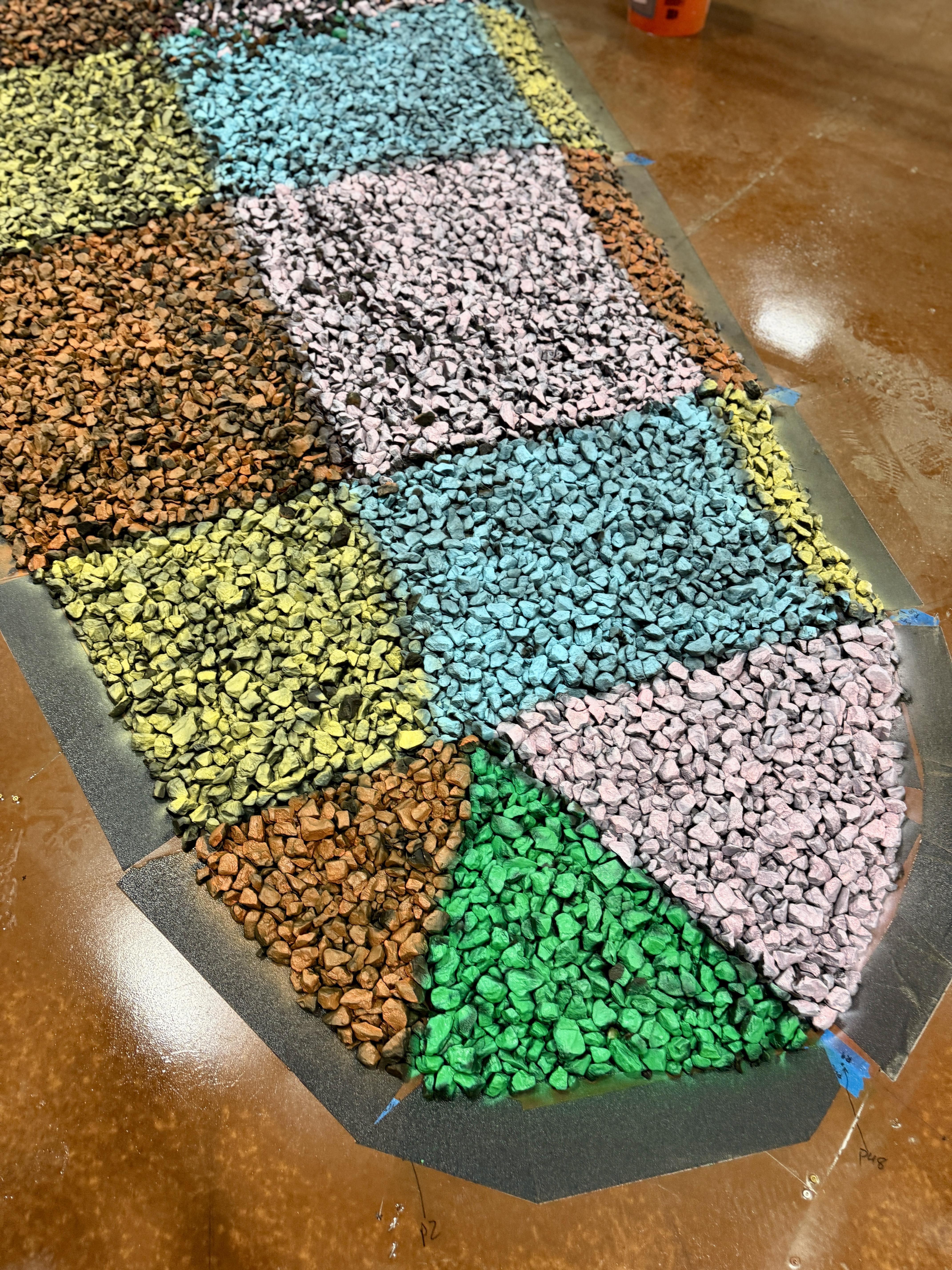
The one-to-thirty-five scale model represents the current reef design. Shaped through years of computer modeling and refinement, it will now be tested under a wide range of ocean conditions before the project advances toward construction.
Changing Seas
15 / 28
Share This Gallery
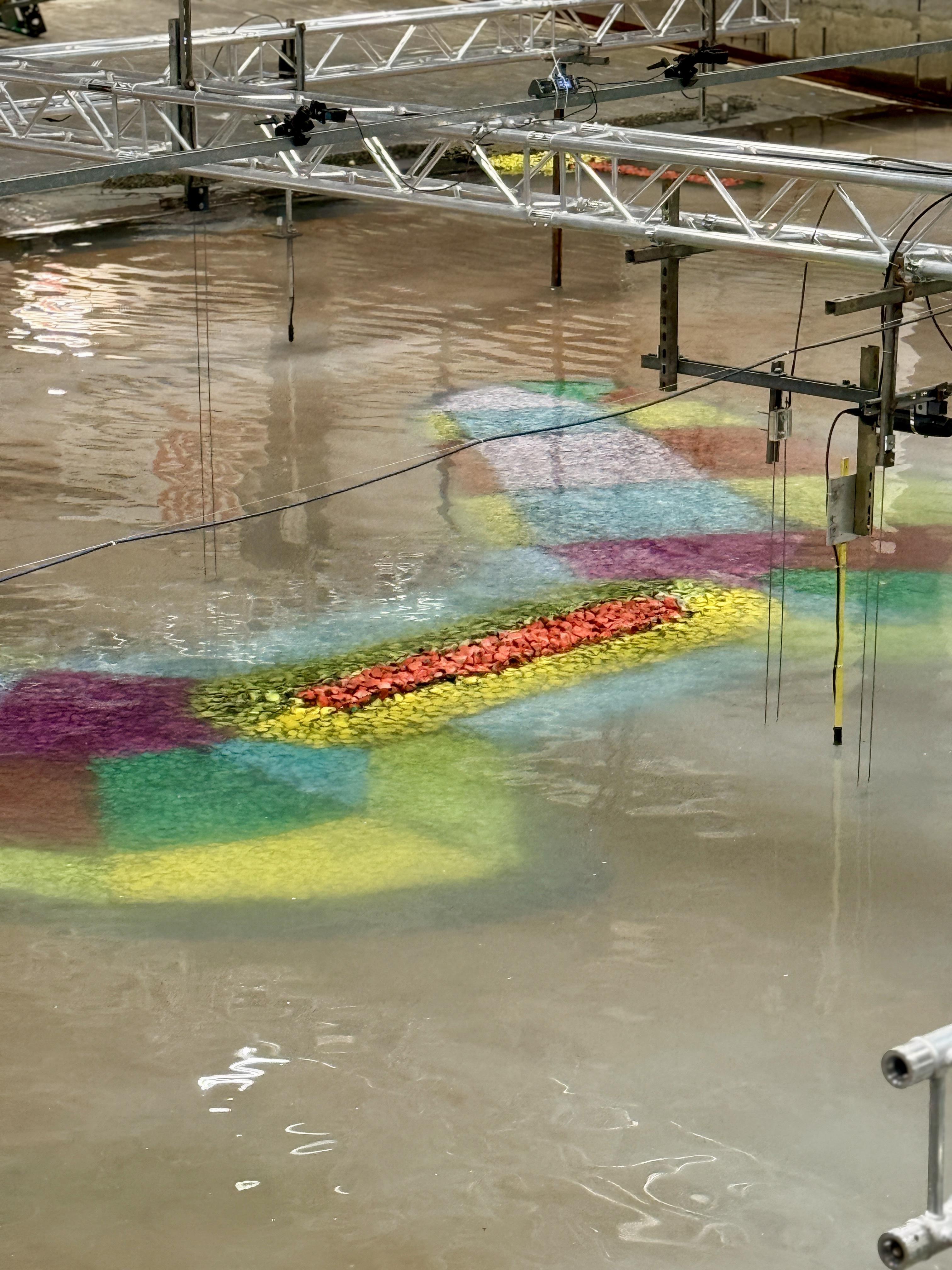
Daniel Dedina, a coastal engineer, builds the reef by hand, rock by rock. Even at a one-to-thirty-five scale the construction of the reef must mimic the real-life planned construction as closely as possible to get accurate results.
Changing Seas
16 / 28
Share This Gallery
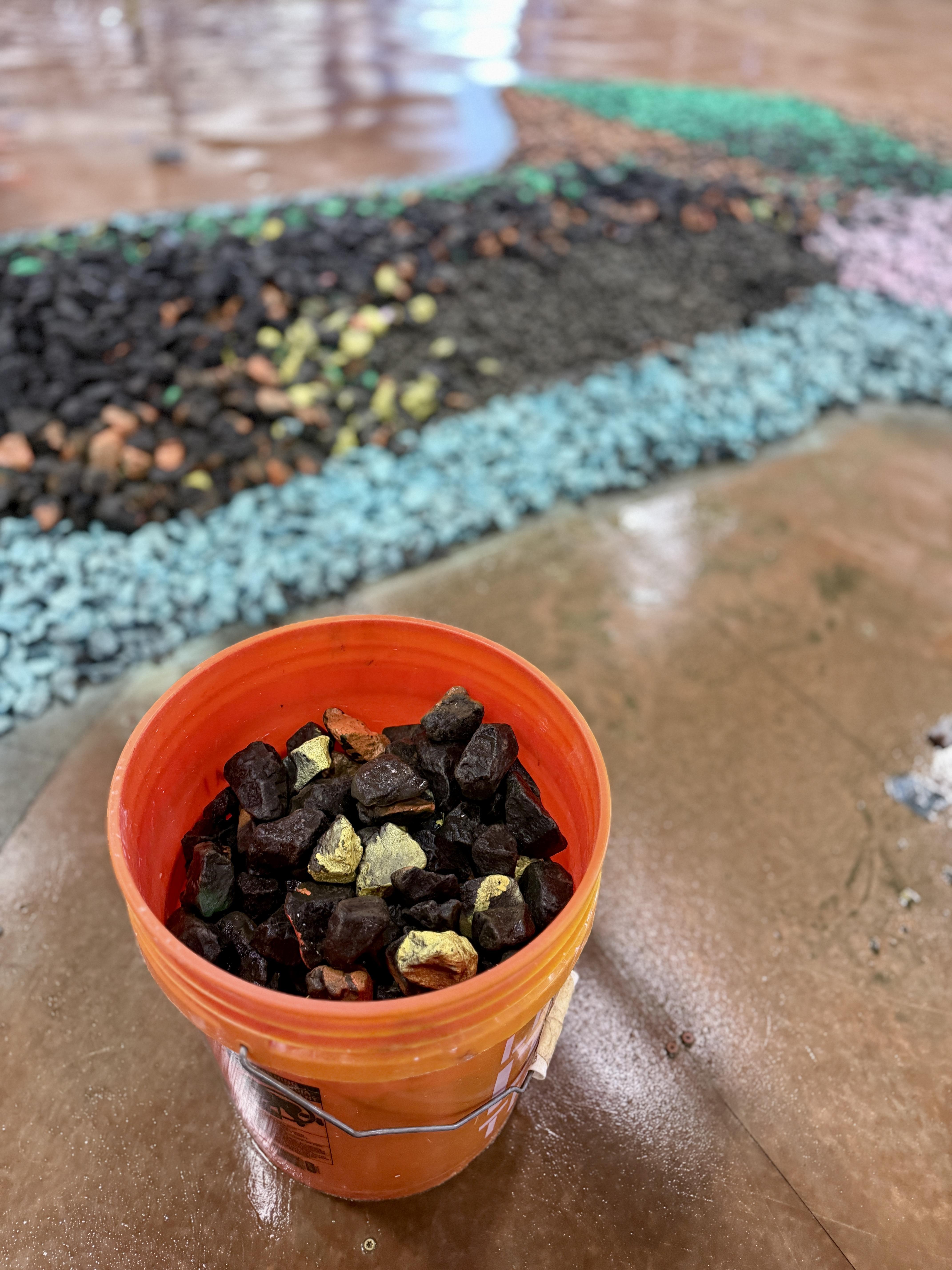
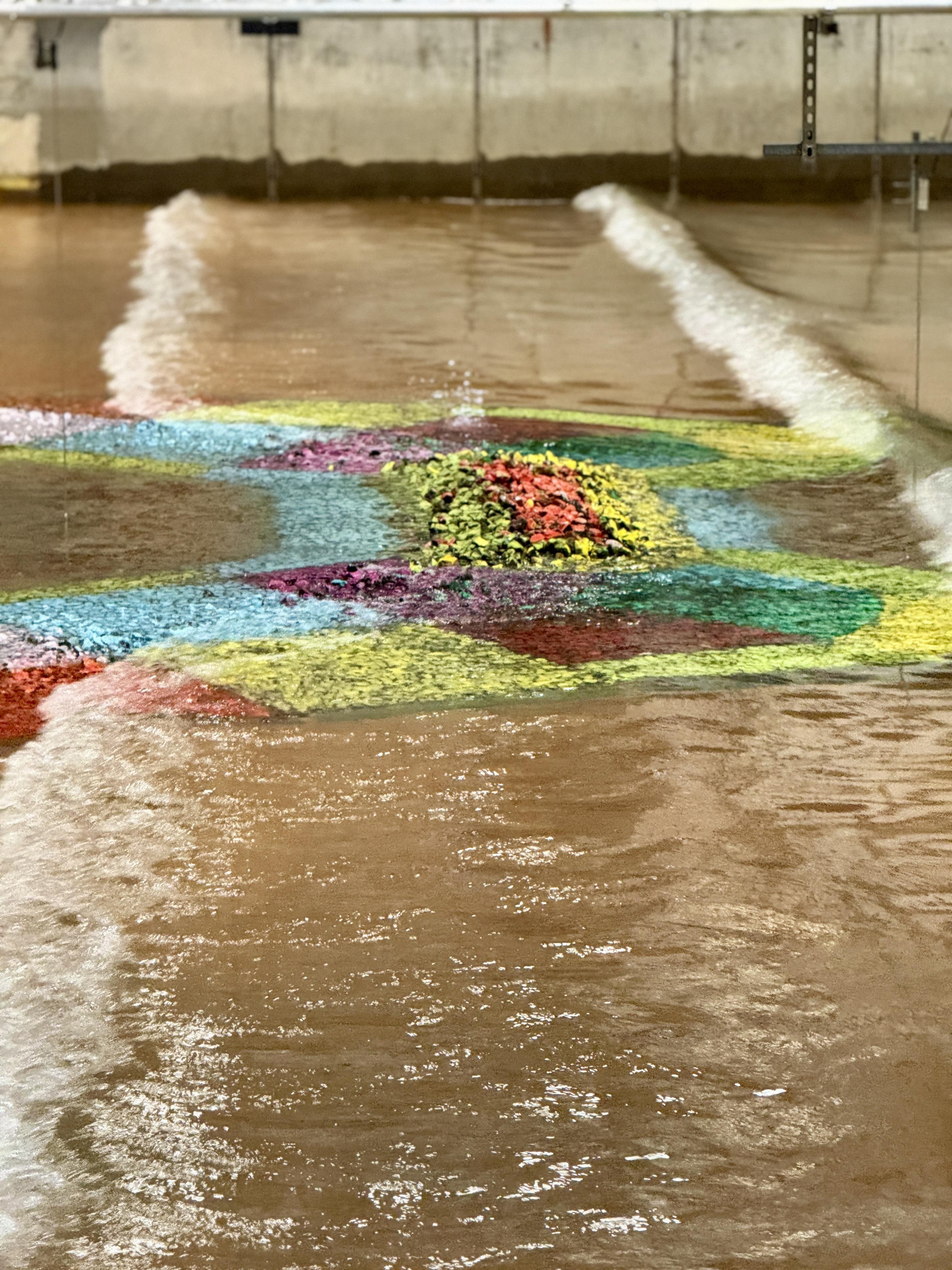
The model reef is constructed from scaled rock materials matching those planned for the full-scale structure, including a protective “armor” layer built from rocks weighing up to 15 tons.
Changing Seas
17 / 28
Share This Gallery
Painted sections allow cameras to track how individual rocks shift as waves strike the structure.
Changing Seas
18 / 28
Share This Gallery
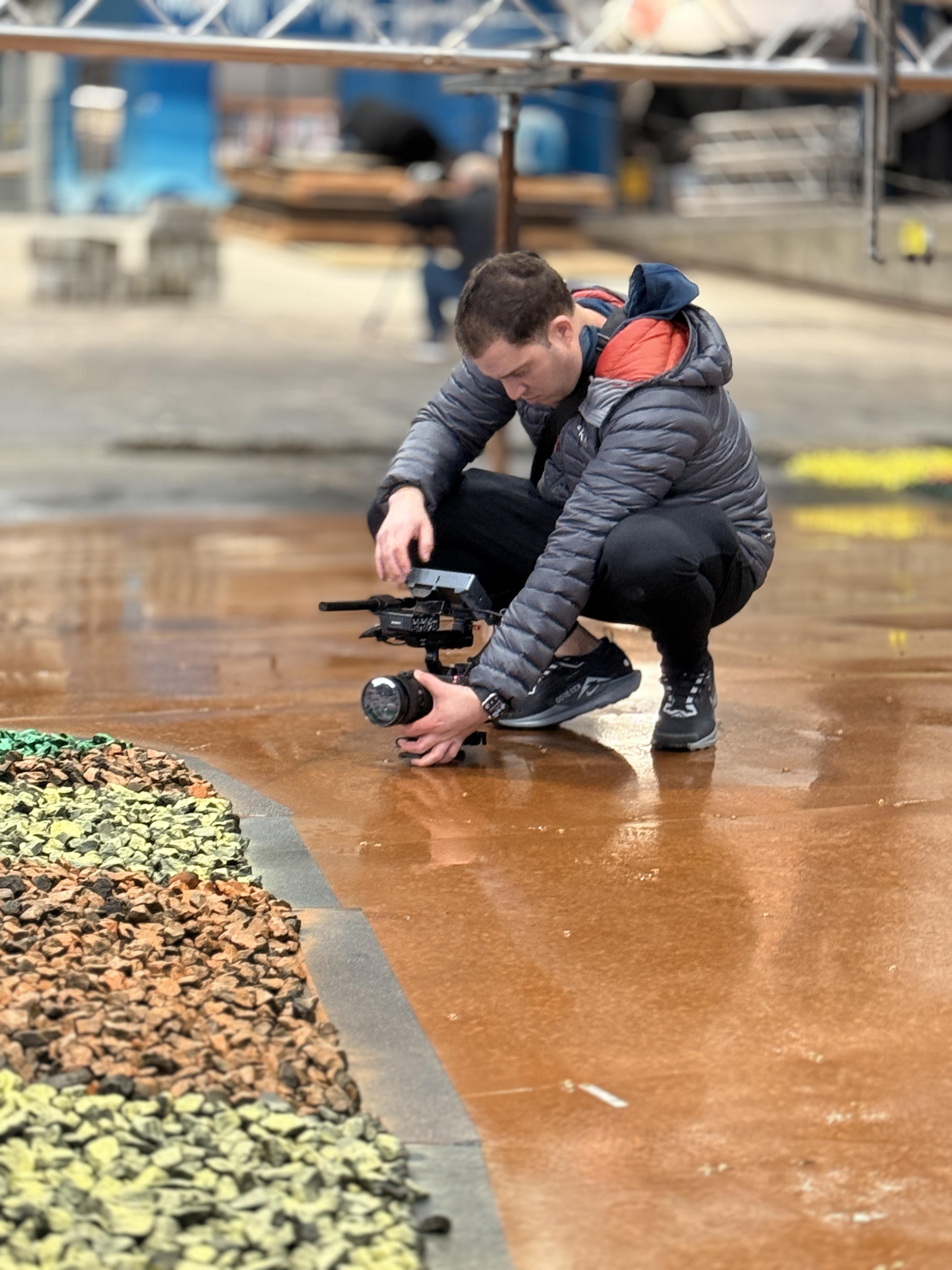
Videographer Yoandy Vidal films as engineers prepare the reef for another test run.
Changing Seas
19 / 28
Share This Gallery
In the first phase of testing, engineers look at distinct features of the reef that directly impact waves and currents, including the reef’s crest height.
Changing Seas
20 / 28
Share This Gallery
Engineer Daniel Dedina and Hinsdale Lab Director Pedro Lomonaco, Ph.D. watch as scaled waves pass over the reef. They observe how resulting currents may influence sand retention and surfability.
Changing Seas
21 / 28
Share This Gallery
In stability testing, waves representing increasingly powerful storms are sent toward the structure, including a simulated hundred-year storm, equivalent to 18-foot waves in the real ocean, or six inches inside the lab.
Changing Seas
22 / 28
Share This Gallery
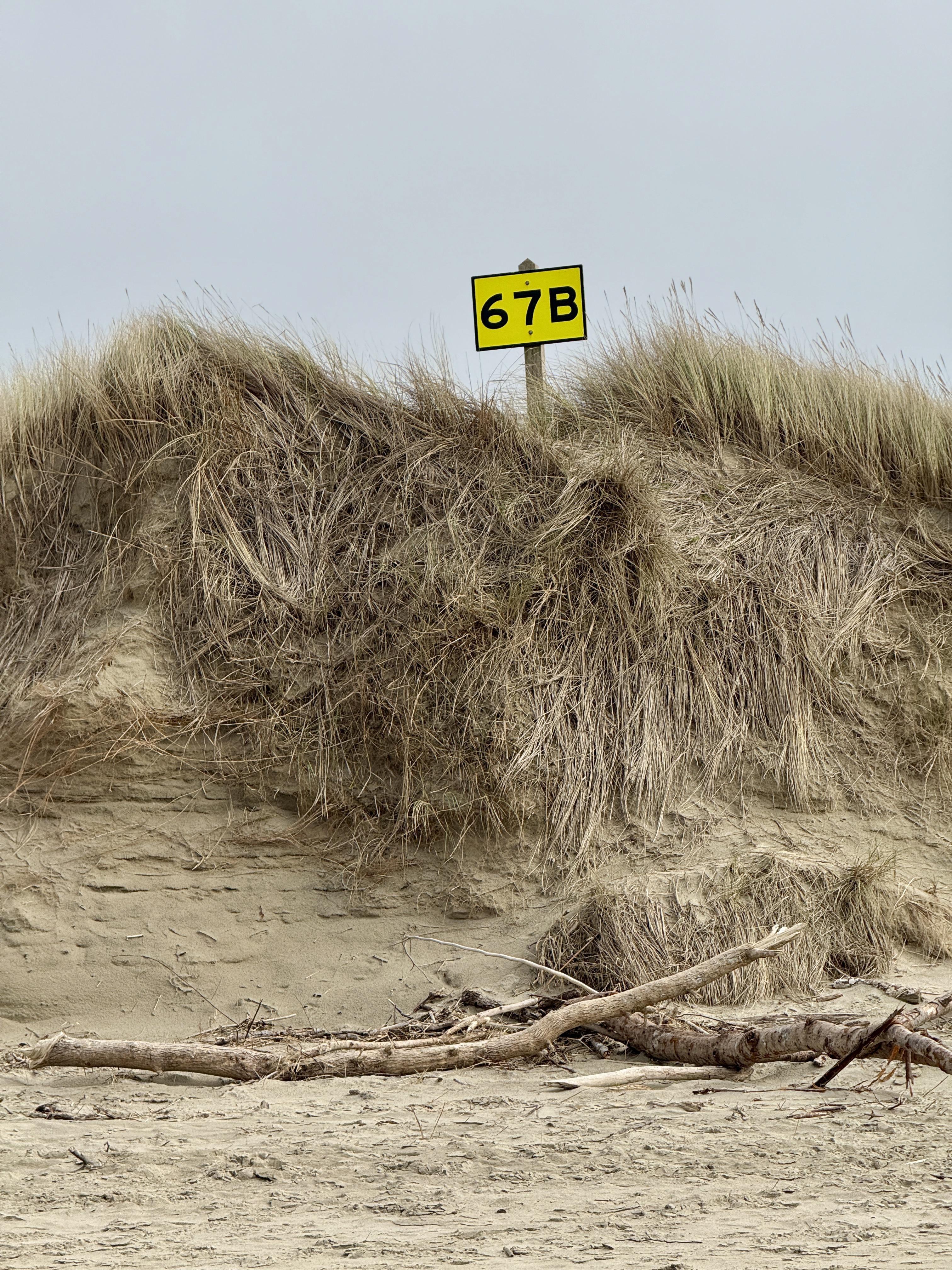
In addition to man-made structures, coastal engineers are also studying nature-based solutions, like the dune ecosystems along the Oregon coast, which absorb wave energy and reduce coastal flooding.
Changing Seas
23 / 28
Share This Gallery
This research helps scientists and state agencies better understand how dunes may protect coastal communities during major flooding events.
Changing Seas
24 / 28
Share This Gallery
While some engineers aim to reduce the destructive impact of waves, others are working to harness the vast amount of energy they carry through wave energy converters, or WECS.
Changing Seas
25 / 28
Share This Gallery
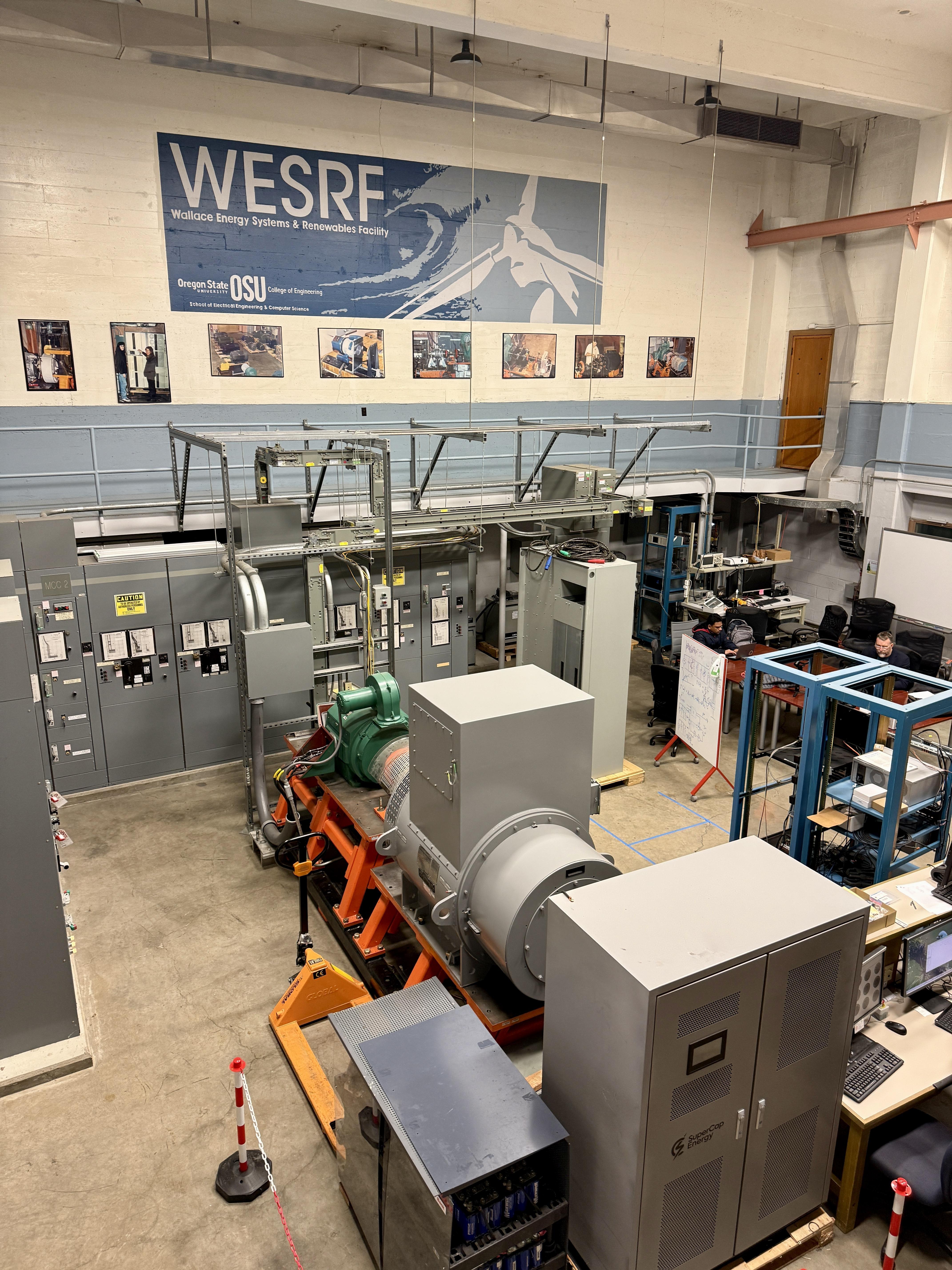
At Oregon State’s Wallace Energy Systems and Renewables Facility (WESRF), engineers focus on the systems that convert wave motion into usable electricity.
Changing Seas
26 / 28
Share This Gallery
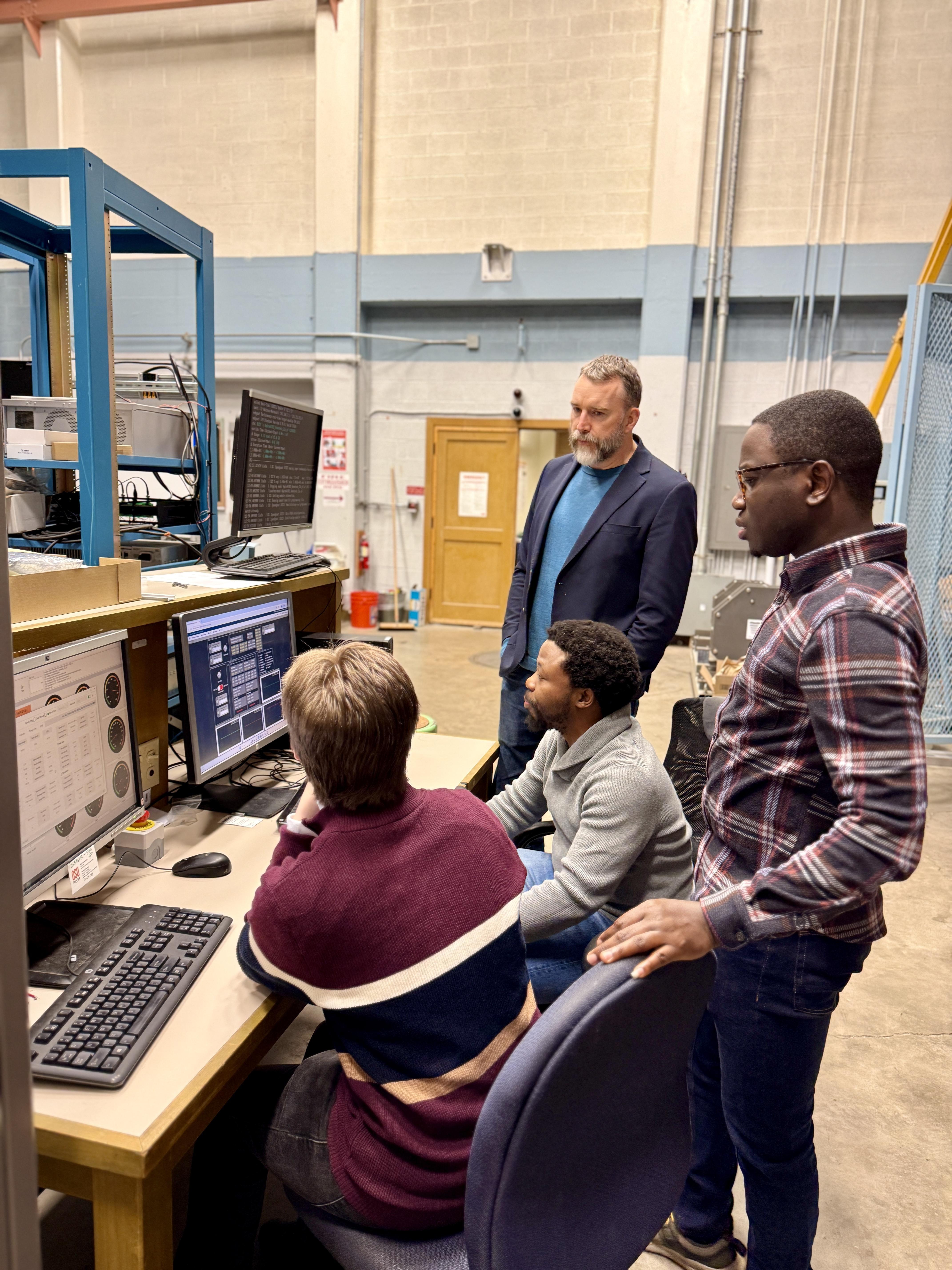
WESRF Director Ted Brekken, Ph.D. is working in this dry lab to make WECs more economical and robust.
Changing Seas
27 / 28
Share This Gallery
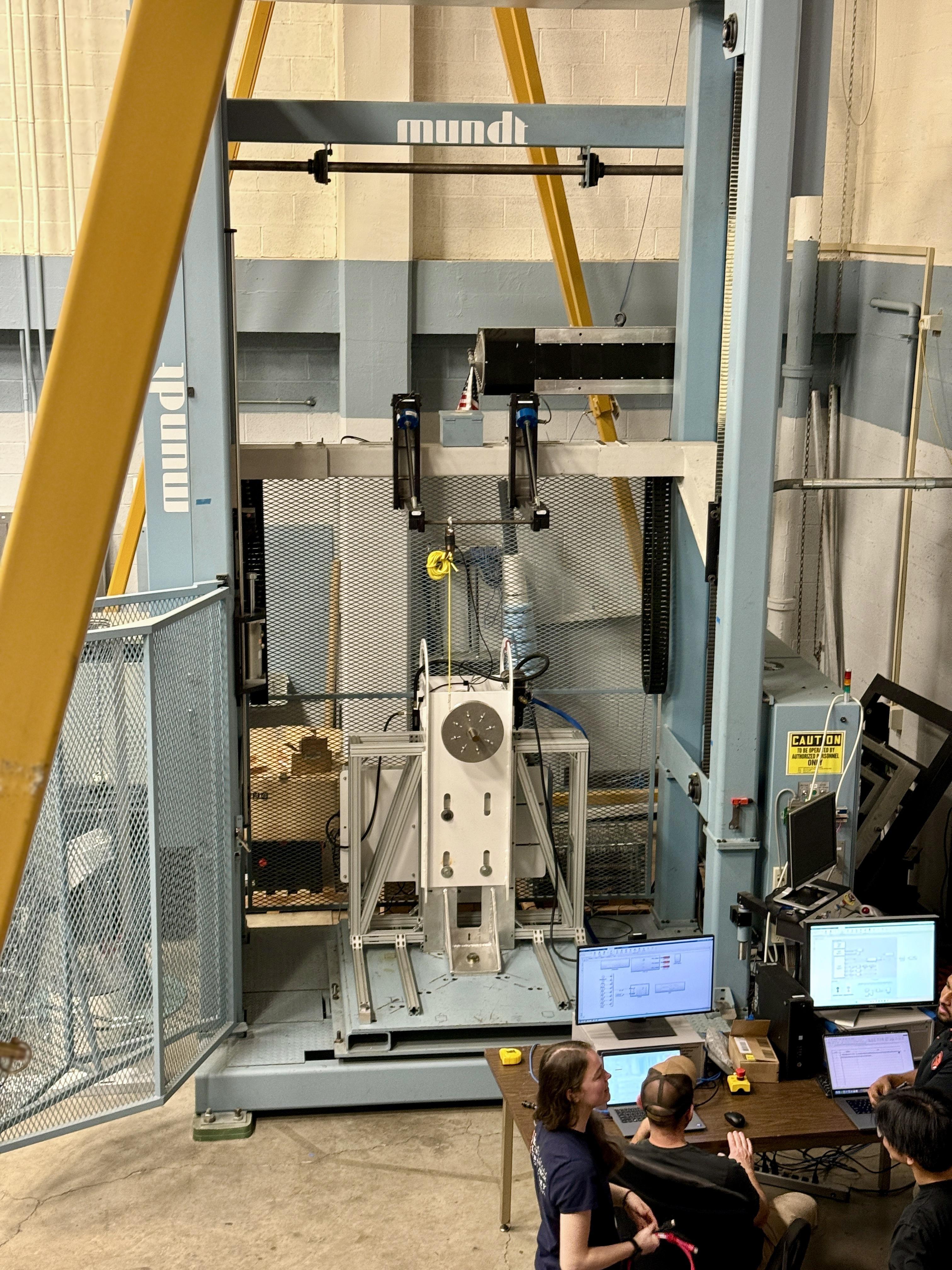
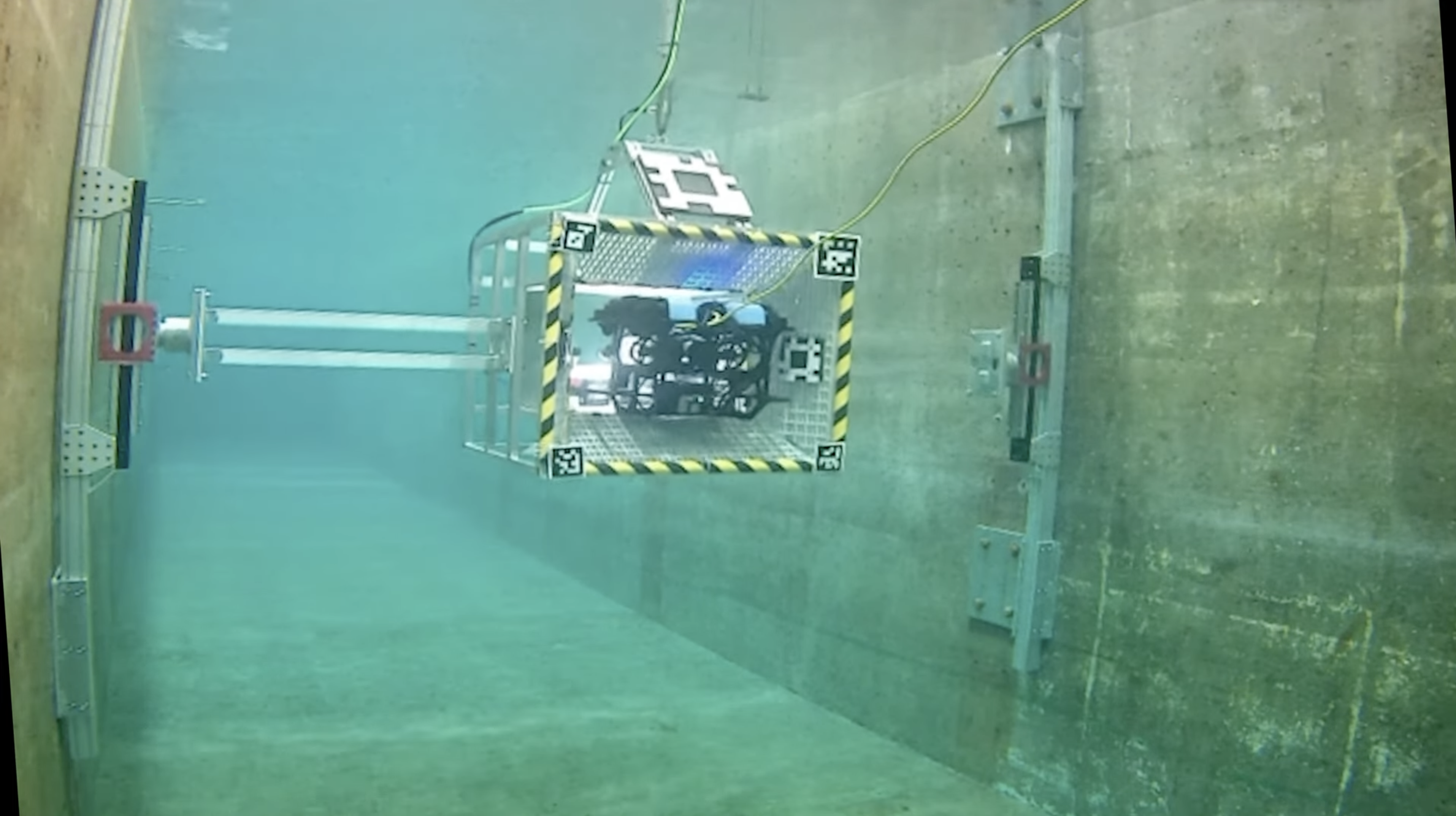
At Oregon State's Robotic Decision Making Lab, researchers are working to combine WECs as a power source with autonomous underwater vehicles used for offshore operations.
Oregon State University
28 / 28
Share This Gallery
Over several years, engineers have used the Hinsdale lab to train and test machine learning systems, or artificial intelligence, that will enable vehicles to dock autonomously with WECs in a wide variety of ocean conditions.
Image Credits
Changing Seas would like to thank the following individuals and institutions who kindly allowed their footage, images and other media to be used in this production: