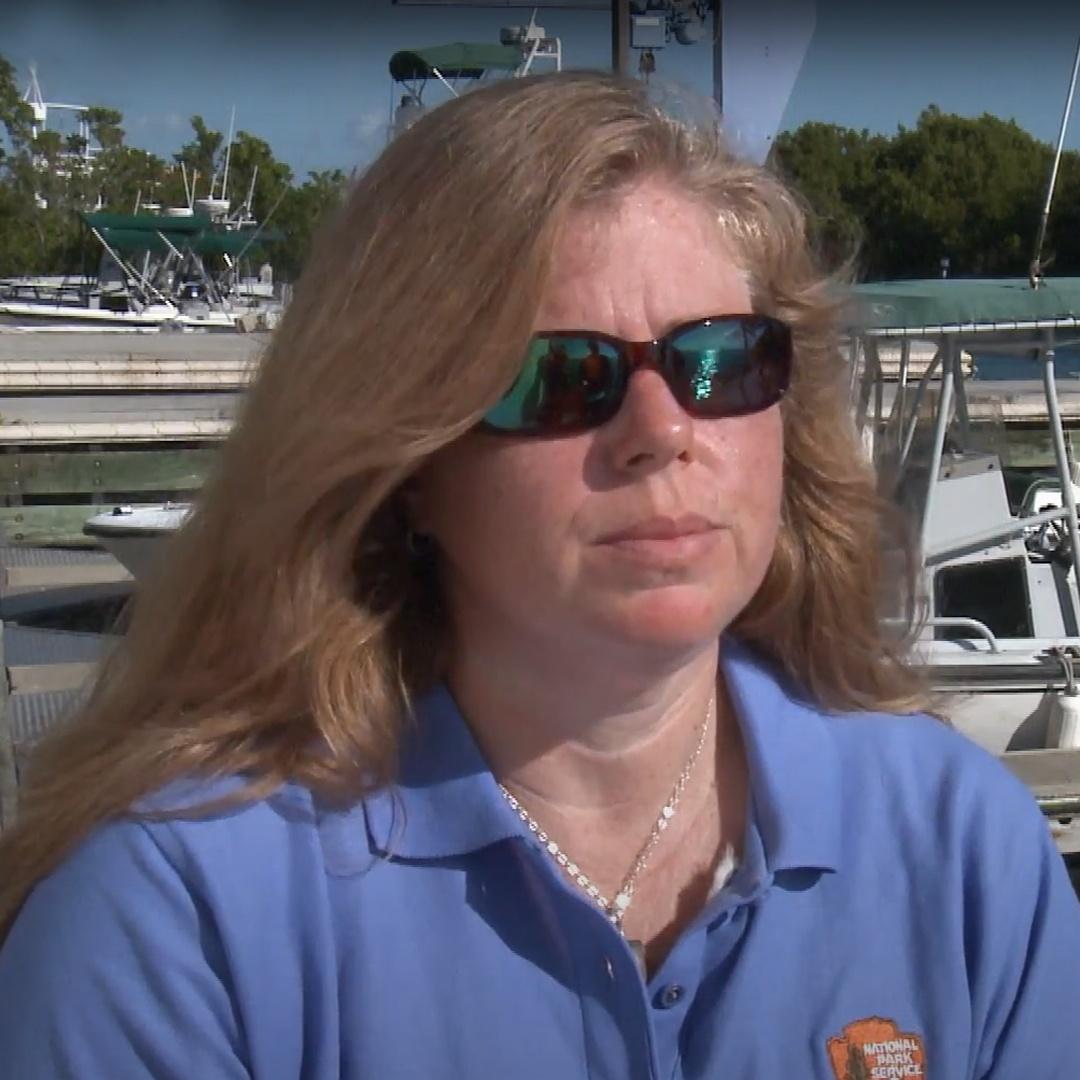
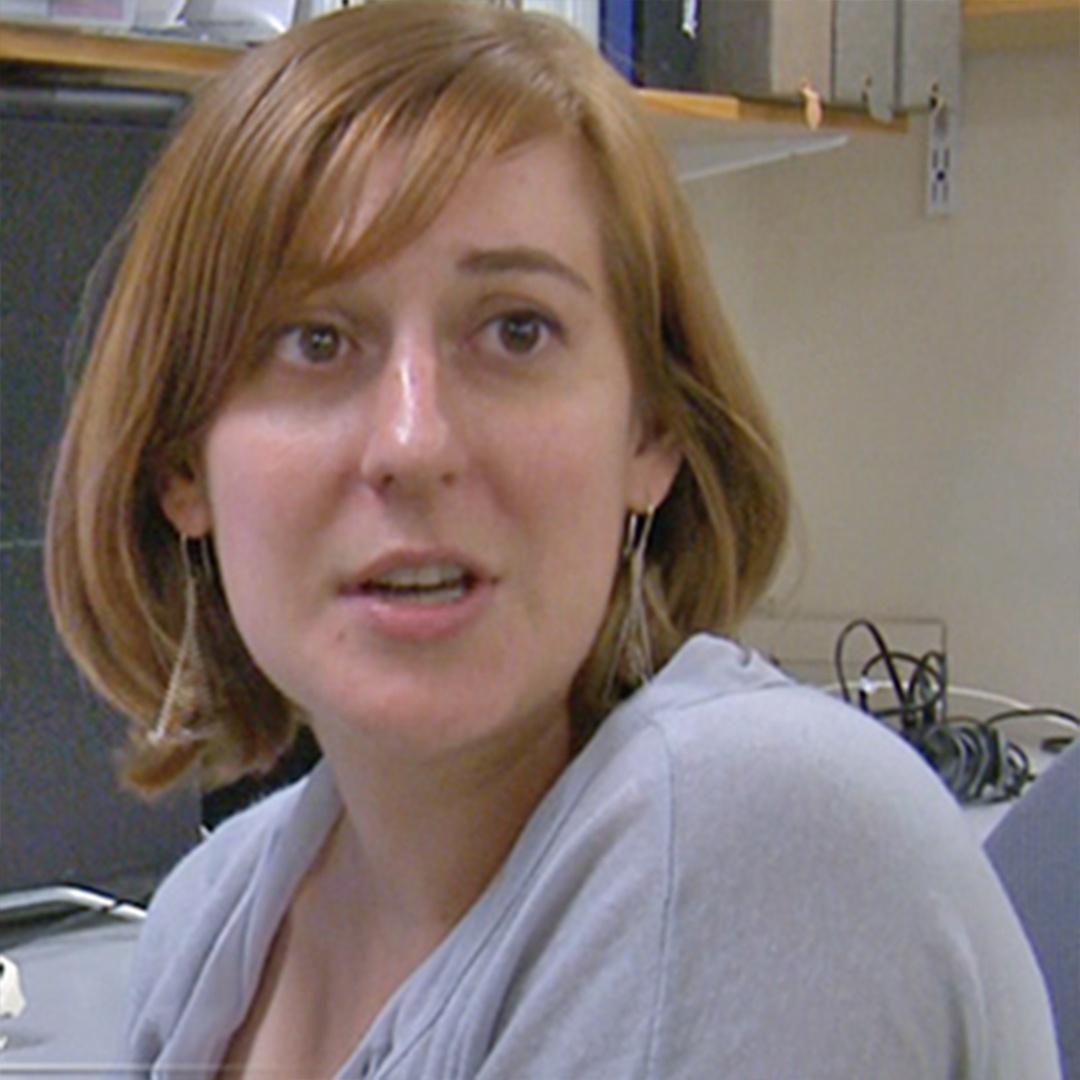
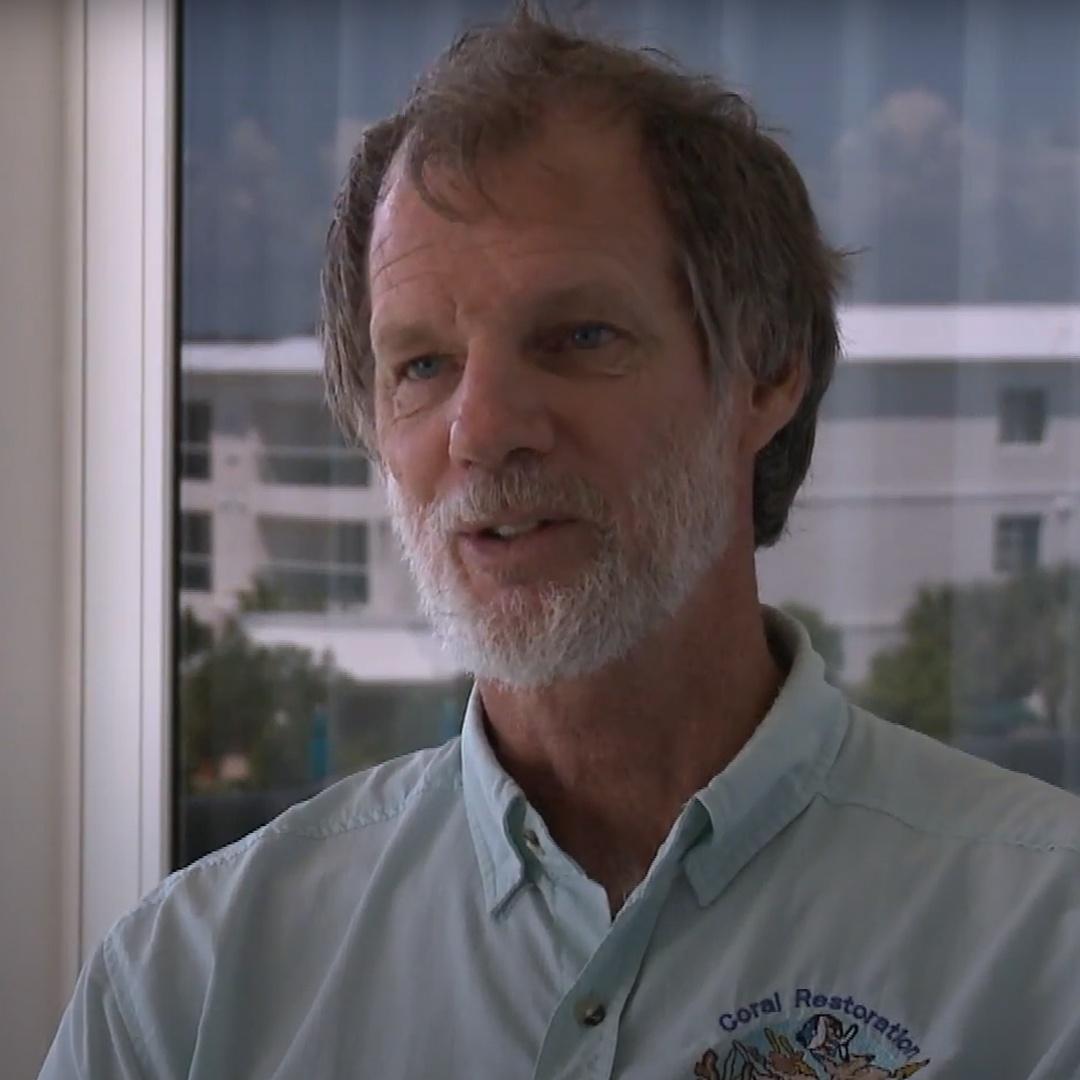
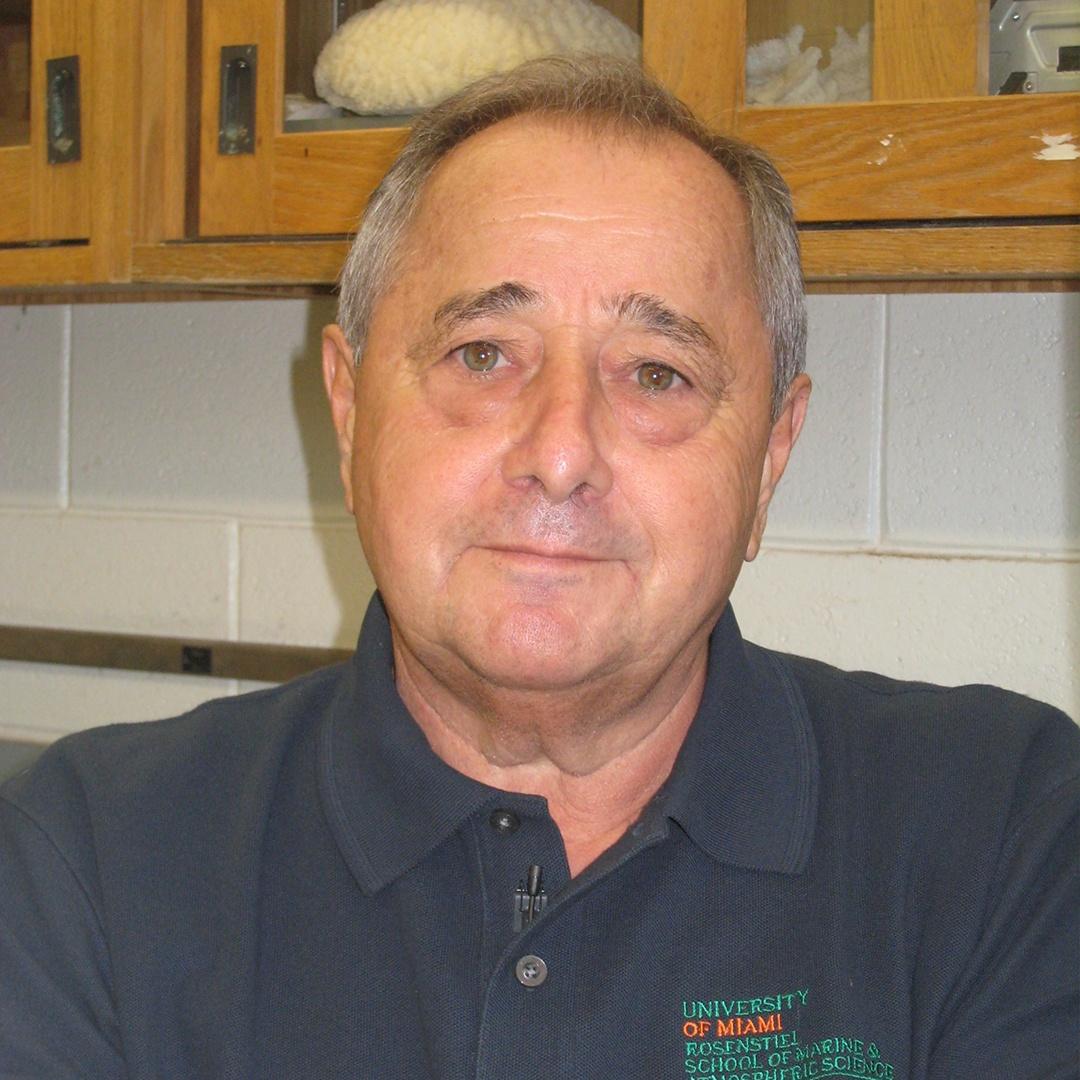
In the emerging science of coral reef restoration, marine biologists and resource managers are discovering naturally occurring mechanisms that promote coral growth and restore ecological balance in these gardens of the sea.
Since the late 1970s close to 98% of staghorn and elkhorn corals have disappeared from reefs in Florida and the Caribbean. Around the world, damage from boat groundings and other factors have placed these organisms on the “threatened” list of the Endangered Species Act. Staghorn and elkhorn are considered principal reef building corals. In South Florida, scientists are using native sponges and spiny sea urchins in novel ways that may help attract corals to damaged sites. Can nature heal itself with a little help from marine experts? Can new technologies help restore the lost coral communities?
Scientists in Biscayne National Park are gearing up for a coral restoration project during the fall of 2010.
2 / 28
Share This Gallery
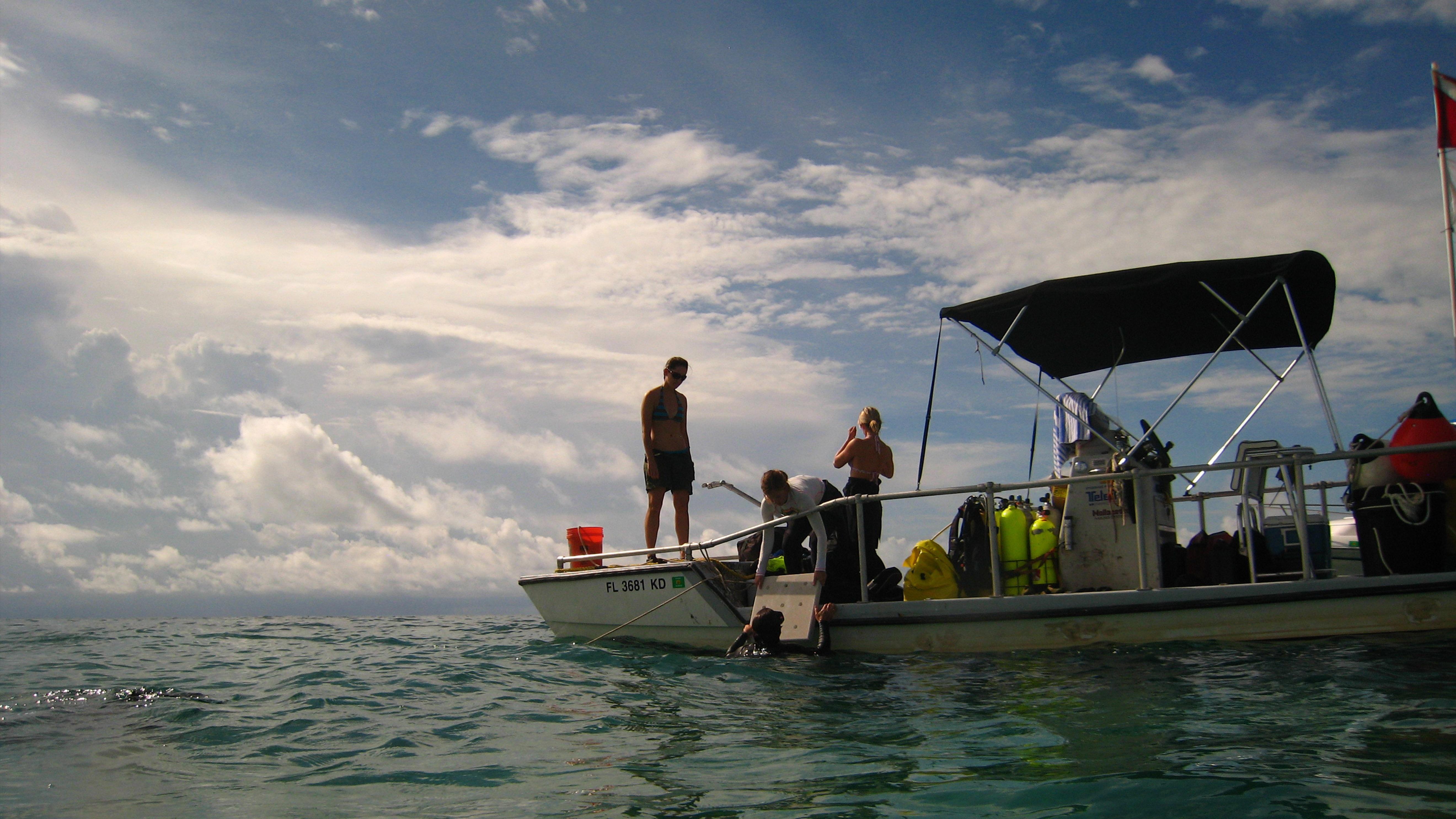
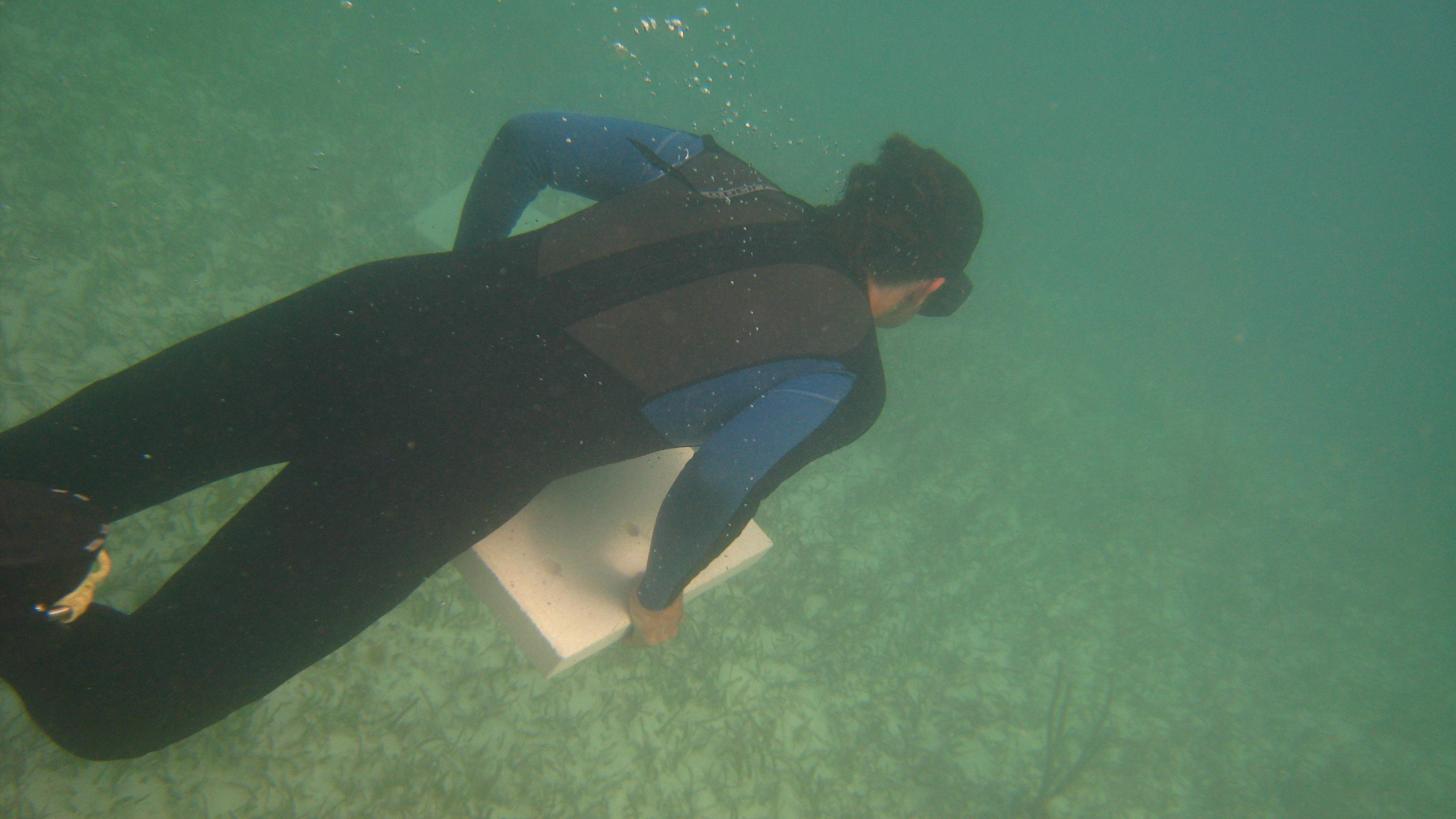
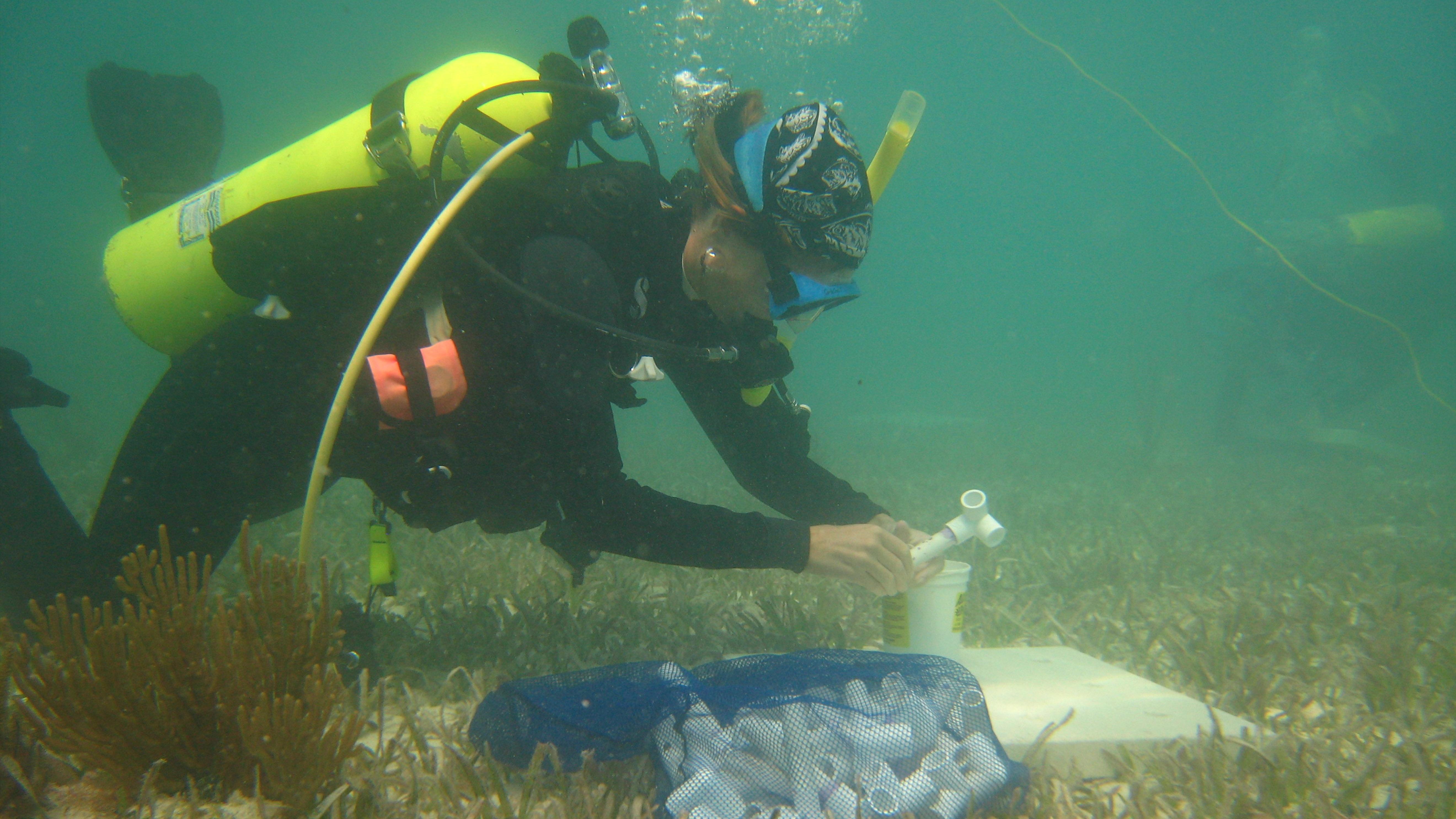
A science diver takes heavy tiles to a shallow seagrass bed not far from the reef, where scientists will grow out sponges used in coral reef restoration.
3 / 28
Share This Gallery
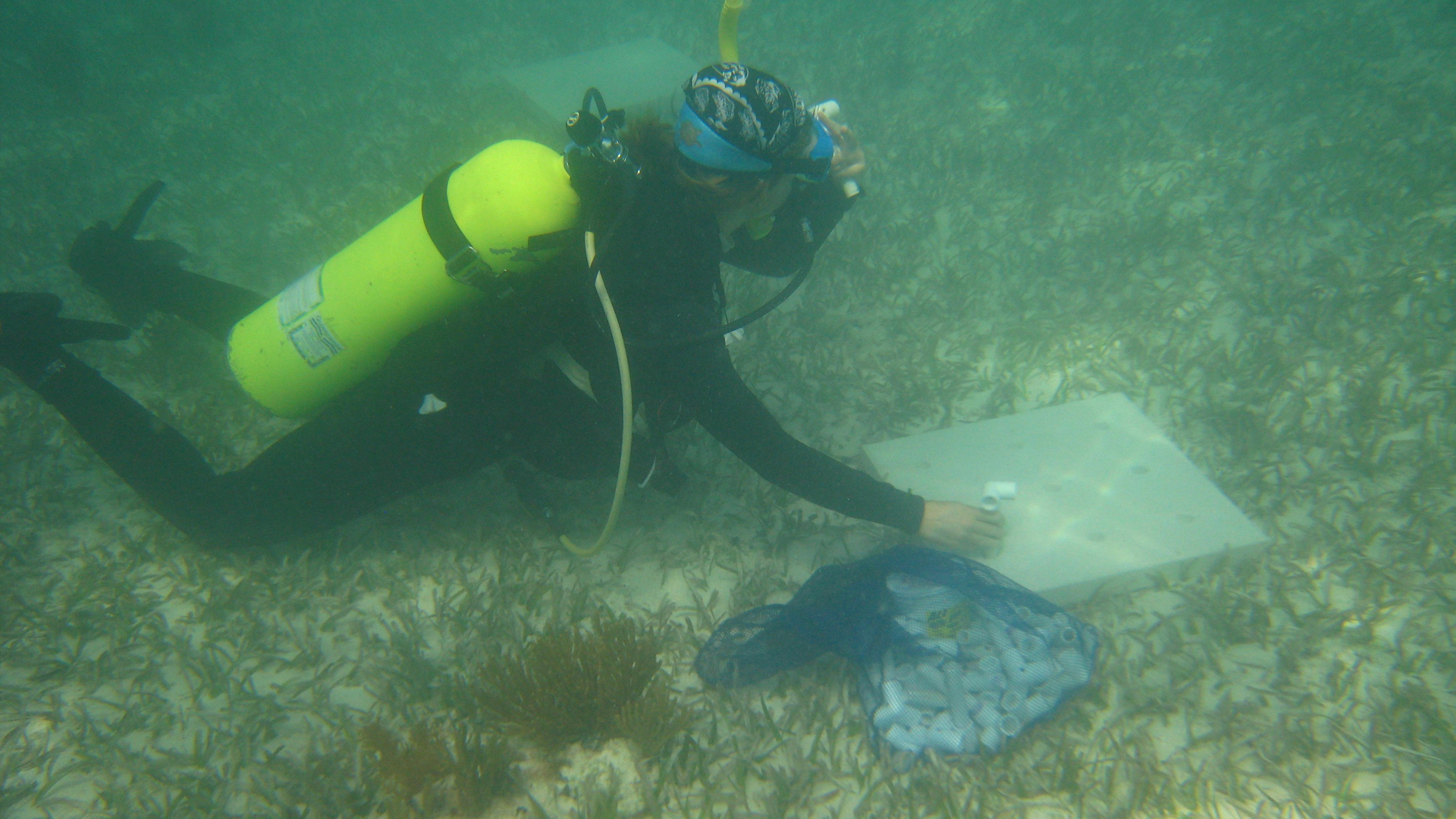
Biscayne Bay National Park Biological Science Technician Caitlin Fisher prepares to add PVC pipes to one of the tiles.
4 / 28
Share This Gallery
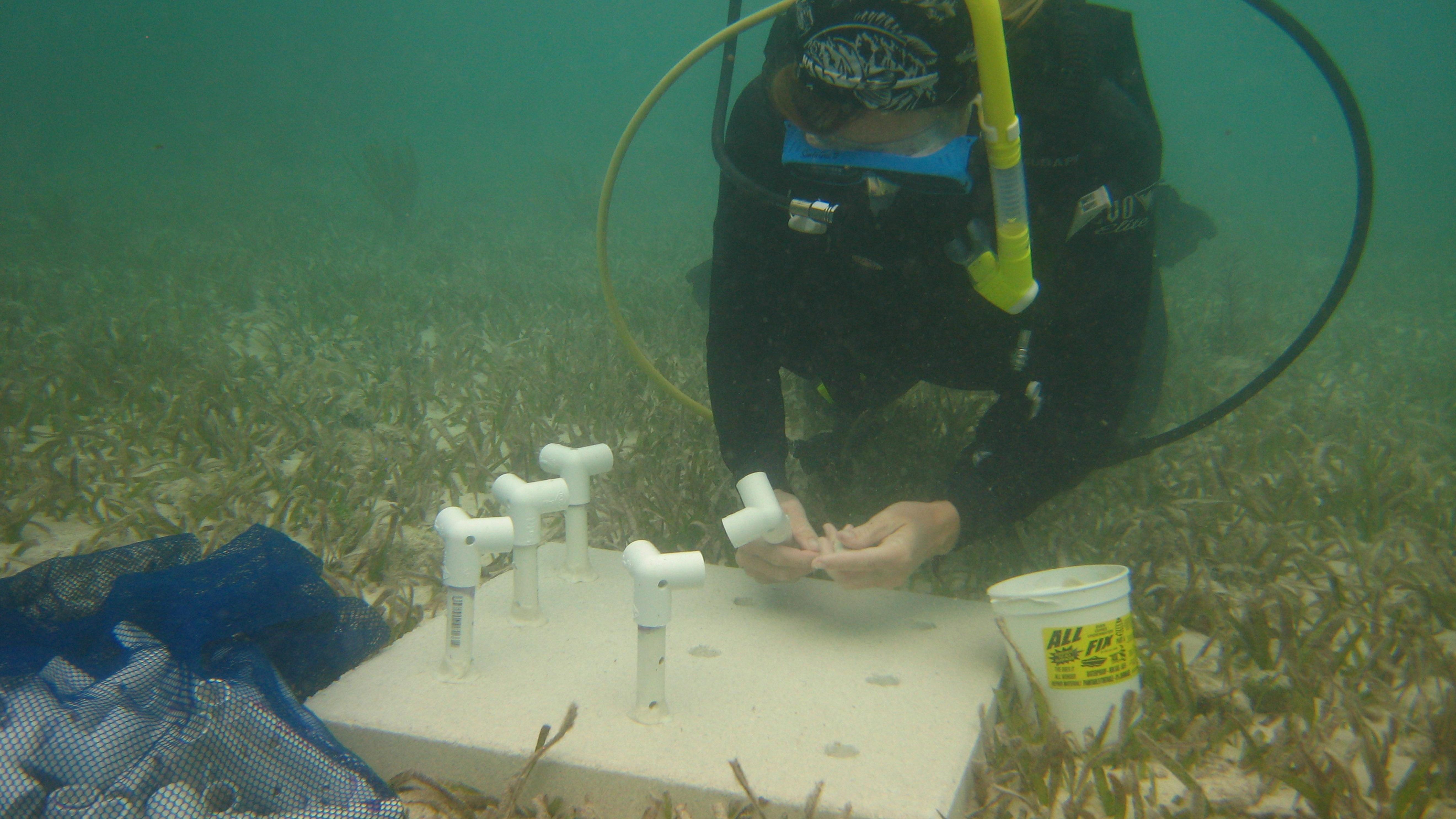
The PVC pipes will eventually have sponge cuttings attached to them.
5 / 28
Share This Gallery
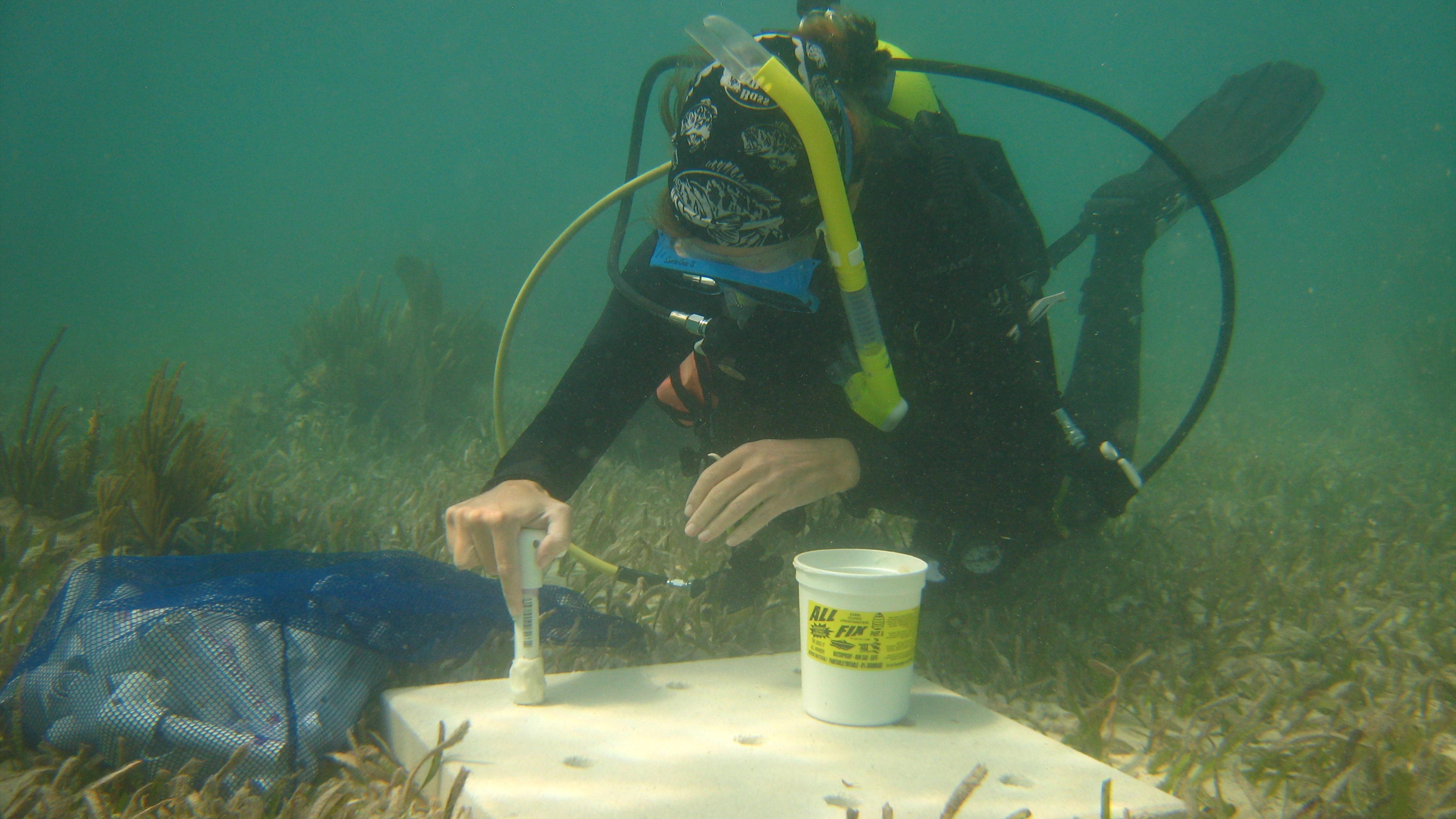
Biscayne Bay National Park Biological Science Technician Caitlin Fisher uses epoxy to attach pipes to the tile.
6 / 28
Share This Gallery
Eventually, several tiles with pipes will be deposited on the seafloor to grow out sponges.
7 / 28
Share This Gallery
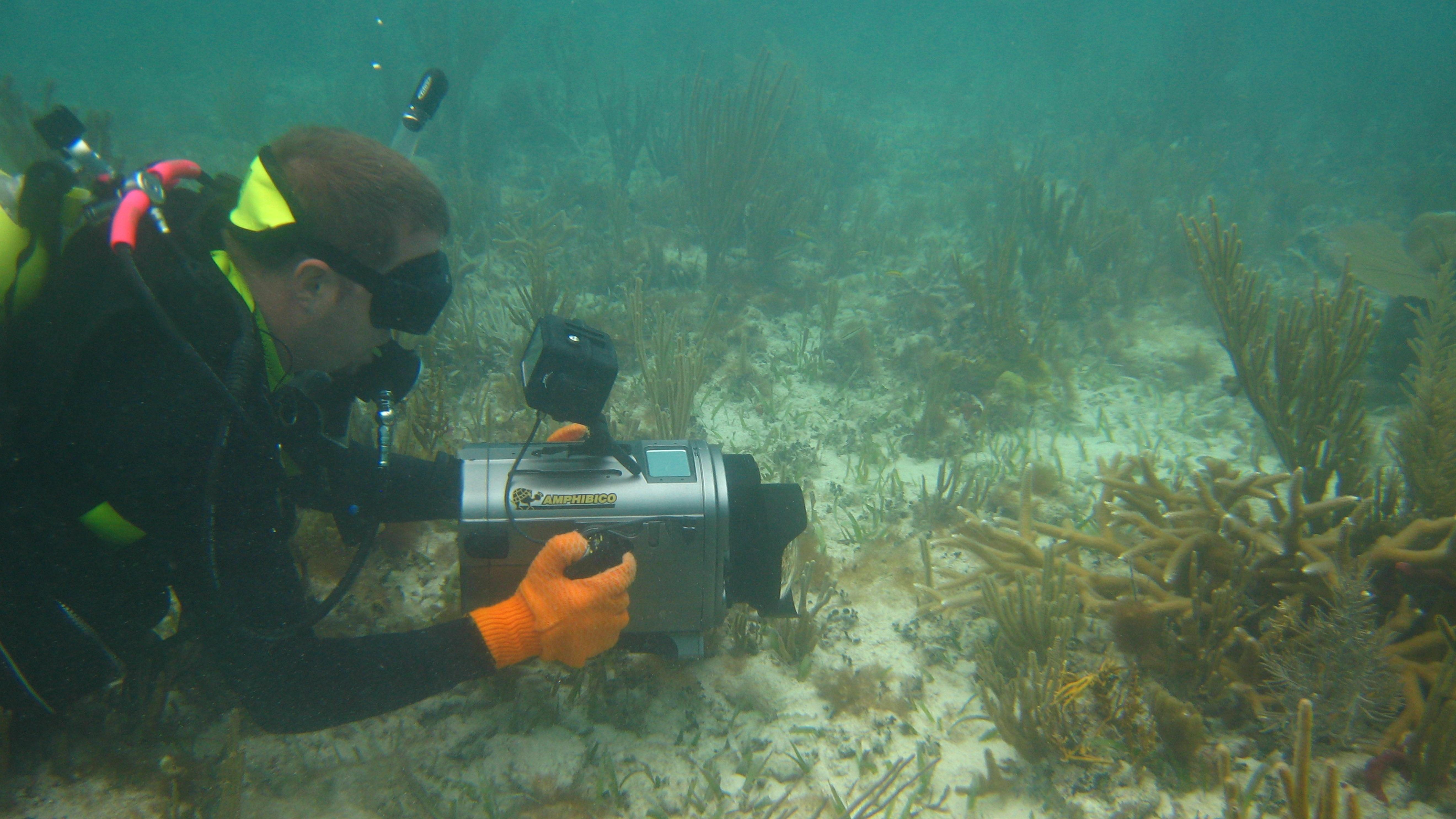
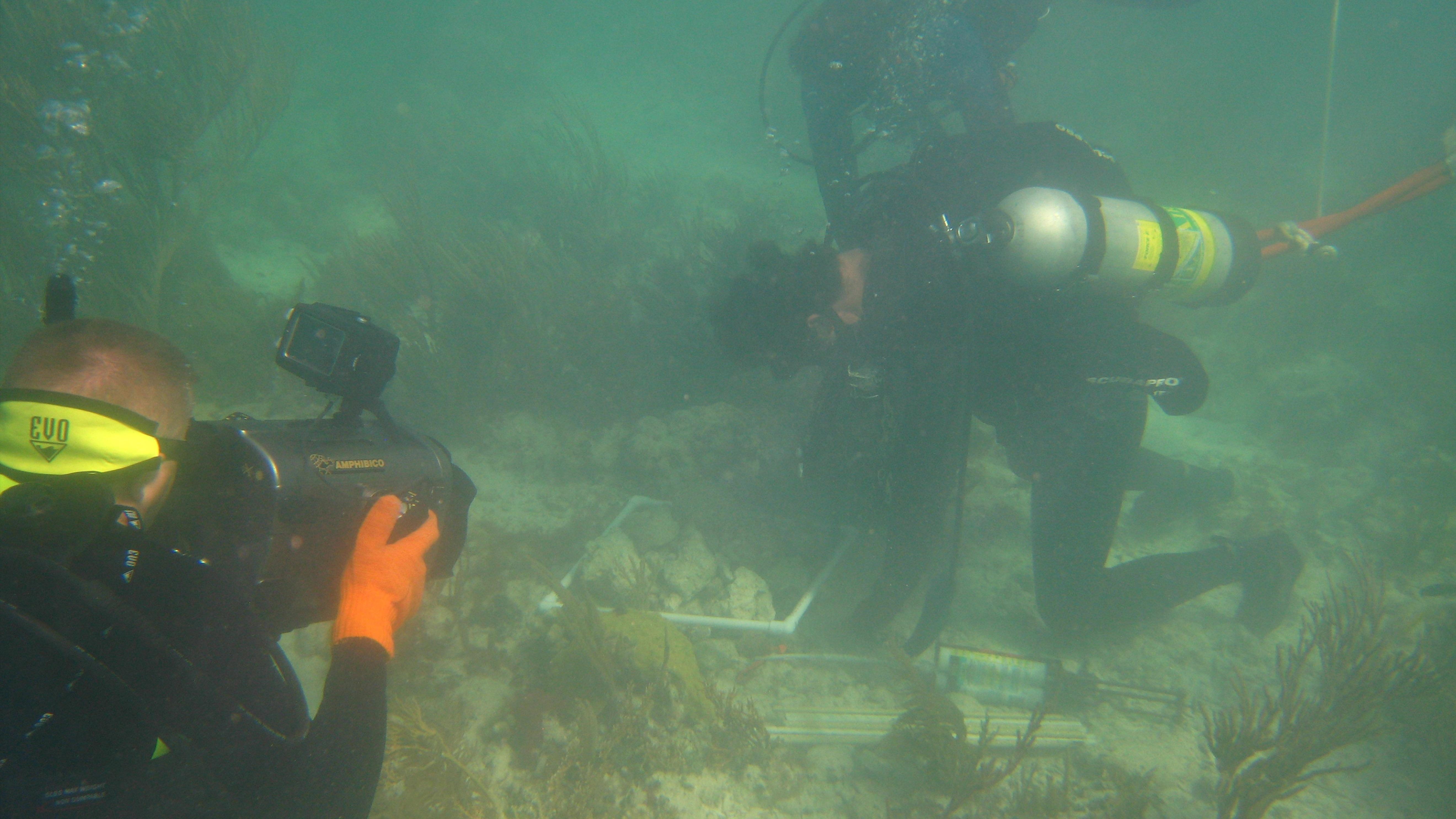
Videographer Jeremy Nicholson gets footage of staghorn coral in Biscayne National Park. Staghorn coral is listed as threatened on the endangered species list.
8 / 28
Share This Gallery
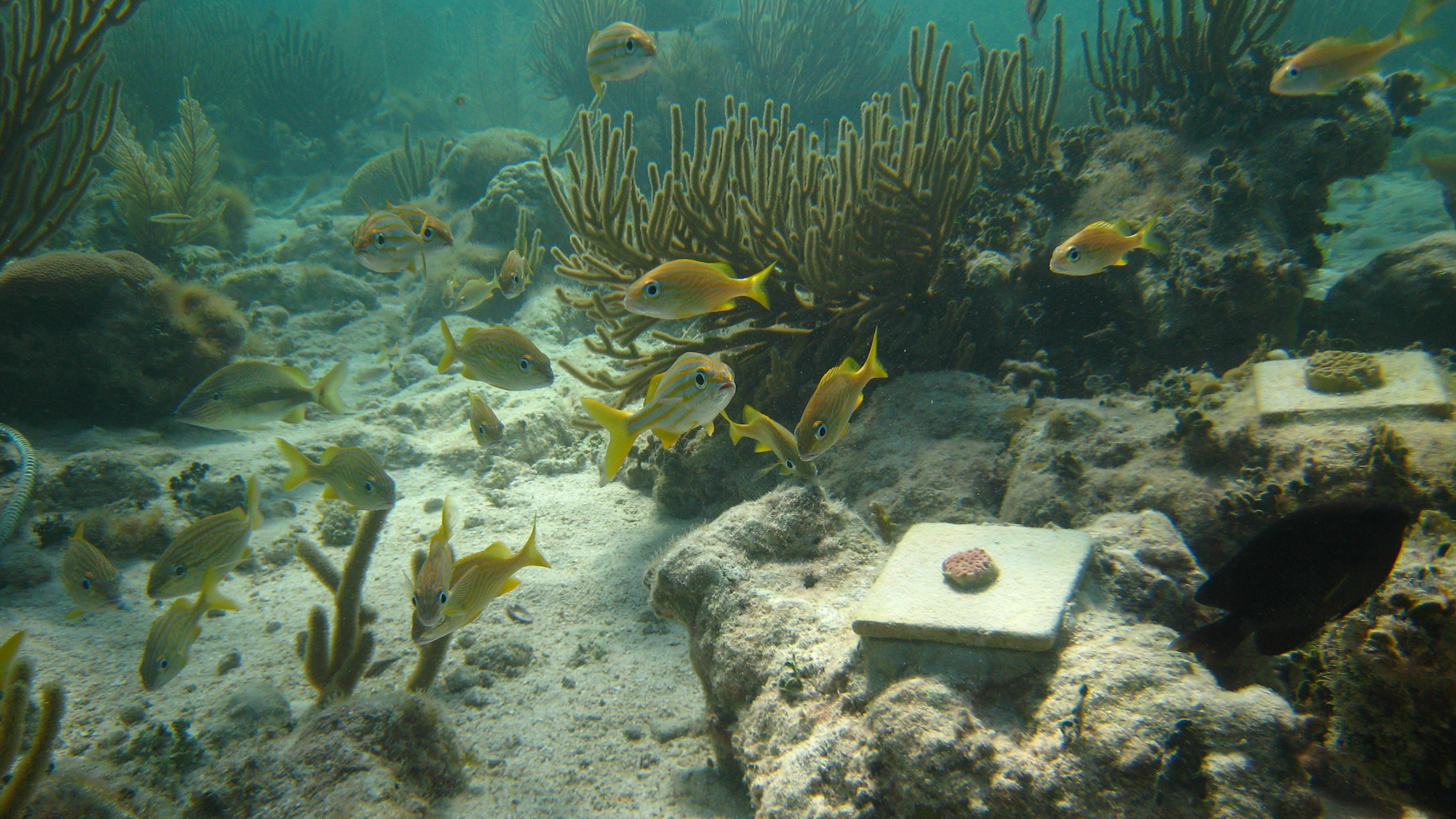
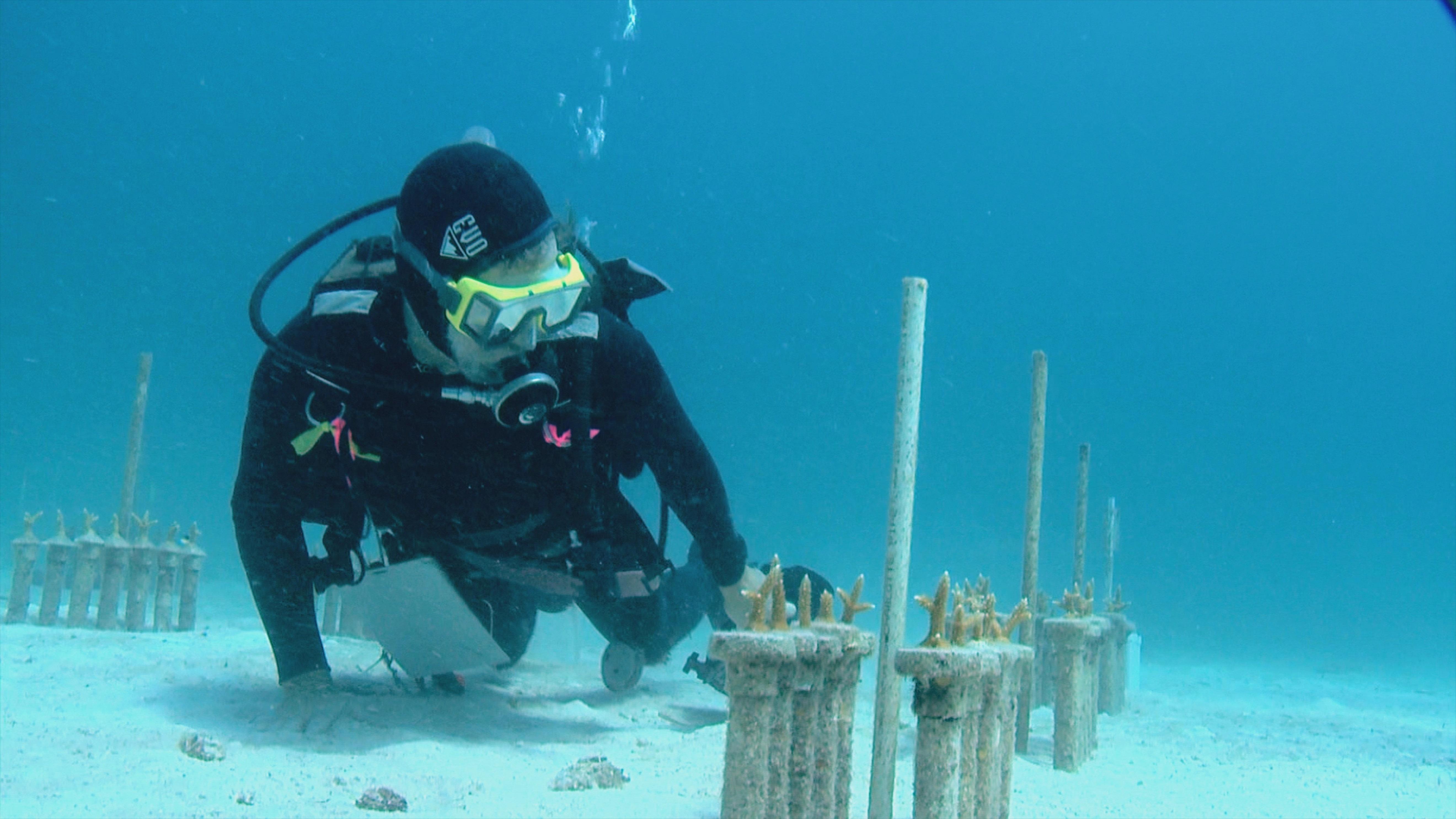
In Biscayne National Park, scientists attach coral fragments to tiles which are then placed on restoration sites like this one.
9 / 28
Share This Gallery
The Florida Keys were once home to large stands of beautiful staghorn coral. Today, only a few healthy colonies remain.
10 / 28
Share This Gallery
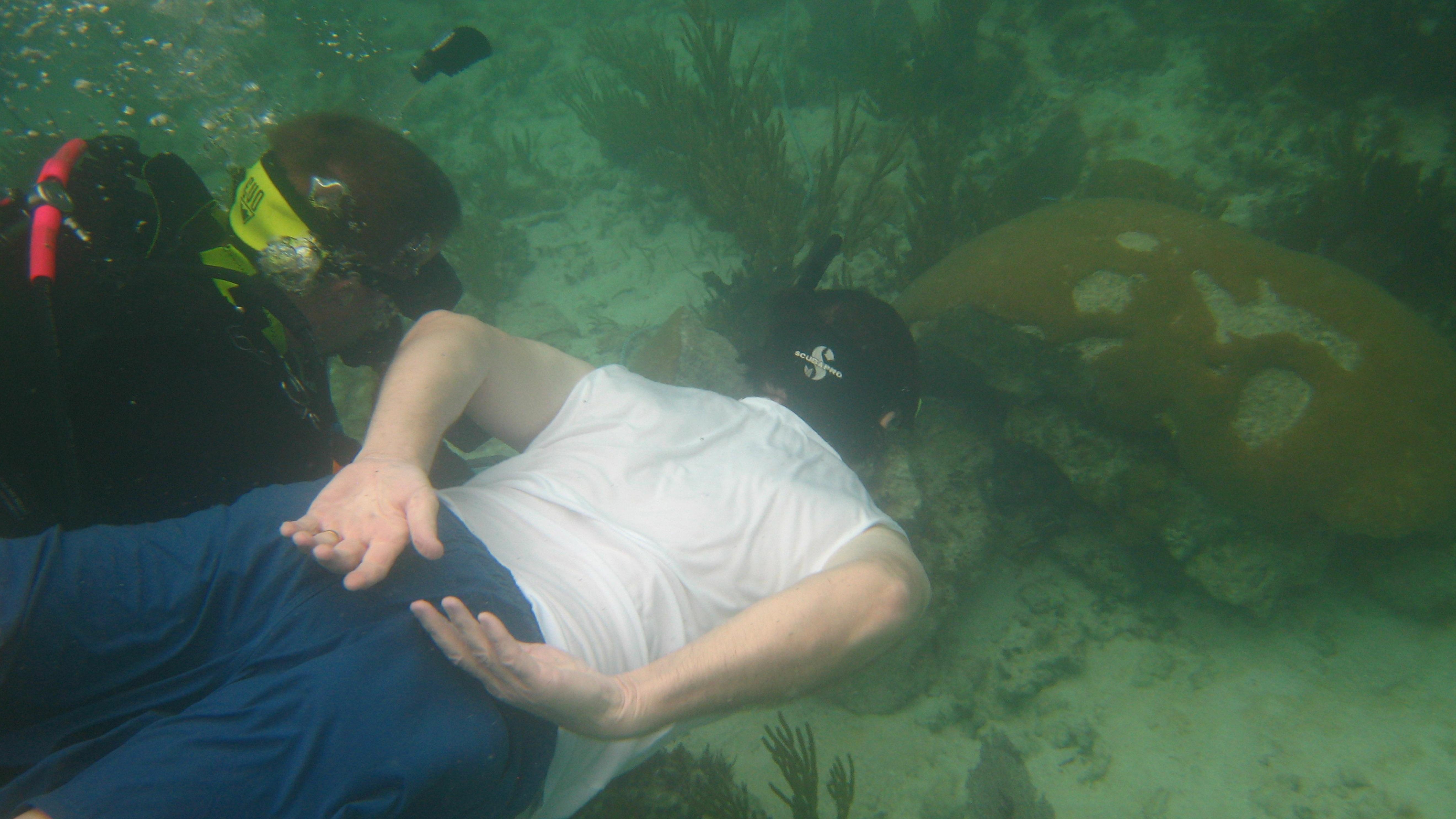
Videographer Jeremy Nicholson and Producer Mark Baker take a look at the damaged coral head.
11 / 28
Share This Gallery
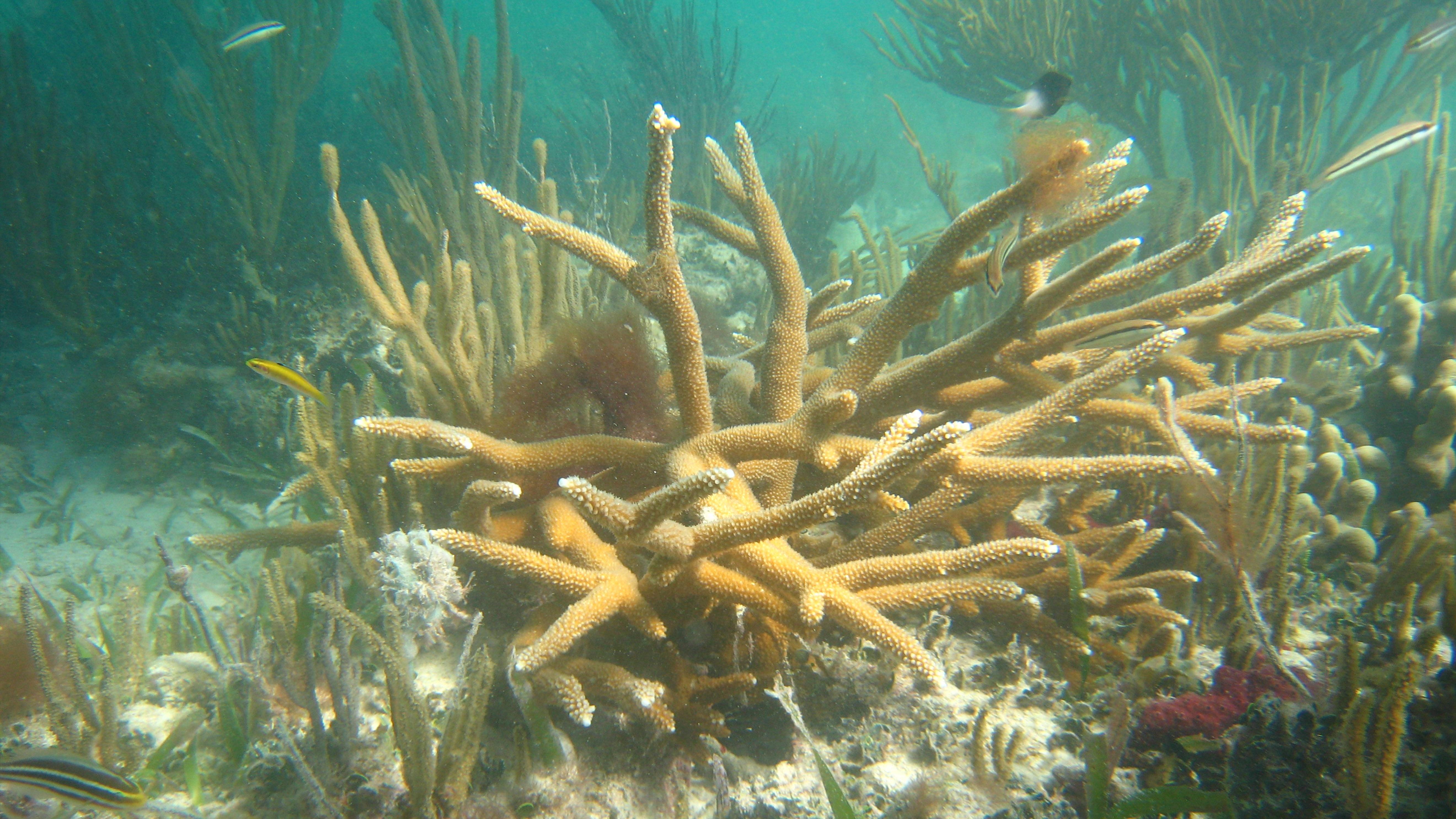
Thriving staghorn coral.
12 / 28
Share This Gallery
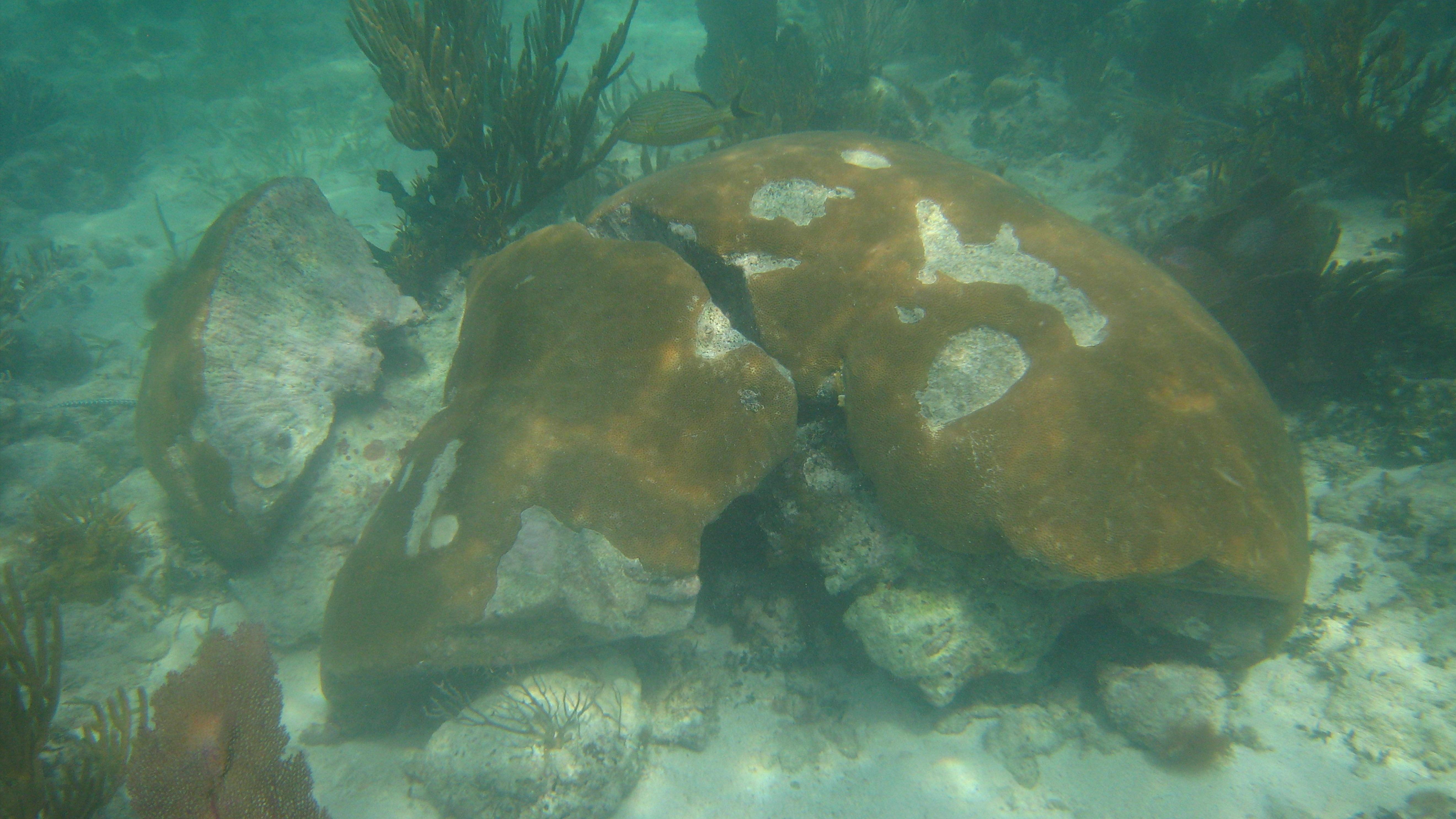
In just a few seconds, boat groundings can destroy corals like this one that took hundreds of years to grow.
13 / 28
Share This Gallery
Experts drill rebar stakes into the substrate - all part of an ongoing restoration project.
14 / 28
Share This Gallery
Tiles with coral transplants have been placed on the reef as part of the restoration project.
15 / 28
Share This Gallery
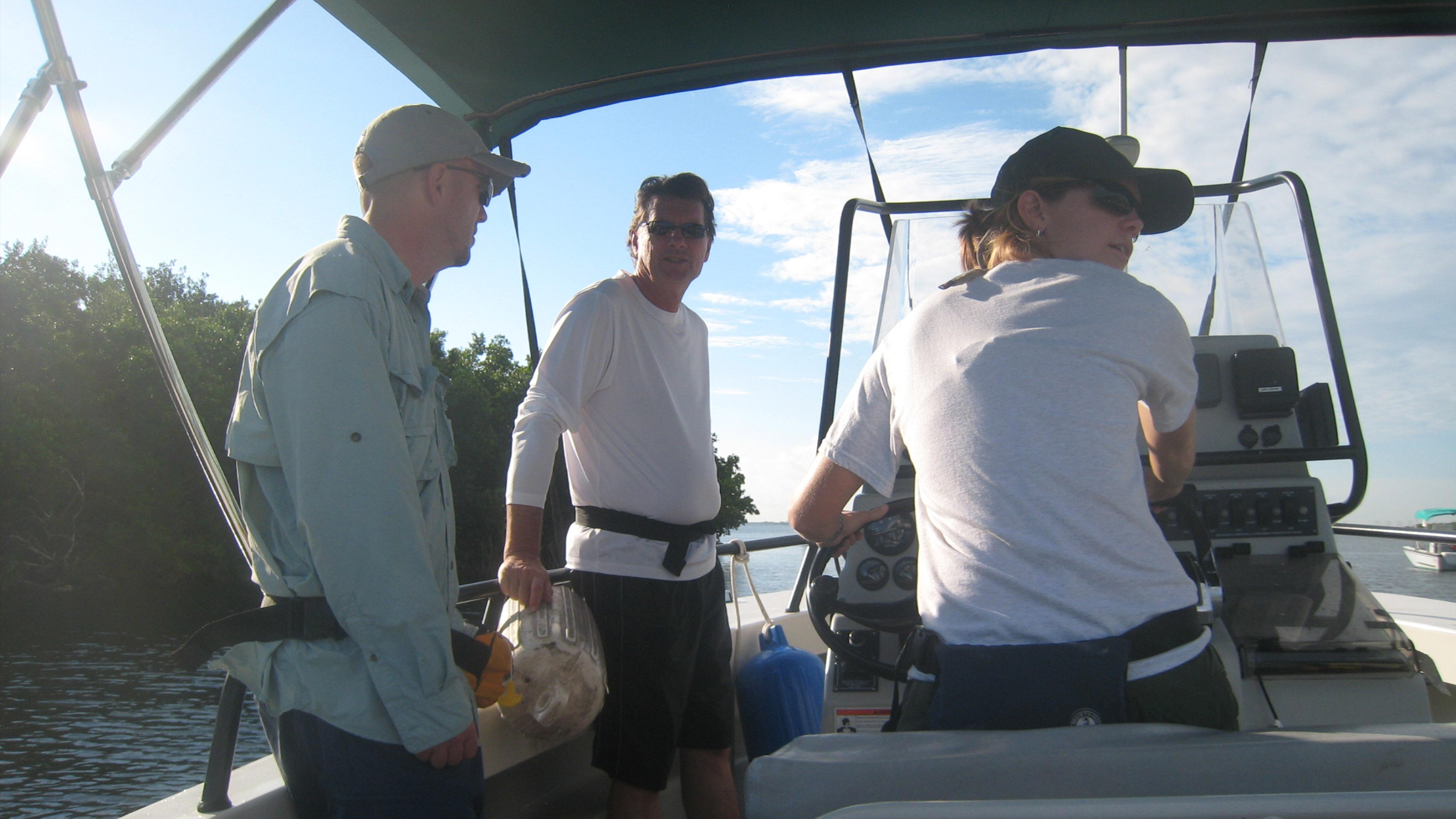
Videographer Jeremy Nicholson and Producer Mark Baker heading out to the dive site with Biscayne Bay National Park Biological Science Technician Caitlin Fisher.
16 / 28
Share This Gallery
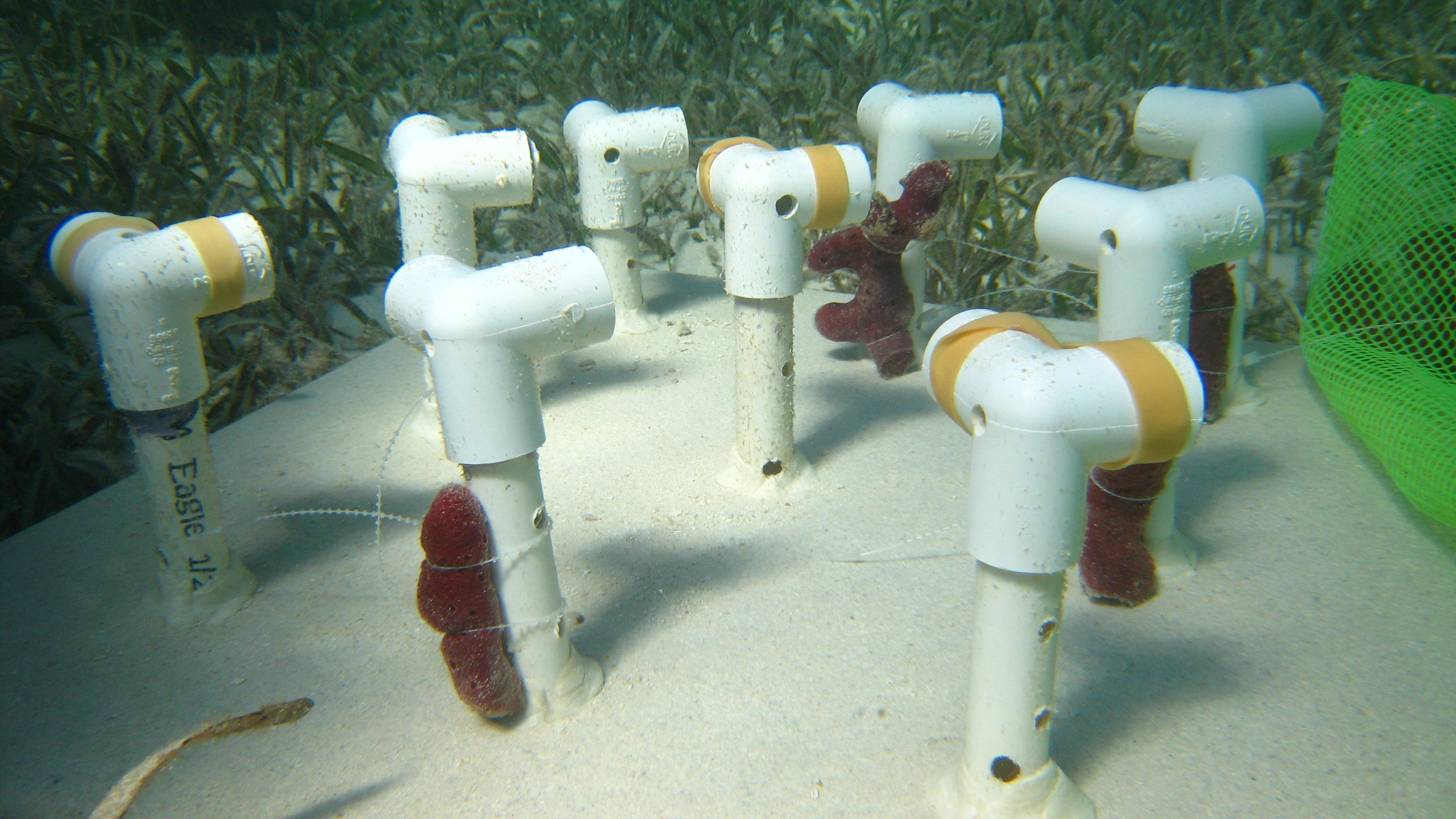
Caitlin Fisher attaches the sponge cuttings to the previously assembled PVC pipes. The pipes provide a place for the sponges to grow out before they are used in coral restoration.
17 / 28
Share This Gallery
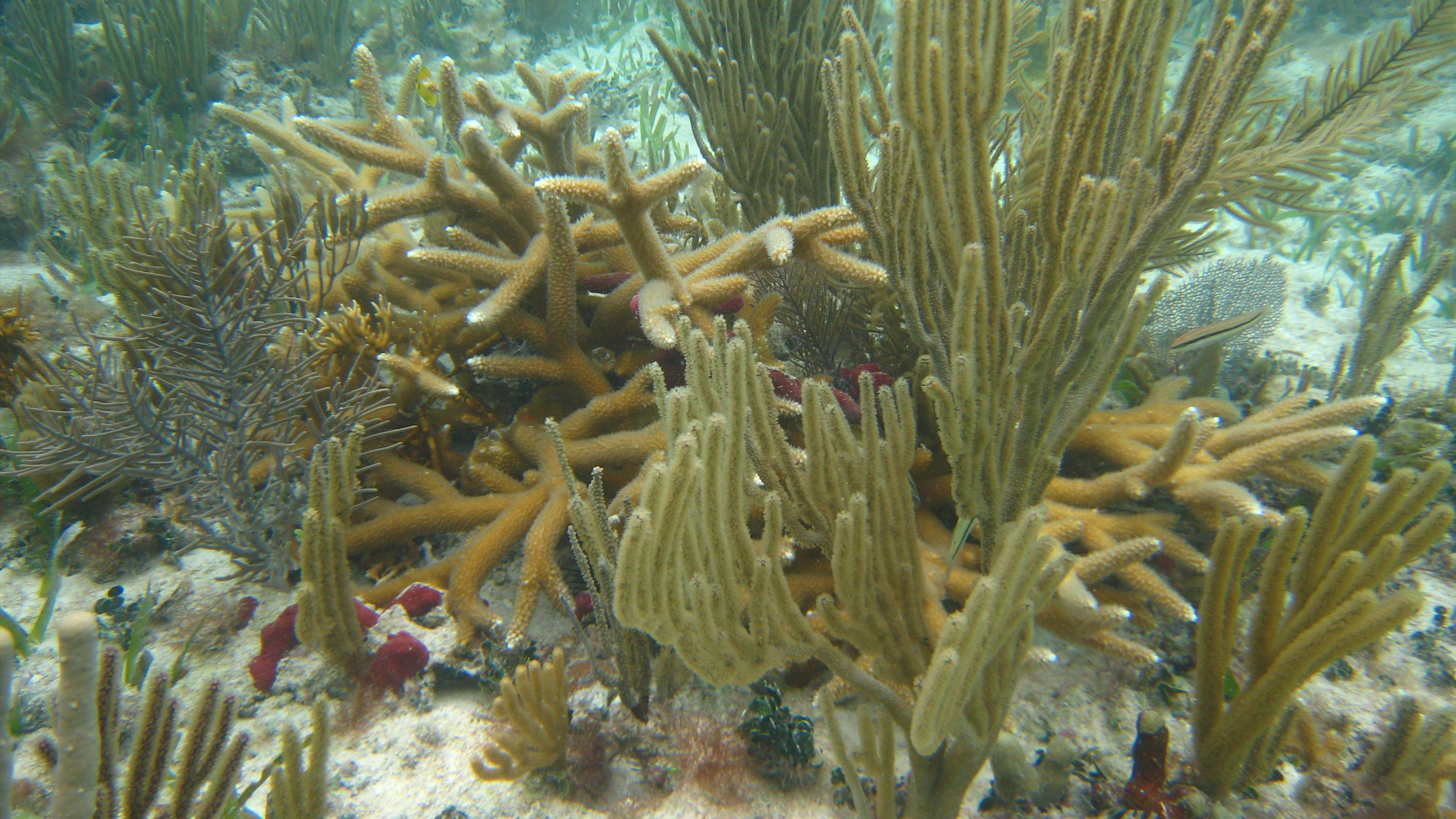
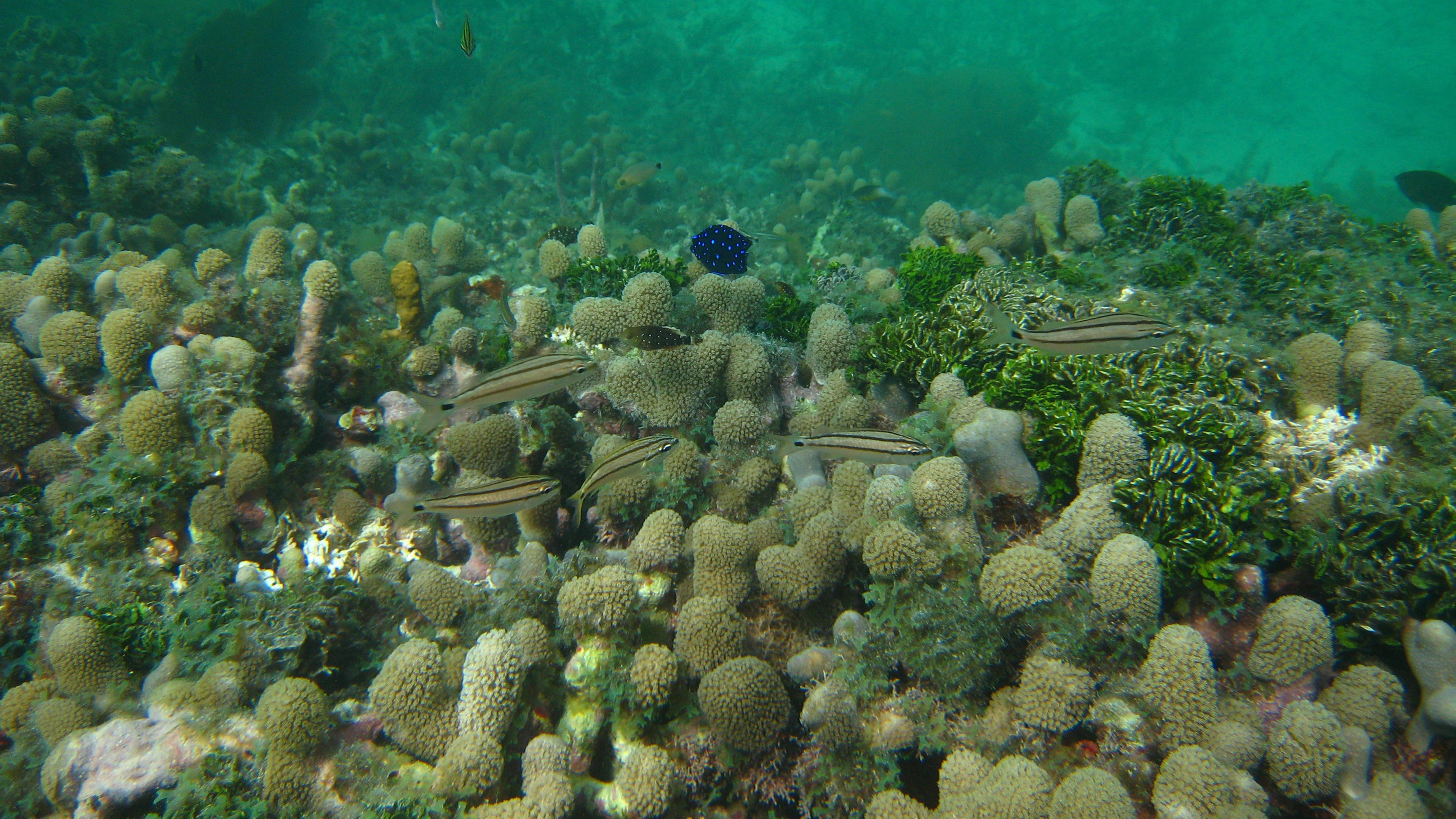
A healthy section of reef.
18 / 28
Share This Gallery
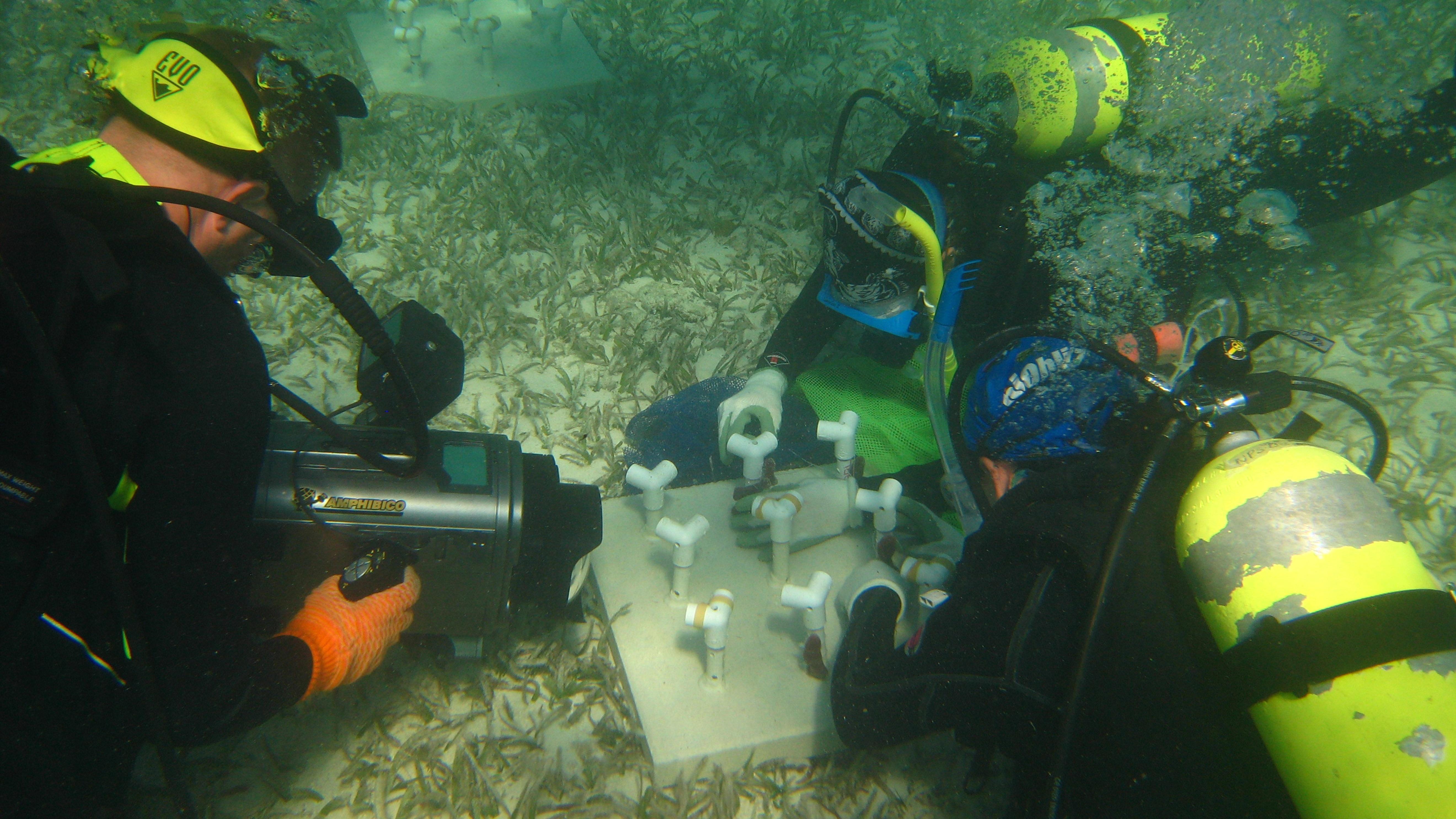
Time for a close-up! Videographer Jeremy Nicholson shoots Biological Science Technicians Caitlin Fisher and Emily McGrath as they attach sponges to PVC pipes.
19 / 28
Share This Gallery
A close-up of the sponge cuttings.
20 / 28
Share This Gallery
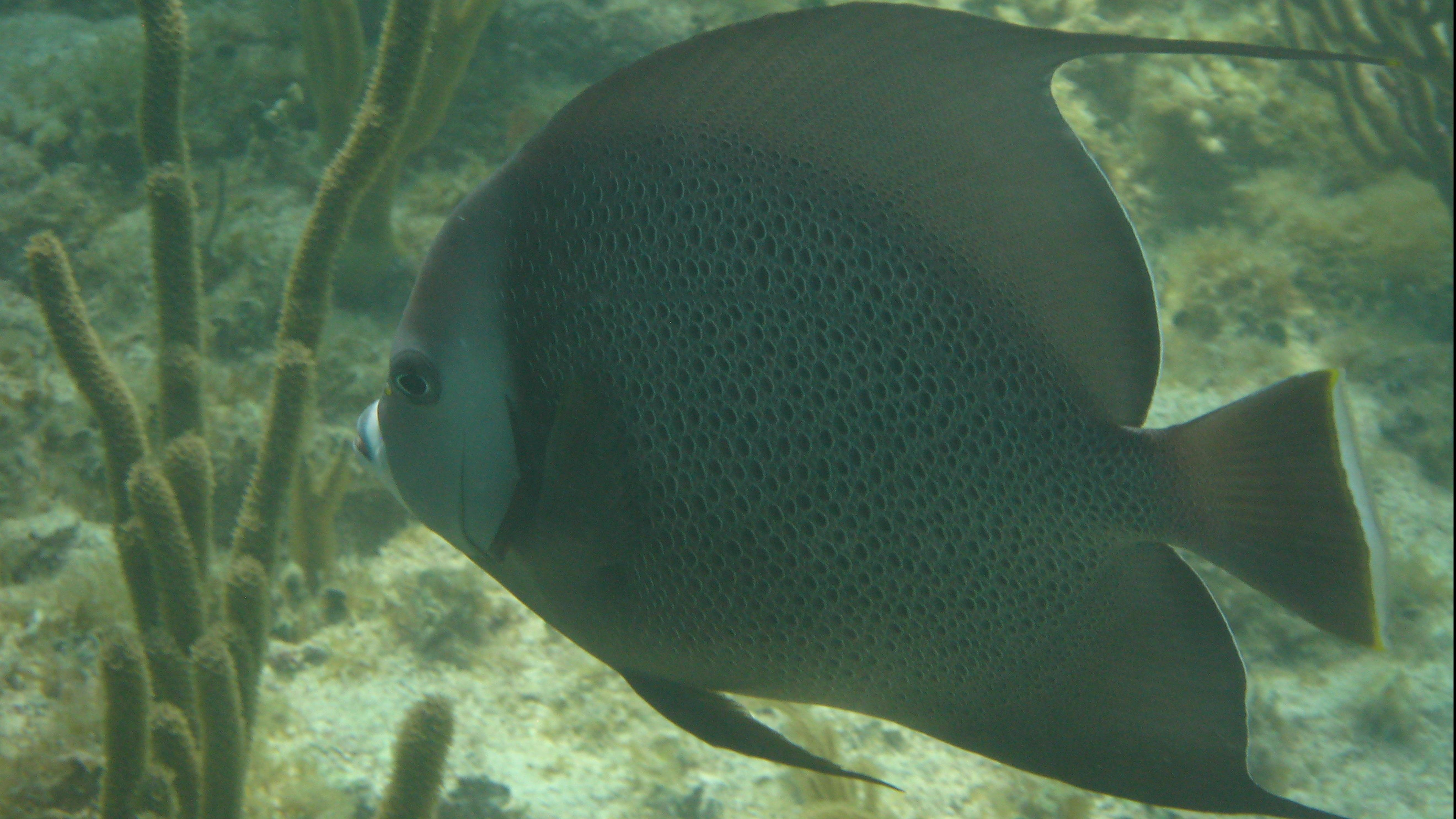
An angelfish on the reef.
21 / 28
Share This Gallery
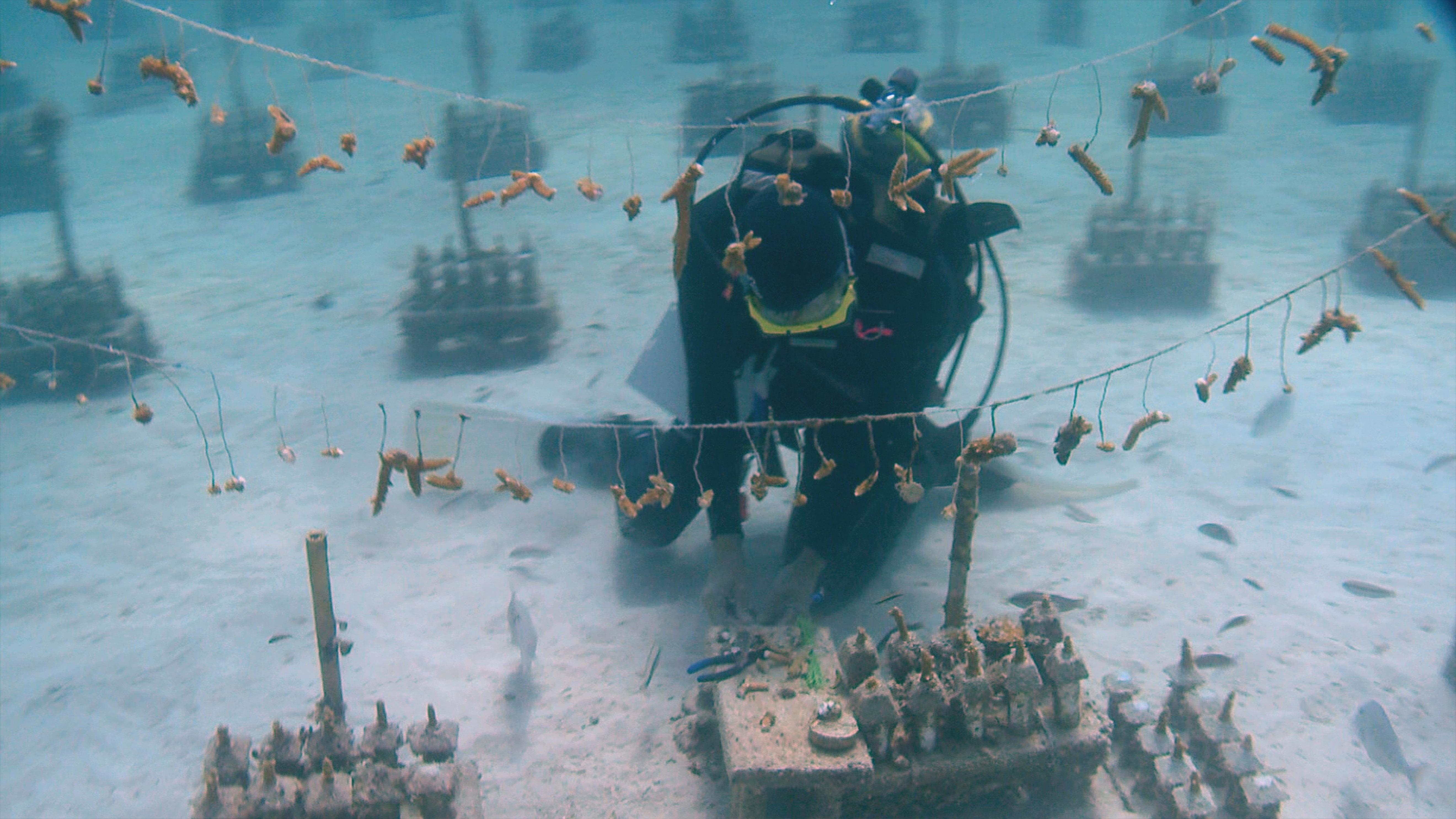
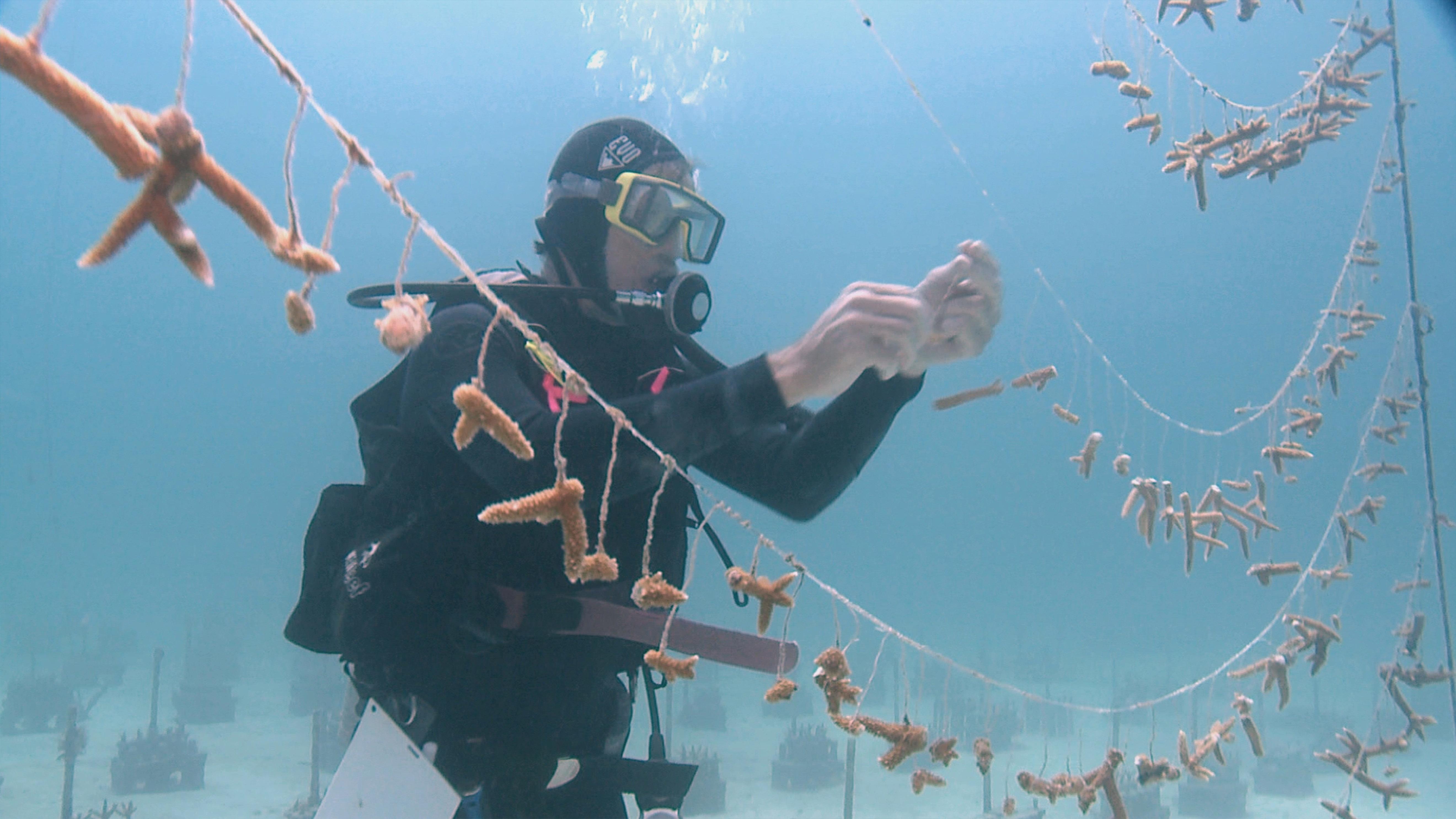
Staghorn corals are hung on lines such as these to prevent damage from animals swimming past and to promote multi-directional growth.
22 / 28
Share This Gallery
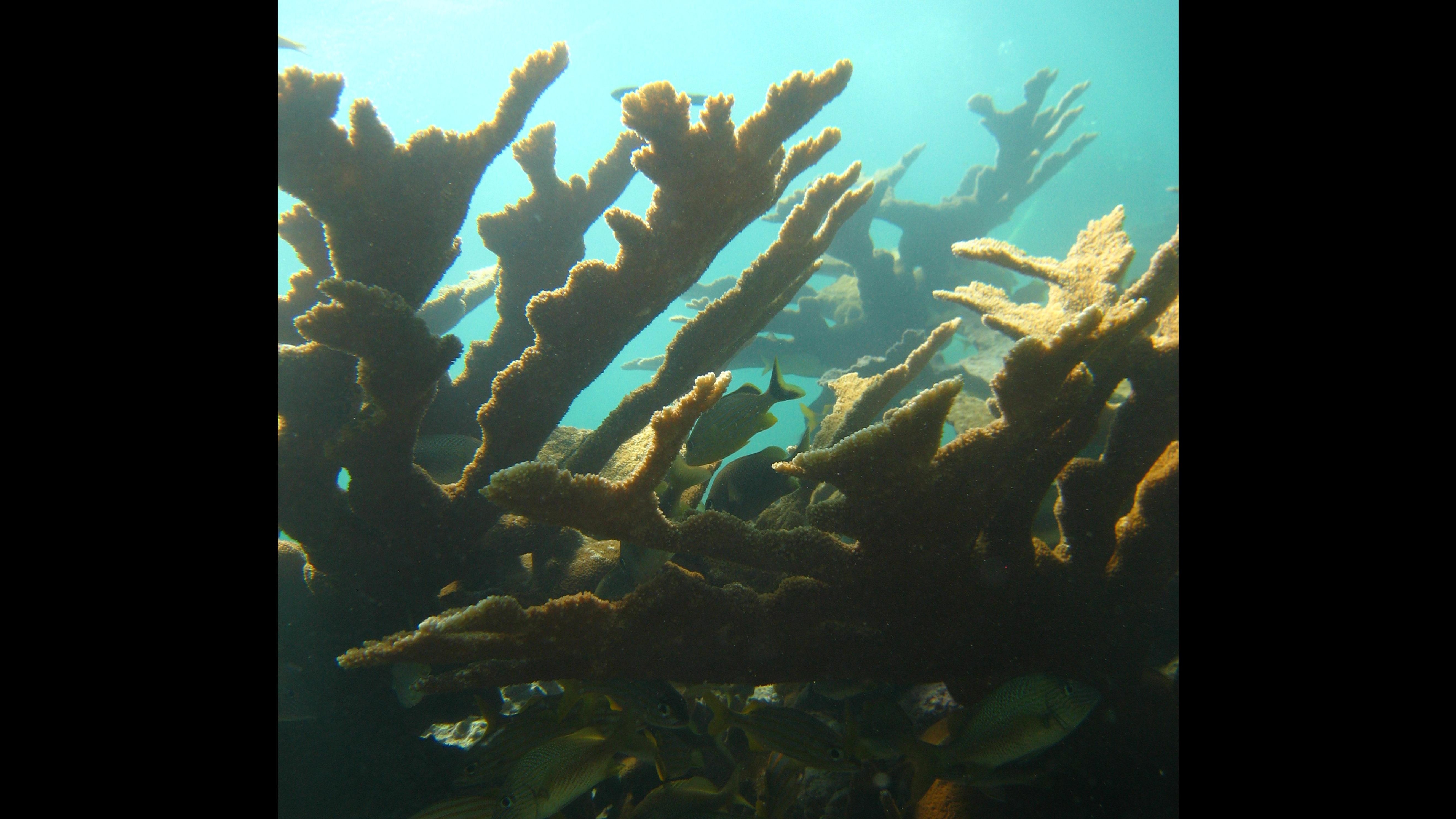
Healthy colonies of the now threatened elkhorn coral have become rare in Florida, but Biscayne National Park is still home to some of these majestic formations.
23 / 28
Share This Gallery
Coral Restoration Foundation founder Ken Nedimyer surveys a row of staghorn corals that will be used for restoration purposes.
24 / 28
Share This Gallery
Coral Restoration Foundation founder Ken Nedimyer grows staghorn corals in his coral nursery, the largest of its kind in the country.
25 / 28
Share This Gallery
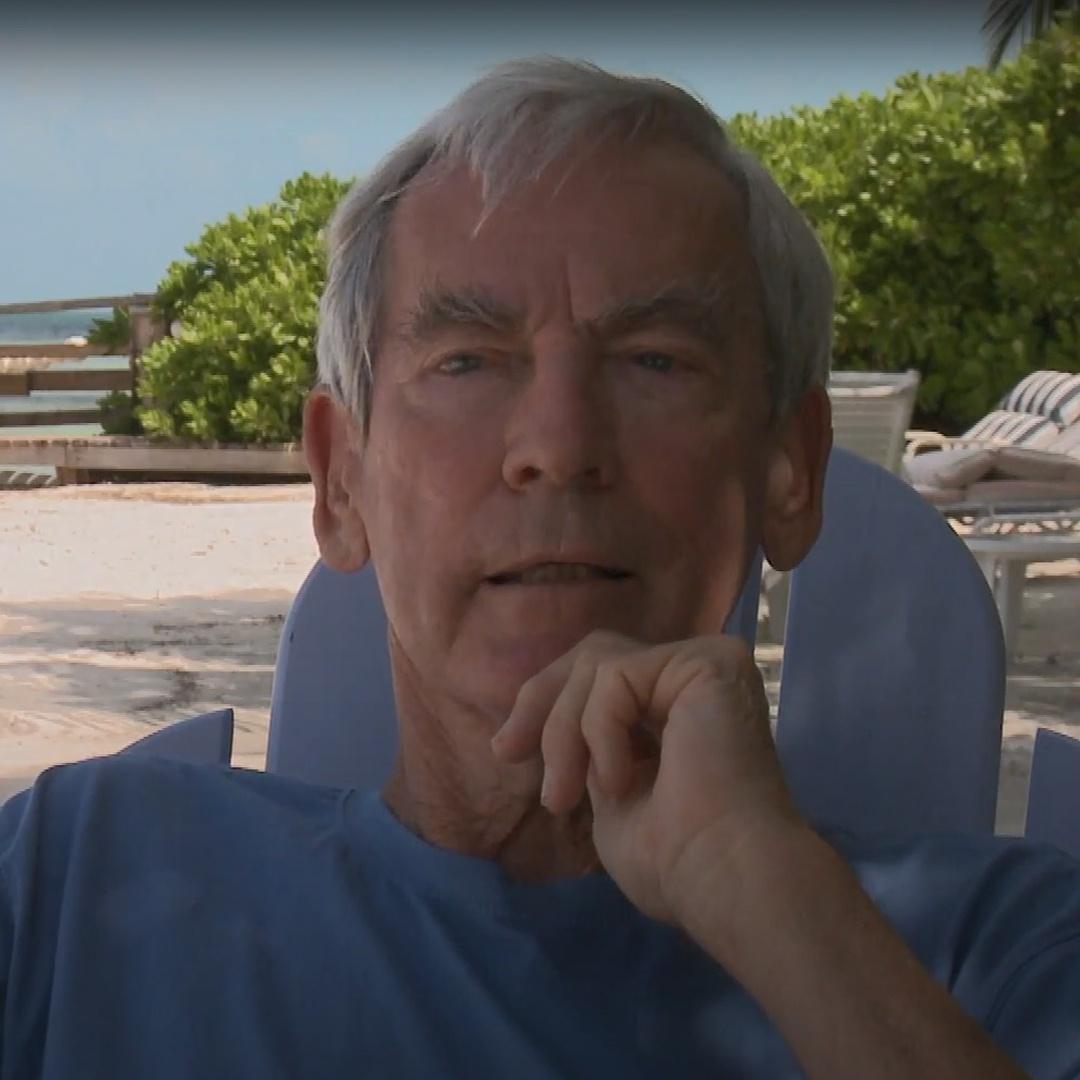
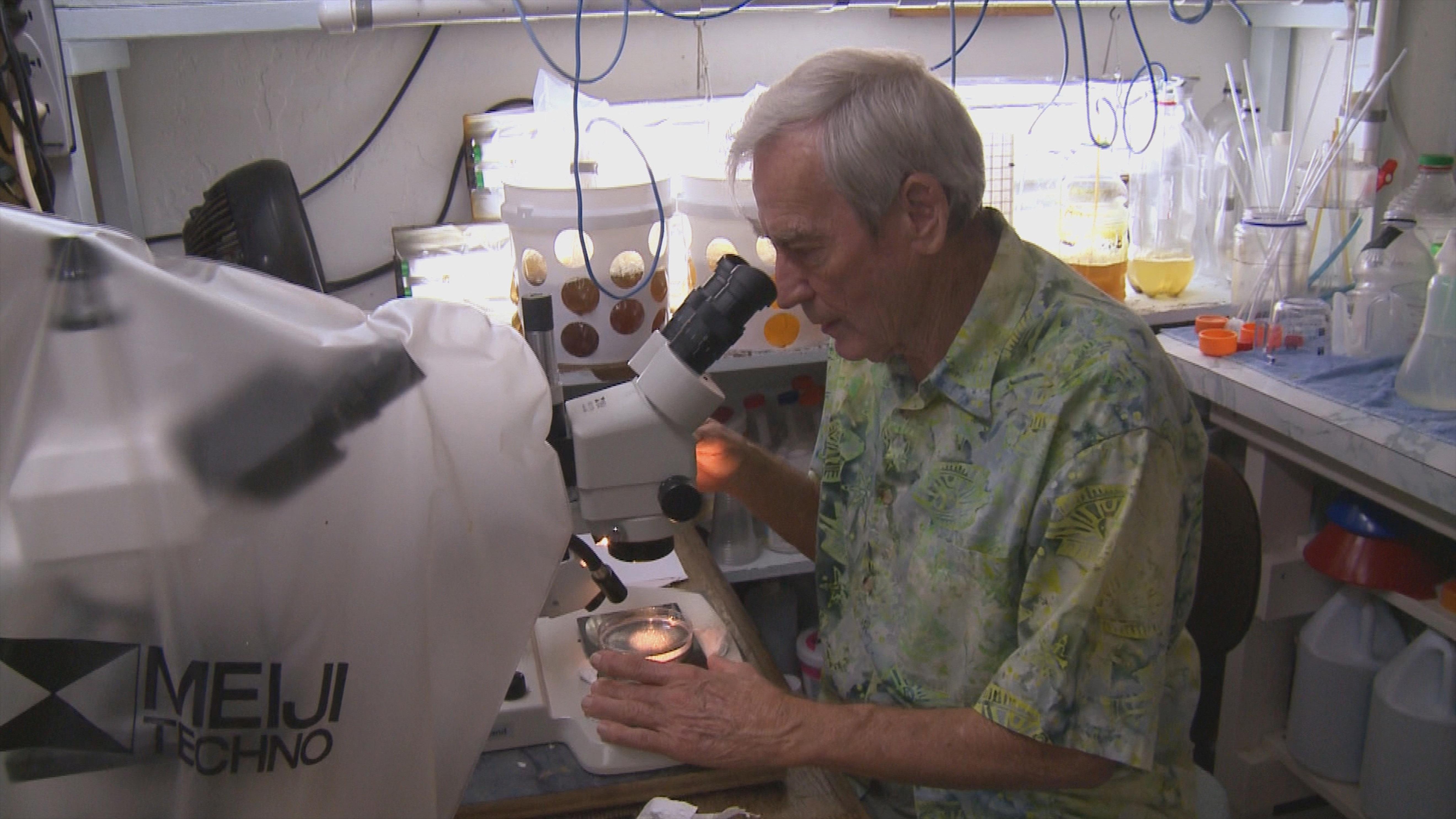
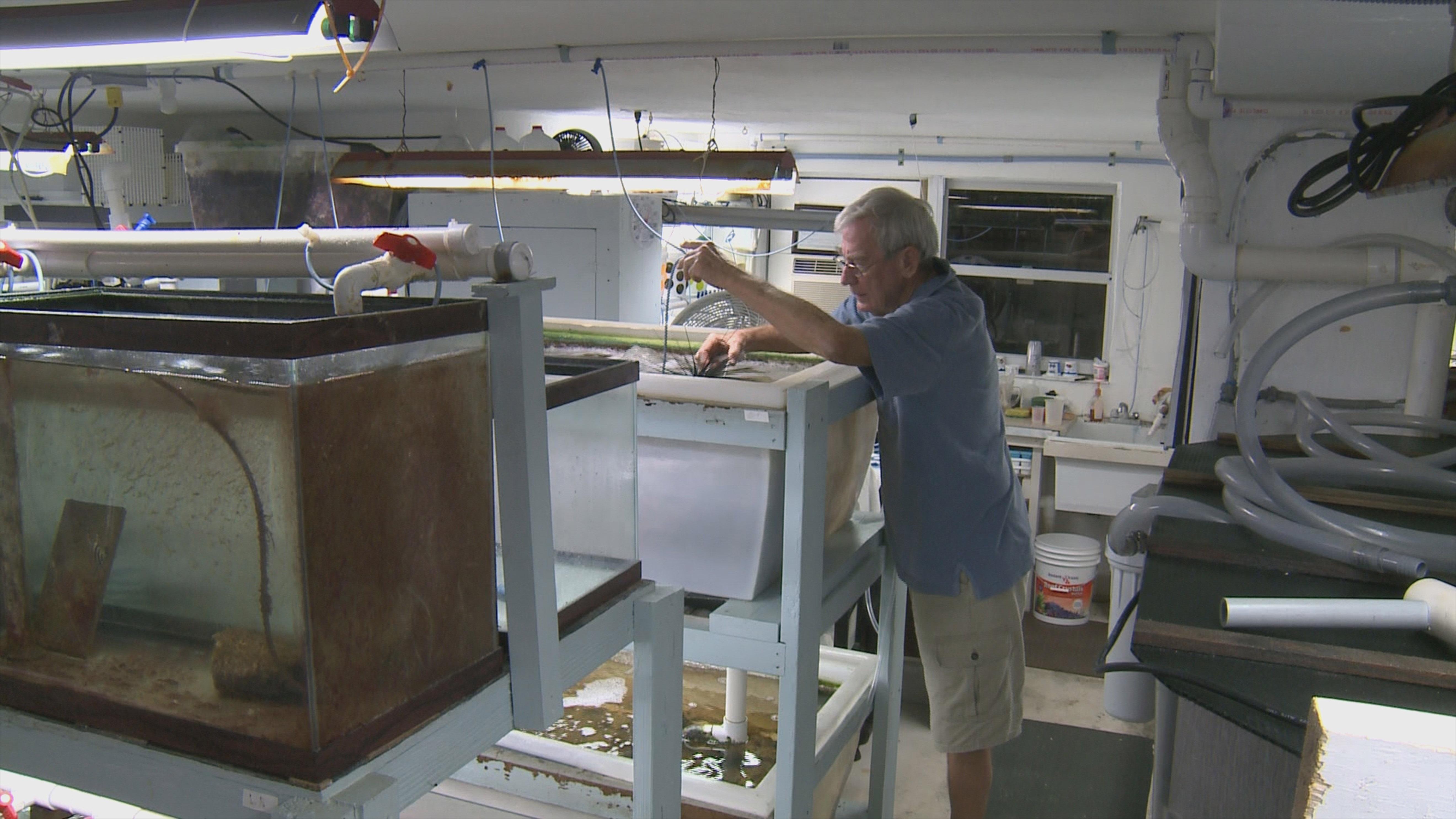
Martin Moe at his lab in the Florida Keys where he cultures long-spined sea urchins.
26 / 28
Share This Gallery
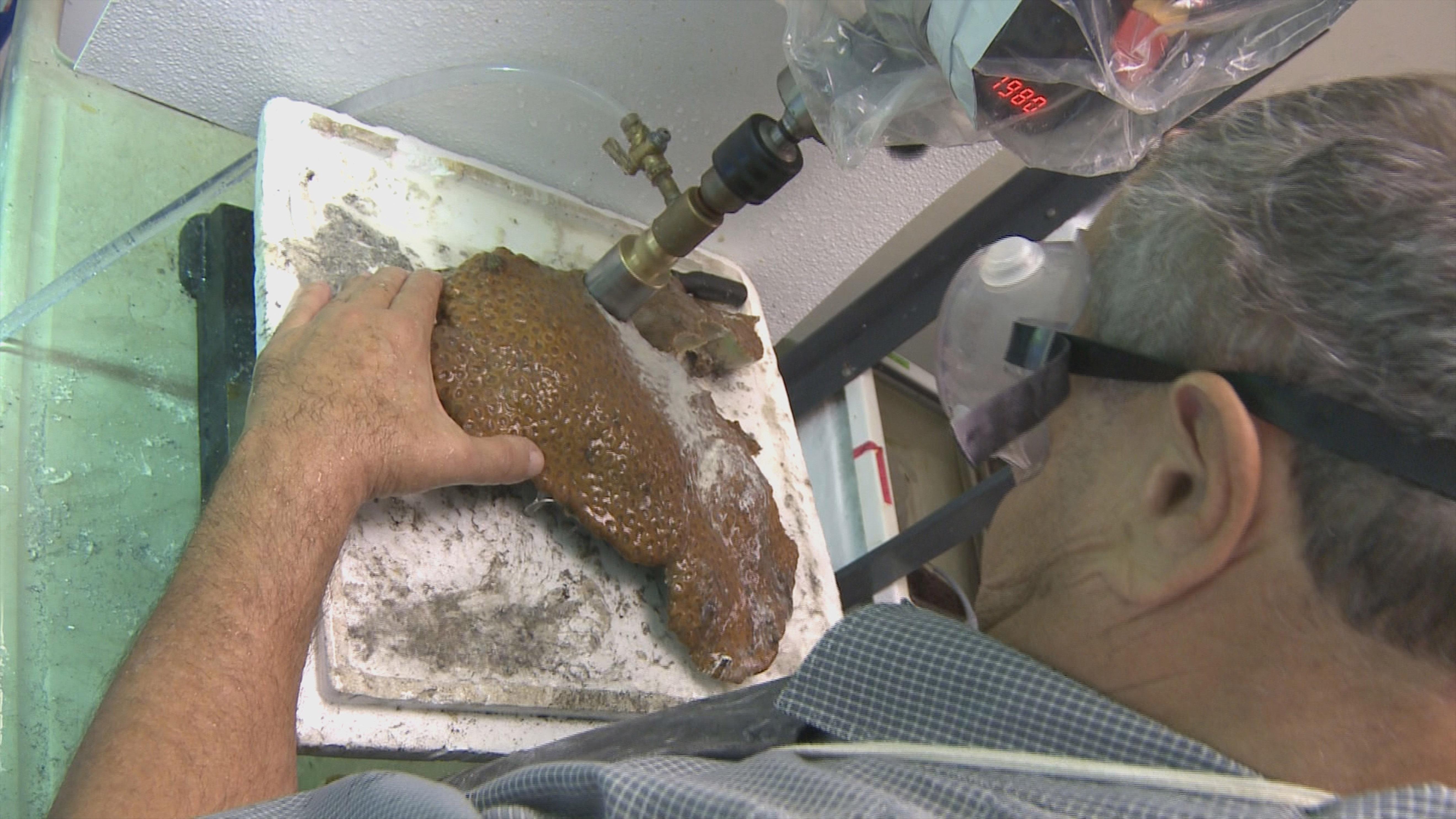
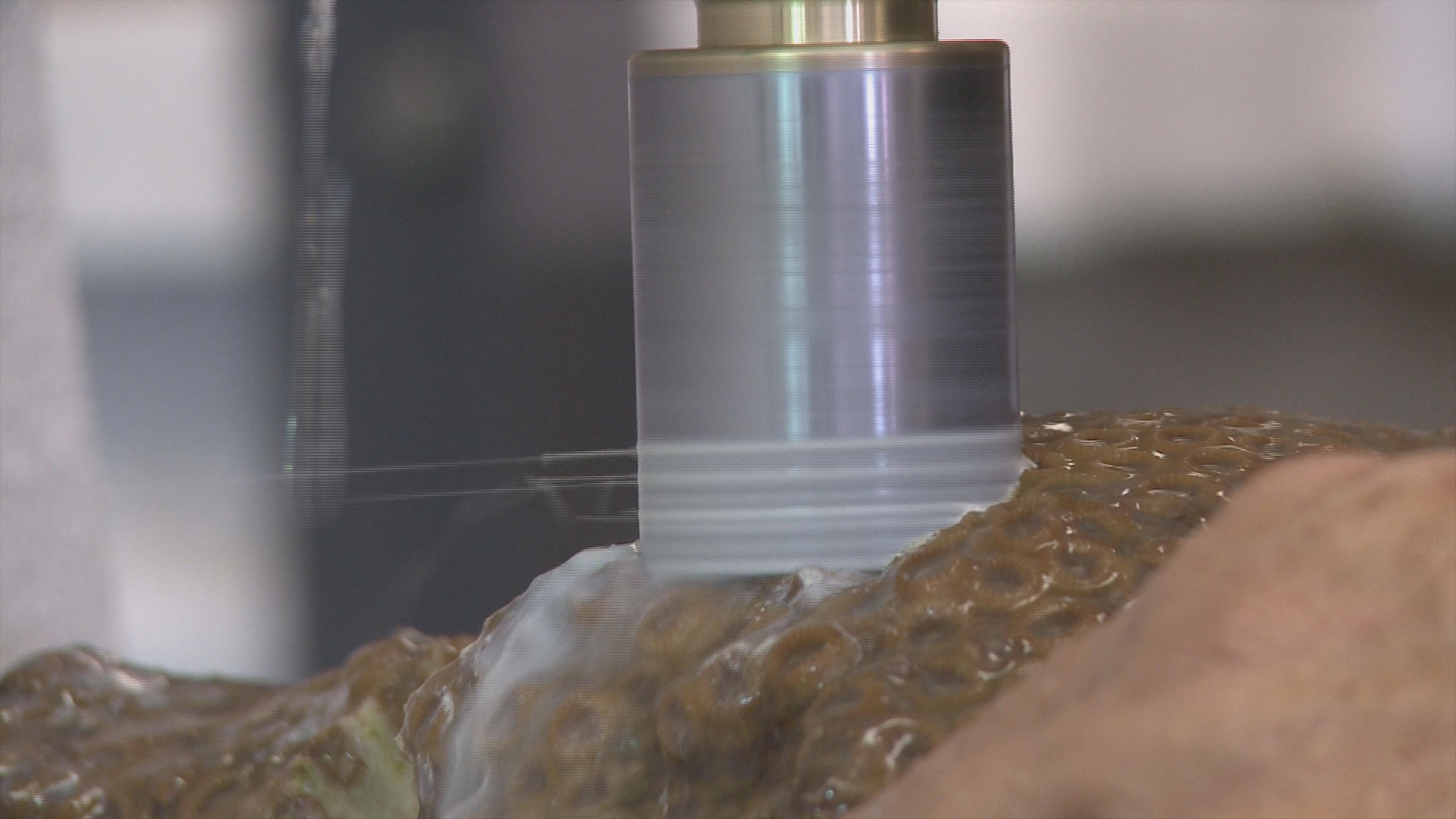
Thomas Capo from the University of Miami makes coral cuttings which will be used for restoration purposes at damaged reef sites in South Florida.
27 / 28
Share This Gallery
Marine Biologist Martin Moe cultures long-spined sea urchins at his laboratory in the Florida Keys.
28 / 28
Share This Gallery
Thomas Capo from the University of Miami makes coral cuttings which will be used for restoration purposes at damaged reef sites in South Florida.