The lives of all sea turtles begin once their eggs are laid on the beach by nesting females. They are left alone to fend for themselves against predators, the environment, and human impacts. Researchers have long known that once these tiny sea turtles reach adulthood, they will mate and females will return to the same beaches where they first hatched. But the great mystery lies in those years in-between. Where do juvenile sea turtles go once they reach the water? For decades this gap in knowledge was referred to as “the lost years.” Now, a team of researchers in Florida has found an innovative way to tag and track these tiny turtles in ways no one had thought possible.
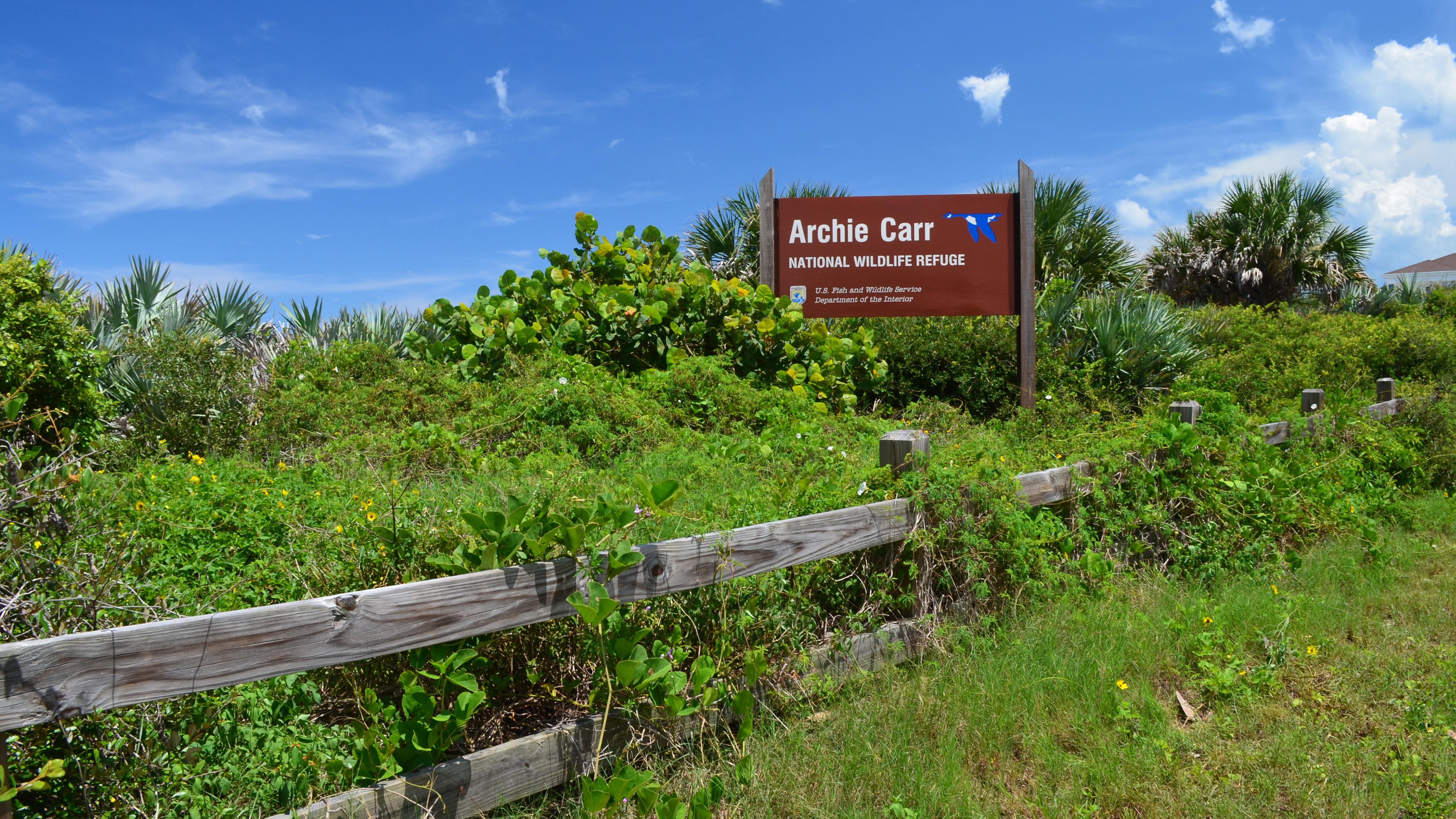
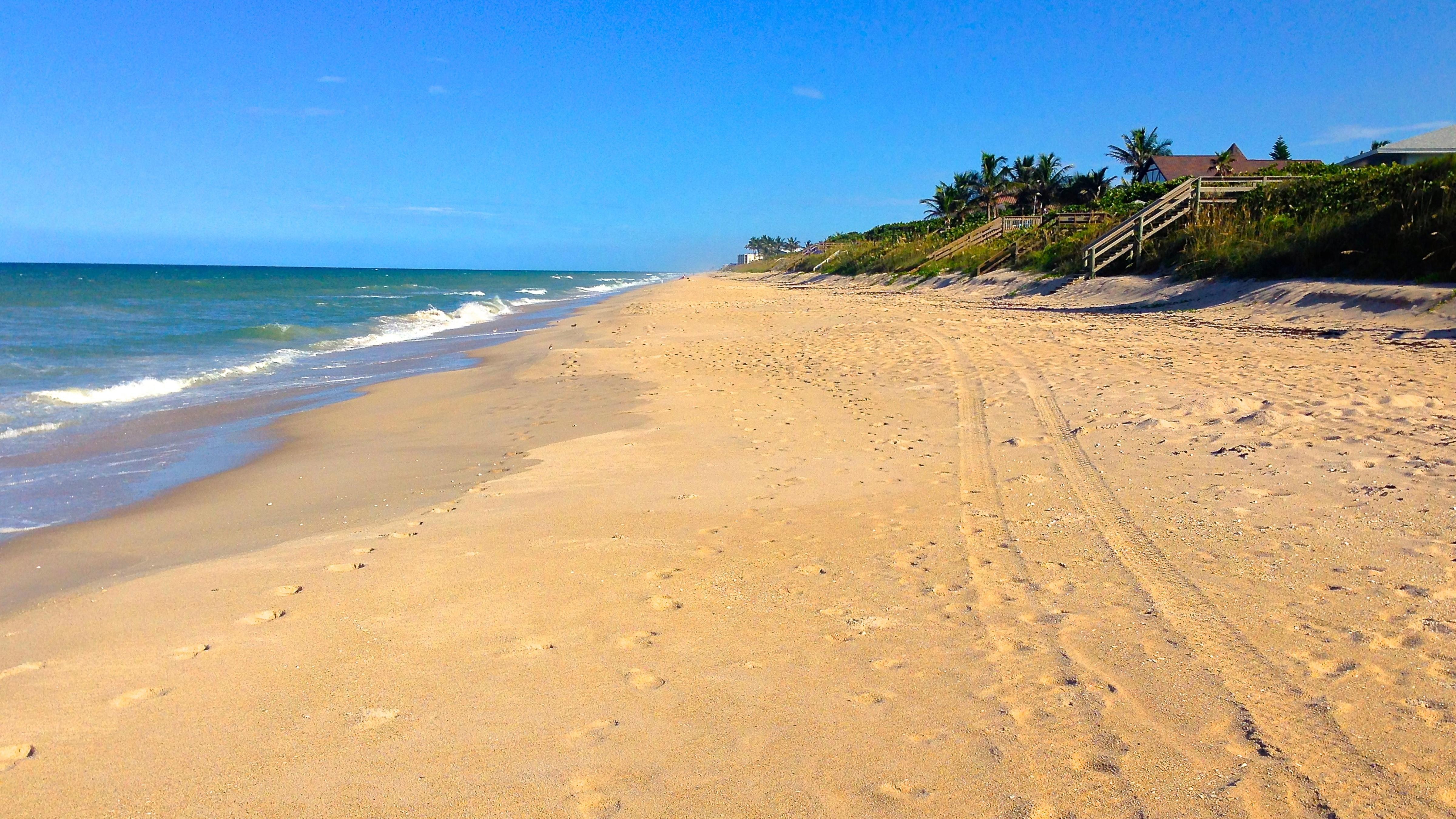
Archie Carr National Wildlife Refuge, which spans 20.5 miles across Melbourne Beach and Wabasso Beach along Florida's east coast.
2 / 28
Share This Gallery
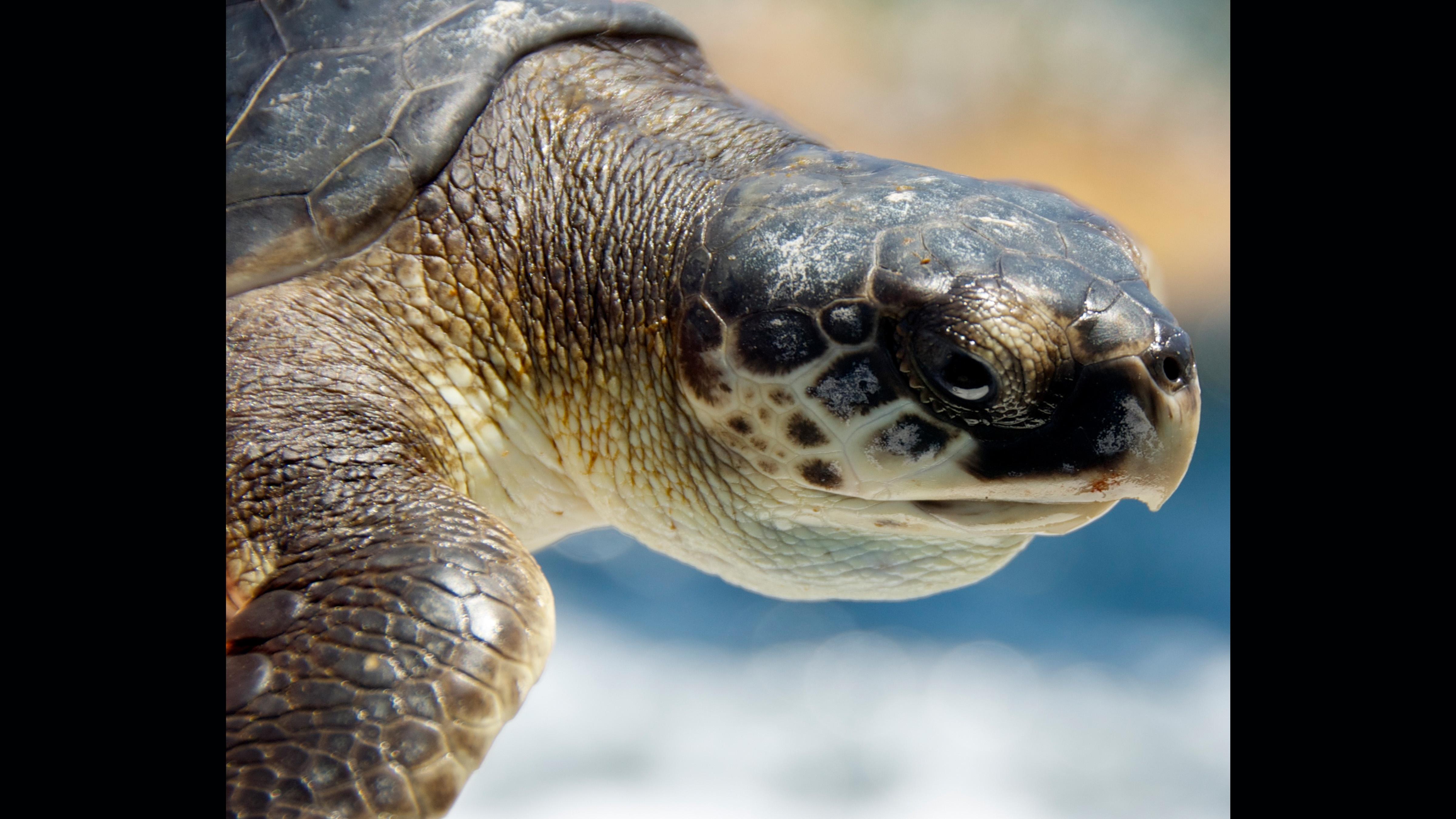
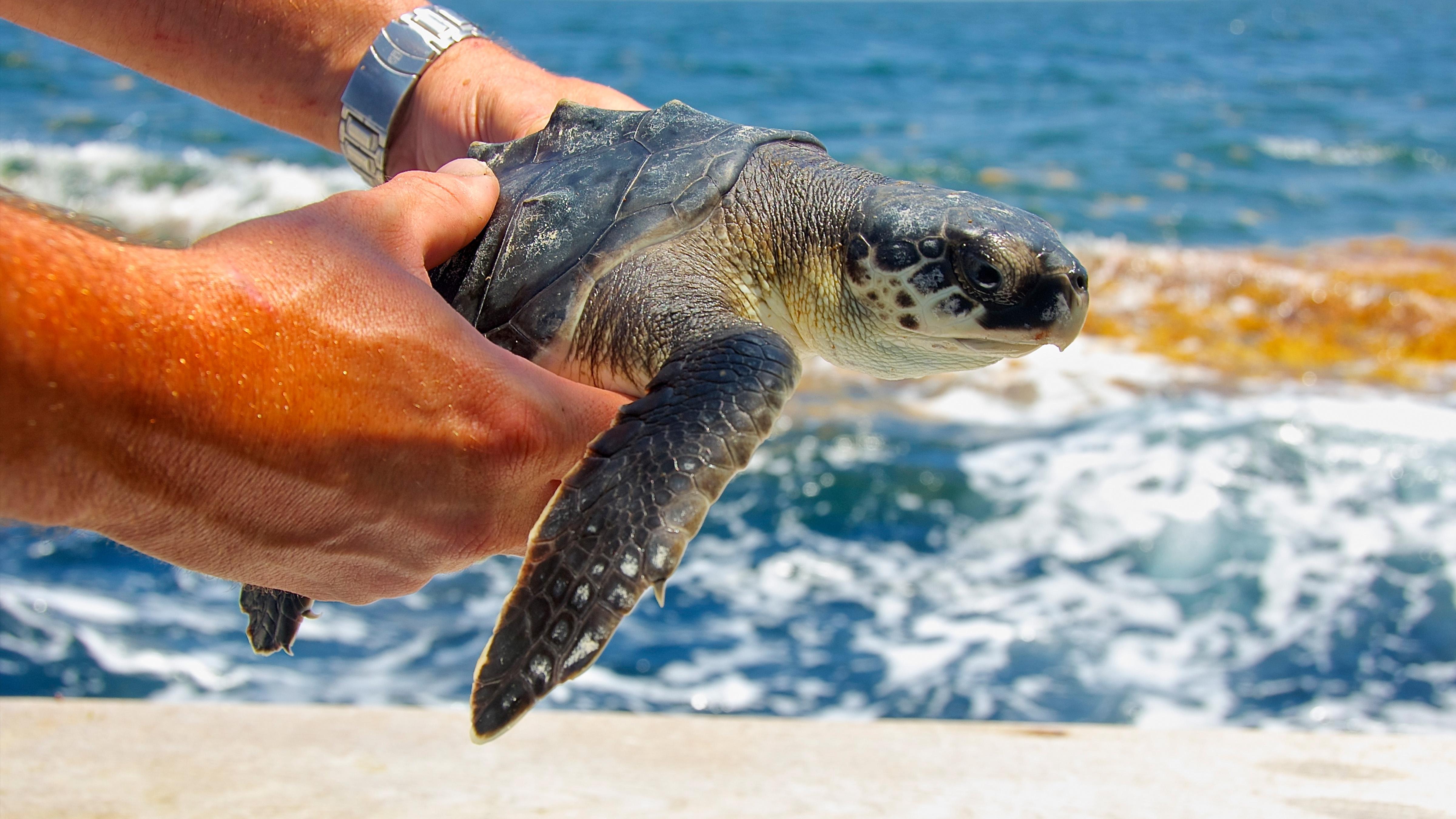
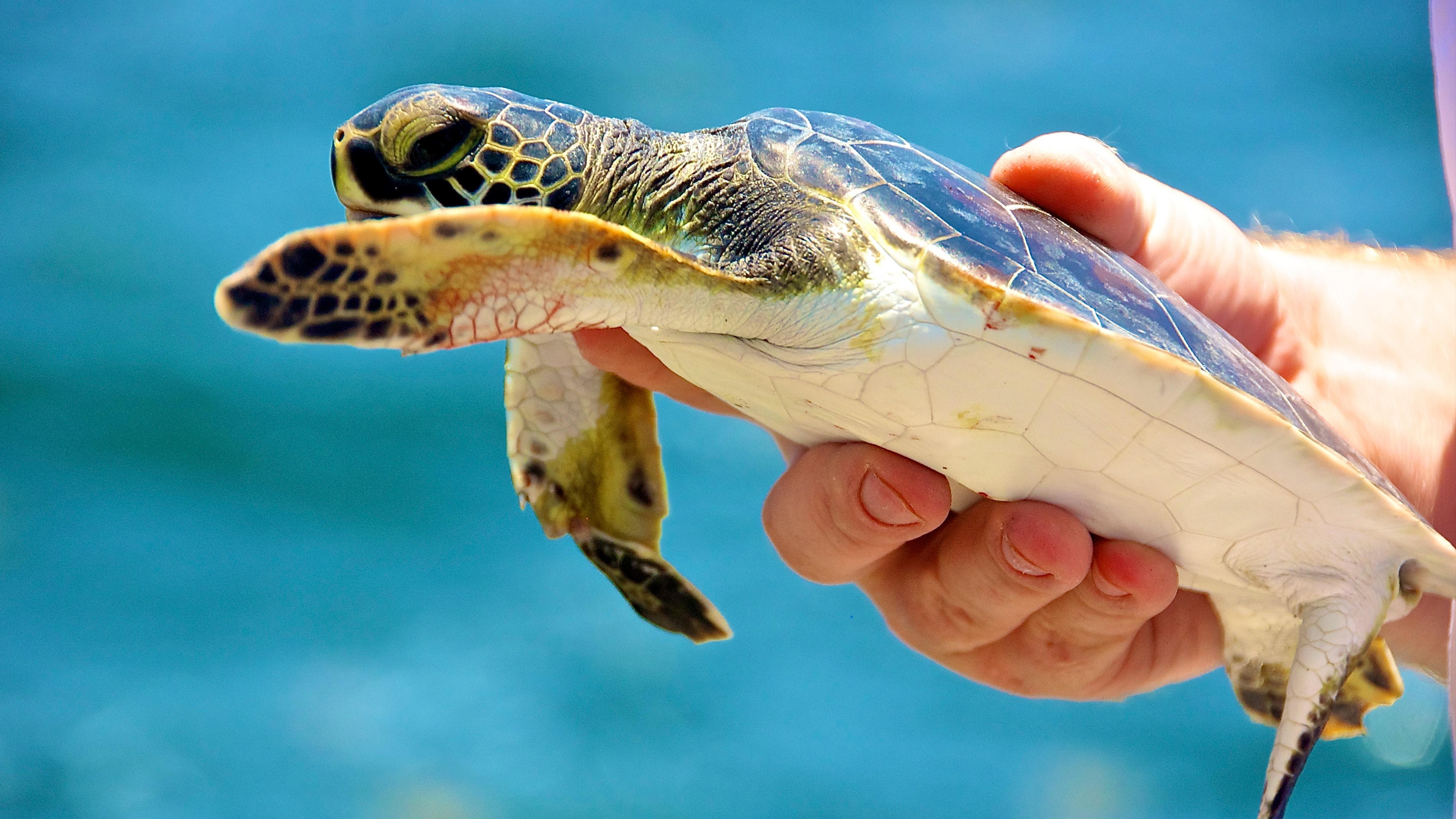
A juvenile sea turtle caught by the University of Central Florida Marine Turtle Research Group. It will be tagged and released in the sargassum where it was captured.
3 / 28
Share This Gallery
A juvenile sea turtle caught by the University of Central Florida Marine Turtle Research Group. It will be tagged and released in the sargassum where it was captured.
4 / 28
Share This Gallery
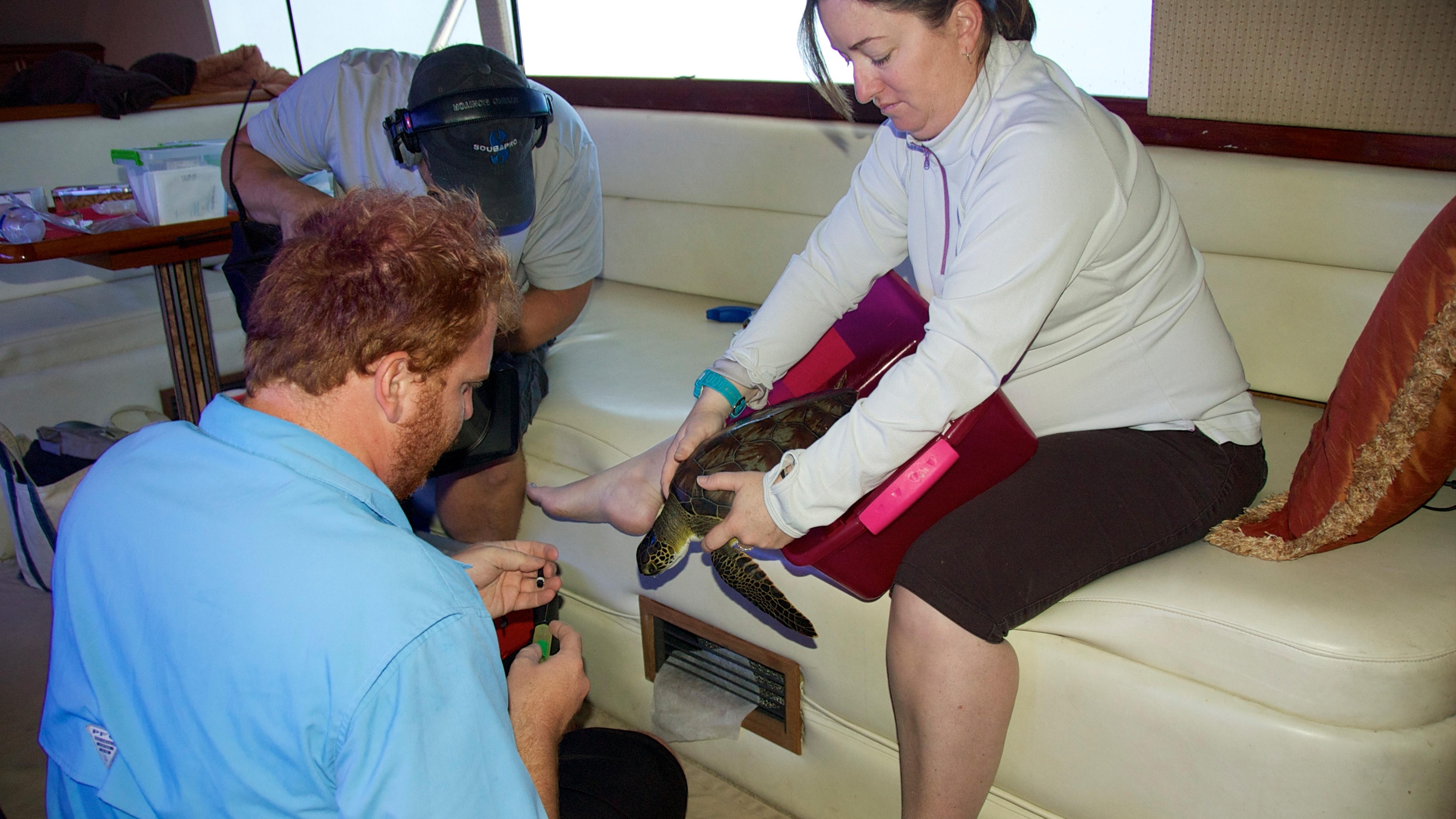
Kate Mansfield, Ph.D. and Ph.D. student Chris Long of the University of Central Florida Marine Turtle Research Group prepare a turtle to be tagged and released.
5 / 28
Share This Gallery
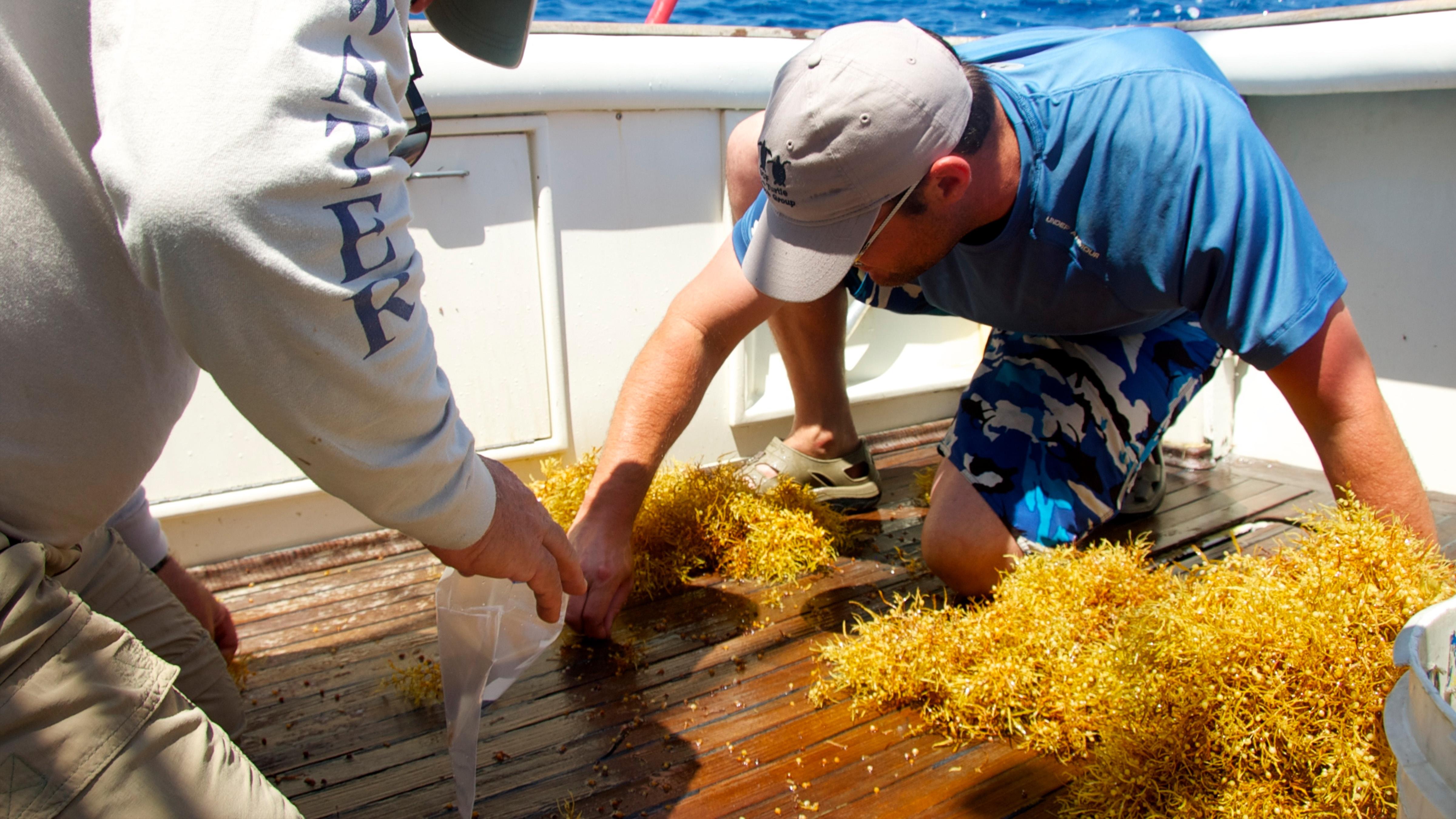
Researchers gather live crustaceans and juvenile fish from the sargassum where they captured juvenile turtles.
6 / 28
Share This Gallery
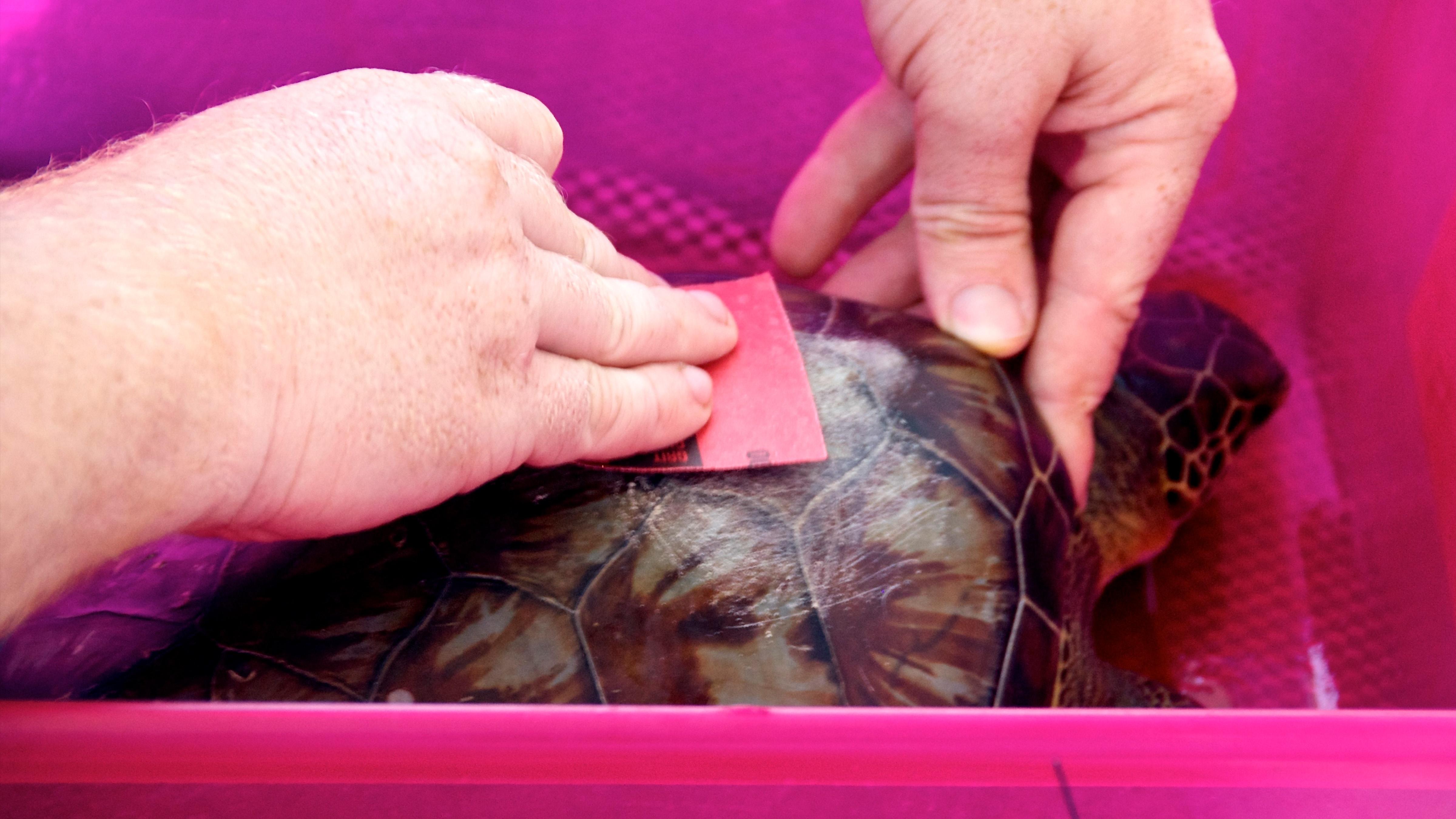
Mansfield, Ph.D. and Ph.D. student Chris Long of the UCF Marine Turtle Research Group sand down the shells of juvenile sea turtles to prepare them for pit tag attachment.
7 / 28
Share This Gallery
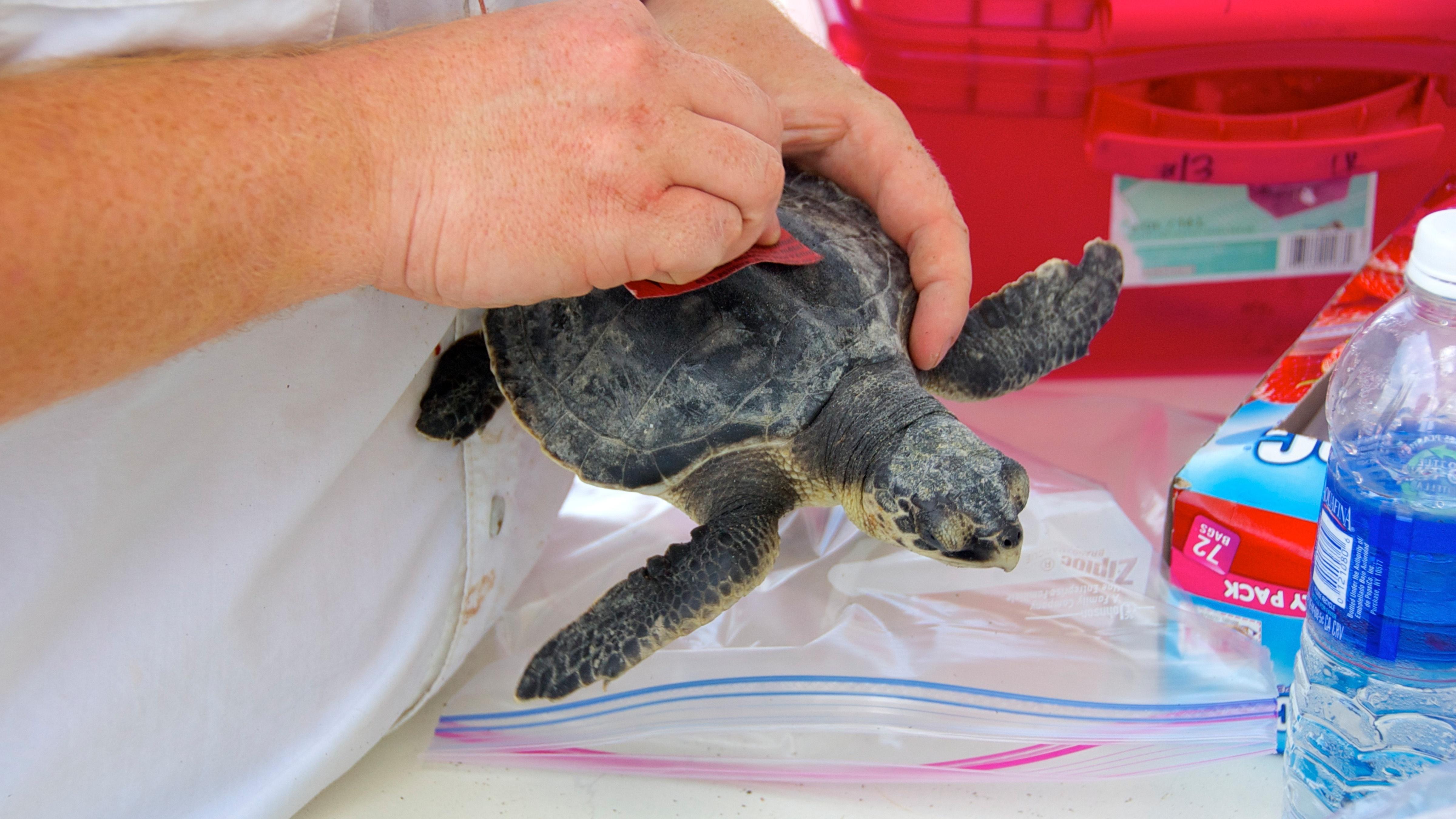
A juvenile turtle gets its shell sanded down in preparation for tagging.
8 / 28
Share This Gallery
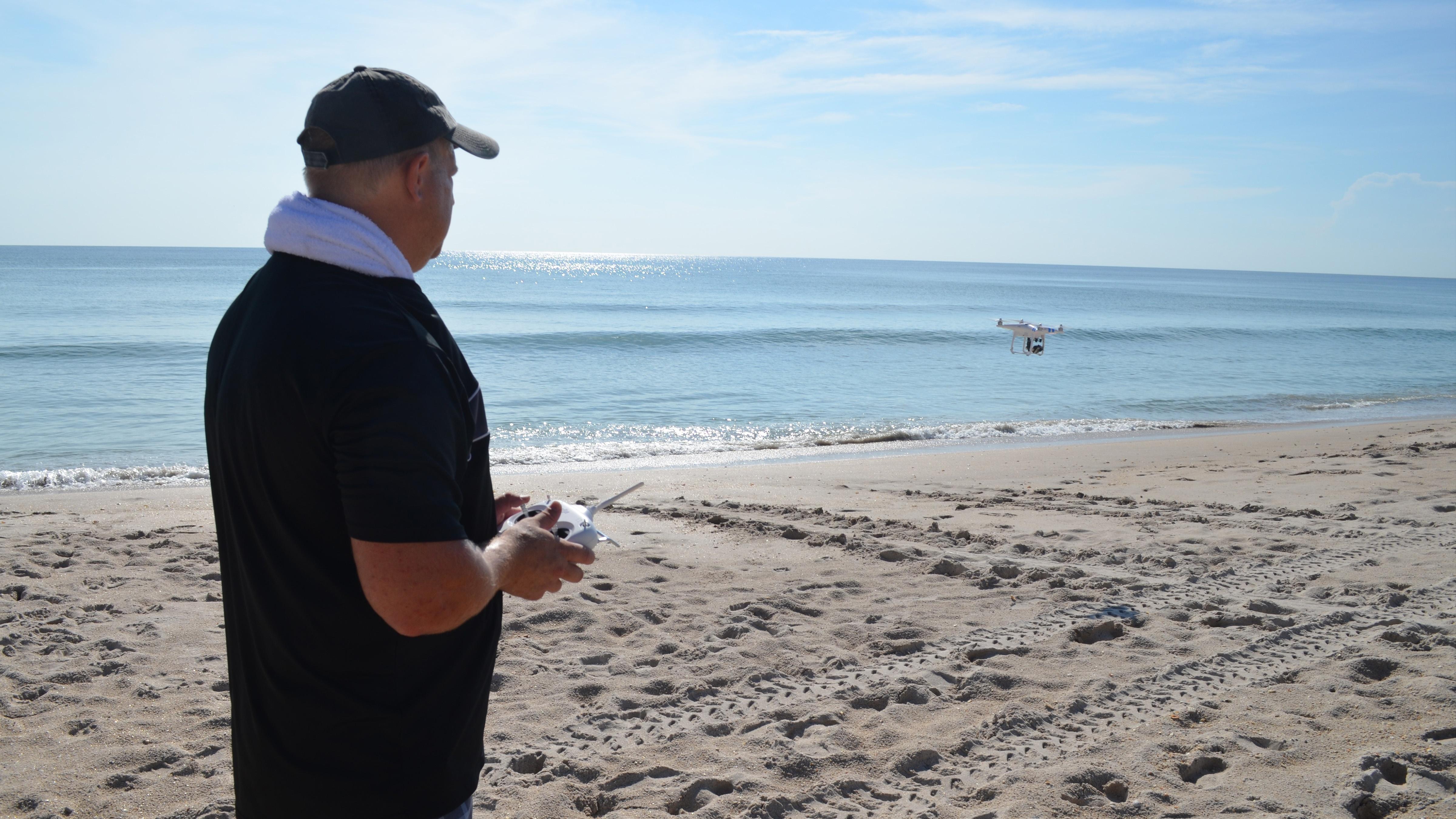
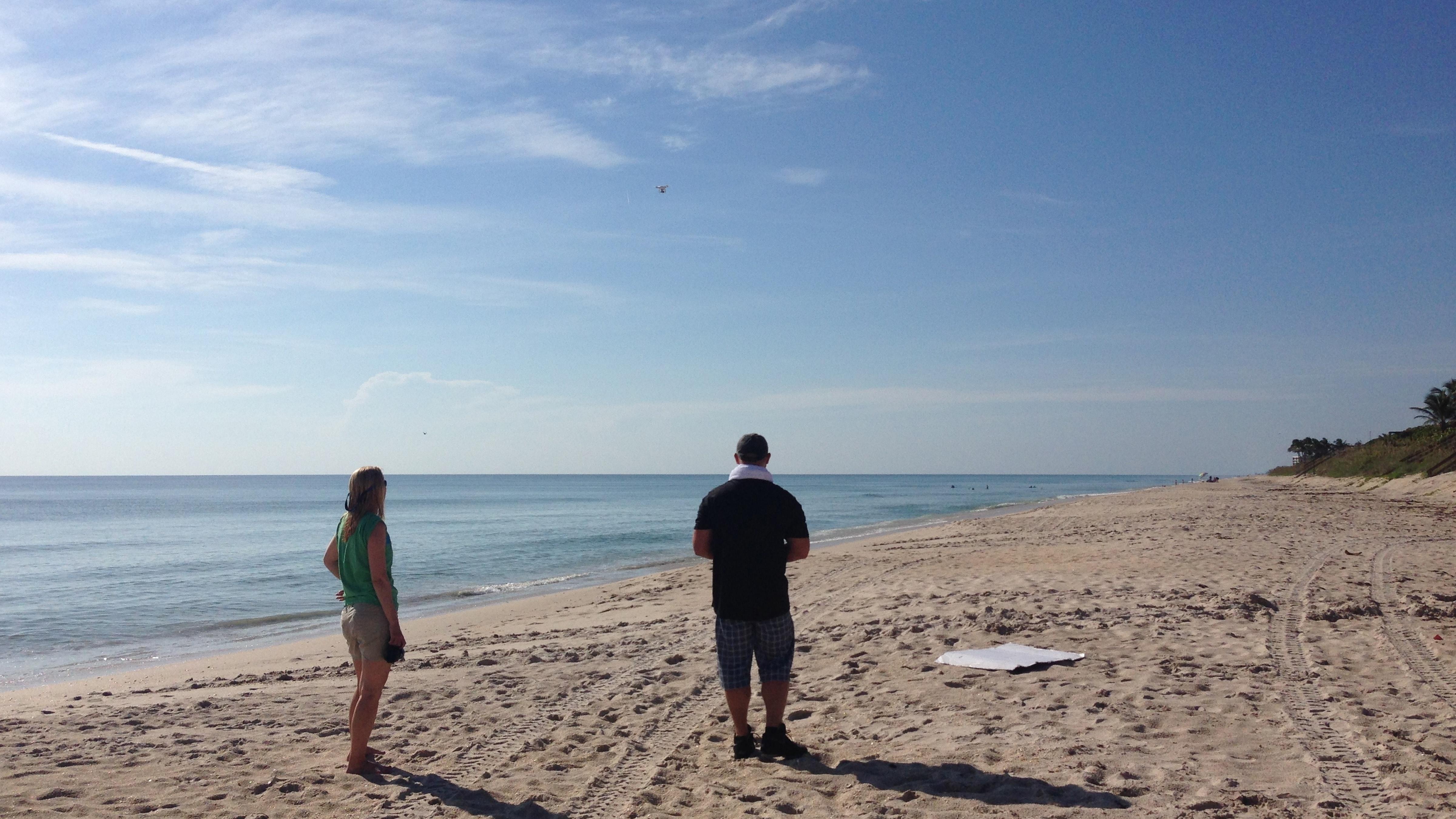
Videographer Sean Hickey operates a drone to film a scene.
9 / 28
Share This Gallery
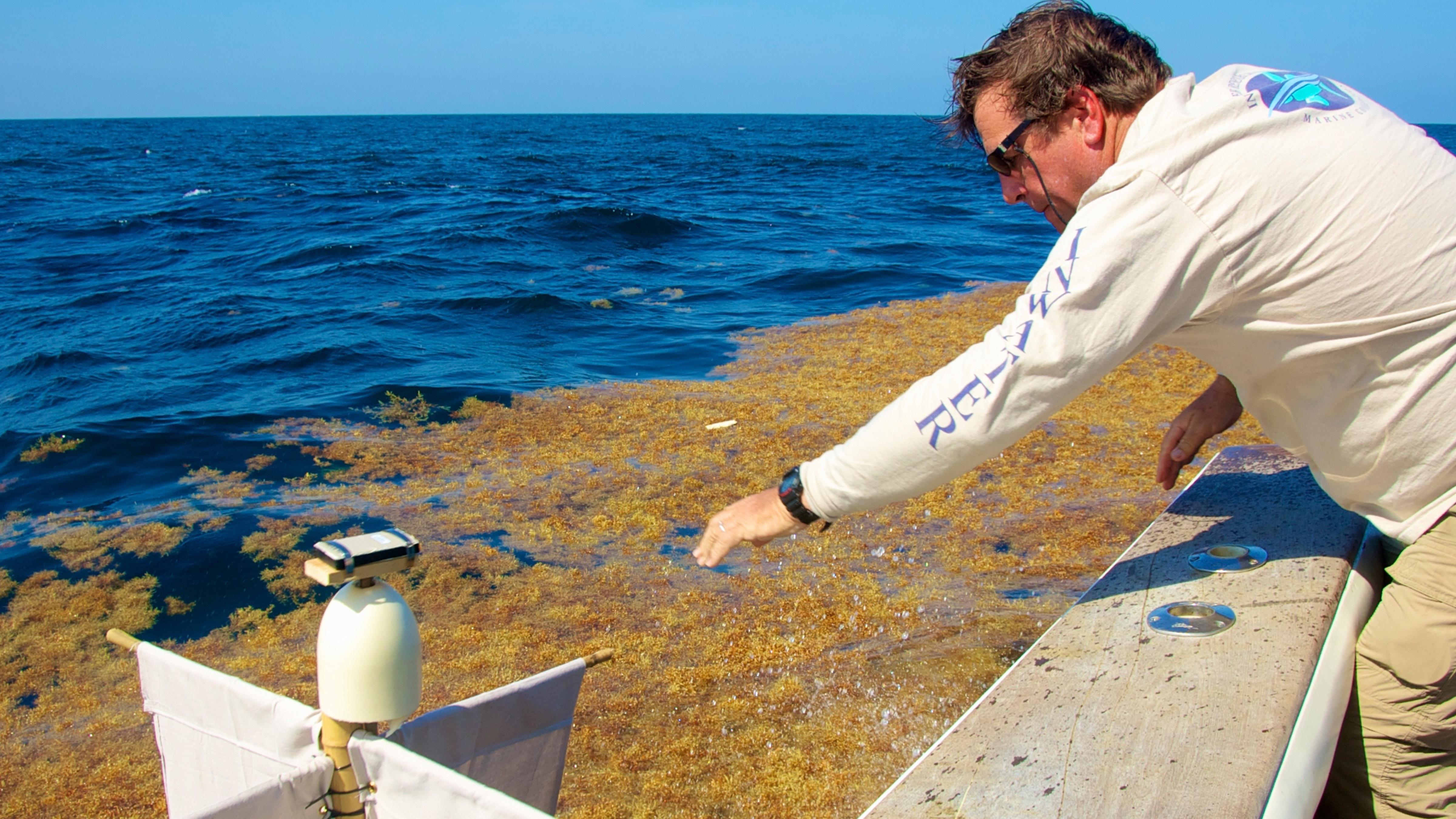
Jonathan Gorham from the Inwater Research Group releases a satellite-equipped passive drifter. Researchers will compare the data of its movements to those of the sea turtles.
10 / 28
Share This Gallery
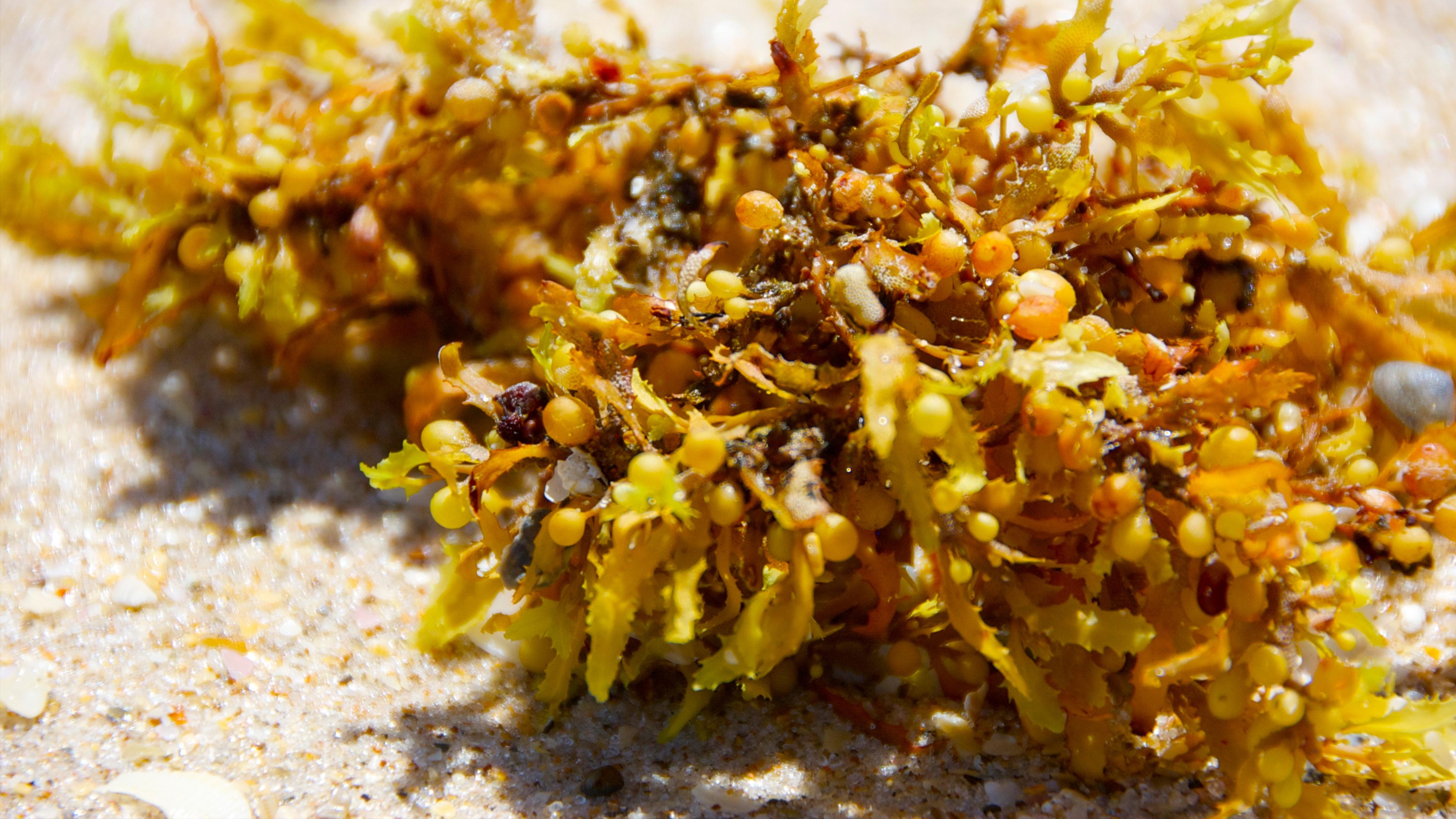
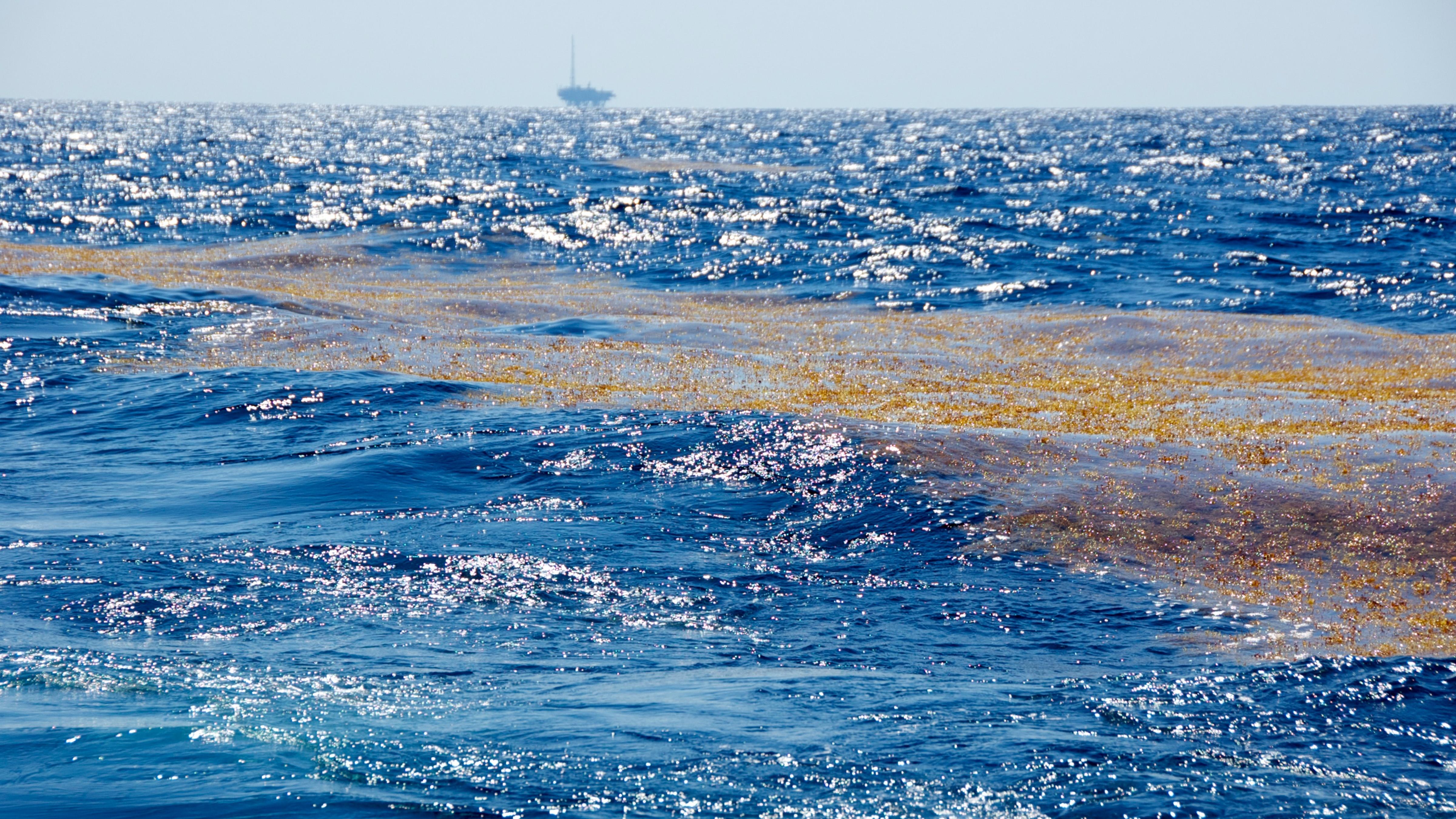
Sargassum on the beach at Archie Carr National Wildlife Refuge.
11 / 28
Share This Gallery
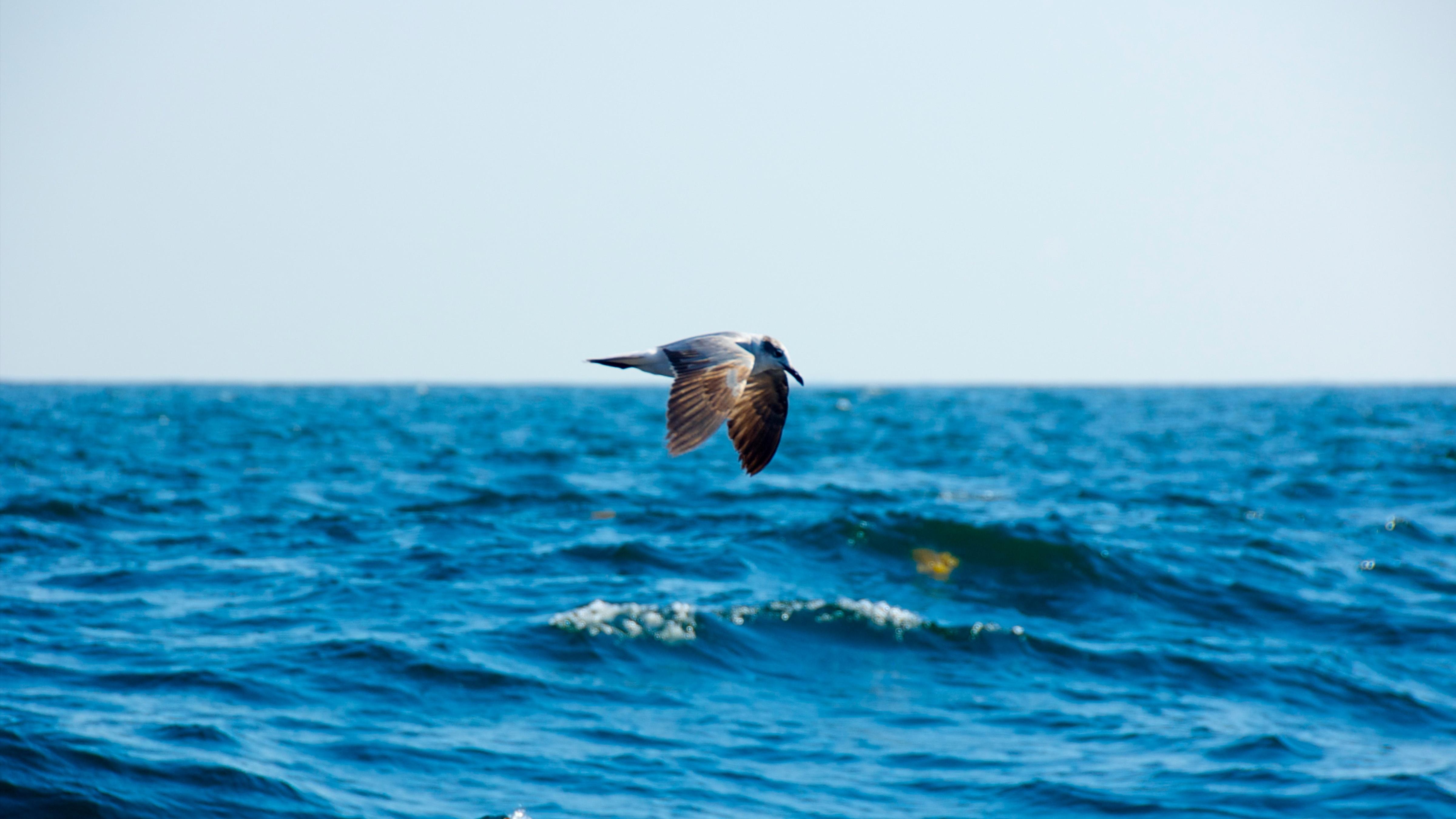
A seabird.
12 / 28
Share This Gallery
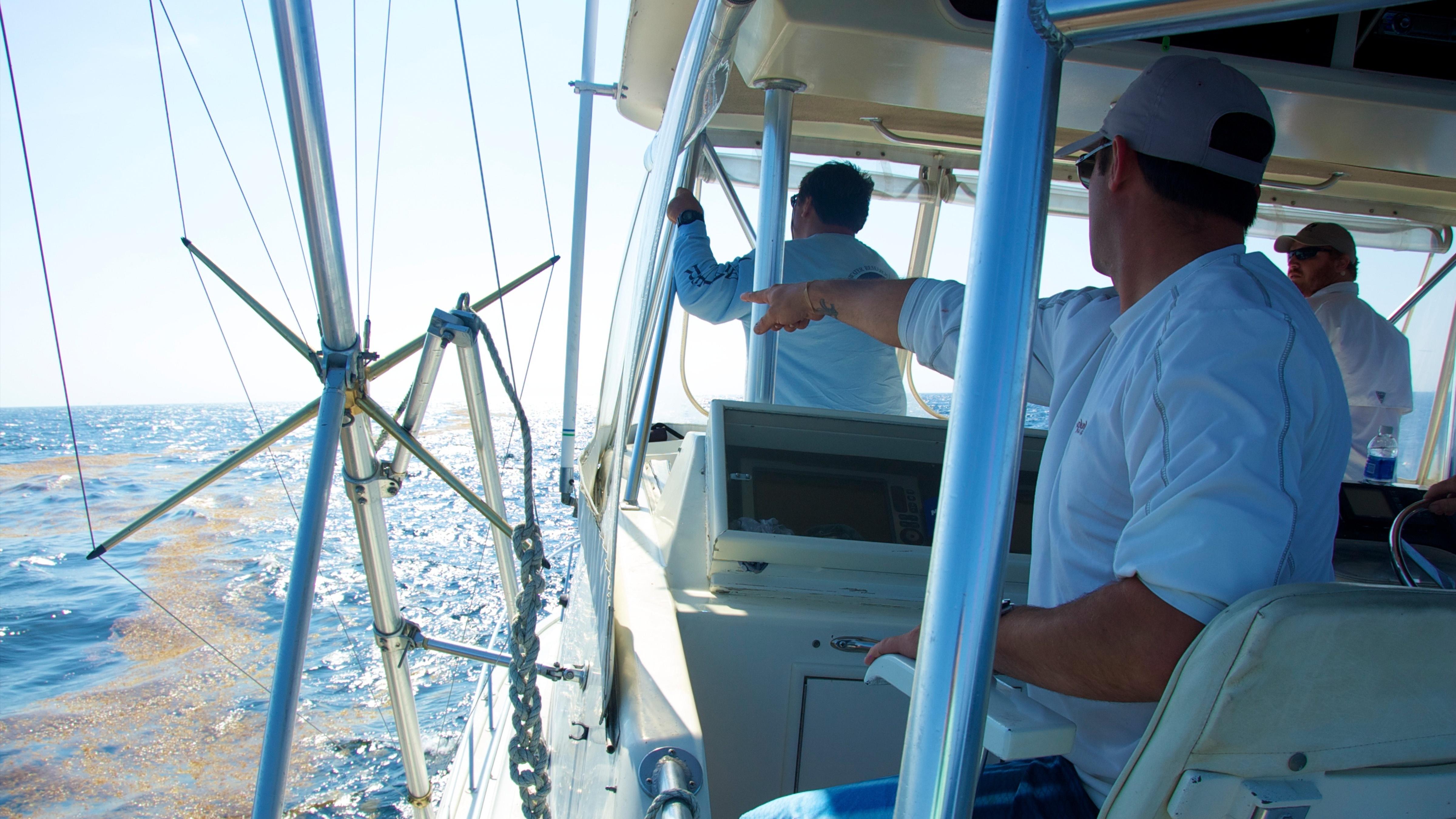
The research team from the University of Central Florida Marine Turtle Research Group and the Inwater Research Group look for juvenile sea turtles in the sargassum.
13 / 28
Share This Gallery
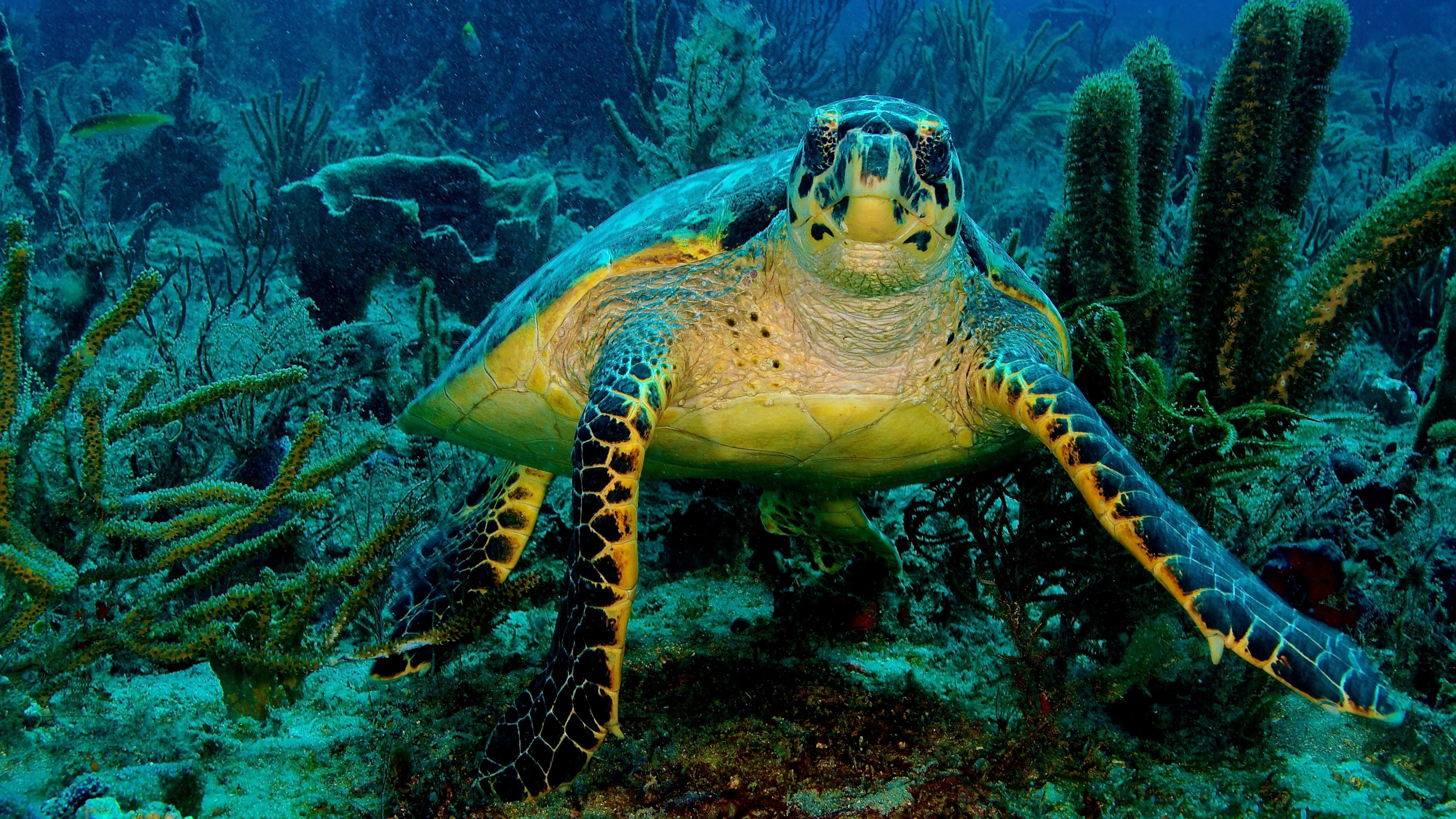
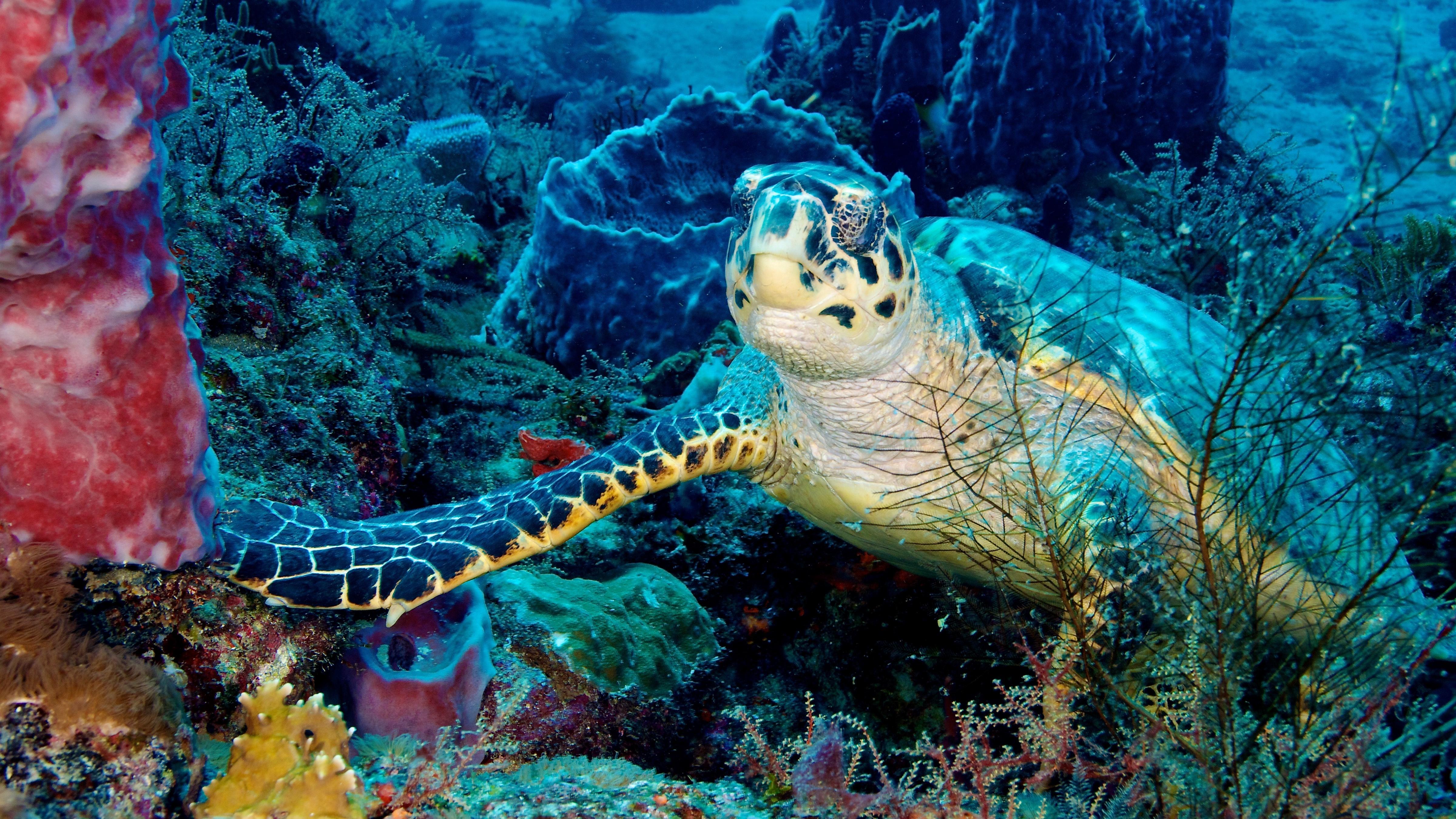
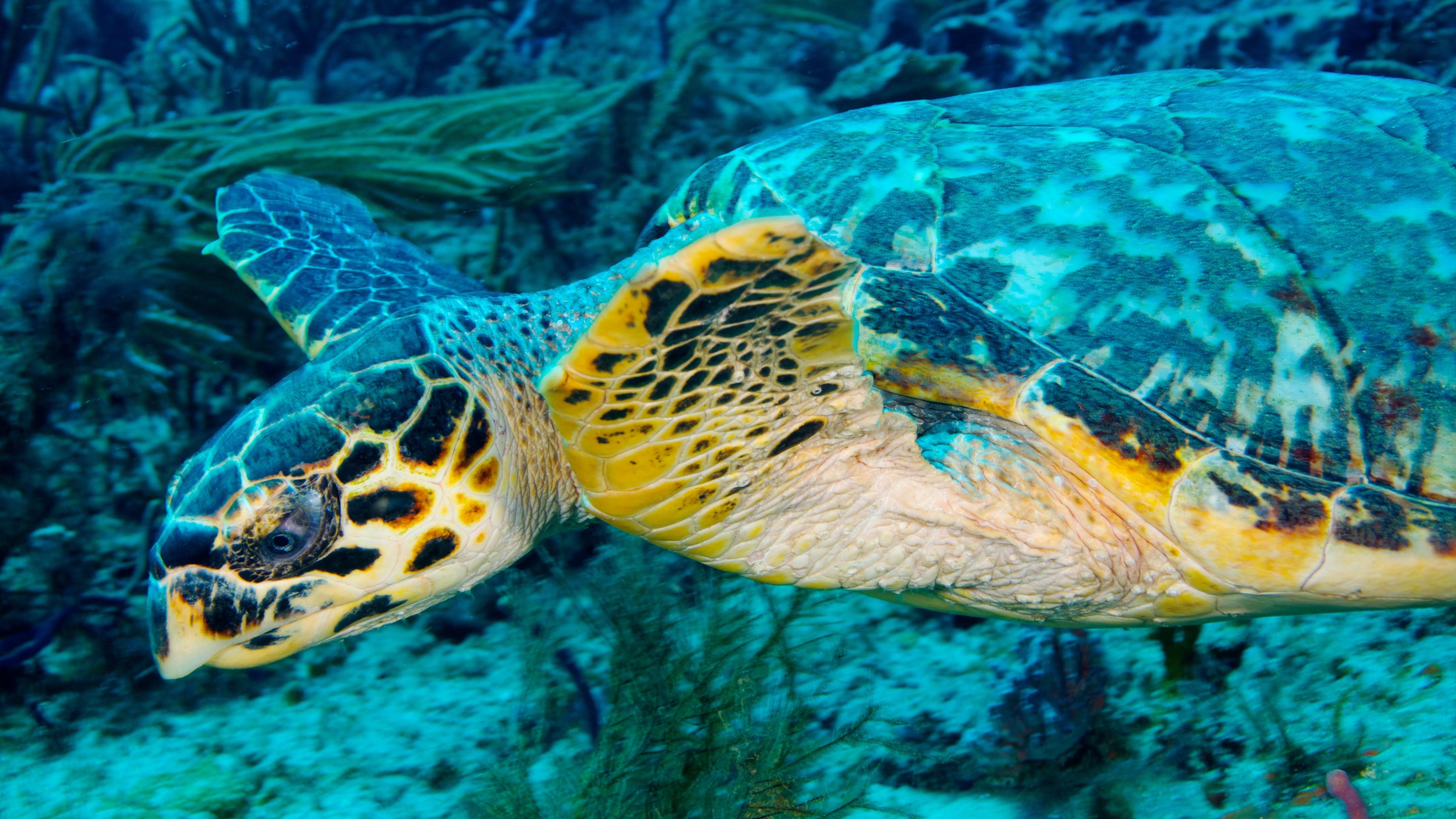
A green turtle resting on the reef.
14 / 28
Share This Gallery
A green turtle resting on the reef.
15 / 28
Share This Gallery
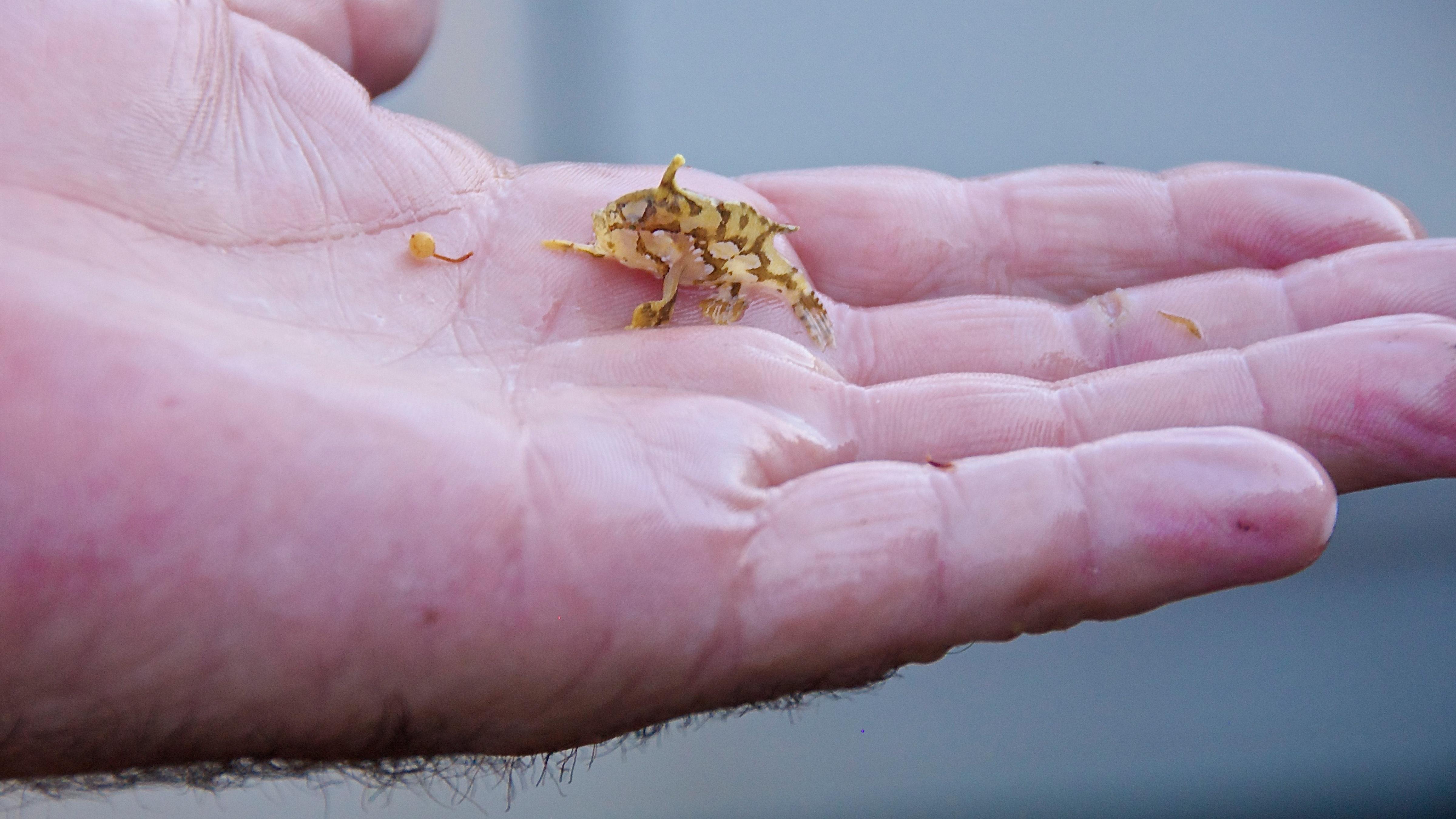
A sargassum fish caught in the weed lines by University of Central Florida Marine Turtle Research Group researchers.
16 / 28
Share This Gallery
The “weed line” where sargassum accumulates and juvenile sea turtles are found.
17 / 28
Share This Gallery
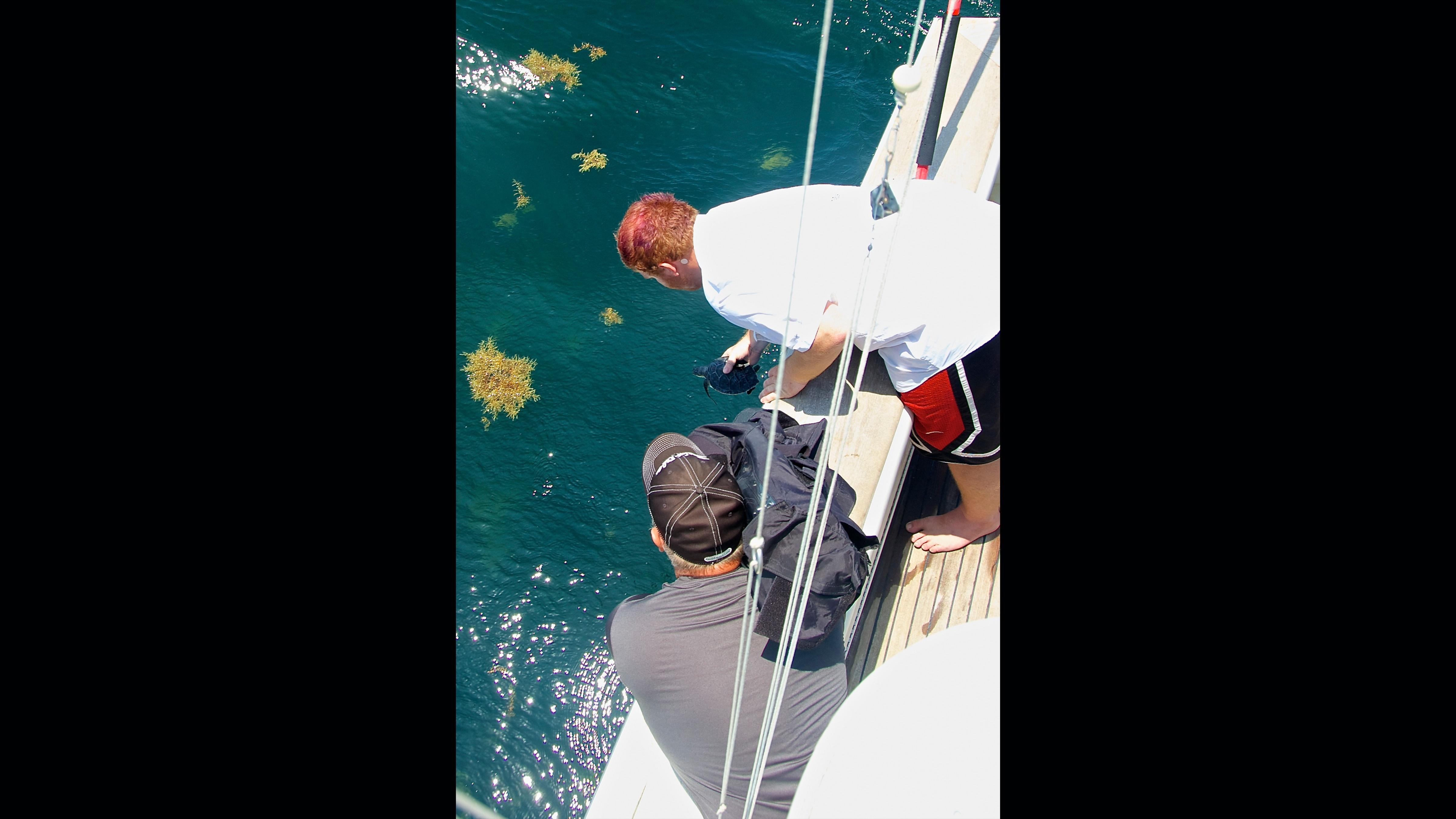
A juvenile green turtle captured by the University of Central Florida Marine Turtle Research Group for tagging.
18 / 28
Share This Gallery
Ph.D. student Chris Long releases a tagged sea turtle back into the sargassum.
19 / 28
Share This Gallery
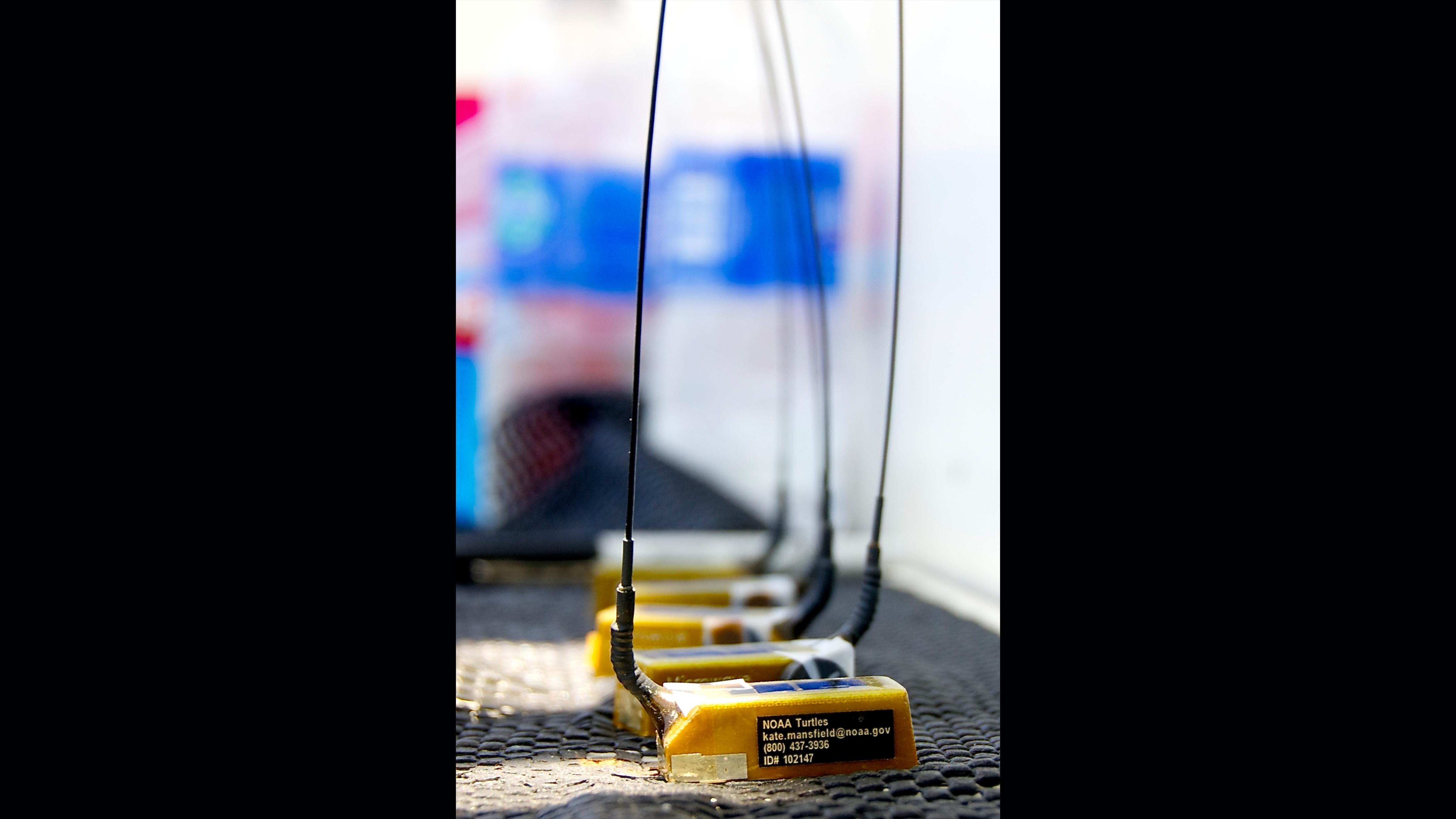
Pit tags ready to be attached to juvenile turtles by the University of Central Florida Marine Turtle Research Group.
20 / 28
Share This Gallery
A green turtle swimming along the reef.
21 / 28
Share This Gallery
A juvenile turtle has its shell sanded down in preparation for tag application.
22 / 28
Share This Gallery
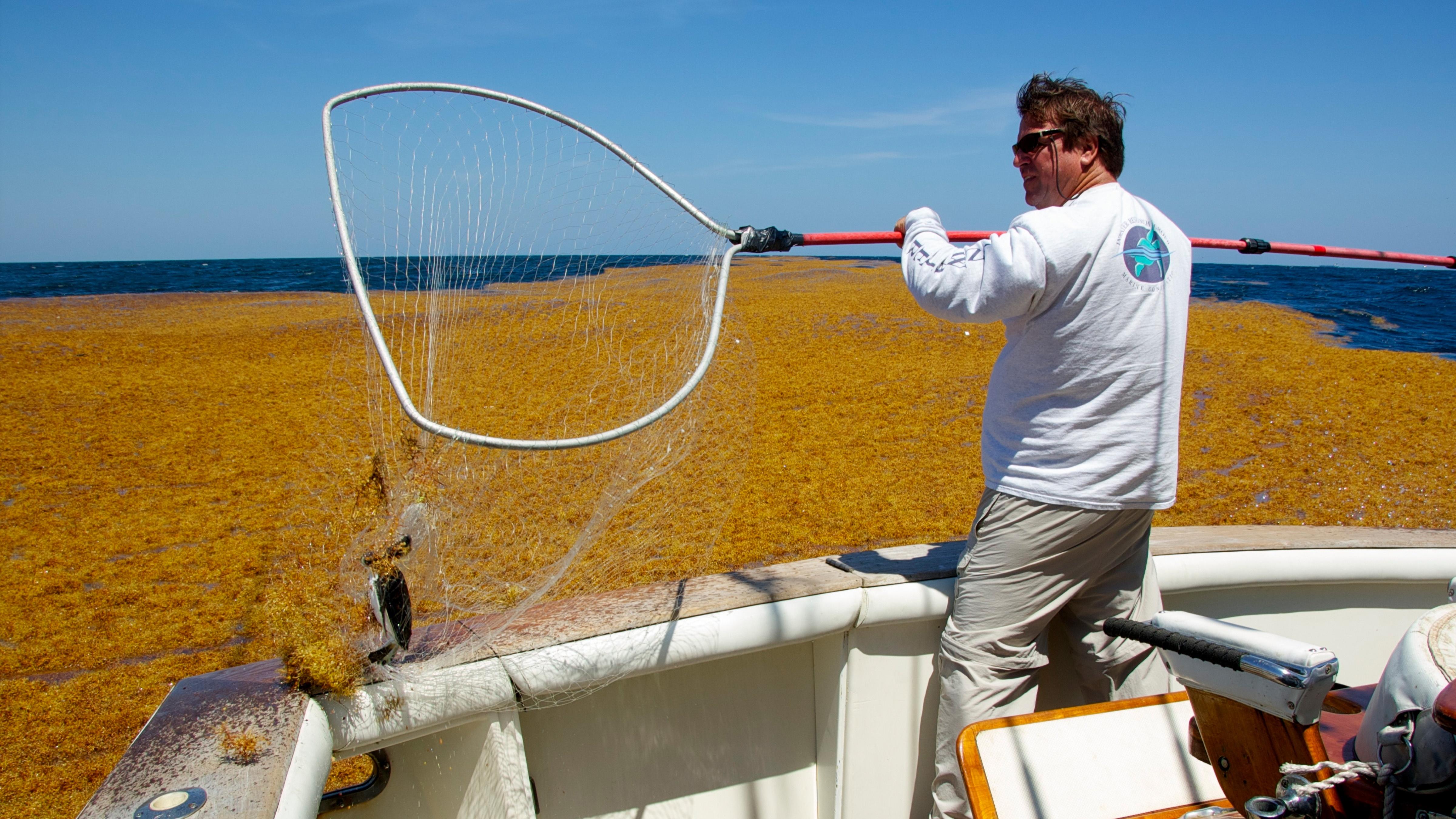
Jonathan Gorham from the Inwater Research Group nets a juvenile sea turtle from the sargassum so researchers from the Marine Turtle Research Group can tag it.
23 / 28
Share This Gallery
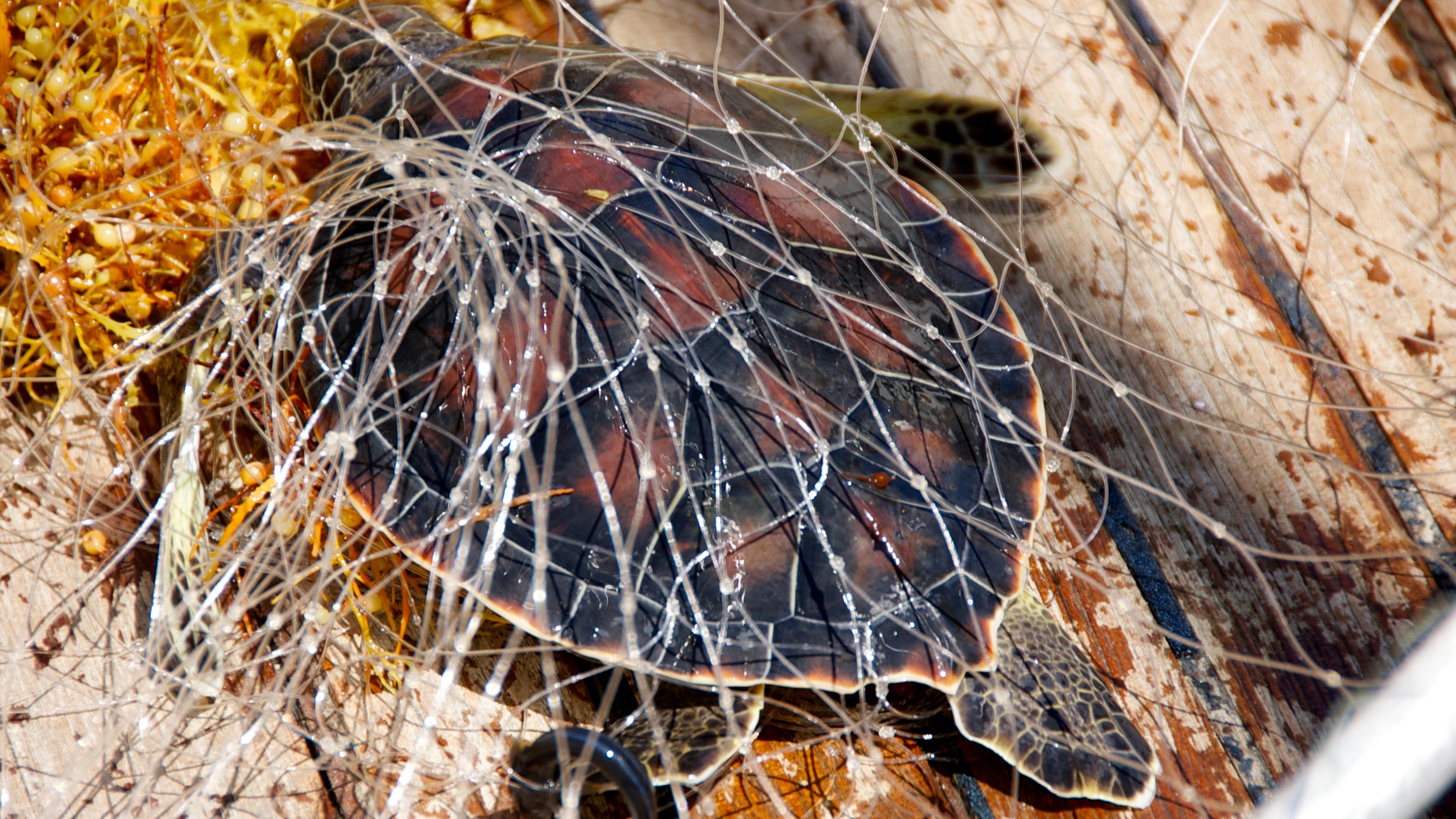
A juvenile sea turtle caught in a net by researchers from the University of Central Florida Marine Turtle Research Group.
24 / 28
Share This Gallery
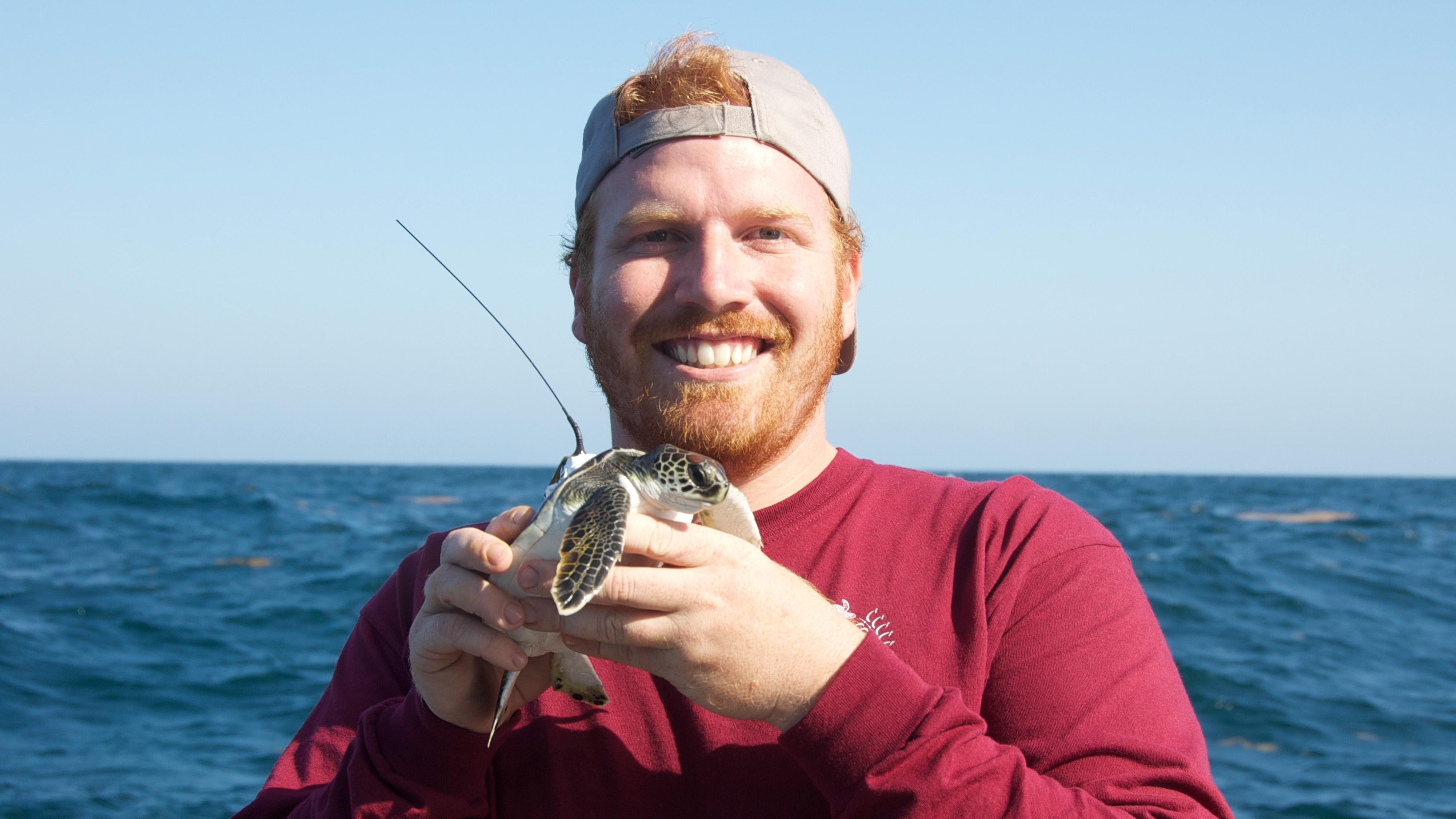
Ph.D. student Chris Long holding a tagged juvenile sea turtle.
25 / 28
Share This Gallery
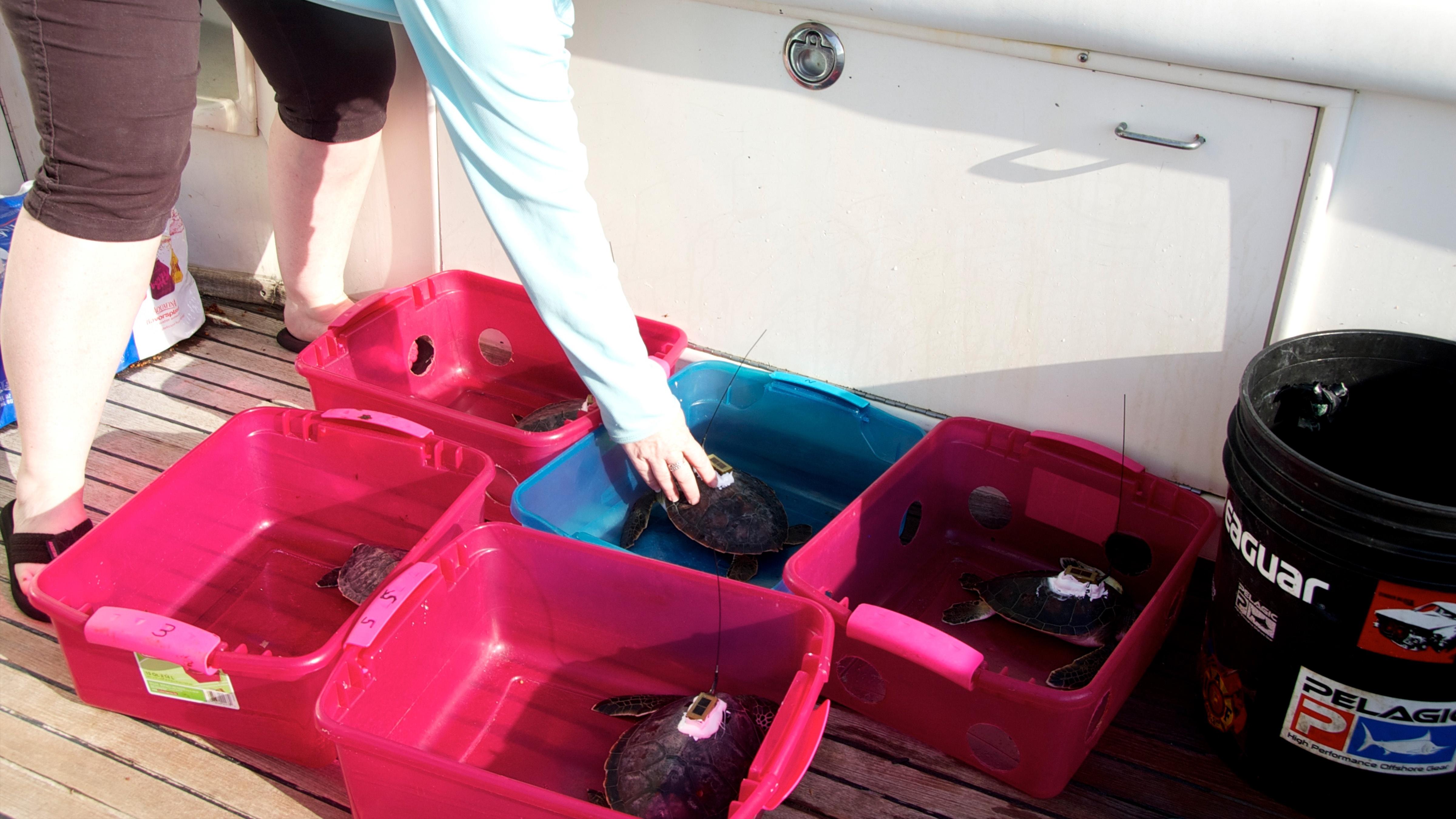
Kate Mansfield, Ph.D. from the University of Central Florida Marine Turtle Research Group monitoring tagged sea turtles as the glue dries on their pit tags.
26 / 28
Share This Gallery
The beach at Archie Carr National Wildlife Refuge.
27 / 28
Share This Gallery
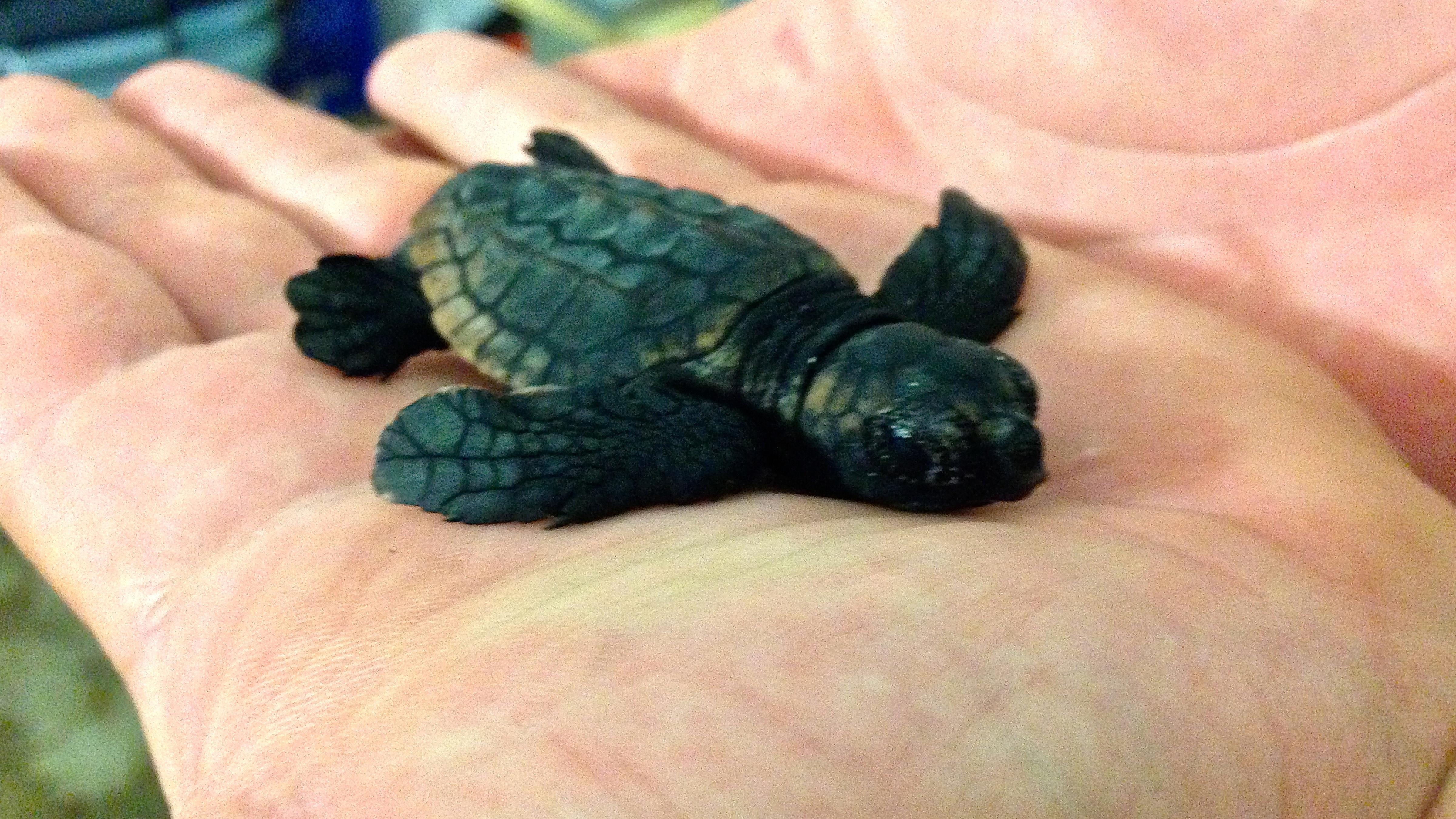
A sea turtle hatchling.
28 / 28
Share This Gallery
Producer Julie Hollenbeck and Videographer Sean Hickey operating the drone to film a scene for Changing Seas.
Changing Seas would like to thank the following individuals and institutions who kindly allowed their footage, images and other media to be used in this production: